
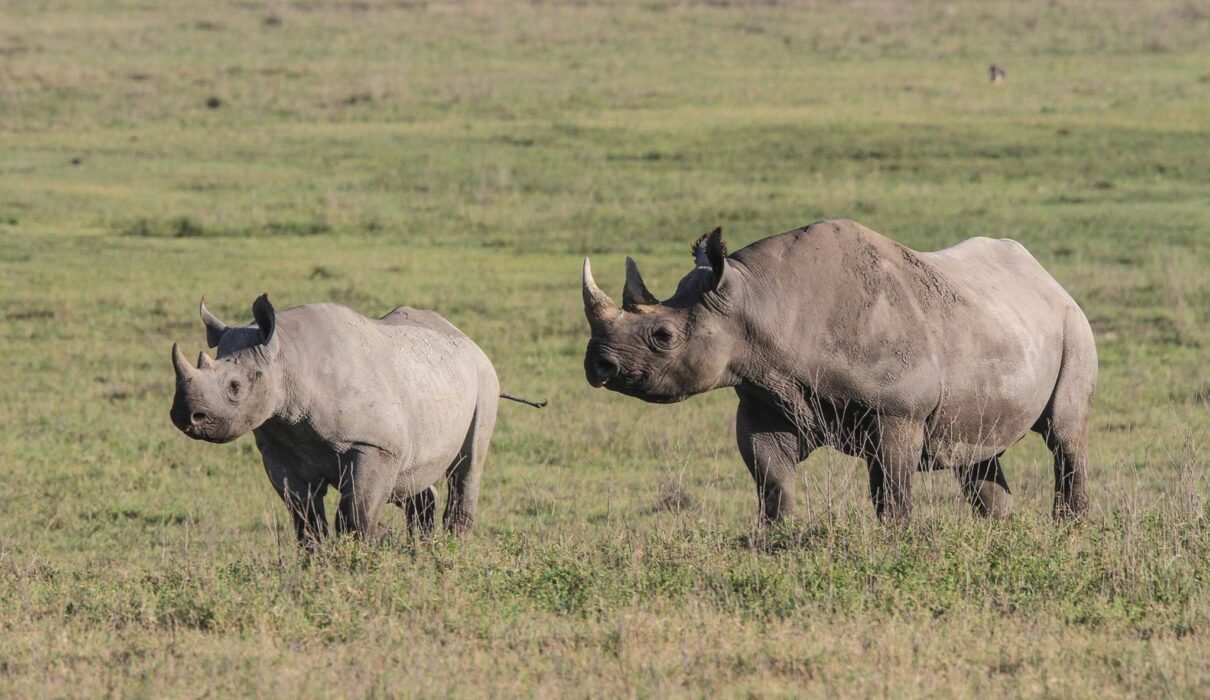
Guidelines for the Transportation, Handling, and Custody of Government Trophies in Tanzania (2026–2028) ;They include wildlife specimens, protected animal products, archaeological items, cultural objects, historical materials, and other items placed under government custody through lawful processes. These trophies may originate from enforcement operations, conservation activities, research programs, donations, exhibitions, confiscations, or other authorized government activities.
The proper transportation, handling, storage, and custody of government trophies require a high level of responsibility, transparency, and professionalism. Poor management of trophies can result in damage, loss of evidence, legal challenges, public mistrust, and loss of valuable national heritage. For this reason, all officers and institutions entrusted with government trophies must follow clear procedures that protect the physical condition, legal status, and integrity of each item.
These Guidelines for the Transportation, Handling, and Custody of Government Trophies in Tanzania (2026–2028) provide a structured framework for government institutions, authorized officers, conservation agencies, law enforcement bodies, museums, research institutions, and other approved stakeholders involved in the management of government trophies.
The guidelines aim to promote accountability, strengthen record management, improve security measures, and ensure that every trophy remains properly protected from the moment it enters government custody until its final approved use, disposal, preservation, or transfer.
2. Purpose of the Guidelines
The purpose of these guidelines is to establish consistent procedures for:
- Safe transportation of government trophies from one location to another.
- Proper handling to prevent damage, deterioration, or contamination.
- Maintaining accurate custody records and accountability.
- Protecting trophies from theft, unauthorized access, misuse, or illegal trade.
- Ensuring compliance with national laws, regulations, and conservation principles.
- Strengthening cooperation among government institutions responsible for trophy management.
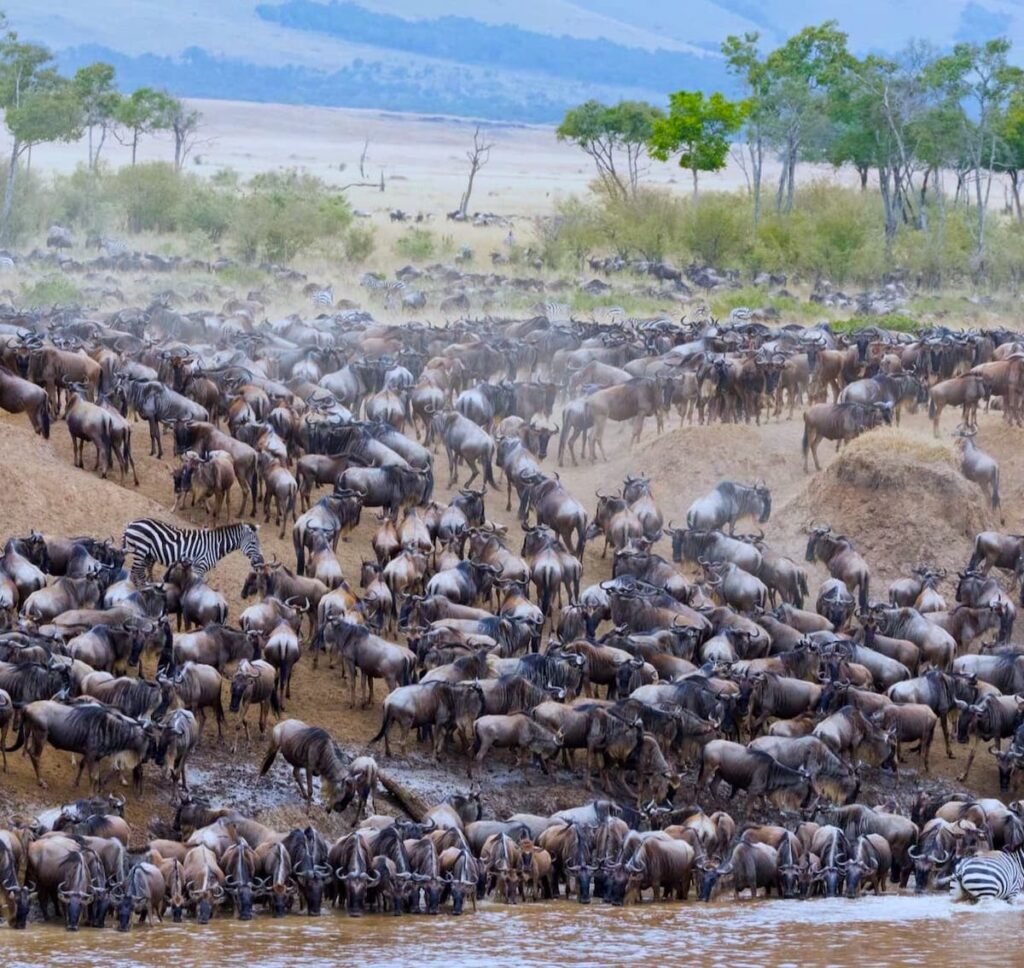
These guidelines also seek to create a culture where government trophies are treated not merely as physical objects but as valuable national resources that carry legal, environmental, cultural, scientific, and historical importance.
3. Scope and Application
These guidelines apply to all government officers, agencies, departments, and authorized persons involved in the management of government trophies within Tanzania.
They cover:
- Wildlife trophies recovered through law enforcement operations.
- Government-held specimens used for research, education, or conservation.
- Cultural and historical objects under government protection.
- Items transferred between government institutions.
- Trophies stored in government facilities, museums, conservation centers, laboratories, or approved storage locations.
All persons involved in trophy management are expected to understand and follow these procedures. Any person who fails to comply may be subject to administrative, disciplinary, or legal action according to applicable laws.
4.Guiding Principles
The management of government trophies shall be guided by the following principles4.1 Accountability
Every trophy must have a clear record showing its origin, description, movement history, current custodian, and final status. No government trophy should exist without proper documentation.
4.2 Security
Government trophies must always be protected against theft, unauthorized handling, illegal use, or damage4.3 Transparency
All transfers, movements, and decisions relating to government trophies must be properly recorded and open to authorized inspection.
4.4 Professional Handling
Only trained and authorized personnel should handle government trophies. Handling procedures must consider the nature, condition, and sensitivity of each item.
4.5 Conservation and Preservation
Where trophies have scientific, cultural, or historical value, all activities must prioritize long-term preservation.
5.Roles and Responsibilities
5.1 Responsible Government Institutions
Government institutions managing trophies shall:
- Establish proper storage and management systems.
- Assign responsible officers for custody.
- Maintain updated inventories.
- Provide adequate security measures.
- Ensure compliance with relevant laws and regulations.
- Conduct regular inspections.
5.2 Custodian Officers
A designated custodian officer shall be responsible for:
- Receiving trophies officially.
- Confirming documentation.
- Maintaining custody registers.
- Monitoring storage conditions.
- Reporting any loss, damage, or irregularity.
- Authorizing movement according to approved procedures.
5.3 Transport Officers
Officers responsible for transportation shall:
- Verify all documents before movement.
- Ensure safe packaging.
- Maintain security throughout transportation.
- Deliver trophies only to authorized recipients.
- Obtain confirmation of receipt.
6.Documentation and Record Management
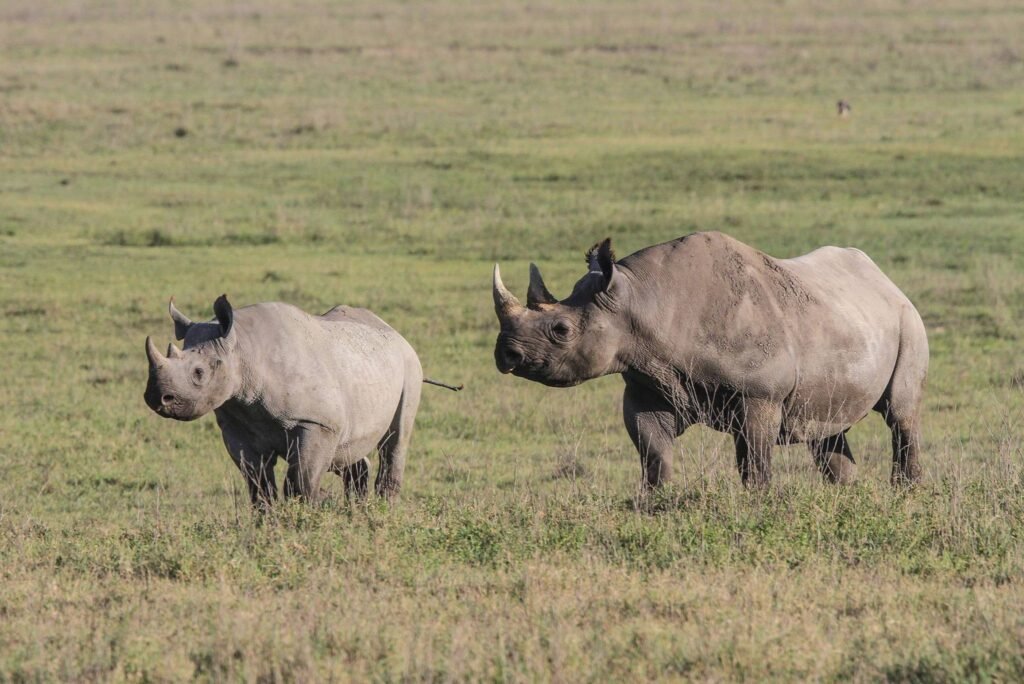
Proper documentation is the foundation of effective trophy management.
Every government trophy must have a complete record containing:
- Unique identification number.
- Description of the trophy.
- Date of acquisition or recovery.
- Source or location of origin.
- Circumstances under which it entered government custody.
- Condition assessment.
- Photographs where applicable.
- Name and signature of responsible officers.
- Movement history.
- Current storage location.
A government trophy register shall be maintained and updated regularly. Any movement of trophies must be reflected immediately in official records.
Records may be maintained electronically and physically. Electronic systems should include appropriate security controls to prevent unauthorized alteration or loss of information.
7. Guidelines for Transportation of Government Trophies
Transportation is one of the most sensitive stages in trophy management because items may be exposed to risks such as theft, damage, environmental conditions, or loss.
7.1 Authorization Before Transportation
No government trophy shall be transported without:
- Written authorization from the responsible authority.
- Complete documentation.
- Identification of sender and receiver.
- Approved transportation arrangements.
Emergency movements may be allowed when necessary for safety, investigation, conservation, or security reasons, but documentation must be completed as soon as possible.
7.2 Preparation Before Movement
Before transportation, officers must:
- Inspect the trophy condition.
- Record existing damage.
- Take photographs where necessary.
- Prepare suitable packaging.
- Label the item clearly.
- Confirm destination details.
The packaging method must consider the nature of the trophy. Fragile, biological, historical, or valuable items require special protection.
7.3 Transportation Security
During transportation:
- Trophies must remain under authorized supervision.
- Unauthorized persons must not access the items.
- Vehicles used should be suitable and secure.
- Routes should be planned carefully.
- Delays should be reported immediately.
- Officers must avoid unnecessary stops.
For high-value or sensitive trophies, additional security arrangements may be required.
8.Handling Procedures
Government trophies must be handled carefully to preserve their physical condition and maintain their evidentiary or conservation value.
Before handling any trophy, officers should:
- Confirm authorization.
- Review handling requirements.
- Use appropriate protective equipment where necessary.
- Avoid unnecessary contact.
- Prevent exposure to harmful conditions.
Personnel should understand that careless handling may permanently damage trophies, especially biological specimens, historical objects, and delicate materials.
Handling areas should be clean, secure, and suitable for the type of trophy being managed.
9. Storage and Custody Management
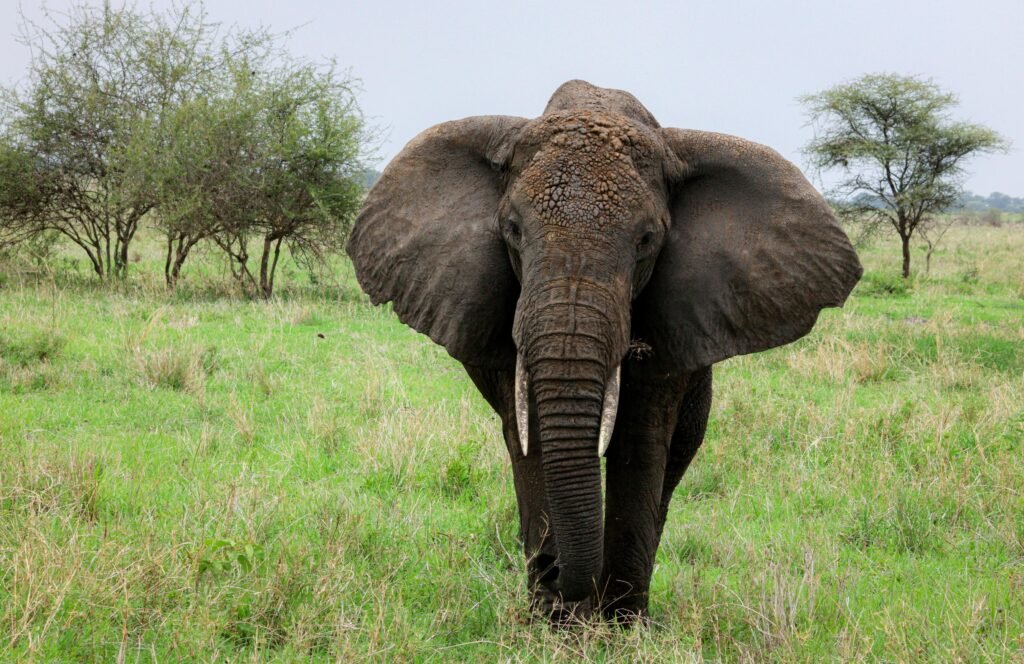
Proper storage is essential for maintaining the condition and security of government trophies.
Storage facilities should provide:
- Controlled access.
- Adequate security systems.
- Protection against fire, moisture, pests, and environmental damage.
- Proper shelving or storage equipment.
- Clear identification and labeling systems.
- Regular inspection schedules.
Only authorized officers should have access to storage areas. Access records should be maintained showing who entered the storage facility, the purpose of access, and the time involved.
10. Chain of Custody Procedures
A strong chain of custody ensures that responsibility for a trophy can be traced at every stage.
The chain of custody process shall include:
- Official receipt of the trophy.
- Verification of documentation.
- Assignment of custody responsibility.
- Recording of every movement.
- Confirmation of transfer between officers or institutions.
- Final recording of disposal, exhibition, preservation, or other approved action.
No trophy should be transferred verbally without official documentation.
11. Inspection and Monitoring
Regular inspections shall be conducted to confirm that:
- Records match physical items.
- Storage conditions remain suitable.
- Security arrangements are effective.
- Damage or deterioration is identified early.
- Unauthorized movements have not occurred.
Inspection reports should include findings, recommendations, and actions taken.
Institutions should establish periodic internal audits to strengthen accountability.
12. Management of Damaged, Lost, or Missing Trophies
Any damage, loss, disappearance, or suspected theft must be reported immediately.
The responsible officer shall:
- Secure the remaining items.
- Prepare an incident report.
- Notify relevant authorities.
- Support investigations.
- Update official records.
Failure to report incidents may result in disciplinary measures.
13. Training and Capacity Building
Institutions responsible for government trophies should provide regular training for officers involved in:
- Identification of trophies.
- Documentation procedures.
- Safe handling techniques.
- Storage management.
- Security awareness.
- Legal requirements.
Training ensures that officers understand both their responsibilities and the importance of protecting national assets.
14. Technology and Digital Management
Modern technology should be used to improve trophy management.
Institutions are encouraged to use:
- Digital inventory systems.
- Barcode or identification systems.
- Secure databases.
- Digital photographs.
- Electronic movement tracking.
Technology should support, not replace, proper human responsibility and supervision.
15. Ethics and Professional Conduct
All officers handling government trophies must demonstrate:
- Honesty.
- Professional discipline.
- Respect for national property.
- Confidentiality where required.
- Commitment to conservation and public service.
Government trophies must never be used for personal benefit, unauthorized display, trade, or any activity outside official approval.
16. Coordination Among Institutions
Effective trophy management requires cooperation among government institutions, including conservation authorities, law enforcement agencies, museums, research bodies, and administrative offices.
Institutions should:
- Share relevant information.
- Support lawful transfers.
- Coordinate investigations.
- Develop common standards.
- Conduct joint training where appropriate.
17. Public Awareness and Education
Where appropriate, government trophies may support education and awareness programs. Public exhibitions should promote understanding of Tanzania’s natural heritage, cultural identity, and conservation responsibilities.
Any public display must ensure:
- Proper authorization.
- Adequate security.
- Accurate information.
- Respectful presentation.
18. Implementation Period (2026–2028)
These guidelines shall guide government trophy management activities during the period 2026–2028.
During this period, responsible institutions should focus on:
- Strengthening inventory systems.
- Improving storage facilities.
- Enhancing officer training.
- Increasing monitoring and inspection.
- Promoting accountability.
- Improving cooperation between stakeholders.
Progress should be reviewed periodically to identify challenges and improve implementation.
19. Conclusion:Guidelines for the Transportation, Handling, and Custody of Government Trophies in Tanzania (2026–2028)
Government trophies are important national resources that require careful protection and responsible management. Their value extends beyond their physical appearance because they represent Tanzania’s natural heritage, cultural history, scientific knowledge, and commitment to conservation.
The successful implementation of these Guidelines for the Transportation, Handling, and Custody of Government Trophies in Tanzania (2026–2028) depends on the dedication of all officers, institutions, and stakeholders involved.
Every person entrusted with government trophies has a responsibility to protect them, maintain accurate records, and ensure that they remain preserved for present and future generations.
Proper custody today protects Tanzania’s heritage tomorrow.
Annex 1: Basic Trophy Movement Checklist
Before moving a government trophy, confirm:
☐ Authorization has been obtained.
☐ Documentation is complete.
☐ Trophy identification number is recorded.
☐ Condition has been checked.
☐ Packaging is appropriate.
☐ Transport arrangements are secure.
☐ Receiving officer has been identified.
☐ Transfer records are prepared.
Annex 2: Minimum Trophy Register Information of Guidelines for the Transportation, Handling, and Custody of Government Trophies in Tanzania (2026–2028)
Each register entry should include:
- Identification number.
- Trophy description.
- Date received.
- Source.
- Responsible institution.
- Storage location.
- Condition report.
- Movement history.
- Officer responsible.
- Final status.
Annex 3: Key Compliance Message
Guidelines for the Transportation, Handling, and Custody of Government Trophies in Tanzania (2026–2028). Proper transportation, handling, and custody are not only administrative duties but also a responsibility to protect Tanzania’s heritage, laws, and future generations.