
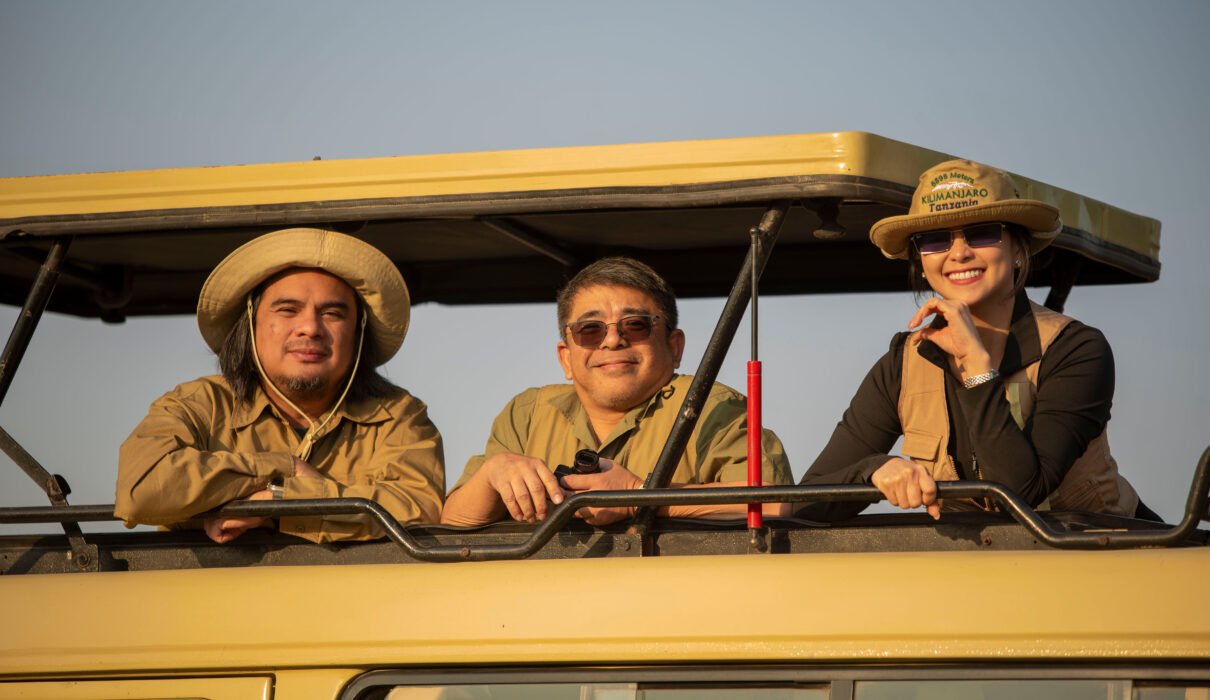
Breaking Barriers: How Women Safari Guides Are Redefining African Safaris in 2026, 2027 & 2028;This evolution is about much more than increasing the number of women working in tourism. It represents a shift in attitudes, opportunities, and expectations. Visitors are increasingly seeking authentic, educational, and meaningful experiences, and many discover that women guides offer exceptional communication skills, deep ecological knowledge, patience, cultural interpretation, and a collaborative approach to guiding.
While many outstanding male guides have contributed immensely to Africa’s tourism industry, a remarkable transformation is taking place across the continent. Women are increasingly stepping into leadership roles as professional safari guides, wildlife interpreters, conservation educators, trackers, camp managers, and adventure specialists.
Between 2026 and 2028, this transformation is expected to accelerate, reshaping not only who leads safaris but also how wildlife experiences are delivered. Women safari guides are breaking long-standing cultural and professional barriers while bringing new perspectives to conservation, community engagement, hospitality, and sustainable tourism. Their growing presence reflects broader progress toward gender equality, inclusive employment, and responsible tourism across Africa.
As African tourism continues to recover, innovate, and expand, women are becoming central figures in creating memorable safari experiences while inspiring future generations of conservation leaders.
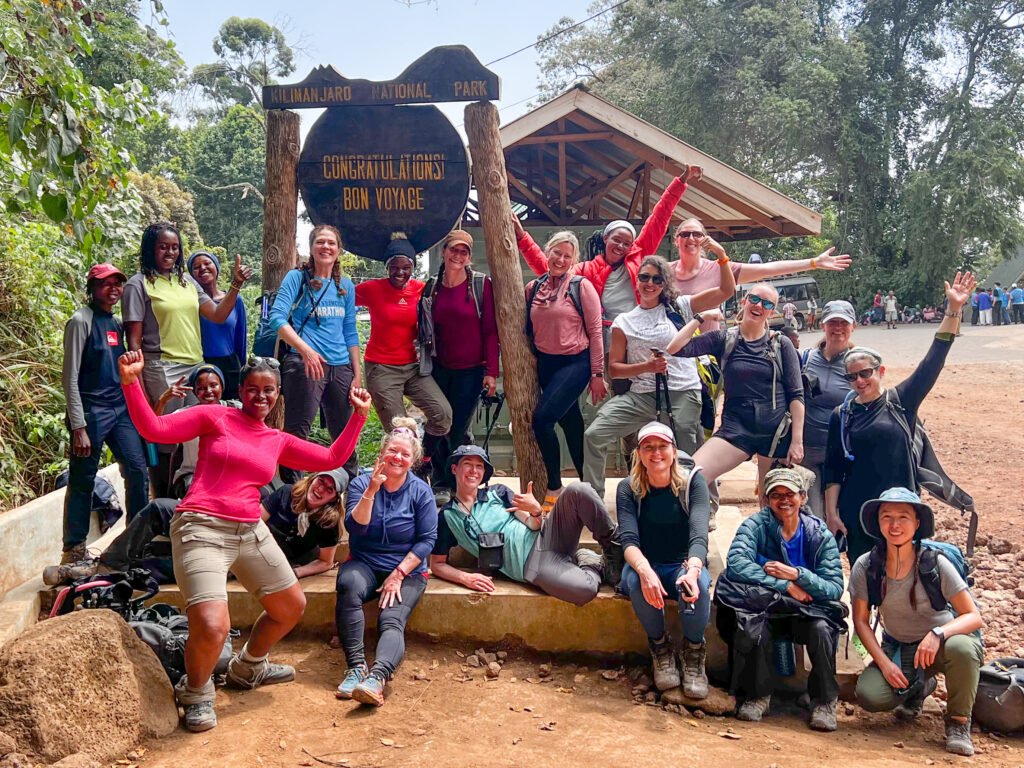
The Evolution of Safari Guiding in Africa:Breaking Barriers ofHow Women Safari Guides Are Redefining African Safaris in 2026, 2027 & 2028
Safari guiding has traditionally been one of the most respected professions within Africa’s tourism sector. Guides serve as educators, conservation ambassadors, safety professionals, storytellers, naturalists, and cultural interpreters. Their knowledge shapes the visitor experience and often determines how tourists understand wildlife, ecosystems, and local communities.
Historically, however, safari guiding remained largely male-dominated due to cultural expectations, demanding field conditions, limited access to professional training, and misconceptions regarding women’s ability to perform physically demanding tasks.
Over the past decade, governments, tourism organizations, conservation agencies, private safari operators, and training institutions have increasingly recognized the importance of creating equal opportunities for women. Scholarship programs, professional guide training, mentorship initiatives, and gender-inclusive workplace policies have opened doors that were once difficult to access.
By 2026, many African destinations are expected to have significantly higher numbers of certified women safari guides, with continued growth anticipated through 2027 and 2028.
Why Women Are Transforming African Safaris
Women are not simply entering an existing profession they are enriching it.
Many safari operators report that women guides bring strengths that complement traditional guiding approaches, including:
- Exceptional communication and storytelling abilities.
- Strong attention to ecological detail.
- High levels of empathy toward guests.
- Calm decision-making under pressure.
- Excellent interpretation of wildlife behavior.
- Effective conflict resolution within visitor groups.
- Inclusive leadership styles.
- Greater emphasis on education and conservation awareness.
These qualities contribute to richer visitor experiences while strengthening conservation messages.
Rather than replacing existing traditions, women are expanding what safari guiding can become.
Building Trust Through Personal Connections
Modern travelers increasingly seek experiences that go beyond viewing wildlife. They want to understand ecosystems, local cultures, conservation challenges, and community life.
Women safari guides often excel at creating meaningful conversations that help guests feel comfortable asking questions and engaging with complex environmental topics.
Families traveling with children frequently appreciate guides who combine wildlife knowledge with patience and educational creativity. Solo travelers, couples, photographers, researchers, and older visitors also value guides who encourage discussion rather than simply delivering information.
These personal connections transform game drives into memorable learning experiences.
Women as Conservation Ambassadors
Across Africa, conservation depends heavily on public understanding and community participation.
Women safari guides frequently become influential conservation ambassadors by explaining:
- Wildlife protection.
- Anti-poaching efforts.
- Habitat restoration.
- Human-wildlife coexistence.
- Climate change impacts.
- Biodiversity conservation.
- Sustainable tourism practices.
Visitors often leave with a deeper appreciation of conservation because guides connect scientific knowledge with personal stories and local experiences.
In many destinations, women also participate directly in wildlife monitoring, ecological research, environmental education, and community outreach programs.
Inspiring Future Generations
One of the most significant impacts of women safari guides extends beyond tourism itself.
Young girls visiting national parks or growing up in nearby communities now have visible role models demonstrating that careers in wildlife conservation, guiding, research, and environmental management are achievable.
Representation matters.
When girls see women confidently leading game drives, identifying birds, tracking lions, explaining ecosystems, or managing safari operations, traditional assumptions begin to change.
Schools increasingly invite women guides to speak about conservation careers, encouraging students to pursue education in tourism, biology, ecology, and environmental sciences.
Improving Visitor Experiences
Safari guests increasingly value guides who combine technical expertise with excellent interpersonal skills.
Women guides often contribute by:
- Creating welcoming environments.
- Encouraging curiosity.
- Adapting explanations to different audiences.
- Supporting nervous first-time safari visitors.
- Promoting respectful wildlife viewing.
- Managing diverse international groups effectively.
These qualities contribute to higher visitor satisfaction and stronger destination reputations.
Positive visitor experiences frequently translate into repeat visits, positive reviews, and recommendations that benefit local tourism economies.
Supporting Sustainable Tourism
Sustainability has become one of the defining priorities of African tourism.
Women guides play important roles in promoting responsible travel by encouraging visitors to:
- Respect wildlife.
- Avoid disturbing animal behavior.
- Reduce waste.
- Support local businesses.
- Appreciate indigenous knowledge.
- Understand conservation financing.
Their educational role helps transform tourism into a force that benefits both people and nature.
Economic Empowerment Through Tourism
Employment as a safari guide provides more than personal income.
For many women, guiding creates opportunities to:
- Support families.
- Invest in education.
- Build professional careers.
- Develop leadership skills.
- Start tourism enterprises.
- Mentor younger women.
As incomes increase, communities often experience wider economic benefits through improved education, healthcare access, and local business development.
Women’s participation therefore contributes directly to inclusive economic growth.
Technology and the Modern Safari Guide
Between 2026 and 2028, technology is expected to become increasingly integrated into safari operations.
Women guides are embracing innovations such as:
- Digital wildlife identification tools.
- GPS navigation systems.
- Conservation data collection applications.
- Bird identification software.
- Drone-supported ecological monitoring where permitted.
- Digital interpretation materials.
- Online guest engagement platforms.
Technology enhances not replaces the knowledge and experience of professional guides.
The combination of traditional fieldcraft with modern technology strengthens both visitor experiences and conservation outcomes.
Community Engagement and Cultural Interpretation
African safaris increasingly emphasize connections between wildlife and local communities.
Women guides often possess unique insights into community traditions, local livelihoods, food systems, handicrafts, and cultural heritage.
By sharing these perspectives respectfully, they help visitors understand that conservation is closely linked to people as well as wildlife.
This broader interpretation enriches the safari experience while promoting respect for cultural diversity.
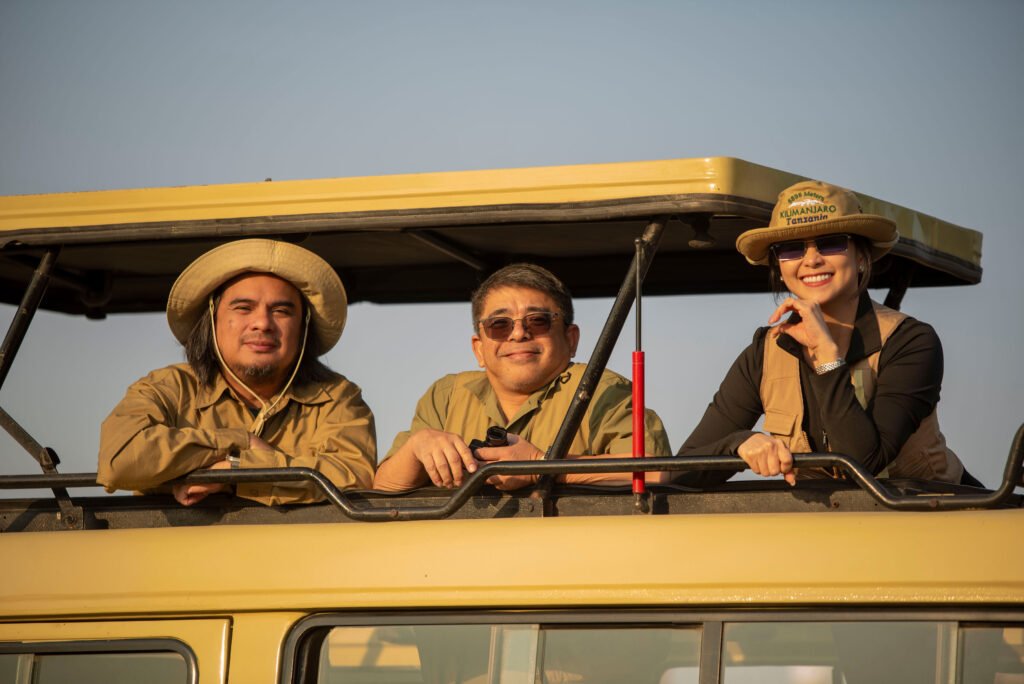
Challenges That Still Exist
Despite remarkable progress, women safari guides continue to face several challenges.
These include:
- Gender stereotypes.
- Limited access to senior leadership positions.
- Safety concerns in remote working environments.
- Balancing professional and family responsibilities.
- Unequal career advancement opportunities.
- Limited mentorship in some regions.
- Inadequate infrastructure designed for mixed-gender field teams.
Addressing these challenges requires continued commitment from governments, tourism operators, conservation organizations, and training institutions.
The Role of Governments
Governments have an important responsibility in creating supportive environments for women entering safari professions.
Policy priorities include:
- Equal employment opportunities.
- Professional certification.
- Scholarships.
- Safe working conditions.
- Gender-responsive tourism policies.
- Investment in tourism education.
- Support for rural employment.
These initiatives strengthen both tourism competitiveness and social inclusion.
The Responsibility of Safari Operators
Private tourism businesses can accelerate change by:
- Recruiting women guides.
- Providing equal training opportunities.
- Establishing mentorship programs.
- Supporting career progression.
- Promoting inclusive workplace cultures.
- Recognizing professional achievements based on merit.
- Ensuring fair remuneration.
Inclusive workplaces benefit employees, businesses, and visitors alike.
Visitor Expectations in Breaking of Barriers: How Women Safari Guides Are Redefining African Safaris in 2026, 2027 & 2028
Travelers increasingly choose destinations that demonstrate environmental responsibility and social inclusion.
Many visitors appreciate tourism businesses that:
- Support local communities.
- Promote women in leadership.
- Invest in conservation.
- Respect cultural diversity.
- Operate sustainably.
Women safari guides therefore contribute not only to excellent visitor experiences but also to the overall reputation of African tourism destinations.
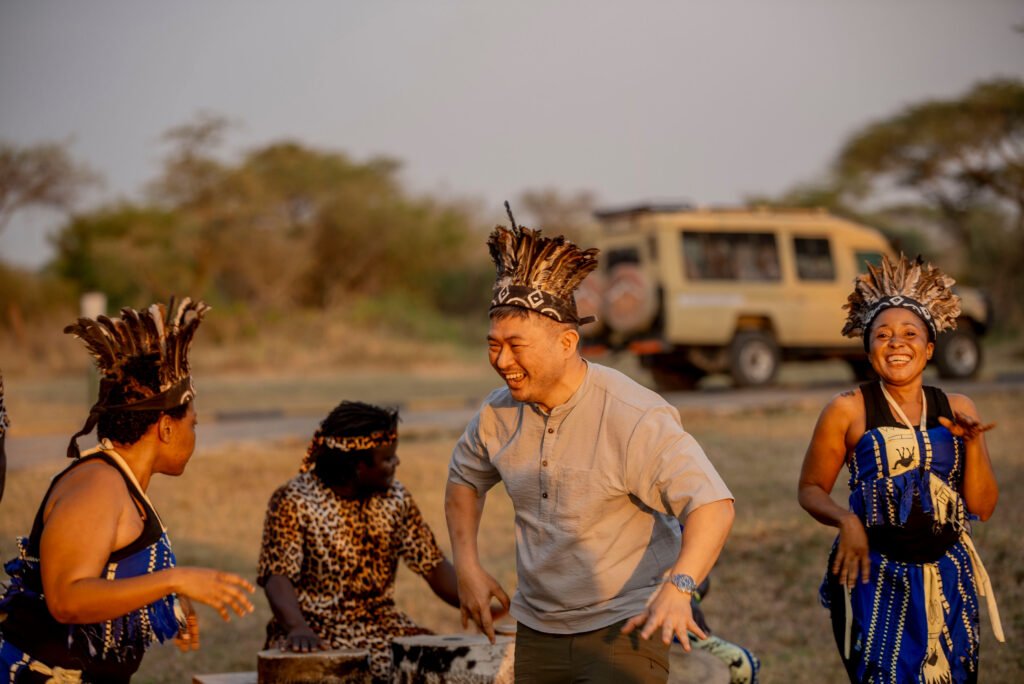
Looking Ahead: The Future of Breaking Barriers: How Women Safari Guides Are Redefining African Safaris in 2026, 2027 & 2028
The years 2026, 2027, and 2028 are expected to represent an important period of growth for women across Africa’s safari industry.
More women are likely to become:
- Senior safari guides.
- Guide trainers.
- Camp managers.
- Conservation educators.
- Wildlife researchers.
- Tourism entrepreneurs.
- Park interpreters.
- Ecotourism consultants.
- Destination ambassadors.
- Wildlife photographers.
Their increasing leadership will continue to broaden perspectives within conservation and tourism while encouraging more inclusive decision-making.
Recommendations
To sustain this positive momentum, stakeholders should prioritize the following actions:
- Expand access to accredited safari guide training for women.
- Increase scholarships for tourism and conservation education.
- Establish mentorship networks linking experienced guides with newcomers.
- Strengthen workplace safety policies.
- Promote equal opportunities for career advancement.
- Encourage women’s leadership within tourism associations.
- Support community awareness campaigns that challenge gender stereotypes.
- Invest in digital skills and technology training.
- Recognize outstanding women guides through national and regional awards.
- Foster partnerships among governments, conservation organizations, tourism businesses, and educational institutions.
These actions will help ensure that the safari industry remains innovative, inclusive, and resilient.
Conclusion:Breaking Barriers: How Women Safari Guides Are Redefining African Safaris in 2026, 2027 & 2028
Breaking Barriers: How Women Safari Guides Are Redefining African Safaris in 2026, 2027 & 2028 Breaking barriers is not simply about entering a profession once dominated by men. It is about expanding possibilities for everyone. Every successful woman safari guide challenges outdated assumptions, creates new opportunities, and shows that conservation thrives when diverse voices and talents are welcomed.
Between 2026 and 2028, women are expected to play an even greater role in shaping the future of African safaris. Through their expertise, leadership, and passion for wildlife, they are enriching visitor experiences, strengthening conservation efforts, empowering local communities, and inspiring future generations.
As Africa continues to showcase its extraordinary wildlife, landscapes, and cultures to the world, women safari guides will remain at the forefront of this journey leading with confidence, sharing knowledge with generosity, and helping ensure that the continent’s natural heritage is protected and celebrated for generations to come.
Their story is ultimately one of resilience, professionalism, and hope. It reminds us that the future of African safaris is not only about where visitors travel, but also about who leads the journey and the values they bring. By embracing diversity, investing in talent, and fostering inclusive opportunities, Africa’s safari industry is creating a richer and more sustainable experience for travelers while strengthening conservation and community development across the continent.