
Imagine standing above the clouds as the first golden rays of sunrise spread across the African horizon. Your legs are tired, your breath is short, and the air is cold and thin but in front of you is one of the most unforgettable sights on Earth.You have reached Uhuru Peak, 5,895 meters (19,341 feet) above sea level, the highest point in Africa.
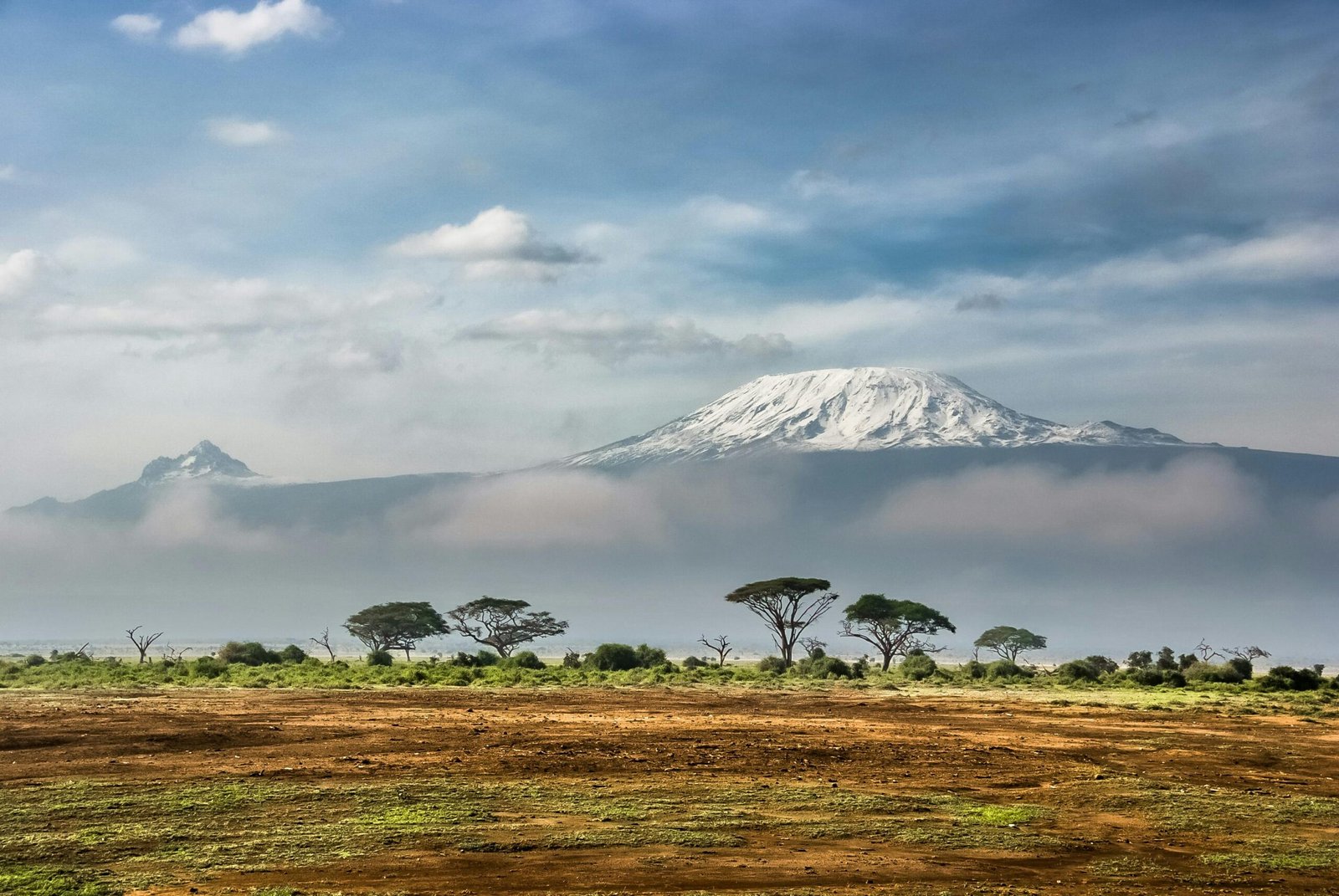
Getting there is not simply about walking up a mountain. It is about the journey: moving slowly through ancient rainforest, crossing open moorland, wandering across the dramatic Shira Plateau, climbing beneath towering volcanic formations, tackling the famous Barranco Wall, and finally making the demanding nighttime ascent toward the summit.
Among the different ways to climb Mount Kilimanjaro, the 8-day Lemosho Route is one of the most rewarding choices for travelers who want a scenic experience with a gradual approach to high altitude. The longer itinerary also gives your body more time to adjust to the changing elevation. The route is commonly described as roughly 70 km in total, although the exact distance varies according to the itinerary and camps used.
This carefully designed 8-day Kilimanjaro trek is ideal for adventurous travelers, first-time high-altitude trekkers, couples, friends, families with suitable experience, and anyone who wants to experience Africa’s highest mountain at a comfortable and responsible pace.
Tour Overview
Destination: Mount Kilimanjaro, Tanzania
Route: Lemosho Route
Duration: 8 Days / 7 Nights on the mountain
Summit: Uhuru Peak – 5,895 m / 19,341 ft
Starting Point: Londorossi Gate
Finishing Point: Mweka Gate
Difficulty: Moderate to challenging
Accommodation: Mountain camps in tents
Meals: Breakfast, lunch, and dinner during the trek
Best for: Scenic trekking, acclimatization, wilderness, and summit adventure
Years: 2026–2029
The 8-day itinerary is particularly attractive because it avoids rushing the climb. Instead of treating Kilimanjaro as a race, you have time to settle into the mountain’s rhythm.
And that rhythm is simple:
Walk slowly. Drink regularly. Eat well. Rest. Enjoy the scenery. Listen to your guide. Keep moving.
Why Choose the 8-Day Lemosho Route?:Best Lemosho Route Kilimanjaro Trek: An Unforgettable 8-Day Journey to Uhuru Peak (2026–2029)
The Lemosho Route approaches Kilimanjaro from the western side and takes trekkers through several distinct ecological zones. You begin in lush rainforest before moving into moorland, high-altitude desert, and eventually the harsh but spectacular summit environment.
One of the biggest advantages of the 8-day version is that the ascent is spread over more days than shorter itineraries. The route also incorporates the important “climb high, sleep lower” principle, with sections such as the approach toward Lava Tower before descending toward Barranco.
The final pre-summit day is deliberately short on many standard 8-day itineraries. This is valuable because summit night starts very early, often around midnight, and having a shorter day before the summit attempt gives trekkers an opportunity to rest.
It is important to remember that no itinerary can guarantee that someone will reach Uhuru Peak. Altitude affects every person differently, and summit success depends on factors including acclimatization, weather, fitness, health, pacing, and individual response to altitude.
Your 8-Day Lemosho Route Itinerary
Day 1: Londorossi Gate to Forest Camp
Elevation: Approximately 2,100–2,800 m
Distance: Approximately 6 km
Trekking time: 3–4 hours
Habitat: Montane rainforest
Overnight: Forest Camp
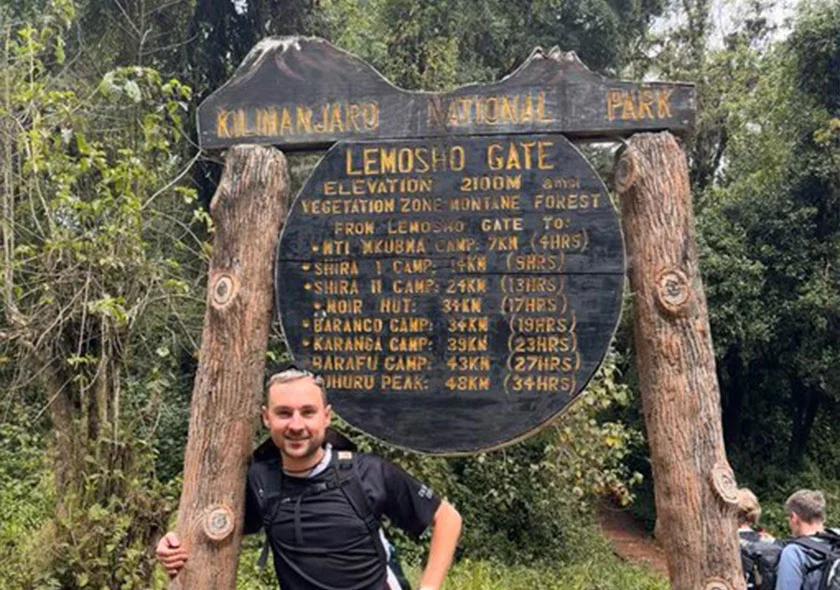
Your Kilimanjaro adventure begins at Londorossi Gate.
After registration and the necessary park formalities, you enter the forest and begin walking beneath a dense canopy of tropical vegetationThis first day is intentionally gentle. There is no reason to rush.
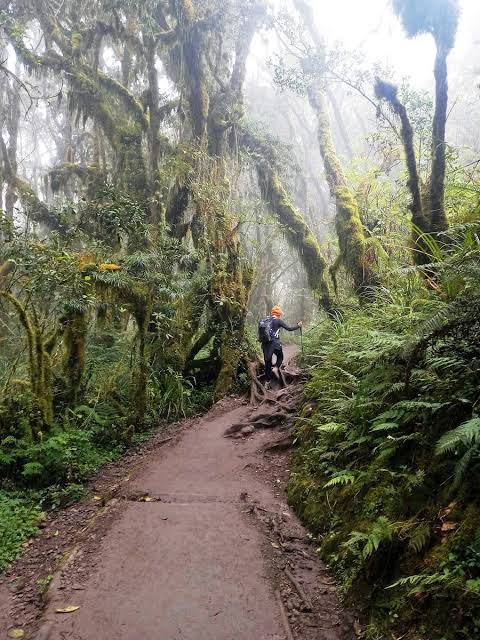
The rainforest is alive with birds, insects, ancient trees, moss, and, if you’re lucky, glimpses of monkeys moving through the branches. The atmosphere feels completely different from what you may have imagined when you pictured climbing Africa’s highest mountain.You are not yet surrounded by barren volcanic slopes. Instead, you are walking through a green world.
After several hours of trekking, you arrive at Forest Camp, where your mountain crew prepares your tent and a warm meal.
Tonight is your first night on Kilimanjaro.
Day 2: Forest Camp to Shira 1 Camp:Best Lemosho Route Kilimanjaro Trek: An Unforgettable 8-Day Journey to Uhuru Peak (2026–2029)
Elevation: Approximately 2,800 m to 3,500 m
Distance: Approximately 8 km
Trekking time: 5–6 hours
Habitat: Rainforest to moorland
Overnight: Shira 1 Camp
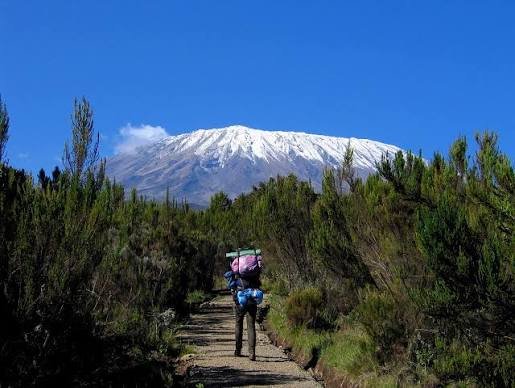
Today, the landscape begins to change.As you climb higher, the thick rainforest gradually gives way to open vegetation and the distinctive giant heathers of the moorland zoneThe trail becomes more exposed, and views begin opening behind you.
On clear days, you may catch spectacular views across the surrounding landscape. You can also begin to appreciate the enormous scale of Kilimanjaro.The pace remains deliberately slow.Your guide will likely remind you of the famous Kilimanjaro phrase:
Pole pole.
On Kilimanjaro, slow is not a sign of weakness. It is part of the strategy.
You eventually reach Shira 1 Camp, where you can relax, enjoy dinner, and watch the changing colors of the mountain landscape as evening approaches.
Day 3: Shira 1 to Shira 2 Camp
Elevation: Approximately 3,500–3,900 m
Distance: Approximately 8–10 km
Trekking time: 4–6 hours
Habitat: Moorland / high desert
Overnight: Shira 2 Camp
Today is a beautiful day of acclimatization.
The trail crosses the Shira Plateau, one of the most impressive sections of the Lemosho Route.
The environment is wide, open, and dramatic. The enormous summit of Kilimanjaro may appear to dominate the horizon, reminding you that the real challenge is still ahead.
Your walking pace remains comfortable, with plenty of opportunities to stop, take photographs, drink water, and simply enjoy being there.
Shira 2 is an important stage in your acclimatization journey. Your body is now adjusting to an environment with significantly less oxygen than at sea level.
Pay attention to how you feel.
A mild headache or tiredness can occur at altitude, but symptoms should never be ignored. Your guide and support team should monitor your condition throughout the trek.
TANAPA provides official safety guidance and visitor procedures for travelers entering Tanzania’s national parks.
Day 4: Shira 2 Camp to Lava Tower to Barranco Camp:Best Lemosho Route Kilimanjaro Trek: An Unforgettable 8-Day Journey to Uhuru Peak (2026–2029)
Elevation: Shira 2 ,Lava Tower 4,600 m to Barranco to3,960 m
Distance: Approximately 10to 11 km
Trekking time: 6 to 8 hours
Habitat: Alpine desert
Overnight: Barranco Camp
Today is one of the most important acclimatization days of the entire trek.
You climb toward Lava Tower, reaching approximately 4,600 meters.
The landscape becomes increasingly stark. Trees disappear, vegetation becomes sparse, and the volcanic character of Kilimanjaro becomes more obvious.
You may feel the altitude here.
That is partly the point.
After reaching Lava Tower, the route descends toward Barranco Camp. This is an excellent example of the climb high, sleep low approach used to encourage acclimatization.
By evening, you arrive beneath the dramatic Barranco Wall.
If clouds clear around sunset, the wall can look enormous against the sky.
Tonight, you sleep at Barranco Camp, knowing that tomorrow you will be climbing that very wall.
Day 5: Barranco Camp to Karanga Camp:Best Lemosho Route Kilimanjaro Trek: An Unforgettable 8-Day Journey to Uhuru Peak (2026–2029)
Elevation: Approximately 3,960 m to 4,035 m
Distance: Approximately 5 to 6 km
Trekking time: 4 to5 hours
Habitat: Alpine desert
Overnight: Karanga Camp
Wake up early and prepare for one of the most memorable sections of the route: the Barranco Wall.Don’t let its appearance intimidate you.
Although it looks steep from below, the trail is designed for trekkers, and your experienced mountain guide will show you where to place your feet and how to move safely.
In some places, you may use your hands for balance. This is part of the adventure.
Once you reach the top, take a moment to look back.
The view down toward Barranco Camp is spectacular.
From here, the route continues through the high-altitude landscape toward Karanga Camp.
Today’s trekking distance is relatively short compared with some other days. That is intentional.
The objective is not to exhaust you.
It is to prepare you.
Day 6: Karanga Camp to Barafu Camp
Elevation: Approximately 4,035 m to 4,640 m
Distance: Approximately 3 to 4 km
Trekking time: 3 to 4 hours
Habitat: Alpine desert
Overnight: Barafu Camp
This is a short but important day.
The landscape becomes increasingly barren as you approach Barafu Camp.
There is little vegetation here, and the surroundings feel almost otherworldly.
Barafu means ice in Swahili, an appropriate name for a high camp where the environment can be cold, windy, and exposed.
You reach camp around midday or early afternoon, depending on your group’s pace.
The rest of the day is devoted to preparation and rest.Your guide will brief you about the summit attempt.
You should organize your clothing, headlamp, water, snacks, trekking poles, gloves, and other essential items before going to sleep.Dinner is served early.Then you try to sleep.It may not be easy.
Your mind is probably racing.
Tomorrow is summit day.
Day 7: Barafu Camp to Uhuru Peak to Millennium/Mweka Camp:Best Lemosho Route Kilimanjaro Trek: An Unforgettable 8-Day Journey to Uhuru Peak (2026–2029)
Start: Around midnight
Summit: Uhuru Peak – 5,895 m
Trekking time: Approximately 10 to 15+ hours depending on conditions and group pace
Habitat: Alpine desert / Arctic summit zone
Overnight: Millennium or Mweka Camp, depending on itinerary
This is the day you’ve been waiting for.Around midnight, your guide wakes you,The mountain is dark,The temperature is cold.
Above you, the stars can be extraordinary.
You eat a light breakfast, put on your warmest layers, switch on your headlamp, and begin walking.
The summit trail is steep.
The pace is slow.
Very slow.
One step.
Then another.
And another.
There is no prize for walking quickly.Your guide will establish a steady rhythm that allows the group to conserve energy.As you climb higher, the air becomes thinner. This is usually the hardest physical and mental section of the entire expedition.Eventually, the darkness begins to fade.
A faint glow appears on the horizon.
You continue climbing.
Then comes the moment.
Uhuru Peak.
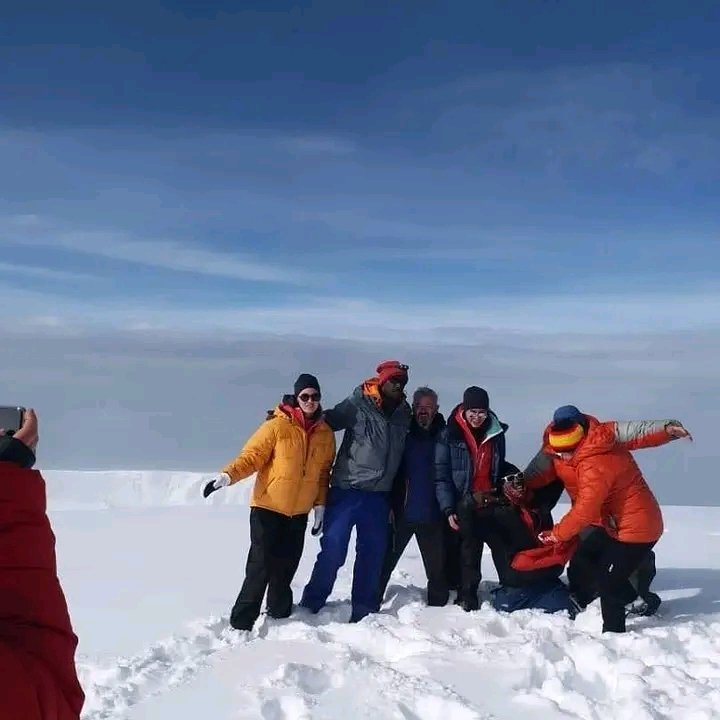
At 5,895 meters, you are standing on the highest point in Africa.
Take it in.Look around.Take your photographs.
Celebrate with your guides and fellow trekkers.
You have earned this moment.
But the summit is only half of today’s journey.
After celebrating at Uhuru Peak, you begin the descent.
Going downhill can be surprisingly tiring, especially after the long summit ascent. Your knees and legs may feel the strain.You descend toward your lower camp for a well earned rest.By the time you reach camp, you will probably be exhausted but also incredibly proud.
Day 8: Mweka Camp to Mweka Gate
Distance: Approximately 8–10 km
Trekking time: 3–5 hours
Habitat: Rainforest
Finish: Mweka Gate
Your final morning on Kilimanjaro begins with a very different feeling.
The summit is behind you.
The air becomes warmer,Vegetation returns,The forest gets thicker.
And with every step downhill, you move farther away from the mountain’s high-altitude world,Eventually, you arrive at Mweka Gate.
After completing the necessary exit procedures, you receive your summit certificate if you successfully reached the appropriate summit point.Then comes one of the best feelings of the entire journey:A hot shower.
After days in the mountains, simple comforts suddenly feel luxurious.You have completed the 8-day Lemosho Route.You didn’t simply visit Kilimanjaro.You climbed it
What Makes Lemosho So Special?:Best Lemosho Route Kilimanjaro Trek: An Unforgettable 8-Day Journey to Uhuru Peak (2026–2029)
The Lemosho Route is special because the experience changes dramatically from day to day.You begin among trees and end among rocks, ice, clouds, and sky.Along the way, you experience:
- Tropical rainforest
- Moorland
- Giant heather vegetation
- The Shira Plateau
- Alpine desert
- Lava Tower
- Barranco Wall
- High mountain camps
- The summit zone
- Uhuru Peak
- A long descent through rainforest
Few trekking experiences offer such a dramatic transformation within a single journey.
Acclimatization: The Key to Your Summit Attempt
Kilimanjaro is not technically a mountain that requires advanced mountaineering skills, but altitude makes it a serious physical challenge.At nearly 5,900 meters, there is considerably less available oxygen than at sea level.That means fitness alone does not guarantee success.
Someone who can run a marathon can still struggle at altitude, while a person who is not exceptionally athletic may reach the summit successfully if they acclimatize well, pace themselves, and follow appropriate guidance.
The 8-day itinerary gives you more time to adapt compared with shorter climbs. General Kilimanjaro safety guidance emphasizes gradual ascent, hydration, and taking altitude symptoms seriously.If you experience significant or worsening symptoms, tell your guide immediately.Do not try to hide symptoms because you are afraid of disappointing your group.On a mountain like Kilimanjaro, safety comes first.
What Is Included in the Trek Package?
A professionally organized 8-day Lemosho package will typically include:
- Kilimanjaro National Park entry and applicable park fees
- Mountain camping fees
- Professional mountain guides
- Porters
- Cook/food support
- Three meals per day while trekking
- Camping equipment such as tents
- Sleeping arrangements according to the operator’s package
- Park rescue/emergency arrangements required by the operator
- Summit attempt
- Drinking or treated water according to the operator’s policy
- Transfers between the designated trailhead and the agreed pickup/drop-off points
The exact inclusions vary by tour operator, so travelers should always request a written itinerary showing what is and is not included.
Tanzania National Parks publishes official park tariff information and explains that tariffs can change, so 2026–2029 prices should be confirmed at the time of booking rather than assumed from an old quotation.
What Is Usually Not Included?
Unless specifically stated in your quotation, budget separately for:
- International flights
- Tanzania visa
- Travel insurance
- Accommodation before and after the trek
- Personal trekking equipment
- Personal porter services
- Tips for guides, porters, and cooks
- Alcoholic beverages
- Personal snacks
- Laundry
- Optional hotel upgrades
- Medical expenses
- Evacuation costs beyond what is covered by the operator/insurance
- Personal expenses
Always read the booking terms carefully.
A very cheap Kilimanjaro package may look attractive at first, but the quality of equipment, food, guide support, porter welfare, safety systems, and logistics can vary considerably between operators.
Recommended Packing List
You do not need to bring your entire wardrobe.
The key is to pack intelligently using layers.
Clothing
- Moisture-wicking base layers
- Trekking trousers
- Fleece jacket
- Warm insulated jacket
- Waterproof jacket
- Waterproof trousers
- Warm hat
- Sun hat
- Gloves
- Hiking socks
- Thermal underwear
- Comfortable trekking boots
Equipment
- Headlamp with spare batteries
- Trekking poles
- Water bottles or hydration system
- Sleeping bag suitable for cold mountain conditions
- Backpack/daypack
- Duffel bag for porter-carried equipment
- Sunglasses
- Sunscreen
- Lip balm
- Personal first-aid supplies
- Toiletries
- Power bank
- Camera/phone
Your operator should provide a detailed gear list before departure because equipment requirements and rental options vary.
Fitness and Preparation
You don’t have to be an elite athlete to climb Kilimanjaro.
However, you should prepare.
Ideally, begin training several months before your trek.
Your preparation should include:
Walking: Build up to long walks and hikes.
Cardio: Walking uphill, cycling, jogging, swimming, or stair training can improve endurance.
Strength: Focus on legs, hips, core, and lower back.
Hiking: If possible, train on hills while carrying a backpack.
Practice your footwear: Never arrive on Kilimanjaro with brand-new boots.
Practice hydration: Learn how much water you normally need during long walks.
The most important training goal is not speed.
It is endurance.
You should be comfortable spending several hours on your feet.
Best Time to Climb Kilimanjaro: 2026–2029
Kilimanjaro can be climbed throughout much of the year, but weather patterns influence the experience.
The traditionally popular trekking periods include:
January–March: Generally favorable and often quieter than the main summer season, although conditions can vary.
June–October: A popular period because of generally favorable trekking conditions.
November–December: Short rains can affect trail conditions, but some travelers still choose these periods.
Weather on a mountain is unpredictable.
Even during a traditionally dry season, you can experience rain, wind, clouds, cold temperatures, or snow around the summit.
TANAPA’s current trip-planning information provides seasonal planning guidance for Kilimanjaro and other national parks.
For trips between 2026 and 2029, your exact departure date should be selected based on your preferred weather conditions, crowd levels, personal schedule, and operator availability.
A Responsible Kilimanjaro Experience
A great Kilimanjaro trip should not only be about reaching Uhuru Peak.
It should also be about respecting the mountain and the people who make the trek possible.
Choose an operator that demonstrates responsible treatment of guides, cooks, and porters.
Ask questions such as:
- How are porters paid?
- What weight limits are used for porter loads?
- How experienced are the guides?
- What medical and emergency procedures are followed?
- What is the guide-to-client ratio?
- What happens if someone becomes seriously ill?
- What equipment is supplied?
- How is waste handled?
- Are meals prepared hygienically?
- Is the company properly licensed?
TANAPA publishes visitor, safety, environmental, and park-entry guidance for visitors to Tanzania’s national parks.
Responsible tourism helps protect both the mountain environment and the people whose work makes these expeditions possible.
Why Book the 8-Day Lemosho Route?
If you are trying to decide between a shorter Kilimanjaro itinerary and the 8-day Lemosho Route, the biggest argument for the longer option is simple:
Don’t rush one of the greatest adventures of your life.
Eight days gives you time to experience the changing landscapes, settle into the walking rhythm, acclimatize progressively, and enjoy the mountain rather than spending every day worrying about the next camp.
The Lemosho Route is not necessarily the easiest way to climb Kilimanjaro.
It is the kind of route that rewards patience.
You wake up each morning somewhere completely different.
You walk through forests.
You cross open plateaus.
You stand beneath enormous volcanic formations.
You climb the Barranco Wall.
You watch the sunset from high camp.
And finally, under a sky full of stars, you begin the summit attempt.
Frequently Asked Questions
Is the 8-day Lemosho Route suitable for beginners?
Yes, it can be suitable for physically prepared beginners. Previous mountaineering experience is not normally required, but you should be prepared for long days of walking and the effects of high altitude.
How high is Uhuru Peak?
Uhuru Peak stands at approximately 5,895 meters (19,341 feet) above sea level.
Is Lemosho the easiest Kilimanjaro route?
Not necessarily. “Best” depends on your priorities. Lemosho is popular because of its scenery, gradual approach, and longer acclimatization profile rather than because it is an easy walk.
How difficult is summit night?
It is the toughest section for many trekkers. You start around midnight, climb for several hours in darkness and cold, reach the summit around sunrise or later depending on conditions and pace, and then descend.
Do I need previous trekking experience?
No advanced climbing experience is normally required, but physical preparation is strongly recommended.
What happens if I cannot reach Uhuru Peak?
Your guide will assess your condition and help determine the safest option. Depending on your location and symptoms, you may descend to a lower altitude or return to camp. Safety should always come before the summit.
Can the itinerary change?
Yes. Mountain conditions, weather, park requirements, health concerns, or operational considerations can require itinerary adjustments.
Are park fees included?
They can be included in a properly structured package, but you should confirm this with your operator. TANAPA maintains official tariff information, and rates may change over time.
Your Kilimanjaro Adventure Starts Here
The 8-Day Lemosho Route is more than a trekking package.
It is eight days of stepping outside your comfort zone.
It is waking before sunrise because the mountain calls.
It is drinking tea in a cold tent while your guide tells you what lies ahead.
It is laughing with fellow trekkers when everyone is tired.
It is looking back at the trail you have already conquered.
It is learning that progress sometimes means taking tiny steps.
And eventually, it is standing at Uhuru Peak, looking across Tanzania from the highest point in Africa.
The mountain does not care how fast you are.
It rewards patience.
It rewards preparation.
It rewards determination.
So pack your boots, train your legs, prepare your mind, and come ready to experience one of the world’s most extraordinary trekking adventures.
Your 8-day journey to Uhuru Peak awaits.
Book Your 2026–2029 Lemosho Kilimanjaro Trek
Choose an experienced, properly licensed Kilimanjaro operator, confirm the exact itinerary and inclusions, verify current park and permit costs, and make sure your travel insurance provides appropriate high-altitude trekking coverage.
For official Tanzania National Parks information, including visitor guidelines, park procedures, planning information, and current tariffs, consult Tanzania National Parks (TANAPA).