
Mount Kilimanjaro in 2026–2028: Where It Is, How to Get There & How to Reach Uhuru Peak;is somewhere on your travel wish list, Mount Kilimanjaro deserves a serious look. Rising to about 5,895 metres (19,341 feet) above sea level, Kilimanjaro is one of the world’s most recognizable mountains and one of the few very high peaks that can be climbed without technical mountaineering skills on its standard trekking routes.
But don’t let the word trekking fool you. Reaching Uhuru Peak, the highest point on Kilimanjaro, is a demanding physical and mental challenge. The altitude is the biggest obstacle, not rock climbing. A successful expedition depends on choosing the right route, allowing enough time to acclimatize, using a reputable trekking operator, preparing properly and, above all, respecting the mountain.
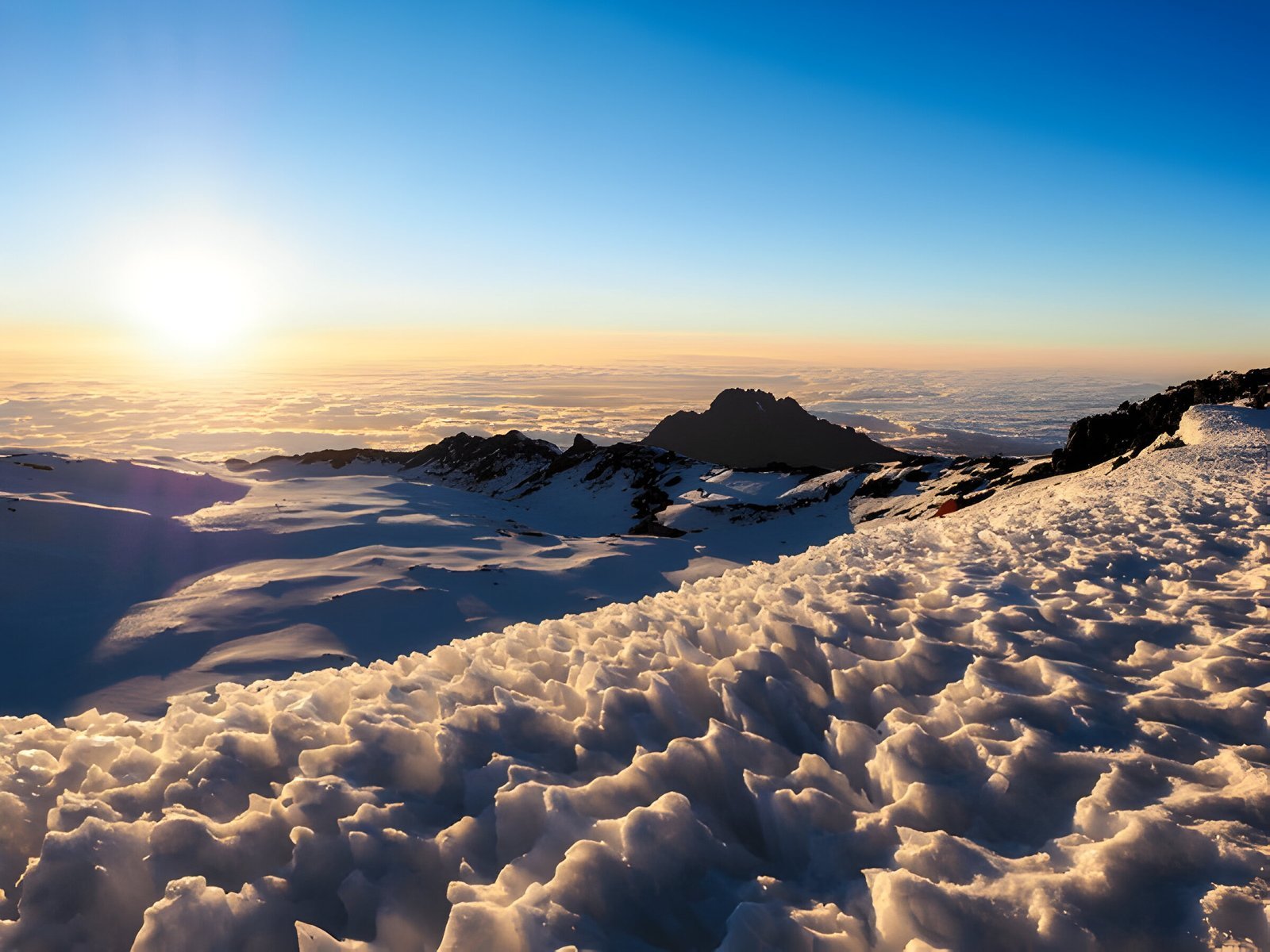
If you are considering Kilimanjaro for 2026, 2027 or 2028, this complete guide explains where the mountain is, how to get there, when to climb, which route to choose, what happens during the ascent, how to prepare for summit night and what you can expect when you finally stand at Uhuru Peak
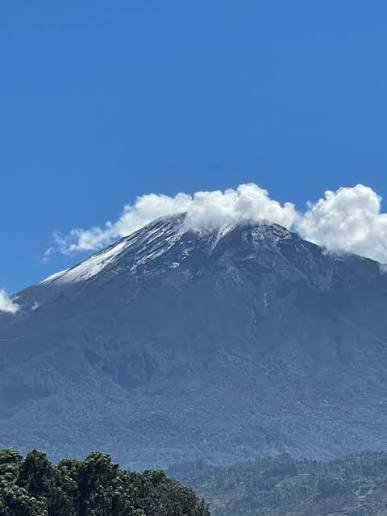
Where Is Mount Kilimanjaro?:Mount Kilimanjaro in 2026–2028: Where It Is, How to Get There & How to Reach Uhuru Peak
Mount Kilimanjaro is in northern Tanzania, East Africa, close to the border with Kenya. It sits within Kilimanjaro National Park, in Tanzania’s Kilimanjaro Region.
The mountain is part of Tanzania’s famous northern tourism circuit, which also includes destinations such as Arusha, Serengeti National Park, Tarangire National Park and the Ngorongoro Conservation Area.
Kilimanjaro is actually a massive volcanic mountain composed of three main volcanic cones:
- Kibo – the central and highest cone
- Mawenzi – the rugged eastern cone
- Shira – the lower western cone
Uhuru Peak is located on Kibo, the highest of the three. TANAPA identifies Kibo at approximately 5,895 metres and describes Kilimanjaro as Africa’s highest mountain.
For most trekkers, the goal is not Mawenzi or Shira. The goal is Uhuru Peak, which is the highest point on Kibo and therefore the highest point in Africa.
How Do You Get to Mount Kilimanjaro?
For international travellers, the easiest gateway is usually Kilimanjaro International Airport (JRO).
Kilimanjaro International Airport is located between Arusha and Moshi and serves as an important gateway to northern Tanzania. The airport is approximately 40 km from Arusha and around 30 km from Moshi.
Option 1: Fly directly to Kilimanjaro International Airport
This is the simplest option if your airline offers a convenient connection.
After arriving at JRO, most climbers transfer to either:
- Moshi, the traditional base for Kilimanjaro climbs; or
- Arusha, another major tourism hub in northern Tanzania.
Moshi is particularly convenient because many climbing operators organize pre-climb briefings, equipment checks and accommodation there.
Airport transfers are normally arranged through your tour operator. Public transport is also available from the airport toward Moshi and Arusha, although travellers carrying trekking equipment and arriving after a long international flight may find a pre-arranged transfer much easier. The airport authority confirms public transport connections toward Moshi and Arusha.
Option 2: Fly to Arusha and transfer to Moshi
Some travellers fly into Arusha or use another regional connection before travelling by road to Moshi.
This can work well if your itinerary combines Kilimanjaro with a safari.
For example:
Airport , Arusha , Moshi , Kilimanjaro climb -Safari →-Departure
This is a popular way to combine mountain trekking with Tanzania’s wildlife destinations.
Option 3: Arrive through Nairobi
Another possibility is flying to Nairobi, Kenya, and travelling overland to northern Tanzania.
This can sometimes be useful if you find a significantly better international airfare to Nairobi. However, you need to consider the additional border crossing, transport arrangements and visa requirements.
For a first-time Kilimanjaro climber, flying directly into JRO is generally the more straightforward choice when the flight schedule and price make sense.
Do You Need a Visa for Tanzania?
Visa requirements depend on your nationality.Tanzania Immigration currently provides an official online visa application system and recommends applying through its official immigration platform. The immigration guidelines state that tourists generally use an Ordinary Visa, while U.S. passport holders travelling for tourism are required to apply for a Multiple Entry Visa.
Your passport should generally have at least six months of validity and an unused visa page. Tanzania Immigration also notes that travellers may be required to show a return or onward ticket and evidence of sufficient funds.
Because immigration requirements can change between 2026 and 2028, check the official Tanzania Immigration website shortly before your trip rather than relying on an old visa article.
When Is the Best Time to Climb Kilimanjaro?
Kilimanjaro can be climbed throughout much of the year, but weather makes some periods more attractive than others.
The traditional preferred climbing seasons are:
January to early March
This period can offer relatively good trekking conditions and is popular with climbers who want to experience the mountain during the northern Tanzania dry season.
Late June to October
This is another major climbing window and coincides with generally drier conditions.
TANAPA information identifies the main dry periods as approximately late June to September and December to early March, while the wetter periods include March to May and shorter rains around October to November.
However, weather on a 5,895-metre mountain is unpredictable. Even during a traditionally dry season, you can encounter rain, snow, clouds, freezing temperatures and strong winds.
What about 2026, 2027 and 2028?
For a trip in:2026: July–October and January–early March are generally attractive windows.2027: The same broad seasonal pattern applies, but weather can vary from year to year.2028: Again, January–early March and late June–October are commonly preferred periods, subject to actual mountain conditions.
If you want to avoid the busiest periods, consider travelling around the edges of the main seasons—but understand that you may encounter less predictable weather.
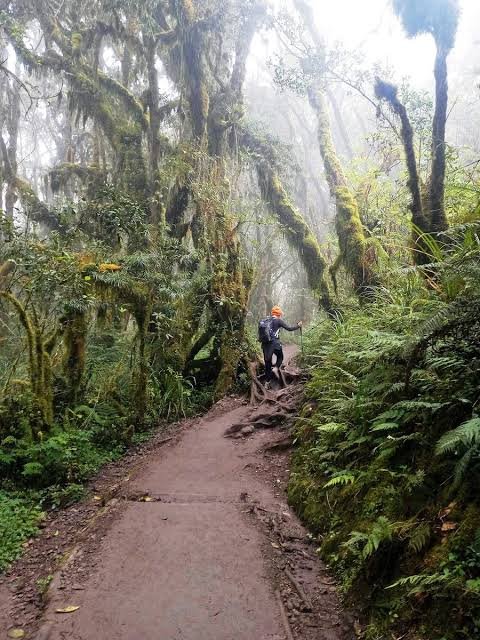
Which Kilimanjaro Route Should You Choose :Mount Kilimanjaro in 2026–2028: Where It Is, How to Get There & How to Reach Uhuru Peak
Kilimanjaro has several established routes. The right one depends on your fitness, experience, budget, available time and tolerance for camping.
TANAPA’s materials identify the main ascending routes as Marangu, Machame, Umbwe, Lemosho, Londorosi and Rongai, with Mweka primarily used for descent on several western/southern routes.
Here are the main choices.
1. Machame Route
Machame is one of the most popular routes and is often called the “Whiskey Route.”
It offers impressive scenery and a varied landscape, including forest, moorland, alpine desert and the high mountain zone.
A typical itinerary takes around 6–7 days, although a longer itinerary is preferable for acclimatization.
Best for: Climbers who want scenery and a classic Kilimanjaro experience.
Main advantage: Good acclimatization profile when properly scheduled.
Possible disadvantage: It can become busy, especially during peak seasons.
2. Lemosho Route
Lemosho is one of the most attractive choices for climbers who have enough time.
The route approaches Kilimanjaro from the west and allows a gradual ascent before joining the southern circuit.
A typical climb takes 7–8 days or longer.
Best for: First-time climbers who prioritize acclimatization and scenery.
Main advantage: More gradual approach and excellent scenery.
Possible disadvantage: Generally more expensive because of the longer itinerary.
For many climbers planning their first summit, Lemosho is one of the routes I would seriously consider.
3. Marangu Route
Marangu is often called the “Coca-Cola Route.”
Unlike most Kilimanjaro routes, Marangu uses huts rather than tent camping.
The route can be completed in fewer days, although taking a longer itinerary is generally better for acclimatization.
Best for: Travellers who prefer huts and a more straightforward trail.
Main advantage: Hut accommodation.
Possible disadvantage: The shorter itineraries provide less time to acclimatize.
4. Rongai Route
Rongai approaches Kilimanjaro from the northeastern side near the Kenyan border.
It tends to offer a different atmosphere from the southern routes.
Best for: Travellers seeking a quieter alternative and a different perspective of the mountain.
5. Northern Circuit
The Northern Circuit takes the longest route around Kilimanjaro.
It provides more time at altitude and is particularly attractive for people who want to maximize acclimatization.
Best for: Climbers with sufficient time who prioritize acclimatization and a quieter experience.
Main disadvantage: More days mean a higher overall cost.
6. Umbwe Route
Umbwe is known for being steep and demanding.
It is not normally my first recommendation for someone climbing Kilimanjaro for the first time.
The mountain does not reward rushing. A longer, more gradual route is often a smarter choice.
How Hard Is It to Reach Uhuru Peak?
This is where many first-time climbers misunderstand Kilimanjaro.
You don’t need to be an elite mountaineer.
But you do need to be prepared for high altitude.
The challenge comes from the rapidly decreasing oxygen availability as you climb. A person can be extremely fit and still experience altitude illness.
That is why acclimatization is more important than simply being strong or fast.
TANAPA notes that visitors ordinarily need at least five days for ascent and descent for acclimatization purposes.
In practical terms, I would favor a 7–9 day itinerary for many first-time climbers rather than trying to squeeze the mountain into the minimum number of days.
What Does a Typical Kilimanjaro Climb Look Like?
While every route has a different itinerary, the general experience looks something like this:
Day 1: Arrival and briefing
You arrive in Tanzania, transfer to Moshi or Arusha, check into your hotel and meet your climbing team.
Your guide may inspect your equipment and discuss the itinerary.
This is also your opportunity to rent any missing gear.
Days 2–5: Climbing through different ecological zones
The mountain changes dramatically as you climb.
You begin in cultivated areas and rainforest, then move through moorland and alpine terrain.
The vegetation becomes increasingly sparse.
Eventually, you enter the high-altitude desert around Kibo.
Acclimatization days
Depending on your route, you may have shorter hiking days or “climb high, sleep low” opportunities.
These days are extremely valuable.
The objective is not to reach the summit as quickly as possible. The objective is to allow your body to adapt to the altitude.
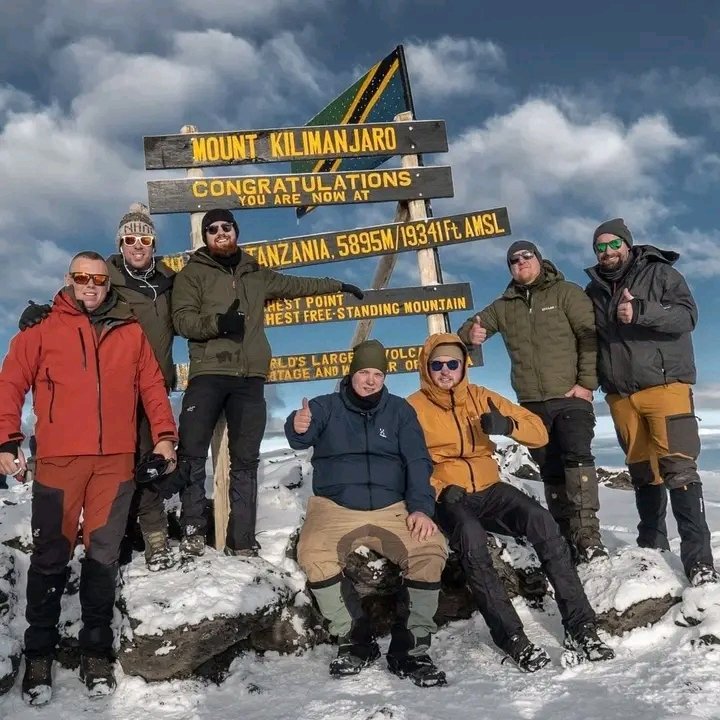
Summit night Of Mount Kilimanjaro in 2026–2028: Where It Is, How to Get There & How to Reach Uhuru Peak
This is the big one.
Most climbers begin the final ascent around midnight or shortly afterward.
You leave camp in darkness.
The temperature may be well below freezing.
The pace is deliberately slow.
You take one step, then another.
And another.
The climb can feel strangely long because the altitude makes every movement harder.
Eventually, the horizon begins to brighten.
The Final Push to Uhuru Peak
The summit route generally takes you toward Stella Point on the crater rim before continuing toward Uhuru Peak, depending on your route and itinerary.
Reaching Stella Point is already a major accomplishment.But don’t make the mistake of thinking you are finished.Uhuru Peak is still ahead.From the crater rim, you continue around the upper slopes of Kibo toward the summit.And then you see it:UHURU PEAK IS 5,895 mFor many climbers, this is the emotional high point of the entire trip.
You may have spent months preparing, saved money for years, travelled across continents, trained in the gym, worried about altitude and wondered whether you could actually do it.
Then suddenly, you’re standing at the highest point in Africa.Take a breath,Look around,Take your photograph.And enjoy the moment,But remember that descending is still part of the climb.
How Do You Prepare for Uhuru Peak?
You don’t need to become a professional athlete.
Instead, focus on consistent preparation.
1. Build cardiovascular fitness
Walking, hiking, running, cycling and stair climbing are useful.
Aim for regular exercise rather than occasional extreme workouts.
2. Train with a backpack
Long hikes with a light backpack help your body become accustomed to walking for several hours.Gradually increase the duration rather than suddenly carrying a very heavy load.
3. Train your legs
Squats, lunges, step-ups and controlled downhill walking can help prepare your legs.
Don’t forget downhill training. Many people focus only on climbing uphill, but descending for hours can be brutal on tired knees and quadriceps.
4. Practice slow walking ForMount Kilimanjaro in 2026–2028: Where It Is, How to Get There & How to Reach Uhuru Peak
Kilimanjaro guides often use the Swahili expression “pole pole,” meaning “slowly, slowly.”
This is more than a cultural phrase.
It is excellent mountain advice.
Walking too quickly at altitude can leave you exhausted before summit night.
5. Learn to listen to your body
Headache, nausea, dizziness, unusual fatigue and difficulty sleeping can occur with altitude.
Serious symptoms should never be ignored.
Your guide should be monitoring your condition, but you also need to communicate honestly.
Do not hide symptoms because you are afraid of disappointing your group.
The mountain will still be there another day. Your health comes first.
What Should You Pack?
Your exact packing list depends on the route and season, but the essentials usually include:
- Waterproof hiking boots
- Moisture-wicking base layers
- Warm fleece or insulating layers
- Waterproof jacket and trousers
- Down or synthetic insulated jacket
- Warm hat and gloves
- Sun hat
- Sunglasses
- Headlamp with spare batteries
- Trekking poles
- Comfortable trekking trousers
- Warm summit trousers
- Sleeping bag suitable for freezing temperatures
- Backpack/daypack
- Duffel bag for porter transport where applicable
- Water bottles or hydration system
- Sunscreen
- Personal toiletries
- Personal medications
- Basic first-aid supplies
- Snacks and energy foods
- Passport and travel documents
- Travel insurance information
Your operator should give you a detailed equipment list before departure.
How Much Does a Kilimanjaro Climb Cost in 2026–2028?
There is no single Kilimanjaro price.
The total depends on:
- Route
- Number of days
- Group size
- Operator
- Accommodation before and after the climb
- Park fees
- Airport transfers
- Equipment rental
- Guide and porter services
- Tips
- Travel insurance
- Flights
- Visa
- Optional safari or Zanzibar extension
Be suspicious of extremely cheap Kilimanjaro packages.
A legitimate climb has substantial fixed costs, including park-related charges, crew, food, transport and logistics.
TANAPA maintains an official tariff page, but published figures can change with new tariff periods, so climbers should check the current official schedule before making a final budget.
As a rough planning approach, budget for the entire trip, not just the advertised “climb price.”
A package advertised at a low headline price may exclude park fees, tips, transfers, accommodation or equipment.
What Should a Good Kilimanjaro Package Include?
When comparing operators for 2026–2028, ask whether your package includes:
Before the climb
- Airport pickup
- Hotel accommodation
- Pre-climb briefing
- Equipment inspection
- Transport to the trailhead
During the climb
- Park fees
- Professional mountain guide
- Porters
- Cook, where applicable
- Tents or hut accommodation
- Sleeping arrangements
- Meals
- Drinking-water arrangements
- Emergency and communication procedures
- Transfers between gates
After the climb
- Descent transport
- Hotel accommodation
- Airport transfer
Also ask about the operator’s porter welfare policies.
The cheapest package isn’t necessarily the best package.
A responsible operator should care about the mountain, its staff and your safety.
How Many Days Should You Spend on Kilimanjaro?
If your schedule allows it, don’t automatically choose the shortest itinerary.
For a first climb, 7–9 days on the mountain can provide a much more comfortable margin for acclimatization than an aggressive short itinerary.
A sample 8-day Lemosho-style trip might look like:
Day 1: Arrival in Tanzania
Day 2: Hotel briefing and preparation
Day 3: Trek begins
Day 4: Continue upward
Day 5: Acclimatization-focused hiking
Day 6: High camp
Day 7: Summit attempt and descent
Day 8: Final descent and return to Moshi
Actual itineraries vary significantly, so treat this as a planning example rather than a fixed route schedule.
Can Beginners climb Mount Kilimanjaro in 2026–2028: Where It Is, How to Get There & How to Reach Uhuru Peak
Yes.You don’t need previous Himalayan experience or technical climbing skills for the standard trekking routes.But beginner-friendly does not mean easy.A healthy person who trains consistently, chooses a sensible itinerary and acclimatizes properly can have a realistic chance of reaching Uhuru Peak.Your guide’s experience is also extremely important.
TANAPA’s planning information notes that some activities, including Kilimanjaro climbs, require guiding and that visitors should use appropriate park procedures.
Is Kilimanjaro Safe?
Kilimanjaro is climbed by thousands of people, but it is still a high-altitude mountain.
The major concern is altitude-related illness.You should discuss high-altitude travel with a qualified medical professional before the trip, particularly if you have any medical conditions or take regular medication.Your operator should have an emergency plan and reliable communication procedures.Never assume that being physically fit makes you immune to altitude sickness.
If you develop severe symptoms, tell your guide immediately.
Sometimes the safest and wisest decision is to descend.
There is no shame in turning around.
Travel Insurance for Kilimanjaro
Travel insurance is strongly recommended.
Before buying a policy, check that it explicitly covers:
- Trekking at approximately 5,895 metres
- Mountain evacuation
- Emergency medical treatment
- Repatriation
- Trip cancellation
- Lost baggage
- Delays
- Pre-existing conditions, if applicable
Don’t assume a normal travel policy automatically covers high-altitude trekking.
Read the exclusions carefully.
A Complete 2026–2028 Kilimanjaro Planning Timeline
6–12 months before departure
Choose your approximate travel dates and route.Research operators.
Compare what each package includes.
Book international flights once your itinerary is confirmed.
3–6 months before
Reserve your climb.
Confirm accommodation and airport transfers.
Check passport validity.
Apply for your Tanzania visa when appropriate.
Begin structured physical training.
1–2 months before
Break in your hiking boots.
Complete longer weekend hikes.
Test your backpack.
Confirm insurance.
Review your medical and travel requirements.
Check the current Tanzania immigration and TANAPA requirements.
1–2 weeks before
Confirm airport pickup.
Confirm hotel bookings.
Check the mountain forecast.
Review your packing list.
Keep important documents accessible.
Arrival day
Do not try to rush.
Eat properly.
Hydrate.
Sleep.
Attend your briefing.
Let your body settle into Tanzania before beginning the climb.
The Best Overall Strategy for Reaching Uhuru Peak
If your main objective is simply to stand at Uhuru Peak, don’t make the mistake of treating the mountain like a race.A strong strategy is:Choose a longer itinerary,Walk slowly,Acclimatize properly,Stay hydrated and eat regularly,Sleep as much as possible,Listen to your guide,Communicate symptoms immediatelyDon’t obsess over speed,Save your energy for summit night,
And most importantly:
Be willing to turn around if your health requires it.
Summiting Kilimanjaro isn’t about proving that you can suffer more than everyone else. It is about managing the mountain intelligently.
Why Kilimanjaro Is Worth It
You enter a vast volcanic landscape.
There are taller mountains in the world.
There are technically harder mountains.
There are colder mountains.
But Kilimanjaro is special because of the experience it offers.
You start in tropical surroundings.
You walk through rainforest.
The vegetation changes.
The landscape becomes increasingly strange and beautiful.
The air gets thinner.
The trees disappear.
Then, after hours of walking through the darkness, you reach the roof of Africa.
And when you finally look across Tanzania from Uhuru Peak, the journey suddenly makes sense.
The summit photograph lasts a few seconds.
The memory can last a lifetime.
Final Thoughts: Planning Your 2026–2028 Kilimanjaro Adventure
Mount Kilimanjaro is not an impossible mountain, but it deserves respect.For a successful 2026–2028 expedition, start by choosing the right season and route. Give yourself enough days for acclimatization. Arrive through Kilimanjaro International Airport where practical, spend time preparing in Moshi or Arusha, use a reputable operator and make sure your insurance covers high-altitude trekking.
For many first-time climbers, a 7–9 day route such as Lemosho, Machame or the Northern Circuit offers a sensible balance between scenery, acclimatization and the overall experience.Most importantly, don’t measure success only by whether you reach the summit.
The real achievement is making good decisions throughout the climb.If conditions are good and your body is responding well, keep moving.
If you are struggling, speak up.
If your guide tells you to slow down, slow down.
And if you reach Uhuru Peak, take a moment to appreciate where you are.
At 5,895 metres above sea level, you are standing on the highest point in Africa.That is a pretty remarkable place to be.
Official Resources for Your Trip
For the most current park information, use Tanzania National Parks (TANAPA), including its official tariff and trip-planning information.
For immigration and visa requirements, use Tanzania Immigration Services rather than third-party visa websites.
For airport information, use Kilimanjaro International Airport.