
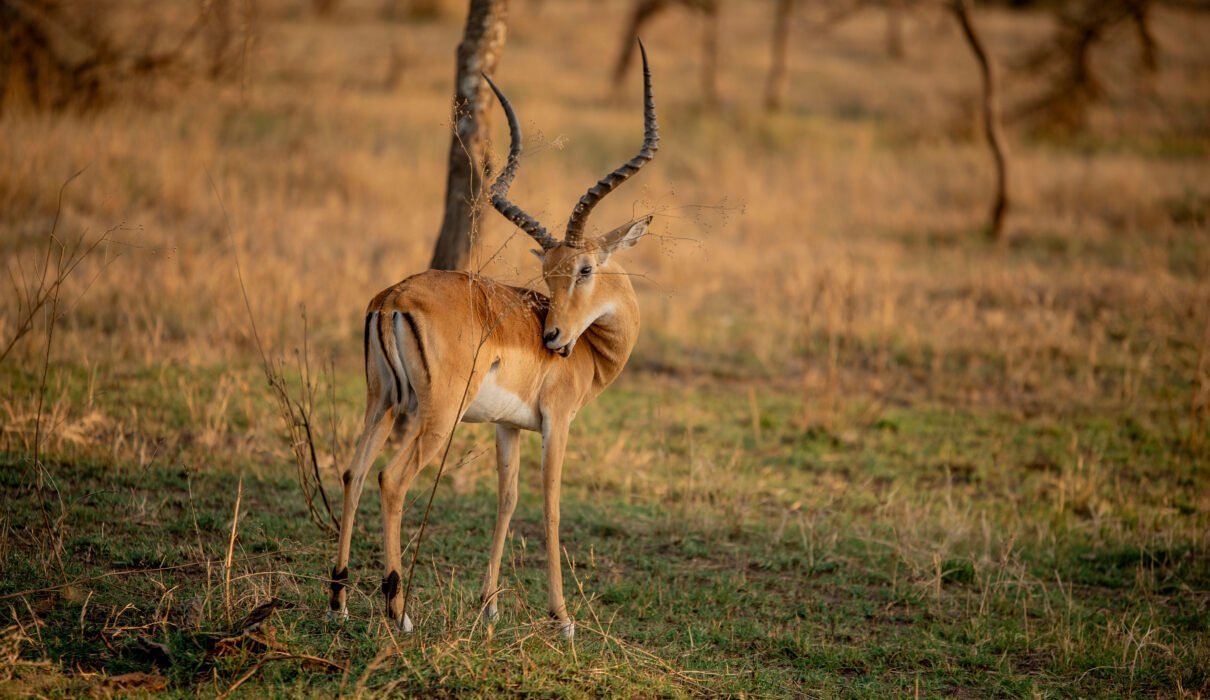
A Guide To When To Go Where In Africa 2026 | 2027 | 2028 helps travelers understand how climate, wildlife movement, and regional seasons shape unforgettable safari experiences across the continent. Africa is vast and diverse, and timing your trip carefully can transform an ordinary holiday into a remarkable journey filled with wildlife encounters, cultural discoveries, and scenic landscapes. This detailed guide explains the best times to visit different African regions while offering expert insights into weather patterns, wildlife migrations, conservation awareness, and practical planning tips for travel in 2026, 2027, and 2028.
Africa’s climate varies from equatorial rainforests to deserts and coastal regions, meaning there is no single perfect time to visit everywhere. Instead, travelers should align their travel plans with seasonal wildlife movements and weather patterns. For deeper conservation insights, travelers often explore resources from World Wildlife Fund, IUCN, and National Geographic Society, which explain how ecosystems shape safari experiences across Africa.
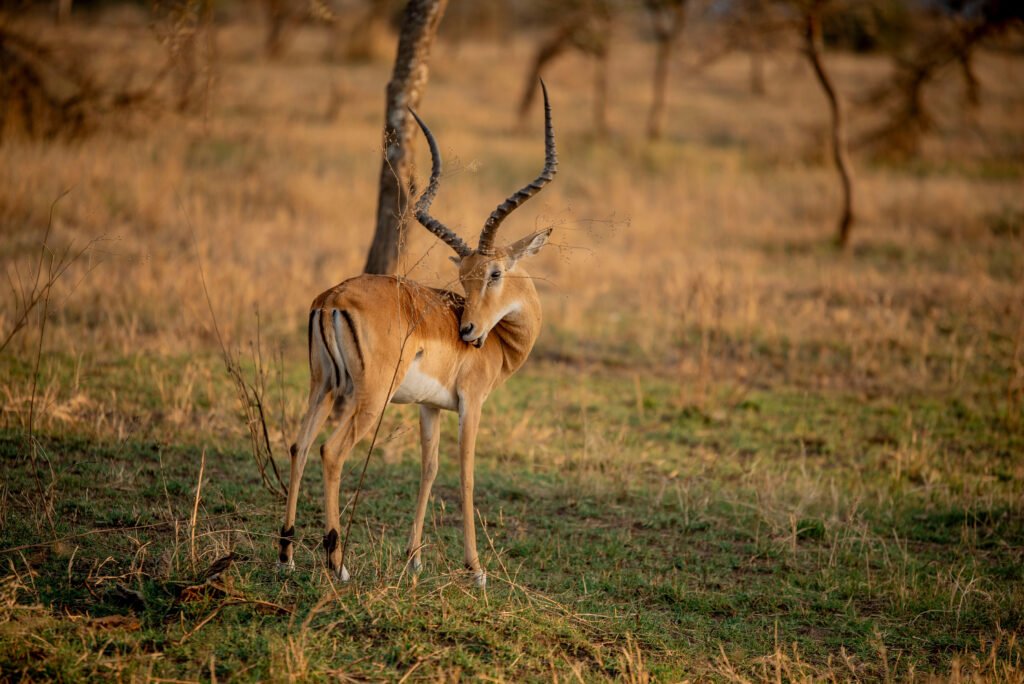
A Guide To When To Go Where In Africa 2026 | 2027 | 2028 by Region
East Africa: Kenya and Tanzania Seasonal Travel Insights
East Africa is widely recognized for iconic wildlife spectacles and diverse ecosystems. The dry season between June and October remains the most popular period for visiting Kenya and Tanzania because animals gather around water sources, making wildlife viewing easier. The world-famous migration across the Serengeti and Maasai Mara ecosystem peaks between July and September, attracting researchers supported by institutions like Smithsonian Institution and conservation programs connected to Conservation International. For travelers planning safaris with expert guidance, consider exploring options available at Eddy Tours & Safaris.
From January to March, calving season in southern Serengeti offers incredible predator-prey interactions and fewer crowds. Meanwhile, mountain trekking enthusiasts planning Kilimanjaro expeditions often consult Kilimanjaro Climb Specialist for expert planning advice. Climate research shared by NOAA and NASA Climate also helps travelers understand seasonal shifts across East Africa.
Southern Africa: Botswana, Namibia, Zambia, Zimbabwe, and South Africa
Southern Africa delivers exceptional safari experiences during the dry winter months from May through October. Botswana’s Okavango Delta floods seasonally between June and August, creating breathtaking waterways and rich biodiversity studied by experts affiliated with The Nature Conservancy. Namibia’s desert landscapes shine from May to September, while Victoria Falls in Zambia and Zimbabwe peaks dramatically between March and May, supported by hydrological research published through UNESCO.
South Africa’s Kruger region offers year-round safaris, though winter months provide clearer visibility. Travelers interested in ethical wildlife tourism frequently consult information from Panthera and Wildlife Conservation Society when planning responsible journeys. Customized packages are available through Eddy Tours & Safaris.
North Africa: Morocco, Egypt, and Desert Adventures
North Africa offers a different experience with historic sites, desert landscapes, and Mediterranean culture. October to April is ideal for visiting Morocco and Egypt, as cooler temperatures make sightseeing more comfortable. Archaeological preservation organizations like Archaeological Institute of America and heritage programs linked to British Museum highlight the importance of responsible tourism in these regions.
Travelers exploring Sahara expeditions often rely on weather data from UK Met Office and World Bank Climate Portal for planning. Although wildlife is less central here, cultural immersion and landscapes make North Africa rewarding for off-season travel.
Central and West Africa: Rainforests and Cultural Journeys
Central Africa’s rainforest regions, including Rwanda and Uganda, are best visited during dry periods from June to September and December to February. Gorilla trekking permits are carefully regulated, with research supported by Dian Fossey Gorilla Fund and conservation science from Jane Goodall Institute. Meanwhile, West Africa offers vibrant culture and coastal scenery, particularly enjoyable between November and March when rainfall is minimal.
Travelers interested in conservation often reference policy frameworks from UN Environment Programme and biodiversity assessments from IPBES. Tailored travel options can be explored with Eddy Tours & Safaris for smoother logistics.
Weather Patterns and Wildlife Behavior Across Africa
Understanding rainfall cycles and seasonal wildlife movement is key to choosing the right time for travel. Africa’s seasons typically divide into dry and wet periods rather than summer and winter. Research shared by Nature Journal and climate insights from NASA Earth Observatory highlight how rainfall shapes ecosystems and animal migration routes.
During wet seasons, landscapes become lush and green, attracting birdlife and newborn animals. However, thick vegetation can make wildlife harder to spot. In contrast, dry seasons offer excellent visibility and higher chances of seeing predators. Data from BirdLife International also emphasizes seasonal bird migration patterns valuable for birdwatchers.
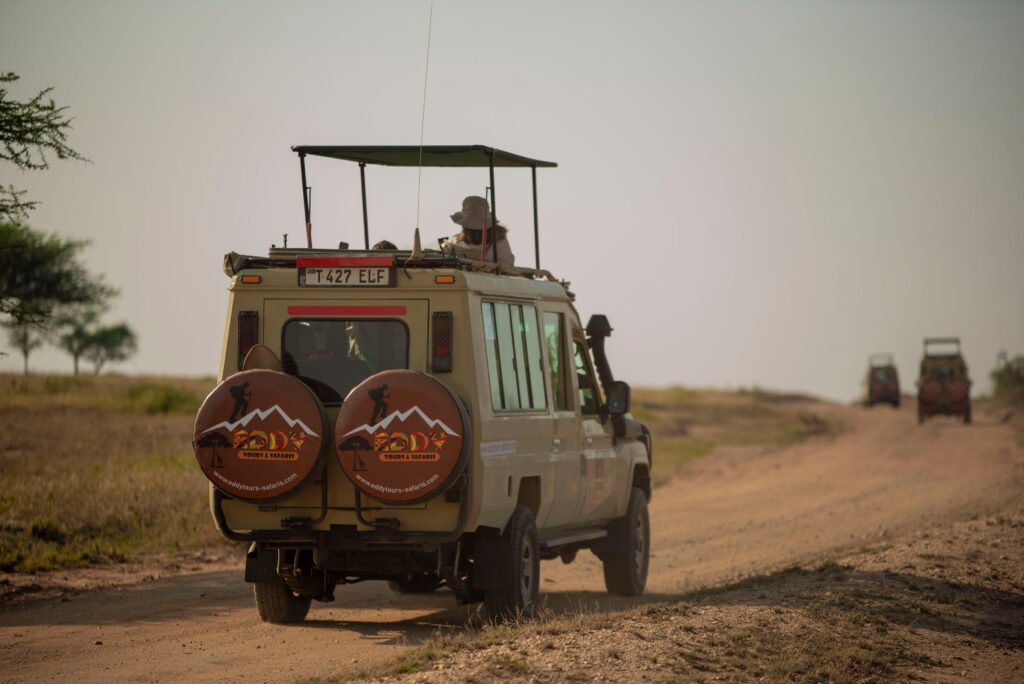
Practical Planning Tips for Africa Travel in 2026, 2027, and 2028
Health and Safety Considerations
Travelers planning African safaris in 2026, 2027, and 2028 should prepare by consulting vaccination guidelines from World Health Organization and travel advisories from U.S. Department of State. Health research from CDC supports safe travel preparation, particularly regarding malaria prevention.
Sustainable Travel Awareness
Responsible tourism is increasingly important across Africa. Organizations like Global Wildlife Conservation, African Parks, and Fauna & Flora International emphasize ethical travel practices that protect ecosystems and support local communities.
Booking and Logistics Advice
Peak-season travel requires early planning. Experts recommend booking accommodations and tours several months in advance, particularly during migration seasons. Travelers researching transportation often rely on data from International Air Transport Association and mapping tools from Google. For curated safari itineraries, visit Eddy Tours & Safaris.
FAQs About A Guide To When To Go Where In Africa 2026 | 2027 | 2028
When is the best overall time to visit Africa?
The dry season between June and October generally offers the best wildlife viewing opportunities across many regions, though specific timing depends on your destination and interests.
Is Africa safe for travel in 2026 and beyond?
Most safari destinations are safe with proper planning, experienced guides, and adherence to local advice and international travel guidelines.
What months are best for the Great Migration?
The migration peaks between July and September in Kenya and Tanzania, offering spectacular wildlife viewing.
Which countries are best for first-time safari travelers?
Kenya, Tanzania, South Africa, and Botswana remain top choices due to infrastructure, wildlife density, and accessibility.
Can I travel during the rainy season?
Yes, green seasons offer fewer crowds, lush landscapes, and excellent birdwatching opportunities despite occasional showers.
How far in advance should I book a safari?
Booking at least six to nine months ahead ensures better availability and pricing, especially during peak migration months.
Conclusion
A Guide To When To Go Where In Africa 2026 | 2027 | 2028 provides essential insights for planning unforgettable journeys across one of the world’s most diverse continents. By aligning travel dates with wildlife patterns, regional climates, and conservation considerations, travelers can enjoy meaningful experiences while supporting responsible tourism. Whether exploring East Africa’s savannas, Southern Africa’s wetlands, or North Africa’s deserts, careful planning ensures every journey is both enriching and memorable.