
What’s the Difference between African and Asian Elephants? This is one of the most common wildlife questions asked by travelers, students, and safari lovers alike. While both species belong to the same family, they differ in size, shape, behavior, habitat, and even personality. Understanding these differences not only deepens your appreciation for these majestic creatures but also helps you make the most of your safari experience.
If you’re planning a safari in Africa, exploring elephant habitats becomes a life-changing experience. At Eddy Tours & Safaris, we design unforgettable journeys where you can witness African elephants in their natural environment.
What’s the Difference between African and Asian Elephants? Key Overview
The primary difference lies in geography, but that’s just the beginning. African elephants are found across sub-Saharan Africa, while Asian elephants live in South and Southeast Asia. However, physical characteristics and behaviors are where things get truly fascinating.
There are actually two species of African elephants: the savanna elephant and the forest elephant. Asian elephants, on the other hand, are a single species with several subspecies. This alone highlights the diversity within these giants.
Physical Differences Between African and Asian Elephants
Size and Weight
African elephants are significantly larger. Adult males can weigh up to 6,000 kg, whereas Asian elephants typically weigh around 4,000–5,000 kg. Their height also differs, with African elephants standing taller at the shoulder.
Ear Shape
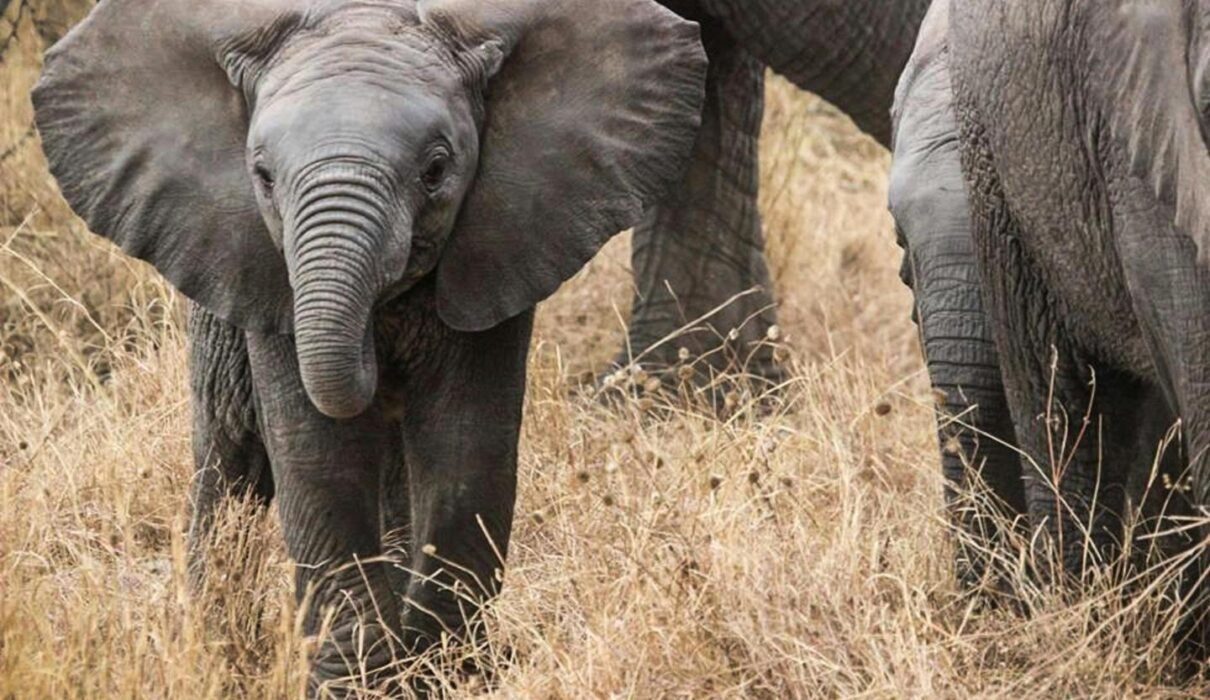
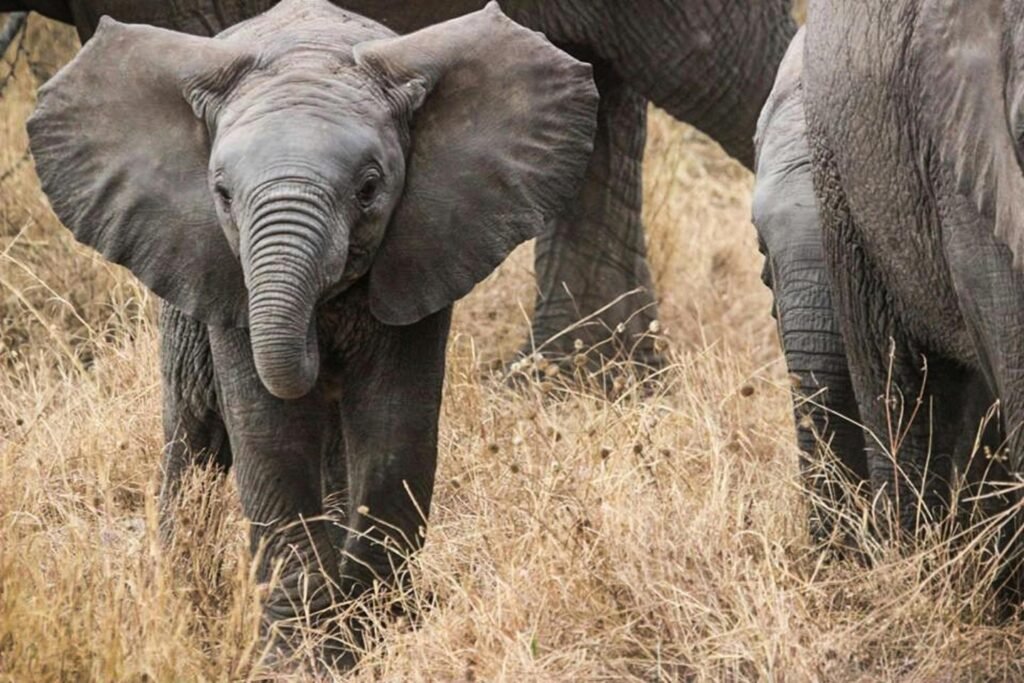
One of the easiest ways to distinguish them is by their ears. African elephants have large, fan-shaped ears resembling the African continent. Asian elephants have smaller, rounded ears.
Head Shape
African elephants have a single dome-shaped head, while Asian elephants have a twin-domed head structure. This subtle feature is often overlooked but very distinctive.
Trunk Features
African elephants have two finger-like projections at the tip of their trunk, while Asian elephants have only one. This affects how they grasp objects.
Habitat and Distribution
African elephants roam vast savannas, forests, and deserts across countries like Tanzania, Kenya, and Botswana. You can explore these habitats through African safari tours that bring you close to these giants.
Asian elephants inhabit forests and grasslands in India, Sri Lanka, Thailand, and Indonesia. Their environment is more densely vegetated compared to the open savannas of Africa.
For more scientific insight, refer to organizations like: World Wildlife Fund, IUCN, National Geographic, Smithsonian Institution, and Encyclopaedia Britannica.
Behavioral Differences
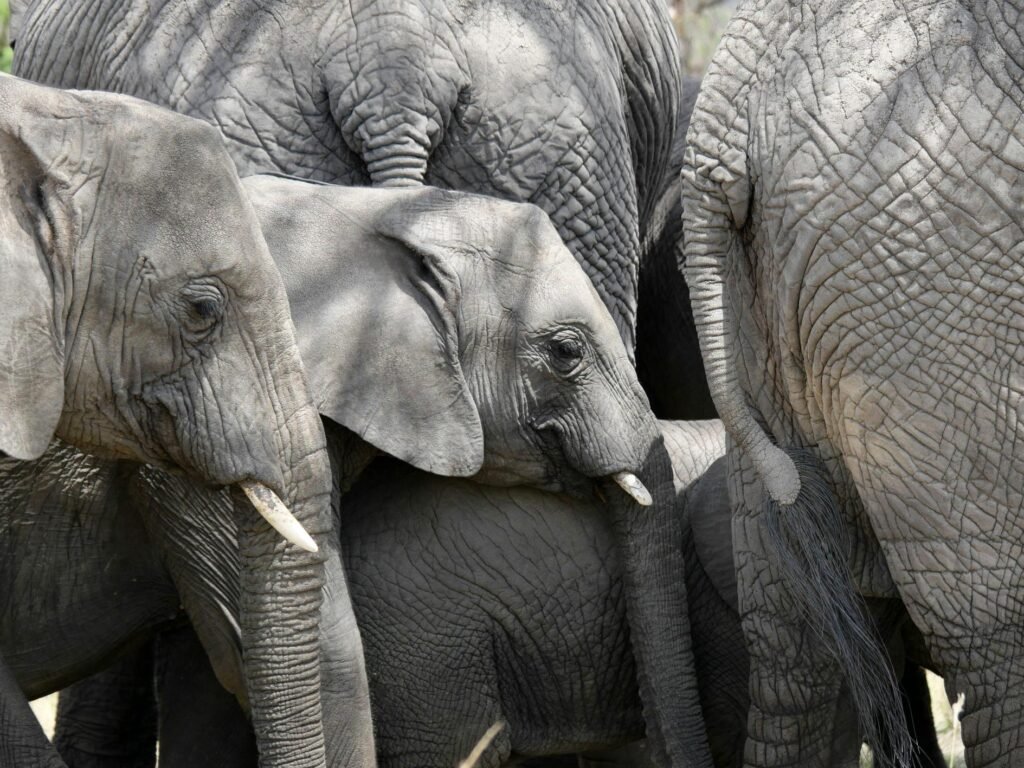
African elephants are generally more social and live in larger herds led by matriarchs. Their communication is complex, involving infrasound that travels long distances.
Asian elephants tend to form smaller family groups. Males are often solitary and display different social behaviors compared to their African counterparts.
Studies from ScienceDirect and Nature highlight these behavioral variations.
Diet and Feeding Habits
Both species are herbivores, but their diets vary based on habitat. African elephants consume grasses, bark, and roots, while Asian elephants prefer leaves, fruits, and cultivated crops.
This difference often leads to human-elephant conflict in Asia, as elephants raid farms. Learn more through FAO and UNEP.
Conservation Status
Both species face threats, but African elephants are classified differently depending on species, while Asian elephants are endangered.
Key conservation organizations include: Save the Elephants, African Wildlife Foundation, Elephant Crisis Fund, IFAW, and Wildlife Conservation Society.
Tourism and Safari Experience
Seeing elephants in Africa offers a more expansive and dramatic experience due to the open landscapes. You can witness large herds moving freely across the plains.
Plan your adventure with Tanzania safari packages and experience elephants in iconic parks like Serengeti and Tarangire.
For mountain adventures, explore Kilimanjaro climbing tours before or after your safari.
Why Understanding the Difference Matters
Knowing What’s the Difference between African and Asian Elephants? enhances your wildlife knowledge and helps you appreciate conservation efforts. It also enriches your travel experience by allowing you to identify species accurately.
Educational resources from National Geographic Education, edX, and Coursera provide deeper insights.
FAQs
1. Which elephant is bigger?
African elephants are larger than Asian elephants in both height and weight.
2. Do both species have tusks?
All African elephants have tusks, but only some male Asian elephants do.
3. Where can I see African elephants?
You can see them in Tanzania, Kenya, Botswana, and other African देशों through guided safaris.
4. Are Asian elephants endangered?
Yes, Asian elephants are classified as endangered due to habitat loss and human conflict.
5. What do elephants eat?
They are herbivores feeding on grasses, fruits, bark, and leaves.
6. How long do elephants live?
Both species can live up to 60–70 years in the wild.
Conclusion
Understanding What’s the Difference between African and Asian Elephants? opens your eyes to the incredible diversity within the elephant family. From size and shape to behavior and habitat, each species offers something unique.
If you’re dreaming of witnessing these giants in the wild, now is the perfect time to plan your journey. Visit Eddy Tours & Safaris and let us craft an unforgettable safari experience tailored just for you.