
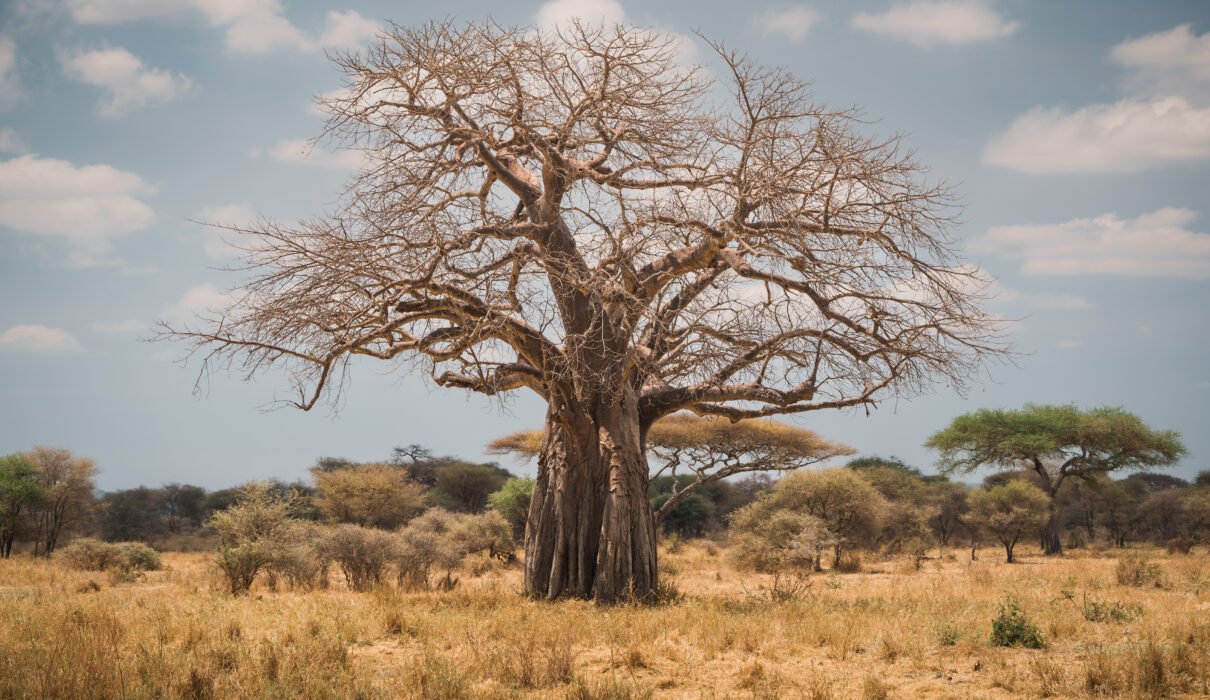
African Baobab Tree: History, Legends, and Facts reveal one of the most extraordinary natural wonders ever rooted in African soil. Rising like a living monument across savannas and dry woodlands, the African Baobab Tree has captured the imagination of historians, scientists, storytellers, and travelers for generations. Its thick trunk, upside-down appearance, and remarkable resilience make it more than just a tree; it is a symbol of survival, culture, and ecological importance across the continent.
African Baobab Tree: History, Legends, and Facts in African Culture
The African Baobab Tree holds a sacred place in many African societies, where it is often referred to as the “Tree of Life.” Communities have traditionally gathered under its vast canopy to hold meetings, settle disputes, and share stories. Its trunk, capable of storing enormous amounts of water, has allowed it to survive harsh drought conditions, making it a natural refuge during dry seasons. Research institutions such as Kew Gardens and conservation bodies like IUCN highlight its ecological value in sustaining wildlife and local populations.
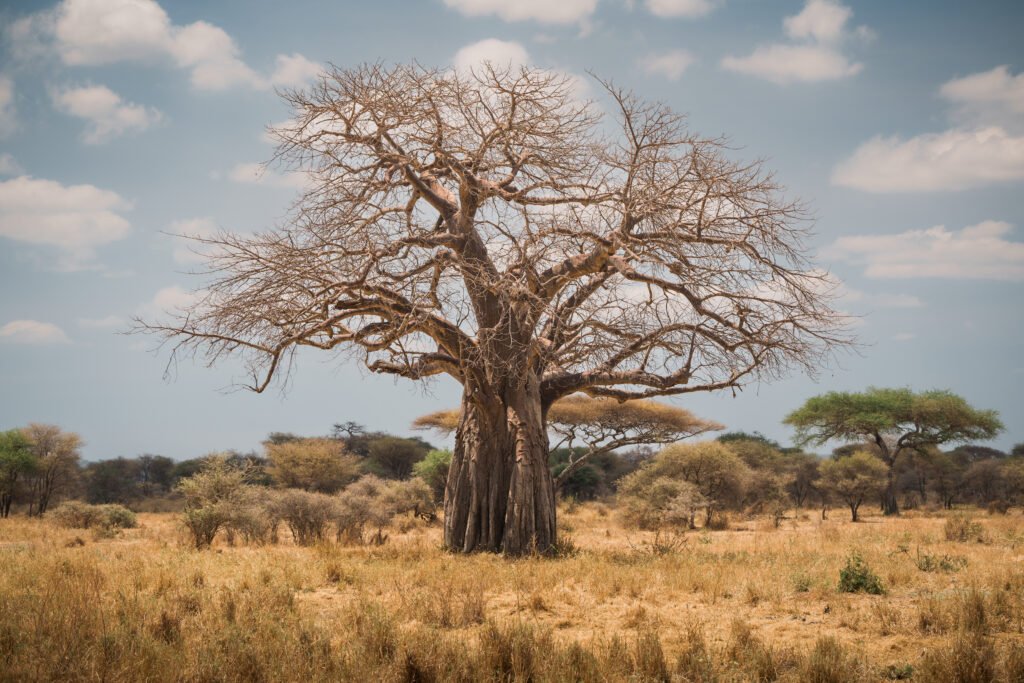
Ancient legends describe the African Baobab Tree as being planted upside down by divine forces, explaining its unusual branch structure that resembles roots stretching toward the sky. These stories have been preserved through oral traditions and studied by scholars from institutions like National Geographic and Encyclopedia Britannica. Such narratives add cultural richness to scientific understanding, blending myth with ecological reality.
The Scientific Importance of the African Baobab Tree
Botanically known as Adansonia digitata, the African Baobab Tree plays a crucial role in biodiversity conservation. Organizations such as the World Wildlife Fund, United Nations Environment Programme, and Conservation International recognize its importance in dryland ecosystems. The tree provides habitat for birds, bats, insects, and mammals, while its fruit offers rich nutritional value.
Studies conducted by NASA and climate researchers from NOAA suggest that climate change impacts on ancient baobabs could signal broader environmental shifts. The tree’s longevity and sensitivity to weather patterns make it a natural climate archive, offering scientists insight into ecological changes across centuries.
Nutritional and Medicinal Value
The fruit of the African Baobab Tree is rich in vitamin C, antioxidants, fiber, and essential minerals. Health research organizations such as World Health Organization and academic institutions like Harvard University have studied plant-based nutrition, recognizing baobab fruit as a valuable dietary supplement. Traditional healers have long used its leaves, bark, and pulp to treat fevers, digestive issues, and inflammation, knowledge now being examined by modern science.
Where to See the African Baobab Tree in Tanzania
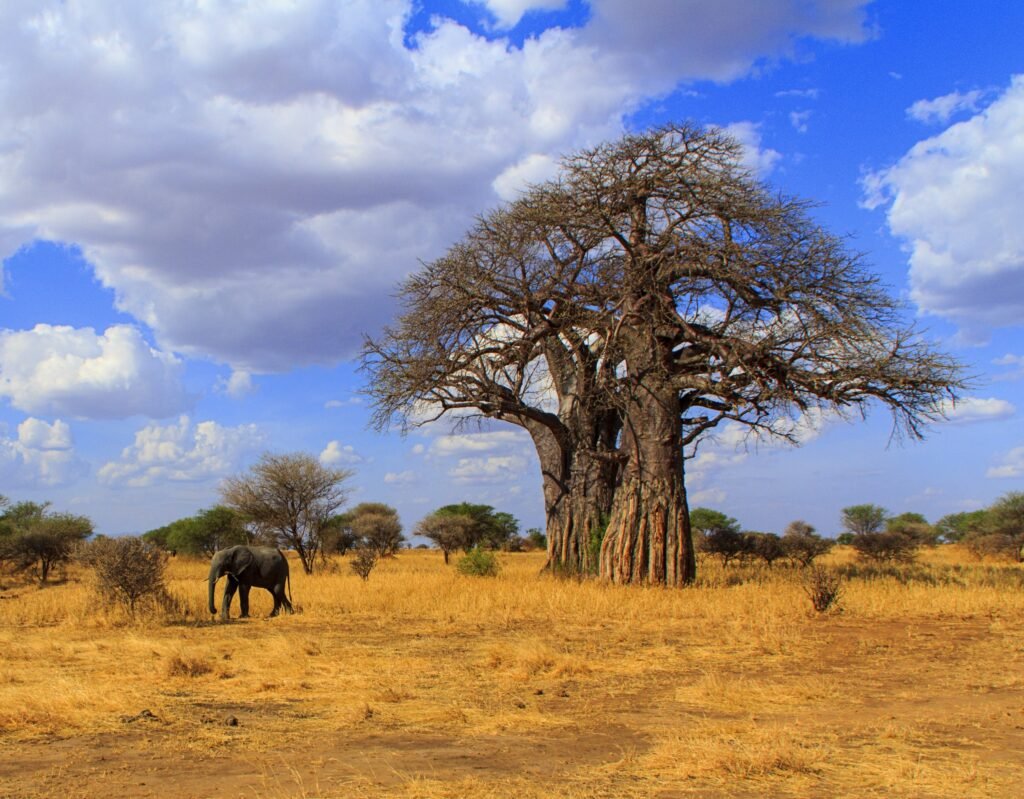
Tanzania is home to some of the most magnificent specimens of the African Baobab Tree, particularly in regions like Tarangire and the central savannas. Visitors exploring wildlife safaris can witness these giant trees dominating the landscape while elephants feed on their bark. For expertly guided experiences, travelers often explore safaris through Eddy Tours & Safaris, which offers immersive wildlife adventures across Tanzania.
Combining baobab viewing with classic safari destinations enhances the experience. Explore options like Tanzania wildlife safaris, discover unique landscapes through Serengeti safari tours, or add a cultural touch with Ngorongoro Crater adventures. For travelers interested in mountain exploration, nearby trekking options such as Kilimanjaro Climb Specialist offer complementary experiences.
Conservation Efforts Protecting the African Baobab Tree
Environmental organizations including Food and Agriculture Organization, Greenpeace, The Nature Conservancy, and World Agroforestry are actively involved in promoting sustainable land management practices that protect baobab populations. Habitat destruction and climate stress remain key challenges, yet community-based conservation initiatives have shown promising results in safeguarding these giants for future generations.
Research collaborations with institutions like University of Oxford, University of Cambridge, Stanford University, and UCLA continue to deepen scientific understanding of tree longevity and ecosystem resilience. Digital resources such as Google Scholar provide access to peer-reviewed studies examining the environmental and cultural importance of baobabs.
Interesting Facts About the African Baobab Tree
The African Baobab Tree can live for thousands of years, grow to enormous trunk diameters, and store massive amounts of water within its fibrous interior. Some trunks are hollow and have historically served as storage spaces, shelters, or meeting halls. According to botanical references from USDA Plants Database and environmental data platforms such as Global Biodiversity Information Facility, the species distribution spans across sub-Saharan Africa, adapting to diverse climates.
Another fascinating feature is its pollination process, often carried out by fruit bats at night. Wildlife research groups including Bat Conservation International study these ecological relationships, emphasizing how interconnected African ecosystems truly are. The African Baobab Tree stands not only as a biological wonder but also as a reminder of nature’s complex balance.
Frequently Asked Questions About the African Baobab Tree
Why is the African Baobab Tree called the Tree of Life?
It earns this name because it provides food, water storage, shelter, and medicinal resources to both humans and wildlife, especially in harsh climates.
How long can the African Baobab Tree live?
Some specimens are believed to live for thousands of years, making them among the oldest living flowering trees.
Is the fruit of the African Baobab Tree edible?
Yes, the fruit is highly nutritious and widely consumed both locally and internationally as a superfood.
Where can tourists see the African Baobab Tree?
Tanzania, especially in Tarangire and other savanna parks, offers excellent viewing opportunities during safari tours.
Is the African Baobab Tree endangered?
While not globally endangered, certain populations face threats from climate change and land-use pressures.
What animals depend on the African Baobab Tree?
Elephants, bats, birds, insects, and many mammals rely on it for food and shelter.
Conclusion: Why the African Baobab Tree Truly Matters
The African Baobab Tree represents resilience, heritage, and ecological harmony. Its towering presence across African landscapes tells stories of survival and adaptation that continue to inspire researchers, conservationists, and travelers alike. Whether studied through science, admired during a Tanzanian safari, or celebrated in folklore, this magnificent tree remains one of Africa’s most powerful natural symbols.