
Have you ever imagined watching a lion resting beneath an acacia tree, seeing hundreds of elephants walking across an open plain, or waking up to the sounds of birds and wildlife outside your safari lodge? An African safari gives you the chance to experience these moments in places where wild animals live freely in their natural surroundings. It is a different kind of holiday, one that takes you away from busy cities and allows you to spend time exploring nature.
If you are thinking about taking an African safari in 2027, Tanzania is one of the best destinations to consider. The country is home to famous wildlife areas such as Serengeti National Park, Ngorongoro Crater, Tarangire National Park, and Lake Manyara National Park. Each destination offers something different, from the wide plains of the Serengeti to the elephant herds of Tarangire and the wildlife-rich floor of Ngorongoro Crater.
A safari in Tanzania is not only about seeing animals. It is also about enjoying beautiful landscapes, meeting local people, learning about different cultures, taking photographs, and spending quality time with family or friends. Whether you are planning your first safari, a honeymoon, a family holiday, or a special trip with friends, Tanzania has several travel options to suit different interests and budgets.
At Eddy Tours & Safaris, we help travelers plan Tanzania safari holidays based on their preferred destinations, travel dates, accommodation choices, and available budget. In this guide, we explain ten good reasons to go on an African safari in 2027 and share practical advice to help you plan your trip.
Why Choose Tanzania for an African Safari in 2027?
Tanzania is one of Africa’s leading safari destinations because it has large protected wildlife areas, varied landscapes, and several national parks that can be visited during one holiday. Northern Tanzania is particularly popular because visitors can combine the Serengeti, Ngorongoro Crater, Tarangire, and Lake Manyara in a single itinerary. Depending on the number of days available, a safari can include short game drives, full-day wildlife viewing, cultural visits, and time to relax at a lodge or tented camp.
Another advantage of Tanzania is that safari holidays can be planned in different ways. Some travelers prefer private safaris with their own vehicle and guide, while others look for shared or joining safaris to help manage costs. Accommodation also varies, with options ranging from budget camping and comfortable lodges to high-end tented camps and luxury properties.
Wildlife viewing is possible throughout the year, although the best areas to visit can change with rainfall, vegetation, and animal movements. Planning your safari for 2027 involves choosing the right season and understanding which destinations best match your interests.
1. Witness the Great Wildebeest Migration in the Serengeti
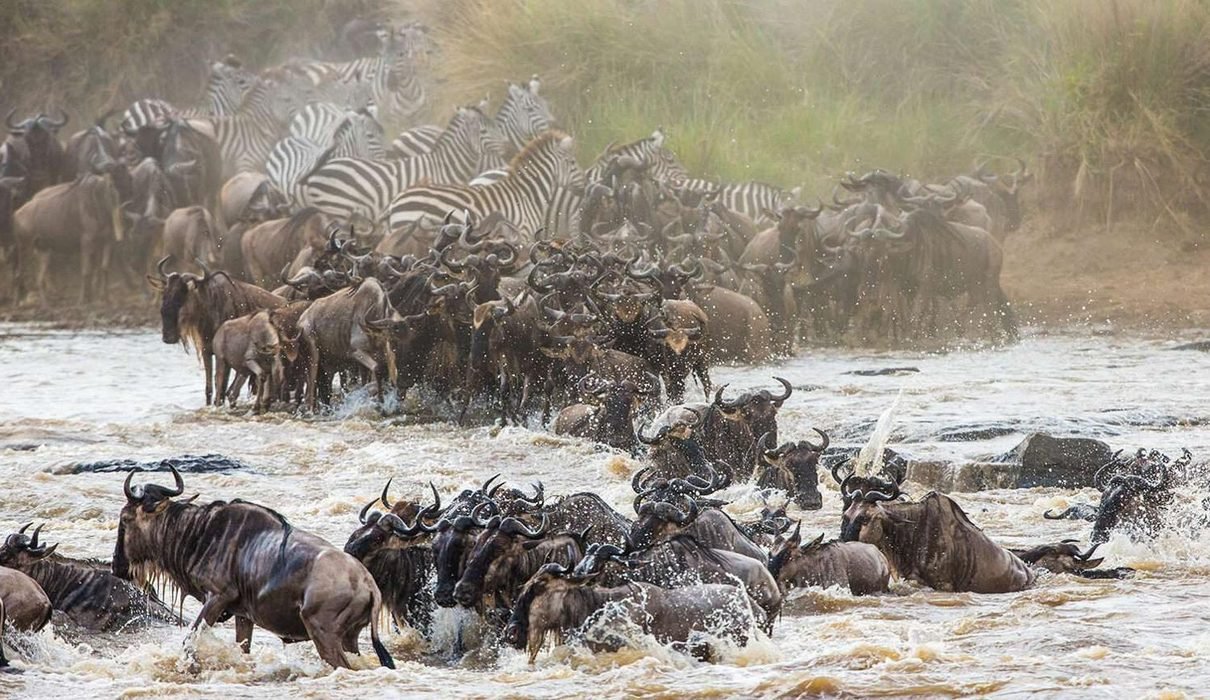
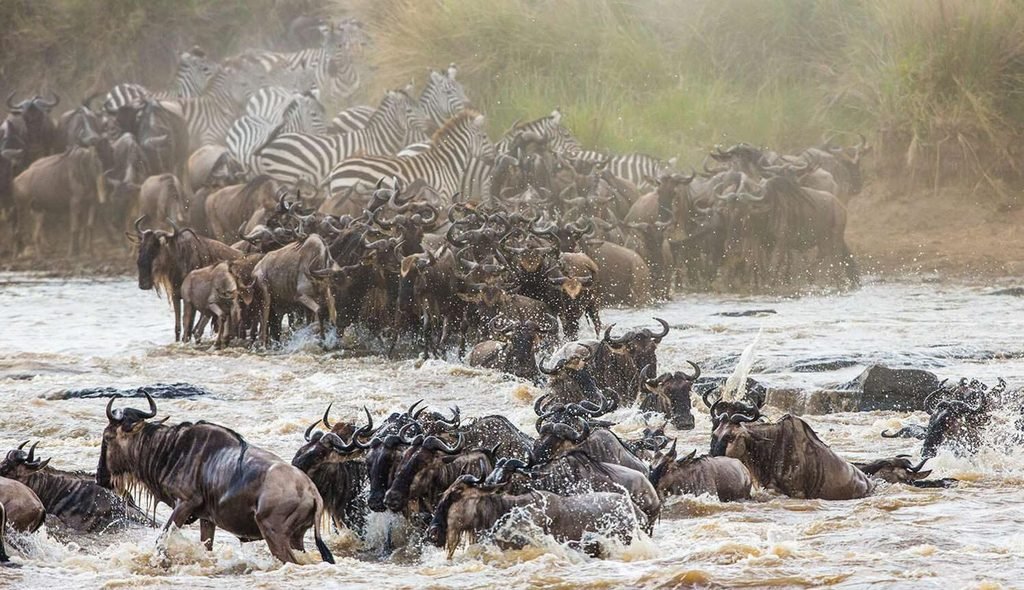
One of the biggest reasons people visit Tanzania is the chance to witness the Great Wildebeest Migration in the Serengeti ecosystem. This remarkable natural movement involves large numbers of wildebeest, together with zebras and other grazing animals, traveling in search of fresh grass and water. Their movement follows seasonal rainfall and changing grazing conditions, making the migration a year-round natural process rather than a single event that happens on a fixed date.
During parts of the year, visitors may see large herds gathering on the southern Serengeti plains, where calving commonly takes place between January and March. As the seasons change, the herds generally move through the central and western areas before some reach the northern Serengeti and the Mara River region. River crossings are particularly famous, but they are unpredictable and cannot be guaranteed during a particular safari.
Even without witnessing a river crossing, the migration can provide an exciting wildlife experience. Seeing large herds moving across the plains, watching predators following grazing animals, or observing newborn wildebeest during the calving season can make a Serengeti safari memorable.
If the migration is your main reason for visiting Tanzania, ask your tour operator to recommend the most suitable Serengeti region for your travel month. You can also explore safari planning options through Eddy Tours & Safaris before choosing your 2027 travel dates.
2. See Africa’s Famous Big Five Animals
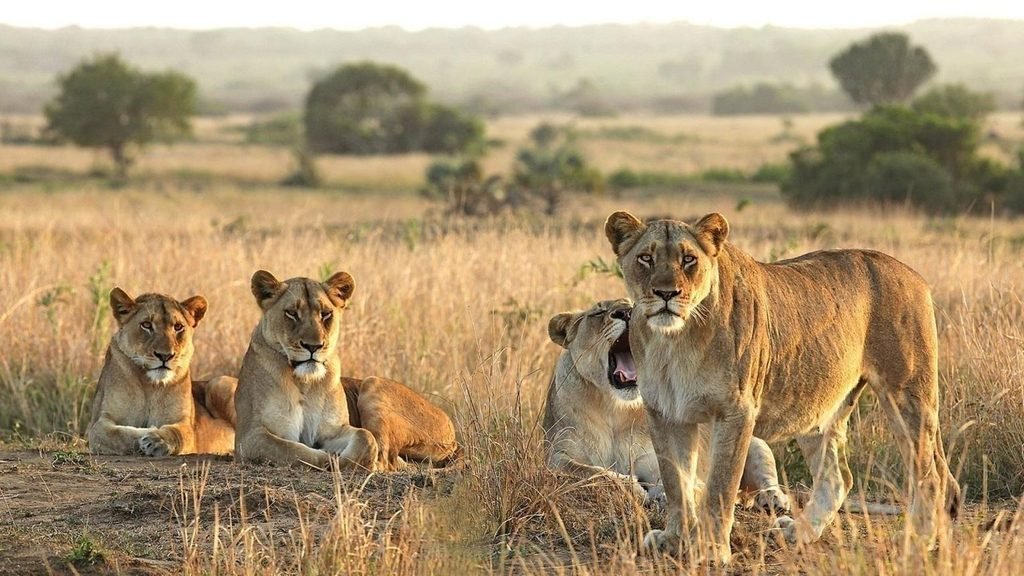
Many travelers dream of seeing Africa’s Big Five: the lion, leopard, elephant, buffalo, and rhinoceros. These animals are among the most recognized wildlife species on the continent, and Tanzania offers opportunities to look for them in several protected areas. The Serengeti is known for its lions, leopards, elephants, and buffalo, while Ngorongoro Crater is one of the places where visitors may have an opportunity to see black rhinoceroses.
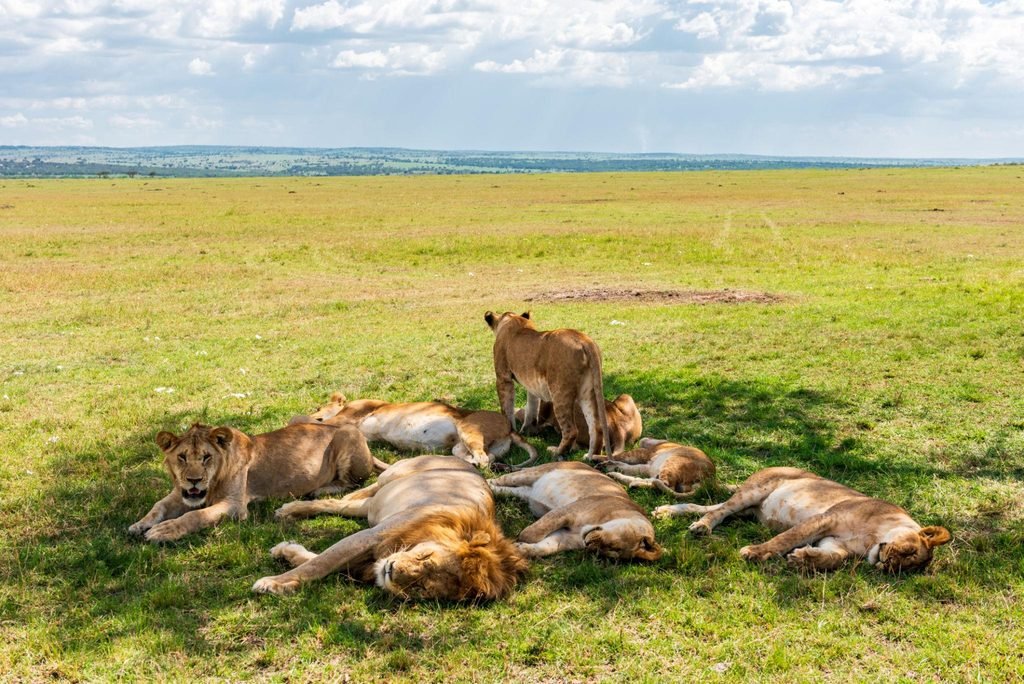
A safari game drive gives you the chance to observe animals behaving naturally in their environment. You may see lions resting in the shade, elephants feeding beside the road, buffalo grazing in open grassland, or a leopard resting in a tree. Each sighting is different because the animals move freely and do not follow a visitor schedule.
It is important to understand that seeing all five animals during one trip is not guaranteed. Leopards can be difficult to spot because they are often solitary and well camouflaged, while black rhinoceroses are relatively rare. An experienced safari guide can help you identify wildlife habitats and explain animal behavior, but sightings always depend on nature.
For travelers who want to increase the variety of wildlife they may encounter, combining the Serengeti with Ngorongoro Crater and Tarangire is often a good option.
3. Explore Some of Africa’s Most Beautiful National Parks
Tanzania has a wide range of national parks, each with its own landscape and wildlife experience. This variety is one of the reasons why a safari in Tanzania can remain interesting over several days. Instead of visiting the same type of environment throughout your holiday, you can travel between open grasslands, woodland, volcanic landscapes, lakes, and river valleys.
Serengeti National Park is famous for its large plains, predators, and seasonal wildebeest migration. Ngorongoro Crater offers a very different experience, with wildlife living within a large volcanic caldera surrounded by steep crater walls. Tarangire National Park is well known for its elephants, baobab trees, and seasonal concentrations of wildlife, while Lake Manyara National Park features groundwater forests, lakeshore habitats, and varied birdlife.
Each destination deserves enough time to explore properly. Travelers with only three or four days may need to focus on a smaller number of parks, while those planning a week or more can combine several destinations without spending too much time driving between them.
For a well-balanced holiday, contact Eddy Tours & Safaris to discuss the parks that best match your interests and travel schedule.
4. Enjoy Close Wildlife Encounters in Natural Habitats
One of the most enjoyable parts of an African safari is seeing animals in their natural surroundings. Unlike a zoo or wildlife enclosure, a national park allows animals to move freely across large areas. Visitors observe them from designated safari roads, usually inside a safari vehicle, while respecting park rules and keeping a safe distance.
You might spend part of the morning watching a herd of elephants feeding, then come across giraffes walking through acacia woodland or zebras grazing beside wildebeest. At other times, you may see hippos resting in water, crocodiles along a riverbank, or different species of antelope moving through the grass. These moments are often unplanned, which is part of what makes a safari exciting.
An experienced guide can help you understand what you are seeing by explaining animal tracks, feeding habits, territorial behavior, and relationships between different species. Learning about the animals can make even a quiet game drive interesting because you begin to notice details that might otherwise go unnoticed.
Wildlife should always be observed responsibly. Visitors should avoid feeding animals, making excessive noise, or pressuring guides to approach animals too closely. Respecting wildlife and park regulations helps protect both visitors and the animals.
5. Experience the Beauty of Ngorongoro Crater
Ngorongoro Crater is one of Tanzania’s most impressive natural attractions. Formed from an ancient volcanic collapse, the crater contains grassland, woodland, wetlands, and a seasonal lake within a large volcanic caldera. The surrounding crater walls create a striking landscape, particularly when viewed from the rim before descending to the crater floor.
A Ngorongoro safari usually begins with a drive down the crater road, where visitors can enjoy views of the landscape before reaching the wildlife viewing areas. Once on the crater floor, you may encounter buffalo, zebras, wildebeest, gazelles, elephants, lions, and many bird species. The crater is also one of Tanzania’s important habitats for the endangered black rhinoceros, although sightings are never certain.
What makes Ngorongoro particularly attractive is the combination of wildlife and scenery within a relatively compact game-drive area. Visitors can experience several different habitats during one excursion, making it a popular destination for travelers who have limited time in northern Tanzania.
Ngorongoro can be included in a longer safari together with Tarangire and Serengeti, or visited as part of a shorter northern Tanzania itinerary. The best arrangement depends on your starting location, available days, and preferred accommodation.
6. Discover Tanzania’s Culture and Local Communities
An African safari can offer more than wildlife viewing. Tanzania is home to many communities with different languages, traditions, foods, and ways of life. Including a cultural experience in your safari itinerary can help you learn more about the country and the people who live near its protected areas.
Depending on your route, you may have opportunities to visit local villages, explore markets, learn about traditional crafts, or participate in a community-led cultural activity. In northern Tanzania, some travelers are interested in learning about Maasai traditions, while others enjoy visiting Mto wa Mbu, a community near Lake Manyara known for its cultural diversity and local activities.
A good cultural visit should be respectful and organized with the community’s participation and consent. It should give visitors a genuine opportunity to learn rather than treating local people as attractions. Your guide can explain appropriate behavior, photography etiquette, and any arrangements that should be made before a visit.
Adding a cultural experience can make your 2027 Tanzania safari more varied, particularly if you are traveling with children or want to understand the country beyond its national parks.
7. Take Incredible Wildlife and Landscape Photographs
Tanzania is an excellent destination for travelers who enjoy photography. The country’s national parks provide opportunities to photograph wildlife, wide landscapes, sunrise and sunset scenes, and changing weather conditions. You do not need to be a professional photographer to enjoy these moments, although patience and suitable equipment can make a difference.
The Serengeti is especially attractive for wide landscape photographs because of its open plains and changing light. Tarangire offers striking scenes of elephants moving among large baobab trees, while Ngorongoro provides impressive views from the crater rim. Lake Manyara can be rewarding for bird photography and images of forest and lakeshore environments.
Early morning and late afternoon game drives often provide pleasant natural light, although the best wildlife sightings can happen at any time. A camera with a suitable zoom lens can help you photograph animals from a safe distance, while a smartphone can still capture excellent landscapes and memories from the trip.
If photography is an important part of your holiday, consider booking a private safari so your itinerary can allow more flexibility at sightings. A private vehicle may also make it easier to spend additional time photographing a particular landscape or animal without needing to follow the preferences of a larger group.
8. Choose a Safari That Fits Your Budget
Many people assume that an African safari is only for wealthy travelers, but Tanzania offers several types of safari holidays at different price levels. While national park fees, transport, guiding, and accommodation can make safaris relatively expensive compared with some other holidays, careful planning can help you find an itinerary that suits your budget.
Budget-conscious travelers may consider joining safaris, where some transport and guiding costs are shared among participants. Others may prefer budget camping or simple lodges outside certain park areas. Mid-range safaris often use comfortable lodges and tented camps, while luxury packages may include high-end accommodation, private services, and additional travel arrangements.
The total cost depends on the number of days, parks visited, accommodation category, travel season, group size, and whether the safari is private or shared. For example, a shorter safari visiting Tarangire and Ngorongoro may cost less overall than a longer trip that includes several nights in the Serengeti. However, the exact price should always be based on a current quotation rather than a general estimate.
At Eddy Tours & Safaris, travelers can request a safari plan based on their preferred budget and accommodation level. Providing your travel dates, number of people, and desired parks helps the team prepare a more suitable quotation.
9. Create Special Memories with Family, Friends or Your Partner
An African safari is a wonderful opportunity to spend time with people who matter to you. Whether you are traveling with your partner, children, relatives, or a group of friends, the shared experience of discovering wildlife can create memories that last long after the holiday ends. Unlike trips built around shopping or busy entertainment schedules, a safari encourages people to spend time outdoors, talk, observe nature, and enjoy experiences together.
For families, Tanzania offers opportunities for children to learn about wildlife, conservation, geography, and different cultures. A family safari should be planned with children’s ages, interests, and ability to manage long driving days in mind. Shorter game drives, suitable accommodation, and enough rest time can make the holiday more enjoyable for everyone.
Couples may prefer a private safari with comfortable lodges, scenic locations, and a relaxed itinerary. Tanzania is also a popular choice for honeymoon travelers who want to combine wildlife viewing with a beach holiday in Zanzibar. Groups of friends may enjoy longer adventures that include several national parks, cultural activities, or an additional Kilimanjaro trekking experience.
A well-planned safari should reflect the people taking the trip rather than following the same schedule for every traveler. Discussing your interests before booking helps your tour operator recommend suitable destinations and accommodation.
10. Combine Your Safari with Kilimanjaro or Zanzibar
One of the biggest advantages of visiting Tanzania is the opportunity to combine several travel experiences within one country. Travelers who enjoy hiking may choose to climb Mount Kilimanjaro before continuing on a wildlife safari, while those looking for relaxation can finish their holiday on the beaches of Zanzibar.
Mount Kilimanjaro is Africa’s highest mountain and offers several established trekking routes, including Machame, Lemosho, Marangu, Rongai, and the Northern Circuit. A Kilimanjaro expedition normally requires several days on the mountain, along with appropriate training and acclimatization. Travelers who want to combine climbing with a safari should allow enough time for rest and recovery before continuing their journey.
Zanzibar offers a different experience, with Indian Ocean beaches, historic Stone Town, coastal villages, and opportunities for snorkeling and other marine activities. After several days of early morning game drives and traveling between national parks, a beach holiday can be a comfortable way to finish your trip.
If you are considering a longer Tanzania holiday in 2027, Eddy Tours & Safaris can help you discuss safari, Kilimanjaro, and Zanzibar combinations according to your available time and preferred travel style.
Best Time to Go on an African Safari in Tanzania in 2027
Tanzania offers wildlife viewing throughout the year, but different months can provide different experiences. The best time for your safari depends on the animals you want to see, the parks you plan to visit, and whether you prefer drier or greener landscapes. Rather than choosing dates based only on general safari rankings, it is useful to understand how seasonal conditions affect each destination.
From January to March, the southern Serengeti and nearby Ndutu area are particularly interesting because of the wildebeest calving season, which commonly reaches its peak during this period. The landscape can be green following seasonal rains, and predator activity around the herds may provide exciting wildlife viewing opportunities. However, the exact timing and distribution of animals depend on rainfall and grazing conditions.
June to October is generally associated with drier conditions in much of northern Tanzania. Wildlife may become easier to observe around permanent water sources, particularly in parks such as Tarangire. The northern Serengeti can also be an important area for migration viewing during parts of this period, although river crossings remain unpredictable.
November and December may bring seasonal rains and greener landscapes, with different opportunities for wildlife photography and birdwatching. April and May are commonly wetter months, but some travelers enjoy the quieter atmosphere and lush scenery during this period.
Tanzania Safari Seasons at a Glance
| Travel period | General conditions | Safari highlights |
|---|---|---|
| January–March | Often warm, with green landscapes in many areas | Southern Serengeti calving season |
| April–May | Generally wetter | Green scenery and birdwatching |
| June–July | Typically becoming drier | Wildlife viewing and seasonal migration movements |
| August–October | Generally dry in many northern areas | Tarangire elephants and northern Serengeti migration opportunities |
| November–December | Short rains possible | Green landscapes and changing wildlife movements |
These are general seasonal patterns, not guaranteed forecasts for 2027.
How Many Days Do You Need for a Tanzania Safari?
The ideal safari duration depends on the number of parks you want to visit and how much time you are comfortable spending on the road. Tanzania’s northern safari destinations cover a large area, and traveling between them can take several hours. Allowing enough time in each park usually creates a better experience than trying to visit too many places in a short period.
A three-day safari may be suitable for travelers who want to visit Tarangire, Lake Manyara, or Ngorongoro without spending a full week traveling. Four- to five-day itineraries can include a wider selection of destinations, although the exact route should be planned carefully. A six- to eight-day safari is often a good option for travelers who want to combine Serengeti with Ngorongoro and another northern park.
For travelers whose main interest is the Great Migration, spending additional nights in the relevant part of the Serengeti can be particularly valuable. Animal movements are unpredictable, and a longer stay provides more opportunities to explore different areas without guaranteeing any specific sighting.
Sample 7-Day Tanzania Safari Itinerary for 2027
| Day | Destination | Main experience |
|---|---|---|
| 1 | Arrival in Arusha | Airport transfer, rest and safari briefing |
| 2 | Tarangire National Park | Elephant viewing, baobab landscapes and game drives |
| 3 | Serengeti National Park | Travel to Serengeti and afternoon wildlife viewing |
| 4 | Serengeti National Park | Full-day game drives |
| 5 | Serengeti National Park | Additional wildlife viewing in the selected region |
| 6 | Ngorongoro Conservation Area | Transfer toward Ngorongoro and overnight near the crater |
| 7 | Ngorongoro Crater – Arusha | Crater game drive and return transfer |
This is an example rather than a confirmed departure itinerary. Actual travel times, accommodation, park arrangements, and available game-drive hours depend on the final booking.
How Much Does an African Safari Cost in 2027?
The cost of a Tanzania safari depends on several factors, including the duration of the trip, number of travelers, type of accommodation, destinations, and season. A private safari usually has a different cost structure from a joining safari because the vehicle and guide are reserved for one group. Accommodation also makes a significant difference, particularly when comparing budget camping with luxury lodges inside or near the national parks.
Travelers should also consider what is included in the package. A safari quotation may cover park fees, accommodation, meals, transport, a professional driver-guide, and game drives, while international flights, visas, travel insurance, tips, and optional activities may be excluded. Comparing quotations is easier when you understand the complete list of services rather than looking only at the total price.
Because accommodation rates, park fees, and operating costs can change, exact 2027 prices should be confirmed before booking. You can request a personalized safari quotation from Eddy Tours & Safaris based on your preferred itinerary and budget.
What to Pack for an African Safari
Packing for a Tanzania safari is generally straightforward, but it helps to bring clothing suited to warm daytime temperatures and cooler mornings or evenings. Lightweight, comfortable clothes in neutral colors are practical for game drives, while a warm jacket or fleece is useful for early departures and higher-elevation destinations such as Ngorongoro. Comfortable walking shoes, sunglasses, a sun hat, sunscreen, and insect repellent are also important.
A camera or smartphone with sufficient storage allows you to capture wildlife and landscape photographs. Binoculars can make distant wildlife viewing more enjoyable, particularly when looking for birds or animals far from the road. You should also carry personal medication, travel documents, charging equipment, and any items you may need during long drives between destinations.
Avoid overpacking, especially if your itinerary includes domestic flights with luggage restrictions. Your tour operator can provide advice about suitable luggage and equipment before departure.
Frequently Asked Questions About African Safaris in 2027
1. Is 2027 a good year to go on an African safari?
Yes. Tanzania offers year-round safari opportunities, and travelers can plan their visits according to the season and wildlife experiences they prefer.
2. Which African country is best for a first safari?
Tanzania is an excellent choice because it offers several famous wildlife destinations, including Serengeti, Ngorongoro Crater, and Tarangire.
3. What is the best national park in Tanzania?
Serengeti is particularly famous for its large plains, predators, and Great Migration, but the best park depends on your interests.
4. Can I see the Big Five in Tanzania?
Yes, Tanzania offers opportunities to see all five species, although sightings are not guaranteed.
5. When is the Great Migration in the Serengeti?
The migration is a year-round movement, with the location of the herds changing according to rainfall and grazing conditions.
6. When is the wildebeest calving season?
Calving commonly takes place between January and March in the southern Serengeti ecosystem, with timing varying by year.
7. When can I see Mara River crossings?
Crossings are often associated with the northern Serengeti during parts of the dry season, but they are unpredictable.
8. Is a Tanzania safari expensive?
Costs vary widely depending on duration, accommodation, group size, and travel style. Budget and luxury options are available.
9. Can I book a budget safari in Tanzania?
Yes. Joining safaris, budget camping, and shorter itineraries may help reduce costs.
10. Is a private safari better than a joining safari?
Private safaris offer more flexibility, while joining safaris may be more affordable. The best choice depends on your preferences and budget.
11. How many days are enough for a safari?
Five to eight days is a useful range for many northern Tanzania itineraries, although shorter and longer trips are possible.
12. Is Serengeti worth visiting?
Yes. It is one of Africa’s best-known wildlife destinations and offers excellent opportunities to experience varied animal habitats.
13. Is Ngorongoro Crater worth visiting?
Yes. The crater combines distinctive scenery with a wide range of wildlife within a relatively compact area.
14. What is Tarangire famous for?
Tarangire is particularly known for elephants, baobab trees, and seasonal wildlife concentrations.
15. Can children go on an African safari?
Yes. Family safaris can be arranged, although itineraries and accommodation should be selected according to children’s ages and needs.
16. Is Tanzania suitable for a honeymoon safari?
Yes. Couples can combine private wildlife safaris with comfortable lodges and a Zanzibar beach holiday.
17. Can I take wildlife photographs during a safari?
Yes. Photography is one of the main attractions of a safari, provided visitors follow park rules and respect wildlife.
18. Are African safaris safe?
Safaris can be organized with experienced guides and established operators, but travelers should follow safety instructions and understand that wildlife and travel carry risks.
19. What should I wear on safari?
Comfortable lightweight clothing, a warm layer, suitable shoes, and sun protection are generally recommended.
20. Do I need travel insurance?
Travel insurance covering medical assistance, cancellations, and other relevant risks is strongly recommended.
21. Can I combine Serengeti with Zanzibar?
Yes. Many travelers finish their wildlife safari with a beach holiday in Zanzibar.
22. Can I climb Kilimanjaro and then go on safari?
Yes. A Kilimanjaro expedition can be combined with a safari, provided you allow suitable recovery time.
23. How early should I book a safari for 2027?
Booking several months in advance is often useful, particularly for popular travel periods and specific accommodation preferences.
24. Are wildlife sightings guaranteed?
No. Wild animals move freely, and sightings depend on natural conditions.
25. How do I book a Tanzania safari for 2027?
Contact Eddy Tours & Safaris with your preferred dates, number of travelers, destinations, and budget to request a personalized quotation.
Plan Your African Safari in 2027 with Eddy Tours & Safaris
An African safari is more than a holiday spent watching animals. It is an opportunity to explore beautiful landscapes, learn about wildlife, experience different cultures, and spend time in places that are very different from everyday life. From the Great Wildebeest Migration in the Serengeti to the elephants of Tarangire and the wildlife of Ngorongoro Crater, Tanzania offers many reasons to visit in 2027.
Whether you want a short budget safari, a comfortable family holiday, a private luxury experience, or a longer adventure combining several national parks, choosing the right itinerary is important. The best safari is not necessarily the one that visits the most destinations, but the one that gives you enough time to enjoy the places that interest you.
At Eddy Tours & Safaris, we help travelers organize Tanzania wildlife safaris for 2027, including private tours, joining safaris, family holidays, and customized safari itineraries. Our team can discuss your preferred destinations, accommodation options, travel dates, and budget before providing a detailed quotation.
Request Your Tanzania Safari Quotation
Chat with Eddy Tours & Safaris on WhatsApp
Email: sales@eddytours-safaris.com
Contact our team to start planning your 2027 Tanzania safari and discover the wildlife, landscapes, and experiences that make this country such a special place to visit.