
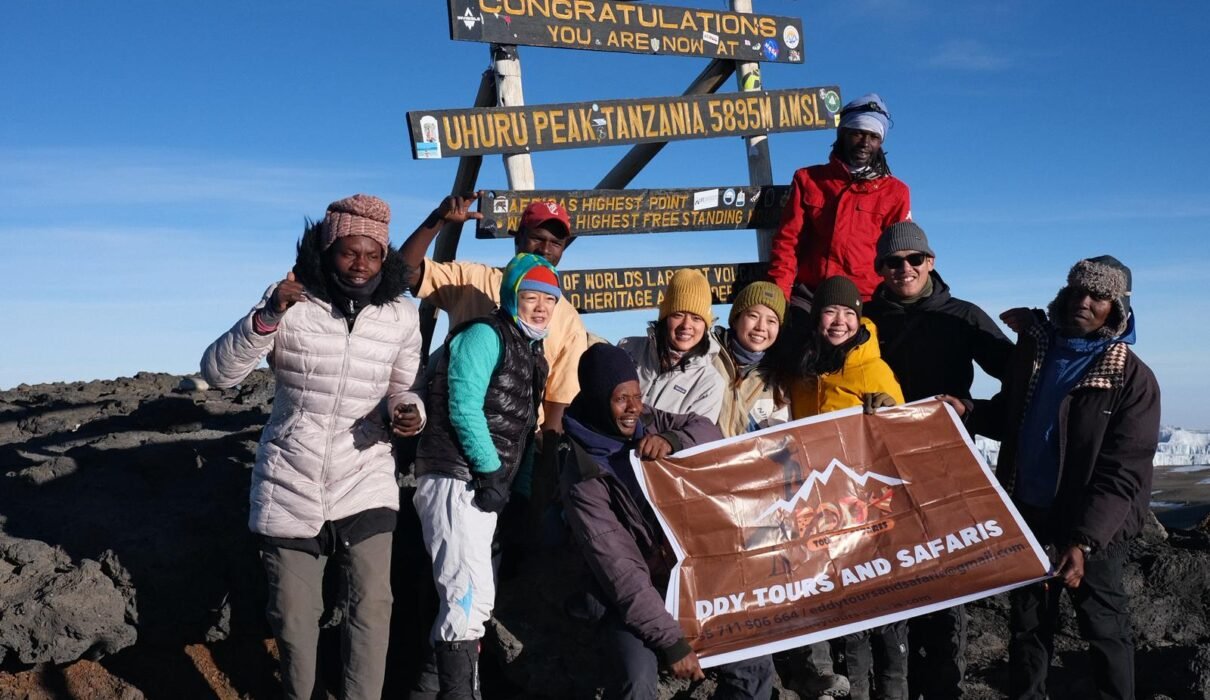
Amazing Beginner’s Guide to Climbing Kilimanjaro is the perfect starting point for anyone who has ever dreamed of standing on the roof of Africa but felt unsure about where to begin. Many people believe that climbing Mount Kilimanjaro is only for experienced hikers or athletes, yet every year thousands of ordinary travelers prove otherwise. The mountain offers a rare opportunity where determination matters more than technical ability, and with the right preparation, even a complete beginner can reach the summit successfully.
What makes the Amazing Beginner’s Guide to Climbing Kilimanjaro truly valuable is its focus on simplicity and clarity. Instead of overwhelming you with complicated strategies, it breaks the journey down into manageable steps that anyone can follow. Whether you are planning your first adventure or simply exploring the idea, this guide will help you understand what to expect, how to prepare, and how to turn your goal into a real experience. Many travelers begin their research through trusted Tanzania travel resources and quickly realize that Kilimanjaro is more achievable than they imagined.
The journey itself is not just about reaching the summit, but about the transformation that happens along the way. As you move from lush rainforest to alpine desert and finally to the icy summit, you begin to see both nature and yourself differently. Platforms like National Geographic and BBC Travel have often described Kilimanjaro as one of the most life-changing treks in the world, especially for beginners seeking a meaningful challenge.
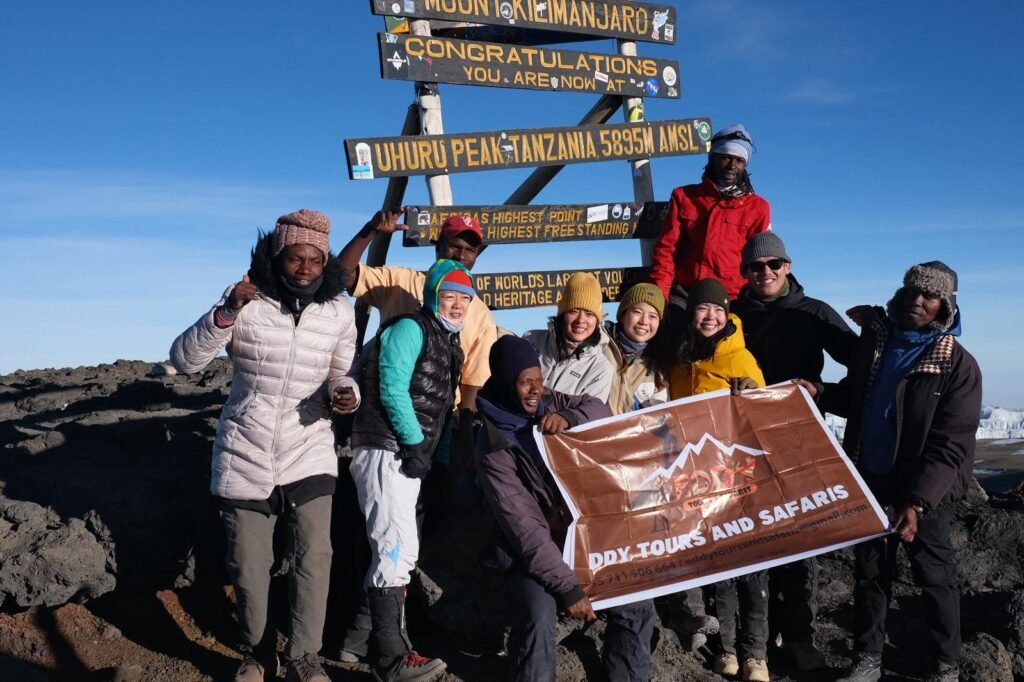
Amazing Beginner’s Guide to Climbing Kilimanjaro: Why It Is Possible for Beginners
The idea that only professionals can climb Kilimanjaro is one of the biggest myths. The Amazing Beginner’s Guide to Climbing Kilimanjaro exists to show that the mountain is actually a trekking peak, meaning no ropes, harnesses, or technical climbing skills are required. The real challenge is altitude, not terrain, and this can be managed with the right pace and support. Research shared by World Health Organization highlights how gradual acclimatization plays a key role in high-altitude success.
Most successful climbers follow a simple rule: go slowly and give the body time to adapt. This approach, often referred to as “pole pole” in Tanzania, is the foundation of every successful climb. When you understand this principle, the entire journey becomes less intimidating and more manageable.
How to Prepare Using the Amazing Beginner’s Guide to Climbing Kilimanjaro
Preparation does not mean extreme training. The Amazing Beginner’s Guide to Climbing Kilimanjaro focuses on building basic endurance rather than strength. Simple activities like walking, light hiking, or cycling are enough to prepare your body for the trek. The goal is to become comfortable spending several hours on your feet rather than pushing your limits.
Equally important is mental preparation. There will be moments when you feel tired or uncertain, especially at higher altitudes. Staying calm and focused helps you move forward step by step. Many beginners also read travel insights from Lonely Planet or National Parks Traveler to better understand the experience before arriving.
Best Routes Explained in the Amazing Beginner’s Guide to Climbing Kilimanjaro
Choosing the right route is one of the most important decisions you will make. The Amazing Beginner’s Guide to Climbing Kilimanjaro recommends longer routes such as Lemosho or Machame because they allow more time for acclimatization. These routes not only increase your chances of success but also offer incredible scenery along the way.
Shorter routes may seem attractive because they take less time, but they often lead to lower success rates due to limited acclimatization. That is why many experts, including those found through Kilimanjaro planning guides, advise beginners to choose routes that prioritize safety and gradual progress.
What to Expect During the Climb
The Amazing Beginner’s Guide to Climbing Kilimanjaro emphasizes that every day on the mountain brings a new environment and experience. You start in a green rainforest filled with birds and wildlife, then move into open moorland with wide views, and finally reach a rocky alpine desert before the icy summit. This diversity is one of the reasons Kilimanjaro is recognized by organizations like UNEP as an important ecological region.
The pace remains slow throughout the climb, allowing your body to adjust naturally. Guides check your health regularly, ensuring that you stay safe and comfortable. This support system is what makes the journey accessible even for those with no prior experience.
Challenges Covered in the Amazing Beginner’s Guide to Climbing Kilimanjaro
While the climb is achievable, it is not without challenges. The Amazing Beginner’s Guide to Climbing Kilimanjaro prepares you for altitude sickness, which is the most common difficulty. Symptoms such as headaches or fatigue can occur, but proper pacing and hydration reduce the risk significantly. Studies from NCBI support the importance of gradual ascent in preventing altitude-related issues.
The summit night is another major challenge. You start climbing in the dark and continue for several hours in cold conditions. However, reaching the summit at sunrise creates a moment that is both emotional and unforgettable, making every effort worthwhile.
Essential Packing Tips for Beginners
The Amazing Beginner’s Guide to Climbing Kilimanjaro highlights the importance of packing wisely. You do not need expensive gear, but you do need the right essentials. Warm clothing, good hiking boots, and proper layering are key to staying comfortable in changing conditions.
Many beginners find it helpful to review packing advice from platforms like REI or Outdoor Research, which provide practical insights into outdoor gear. Having the right equipment can make a significant difference in your overall experience.
Why the Amazing Beginner’s Guide to Climbing Kilimanjaro Matters
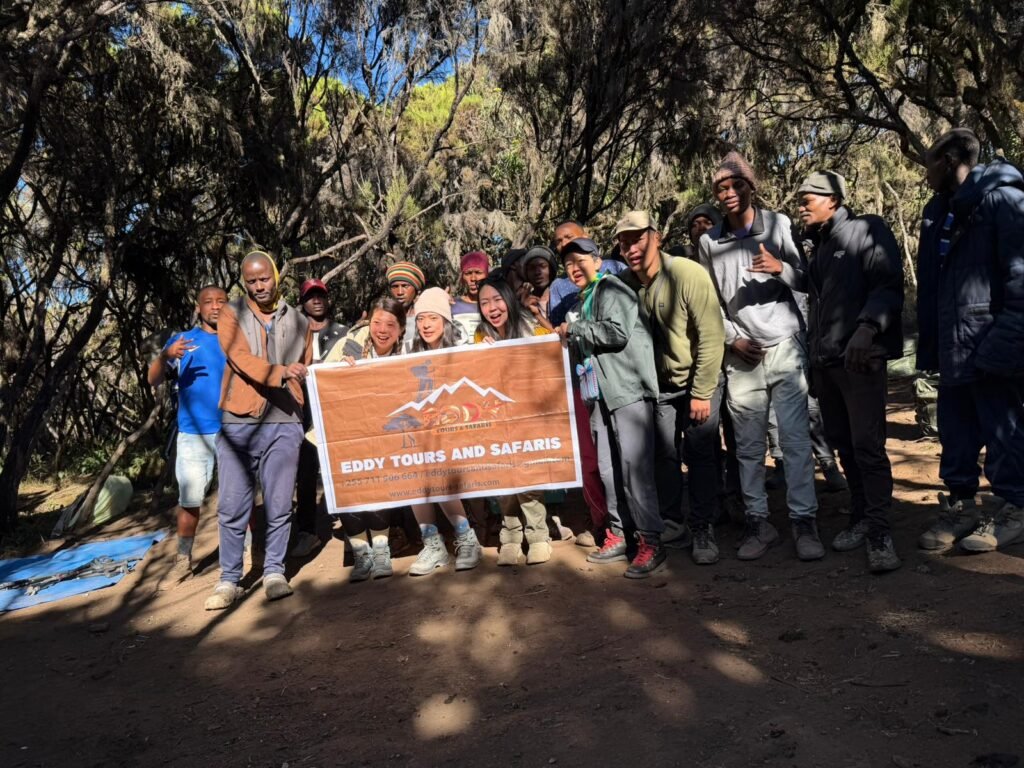
The value of the Amazing Beginner’s Guide to Climbing Kilimanjaro lies in its ability to turn doubt into confidence. It shows that the journey is not reserved for experts but open to anyone willing to try. Many climbers who once doubted themselves end up reaching the summit and discovering a new level of self-belief.
Responsible tourism also plays an important role in preserving the mountain. Organizations like African Wildlife Foundation encourage sustainable travel practices that protect both the environment and local communities.
Final Thoughts on the Amazing Beginner’s Guide to Climbing Kilimanjaro
If you have ever wondered whether you can do it, the answer is yes. The Amazing Beginner’s Guide to Climbing Kilimanjaro proves that with the right preparation, mindset, and support, the summit is within reach. It is not about being perfect, but about taking one step at a time and believing in your ability to continue.
You can begin planning your journey by exploring available Kilimanjaro options or learning more from Kilimanjaro Climb Specialist. Additional research through Google can also help you understand routes and preparation tips. The opportunity is real, and the mountain is waiting for you to take that first step.