
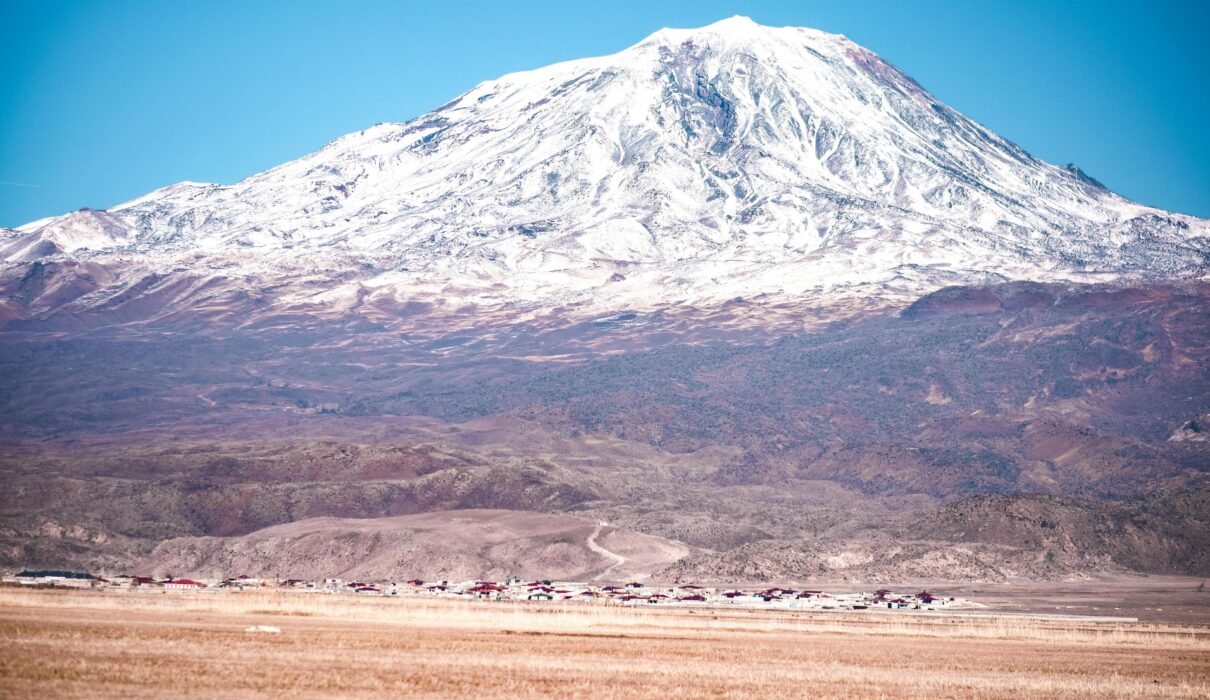
Barafu Camp: Final Stop Before the Summit is the moment every climber feels both excitement and quiet fear, because this high and exposed camp is where your real summit story begins. From this rocky platform on Mount Kilimanjaro, climbers prepare mentally and physically for the long night ascent to the highest point in Africa, and the decisions you make here can determine whether your summit attempt becomes a safe success or an exhausting struggle that ends early.
Barafu Camp is not a place for comfort or luxury. It is a place for discipline, careful planning, hydration, pacing and trust in your guide team. Many travellers underestimate what this camp represents, focusing only on the summit itself. In reality, the quality of your preparation at Barafu Camp plays a bigger role in your outcome than your fitness level back home. Climbers who prepare with professional local teams such as Eddy Tours & Safaris benefit from experience that goes far beyond simple logistics and includes real-time mountain judgement and safety awareness.
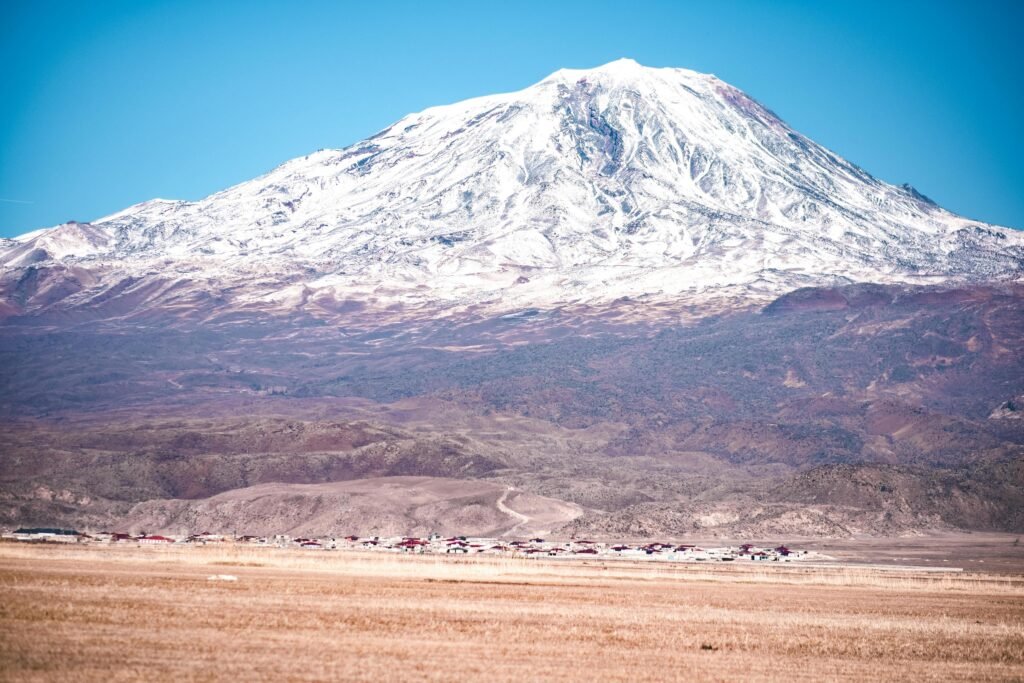
Barafu Camp: Final Stop Before the Summit and its true role on Kilimanjaro
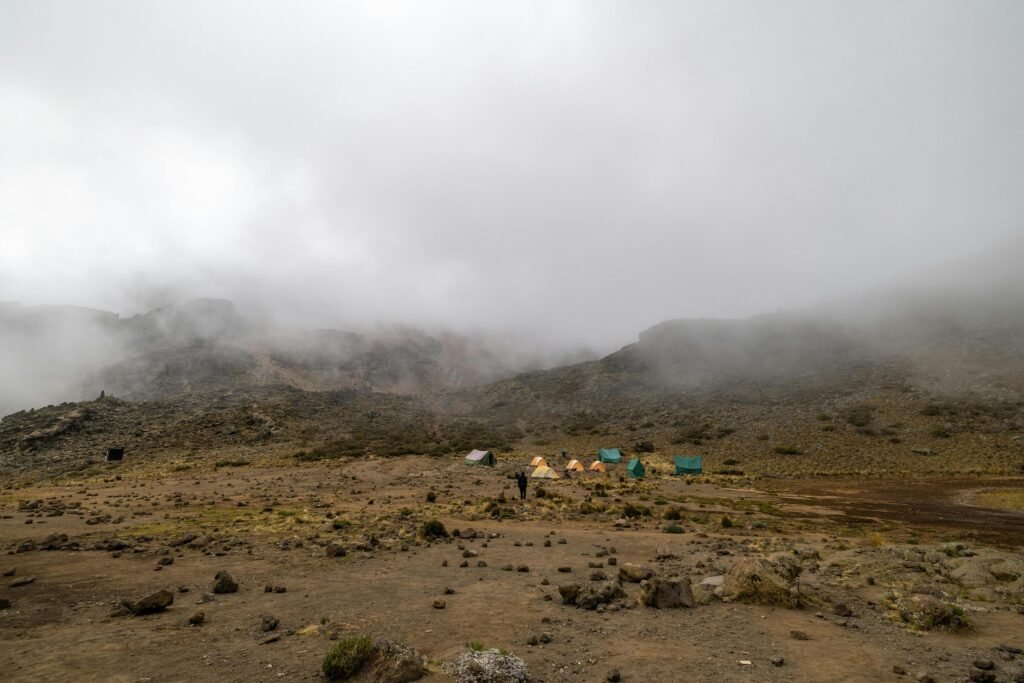
When people speak about Barafu Camp: Final Stop Before the Summit, they are referring to the last major sleeping point before the final climb to the top of Mount Kilimanjaro. Located on the southern slopes of the mountain, Barafu Camp sits in an alpine desert environment shaped by extreme winds, low oxygen pressure and dramatic temperature changes. Scientific studies of mountain environments published through the United States Geological Survey and ecosystem monitoring projects coordinated by the International Union for Conservation of Nature show that high-altitude terrain places constant stress on both humans and fragile ecosystems.
This is why park authorities and conservation bodies such as the United Nations Environment Programme carefully regulate camp locations and visitor movement. Barafu Camp exists not only for climbers but also as part of a controlled environmental system designed to limit erosion, protect water sources and reduce long-term ecological damage along the southern climbing corridors.
Barafu Camp: Final Stop Before the Summit and altitude adaptation
Understanding Barafu Camp: Final Stop Before the Summit requires understanding what happens to the human body at high altitude. Research published by the U.S. National Library of Medicine and reviewed through PubMed confirms that reduced oxygen availability affects breathing patterns, heart rate and sleep quality, especially above the elevation of Barafu Camp.
Medical guidance from the Centers for Disease Control and Prevention and clinical explanations provided by the International Society for Mountain Medicine emphasize that this stage of a climb is where altitude symptoms most often appear. At Barafu Camp, professional teams monitor oxygen saturation, appetite and hydration levels, making small adjustments that significantly improve how a climber feels during the summit night.
Barafu Camp: Final Stop Before the Summit and climate exposure
The phrase Barafu Camp: Final Stop Before the Summit also represents a sudden transition into a harsh climatic zone. Climate research from NASA Climate and atmospheric studies coordinated by the Intergovernmental Panel on Climate Change explain that temperature drops, wind speed and solar radiation increase sharply with elevation on isolated mountains such as Kilimanjaro.
Environmental data collected by the Food and Agriculture Organization also confirms that high-altitude zones suffer rapid dehydration conditions, which directly influence human performance. This is why experienced guides focus heavily on fluid intake, protective clothing and shelter management at Barafu Camp, rather than pushing climbers to walk around unnecessarily and waste energy.
Barafu Camp: Final Stop Before the Summit and mental preparation
Beyond physiology, Barafu Camp: Final Stop Before the Summit is where mental resilience becomes as important as physical strength. Psychological and performance research published through ScienceDirect and behavioural studies shared by Nature Research show that fatigue, cold exposure and sleep disruption strongly influence decision-making and emotional stability in extreme environments.
This is why professional outdoor leadership organisations such as the National Outdoor Leadership School and safety frameworks promoted by the International Climbing and Mountaineering Federation train leaders to manage communication calmly, set realistic expectations and reduce stress during critical expedition phases such as summit night.
Barafu Camp: Final Stop Before the Summit and medical readiness
At Barafu Camp: Final Stop Before the Summit, medical preparedness becomes extremely important. Clinical guidance from Johns Hopkins Medicine and the Cleveland Clinic shows that early recognition of headache, nausea, dizziness and abnormal fatigue allows timely intervention before symptoms become severe.
Emergency response principles promoted by the International Federation of Red Cross and Red Crescent Societies and the International Red Cross emphasize clear evacuation protocols, trained personnel and reliable communication devices. Responsible Kilimanjaro operators maintain oxygen systems, radios and evacuation plans that can be activated immediately from Barafu Camp if necessary.
Barafu Camp: Final Stop Before the Summit and environmental responsibility
Another critical part of Barafu Camp: Final Stop Before the Summit is environmental protection. Conservation organisations such as the World Wide Fund for Nature, the African Wildlife Foundation and Conservation International highlight that mountain ecosystems are extremely sensitive to waste, soil disturbance and uncontrolled foot traffic.
Scientific conservation planning supported by the National Geographic Society and geological assessments published by the United States Geological Survey demonstrate that unmanaged campsites accelerate erosion and water contamination. At Barafu Camp, strict waste control and designated resting zones exist to reduce the long-term footprint of tourism.
Barafu Camp: Final Stop Before the Summit and porter welfare
Ethical practice strongly influences safety at Barafu Camp: Final Stop Before the Summit. Labour standards promoted by the International Labour Organization and social protection initiatives supported by Oxfam International show that fair working conditions improve health, morale and communication within expedition teams.
Healthy and respected support crews are more alert to changes in weather, trail conditions and client well-being. This human factor becomes especially important during the intense preparation hours at Barafu Camp when every small detail can influence summit readiness.
Barafu Camp: Final Stop Before the Summit and professional route planning
Professional planning plays a decisive role at Barafu Camp: Final Stop Before the Summit. Academic risk management research coordinated through the World Bank Disaster Risk Management programme and university field studies conducted by the University of Oxford research networks show that structured access points, controlled movement and trained supervision reduce accident rates in high-risk landscapes.
Climbers who follow professionally designed itineraries such as those offered through Kilimanjaro climbing programs benefit from better pacing, controlled ascent profiles and realistic summit schedules that respect both human physiology and environmental limits.
Barafu Camp: Final Stop Before the Summit for first-time climbers
For beginners, Barafu Camp: Final Stop Before the Summit often feels overwhelming. Public health research supported by the Harvard T.H. Chan School of Public Health and physiological studies published in Frontiers in Physiology confirm that previous altitude experience is not essential when acclimatisation and professional supervision are correctly applied.
What matters most is honest self-reporting, steady pacing and disciplined hydration. Many climbers rely on experienced local teams such as Tanzanian trekking specialists who understand how individual responses to altitude vary and adjust daily strategies accordingly.
Why Barafu Camp is where your summit story is decided
In reality, Barafu Camp: Final Stop Before the Summit is not simply a physical location on the map. It is a psychological threshold, an environmental boundary and a medical checkpoint combined into one demanding place. This is where experienced guides quietly evaluate every climber, check equipment, monitor hydration and decide whether conditions are suitable for a safe summit attempt.
Climbers who treat Barafu Camp with respect and patience dramatically improve their chances of reaching the summit safely. Rushing, poor sleep management and ignoring early symptoms are the most common mistakes observed by professional teams working on the mountain every season.
Plan your Barafu Camp experience with local expertise
Preparing properly for Barafu Camp: Final Stop Before the Summit requires more than online research. It requires local knowledge, flexible decision-making and real-time understanding of mountain conditions. Working with experienced professionals such as local Kilimanjaro experts gives you access to realistic advice, ethical operations and safety-driven itineraries that place your well-being first.
If you want your climb to be meaningful, safe and well supported from the very first step to the final ascent, choosing a team that understands Barafu Camp at a deep operational level makes a real difference. Your summit success does not begin at the top. It begins quietly, carefully and responsibly at Barafu Camp.