
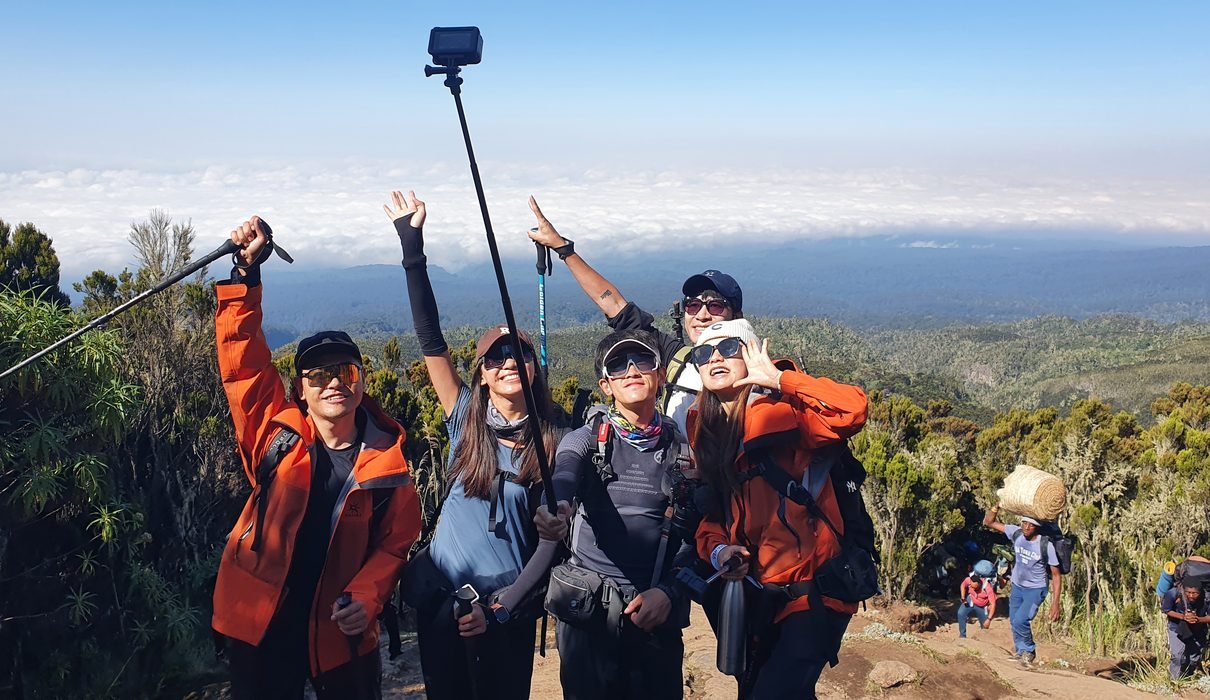
Mount Kilimanjaro offers more than the traditional experience of walking to Africa’s highest summit. For travellers who enjoy mountain biking as much as hiking, combining a cycling experience on the Shira Plateau with a guided trek along the Lemosho Route provides an interesting way to explore the mountain. This six-day adventure is designed for active travellers who want to experience different sides of Kilimanjaro, from its open volcanic landscapes and high-altitude cycling terrain to the demanding mountain trails leading towards Uhuru Peak at 5,895 metres above sea level.
Organised by Eddy Tours & Safaris, this combination brings together two outdoor activities within Kilimanjaro National Park. The cycling section takes place on designated trails around the Shira Plateau, while the trekking section follows the established Lemosho climbing route. Because cycling and trekking are regulated separately, the final arrangement depends on park permissions, the available cycling access points and the approved climbing itinerary. Travellers should understand that bicycles are not used throughout the Lemosho summit trail, and the cycling portion is not a bicycle ascent to Uhuru Peak
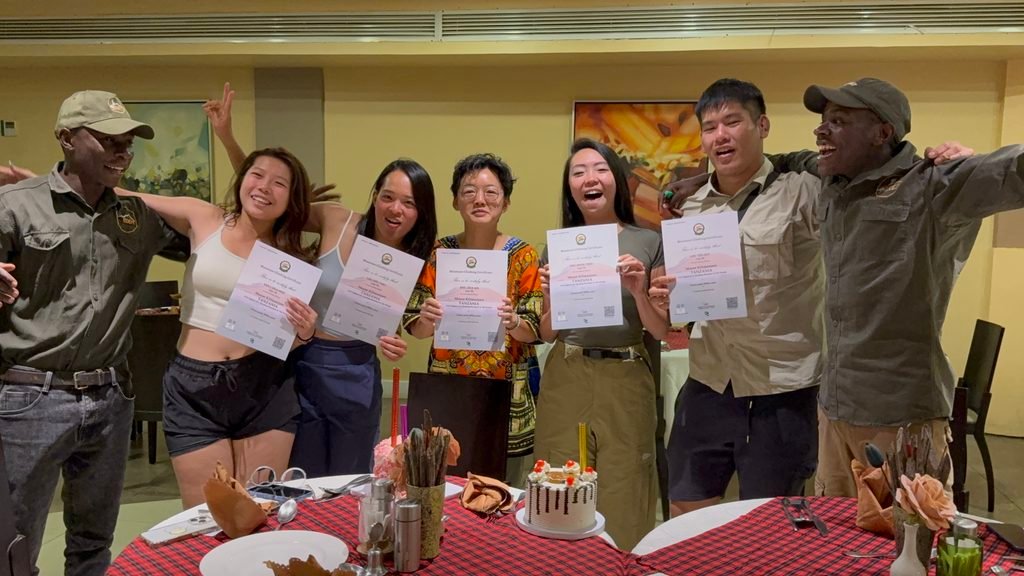
The western side of Kilimanjaro is particularly suitable for this kind of experience because of its broad volcanic landscapes, open views and access to the Shira Plateau. During the journey, travellers experience changing vegetation, mountain weather and different levels of altitude. From the lower slopes to the rocky upper mountain, every section presents its own challenges. Our local mountain team helps coordinate the cycling arrangements, trekking equipment, camping facilities and daily activities so participants can concentrate on enjoying the journey while following the necessary safety procedures.
Why Choose the Kilimanjaro Bike and Trek Combination?
A combined biking and trekking adventure offers a different experience from a standard mountain climbing package. Cycling allows travellers to explore selected areas of the Shira Plateau while enjoying the surrounding volcanic scenery, and hiking provides the opportunity to experience the more demanding mountain trails. Both activities require physical preparation, but they challenge the body in different ways. Mountain biking involves balance, control and endurance over uneven ground, while trekking requires sustained walking, careful pacing and adjustment to higher elevations.
The Shira Plateau is one of Kilimanjaro’s most distinctive landscapes. It forms part of the mountain’s ancient volcanic structure and offers broad views towards Kibo when conditions are clear. The open terrain differs considerably from the forested lower slopes, making it an interesting location for mountain photography and outdoor exploration. Visitors who prefer a slower experience can arrange a walking-based alternative rather than participating in the cycling section, although changes to the package should be discussed before booking.
Another advantage of this combination is the opportunity to work with experienced local guides who understand the different demands of cycling and high-altitude trekking. At Eddy Tours & Safaris, we encourage travellers to discuss their previous hiking experience, cycling ability and fitness level before choosing a programme. This helps us recommend a suitable arrangement rather than placing every traveller on the same schedule regardless of their experience.
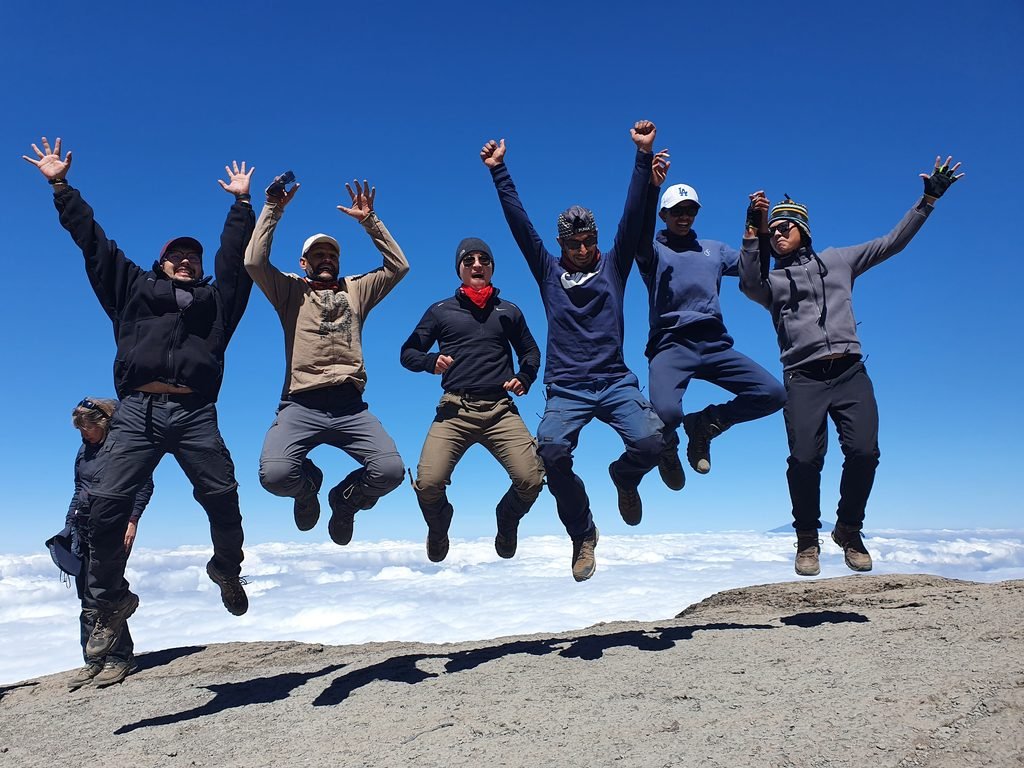
6-Day Kilimanjaro Bike and Trek Itinerary
The following is a proposed combined programme. It is not a standard six-day Lemosho summit itinerary because the cycling section uses a separate approved route. A summit-focused Lemosho climb normally needs its own trekking schedule, and additional days may be required when a separate cycling activity is included. The exact programme, overnight camps and any summit extension will be confirmed before booking.
Day 1: Moshi or Arusha to Londorossi Gate – Shira Plateau Mountain Biking
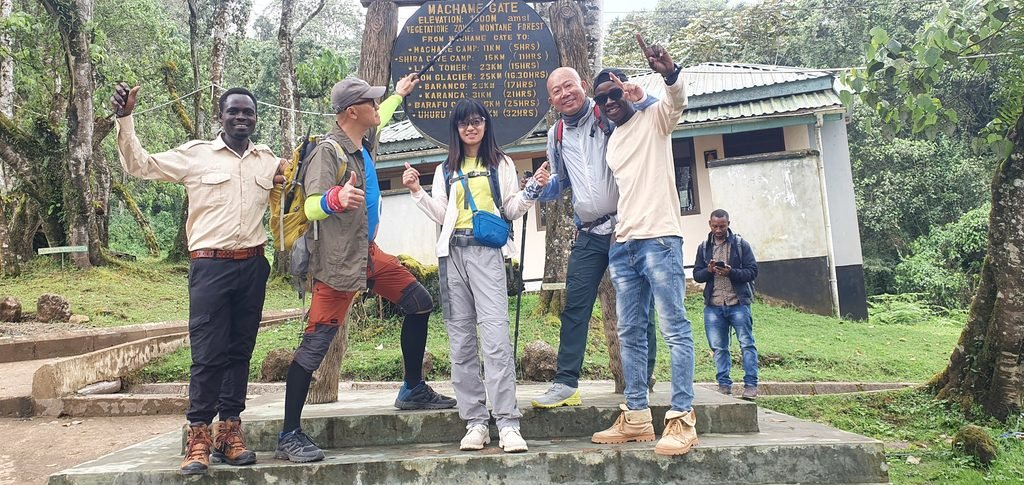
The first day begins with an early breakfast at your hotel in Moshi or Arusha, followed by a meeting with your mountain guide and cycling team. After checking the necessary equipment, the group travels towards Londorossi Gate on the western side of Kilimanjaro. The drive passes through rural communities and agricultural landscapes before reaching the park entrance, where registration and other formalities are completed. Your guide will explain the day’s cycling arrangements, the approved route, safety precautions and the importance of staying together throughout the activity.
After the park procedures, the group continues to the authorised cycling starting point on the Shira Plateau. Depending on the approved arrangement, cycling may begin from Londorossi Gate or another designated access point such as Morum. The ride follows permitted terrain through open volcanic landscapes, with opportunities to stop for photographs, refreshments and short breaks. Cycling at this altitude can be demanding even for experienced riders, so the pace will be adjusted according to the group’s ability and the prevailing conditions. At the end of the activity, the group transfers to its confirmed overnight accommodation or camping location. The following day’s trekking arrangements will depend on the approved access and programme.
Main activity: Guided mountain biking
Cycling location: Approved Shira Plateau route
Accommodation: Confirmed camp or lodge
Meals: Lunch and dinner
Day 2: Lemosho Trailhead to Mti Mkubwa Camp
Following breakfast, the group prepares for the trekking section of the adventure. After any required transfer and park arrangements, the hike begins at the Lemosho trailhead and enters the mountain’s rainforest zone. This part of Kilimanjaro is known for its dense vegetation, tall trees, moss-covered branches and relatively cool conditions beneath the forest canopy. Depending on the weather and wildlife movement, hikers may encounter birds and monkeys along the trail, although wildlife sightings cannot be guaranteed.
The walk to Mti Mkubwa Camp is generally manageable for reasonably fit hikers, making it a suitable introduction to the trekking portion of the programme. The trail includes gradual ascents, muddy sections and occasional uneven ground, particularly after rainfall. Your mountain guide will encourage a steady walking pace and regular hydration, while the support crew prepares the campsite and evening meal. After arriving at camp, there will be time to rest, organise personal belongings and discuss the following day’s route. The forest setting provides a quiet overnight experience before the landscape begins to open towards the higher parts of Kilimanjaro.
Trekking distance: Approximately 6–7 km
Walking time: Approximately 3–4 hours
Camp altitude: Approximately 2,650–2,800 m
Accommodation: Mti Mkubwa Camp
Meals: Breakfast, lunch and dinner
Day 3: Mti Mkubwa Camp to Shira 1 Camp
After breakfast, the trek continues through the upper rainforest before gradually entering the heath and moorland vegetation zones. As the trees become shorter and the forest begins to thin, the surrounding landscape changes considerably. Hikers pass through areas of tall grasses, shrubs and volcanic rock, with wider views becoming available as the trail approaches Shira Ridge. The climb requires more effort than the previous day’s walk because of the increasing altitude and the sustained uphill sections.
The route eventually reaches the Shira Plateau, where the landscape becomes more open and the scale of Kilimanjaro is easier to appreciate. On clear days, the mountain’s western slopes and the distant summit of Kibo can be seen from several points along the trail. The group continues towards Shira 1 Camp, where the support team prepares the overnight facilities. The afternoon provides an opportunity to rest, drink sufficient water and become more familiar with the effects of altitude. Your guide will monitor the group’s condition and explain how the following stages of the trek will involve higher elevations and more exposed terrain.
Trekking distance: Approximately 8 km
Walking time: Approximately 5–7 hours
Camp altitude: Approximately 3,500 m
Accommodation: Shira 1 Camp
Meals: Breakfast, lunch and dinner
Day 4: Shira 1 Camp to Shira 2 Camp
The fourth day follows the broad Shira Plateau towards Shira 2 Camp. Compared with the steep ascent from the rainforest, this section offers a more gradual walking experience, although the altitude can make even moderate physical activity feel demanding. The trail crosses open moorland with volcanic formations and distant views towards Kibo. Because the landscape provides relatively little shelter, hikers should be prepared for strong sunshine, cold winds and changing weather throughout the day.
During the walk, your guide will explain the surrounding mountain environment and the importance of conserving energy at higher elevations. The group may stop at suitable viewpoints for photographs and short breaks before continuing towards Shira 2 Camp. On arrival, the afternoon is reserved for rest and acclimatisation. Depending on the group’s condition and the guide’s assessment, a short additional walk may be arranged before returning to camp. This is also a useful time to discuss whether travellers wish to continue with a longer summit programme, as reaching Uhuru Peak safely requires further trekking days beyond this combined six-day itinerary.
Trekking distance: Approximately 7–10 km
Walking time: Approximately 4–6 hours
Camp altitude: Approximately 3,850–3,900 m
Accommodation: Shira 2 Camp
Meals: Breakfast, lunch and dinner
Day 5: Shira 2 Camp to Lava Tower and Barranco Camp
The fifth day introduces one of the most important altitude changes of the trekking programme. After breakfast, the group leaves Shira 2 Camp and follows the trail towards Lava Tower, a prominent volcanic formation situated at approximately 4,600 metres. The ascent passes through increasingly dry and rocky terrain, with the vegetation becoming sparse as the group approaches the alpine desert zone. Walking at this elevation requires patience, and your guide will encourage a slow pace while checking for symptoms of altitude-related illness.
After reaching the Lava Tower area, the group takes a suitable rest and lunch break before beginning the descent towards Barranco Camp. This section is commonly used on Kilimanjaro climbing itineraries because it allows hikers to spend part of the day at a higher elevation before sleeping lower. However, this approach does not eliminate the risk of altitude sickness, and travellers must report headaches, nausea, dizziness or unusual fatigue to their guide. The descent leads towards the striking Barranco Valley, where giant groundsels and views of the Barranco Wall create a very different landscape from the open Shira Plateau. The group spends the night at Barranco Camp, surrounded by the mountain’s southern slopes.
Trekking distance: Approximately 10 km
Walking time: Approximately 6–8 hours
Highest point: Approximately 4,600 m
Camp altitude: Approximately 3,950–3,960 m
Accommodation: Barranco Camp
Meals: Breakfast, lunch and dinner
Day 6: Barranco Camp to Karanga Valley – Completion of the Six-Day Programme
The final scheduled day begins with breakfast at Barranco Camp and a guided walk towards the Barranco Wall and Karanga Valley area. The Barranco Wall is one of the most recognised features of the southern Kilimanjaro trekking circuit, with a steep rocky path that requires careful foot placement and occasional use of the hands for balance. Although it is generally treated as a hiking section rather than a technical climbing route, the terrain can be uncomfortable for travellers who are not used to exposed mountain paths.
After crossing the wall, the trail continues through a series of ridges and valleys towards Karanga. The surrounding landscape offers views of Kilimanjaro’s southern slopes, with changing perspectives of Kibo and the upper mountain. For travellers continuing towards Uhuru Peak, this area forms part of the approach to Barafu Camp, where summit preparations normally take place. For those completing the combined biking and trekking programme without a summit attempt, the exit arrangements must be organised through an authorised park route. Karanga is not a road-accessible collection point, so an additional descent schedule is required rather than an immediate vehicle pickup.
Main activity: Guided high-altitude trekking
Route: Barranco Wall and Karanga area
Walking time: Approximately 4–5 hours to Karanga
Altitude: Approximately 4,000 m
Important: Additional time is required for an authorised descent and exit from the mountain.
Important Information About the Six-Day Schedule
The proposed six-day combination is best understood as a cycling and trekking experience rather than a complete six-day summit climb. It cannot be sold as a finished six-day mountain package with return transport from Karanga unless the descent and exit days are added. Travellers who want to reach Uhuru Peak should request a longer programme that provides enough time for the cycling section, the Lemosho ascent, summit day and descent.
For travellers mainly interested in reaching the summit within six trekking days, a standard six-day Lemosho trekking itinerary from Kilimanjaro Climbing Specialist provides a useful comparison. However, a six-day Lemosho summit climb is physically demanding, and seven or eight trekking days are generally preferable for additional acclimatisation time.
Package Inclusions
The following services are proposed for the complete package and should be confirmed in the final quotation:
- Professional English-speaking mountain trekking guide
- Qualified mountain biking guide for the cycling activity
- Mountain bike rental for the approved cycling section
- Cycling helmet and essential bicycle safety equipment
- Support crew, including porters and mountain cook
- Kilimanjaro National Park entry and conservation fees
- Applicable cycling permits and activity fees
- Camping fees for the confirmed mountain itinerary
- Mountain rescue fees charged by the park
- Transport between Moshi or Arusha and the approved mountain access points
- Meals during the scheduled mountain activities
- Treated drinking water during the trek
- Mountain sleeping tents and sleeping mattresses
- Dining tent, tables and chairs where provided
- Emergency first-aid supplies and emergency oxygen carried by the mountain team
- Mountain crew wages and operational support
- Government taxes applicable to the quoted package
- Scheduled transfer from the authorised park exit to the agreed hotel, once the full descent itinerary has been confirmed
Package Exclusions
- International and domestic flights
- Tanzania tourist visa fees
- Personal travel and medical insurance
- Personal hiking boots, clothing and trekking equipment
- Personal cycling clothing and specialist accessories
- Sleeping bags unless specifically included in the quotation
- Hotel accommodation before or after the mountain programme unless stated
- Alcoholic beverages and personal refreshments
- Tips for mountain guides, cycling guides, cooks and porters
- Personal expenses, laundry and souvenirs
- Additional accommodation or transport caused by personal itinerary changes
- Optional activities outside the agreed programme
- Extra trekking, summit and descent days not included in the confirmed quotation
- Emergency evacuation expenses not covered by the park rescue arrangements or travel insurance
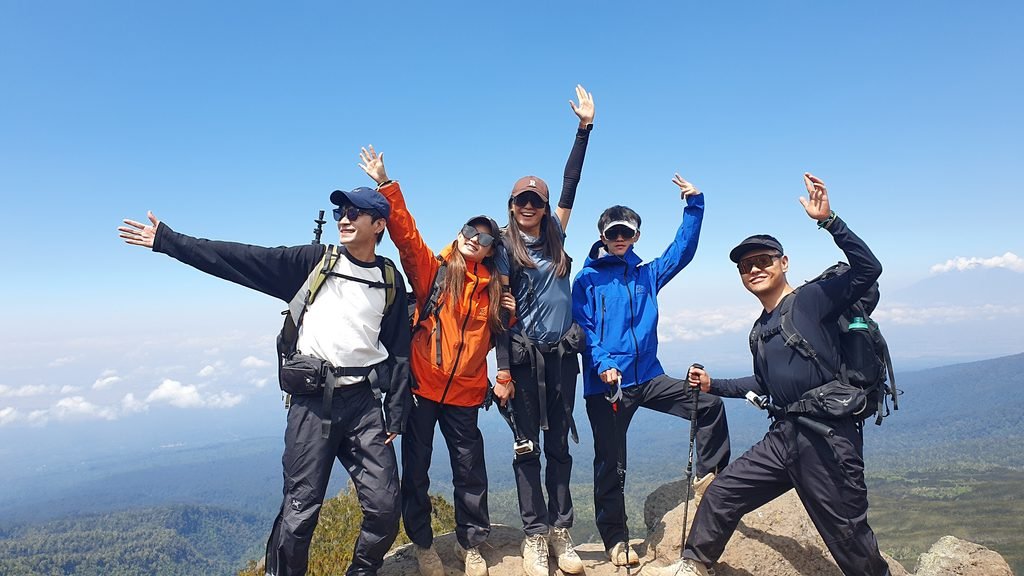
Best Time for Kilimanjaro Mountain Biking and Trekking
Kilimanjaro can be visited throughout the year, but weather conditions can make a considerable difference to both cycling and trekking. January to early March and June to October are generally among the more favourable periods because they often bring relatively drier conditions. Even during these months, rain, strong winds and cold temperatures remain possible, especially at higher elevations. The mountain creates its own weather patterns, and conditions can change quickly as travellers move between different vegetation and altitude zones.
For mountain biking, relatively dry trails are particularly helpful because wet volcanic soil and muddy sections can make bicycle handling more difficult. During the wetter periods, cycling routes may become slippery, and some activities may need to be adjusted for safety. Trekking conditions also vary, with the rainforest often remaining damp while the exposed upper mountain experiences much colder temperatures. Travellers planning a combined adventure should therefore prepare for several weather conditions rather than relying only on the general seasonal forecast.
Fitness and Preparation for the Adventure
This programme is suitable for active travellers who have experience with regular hiking, cycling or other endurance activities. Participants do not need to be professional athletes, but they should be comfortable spending several hours outdoors and exercising over uneven terrain. Mountain biking requires confidence with braking, balance and control on rough surfaces, while trekking demands the ability to walk uphill for extended periods. Travellers who have not previously cycled off-road should discuss their experience with the tour organiser before booking.
Preparation should ideally begin several weeks before departure, with regular walking, cycling and gradual improvements in endurance. Longer weekend hikes can help travellers become familiar with spending several hours on their feet, while cycling on mixed terrain improves handling and confidence. Proper hiking boots, layered clothing, waterproof protection, gloves, sunglasses and a suitable daypack are important for comfort. Anyone with a medical condition or concerns about exercising at altitude should seek appropriate medical advice before travelling.
Altitude is another important consideration. Kilimanjaro rises to 5,895 metres, and altitude sickness can affect fit and experienced travellers as well as beginners. A slower ascent and additional acclimatisation days generally provide a better opportunity to adjust, although no itinerary can guarantee protection. Travellers should follow their guide’s instructions, report symptoms promptly and avoid continuing to higher elevations when serious altitude-related symptoms are suspected.
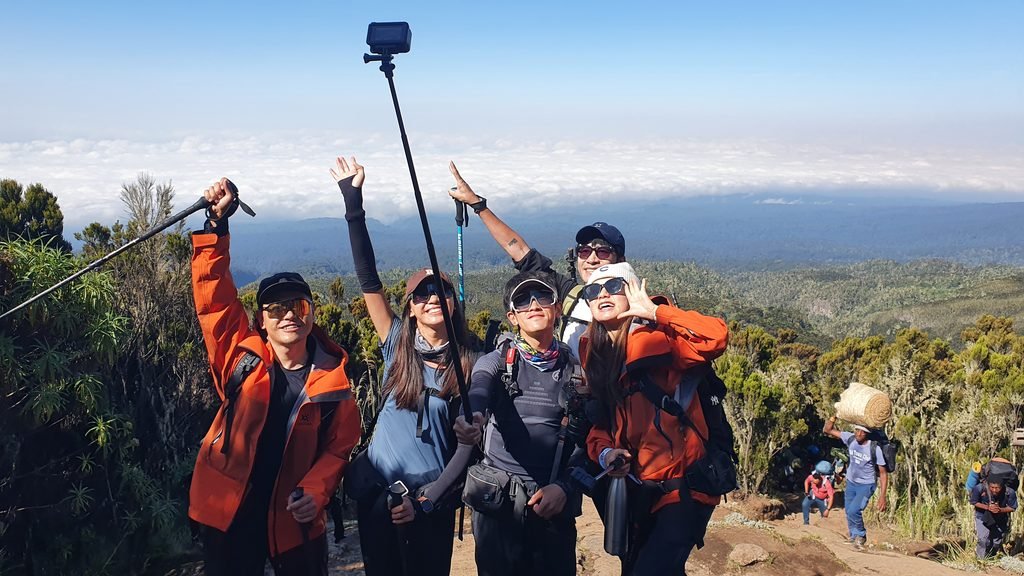
Accommodation and Meals on Mount Kilimanjaro
During the trekking section, accommodation is normally provided in mountain tents at designated campsites. Sleeping arrangements usually involve shared tents unless a private tent has been requested and confirmed in advance. The mountain support team is responsible for preparing the camping area, arranging meals and assisting with the practical requirements of the trek. Facilities are basic compared with hotels, but camping allows travellers to experience the mountain environment and rest close to the following day’s trail.
Meals are prepared by the mountain cook and generally include breakfast, packed or cooked lunches and evening meals. The menu may feature porridge, eggs, bread, rice, potatoes, vegetables, soup, meat and other suitable foods, depending on supplies and dietary requirements. Travellers with vegetarian, vegan or other dietary needs should provide this information before arrival so that suitable arrangements can be discussed. Drinking enough water and eating regularly are important during both the cycling and trekking activities.
Why Book with Eddy Tours & Safaris?
Choosing a local tour company can make the planning process easier, particularly when combining activities that require separate permissions and different types of equipment. Eddy Tours & Safaris is based in Arusha, Tanzania, and helps travellers arrange Kilimanjaro climbing experiences, safari holidays and other outdoor activities. Our aim is to provide clear information about the programme, explain what is included in the quotation and help travellers choose an itinerary that matches their interests and available travel time.
For travellers who would like to spend more time in Tanzania, the mountain adventure can also be combined with a wildlife safari or a beach holiday. After completing Kilimanjaro, you may consider visiting Tanzania’s national parks for wildlife viewing or extending your stay with a Zanzibar holiday. These arrangements can be discussed during the planning stage so that transport, accommodation and activities fit within your overall travel schedule.
Frequently Asked Questions
Can I cycle all the way to Uhuru Peak through the Lemosho Route?
No. The Lemosho Route is not an approved bicycle summit route. Kilimanjaro National Park identifies the Kilema Route for summit-bound cycling and the Shira Plateau for non-summit cycling. A combination involving Shira cycling and Lemosho trekking must therefore be arranged as separate permitted activities rather than a continuous bicycle journey to the summit.
Is six days enough for both mountain biking and reaching the summit?
A six-day period is generally too short for a separate Shira cycling activity and a properly planned Lemosho summit trek. A standard six-day Lemosho trekking itinerary is already demanding, and adding a cycling day reduces the time available for acclimatisation. Travellers who want both activities and a summit attempt should consider a longer programme.
Do I need previous mountain biking experience?
Previous off-road cycling experience is strongly recommended because the approved mountain cycling routes may include uneven surfaces, loose stones and sections affected by weather. Travellers should be comfortable controlling a bicycle on rough terrain and should communicate their experience to the cycling guide before departure.
Can beginners join the trekking section?
Beginners with good fitness may be able to participate in selected trekking activities, but the higher sections of Lemosho require preparation and careful altitude management. Travellers without previous multi-day hiking experience may benefit from a longer itinerary or a less demanding mountain programme.
How much does the six-day Kilimanjaro bike and trek package cost?
The price depends on the group size, cycling equipment, park permits, mountain crew, accommodation arrangements and the final number of trekking days. Because the cycling and trekking activities need separate coordination, a personalised quotation is the most reliable way to establish the total cost. Travellers should request a written breakdown showing exactly which services and additional days are included.
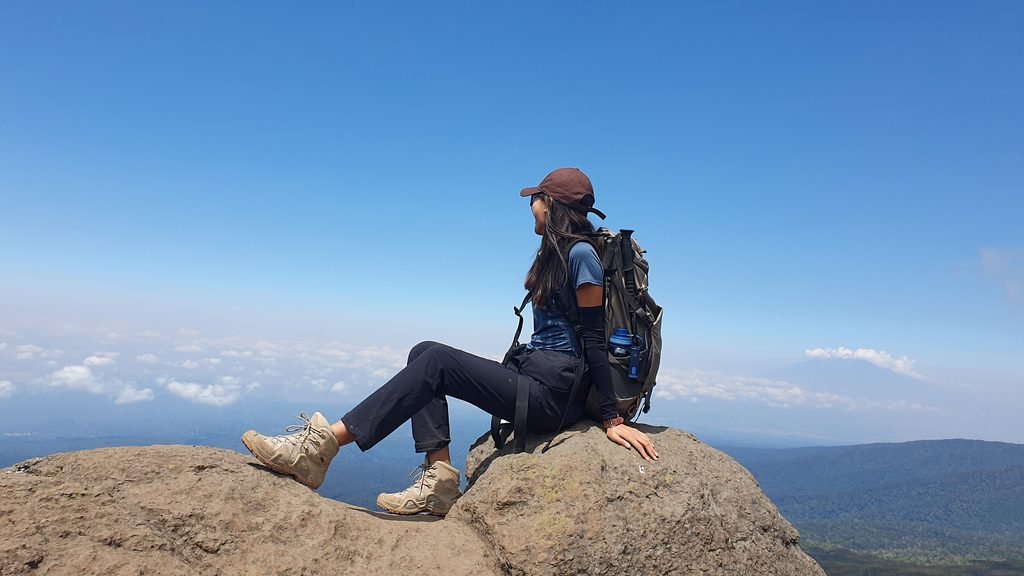
Plan Your Kilimanjaro Bike and Trek Adventure with Eddy Tours & Safaris
If you are interested in exploring Mount Kilimanjaro through a combination of mountain biking and trekking, our team can help you discuss the available routes and prepare a suitable travel plan. Whether your main interest is cycling across the Shira Plateau, hiking through the Lemosho landscapes or extending the programme to attempt Uhuru Peak, we can explain the practical requirements and help you choose the right number of days.
Visit Eddy Tours & Safaris to learn more about our Tanzania travel services, or contact our team directly to request a personalised quotation for your preferred travel dates, group size and activities.
Request Your Kilimanjaro Bike and Trek Quote – Eddy Tours & Safaris, Arusha, Tanzania.