

An African safari is a wonderful way to experience wildlife, beautiful landscapes and different cultures, and age should not stop anyone from enjoying the journey. For travelers in their 60s, 70s, 80s or beyond, the best African safaris for seniors combine excellent wildlife viewing with comfortable accommodation, reliable transport, experienced guides and enough time to enjoy each destination without rushing.
Africa offers many safari destinations where visitors can watch elephants, lions, giraffes, zebras and other wildlife from specially designed safari vehicles. Unlike mountain climbing or demanding walking holidays, traditional game drives require relatively little physical activity. This makes wildlife safaris an attractive option for older travelers who want to experience nature without spending hours walking through difficult terrain.
However, not every safari itinerary provides the same level of comfort. Some involve long drives on rough roads, early morning departures, frequent hotel changes and remote camps with limited facilities. Choosing the right destinations and planning a suitable daily schedule can make a major difference, especially for travelers who prefer a relaxed holiday or have specific mobility requirements.
At Eddy Tours & Safaris, we help travelers plan private Tanzania wildlife safaris based on their interests, preferred accommodation and travel requirements. Whether you want to visit the Serengeti, explore Ngorongoro Crater, photograph elephants in Tarangire or combine a safari with a Zanzibar beach holiday, this guide explains how to plan a comfortable African safari in 2027.
Are African Safaris Suitable for Senior Travelers?
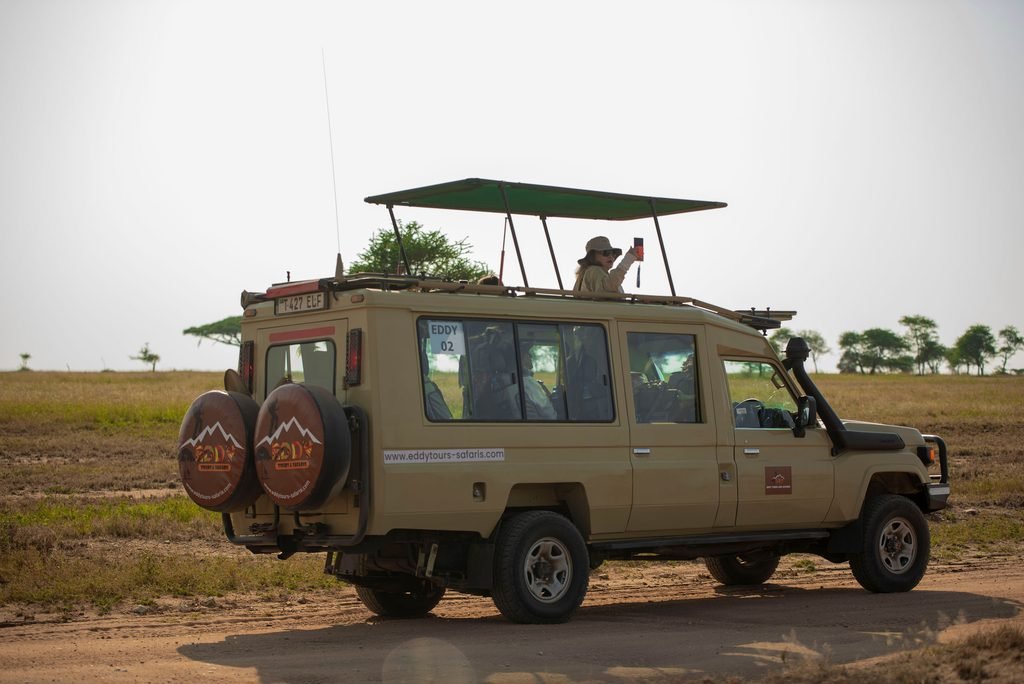
Yes. Many African safaris are suitable for older travelers because most wildlife viewing takes place from a vehicle rather than on foot. A traditional game drive allows visitors to explore national parks while seated, stopping at suitable locations to photograph wildlife and enjoy the surrounding scenery. With a private guide, the schedule can often be adjusted to include shorter outings, additional rest stops and a more relaxed pace.
The important consideration is not simply a traveler’s age but their individual comfort, mobility, health and interests. Some people in their 70s enjoy full-day game drives, while others prefer shorter morning excursions followed by an afternoon at the lodge. Travelers who use walking aids or have difficulty climbing steps may need accommodation with accessible rooms, suitable bathrooms and minimal distances between facilities.
A well-planned safari should also account for road conditions. Many national parks have unpaved tracks, and game drives can be bumpy. Travelers with back discomfort or other physical concerns should discuss these issues before booking so that the itinerary, vehicle arrangements and daily driving distances can be reviewed.
Best African Safari Destinations for Seniors in 2027
Africa has several excellent wildlife destinations, but the most suitable choice depends on the type of experience you want. Tanzania and Kenya are known for their large savannah ecosystems and iconic wildlife migrations, while South Africa offers a broad selection of safari lodges and well-developed tourism infrastructure. Botswana is attractive for travelers interested in exclusive wilderness experiences, and Namibia is known for its desert landscapes and distinctive wildlife.
1. Tanzania – Best for Classic Wildlife Safaris and Private Itineraries
Tanzania is one of the strongest choices for senior travelers who want to experience Africa’s famous wildlife without taking part in strenuous activities. The country’s northern safari circuit includes Serengeti National Park, Ngorongoro Crater, Tarangire National Park and Lake Manyara National Park. These destinations can be combined into a private itinerary, allowing travelers to enjoy different landscapes and wildlife habitats within one holiday.
One of Tanzania’s main advantages is the variety of safari experiences available. Visitors can watch elephants beneath ancient baobab trees in Tarangire, explore the open plains of the Serengeti and descend into Ngorongoro Crater to search for lions, buffaloes, zebras and other animals. Most wildlife viewing takes place from a safari vehicle, although some parks require long drives and involve rough roads.
For senior travelers, a private safari is often preferable to a tightly scheduled group tour. A private arrangement allows the guide to adjust departure times, stop for photographs and plan appropriate breaks. Accommodation can also be selected according to individual preferences, including comfortable lodges with private bathrooms, convenient dining facilities and suitable room access.
Travelers planning a Tanzania safari can contact Eddy Tours & Safaris to discuss a personalized itinerary that balances wildlife viewing with comfort and travel time.
2. Kenya – Best for Maasai Mara Wildlife Viewing
Kenya is another excellent safari destination for older travelers, particularly those interested in the Maasai Mara National Reserve. The reserve is famous for its open grasslands, large herbivores and predators, including lions, cheetahs and leopards. Depending on the season, visitors may also encounter large numbers of migrating wildebeest and zebras moving through the wider Serengeti–Mara ecosystem.
The Maasai Mara offers a wide range of accommodation, from comfortable lodges to luxury tented camps. Some properties are located close to wildlife-viewing areas, helping reduce travel time during game drives. Travelers who prefer to avoid lengthy road transfers may consider flying to a suitable airstrip, although aircraft access, luggage restrictions and transfers should be confirmed before booking.
Kenya can work particularly well for travelers who want a classic East African safari with comfortable accommodation. However, some reserve roads can be rough, and the most suitable camp depends on the traveler’s mobility and preferences.
3. South Africa – Best for Safari Infrastructure and Accommodation Choice
South Africa is a popular option for travelers who want a wildlife holiday combined with a wide range of hotels, restaurants and other tourism services. Kruger National Park and its surrounding private reserves offer opportunities to see elephants, lions, rhinos, buffaloes, giraffes and many other species.
One of South Africa’s advantages is the variety of safari arrangements available. Some visitors choose guided game drives from comfortable lodges, while others prefer private reserves with organized activities and personalized hospitality. Travelers can also combine a safari with Cape Town, the Garden Route or other destinations, creating a holiday that includes wildlife, scenery and city experiences.
For seniors who prefer shorter transfers and convenient facilities, choosing a lodge with suitable room access and a manageable daily activity schedule is especially important. Accessibility standards vary between properties, so specific requirements should always be confirmed directly.
4. Botswana – Best for Quiet Luxury Wilderness Safaris
Botswana is well known for its remote wildlife areas, particularly the Okavango Delta and Chobe National Park. These destinations offer opportunities to observe elephants, buffaloes, antelope, birds and predators in landscapes that differ from the open savannahs of East Africa.
The Okavango Delta is particularly attractive to travelers who want a quieter safari with carefully selected accommodation. Some camps are reached by light aircraft, reducing the need for lengthy road transfers. However, boarding small aircraft, entering safari vehicles and navigating raised walkways may still require mobility, so travelers should review each property’s facilities before booking.
Chobe is famous for its elephant populations and opportunities for wildlife viewing near the Chobe River. Boat-based excursions can provide a different perspective, although accessibility and boarding arrangements vary. Botswana is often more expensive than other safari destinations, especially when choosing remote luxury camps and private transfers.
5. Namibia – Best for Landscapes, Photography and Desert Wildlife
Namibia offers a different kind of African safari experience, combining wildlife with desert scenery, wide open landscapes and dramatic geological features. Etosha National Park is one of the country’s best-known wildlife destinations, where animals gather around waterholes, particularly during drier periods.
For senior travelers interested in photography and scenery, Namibia can be an attractive choice. Some accommodation provides opportunities to observe wildlife near waterholes without spending the entire day driving. Visitors can also explore destinations such as Sossusvlei and the Namib Desert, although these areas may involve longer road journeys and walking on sandy terrain.
Because distances between Namibia’s attractions can be considerable, travelers who prefer a slower pace should avoid itineraries that require changing accommodation every night. Staying longer in selected locations can make the journey more comfortable and allow more time to enjoy each destination.
Best Tanzania National Parks for Senior Safari Travelers
Tanzania deserves special attention because it offers several wildlife destinations that can be combined into one carefully planned holiday. For older travelers, the best itinerary is not necessarily the one that visits the greatest number of parks. It is usually better to spend enough time in each location, reduce unnecessary transfers and select accommodation that meets individual comfort requirements.
Serengeti National Park – Best for Wildlife and Open Savannah Landscapes
Serengeti National Park is one of Africa’s most famous wildlife destinations and an excellent choice for senior travelers who want to see large animals in their natural environment. The park is known for lions, elephants, giraffes, buffaloes, zebras, wildebeest and numerous bird species. Its extensive grasslands and varied habitats provide opportunities for wildlife photography throughout the year.
The Serengeti is also associated with the Great Wildebeest Migration, when large herds move through the wider ecosystem in search of fresh grazing and water. The location of the herds changes with rainfall and seasonal conditions, so travelers should select their accommodation based on the time of year rather than expecting the migration to remain in one place.
For seniors, spending at least two or three nights in the Serengeti is often more comfortable than rushing through the park in a single day. A longer stay allows the guide to organize morning and afternoon game drives while leaving time for meals and rest. Travelers who prefer to avoid a lengthy road journey may also consider a fly-in safari, subject to suitable flight arrangements and mobility needs.
Ngorongoro Crater – Best for Wildlife Viewing in a Compact Area
Ngorongoro Crater is one of Tanzania’s most distinctive wildlife destinations. The large volcanic caldera contains grasslands, woodland, wetlands and other habitats that support many animal species. Visitors may encounter lions, elephants, buffaloes, zebras, wildebeest, hippos and a wide variety of birds during a game drive on the crater floor.
One advantage for older travelers is that a guided crater excursion provides opportunities to observe different wildlife habitats within a relatively concentrated area. However, reaching the crater floor involves descending a steep access road, and the drive can be bumpy. Travelers should therefore discuss their comfort and mobility requirements before booking.
Accommodation is available around the wider Ngorongoro area, including properties near the crater rim and in nearby Karatu. Staying in a suitable lodge before the crater excursion can help reduce unnecessary travel, although the best location depends on the overall safari itinerary.
Tarangire National Park – Best for Elephants and Relaxed Wildlife Viewing
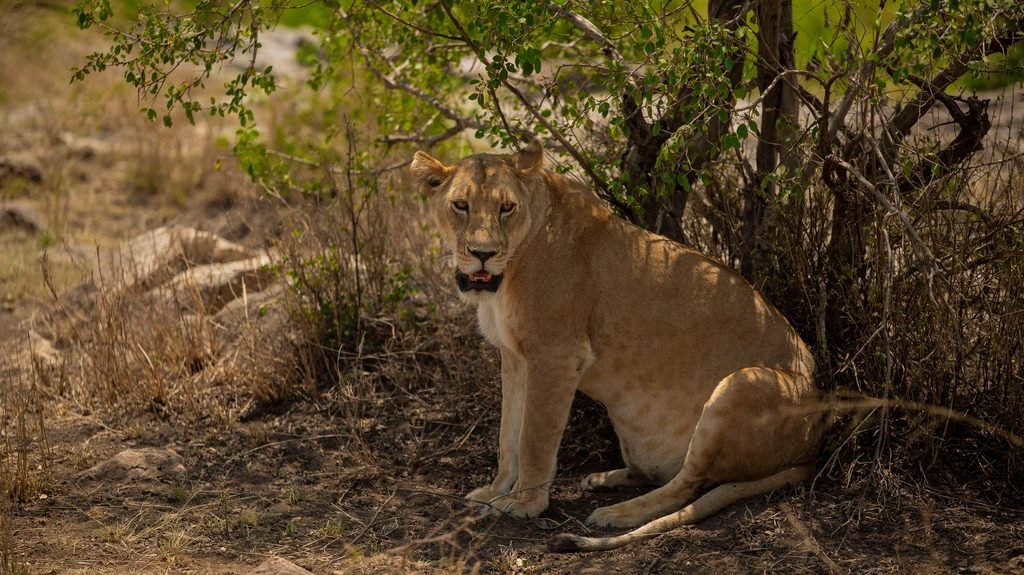
Tarangire National Park is particularly famous for its elephants and ancient baobab trees. During the dry season, wildlife often gathers near the Tarangire River and other available water sources, creating opportunities to observe elephants, buffaloes, zebras, antelope and predators.
For senior travelers, Tarangire can be an excellent introduction to Tanzania’s wildlife because it can be reached from Arusha as part of a northern safari itinerary. The park’s landscapes are varied, with woodland, riverine habitats and open areas providing different wildlife-viewing experiences. A comfortable lodge near or within the park can allow visitors to enjoy the area without unnecessary travel.
Travelers who prefer a relaxed itinerary may spend one or two nights near Tarangire before continuing to Ngorongoro or the Serengeti. This approach can be more enjoyable than trying to combine several major destinations into one very long day.
Lake Manyara National Park – Best for Forest Scenery and Birdwatching
Lake Manyara National Park offers a different environment from the open plains of the Serengeti. The park includes groundwater forest, woodland, wetlands and lake environments, making it attractive to travelers who enjoy birdwatching and varied scenery.
Visitors may encounter elephants, giraffes, monkeys, hippos and different bird species, depending on seasonal conditions. The park is also associated with tree-climbing lions, although sightings are not guaranteed.
Lake Manyara can be included in a northern Tanzania itinerary, particularly for travelers staying in the Karatu or Lake Manyara area. However, the suitability of a visit depends on road conditions, seasonal access and the amount of time available.
Recommended 7-Day Tanzania Safari Itinerary for Seniors
A seven-day private safari can provide a comfortable introduction to Tanzania’s northern wildlife destinations when travel distances are planned carefully. The following itinerary is an example rather than a fixed departure package. Accommodation, transfers and game-drive durations should be adjusted to suit the travelers.
Day 1: Arrival in Tanzania – Transfer to Arusha
Upon arrival at Kilimanjaro International Airport, your driver meets you and transfers you to your hotel in Arusha. The first day is reserved for settling in, recovering from your journey and enjoying a relaxed evening. For senior travelers, avoiding a long safari drive immediately after an international flight can make the beginning of the holiday more comfortable.
Depending on your arrival time, you may have an opportunity to enjoy the hotel gardens, a meal or a short briefing with your safari guide. Your guide can discuss the planned route, preferred game-drive times and any mobility or comfort requirements that should be considered during the journey.
Day 2: Arusha – Tarangire National Park
After breakfast, you travel toward Tarangire National Park for your first wildlife-viewing experience. The park is famous for its elephant herds and baobab trees, and your guide will explore suitable game-drive routes according to wildlife activity and road conditions.
A private safari allows you to stop for photographs, enjoy a suitable lunch break and adjust the length of the game drive. In the afternoon, you continue to your lodge for dinner and an overnight stay. Selecting accommodation with convenient room access and comfortable facilities can help make the day more enjoyable.
Day 3: Tarangire – Karatu or Ngorongoro Area
After a relaxed breakfast, you leave Tarangire and travel toward the Karatu or Ngorongoro area. Rather than filling the day with continuous driving, this stage can be planned at a comfortable pace with suitable stops along the way.
Upon arrival at the lodge, the afternoon can be reserved for rest and enjoying the surrounding landscape. Depending on the accommodation and individual preferences, travelers may relax in the garden, enjoy a quiet afternoon or prepare for the following day’s crater excursion.
Day 4: Ngorongoro Crater – Continue Toward Serengeti
After breakfast, you travel toward Ngorongoro Crater for a guided wildlife drive on the crater floor. The area supports a variety of animals, and your guide will explore suitable routes while allowing time for photography and rest stops.
Following the crater excursion, the journey continues toward the Serengeti. This can be a long travel day, especially on rough roads, so travelers who prefer shorter transfers should consider adding another night or arranging a different route. Your guide will discuss the practical schedule and ensure that the day’s travel is planned appropriately.
Day 5: Full-Day Serengeti National Park Safari
Today is dedicated to exploring Serengeti National Park. A private safari allows the schedule to be adjusted according to your interests, whether you prefer wildlife photography, birdwatching or spending more time observing animal behavior.
Rather than remaining in the vehicle for the entire day, you may choose a morning game drive followed by lunch and rest at the lodge, then another excursion later in the afternoon. The exact arrangement depends on the location of your accommodation and the wildlife-viewing opportunities available.
Day 6: Serengeti Wildlife Viewing and Relaxation
The second full day in the Serengeti provides an opportunity to explore a different section of the park without rushing to another destination. Your guide may focus on areas where wildlife has recently been observed, although sightings always depend on natural animal movements and conditions.
For senior travelers, having a second night in the same accommodation can make the safari more comfortable by reducing packing and transfers. You can enjoy the landscape, take photographs and spend time at the lodge between game drives.
Day 7: Serengeti – Return to Arusha
After breakfast, you prepare for your return journey. For travelers prioritizing comfort, a scheduled or chartered flight from a suitable Serengeti airstrip to Arusha may be considered, subject to availability, luggage restrictions and the traveler’s ability to board the aircraft.
Travelers who prefer to return by road should understand that the journey is long and may be tiring. An additional overnight stop is often a better choice than attempting a rushed transfer. Your final arrangements can be adjusted according to your international flight schedule and preferred travel pace.
How to Make an African Safari More Comfortable for Seniors
A comfortable safari begins with choosing the right daily schedule. Many travelers enjoy early morning game drives because wildlife can be active during cooler hours, but waking before sunrise every day may become tiring. A private safari allows you to alternate longer outings with shorter excursions, giving you time to rest and enjoy the lodge.
Accommodation is equally important. Before booking, confirm whether the lodge has ground-floor rooms, suitable bathroom facilities, reliable electricity, comfortable beds and manageable walking distances. Some safari camps use raised platforms or have steps leading to rooms and dining areas, so accessibility should never be assumed simply because a property is described as luxurious.
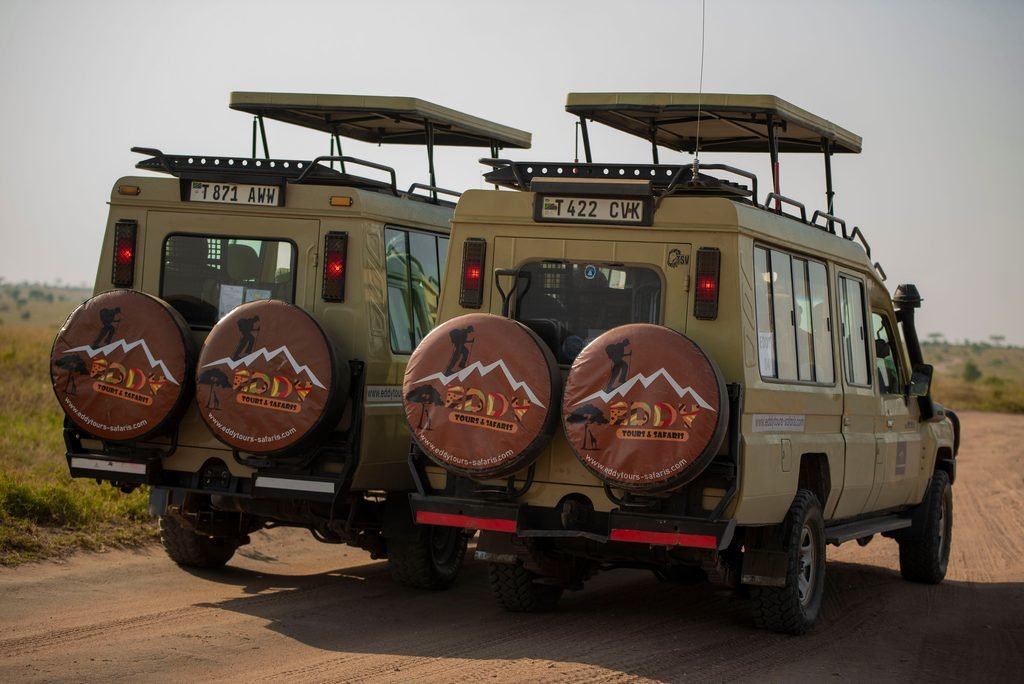
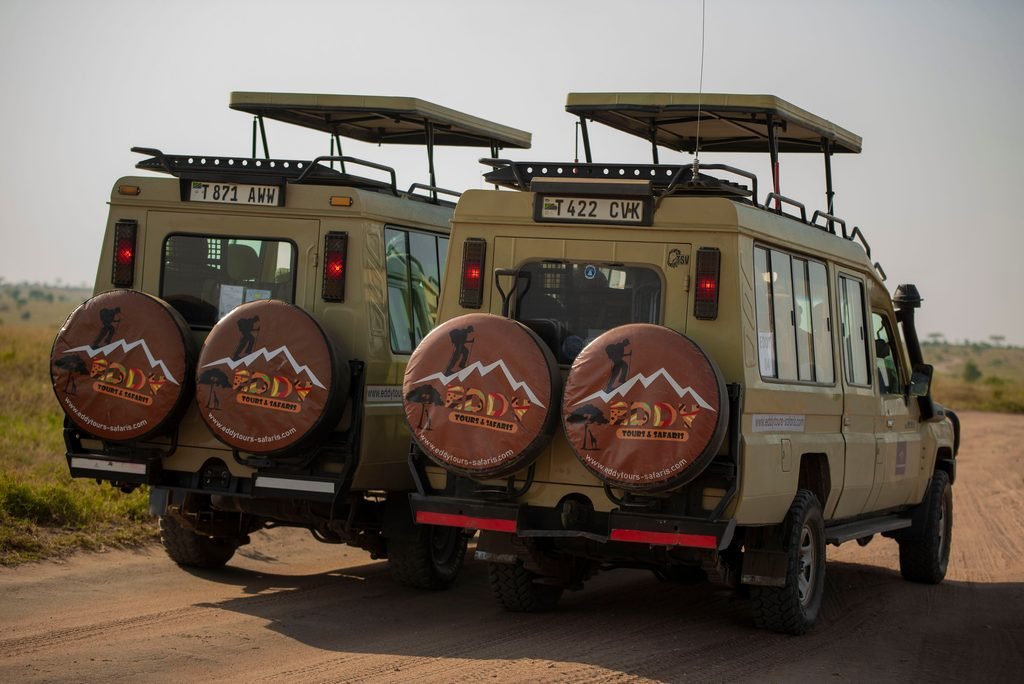
Vehicle comfort also deserves attention. Ask about seating, legroom, entry height, available support when entering or leaving the vehicle and the amount of time expected on rough roads. If you use a wheelchair or walking aid, discuss your exact requirements before booking so that suitable arrangements can be checked rather than promised without verification.
Private Safari Versus Group Safari for Seniors
Private safaris are often a better choice for senior travelers who want flexibility and comfort. With a private vehicle and guide, you can adjust game-drive durations, stop more frequently and organize meals according to your preferred schedule. Private arrangements can also make it easier to accommodate mobility needs or other individual preferences.
Group safaris may be more affordable because transport and guiding costs are shared between participants. However, they generally follow a fixed itinerary, and travelers may have less control over departure times, rest stops and daily activities. This can be less convenient for someone who prefers a slower pace.
The best choice depends on your budget and personal preferences. Couples, families and small groups traveling together often find private safaris especially practical because the itinerary can be designed around their own interests.
Health and Safety Tips for Senior Safari Travelers
Before traveling to Africa, arrange a consultation with a healthcare professional or travel medicine specialist. This is particularly important if you take regular medication or have medical conditions that could be affected by long flights, heat, dehydration or remote travel. Your healthcare professional can review recommended vaccinations, malaria prevention and other health considerations based on the countries and parks you plan to visit.
Carry enough prescribed medication for the entire journey, preferably with some additional supply in case of travel delays. Keep essential medication in your hand luggage and bring a copy of your prescriptions where appropriate. Travel insurance should include suitable medical coverage and emergency evacuation, especially when visiting remote wildlife areas.
During the safari, drink safe water regularly, use sun protection and follow your guide’s instructions around wildlife. Avoid approaching wild animals or leaving the vehicle in unauthorized areas. If you have specific dietary requirements, communicate them before departure so that accommodation providers can confirm whether suitable meals can be arranged.
Best Time for Seniors to Visit Africa on Safari in 2027
The best travel season depends on the destination and the wildlife experience you want. In Tanzania and Kenya, the drier months from approximately June to October are popular because animals may gather around water sources and vegetation can be less dense. However, these months can also attract more visitors, and some areas may experience dusty conditions.
January to March can be attractive in northern Tanzania, particularly for travelers interested in the southern Serengeti and Ndutu calving season. Wildlife movements depend on rainfall and natural conditions, so no particular month guarantees a specific sighting.
South Africa, Botswana and Namibia have different regional weather patterns. For seniors, it is worth considering not only wildlife activity but also daytime temperatures, seasonal rainfall, lodge availability and how busy the destination is likely to be.
What to Pack for an African Safari as a Senior Traveler
Packing for a safari should focus on comfort, practicality and protection from the weather. Lightweight clothing in neutral colors is useful for warm days, while a sweater or jacket can provide warmth during cooler mornings and evenings. Comfortable closed shoes are important for moving around lodges and getting in and out of safari vehicles.
Sun protection is essential, including a wide-brimmed hat, sunglasses and sunscreen. Binoculars can improve wildlife viewing, especially when animals are some distance from the vehicle. A camera or smartphone with sufficient storage is also useful for recording wildlife sightings and landscapes.
Travelers should carry personal medication, basic hygiene items, insect repellent, travel documents and a small bag for daily essentials. If you use a walking aid, hearing aid or other personal equipment, bring the necessary accessories and spare batteries where practical.
How Much Does an African Safari for Seniors Cost in 2027?
The cost of an African safari depends on the destination, travel season, accommodation standard, itinerary length, transport arrangements and number of travelers. A private safari with comfortable mid-range lodges will generally cost more than a shared budget tour, while luxury accommodation and domestic flights can increase the total price.
For senior travelers, it is important to compare what is included rather than focusing only on the advertised package price. A cheaper itinerary may involve long road transfers, frequent accommodation changes or properties that do not meet your comfort requirements. A slightly longer or more carefully planned itinerary may provide better value by reducing unnecessary travel and allowing more time in the wildlife areas.
For 2027, request a personalized quotation based on your preferred travel dates, accommodation, group size and transport arrangements. Future park fees and lodge prices should be confirmed before booking rather than assumed from older published rates.
Frequently Asked Questions About African Safaris for Seniors
1. Are African safaris safe for senior travelers?
Many safaris are suitable for older travelers when planned carefully. Health preparation, suitable accommodation, reliable transport and experienced guides are important.
2. Is Tanzania a good safari destination for seniors?
Yes. Tanzania offers private vehicle safaris, a wide choice of accommodation and famous wildlife destinations such as Serengeti, Ngorongoro and Tarangire.
3. Can someone over 70 go on an African safari?
Yes. Age alone does not determine suitability. Individual health, mobility and the itinerary are more important.
4. Can someone over 80 enjoy a Tanzania safari?
Yes, depending on their health, comfort requirements and the travel arrangements. A private, slower-paced itinerary may be particularly suitable.
5. Do seniors need to walk during a safari?
Most traditional game drives take place from a vehicle. Walking activities are generally optional and should only be included when suitable.
6. Which African country is best for a senior safari?
Tanzania, Kenya, South Africa, Botswana and Namibia all offer excellent options. The best choice depends on your interests and comfort requirements.
7. Is Serengeti suitable for older travelers?
Yes, but some roads are rough and distances can be long. Staying several nights or using suitable air transfers may improve comfort.
8. Is Ngorongoro Crater good for seniors?
Yes. It offers excellent vehicle-based wildlife viewing, although the crater access road can be steep and bumpy.
9. Is Tarangire suitable for a relaxed safari?
Yes. Tarangire is known for elephants and baobab landscapes and can fit well into a carefully planned northern Tanzania itinerary.
10. Are safari lodges accessible to wheelchair users?
Some may offer suitable facilities, but accessibility varies. Exact requirements should be checked before booking.
11. Are private safaris better for seniors?
Private safaris offer greater flexibility with daily schedules, rest stops and accommodation choices.
12. How many days should seniors spend on safari?
Five to eight days can provide a comfortable introduction, while longer trips allow a slower pace and more time in each destination.
13. Is a seven-day Tanzania safari enough?
Yes. Seven days can cover several major parks, although additional nights may make the itinerary more relaxed.
14. Can seniors avoid long road transfers?
Sometimes. Domestic flights or alternative overnight stops may reduce travel time, depending on the destination.
15. Are safari vehicles comfortable?
Comfort varies by vehicle and road conditions. Ask about seating, legroom, entry height and daily driving distances.
16. Is a luxury safari worth considering for seniors?
Luxury accommodation may provide additional comfort and services, but specific accessibility requirements must still be checked.
17. What is the best season for a Tanzania safari?
June to October is generally popular for dry-season wildlife viewing, while January to March can be attractive for southern Serengeti wildlife activity.
18. Can seniors see the Great Wildebeest Migration?
Yes. The migration can be viewed from safari vehicles, but herd locations and river crossings cannot be guaranteed.
19. Should seniors consult a doctor before safari travel?
A pre-travel medical consultation is strongly recommended, particularly for travelers with ongoing medical needs.
20. Is malaria prevention necessary?
Malaria prevention depends on the destination and individual medical circumstances. Consult a travel medicine professional for current advice.
21. Do seniors need travel insurance?
Appropriate travel insurance, including medical care and emergency evacuation coverage, is strongly recommended.
22. Can seniors combine a safari with Zanzibar?
Yes. A Zanzibar beach stay can provide a relaxing extension after a Tanzania wildlife safari.
23. Are walking safaris necessary?
No. Walking safaris are optional and are not required for a traditional vehicle-based wildlife safari.
24. Can safari meals accommodate dietary requirements?
Many lodges can accommodate some dietary needs with advance notice, but arrangements should be confirmed before booking.
25. How do I book a senior-friendly Tanzania safari for 2027?
Contact Eddy Tours & Safaris with your preferred dates, group size, accommodation preferences and any mobility or comfort requirements.
Book Your Comfortable African Safari for Seniors in 2027 with Eddy Tours & Safaris
An African safari can be a wonderful holiday at any age when the itinerary is designed around the traveler’s interests and comfort. From watching elephants in Tarangire to exploring the Serengeti and Ngorongoro Crater, Tanzania offers excellent opportunities to enjoy wildlife without taking part in physically demanding activities. The most important decisions involve choosing suitable accommodation, managing travel distances and allowing enough time to appreciate each destination.
For many older travelers, a private Tanzania safari provides the flexibility needed for a relaxed experience. A well-planned itinerary can include shorter game drives, comfortable lodges, additional rest stops and carefully arranged transfers. Whether you prefer a five-day wildlife holiday or a longer journey combining several national parks, the schedule should reflect your own travel preferences rather than a fixed pace.
At Eddy Tours & Safaris, we help travelers plan personalized Tanzania wildlife safaris for 2027. Our team can discuss private safari arrangements, accommodation preferences, travel distances and suitable itineraries before preparing a detailed quotation.
Request Your Senior-Friendly Tanzania Safari Quotation
Chat with Eddy Tours & Safaris on WhatsApp
Email: sales@eddytours-safaris.com
Contact our team to plan a Tanzania safari that combines excellent wildlife viewing with comfortable travel arrangements and a pace that suits you.