
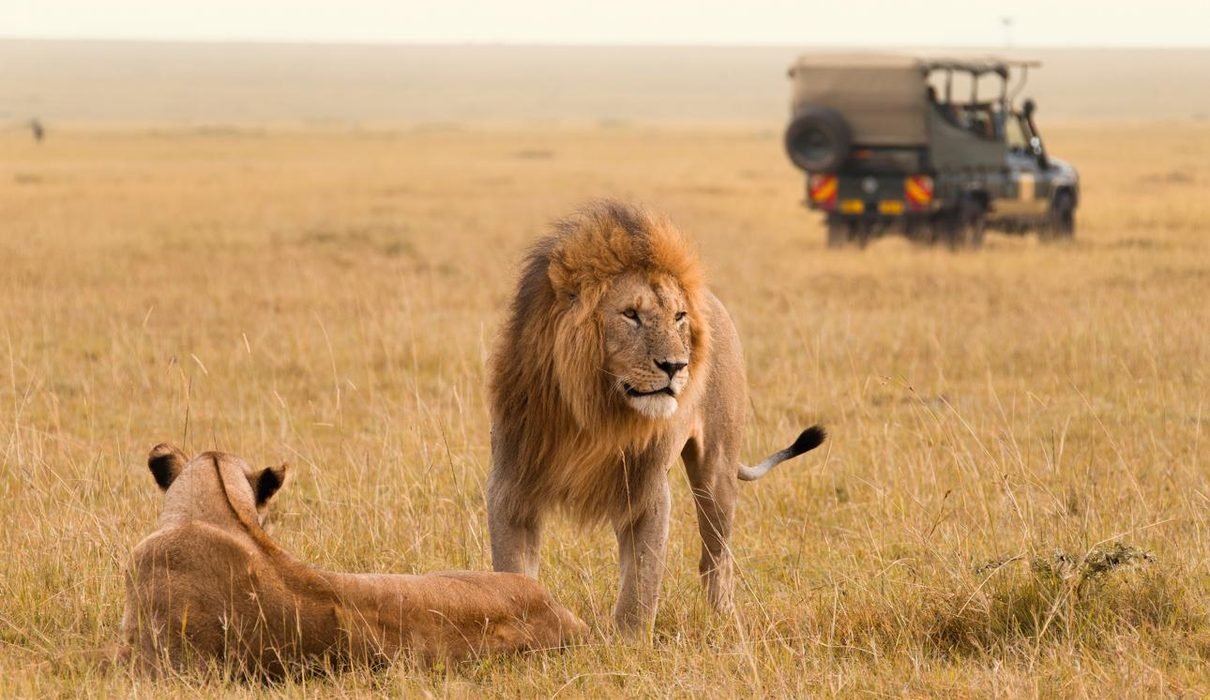
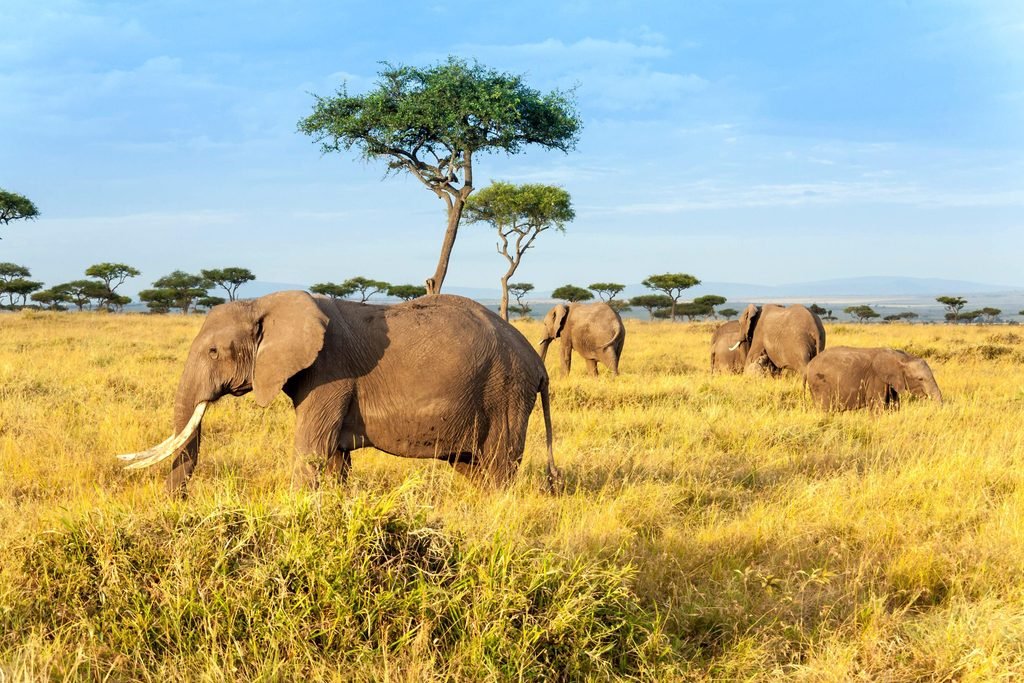
The Masai Mara National Reserve is one of the best places in Africa to enjoy a wildlife safari. Located in southwestern Kenya, the reserve is famous for its wide grasslands, large populations of wild animals, and the annual Great Wildebeest Migration. Whether you want to see lions resting in the grass, elephants walking across the plains, or thousands of wildebeest moving in search of fresh grazing, the Masai Mara offers a wonderful opportunity to experience African wildlife in its natural environment.
Planning a Masai Mara safari in 2027 or 2028 gives you the chance to explore one of East Africa’s most famous wildlife destinations. The reserve is home to lions, leopards, cheetahs, elephants, buffaloes, giraffes, zebras, hyenas, and many other animals. It is also part of the larger Mara–Serengeti ecosystem, which stretches across the Kenya–Tanzania border and supports one of the world’s most remarkable wildlife movements.
One of the reasons travelers love the Masai Mara is that wildlife viewing is possible throughout the year. Although the Great Migration attracts the most attention between approximately July and October, the reserve has resident wildlife during other months. This means you can still enjoy rewarding game drives even when the main migrating herds are farther south in Tanzania.
At Eddy Tours & Safaris, we help travelers explore East African safari options, including Tanzania wildlife adventures and requests for Kenya–Tanzania safari combinations. This guide explains the best time to visit the Masai Mara in 2027 and 2028, what animals you may see, how many days to spend, where to stay, and how to plan a comfortable and memorable safari.
Masai Mara Safari Overview for 2027 and 2028
| Safari information | Details |
|---|---|
| Destination | Masai Mara National Reserve, Kenya |
| Travel years | 2027 and 2028 |
| Recommended safari duration | 4 days / 3 nights |
| Starting location | Nairobi, Kenya |
| Main activities | Game drives, wildlife photography and optional cultural experiences |
| Main wildlife | Lions, elephants, buffaloes, leopards, cheetahs, giraffes, zebras and wildebeest |
| Famous attraction | Great Wildebeest Migration |
| Popular migration period | July to October, depending on rainfall |
| Accommodation | Budget camps, mid-range lodges and luxury safari camps |
| Transport options | Road transfer or domestic flight |
| Safari style | Private or group safari, subject to availability |
| Optional extensions | Serengeti, Ngorongoro Crater, Amboseli and Zanzibar |
Why Visit the Masai Mara in 2027 or 2028?
The Masai Mara is famous for its open savannah landscapes, where wildlife can often be seen across large stretches of grassland. Unlike heavily forested destinations, the Mara provides wide views that make it easier to observe animals moving through their natural habitat. During a game drive, you may encounter a pride of lions resting under a tree, a herd of elephants crossing the plains, or giraffes feeding on acacia trees.
The reserve is particularly well known for its big cats. Lions are among the most frequently sought-after animals, while cheetahs can sometimes be seen hunting across open grassland. Leopards are more difficult to find because they often spend time resting in trees or hiding in thicker vegetation. Experienced safari guides use their knowledge of animal behavior, tracks, and local conditions to search for wildlife, but sightings can never be guaranteed.
Another attraction is the Great Wildebeest Migration, when large herds of wildebeest and zebras move between Tanzania’s Serengeti and Kenya’s Masai Mara in search of fresh grazing. The movement is influenced by rainfall, water, and grass availability rather than fixed dates. For travelers visiting during the migration period, the Mara River is one of the most famous locations to explore, although river crossings remain unpredictable.
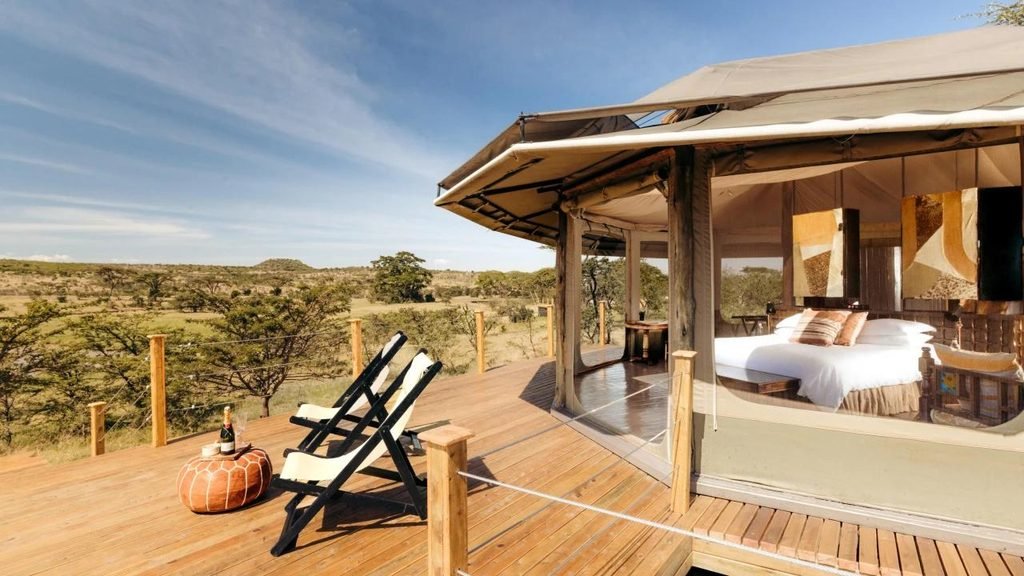
The Masai Mara also offers different accommodation experiences. Travelers can choose from simple tented camps, comfortable safari lodges, and luxury properties overlooking the surrounding landscapes. Some visitors prefer staying close to the reserve for convenient game drives, while others choose private conservancies for quieter surroundings and activities that may not be available inside the main reserve.
Best Time to Visit the Masai Mara in 2027 and 2028
The best time to visit the Masai Mara depends on what you want to experience. Travelers hoping to see large migrating herds generally focus on July to October, while those interested in resident wildlife, photography, and fewer visitors may enjoy other months. The reserve has wildlife throughout the year, so a rewarding safari does not depend entirely on the migration.
From January to March, the Mara often experiences relatively dry conditions, making it a good period for general wildlife viewing. The open plains provide opportunities to search for lions, cheetahs, elephants, and other resident animals. Visitor numbers may also be lower than during the busiest migration months, although conditions vary between years.
April and May are generally associated with heavier rainfall. The grasslands become greener, and the landscape can be especially beautiful for photography. However, some roads may become muddy or difficult to use, and wildlife can be more widely dispersed when water is available in many places. Travelers visiting during these months should be prepared for changing weather and possible adjustments to game-drive plans.
June often marks a transition toward drier conditions, while July, August, September, and October are the months most closely associated with the migration in the Masai Mara. During this period, large wildebeest and zebra herds may enter the reserve from the Serengeti. The Mara River becomes a major attraction, but the exact timing of crossings cannot be predicted. November and December often bring shorter rains and greener scenery, with opportunities to see resident wildlife and birds.
Masai Mara Safari Seasons
| Months | Typical conditions | Main safari attractions |
|---|---|---|
| January–March | Often relatively dry | Big cats, elephants and resident wildlife |
| April–May | Usually wetter and greener | Beautiful scenery, birdlife and fewer visitors |
| June | Transition toward drier weather | General game viewing and photography |
| July–October | Popular migration period | Large herds and possible river crossings |
| November–December | Variable short rains | Green landscapes, birds and resident wildlife |
For 2027 and 2028, travelers should remember that migration movements and weather conditions will depend on the actual rainfall patterns during those years.
The Great Wildebeest Migration in the Masai Mara
The Great Wildebeest Migration is one of the main reasons travelers visit the Masai Mara. Every year, large numbers of wildebeest, zebras, and other grazing animals move across the Serengeti–Mara ecosystem in search of food and water. Their movement follows seasonal rainfall and the growth of fresh grass, creating a continuous cycle between different parts of Tanzania and Kenya.
The Masai Mara usually becomes especially important during the middle and later parts of the year, when migrating herds may move north from the Serengeti. During this period, the plains can fill with wildebeest and zebras, while predators take advantage of the increased concentration of prey. Lions, cheetahs, hyenas, and crocodiles are among the animals that may be observed during the migration season.
River crossings are among the most dramatic events associated with the migration. Wildebeest sometimes gather along the Mara River before attempting to cross, where strong currents, steep riverbanks, and crocodiles can create dangerous conditions. However, a crossing may happen suddenly, after several hours of waiting, or not at all during a particular game drive.
For travelers hoping to witness this event in 2027 or 2028, spending several days in the region is generally better than planning a very short visit. More time provides additional opportunities to explore different wildlife areas, but no itinerary can guarantee a river crossing.
Travelers interested in seeing the migration on both sides of the border can also explore Tanzania safari options with Eddy Tours & Safaris.
Ultimate 4-Day Masai Mara Safari Itinerary for 2027 and 2028
A four-day Masai Mara safari is a good choice for travelers who want enough time to enjoy wildlife viewing without rushing through the reserve. This suggested itinerary begins and ends in Nairobi and includes three nights in the Masai Mara area. Accommodation, park access, and driving arrangements should be confirmed before booking.
Day 1: Nairobi to Masai Mara – Arrival and Afternoon Game Drive
Your safari begins in Nairobi, where you meet your safari driver-guide before starting the journey toward the Masai Mara. The drive takes you through Kenya’s countryside, passing towns, agricultural areas, and sections of the Great Rift Valley. Depending on the chosen route and traffic conditions, the journey usually takes much of the day, with opportunities to stop for refreshments along the way.
As you approach the Masai Mara region, the landscape gradually changes into open grasslands and rolling hills. Small settlements and grazing livestock are common in the surrounding areas, reflecting the importance of pastoral life to many local communities. Your driver-guide will explain the journey and provide information about the reserve and the wildlife you may encounter during the coming days.
Upon arrival at your safari lodge or tented camp, you check in and enjoy lunch or refreshments, depending on your arrival time. If the schedule and reserve entry arrangements allow, you head out for an afternoon game drive. This first wildlife experience may introduce you to zebras, giraffes, antelopes, elephants, or predators, depending on animal movements and the area visited.
Later in the evening, you return to your accommodation for dinner and relaxation. The sounds of the surrounding bush provide a distinctive safari atmosphere, and your guide will discuss the plans for the following day’s wildlife exploration.
Accommodation: Budget, mid-range or luxury safari lodge/camp
Meals: According to the confirmed package
Day 2: Full-Day Masai Mara Wildlife Safari
After an early breakfast, you begin a full day of wildlife viewing in the Masai Mara. Morning game drives are especially enjoyable because temperatures are often cooler and some animals are more active before the heat of the day. Your guide will explore suitable areas of the reserve while looking for wildlife such as lions, elephants, buffaloes, giraffes, zebras, and antelopes.
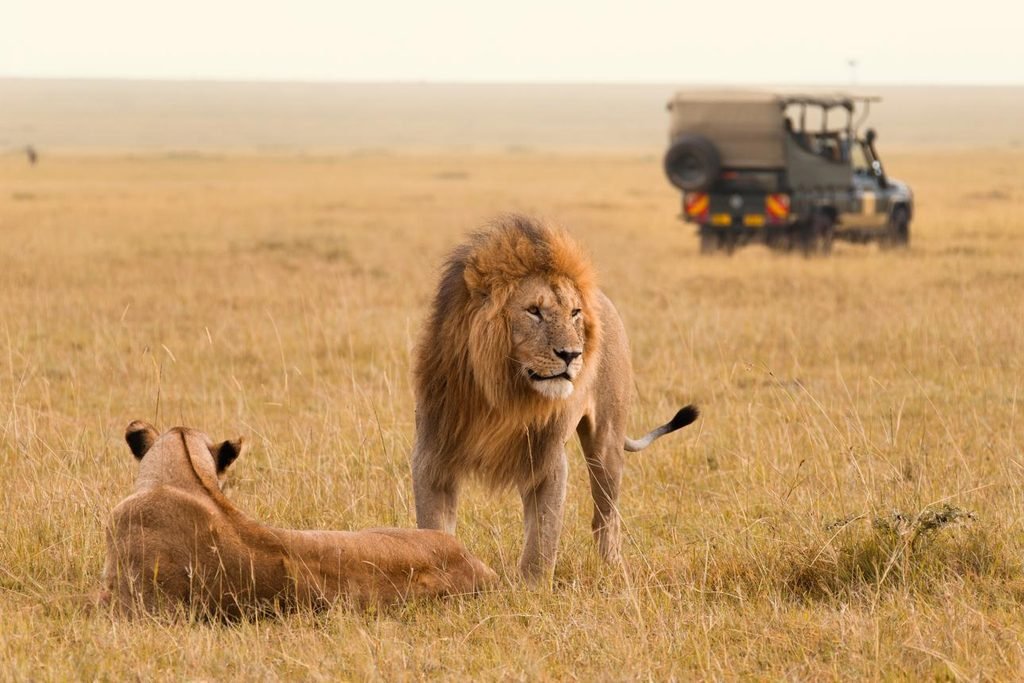
The Masai Mara is one of Kenya’s best-known destinations for big-cat viewing. During the day, your guide may search for lions resting near bushes, cheetahs scanning the grasslands, or leopards in areas with suitable trees and vegetation. Wildlife behavior changes constantly, so each game drive offers a different experience. Some encounters may involve animals feeding or resting, while others may provide opportunities to observe movement across the plains.
Depending on your safari arrangements, you may enjoy a packed lunch at a permitted picnic location or return to your lodge for a midday break. The afternoon offers another opportunity to explore the reserve, photograph the landscape, and observe wildlife in different lighting conditions. Your guide will follow park rules and maintain appropriate distances from animals.
After a full day in the bush, you return to your accommodation for dinner and rest. This is an ideal time to review photographs, discuss the day’s sightings, and prepare for another day of exploration.
Accommodation: Safari lodge or tented camp
Meals: Breakfast, lunch and dinner, if included in the package
Day 3: Masai Mara Exploration – Mara River and Optional Cultural Experience
On the third day, you continue exploring the Masai Mara, with the route planned according to wildlife activity, weather, and the location of your accommodation. During the migration season, your guide may recommend visiting areas near the Mara River, where large herds sometimes gather before crossing. Outside the migration period, the river and surrounding habitats remain interesting places to look for wildlife and birds.
The Mara River is an important part of the ecosystem and supports animals such as hippos and crocodiles. Along its banks, you may also observe birds and mammals using the river as a source of water. During migration months, wildebeest and zebras may approach the river, although sightings and crossings depend entirely on natural animal movements.
If you are interested in learning about local culture, an optional visit to a Maasai community may be arranged through an appropriate local host. Such visits can provide an opportunity to learn about pastoral traditions, daily life, and the relationship between communities, livestock, and the surrounding environment. Cultural experiences should be organized respectfully, with clear arrangements and appropriate community participation.
Later in the day, you return to your accommodation for your final evening in the Masai Mara. Depending on the property and its location, you may relax while enjoying views of the surrounding grasslands or discuss the wildlife encounters that made the strongest impression during your safari.
Accommodation: Safari lodge or tented camp
Meals: Breakfast, lunch and dinner, if included
Day 4: Masai Mara to Nairobi – End of Safari
After breakfast, you prepare for the return journey to Nairobi. Depending on your accommodation location, departure time, and park entry arrangements, there may be an opportunity for wildlife viewing while leaving the area, but a full morning game drive should not be assumed unless it is specifically included in your package.
The drive back to Nairobi takes you through Kenya’s countryside and provides another chance to enjoy the landscapes outside the reserve. Your driver-guide may arrange a suitable refreshment stop along the way, depending on the travel schedule. The journey offers time to reflect on the wildlife sightings, scenery, and experiences of the previous days.
Upon arrival in Nairobi, you are transferred to your agreed drop-off point, which may be a hotel or airport depending on the arrangements confirmed before departure. If you are connecting to an international flight, allow sufficient time for possible road delays and airport procedures.
This marks the end of your four-day Masai Mara safari. Travelers with additional time may choose to continue exploring Kenya or combine the trip with a Tanzania wildlife safari.
Meals: Breakfast; other meals subject to the package
End of safari: Nairobi
Wildlife You Can See in the Masai Mara
The Masai Mara supports a wide variety of wildlife, making it one of East Africa’s most rewarding safari destinations. Large mammals such as elephants, buffaloes, giraffes, zebras, and several antelope species can be seen in different parts of the reserve. The open plains also support predators, including lions, cheetahs, leopards, hyenas, and jackals.
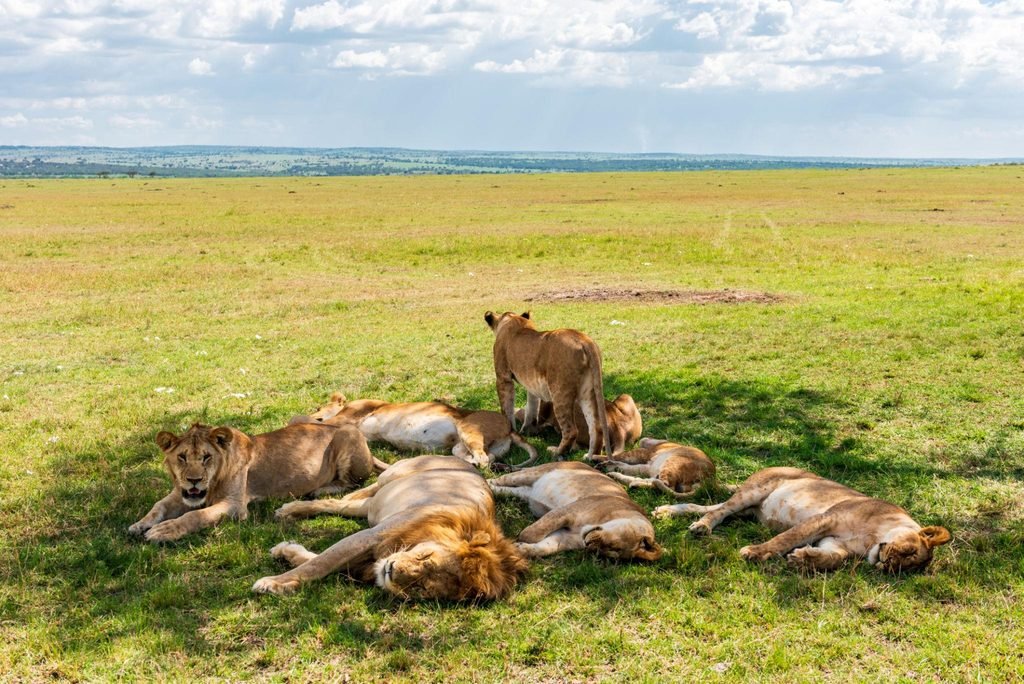
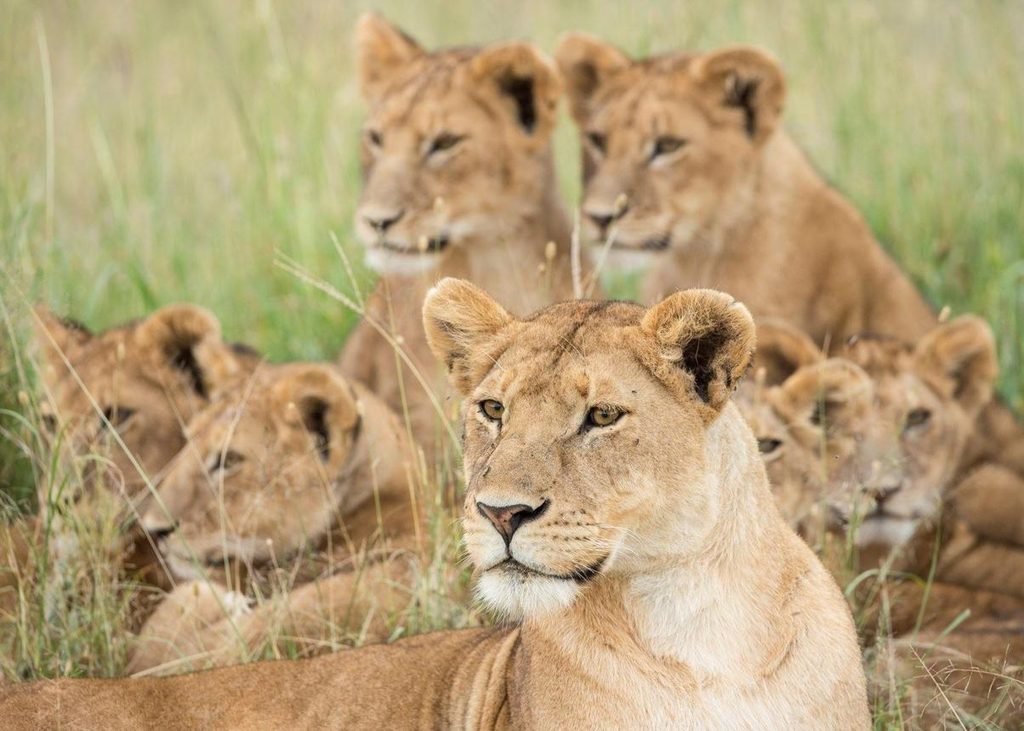
The reserve is particularly famous for lions, which may be observed resting in groups, moving through grassland, or interacting with other members of their pride. Cheetahs are often associated with open areas where they can scan for prey, while leopards are more secretive and may be found in trees or near riverine vegetation. Finding these animals requires patience, and a knowledgeable guide can help visitors understand their behavior.
The Masai Mara is also an excellent destination for birdwatching. Birds of prey, storks, herons, vultures, and many smaller species inhabit the reserve and surrounding habitats. The variety of birdlife adds another dimension to the safari, particularly for travelers interested in photography and nature observation.
Masai Mara Safari Accommodation: Budget, Mid-Range and Luxury
Accommodation is an important part of planning a Masai Mara safari because it affects your comfort, budget, and access to wildlife areas. The region offers a wide range of properties, from simple tented camps to luxury lodges with spacious rooms, private decks, and views of the surrounding landscape.
Budget safari camps are suitable for travelers who want to focus their spending on game drives and wildlife viewing. These properties generally offer basic but practical facilities, although comfort and location vary considerably. When choosing a budget camp, it is important to check the distance to the reserve entrance and how long it takes to reach productive game-viewing areas.
Mid-range lodges and tented camps provide a balance between comfort and cost. Depending on the property, they may offer private bathrooms, comfortable beds, dining facilities, and organized safari services. Luxury properties may include larger suites, premium dining, personalized service, and access to private conservancy experiences.
Accommodation should be selected according to the travel dates, preferred level of comfort, and safari itinerary. Properties close to the reserve or within suitable conservancies may reduce driving time, while camps farther away can sometimes involve longer daily transfers.
Masai Mara National Reserve Versus Private Conservancies
The main Masai Mara National Reserve is the best-known wildlife area and provides access to the classic open plains, river habitats, and many of the locations associated with the Great Migration. It is a popular choice for first-time visitors because of its wide range of wildlife and established game-drive routes.
The surrounding private and community conservancies offer a different safari experience. Some have lower vehicle densities and may allow guided walks or night game drives under their specific rules and arrangements. These activities are generally not available as ordinary game-drive activities inside the main reserve.
For travelers with enough time and budget, combining the reserve with a conservancy can provide a broader understanding of the Mara ecosystem. However, conservation fees and access arrangements differ between areas, so these details should be clearly explained in the quotation.
How Much Does a Masai Mara Safari Cost in 2027 and 2028?
The cost of a Masai Mara safari depends on the travel season, number of days, accommodation category, group size, transport arrangements, and park or conservancy fees. A budget camping safari will normally cost less than a luxury fly-in safari, while travel during the popular migration months can be more expensive because of higher demand and seasonal accommodation rates.
Park fees are an important part of the total cost. The 2026 fee schedules distinguish between low and high seasons, with higher adult non-resident rates during the second half of the year. However, travelers should not assume that the same rates will apply unchanged in 2027 or 2028. Updated fees should be checked before preparing a final quotation.
A safari package may include accommodation, meals, a safari vehicle, a driver-guide, park fees, and transfers, but the exact inclusions depend on the operator. Optional hot-air balloon flights, cultural visits, drinks, tips, and personal expenses may be charged separately.
For accurate 2027 and 2028 prices, request a quotation based on your travel dates, number of travelers, and preferred accommodation category.
What to Pack for a Masai Mara Safari
Packing for the Masai Mara is relatively straightforward, but comfortable clothing and a few useful accessories can improve your safari experience. Neutral-colored, lightweight clothing is practical for daytime game drives, while a warm jacket or fleece is useful for cooler mornings and evenings. Comfortable shoes, sunglasses, sunscreen, and a hat are also recommended.
A camera with a suitable zoom lens is especially useful for wildlife photography because animals may be observed at a distance. Binoculars can help you enjoy sightings that are too far away to appreciate clearly with the naked eye. You should also carry any personal medication, travel documents, and charging equipment required during the trip.
During the rainy months, a lightweight waterproof jacket can be useful, while a small daypack helps keep personal essentials organized inside the safari vehicle.
Can You Combine the Masai Mara with a Tanzania Safari?
Yes. A Kenya–Tanzania safari is an excellent option for travelers who want to explore more of East Africa’s wildlife destinations. The Masai Mara and Serengeti form part of the same wider ecosystem, but they offer different game-drive areas, landscapes, and seasonal wildlife experiences.
A combined itinerary may include the Masai Mara in Kenya, followed by Tanzania’s Serengeti National Park, Ngorongoro Crater, Tarangire National Park, or Lake Manyara National Park. Travelers with additional time can also consider a Mount Kilimanjaro trek or a Zanzibar beach holiday.
Although the Masai Mara and Serengeti share an international boundary, ordinary tourist road transfers must use authorized border crossings and immigration procedures. You cannot simply drive a safari vehicle directly from one reserve into the other across the wildlife boundary. A combined itinerary therefore requires careful planning of road transfers, border formalities, vehicle arrangements, and accommodation.
To discuss Tanzania extensions or a combined East African holiday, visit Eddy Tours & Safaris or contact our team.
Frequently Asked Questions About Masai Mara Safaris in 2027 and 2028
1. Where is the Masai Mara located?
The Masai Mara National Reserve is located in southwestern Kenya, near the border with Tanzania.
2. What is the Masai Mara famous for?
It is famous for its wildlife, open savannah landscapes, big cats, and the Great Wildebeest Migration.
3. What is the best time to visit the Masai Mara?
July to October is popular for migration viewing, while other months can offer excellent resident wildlife sightings.
4. Can I see the Great Migration in 2027?
The migration is expected to continue as a natural annual wildlife movement, but the timing and location of herds in 2027 cannot be guaranteed.
5. Can I see the migration in 2028?
The migration may be present in the Mara during its usual seasonal period, but exact dates and river crossings cannot be predicted.
6. Are Mara River crossings guaranteed?
No. Crossings depend on wildlife behavior, rainfall, grazing conditions, and other natural factors.
7. How many days should I spend in the Masai Mara?
Three days is a reasonable minimum for many travelers, while four days allows more time for wildlife viewing.
8. Is the Masai Mara good for first-time safari travelers?
Yes. It offers varied wildlife, open landscapes, and a wide range of accommodation options.
9. Can I see lions in the Masai Mara?
Yes. Lions live in the reserve, although individual sightings cannot be guaranteed.
10. Are there cheetahs in the Masai Mara?
Yes. Cheetahs inhabit parts of the Mara, particularly open grassland areas.
11. Can I see leopards?
Leopards are present, but they are often difficult to find because of their secretive behavior.
12. Are elephants common in the Masai Mara?
Elephants are among the large mammals regularly observed in the Mara ecosystem.
13. Can I see the Big Five?
The Mara supports lions, leopards, elephants, buffaloes, and a small, vulnerable population of rhinoceroses. Seeing all five on one safari is not guaranteed.
14. Is the Masai Mara expensive?
Costs vary widely depending on accommodation, season, transport, and the number of travelers.
15. Can I visit on a budget?
Yes. Budget camping and shared safari options may be available, depending on travel dates and arrangements.
16. Are luxury safari camps available?
Yes. The Mara region has many luxury safari camps and lodges.
17. Can I fly from Nairobi to the Masai Mara?
Yes. Domestic flights serve several airstrips in the Mara region, subject to schedules and availability.
18. Can I drive from Nairobi to the Masai Mara?
Yes. Road transfers are common, although the journey takes several hours.
19. Are hot-air balloon safaris available?
Yes. Balloon safaris may be arranged through licensed operators, subject to weather, availability, and additional charges.
20. Can I visit a Maasai village?
Cultural visits may be arranged through appropriate local community hosts.
21. Is the Masai Mara suitable for families?
Yes. Families can enjoy wildlife safaris, although accommodation and activity age restrictions should be checked.
22. Is the Masai Mara worth visiting outside migration season?
Yes. Resident wildlife makes the reserve an attractive destination throughout the year.
23. Can I combine the Masai Mara with the Serengeti?
Yes. A combined Kenya–Tanzania safari can be arranged with appropriate border and transport planning.
24. Should I book early for 2027 or 2028?
Early booking is useful, especially for popular migration-season accommodation, but availability and prices must be confirmed.
25. How can I plan a Kenya and Tanzania safari?
Contact Eddy Tours & Safaris to discuss a suitable itinerary, travel dates, group size, and preferred accommodation category.
Plan Your Masai Mara Safari for 2027 and 2028
The Masai Mara remains one of Africa’s most rewarding wildlife destinations, offering open landscapes, rich animal life, and opportunities to experience the Great Wildebeest Migration. Whether you visit during the popular migration months or choose a quieter time of year, the reserve provides many reasons to enjoy a safari in Kenya.
For most travelers, a four-day safari offers a comfortable introduction to the Mara, with enough time for several game drives and a relaxed pace. Longer visits can be especially useful for wildlife photographers, migration enthusiasts, and travelers who want to combine the main reserve with surrounding conservancies.
At Eddy Tours & Safaris, we help travelers plan Tanzania wildlife safaris and explore suitable Kenya–Tanzania travel combinations for 2027 and 2028. Our team can discuss your preferred travel dates, safari duration, accommodation options, and possible extensions to Serengeti, Ngorongoro Crater, Mount Kilimanjaro, or Zanzibar before providing a detailed quotation.
Request Your East Africa Safari Quotation
Chat with Eddy Tours & Safaris on WhatsApp
Email: sales@eddytours-safaris.com
Contact our team to discuss your ideal East African wildlife holiday and plan a safari that matches your interests, available time, and budget.