
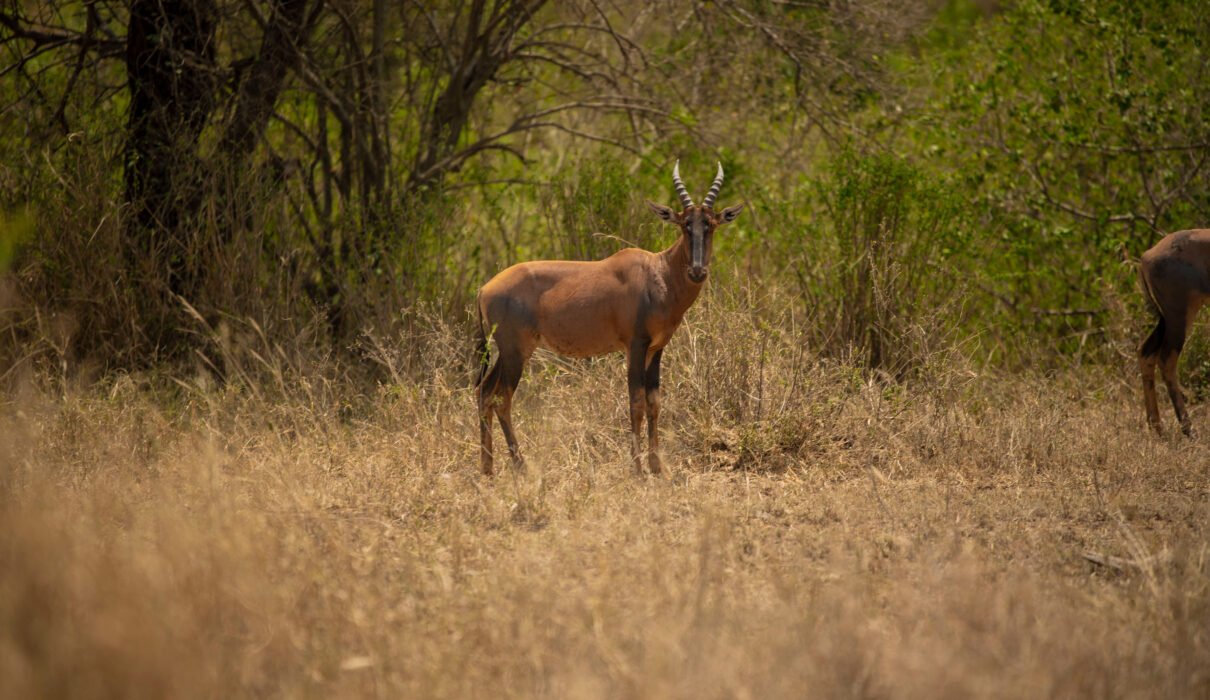
Best National Parks in the World are not only famous for beautiful scenery and wildlife, but also for the serious conservation work, scientific research and community partnerships that protect these places for future generations and make them some of the most valuable natural areas on Earth.
When people search for the world’s greatest parks, they often think about iconic animals, mountains, forests and rivers. What is less visible, but far more important, is the global effort behind the scenes that keeps these protected areas alive, safe and well managed. The true value of outstanding national parks comes from how well nature, people and tourism work together.
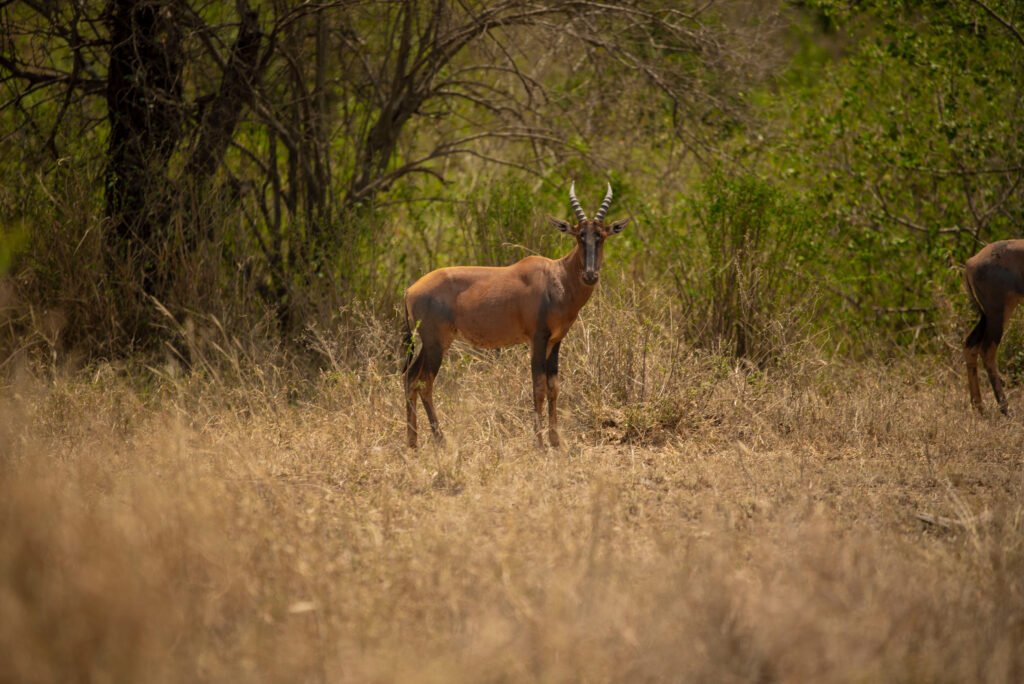
Best National Parks in the World and why global protection truly matters
The Best National Parks in the World exist today because governments, scientists and communities follow international conservation standards and long-term environmental planning. Global guidance from the International Union for Conservation of Nature helps classify protected areas and set management rules, while environmental leadership from the United Nations Environment Programme supports countries in protecting ecosystems against pollution, land degradation and climate pressure.
Wildlife protection programmes supported by the World Wide Fund for Nature, long-term field research conducted by the Wildlife Conservation Society and landscape conservation initiatives promoted by the African Wildlife Foundation show that successful national parks depend on science, ranger capacity and strong community engagement rather than tourism alone.
Best National Parks in the World and the science behind biodiversity protection
The Best National Parks in the World are carefully selected and monitored using scientific evidence. Global biodiversity mapping provided by the Global Biodiversity Information Facility allows researchers to track species distribution and habitat condition across continents, while policy guidance developed by the Intergovernmental Science-Policy Platform on Biodiversity and Ecosystem Services helps governments understand how biodiversity loss affects food security, water systems and human wellbeing.
Specialist species protection is also essential. Big cat conservation is supported by Panthera, bird habitat protection is coordinated through BirdLife International, and large-scale ecosystem protection programmes are delivered by Conservation International and The Nature Conservancy, ensuring that national parks protect complete ecosystems rather than only a few popular species.
Best National Parks in the World and climate resilience of protected landscapes
The Best National Parks in the World are increasingly important as natural climate buffers. Scientific assessments published by the Intergovernmental Panel on Climate Change confirm that protected forests, wetlands and grasslands reduce climate risks by storing carbon and regulating water systems, while land and forest research conducted by the Center for International Forestry Research demonstrates how protected areas support climate-resilient communities and sustainable land use.
Global protected-area monitoring and mapping coordinated by the UN Environment Programme World Conservation Monitoring Centre further helps countries identify vulnerable habitats and strengthen conservation strategies where ecosystems are under pressure.
Best National Parks in the World and the role of local communities
The Best National Parks in the World cannot survive without the support of people living next to them. Development research published by the World Bank shows that conservation-based tourism improves livelihoods when communities participate in guiding services, cultural tourism and park operations. Labour standards promoted by the International Labour Organization also help ensure fair employment for rangers, guides and tourism workers.
Cultural heritage protection frameworks supported by UNESCO highlight that natural landscapes and cultural identity are deeply connected, and that traditional knowledge often strengthens conservation planning and conflict prevention around protected areas.
Best National Parks in the World and water and food security
Many of the Best National Parks in the World protect major water catchments and wetlands that support cities, agriculture and wildlife far beyond park borders. Ecosystem protection and freshwater management coordinated by Food and Agriculture Organization and environmental policy guidance delivered through UN Environment confirm that well-managed parks play a critical role in food security and disaster risk reduction.
Healthy rivers, forests and floodplains protected inside national parks reduce drought impacts, control soil erosion and maintain fisheries that support millions of people worldwide.
Best National Parks in the World and strong international environmental law
The long-term success of the Best National Parks in the World depends on international cooperation and legal frameworks. Biodiversity governance supported by the Convention on Biological Diversity guides how countries expand protected areas, restore degraded habitats and regulate tourism pressure in sensitive ecosystems.
These global agreements help ensure that conservation remains a national priority even during economic or political change.
Best National Parks in the World and visitor health and safety standards
High-quality visitor experiences in the Best National Parks in the World depend on safety and responsible behaviour. Public health and travel guidance published by the World Health Organization supports disease prevention and emergency planning in remote destinations, while outdoor safety and disaster response frameworks promoted by the American Red Cross strengthen emergency preparedness for wilderness environments.
Well-trained staff, clear visitor rules and strong rescue systems protect both people and wildlife.
Best National Parks in the World and sustainable tourism economics
Economic research from the Overseas Development Institute confirms that well-managed nature tourism provides more stable long-term income for conservation and communities than short-term mass tourism. When visitor numbers are controlled and benefits are shared fairly, protected areas become financially sustainable and socially accepted.
This is why many travellers now look for operators that clearly support conservation and local communities when choosing where to go.
Best National Parks in the World and responsible safari and nature travel in Africa
Africa remains one of the strongest regions for wildlife-based tourism and conservation success. Travellers planning wildlife and nature experiences in East Africa often explore professional services through Eddy Tours and Safaris, where itineraries are designed to respect wildlife behaviour, community projects and park management guidelines.
Visitors who wish to design flexible journeys that include remote and protected landscapes often use custom safari itineraries in Tanzania, allowing them to combine conservation learning, wildlife viewing and cultural experiences responsibly.
Best National Parks in the World and planning meaningful travel experiences
Because the Best National Parks in the World are sensitive environments, proper planning is essential. Many travellers prefer to organise trips through professional local safari planning services to ensure that routes, accommodation and permits support conservation rules and community partnerships.
For travellers seeking long-term impact and ethical travel choices, responsible wildlife travel programmes provide opportunities to visit protected areas while supporting education, ranger activities and community projects.
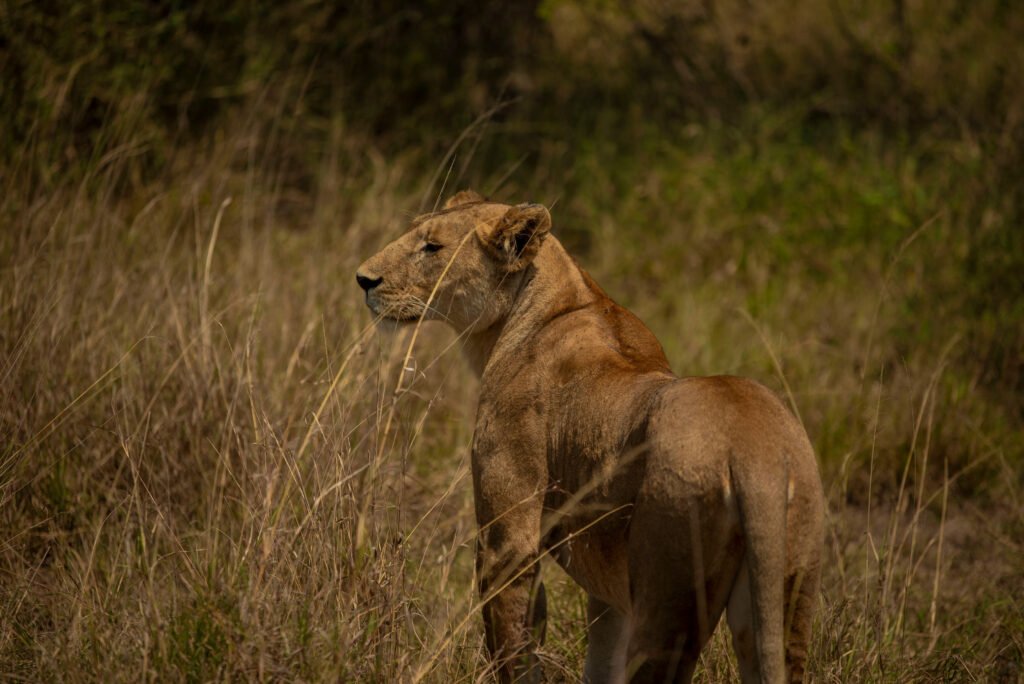
Best National Parks in the World and what truly makes a park exceptional
The Best National Parks in the World are not defined only by famous animals or dramatic scenery. They are defined by how well ecosystems function, how fairly communities benefit, how carefully tourism is managed and how seriously governments invest in conservation science and enforcement.
Whether located in Africa, Asia, Europe or the Americas, the parks that truly stand out are those that protect biodiversity, support human wellbeing and inspire visitors to respect and protect nature long after their journey ends.
In simple words, the Best National Parks in the World show what is possible when science, conservation policy, local people and responsible tourism work together. Choosing to visit such parks means becoming part of a global effort to protect the planet’s most valuable natural heritage.