
Tanzania is one of the best countries in Africa for a wildlife safari. With its large national parks, open savannahs, forests, lakes, and protected conservation areas, the country offers visitors an opportunity to see some of Africa’s most famous wild animals in their natural environment. From the endless plains of Serengeti National Park to the elephant herds of Tarangire and the wildlife-rich Ngorongoro Crater, every destination has something different to offer.
Planning the best Tanzania wildlife safari in 2027 involves more than simply choosing a national park. The time of year, number of travel days, accommodation preferences, and wildlife you hope to see can all influence your experience. Some visitors travel to Tanzania specifically to witness the Great Wildebeest Migration, while others are interested in photographing lions, elephants, leopards, giraffes, zebras, and the endangered black rhinoceros.
One of the reasons Tanzania remains a popular safari destination is the variety of experiences available. Travelers can enjoy private game drives in comfortable safari vehicles, stay in lodges overlooking beautiful landscapes, explore less crowded national parks, or combine their wildlife safari with a relaxing holiday on Zanzibar’s beaches.
For first-time visitors, the Northern Tanzania Safari Circuit is often the most convenient choice because it includes several famous national parks within a relatively well-established tourism region. However, southern and western Tanzania also offer remarkable wildlife experiences, particularly for travelers who want to explore more remote destinations.
At Eddy Tours and Safaris, we help visitors plan Tanzania wildlife safaris according to their interests, available time, travel budget, and preferred accommodation. Whether you are planning a short three-day safari or a longer wildlife holiday, choosing the right destinations can make a significant difference.
This guide explains the best places to visit for a Tanzania wildlife safari in 2027, the animals you can expect to see, the most suitable travel months, recommended safari itineraries, and important information to consider before booking.
Why Tanzania Is One of Africa’s Best Wildlife Safari Destinations
Tanzania has an impressive variety of wildlife habitats, ranging from open grasslands and volcanic highlands to tropical forests, wetlands, and large freshwater lakes. These different environments support many animal species and provide visitors with a wide selection of safari destinations.
The country is particularly famous for the Serengeti ecosystem, which supports the annual movement of enormous herds of wildebeest and zebras. This natural event attracts visitors from around the world, especially during the months when the herds move through the Serengeti and toward Kenya’s Maasai Mara.
However, Tanzania offers much more than the Great Migration. Visitors can watch elephants feeding beneath ancient baobab trees in Tarangire National Park, search for black rhinos inside Ngorongoro Crater, observe hippos in the waterways of Nyerere National Park, or explore the chimpanzee habitats of western Tanzania.
Another advantage is that many of Tanzania’s major wildlife destinations can be visited on guided game drives. This makes safari travel suitable for couples, families, groups of friends, photographers, and older travelers who prefer to observe wildlife without participating in physically demanding activities.
Tanzania also offers accommodation for different budgets. Travelers can choose from comfortable mid-range lodges, permanent tented camps, luxury safari properties, and simpler camping arrangements.
The best choice depends on your expectations, but good planning is important regardless of the accommodation category.
1. Serengeti National Park: Tanzania’s Most Famous Wildlife Safari Destination
Serengeti National Park is one of the most recognized wildlife destinations in Africa. Located in northern Tanzania, the park covers approximately 14,750 square kilometres and forms part of the larger Serengeti-Mara ecosystem.
The Serengeti is known for its wide grasslands, scattered acacia trees, rocky kopjes, and large populations of wildlife. Its open landscapes make it possible to observe animals across considerable distances, particularly during the dry season when vegetation is less dense.
For many visitors, a Tanzania wildlife safari would not feel complete without spending time in the Serengeti.
Wildlife You Can See in Serengeti National Park
The Serengeti supports a remarkable variety of animals, including lions, leopards, cheetahs, elephants, buffaloes, giraffes, zebras, wildebeest, hyenas, and several antelope species.
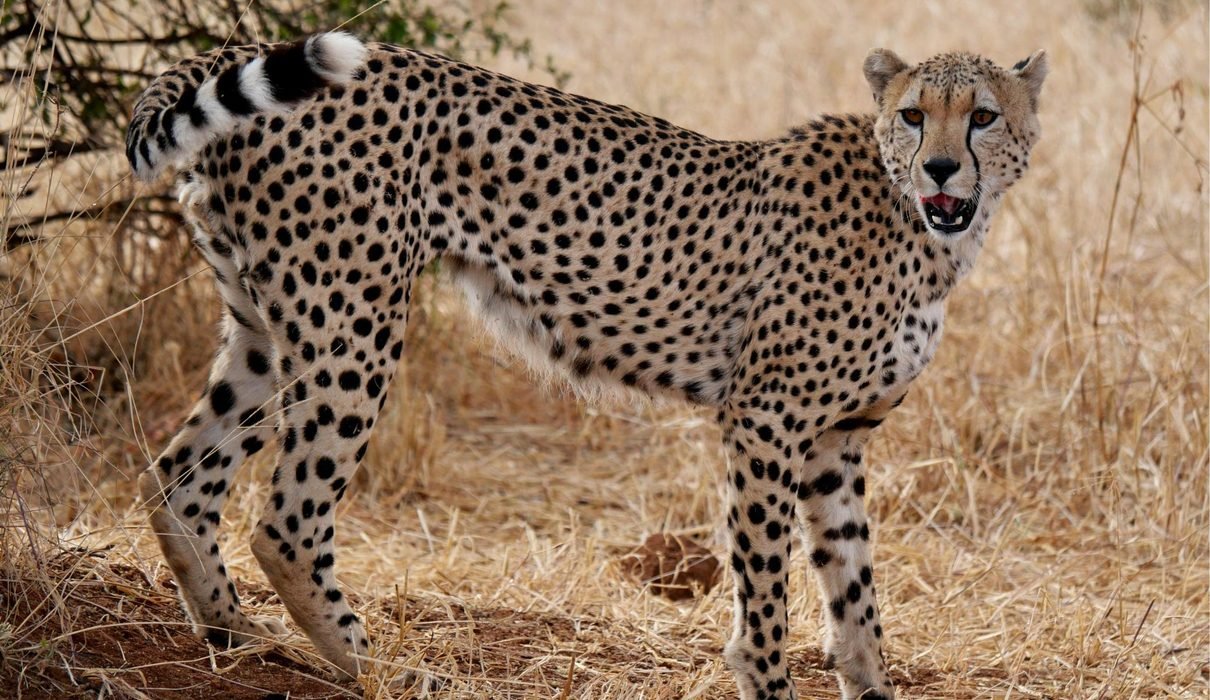
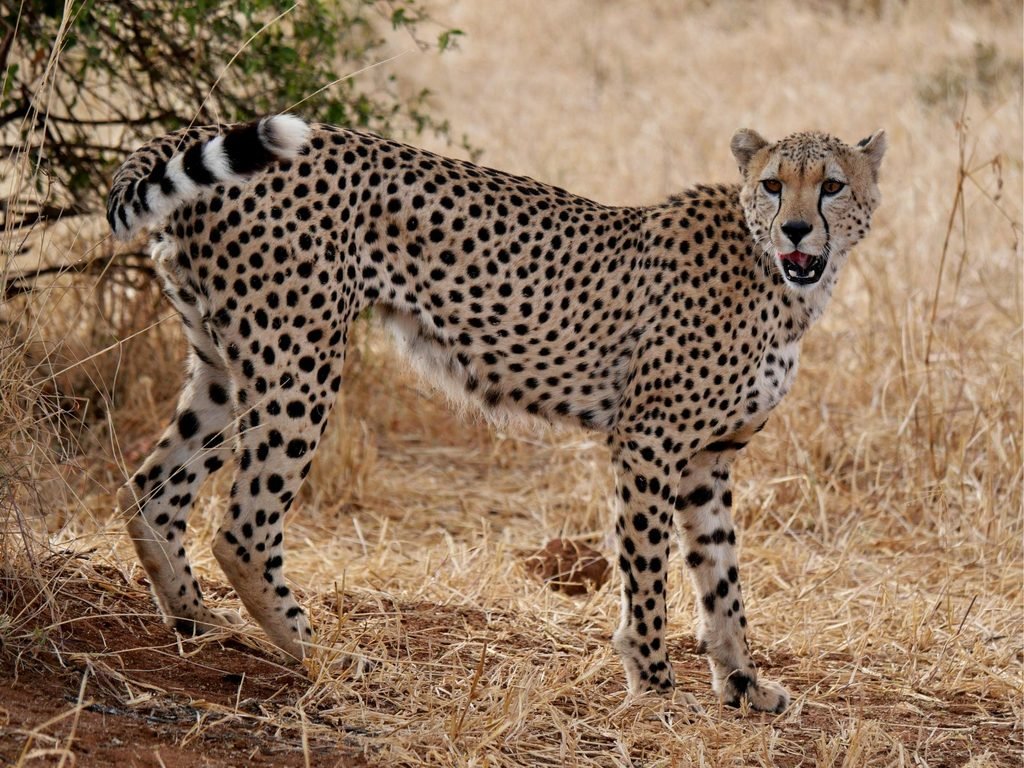
The park is particularly famous for its large predator populations. Lions are frequently observed resting on rocky outcrops or moving through the grasslands, while cheetahs are often associated with more open areas where they hunt.
Leopards are more difficult to find because they are solitary and often rest in trees or thick vegetation. However, experienced safari guides know the habitats where sightings are more likely.
The Serengeti is also an excellent destination for birdwatching, with hundreds of bird species recorded across its different habitats.
The Great Wildebeest Migration in 2027
The Great Wildebeest Migration is one of the main reasons travelers choose to visit the Serengeti.
Every year, large herds of wildebeest, accompanied by zebras and other grazing animals, move through the Serengeti-Mara ecosystem in search of fresh grass and water.
The migration follows seasonal rainfall and pasture conditions rather than a fixed calendar. This means that the exact location of the herds can vary from year to year.
During January and February, large numbers of wildebeest are often found in the southern Serengeti and Ndutu area, where the calving season takes place.
From approximately April through June, the herds generally move toward the western and central parts of the ecosystem.
Between July and October, many herds may be found in the northern Serengeti and Maasai Mara region, where river crossings can occur.
These crossings are among the most dramatic wildlife events in Africa, but they cannot be guaranteed on a particular date.
For travelers planning a Serengeti migration safari in 2027, it is important to select accommodation based on the expected seasonal movement of the animals.
Best Time to Visit the Serengeti
The Serengeti offers wildlife viewing throughout the year, but different seasons provide different experiences.
January and February are particularly interesting for visitors who want to experience the calving season.
June through October is generally favorable for wildlife viewing because the dry conditions can make animals easier to observe.
July to September is popular among travelers hoping to see the northern migration and possible Mara River crossings.
However, visitors should remember that wildlife movements depend on natural conditions and cannot be predicted with complete accuracy.
2. Ngorongoro Crater: One of Tanzania’s Best Places to See the Big Five
Ngorongoro Crater is another outstanding destination for a Tanzania wildlife safari. Located within the Ngorongoro Conservation Area, the crater is part of a large volcanic landscape that attracts visitors because of its scenery and concentration of wildlife.
The crater was formed after the collapse of a large volcano millions of years ago. Today, its floor contains grasslands, wetlands, woodland, and a seasonal lake that support many animal species.
One of the main advantages of visiting Ngorongoro Crater is that visitors can see a wide variety of animals within a relatively small area.
Wildlife Inside Ngorongoro Crater
Ngorongoro Crater is home to lions, buffaloes, elephants, zebras, wildebeest, hippos, hyenas, and several antelope species.
It is also one of Tanzania’s important habitats for the endangered black rhinoceros.
Although black rhino sightings are never guaranteed, the crater is among the better-known destinations for visitors hoping to see this rare animal.
Leopards also occur in the wider Ngorongoro area, although they are not commonly seen during crater-floor game drives.
For travelers interested in seeing the Big Five, Ngorongoro offers opportunities to observe several of these animals during a single safari day.
Why Ngorongoro Is Popular with First-Time Safari Travelers
Ngorongoro Crater is particularly suitable for visitors who have limited time in Tanzania.
A game drive inside the crater can provide excellent wildlife viewing without requiring several days of travel within a large national park.
Most visitors descend into the crater early in the morning and spend several hours exploring the different habitats before returning to the crater rim.
The scenery is also impressive, with steep crater walls surrounding the open grasslands and wetlands below.
Ngorongoro can be combined with Serengeti, Tarangire, or Lake Manyara as part of a private Tanzania safari arranged through Eddy Tours and Safaris.
3. Tarangire National Park: The Best Place for Elephants and Baobab Trees
Tarangire National Park is one of northern Tanzania’s most beautiful wildlife destinations. Located southwest of Arusha, the park is famous for its large elephant herds, ancient baobab trees, and seasonal concentrations of wildlife along the Tarangire River.
Although Tarangire is sometimes overlooked by travelers who focus mainly on Serengeti and Ngorongoro, it offers an excellent safari experience and deserves a place on many Tanzania itineraries.
Wildlife in Tarangire National Park
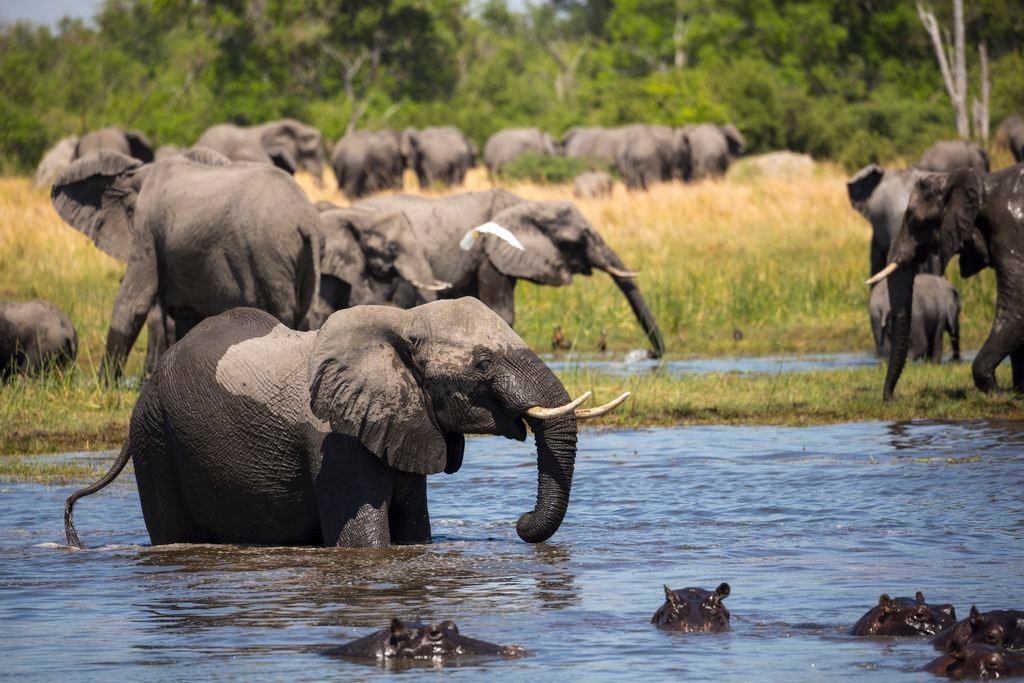
Elephants are among the park’s most famous residents. During the dry season, visitors may see large family groups moving through the grasslands, feeding beneath baobab trees, or gathering near water.
Tarangire is also home to giraffes, zebras, wildebeest, buffaloes, lions, leopards, and several antelope species.
The park supports an impressive variety of birds, making it particularly attractive to travelers interested in birdwatching.
During the dry season, animals from surrounding areas move toward the Tarangire River and other available water sources.
This seasonal concentration can create excellent wildlife-viewing opportunities.
Best Time to Visit Tarangire
June through October is generally the most popular period for wildlife viewing in Tarangire.
As the surrounding landscape becomes drier, animals gather around permanent water sources.
However, the green season also has advantages. The landscape becomes lush, birdlife is active, and visitor numbers may be lower.
For travelers planning a Tanzania wildlife safari in 2027, Tarangire is an excellent destination to include at the beginning or end of a Northern Circuit itinerary.
4. Lake Manyara National Park: Forest Wildlife, Birds, and Beautiful Scenery
Lake Manyara National Park is located near the town of Mto wa Mbu, along the base of the Great Rift Valley escarpment.
Although smaller than Serengeti and Tarangire, the park offers a different safari environment, with groundwater forest, open grassland, wetlands, and lake habitats.
The variety of landscapes makes Lake Manyara particularly interesting for travelers who enjoy nature photography and birdwatching.
Animals Found in Lake Manyara
Lake Manyara is home to elephants, giraffes, buffaloes, zebras, baboons, hippos, and different antelope species.
The park is also known for its tree-climbing lions, although sightings are uncommon and should never be expected on every visit.
Birdwatchers may see flamingos when lake conditions are suitable, along with pelicans, storks, herons, and many other species.
The groundwater forest is particularly beautiful, with tall trees and thick vegetation creating a different atmosphere from the open plains of the Serengeti.
Is Lake Manyara Worth Visiting in 2027?
Lake Manyara can be a good addition to a Tanzania safari, particularly for travelers who want to experience different habitats.
However, wildlife viewing conditions can vary with seasonal flooding, vegetation, and changes in lake levels.
Visitors should discuss current road and park conditions with their safari operator before deciding how much time to spend there.
For travelers with only three or four safari days, Tarangire, Ngorongoro, and Serengeti may be stronger priorities depending on their wildlife interests.
5. Nyerere National Park: A Different Wildlife Safari Experience in Southern Tanzania
Nyerere National Park is one of the largest protected wildlife areas in Africa. Located in southern Tanzania, it was established from part of the former Selous Game Reserve and is particularly famous for its rivers, wetlands, woodland habitats, and large populations of wildlife.
Unlike the northern safari destinations, Nyerere offers opportunities to explore wildlife habitats by vehicle and, in designated areas, by boat. This makes it attractive for travelers who want to experience something different from traditional game drives.
The Rufiji River is one of the park’s most important natural features. Its waterways and surrounding floodplains support hippos, crocodiles, elephants, buffaloes, and many bird species.
Nyerere is also an important habitat for African wild dogs, although sightings are never guaranteed.
Wildlife Activities in Nyerere National Park
Game drives remain one of the main ways to explore Nyerere. Visitors can travel through open plains, woodland, and riverine habitats while searching for lions, elephants, giraffes, buffaloes, and other animals.
Boat safaris are another popular activity. Depending on the location and operating conditions, visitors can travel along sections of the Rufiji River or connected waterways, observing hippos, crocodiles, waterbirds, and occasionally larger animals near the riverbanks.
Guided walking safaris may also be available in authorized areas with qualified guides and the required permits.
Best Time to Visit Nyerere
June through October is generally favorable for wildlife viewing because the dry season brings animals toward reliable water sources.
The rainy season creates beautiful green landscapes, but some roads and areas may become difficult to access.
Nyerere is particularly suitable for travelers who want a southern Tanzania safari or who are combining their wildlife holiday with time in Dar es Salaam or Zanzibar.
6. Ruaha National Park: A Good Choice for Experienced Safari Travelers
Ruaha National Park is located in south-central Tanzania and is known for its large wilderness landscapes, baobab trees, and diverse wildlife.
The park covers approximately 20,226 square kilometres and supports elephants, lions, leopards, buffaloes, giraffes, and several antelope species.
Ruaha is particularly interesting for travelers who have already visited the Serengeti or Ngorongoro and want to explore another part of Tanzania.
The Great Ruaha River is an important feature of the park, providing water for wildlife and supporting a variety of habitats. Ruaha is also well known for its birdlife, with more than 570 recorded species.
Why Visit Ruaha in 2027?
One of Ruaha’s main attractions is the opportunity to experience wildlife in a large, relatively remote environment.
The park generally receives fewer international visitors than the main Northern Circuit destinations.
This can provide a quieter safari experience, particularly for travelers who enjoy spending time observing animal behaviour without rushing between sightings.
Ruaha is also an excellent destination for photography because of its beautiful landscapes and large baobab trees.
Best Time to Visit Ruaha
June through October is generally the most popular period for wildlife viewing.
During the dry season, animals often gather near the Great Ruaha River and other remaining water sources.
The green season can be beautiful, but accessibility may be affected by rain.
7. Gombe and Mahale Mountains: Chimpanzee Experiences in Western Tanzania
For travelers interested in primates, western Tanzania offers wildlife experiences that are very different from the traditional savannah safari.
Gombe Stream National Park and Mahale Mountains National Park are known for their chimpanzee populations and forested landscapes along Lake Tanganyika.
These destinations are more remote than the Northern Circuit and generally require additional travel arrangements.
Gombe Stream National Park
Gombe is famous for the long-term chimpanzee research associated with Jane Goodall.
Visitors can join guided forest treks to search for chimpanzees in their natural habitat.
The experience can be rewarding, but the trails are sometimes steep and physically demanding.
Mahale Mountains National Park
Mahale Mountains National Park is located along the eastern shore of Lake Tanganyika.
The park combines forested mountains, clear lake waters, and chimpanzee habitats.
Chimpanzee trekking is one of its main attractions, although sightings depend on the animals’ movements and forest conditions.
These western destinations are best suited to travelers who have additional time and want to experience Tanzania beyond its traditional safari parks.
Which Tanzania Safari Destination Is Best for You?
The best Tanzania wildlife safari destination depends on what you want to see and how much time you have available.
| Your safari interest | Recommended destination |
|---|---|
| Great Wildebeest Migration | Serengeti National Park |
| Lions, cheetahs, and other predators | Serengeti National Park |
| Black rhino viewing opportunities | Ngorongoro Crater |
| Large elephant herds | Tarangire National Park |
| Birdwatching and varied habitats | Lake Manyara or Tarangire |
| Boat safaris and African wild dogs | Nyerere National Park |
| Remote wilderness and photography | Ruaha National Park |
| Chimpanzee trekking | Gombe or Mahale Mountains |
For first-time travelers, a combination of Tarangire, Serengeti, and Ngorongoro is often a good choice because it provides different landscapes and wildlife experiences within one itinerary.
Best Time for a Tanzania Wildlife Safari in 2027
Tanzania offers wildlife viewing throughout the year, but the best months depend on the destinations you want to visit.
January to March: Calving Season and Green Landscapes
January and February are particularly interesting for visitors hoping to see the wildebeest calving season in the southern Serengeti and Ndutu area.
During this period, large numbers of wildebeest give birth, attracting predators such as lions, cheetahs, and hyenas.
The landscapes are generally green, providing beautiful conditions for wildlife photography.
March can also be rewarding, although rainfall may increase as the long rainy season approaches.
April to May: Rainy Season and Fewer Visitors
April and May normally bring heavier rainfall to many parts of northern Tanzania.
Some roads become muddy, and wildlife can be more difficult to find because animals are spread across areas with abundant water and vegetation.
However, these months can appeal to travelers who prefer green scenery and fewer safari vehicles.
Accommodation prices may also be lower at some properties.
June to October: Dry Season and Excellent Wildlife Viewing
June through October is generally considered one of the best periods for a Tanzania wildlife safari.
As the landscape becomes drier, animals gather around rivers, waterholes, and other reliable water sources.
Tarangire is particularly rewarding during this period because large numbers of elephants and other animals concentrate near the Tarangire River.
The Serengeti also offers excellent wildlife viewing, with migration movements occurring in different areas depending on rainfall and grazing conditions.
November to December: Short Rains and Returning Greenery
November and December often bring short rains to northern Tanzania.
The vegetation begins to recover, and animals may spread into areas where fresh grass becomes available.
These months can offer good birdwatching and beautiful scenery.
However, weather conditions and wildlife movements vary, so safari plans should remain flexible.
Recommended Tanzania Wildlife Safari Itineraries for 2027
Choosing the right number of safari days is important. Tanzania’s national parks cover large areas, and traveling between destinations can take several hours.
Trying to visit too many parks in a short period may leave little time for game drives.
3-Day Tanzania Wildlife Safari
A three-day safari is suitable for travelers who have limited time in Tanzania.
A common itinerary includes Tarangire National Park, a second day exploring Lake Manyara or the Karatu area, and a Ngorongoro Crater game drive before returning to Arusha.
This itinerary provides opportunities to see elephants, lions, buffaloes, giraffes, zebras, and many other animals.
However, three days is usually too short for a comfortable road safari that also includes the Serengeti.
5-Day Tanzania Wildlife Safari
A five-day safari provides more time to explore the Northern Circuit.
A possible itinerary begins with Tarangire National Park before continuing to Serengeti National Park for wildlife viewing.
The journey then continues toward Ngorongoro Conservation Area, with a crater game drive before returning to Arusha.
This itinerary is suitable for travelers who want to experience Tanzania’s major wildlife destinations within a relatively short holiday.
7-Day Tanzania Wildlife Safari
A seven-day safari offers a more relaxed experience.
Travelers can spend additional time in the Serengeti, explore Tarangire, and visit Ngorongoro Crater without rushing through every destination.
Depending on the travel season, the itinerary can also be adjusted to include the area where the wildebeest migration is expected.
For travelers interested in wildlife photography, a longer safari is often preferable because it provides more opportunities to observe animal behaviour.
10-Day Tanzania Wildlife Safari
A ten-day safari is suitable for travelers who want a more detailed experience.
The itinerary can include Tarangire, Lake Manyara, Ngorongoro, and different areas of the Serengeti.
Additional nights can be spent in selected locations, allowing more time for game drives and relaxation.
A longer safari may also be combined with cultural activities or a Zanzibar beach holiday.
To discuss a customized itinerary, contact Eddy Tours and Safaris.
How Much Does a Tanzania Wildlife Safari Cost in 2027?
The cost of a Tanzania safari depends on the number of travelers, accommodation standard, travel season, destinations, and type of safari.
Private safaris are generally more expensive per person than shared group safaris because the vehicle and guide are reserved for one booking.
Luxury accommodation and domestic flights can also increase the overall cost.
The following are broad planning estimates per person per day, generally based on two people sharing accommodation.
| Safari category | Estimated cost per person per day |
|---|---|
| Budget or joining safari | $200–$350 |
| Mid-range private safari | $350–$600 |
| Luxury private safari | $600–$1,000 |
| Premium fly-in safari | $1,000+ |
These figures are estimates rather than confirmed prices for 2027. Actual quotations depend on the itinerary and services included.
When comparing safari packages, it is important to check whether the price includes park entrance fees, accommodation, meals, transportation, professional guiding services, and airport transfers.
International flights, visas, travel insurance, personal expenses, and certain optional activities may not be included.
Private Tanzania Safari vs Joining Safari
Travelers planning a Tanzania wildlife safari in 2027 can choose between private and shared group arrangements.
A private safari provides greater flexibility because the vehicle and guide are reserved for your group. You can discuss the preferred departure times, wildlife interests, and daily schedule with your guide.
Private safaris are particularly suitable for couples, families, photographers, and travelers who want a more personalized experience.
Joining safaris, sometimes called shared group safaris, are generally more affordable because travelers share transportation and certain operating costs.
However, group safaris usually follow fixed itineraries and departure schedules.
For travelers who want to spend more time photographing wildlife or adjust the pace of their journey, a private safari may be the better option.
What to Pack for a Tanzania Wildlife Safari
Packing for a Tanzania safari does not require complicated equipment, but a few practical items can make your trip more comfortable.
Clothing should be lightweight, comfortable, and suitable for changing temperatures.
Early morning game drives can be cool, particularly around Ngorongoro and during the dry season, while afternoons may become warm.
Useful items include:
- Lightweight shirts and trousers in neutral colours.
- A warm jacket or fleece for early morning game drives.
- Comfortable walking shoes.
- A wide-brimmed hat and sunglasses.
- Sunscreen and insect repellent.
- Binoculars for observing distant wildlife.
- A camera with suitable lenses and spare batteries.
- Reusable water bottle.
- Personal medication and basic toiletries.
- Passport, travel insurance details, and other necessary documents.
If you plan to travel by small aircraft between safari destinations, check the luggage restrictions before departure. Some domestic safari flights have strict baggage allowances and may require soft-sided bags.
Important Tips for Planning Your Tanzania Safari in 2027
A successful wildlife safari begins with choosing suitable destinations and allowing enough time for each location.
One common mistake is trying to visit several national parks within only a few days. Although this may appear attractive when comparing itineraries, long driving distances can reduce the time available for wildlife viewing.
Another important consideration is the travel season. For example, visitors interested in the wildebeest calving season should focus on the southern Serengeti and Ndutu area during the appropriate months, while travelers hoping to see river crossings should consider the northern Serengeti during the expected migration period.
Accommodation location is also important. Staying closer to the areas you want to explore can reduce driving time and allow more time for game drives.
Travelers should also remember that wildlife sightings are never guaranteed. Animals move freely, and their behaviour depends on weather, food availability, and other natural conditions.
Finally, always follow your safari guide’s instructions. Remaining inside the vehicle where required, keeping a safe distance from animals, and respecting national park regulations help protect both visitors and wildlife.
Why Book Your Tanzania Wildlife Safari with Eddy Tours and Safaris?
Planning a Tanzania safari requires an understanding of the national parks, seasonal wildlife movements, accommodation options, and travel distances.
At Eddy Tours and Safaris, we help travelers organize Tanzania wildlife safaris according to their interests, available time, and preferred travel arrangements.
Whether you are interested in the Great Wildebeest Migration, the Big Five, elephant photography, or a general wildlife safari, our team can help you choose suitable destinations.
We offer opportunities to explore Tanzania’s Northern Safari Circuit, including Serengeti National Park, Ngorongoro Crater, Tarangire National Park, and Lake Manyara National Park.
Travelers can also discuss combining their safari with a Mount Kilimanjaro climb, cultural activities, or a Zanzibar beach holiday.
For more information about Tanzania safari arrangements, visit the Eddy Tours and Safaris website or contact our team.
Frequently Asked Questions About Tanzania Wildlife Safaris
What is the best national park for a wildlife safari in Tanzania?
Serengeti National Park is often considered the best all-round wildlife safari destination because of its large animal populations, open landscapes, predators, and the Great Wildebeest Migration. However, Ngorongoro Crater and Tarangire are also excellent destinations.
What is the best month for a Tanzania wildlife safari in 2027?
June through October is generally favorable for wildlife viewing in many Tanzanian national parks. However, January and February are particularly interesting for visitors hoping to see the wildebeest calving season in the southern Serengeti.
How many days are enough for a Tanzania safari?
Five to seven days is a good duration for many first-time visitors. This allows enough time to explore several major national parks without following an excessively rushed itinerary.
Can I see the Big Five in Tanzania?
Yes. Tanzania is home to lions, leopards, elephants, buffaloes, and black rhinos. However, sightings of all five animals are not guaranteed, and black rhinos are particularly difficult to see in many areas.
Is Tanzania safe for a wildlife safari?
Tanzania is an established safari destination, and many visitors travel through its national parks every year. Travelers should use reputable operators, follow guide instructions, and take normal travel and health precautions.
Is a private safari better than a group safari?
Private safaris offer more flexibility and personalized arrangements, while joining safaris are generally more affordable. The best choice depends on your budget and travel preferences.
Can I combine a Tanzania safari with Zanzibar?
Yes. Many travelers spend several days exploring Tanzania’s national parks before flying to Zanzibar for a beach holiday. This is a popular option for couples, families, and honeymoon travelers.
Is the Great Wildebeest Migration guaranteed in 2027?
The Great Migration is an annual natural movement, but the exact location and timing of the herds cannot be guaranteed. Rainfall and grazing conditions influence their movements.
Final Thoughts: Choosing the Best Tanzania Wildlife Safari in 2027
Tanzania offers some of the finest wildlife experiences in Africa, with national parks and conservation areas that support an impressive variety of animals.
For first-time visitors, Serengeti National Park, Ngorongoro Crater, and Tarangire National Park are among the strongest destinations to consider.
Serengeti is particularly suitable for travelers interested in predators and the Great Wildebeest Migration, while Ngorongoro provides opportunities to observe a wide variety of animals within a relatively compact area.
Tarangire is an excellent choice for elephant viewing, particularly during the dry season.
Travelers who want to explore beyond the Northern Circuit can consider Nyerere and Ruaha, while western Tanzania offers chimpanzee trekking experiences in Gombe and Mahale Mountains.
The best Tanzania wildlife safari is not necessarily the one that includes the most destinations. It is the itinerary that gives you enough time to enjoy the parks, observe wildlife, and travel at a comfortable pace.
With careful planning, suitable accommodation, and an experienced guide, a Tanzania safari in 2027 can provide wonderful memories and a deeper appreciation of Africa’s wildlife.
Plan Your 2027 Tanzania Wildlife Safari with Eddy Tours and Safaris
If you are planning to visit Tanzania in 2027, Eddy Tours and Safaris can help you organize a private or shared wildlife safari based on your preferred destinations, travel dates, and budget.
Whether you want to explore Serengeti National Park, visit Ngorongoro Crater, photograph elephants in Tarangire, or combine your safari with a Zanzibar beach holiday, our team can help you plan your trip.
Contact Eddy Tours and Safaris
Email: sales@eddytours-safaris.com
Phone/WhatsApp: +255 711 906 664
Website: Eddy Tours and Safaris
Safari inquiries: Contact Our Team