

Tanzania is one of Africa’s leading destinations for wildlife safaris, offering visitors the chance to explore vast national parks, observe wild animals in their natural habitats, and experience some of the continent’s most remarkable landscapes. From the open grasslands of Serengeti National Park to the elephant-filled valleys of Tarangire and the wildlife-rich Ngorongoro Crater, Tanzania has a wide variety of safari destinations suitable for first-time visitors, families, photographers, and experienced wildlife enthusiasts. Each park has its own character, wildlife populations, and seasonal attractions, making it possible to enjoy several different experiences during a single holiday.
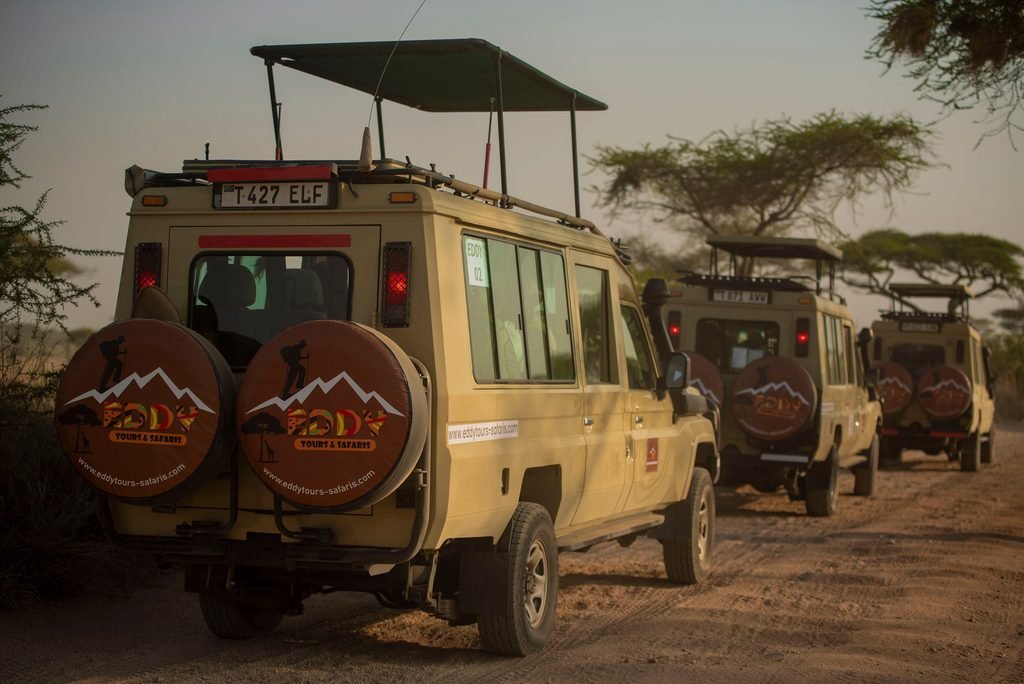
A Tanzania wildlife safari is about much more than spotting lions, elephants, and giraffes. It provides an opportunity to understand animal behaviour, observe the relationship between wildlife and the environment, and appreciate the conservation efforts that protect these remarkable ecosystems. Whether you are interested in witnessing the Great Wildebeest Migration, searching for the Big Five, photographing predators, or watching elephants gather around a river, Tanzania offers excellent opportunities throughout the year. At Eddy Tours & Safaris, we help travellers plan wildlife safaris that match their interests, available time, and preferred level of comfort.
Why Tanzania Is One of the Best Countries for Wildlife Safaris
Tanzania is home to some of Africa’s most important protected wildlife areas, including national parks, conservation areas, and game reserves. These protected landscapes support large populations of mammals, birds, reptiles, and other wildlife species. The country’s varied geography includes grasslands, forests, wetlands, lakes, rivers, volcanic highlands, and mountain ecosystems, allowing different animal species to thrive in different environments. This variety means that visitors can explore several habitats without leaving Tanzania, making the country particularly attractive for travellers who want a complete African wildlife experience.
One of Tanzania’s greatest advantages is the opportunity to observe wildlife living freely in extensive natural habitats. The Serengeti ecosystem supports the annual movement of enormous herds of wildebeest and zebra, while Tarangire attracts elephants and other animals to its permanent water sources during the dry season. Ngorongoro Crater offers concentrated wildlife viewing within a volcanic caldera, and southern destinations such as Ruaha and Nyerere provide a quieter safari experience in remote wilderness areas. These differences make Tanzania suitable for both short wildlife holidays and longer journeys covering several national parks.
Another reason to choose Tanzania is the availability of experienced local safari guides who understand wildlife behaviour, seasonal animal movements, and the conditions within each national park. A knowledgeable guide can explain animal tracks, identify bird species, and help visitors understand why animals gather in particular areas. Travellers interested in planning a private or group safari can explore options through Eddy Tours & Safaris, while official information about protected areas is available from the Tanzania National Parks Authority.

1. Serengeti National Park – Best for the Great Migration and Big Cats
Serengeti National Park is Tanzania’s most internationally recognised wildlife destination and one of the finest places in Africa for traditional game drives. Its extensive grasslands, scattered acacia trees, rocky outcrops, and river systems support an extraordinary variety of animals. The park is particularly well known for lions, leopards, cheetahs, elephants, buffaloes, giraffes, hyenas, zebras, and wildebeest. Visitors exploring the central Serengeti frequently encounter resident wildlife throughout the year, while the northern, western, and southern areas provide different wildlife experiences depending on seasonal rainfall and animal movements.
The Great Wildebeest Migration is one of the Serengeti’s main attractions. Large herds of wildebeest, accompanied by zebras and gazelles, move through the wider Serengeti-Mara ecosystem in search of fresh grazing and water. During the early months of the year, many wildebeest gather on the southern plains for the calving season. As the seasons change, the herds move towards the western and northern regions, where river crossings may occur. These movements are influenced by rainfall, so exact locations and crossing dates cannot be guaranteed. Travellers planning a migration safari should select their travel period carefully and allow enough time for wildlife viewing.
The Serengeti is also an excellent destination for travellers interested in predators. Lions are regularly observed resting beneath trees, moving through grasslands, or hunting prey. Cheetahs are often found in open areas where visibility helps them locate potential prey, while leopards are commonly associated with trees and riverine vegetation. The Seronera region is particularly popular for big-cat sightings, although wildlife encounters depend on natural animal movements. Visitors can combine the Serengeti with Ngorongoro and Tarangire through a Tanzania wildlife safari arranged by Eddy Tours & Safaris.
Best time to visit: June to October generally offers favourable dry-season game viewing, while January to March is an important period for calving activity in the southern Serengeti ecosystem. Wildlife viewing remains possible throughout the year.

2. Ngorongoro Crater – Best for Seeing the Big Five
Ngorongoro Crater is one of Tanzania’s most remarkable wildlife destinations and a major highlight of the Northern Safari Circuit. Located within the Ngorongoro Conservation Area, the crater was formed through the collapse of a large volcano millions of years ago. Today, its floor contains grasslands, swamps, woodland, freshwater springs, and a soda lake, creating suitable habitats for many wildlife species. The surrounding crater walls provide a dramatic backdrop for game drives, making Ngorongoro particularly appealing to travellers who want excellent wildlife viewing combined with impressive natural scenery.
The crater is well known for its resident populations of lions, buffaloes, elephants, zebras, wildebeest, hyenas, and several antelope species. It is also one of the better places in Tanzania to search for the endangered black rhinoceros, although sightings are never guaranteed. Large male elephants are sometimes seen moving through the crater’s woodland areas, while hippos occupy permanent water sources. Leopards may occur in the wider conservation area, but they are difficult to spot, and giraffes are generally not found on the crater floor. For this reason, travellers should not assume that all members of the Big Five will be seen during a single visit.
Ngorongoro is especially suitable for visitors with limited safari time because wildlife can often be observed within a relatively compact area. A typical crater excursion begins with a descent from the rim, followed by several hours of game viewing across different habitats. The crater can be included in shorter itineraries or combined with several days in the Serengeti. Travellers can find additional destination and safari planning information through Eddy Tours & Safaris and the official Ngorongoro Conservation Area Authority.
Best time to visit: Ngorongoro offers wildlife viewing throughout the year. June to October often provides easier viewing in drier conditions, while the green season offers attractive scenery and birdwatching opportunities.
3. Tarangire National Park – Best for Elephants and Baobab Trees
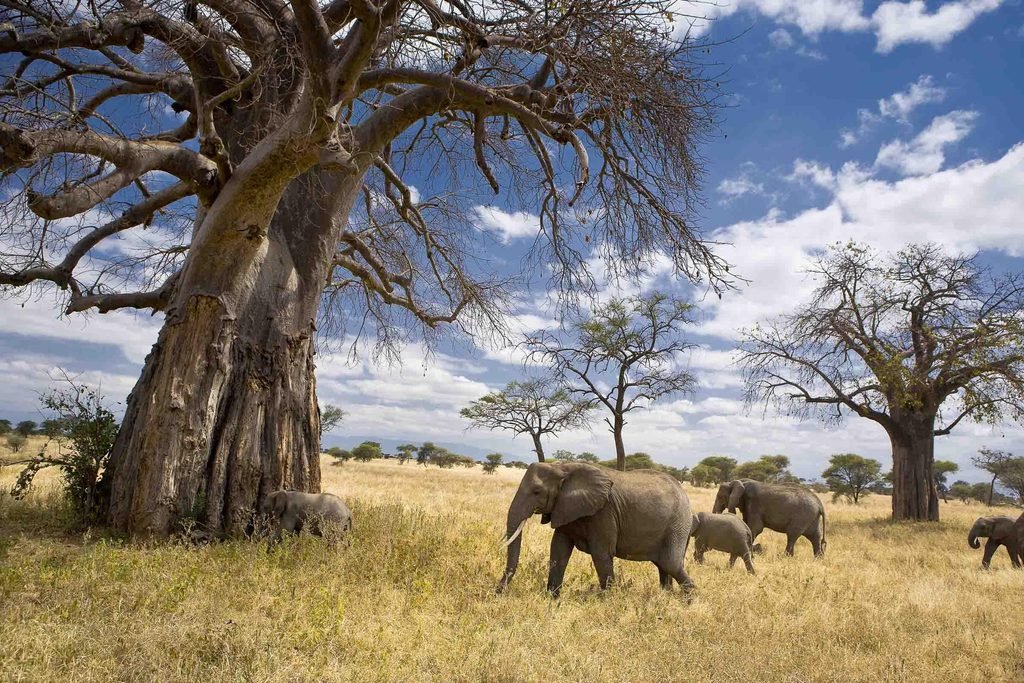
Tarangire National Park is one of the most rewarding wildlife destinations in northern Tanzania, particularly for travellers interested in elephants. The park is famous for its ancient baobab trees, seasonal wetlands, open savannah, and the Tarangire River, which provides an important source of water during the dry season. As surrounding areas become drier, elephants, zebras, wildebeest, buffaloes, giraffes, and several antelope species move towards the river and other remaining water sources. This seasonal concentration of wildlife makes Tarangire especially attractive between June and October.
Elephants are one of the park’s main attractions, and visitors may encounter family groups feeding, drinking, bathing, or moving across the landscape. Watching the social behaviour of elephants can be one of the most interesting parts of a Tarangire safari, particularly when young calves are present. Lions, leopards, hyenas, and other predators also inhabit the park, while the combination of woodland, grassland, and wetlands supports an impressive variety of birds. The large baobab trees provide excellent photographic opportunities and give Tarangire a distinctive appearance compared with the open plains of the Serengeti.
Tarangire is often included at the beginning or end of a Northern Circuit safari because it can be reached by road from Arusha. Travellers with limited time can visit the park on a day trip, although spending a night nearby allows more time for game drives. A visit to Tarangire can also be combined with Lake Manyara, Ngorongoro, and Serengeti National Park for a more complete wildlife holiday. For travellers planning a Tanzania safari from Arusha, Tarangire is an excellent destination to consider.
Best time to visit: June to October is generally the strongest period for viewing large concentrations of wildlife, particularly elephants. The wet season brings greener landscapes and excellent birdwatching.
4. Lake Manyara National Park – Best for Birdwatching and Forest Wildlife
Lake Manyara National Park is a scenic wildlife destination situated beneath the Great Rift Valley escarpment in northern Tanzania. Although smaller than the Serengeti and Tarangire, the park contains several distinct habitats, including groundwater forest, open grassland, woodland, wetlands, and the alkaline Lake Manyara. These different environments support a wide variety of animals and birds, making the park particularly interesting for travellers who enjoy observing wildlife in changing landscapes.
Lake Manyara is known for its elephants, baboons, vervet monkeys, giraffes, buffaloes, hippos, and numerous bird species. Large troops of baboons are commonly encountered near the forested entrance, while elephants may be seen moving through woodland or feeding in more open areas. The park is also associated with tree-climbing lions, although these animals are not regularly seen on every game drive. Flamingos and other waterbirds may gather along the lake depending on water levels, food availability, and seasonal conditions. Birdwatchers can also look for pelicans, storks, herons, kingfishers, and birds of prey.
The park is conveniently located along the Northern Safari Circuit, making it possible to combine a visit with Tarangire or Ngorongoro. It is a good option for travellers who prefer a varied landscape rather than concentrating exclusively on large mammals. Lake Manyara can be visited during a short safari from Arusha or included in a longer itinerary arranged through Eddy Tours & Safaris.
Best time to visit: Wildlife can be seen throughout the year, with the dry season generally offering easier game viewing and the wetter months providing attractive vegetation and birdwatching conditions.
5. Nyerere National Park – Best for Boat Safaris and Remote Wilderness
Nyerere National Park is one of Tanzania’s major wildlife destinations in the southern part of the country. The park forms part of the wider Selous ecosystem and is characterised by extensive woodlands, rivers, lakes, grasslands, and wetlands. Unlike the busier northern safari destinations, Nyerere offers visitors the opportunity to explore a large wilderness area with relatively low tourism pressure in many sections. It is especially attractive to travellers looking for a safari experience that combines traditional game drives with activities on the water.
The Rufiji River system is one of the most important features of Nyerere, supporting hippos, crocodiles, waterbirds, and other animals that depend on its waters. Boat safaris in permitted areas provide a different perspective from vehicle-based wildlife viewing, allowing visitors to observe animals along the riverbanks and appreciate the surrounding wetland environment. The park also supports elephants, buffaloes, giraffes, lions, antelope species, and African wild dogs, although sightings vary depending on location, season, and the time spent exploring.
Nyerere is particularly suitable for travellers beginning their holiday in Dar es Salaam or Zanzibar, as some safari areas can be reached by domestic flights. Road access is also possible, depending on the chosen route and accommodation. Visitors planning a southern Tanzania safari should consider the distance between destinations and the seasonal accessibility of different areas. Information about national park regulations and approved activities can be obtained from the Tanzania National Parks Authority.
Best time to visit: June to October generally provides favourable dry-season wildlife viewing, while the wetter months may affect road access and some safari activities.
6. Ruaha National Park – Best for Predators and Less-Crowded Safaris
Ruaha National Park is one of Tanzania’s most important wildlife areas and an excellent destination for visitors who want to explore a large, relatively remote landscape. The park is known for its rugged terrain, rocky hills, baobab trees, open plains, and river systems. Its varied habitats support large mammals and numerous bird species, while the Great Ruaha River and its associated drainage systems play an important role in wildlife movements, particularly during the dry season.
Ruaha is especially attractive to travellers interested in predators. Lions are a major feature of the park, and visitors may also encounter leopards, cheetahs, spotted hyenas, and African wild dogs. Elephants, buffaloes, giraffes, zebras, and different antelope species inhabit the area, although their distribution changes with rainfall and water availability. The park’s extensive landscapes and comparatively low visitor numbers make it suitable for photographers and travellers who prefer spending longer periods observing wildlife without the activity found in some of the more popular northern destinations.
Ruaha is commonly reached by domestic flight or by road through southern Tanzania. It can be combined with Nyerere or Mikumi National Park, although travel distances and flight schedules should be considered when preparing an itinerary. Visitors looking for a quieter wildlife experience may find Ruaha particularly rewarding, especially when they allow several days to explore different parts of the park.
Best time to visit: June to October is generally the preferred period for game viewing, as animals increasingly concentrate around available water sources.
7. Katavi National Park – Best for Remote Wildlife Encounters
Katavi National Park is one of Tanzania’s more remote safari destinations, located in the western part of the country. The park is known for its broad floodplains, seasonal lakes, woodland, and river systems, which support substantial wildlife populations. Because of its remote location and limited tourism infrastructure, Katavi receives considerably fewer visitors than the major northern parks. This makes it an appealing destination for experienced safari travellers who are interested in exploring a less-developed wilderness area.
During the dry season, water becomes increasingly limited, and large numbers of animals may gather around remaining pools, rivers, and wetlands. Buffaloes, hippos, crocodiles, elephants, lions, giraffes, and various antelope species are among the animals that can be observed. Hippos are particularly notable in some of the remaining water pools, while large buffalo herds may attract predators. These seasonal wildlife concentrations can create excellent viewing opportunities, although conditions vary from year to year.
Travelling to Katavi requires more planning than visiting the Northern Circuit, and domestic flights are often the most practical option for international visitors. Accommodation choices are relatively limited, and travellers should confirm seasonal camp operations and transport arrangements before booking. Katavi is most suitable for visitors who have already experienced the better-known safari parks and want to discover another side of Tanzania’s wildlife heritage.
Best time to visit: July to October generally provides the most favourable conditions for observing wildlife concentrated around shrinking water sources.
8. Arusha National Park – Best for Walking Safaris and Short Wildlife Trips
Arusha National Park is situated close to Arusha town and is one of the most accessible protected wildlife areas in northern Tanzania. The park contains several distinctive natural features, including Mount Meru, the Momella Lakes, forested slopes, grasslands, and the Ngurdoto Crater. Although it does not have the same concentration of large predators as Serengeti or Ngorongoro, it offers an enjoyable introduction to Tanzania’s wildlife and natural scenery.
Visitors to Arusha National Park may encounter giraffes, buffaloes, zebras, warthogs, bushbucks, waterbucks, and several monkey species. Black-and-white colobus monkeys are among the park’s notable forest animals, while the Momella Lakes attract various waterbirds. Guided walking safaris, where permitted and accompanied by authorised park personnel, allow visitors to experience the landscape from a different perspective. Mount Meru also provides an impressive backdrop, and clear conditions may offer views towards Mount Kilimanjaro.
Arusha National Park is particularly suitable for visitors who have a spare day before or after a longer safari or mountain-climbing holiday. Travellers preparing to climb Kilimanjaro can explore additional mountain travel information through Kilimanjaro Climb Specialist, while those interested in combining wildlife viewing with a longer Tanzania holiday can contact Eddy Tours & Safaris for itinerary planning.
Best time to visit: The park can be visited throughout the year, although drier periods generally provide more comfortable walking conditions and clearer mountain views.
9. Mahale Mountains National Park – Best for Chimpanzee Trekking
Mahale Mountains National Park offers a completely different wildlife experience from Tanzania’s traditional savannah safari destinations. Located along the eastern shore of Lake Tanganyika in western Tanzania, the park is characterised by forested mountains, steep valleys, and beautiful lakeside scenery. It is particularly famous for its wild chimpanzees, making it an important destination for travellers interested in primates and forest ecosystems.
Chimpanzee trekking is the main attraction in Mahale, with guided excursions taking visitors into the forest to search for habituated chimpanzee groups. Watching chimpanzees interact, feed, groom, and move through their natural habitat can provide valuable insight into the behaviour of one of humanity’s closest living relatives. Trekking conditions depend on the season and the location of the chimpanzees, and sightings cannot be guaranteed. Visitors should also be prepared for walking on uneven and sometimes steep forest trails.
Because of its remote location, Mahale generally requires a carefully arranged journey involving flights and boat transfers. It is particularly suitable for travellers who want to combine wildlife observation with forest trekking and time beside Lake Tanganyika. Mahale can also be combined with Katavi National Park for a western Tanzania safari that offers both savannah wildlife and primate encounters.
Best time to visit: The drier months, particularly June to October, are generally favourable for chimpanzee trekking, although chimpanzees inhabit the park throughout the year.
What Animals Can You See on a Tanzania Wildlife Safari?
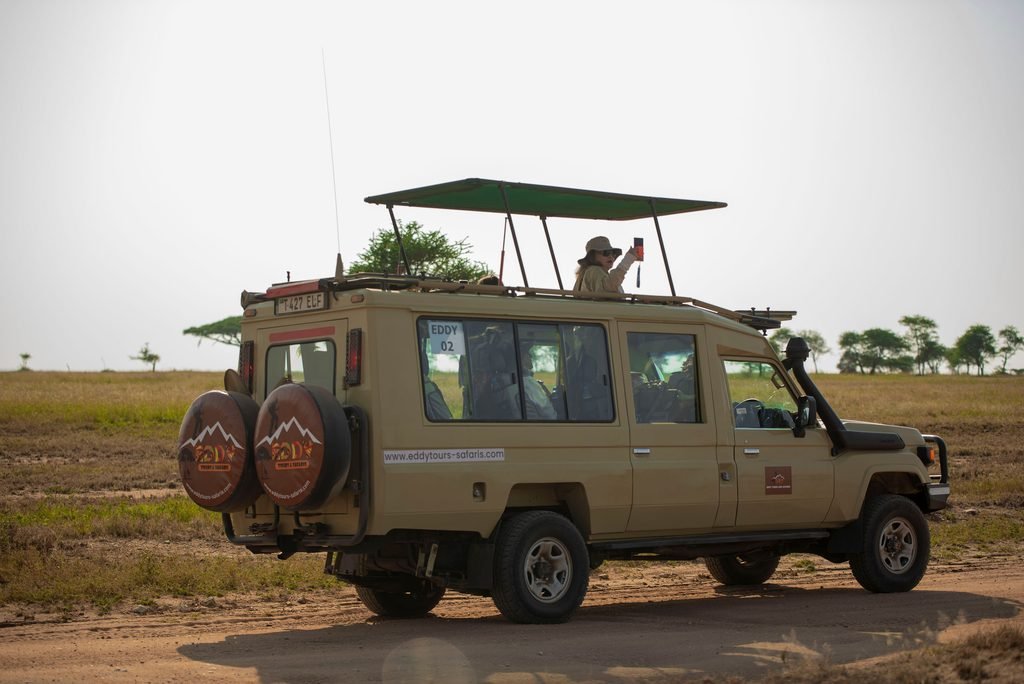
Tanzania supports an impressive range of wildlife species, and the animals visitors encounter depend largely on the national parks included in their itinerary. Large mammals such as elephants, giraffes, buffaloes, zebras, wildebeest, hippos, and different antelope species are found in several major safari destinations. Predators include lions, leopards, cheetahs, spotted hyenas, and African wild dogs, while smaller mammals, reptiles, and numerous bird species add further interest to game drives. A safari covering several parks provides opportunities to observe different habitats and animal communities rather than concentrating on a single type of wildlife.
The Big Five Animals in Tanzania
The Big Five consist of the lion, leopard, elephant, African buffalo, and rhinoceros. The term originated during the era of big-game hunting, when these animals were considered particularly difficult and dangerous to hunt on foot. Today, the Big Five are among the most sought-after animals for wildlife photography and observation. Tanzania offers opportunities to see all five species, although rhinoceroses are much less commonly encountered than elephants, buffaloes, and lions. Ngorongoro Crater is one of the better-known locations for searching for black rhinos, while Serengeti National Park is particularly rewarding for lions and leopards.
Other Wildlife Worth Looking For
Beyond the Big Five, Tanzania offers excellent opportunities to observe cheetahs, giraffes, zebras, wildebeest, hippos, crocodiles, warthogs, baboons, monkeys, and a wide variety of antelopes. Birdwatchers can look for ostriches, secretary birds, eagles, vultures, hornbills, storks, flamingos, and numerous smaller species. The diversity of wildlife means that even when a particular animal is difficult to locate, visitors can still enjoy interesting encounters throughout their safari.
Best Time to Visit Tanzania for a Wildlife Safari
Tanzania offers wildlife viewing throughout the year, but the most suitable travel period depends on the destinations and experiences visitors are interested in. The dry season, generally from June to October, is popular because vegetation becomes less dense and many animals gather near permanent water sources. These conditions can make wildlife easier to locate, particularly in Tarangire, Ruaha, Katavi, and other parks where seasonal water availability strongly influences animal movements. The dry season also generally provides favourable road conditions, although popular parks can become busy during peak travel months.
The wetter months bring green landscapes, seasonal flowers, and excellent opportunities for birdwatching. From approximately January to March, the southern Serengeti ecosystem is an important area for wildebeest calving, while migratory birds can be present in several parks. The long rains generally occur between March and May, although the timing and intensity of rainfall vary by location and year. Travellers visiting during this period should consider road conditions and accommodation availability, especially in remote parks. For more detailed safari planning, visitors can consult Eddy Tours & Safaris and official park information from Tanzania National Parks.
How Many Days Do You Need for a Tanzania Wildlife Safari?
The ideal safari duration depends on the number of parks travellers want to visit, the distance between destinations, and the amount of time they prefer to spend on game drives. A two- or three-day safari can provide a rewarding introduction to Tanzania’s wildlife, particularly when visiting Tarangire and Ngorongoro from Arusha. However, travellers hoping to explore the Serengeti should consider the additional driving time required to reach the park and move between different wildlife areas.
A four- or five-day safari allows visitors to combine several Northern Circuit destinations, while six to eight days generally provides a more comfortable opportunity to explore Tarangire, Ngorongoro, and Serengeti National Park. Longer safaris can include additional destinations or allow more time for wildlife photography and relaxed game drives. Travellers interested in southern or western Tanzania may need extra days because of flight schedules and the distances involved. At Eddy Tours & Safaris, safari itineraries can be planned around available travel dates, preferred accommodation, and wildlife interests.
Tanzania Wildlife Safari: Private Tours or Group Safaris?
Private safaris are a popular choice for couples, families, photographers, and travellers who prefer a flexible schedule. With a private safari vehicle and guide, visitors can generally spend more time at wildlife sightings, adjust their daily pace, and select accommodation that suits their preferences. Private safaris can also be designed around particular interests, such as big-cat photography, birdwatching, family travel, or the Great Migration. Although private tours may cost more for solo travellers or couples, they can offer good value for families and small groups sharing the same vehicle.
Group safaris are another option, particularly for travellers who want to share transport costs and meet other visitors. These tours generally follow a fixed itinerary, with accommodation and departure dates arranged in advance. Group safaris can be suitable for budget-conscious travellers who are comfortable sharing a vehicle and following a common schedule. Both private and group safaris can provide excellent wildlife experiences when the itinerary allows sufficient time in each destination and is organised by experienced local guides.
Combining a Tanzania Wildlife Safari with Kilimanjaro or Zanzibar
Many international visitors choose to combine a Tanzania wildlife safari with other activities, particularly Mount Kilimanjaro climbing or a beach holiday in Zanzibar. This combination allows travellers to experience several different aspects of Tanzania during one journey. For example, visitors may begin with a Kilimanjaro climb, spend several days exploring Serengeti and Ngorongoro, and finish their holiday relaxing on Zanzibar’s beaches.
Mount Kilimanjaro attracts trekkers from around the world, with routes such as Machame, Lemosho, Marangu, Rongai, and the Northern Circuit offering different climbing experiences. Travellers considering a mountain expedition can find climbing information and route planning guidance through Kilimanjaro Climb Specialist. It is important to allow enough time for acclimatisation during the climb and suitable rest periods when combining trekking with a safari.
Zanzibar provides another attractive extension, especially for couples, honeymooners, and families. Its beaches, historical sites, spice farms, and coastal culture offer a contrast to the wildlife areas of mainland Tanzania. A combined safari and beach holiday can be arranged with domestic flights connecting major tourism destinations, depending on the selected itinerary and available services.
Important Tips for Planning the Best Tanzania Wildlife Safari
Planning a successful wildlife safari begins with choosing destinations that match your interests rather than simply visiting as many parks as possible. Travellers who want to see the Great Migration should focus on the Serengeti and consider the seasonal movements of the herds. Those interested in elephants may prefer Tarangire, while visitors hoping to observe black rhinos should consider Ngorongoro. Travellers looking for remote wilderness can explore Ruaha, Nyerere, or Katavi. Spending adequate time in each destination often provides a better experience than rushing between several parks.
Accommodation selection is another important part of safari planning. Tanzania offers budget camping, tented camps, mid-range lodges, and luxury safari properties, with different facilities and levels of comfort. Some accommodation is located inside protected areas, while other properties are situated near park boundaries or in surrounding towns. Travellers should consider the distance between their accommodation and planned game-drive areas, as longer transfers may reduce time available for wildlife viewing. Safari prices also depend on the number of travellers, park fees, vehicle arrangements, accommodation standards, and travel season.
Visitors should pack comfortable clothing in neutral colours, suitable walking shoes, sun protection, a hat, and a light jacket for cooler mornings and evenings. Binoculars and cameras are useful for observing wildlife from a distance, while a reusable water bottle and personal medication should also be included. During game drives, visitors should follow their guide’s instructions, remain inside vehicles except in authorised areas, avoid feeding wildlife, and respect park regulations. These precautions help protect both visitors and animals while supporting responsible tourism.
Why Choose Eddy Tours & Safaris for Your Tanzania Wildlife Safari?
Choosing a knowledgeable local safari company can make a considerable difference when planning a wildlife holiday in Tanzania. At Eddy Tours & Safaris, based in Arusha, we understand the importance of selecting suitable destinations, organising practical travel routes, and allowing enough time for wildlife viewing. Our safari planning focuses on helping visitors explore Tanzania according to their interests, whether they are travelling for a short holiday, a family adventure, a photographic safari, or a longer journey through several national parks.
We offer safari planning assistance for travellers interested in the Serengeti, Ngorongoro Crater, Tarangire, Lake Manyara, and other destinations across Tanzania. Our itineraries can be arranged around different accommodation preferences, travel durations, and budgets. We also help travellers consider the best time to visit particular wildlife areas, taking into account seasonal conditions and the types of animals they hope to observe. Wildlife sightings can never be guaranteed, but careful itinerary planning can improve the overall safari experience.
Visitors interested in exploring Tanzania can contact Eddy Tours & Safaris to discuss available safari options, request a personalised itinerary, or combine wildlife viewing with a Kilimanjaro climbing adventure or Zanzibar beach holiday.
Frequently Asked Questions About Tanzania Wildlife Safaris
Which national park is best for a wildlife safari in Tanzania?
Serengeti National Park is often considered the leading destination for a classic Tanzania wildlife safari because of its extensive grasslands, resident predators, and the Great Wildebeest Migration. However, the best park depends on individual interests. Ngorongoro Crater is excellent for concentrated wildlife viewing, Tarangire is particularly rewarding for elephants, and Ruaha is suitable for travellers interested in predators and less-crowded landscapes. Combining several parks generally provides a broader experience than visiting only one destination.
Can you see the Big Five on a Tanzania safari?
Yes, Tanzania is home to all five members of the Big Five: lions, leopards, elephants, buffaloes, and rhinoceroses. However, sightings depend on the destinations visited, seasonal conditions, and natural animal movements. Lions, elephants, and buffaloes are relatively common in several parks, while leopards can be difficult to locate and black rhinos are much rarer. Ngorongoro Crater and Serengeti National Park are important destinations for travellers hoping to see several members of the Big Five.
Is Tanzania good for a first African safari?
Tanzania is an excellent choice for a first African safari because it offers well-established tourism routes, experienced safari guides, and several major wildlife destinations that can be combined within one itinerary. The Northern Safari Circuit is particularly suitable for first-time visitors, with Tarangire, Ngorongoro, Lake Manyara, and Serengeti offering different habitats and wildlife experiences. Travellers can choose between budget camping, mid-range lodges, and luxury accommodation depending on their preferences and available budget.
What is the best month to see wildlife in Tanzania?
There is no single best month for every wildlife experience in Tanzania. July, August, September, and October are popular for dry-season game viewing, while January and February are important months for wildebeest calving in the southern Serengeti ecosystem. Tarangire is particularly rewarding during the dry season, when many animals gather around the Tarangire River. Travellers interested in specific wildlife events should select their destinations and dates according to seasonal patterns rather than relying on one general recommendation.
How much does a Tanzania wildlife safari cost?
The cost of a Tanzania wildlife safari depends on the duration, number of travellers, accommodation category, national parks visited, and whether the trip is private or shared. Budget camping safaris are generally more affordable than luxury lodge itineraries, while longer trips and domestic flights can increase the total cost. Travellers should request a detailed quotation showing accommodation, transport, park fees, meals, and any optional activities before confirming their booking. Eddy Tours & Safaris can help prepare an itinerary based on the traveller’s preferred budget and destinations.
Is it better to visit Serengeti or Ngorongoro Crater?
Both destinations offer excellent wildlife viewing, but they provide different experiences. Serengeti National Park is much larger and is particularly suitable for extended game drives, predator sightings, and seasonal migration viewing. Ngorongoro Crater offers a more concentrated wildlife experience within a spectacular volcanic landscape and is often visited during a single full-day excursion. Travellers with enough time are encouraged to include both destinations because they complement each other and offer different opportunities for wildlife observation.
Plan Your Tanzania Wildlife Safari with Eddy Tours & Safaris
Tanzania’s national parks offer some of the most rewarding wildlife experiences in Africa, from the migrating wildebeest herds of the Serengeti to the elephant populations of Tarangire, the wildlife-rich Ngorongoro Crater, and the remote landscapes of Ruaha and Nyerere. Each destination has something different to offer, and choosing the right combination of parks can help travellers make the most of their time in the country. Whether you are planning your first safari or returning to explore new wildlife areas, Tanzania provides opportunities for memorable animal encounters throughout the year.
At Eddy Tours & Safaris, we help travellers organise Tanzania wildlife safaris that suit their interests, travel dates, and budgets. Our team can assist with planning private safaris, family holidays, group tours, and combined safari, Kilimanjaro, and Zanzibar itineraries. Visit www.eddytours-safaris.com or email sales@eddytours-safaris.com to discuss your travel plans and request a personalised Tanzania safari quotation.