
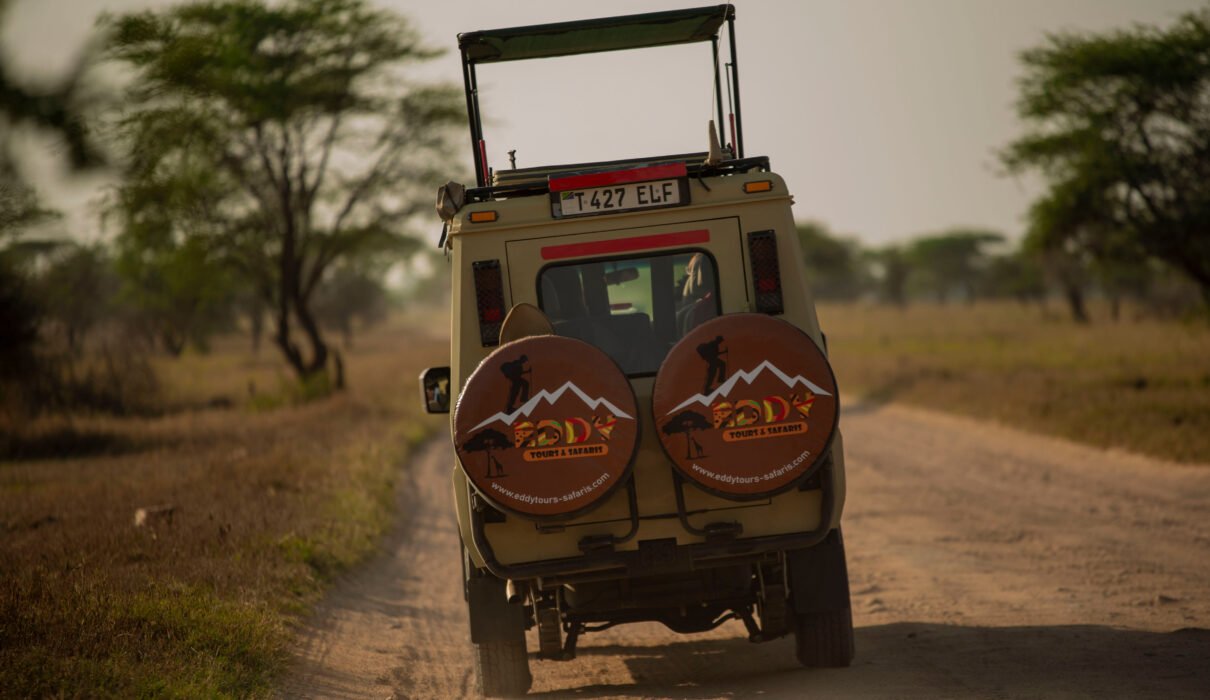
Best Time of Year for a Safari in Tanzania is the single most important question for travelers who want real wildlife encounters, comfortable travel conditions and meaningful experiences inside protected areas. The truth is simple but often misunderstood: there is no single perfect month for everyone, because animal movements, rainfall patterns and ecosystem health change across different regions of the country and directly influence what you will see, how you move, and how relaxed your safari will feel.
This guide explains the best safari timing using climate science, wildlife research and conservation data instead of sales promises. It is written for travelers who want to understand nature properly and choose their journey wisely. When you plan with experienced local specialists such as Eddy Tours & Safaris, this knowledge helps you match your travel goals with real conditions on the ground.
Best Time of Year for a Safari in Tanzania and seasonal wildlife behavior
Understanding the Best Time of Year for a Safari in Tanzania begins with how animals respond to rainfall, grass growth and water availability. Ecological research published by the Wildlife Conservation Society and long-term field studies coordinated by the African Wildlife Foundation show that large herbivores and their predators follow shifting food resources rather than calendar dates.
Scientific conservation planning supported by the International Union for Conservation of Nature confirms that animal concentrations increase naturally in areas where water remains available for longer periods. This is why experienced guides focus on ecosystem dynamics instead of simply advertising one popular season for all travelers.
Best Time of Year for a Safari in Tanzania and climate patterns
Climate plays a decisive role in defining the Best Time of Year for a Safari in Tanzania. Climate monitoring from NASA Climate and global assessments by the Intergovernmental Panel on Climate Change show that East African rainfall is influenced by ocean temperatures, regional wind systems and long-term climate variability.
Environmental data compiled by the United Nations Environment Programme explains how rainfall affects vegetation cycles and temporary water points across national parks. These changes directly influence animal movement patterns and road accessibility, both of which shape the overall safari experience.
Best Time of Year for a Safari in Tanzania during greener months
Many travelers underestimate the value of the greener season when asking about the Best Time of Year for a Safari in Tanzania. Ecological research published through the Nature Research journals shows that plant growth increases nutritional value for herbivores, leading to improved body condition and higher breeding activity.
Bird migration and breeding data provided by BirdLife International also confirms that these months offer exceptional opportunities for birdwatching and photography. Lush landscapes, fewer visitors and softer light conditions create a calmer safari environment that many experienced travelers prefer.
Best Time of Year for a Safari in Tanzania during drier months
For visitors focused on classic big-game viewing, the Best Time of Year for a Safari in Tanzania is often associated with drier conditions. Research published through the ScienceDirect research platform demonstrates that wildlife concentrates naturally near permanent rivers and waterholes when temporary pools disappear.
Long-term wildlife monitoring coordinated by World Wide Fund for Nature confirms that predator visibility improves significantly when vegetation becomes thinner and animals must travel further to access water. This creates stronger photographic opportunities and easier tracking for guides.
Best Time of Year for a Safari in Tanzania and the great wildebeest movement
One of the strongest reasons people research the Best Time of Year for a Safari in Tanzania is the large-scale movement of wildebeest and other grazing species across northern ecosystems. Research on large mammal migration published by the Smithsonian Institution highlights how rainfall and grass regeneration drive these movements rather than fixed schedules.
Conservation work by Panthera and ecosystem connectivity research supported by African Parks shows that protecting migration corridors is essential for the survival of predators and prey. Travelers who understand this dynamic gain more realistic expectations and enjoy sightings without unnecessary pressure.
Best Time of Year for a Safari in Tanzania for birdlife and biodiversity
The Best Time of Year for a Safari in Tanzania is not only about large mammals. Tanzania is one of Africa’s richest bird destinations. Global biodiversity data maintained by the Global Biodiversity Information Facility demonstrates how seasonal changes influence species distribution and habitat use.
Research supported by the Food and Agriculture Organization shows how agricultural landscapes surrounding parks also shape bird and insect populations, creating rich transitional zones that are often overlooked by typical safari planning.
Best Time of Year for a Safari in Tanzania and park infrastructure
Another overlooked factor in determining the Best Time of Year for a Safari in Tanzania is infrastructure access. Environmental impact assessments published by the United States Geological Survey show that soil moisture, erosion and river levels strongly affect road conditions inside protected areas.
Field logistics studies coordinated by the National Geographic Society confirm that route planning and flexible daily scheduling improve visitor safety and reduce ecosystem damage, especially during periods of higher rainfall.
Best Time of Year for a Safari in Tanzania and health comfort
Traveler comfort also influences how people define the Best Time of Year for a Safari in Tanzania. Public health research available through the PubMed medical database shows that humidity, heat exposure and dust levels influence fatigue, dehydration and respiratory comfort during outdoor activities.
Environmental health guidance from the World Health Organization emphasizes the importance of hydration and sun protection when traveling in warm and dry ecosystems. Good timing improves not only sightings but also physical well-being throughout the safari.
Best Time of Year for a Safari in Tanzania and conservation responsibility
Responsible tourism plays an important role in the Best Time of Year for a Safari in Tanzania. Conservation impact research by Conservation International shows that spreading visitation more evenly across seasons reduces pressure on fragile habitats and park infrastructure.
Community and ecosystem resilience studies published by Oxfam International also highlight how stable tourism income supports education, conservation and sustainable livelihoods in wildlife-dependent regions.
Best Time of Year for a Safari in Tanzania and professional trip design
In reality, the Best Time of Year for a Safari in Tanzania becomes meaningful only when it is combined with proper route selection and professional planning. Travelers who use tailored itineraries through custom Tanzania safari programs benefit from region-specific timing that matches wildlife patterns rather than general countrywide assumptions.
Local experts understand when certain parks perform better, how road access changes and which areas deliver the strongest ecological diversity at different moments of the year. This level of planning transforms a standard safari into a truly well-balanced experience.
Best Time of Year for a Safari in Tanzania for photographers
For photographers, the Best Time of Year for a Safari in Tanzania is closely linked to light conditions, dust levels and animal spacing. Visual ecology and animal behavior research published through Frontiers in Ecology and Evolution demonstrates how lighting and background vegetation strongly affect animal visibility and image composition.
Clear air, softer skies and lower grass often improve contrast and subject isolation. However, dramatic skies and vibrant landscapes during greener periods also produce powerful storytelling imagery for those willing to work with changing conditions.
Best Time of Year for a Safari in Tanzania for first-time visitors
For first-time travelers, the Best Time of Year for a Safari in Tanzania should balance wildlife reliability with comfort and smooth logistics. Visitors who choose structured planning through experienced operators such as local safari consultants receive honest advice about travel pace, driving distances and accommodation availability.
This guidance prevents unrealistic expectations and helps travelers focus on learning, observation and cultural connection rather than rushing from one location to another.
How to choose your personal best season
The real message behind the Best Time of Year for a Safari in Tanzania is that your personal goals matter more than global averages. Wildlife behavior, climate, photography needs, bird interest and comfort preferences all shape what “best” truly means for you.
Travelers who value thoughtful planning and conservation-friendly tourism often prefer working with specialists who understand both ecological science and real operational challenges on the ground. Carefully designed journeys with trusted Tanzanian safari professionals allow you to experience nature responsibly while enjoying reliable wildlife encounters and meaningful local connections.
Final guidance for planning your safari season
The Best Time of Year for a Safari in Tanzania is not a single answer written on a calendar. It is a combination of wildlife science, climate knowledge and personal travel priorities. By understanding how ecosystems change through the seasons, you make smarter decisions and avoid disappointment caused by unrealistic expectations.
If your goal is a relaxed, well-organized and nature-focused safari that supports conservation and local communities, choosing the right season together with experienced local planners offers the strongest foundation for a truly rewarding Tanzanian adventure.