
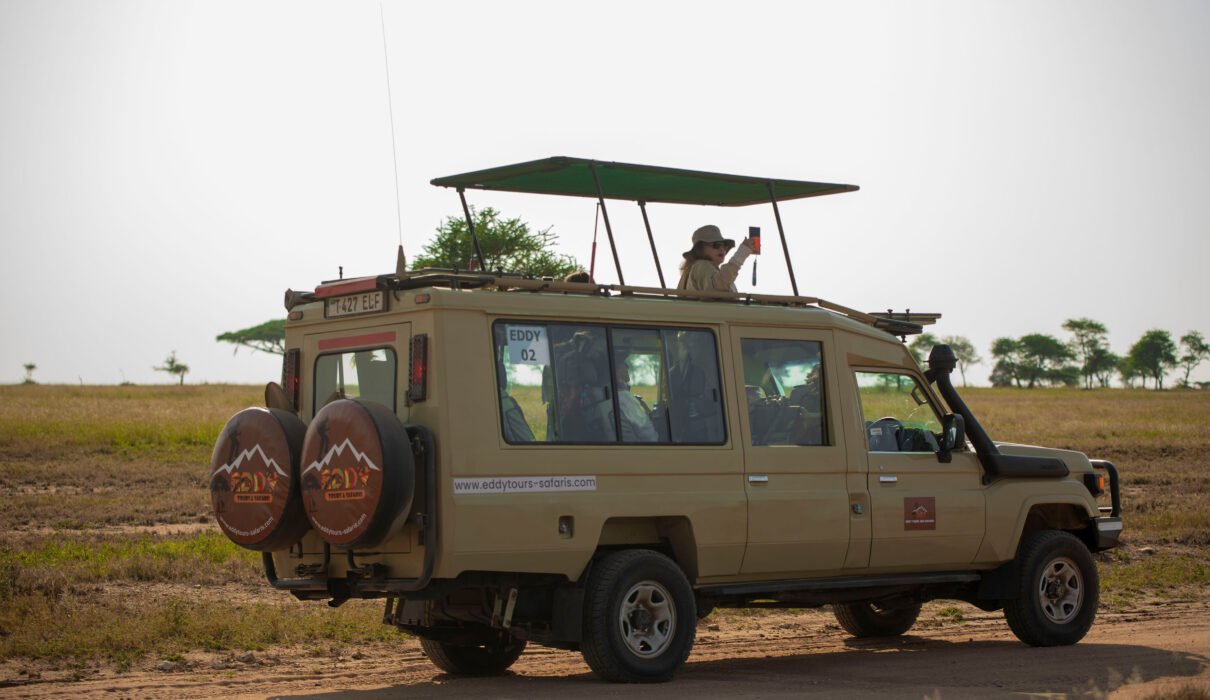
Best Time to Visit Kenya for Tours in Africa 2026, 2027 & 2028 is one of the most important topics for travelers planning an unforgettable African safari experience because timing can completely shape the quality of your wildlife viewing, weather conditions, photography opportunities, and overall travel comfort. Kenya is one of Africa’s most iconic safari destinations, known for its rich wildlife, dramatic landscapes, Maasai culture, and the world-famous Great Migration. However, the experience you get in Kenya changes significantly depending on the season you choose, which is why understanding the best travel periods is essential before booking your journey.
The Best Time to Visit Kenya for Tours in Africa depends largely on what type of safari experience you want to enjoy. Some travelers want dramatic river crossings during the Great Migration, others prefer fewer crowds and greener landscapes, while many visitors simply want pleasant weather and reliable wildlife sightings. Kenya offers all of these possibilities throughout different times of the year, making it a destination that can reward travelers in every season if expectations are matched correctly with travel timing.
According to Lonely Planet, Kenya remains one of the most complete safari destinations in Africa because it combines wildlife, culture, beaches, mountains, and conservation areas within a single country. From the endless savannahs of Maasai Mara to the elephant-rich landscapes of Amboseli and the remote beauty of Samburu, Kenya delivers an experience that feels both adventurous and deeply connected to nature. Travelers often compare East African safari experiences through African safari planning resources when deciding how to organize their journeys across the region.
One of the reasons the Best Time to Visit Kenya for Tours in Africa matters so much is because weather patterns directly affect wildlife movement. During dry months, animals gather near rivers and waterholes, making wildlife easier to spot. During rainy seasons, landscapes become greener, birdlife flourishes, and crowds reduce significantly. Conservation organizations like WWF and IUCN continue to emphasize East Africa’s ecological importance, particularly because seasonal wildlife movements remain essential to the survival of many species.
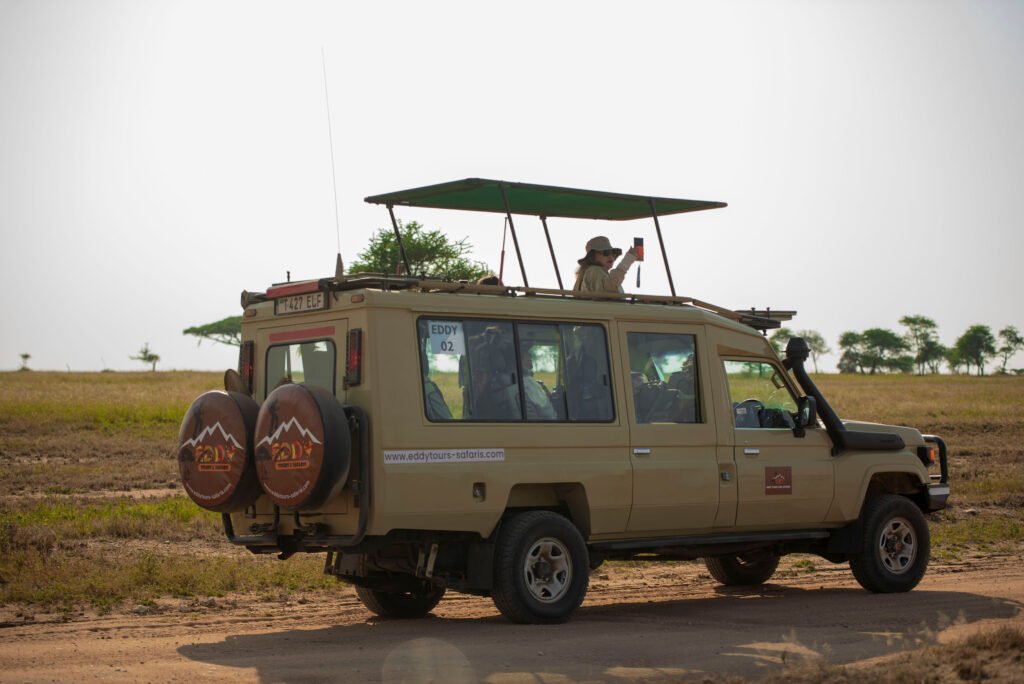
Package Overview – Best Time to Visit Kenya for Tours in Africa 2026, 2027 & 2028
The Best Time to Visit Kenya for Tours in Africa generally falls between June and October, which is considered the dry season and peak safari period. During these months, wildlife viewing becomes easier because vegetation is thinner and animals concentrate around water sources. The weather is also cooler and more comfortable for long game drives, especially in destinations such as Maasai Mara, Amboseli, Tsavo, and Lake Nakuru.
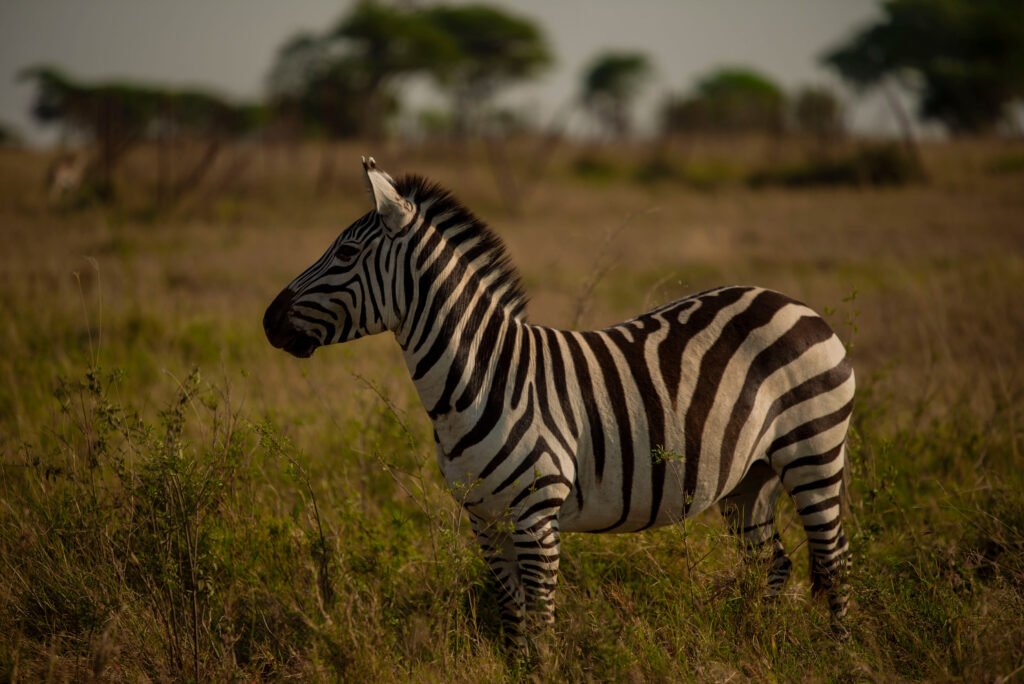
For travelers specifically interested in witnessing the Great Migration, July through September is often considered the highlight period. This is when millions of wildebeests and zebras move from Serengeti into Maasai Mara, creating one of the world’s greatest wildlife spectacles. Research highlighted by National Geographic consistently ranks the migration among the most extraordinary natural events on earth due to the scale of animal movement and predator interaction.
However, the dry season is not the only rewarding time to visit Kenya. January and February are also excellent months because they offer warm weather, good wildlife visibility, and fewer tourists compared to peak migration months. These months are particularly attractive for photographers because skies remain clear while landscapes still retain some green color from previous rains. Travelers exploring East African safari seasons often use regional safari guides to compare Tanzania and Kenya travel timing.
The long rainy season usually occurs between March and May, while short rains arrive around November. Although some travelers avoid these periods, they can still offer rewarding experiences for visitors seeking lower prices, greener scenery, and quieter parks. Bird enthusiasts especially appreciate these seasons because migratory birds arrive in large numbers. Scientific observations from Audubon Society and BirdLife International continue to show East Africa’s importance as a global bird migration corridor.
Detailed Itinerary ( Best Time to Visit Kenya for Tours in Africa )
Day 1: Arrival in Nairobi and Safari Preparation
The journey often begins in Nairobi, Kenya’s capital city, where travelers prepare for their safari adventure. Depending on the season, guides usually brief guests about weather conditions, wildlife movement, and recommended clothing. During dry months, lighter layers and dust protection become useful, while green seasons require waterproof jackets and flexible travel planning.
Nairobi itself offers several attractions worth visiting before safari departure, including museums, cultural centers, and wildlife conservation projects. Organizations like Sheldrick Wildlife Trust continue to play a major role in elephant conservation and rehabilitation efforts in Kenya.
Day 2: Maasai Mara Safari Experience
For many travelers researching the Best Time to Visit Kenya for Tours in Africa, Maasai Mara becomes the center of attention because it offers exceptional wildlife viewing throughout most of the year. During migration season, river crossings create dramatic scenes as wildebeests attempt to cross crocodile-filled rivers while predators wait nearby.
Even outside migration months, Maasai Mara remains excellent for big cat sightings and general game viewing. Reports from Africa Geographic continue to highlight Maasai Mara as one of Africa’s best predator ecosystems due to its healthy lion and cheetah populations.
Day 3: Amboseli National Park and Elephant Viewing
Amboseli becomes particularly rewarding during dry months when elephants gather around remaining water sources beneath the backdrop of Mount Kilimanjaro. The park’s open landscapes create excellent photography conditions and clear wildlife visibility. Conservation work by Save The Elephants has helped increase understanding of elephant behavior across East African ecosystems.
Travelers visiting during early mornings often experience clear views of Kilimanjaro before clouds begin forming later in the day. This combination of wildlife and scenery is one reason Amboseli continues to attract safari photographers from around the world.
Day 4: Lake Nakuru and Birdlife Exploration
Lake Nakuru offers a different safari atmosphere focused on birdlife, rhinos, and beautiful landscapes. Flamingos, pelicans, and migratory birds become especially active during certain seasons, making timing important for birdwatchers. Research shared by RSPB highlights East Africa’s significance for international bird migration routes.
The surrounding acacia woodlands also support giraffes, lions, and rhinos, providing a balanced wildlife experience beyond birdwatching alone. Travelers planning combined East African itineraries sometimes compare Kenya wildlife circuits through custom safari itineraries before finalizing their routes.
Day 5: Coastal Kenya and Relaxation
Many visitors extend their safari with Kenya’s Indian Ocean coastline, particularly around Diani Beach or Watamu. Coastal weather is generally warm year-round, though dry months provide the most comfortable beach conditions. The combination of safari and beach relaxation creates a balanced African holiday that appeals to honeymooners, families, and luxury travelers alike.
Marine conservation groups like Oceana and Conservation International continue to emphasize the ecological value of East Africa’s coastal ecosystems and coral reefs.
Inclusions ( Best Time to Visit Kenya for Tours in Africa )
- Private or shared safari game drives
- Professional safari guide services
- Accommodation during safari
- Park entry fees
- Meals according to itinerary
- Airport transfers
- Wildlife viewing activities
- Travel consultation and safari planning support
Exclusions ( Best Time to Visit Kenya for Tours in Africa )
- International flights
- Travel insurance
- Visa fees
- Tips and gratuities
- Alcoholic beverages
- Optional hot air balloon safaris
- Personal expenses
Pricing Range of the Package ( Best Time to Visit Kenya for Tours in Africa )
- Budget Safari: USD 1,500 – 2,500 per person
- Mid-Range Safari: USD 3,000 – 5,500 per person
- Luxury Safari: USD 6,000 – 12,000+ per person
- Peak migration season prices are usually higher between July and September
FAQ’S OF THE PACKAGE ( Best Time to Visit Kenya for Tours in Africa )
- What is the absolute best month to visit Kenya? July through September is considered peak safari season because of the Great Migration and dry weather.
- Can I visit Kenya during rainy season? Yes, rainy seasons offer greener landscapes, fewer crowds, and lower prices.
- When is the Great Migration in Kenya? Usually between July and October in Maasai Mara.
- Is Kenya safe for safari travel? Yes, organized safaris with professional operators are generally very safe.
- Can I combine Kenya with Tanzania? Absolutely. Many travelers combine both countries for a complete East African safari experience through combined safari tours.
Why Choose This Package ( Best Time to Visit Kenya for Tours in Africa )
Understanding the Best Time to Visit Kenya for Tours in Africa allows travelers to maximize both wildlife experiences and travel comfort while avoiding disappointments caused by poor timing expectations. Kenya is not a one-season destination; instead, every period offers unique strengths depending on what type of experience you want. Dry seasons provide easier wildlife viewing and migration activity, while green seasons create dramatic scenery, birdlife opportunities, and quieter safari environments.
Another important advantage of planning carefully is cost control. Peak migration months often bring higher accommodation rates and heavier demand, while shoulder seasons allow travelers to enjoy similar wildlife experiences at more affordable prices. Platforms like Travel + Leisure continue to recommend shoulder-season safaris for travelers seeking better balance between value and experience.
Kenya also stands out because it combines wildlife, culture, beaches, and mountain scenery within one destination. Whether you want dramatic predator action in Maasai Mara, elephant photography in Amboseli, flamingos at Lake Nakuru, or coastal relaxation after safari, Kenya provides remarkable variety within a relatively accessible travel network. Additional East African adventure planning can also be explored through Kilimanjaro Climb Specialist for travelers considering mountain trekking extensions.
The emotional impact of safari travel in Kenya often stays with visitors long after the journey ends. Watching wildlife move freely across open plains, hearing lions at night, and seeing sunrise over the savannah creates memories that feel timeless and deeply personal. Conservation experts from UNEP and WWF continue to emphasize the importance of sustainable safari tourism in protecting these ecosystems for future generations.
Book This Tour
If you are planning an unforgettable African safari for 2026, 2027, or 2028, understanding the Best Time to Visit Kenya for Tours in Africa is the first step toward building the perfect experience. Whether your dream is witnessing the Great Migration, photographing elephants beneath Kilimanjaro, or relaxing on Kenya’s tropical coastline after thrilling game drives, careful timing can transform your safari into something truly extraordinary.
You can begin planning your East African journey today through professional safari travel planning services while researching additional travel insights through Google. Kenya remains one of Africa’s greatest safari destinations, and the right season can make your experience even more unforgettable.