
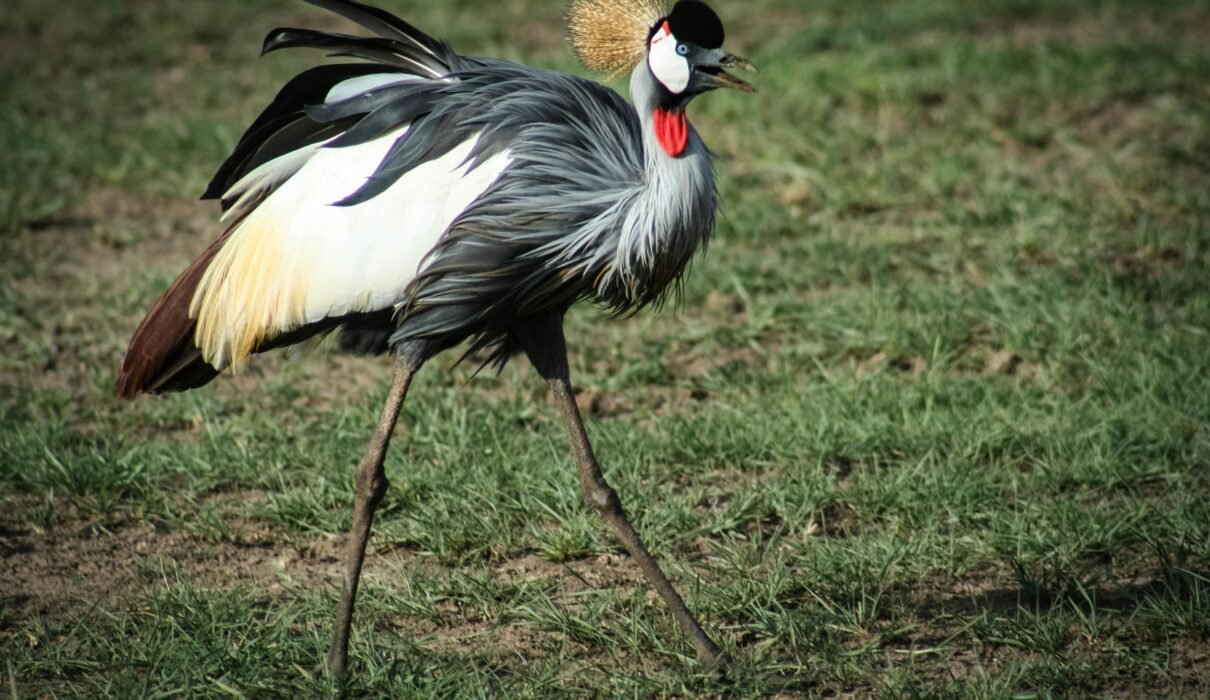
Birdwatching in Arusha, Kilimanjaro, Longido, and North Pare offers one of the most diverse and rewarding birding landscapes in northern Tanzania, where forest edges, volcanic highlands, open savannah and traditional farmlands meet to create exceptional habitat variety for both resident and migratory birds. This unique geographic corridor supports hundreds of species and gives bird lovers the chance to observe rare highland specialists, dry-country birds and seasonal migrants within a very compact and accessible region.
Unlike general wildlife safaris, birding here requires careful timing, strong field knowledge and respect for fragile habitats. When your trip is planned through experienced local specialists such as Eddy Tours & Safaris, your experience is shaped by ethical guiding, conservation awareness and deep understanding of the ecosystems that make this part of Tanzania so important for birds.
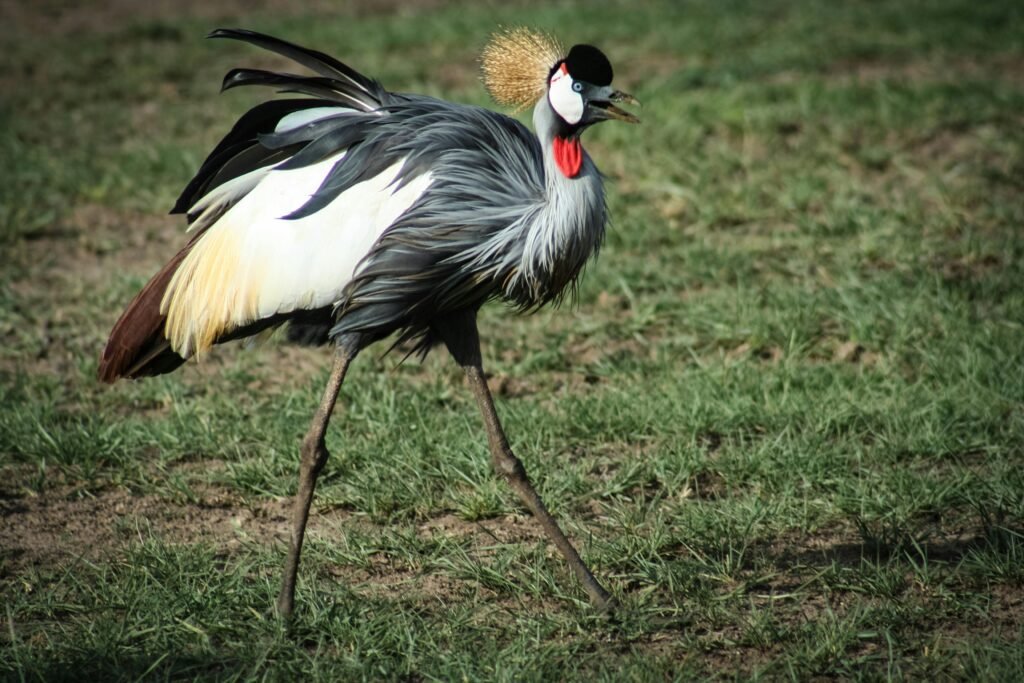
Birdwatching in Arusha, Kilimanjaro, Longido, and North Pare and why this region is globally important
From a scientific and conservation perspective, Birdwatching in Arusha, Kilimanjaro, Longido, and North Pare takes place within one of East Africa’s most biologically valuable transition zones. The region lies close to several Important Bird Areas identified by BirdLife International and supported by regional monitoring initiatives coordinated by the African Bird Club. These organizations highlight the importance of northern Tanzania as a refuge for threatened and restricted-range species linked to highland forests and dry savannah mosaics.
Global conservation frameworks promoted by the International Union for Conservation of Nature and biodiversity assessments produced by the Intergovernmental Science-Policy Platform on Biodiversity and Ecosystem Services confirm that habitat connectivity across landscapes such as Kilimanjaro, Longido and the Pare Mountains is critical for long-term bird population stability.
Birdwatching in Arusha, Kilimanjaro, Longido, and North Pare and habitat diversity
The real strength of Birdwatching in Arusha, Kilimanjaro, Longido, and North Pare lies in the extraordinary range of habitats found within short driving distances. Montane forests around Kilimanjaro and the North Pare Mountains support forest specialists and altitudinal migrants, while the dry Acacia woodlands of Longido and the open plains near Arusha hold raptors, bustards and ground-nesting species.
Landscape monitoring supported by the United Nations Environment Programme and habitat mapping initiatives of the United States Geological Survey show that this patchwork of ecosystems creates ideal feeding and breeding conditions for a wide range of birds, especially during seasonal changes in rainfall.
Birdwatching in Arusha, Kilimanjaro, Longido, and North Pare and scientific knowledge
Reliable field knowledge is essential for meaningful Birdwatching in Arusha, Kilimanjaro, Longido, and North Pare. International research institutions such as the Cornell Lab of Ornithology and global observation platforms including eBird provide up-to-date distribution data that help identify seasonal presence and movement patterns of key species.
Additional population and migration research from the British Trust for Ornithology and conservation science produced by the Royal Society for the Protection of Birds show how East African flyways link northern Tanzania to wider continental and global migration systems.
Birdwatching in Arusha, Kilimanjaro, Longido, and North Pare and migratory routes
One of the most exciting aspects of Birdwatching in Arusha, Kilimanjaro, Longido, and North Pare is the presence of long-distance migrants alongside resident species. Research coordinated by the National Audubon Society and the Smithsonian Migratory Bird Center demonstrates how African stopover habitats are essential for the survival of many Eurasian and Palearctic birds.
Climate and migration modelling supported by NASA Climate and assessments produced by the Intergovernmental Panel on Climate Change further confirm that shifts in rainfall and temperature are influencing migration timing and habitat use across East Africa.
Birdwatching in Arusha, Kilimanjaro, Longido, and North Pare and community landscapes
A distinctive feature of Birdwatching in Arusha, Kilimanjaro, Longido, and North Pare is the close connection between birds and traditional agricultural and pastoral landscapes. Community land management practices strongly influence habitat structure and food availability for many species.
Sustainable land-use research supported by the Food and Agriculture Organization of the United Nations and conservation-development programmes implemented by the African Wildlife Foundation show how well-managed community lands can protect biodiversity while supporting rural livelihoods.
Birdwatching in Arusha, Kilimanjaro, Longido, and North Pare and forest conservation
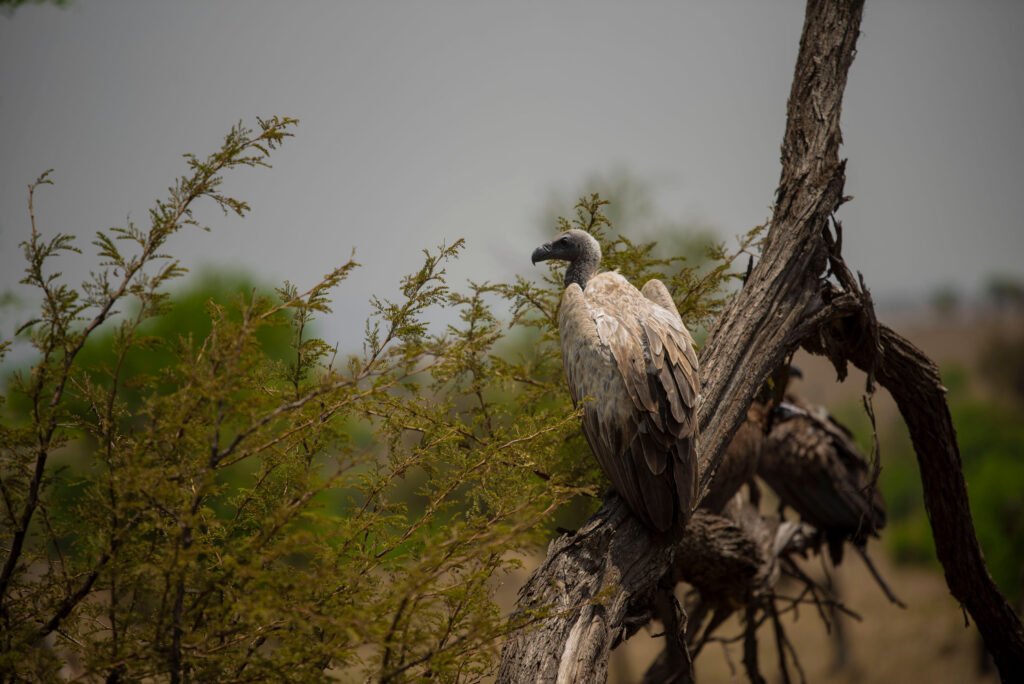
Highland forests remain a cornerstone of Birdwatching in Arusha, Kilimanjaro, Longido, and North Pare. These forests host vulnerable species that depend on intact canopy and stable microclimates.
Forest and species protection initiatives led by the World Wide Fund for Nature, the Wildlife Conservation Society and habitat monitoring coordinated by UNEP-WCMC emphasize the role of Kilimanjaro and the Pare Mountains as ecological refuges under increasing land-use pressure.
Birdwatching in Arusha, Kilimanjaro, Longido, and North Pare and open biodiversity data
Modern conservation planning increasingly depends on open biodiversity records. For serious Birdwatching in Arusha, Kilimanjaro, Longido, and North Pare, distribution data from the Global Biodiversity Information Facility helps researchers and conservation planners track long-term changes in species occurrence and habitat use.
Sound recording archives such as Xeno-canto also support field identification and training for guides and researchers working across northern Tanzania.
Birdwatching in Arusha, Kilimanjaro, Longido, and North Pare and responsible tourism
Responsible tourism is central to sustainable Birdwatching in Arusha, Kilimanjaro, Longido, and North Pare. Conservation organizations such as Conservation International and research and public awareness programs led by the National Geographic Society show that low-impact tourism contributes directly to habitat protection when visitor behavior is well managed.
Ethical guiding practices, controlled group sizes and respectful access to community land reduce disturbance to birds during breeding and feeding periods.
Birdwatching in Arusha, Kilimanjaro, Longido, and North Pare with professional local guides
Field expertise is what transforms Birdwatching in Arusha, Kilimanjaro, Longido, and North Pare from simple observation into real ecological understanding. Local guides trained in bird identification, habitat interpretation and conservation awareness provide deeper insight than general wildlife guiding.
Carefully designed itineraries available through Tanzania safari programs allow birders to combine multiple habitat zones in one journey while keeping travel distances realistic and environmentally responsible.
Birdwatching in Arusha, Kilimanjaro, Longido, and North Pare and cultural respect
Many birding sites lie within or near traditional settlements. Respectful interaction is an important element of Birdwatching in Arusha, Kilimanjaro, Longido, and North Pare.
Cultural heritage and community participation frameworks promoted by UNESCO and social research initiatives supported by Harvard University research programmes stress the importance of responsible visitor behavior and fair benefit sharing.
Birdwatching in Arusha, Kilimanjaro, Longido, and North Pare and personalized planning
Every birder has different priorities, from forest endemics to raptors and wetland specialists. Personalized planning allows Birdwatching in Arusha, Kilimanjaro, Longido, and North Pare to match your interests, pace and level of experience.
You can discuss detailed birding routes and seasonal expectations directly with local experts through professional safari consultation support, ensuring your trip focuses on the species and habitats that matter most to you.
Why bird lovers choose northern Tanzania
In the end, Birdwatching in Arusha, Kilimanjaro, Longido, and North Pare offers something rare: exceptional habitat diversity, strong conservation relevance and genuine opportunities to contribute to sustainable tourism. This region allows you to experience highland forests, dry plains and cultural landscapes in one carefully balanced journey.
When planned responsibly and guided by local professionals such as experienced Tanzanian safari specialists, your birding holiday becomes more than a checklist of species. It becomes a meaningful contribution to the protection of some of East Africa’s most valuable ecosystems while delivering a truly unforgettable field experience.