
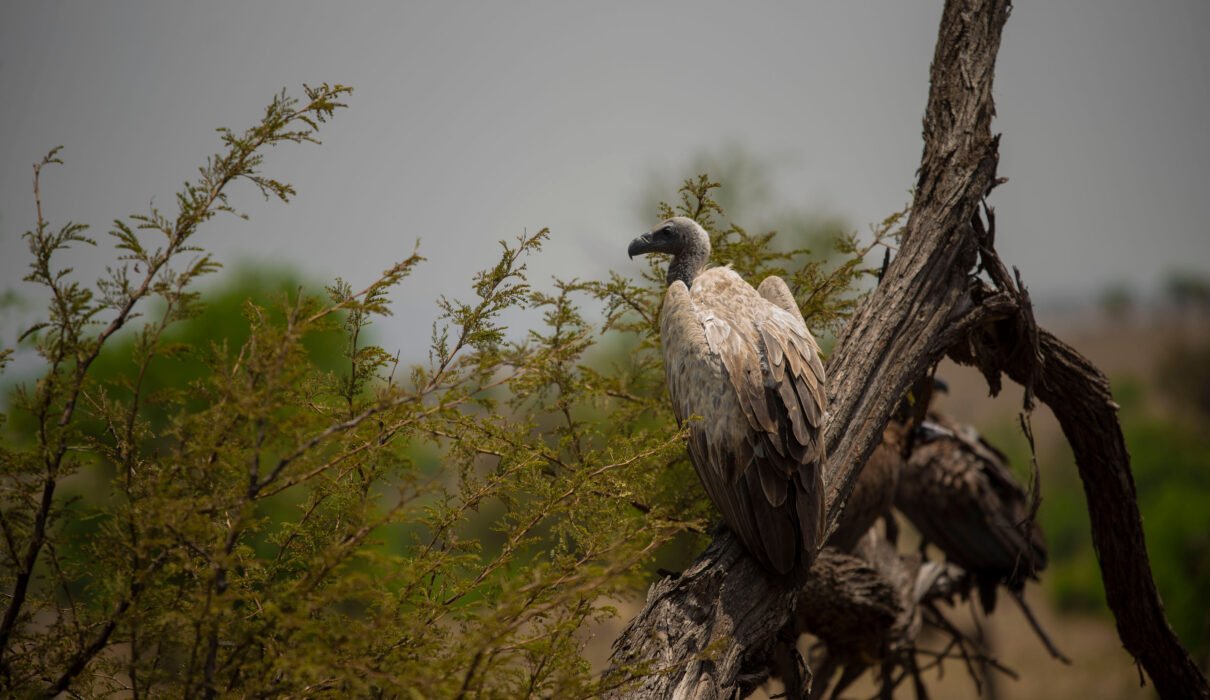
Birdwatching in Northern Tanzania : A good birdwatching safari gives you time to notice what a faster wildlife drive might miss: a bird feeding beside a pool, a call from woodland or the changing shape of a distant flock.
Birdwatching in northern Tanzania brings together several rewarding environments. Serengeti provides grassland and wooded habitats. Ngorongoro combines highland scenery with wetlands and open country. Lake Natron introduces an alkaline lake of exceptional importance to lesser flamingos, while Lake Manyara and Lake Eyasi add further variety.
In this guide, “the northern lakes” refers to Lake Manyara and Lake Eyasi, alongside Lake Natron. These destinations are separate places with different access arrangements and seasonal conditions; they should not be treated as interchangeable stops.
For travellers planning with Eddy Tours & Safaris, the aim should be a route that matches your interests and leaves enough time for observation. The nine reasons below explain the appeal, followed by practical advice on dates, guiding and equipment.
1. Different Habitats Create a More Varied Birdwatching Experience
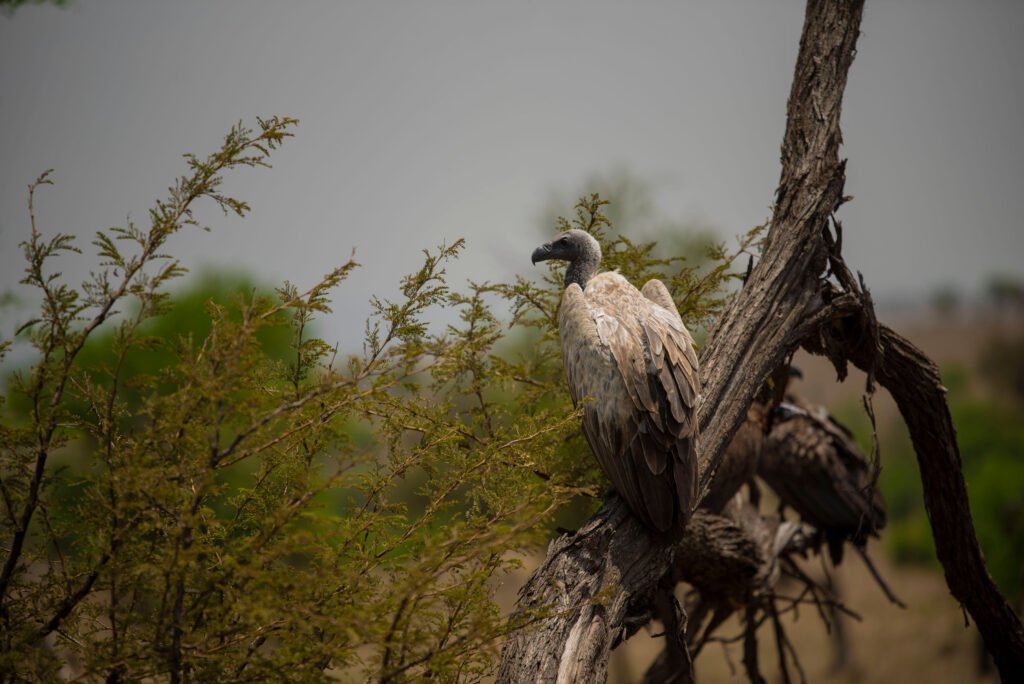
The strongest reason to combine these destinations is habitat variety.
Open grassland encourages you to scan the ground and sky. Woodland asks for more patient listening and attention to movement between branches. Wetlands invite you to study feeding birds, sometimes at considerable distance.
TANAPA describes Serengeti’s habitats as including grasslands, riverine forest, wetlands, woodland and kopjes. Its Serengeti wildlife overview provides useful background on that diversity.
Moving between habitats also develops your observation skills. You begin to notice where birds feed, how they move and which features help identify them.
A varied itinerary does not need to include every possible destination. Choose places that add something different, rather than extending the route simply to increase the number of stops.
Planning tip: Ask how each destination contributes to your interests, whether those involve waterbirds, grassland species, photography or general birding.
2. Serengeti Lets You Watch Birds Within a Larger Wildlife Landscape
Serengeti offers the opportunity to combine birdwatching with mammal viewing.
This matters for mixed-interest groups. One traveller may want birds, another may prioritise lions, and both can appreciate the same landscape when the daily pace is agreed in advance.
A bird-focused drive benefits from deliberate stops. You might pause beside vegetation, scan an open area or remain quietly near a watercourse instead of moving immediately towards the next major mammal sighting.
Do not assume birdwatching happens automatically during a standard safari. Tell the operator that it is a priority and explain how much time you would like devoted to it.
Your guide also needs to know whether you prefer identification, behaviour or photography. Waiting for a clear view of one bird can be worthwhile, but it changes the rhythm of the drive.
Planning tip: Allow full days in Serengeti rather than relying on a transfer drive to provide your entire birdwatching experience.
3. Ngorongoro Offers Accessible Contrasts Between Grassland and Wetland Birds
Ngorongoro adds another habitat combination to the route.
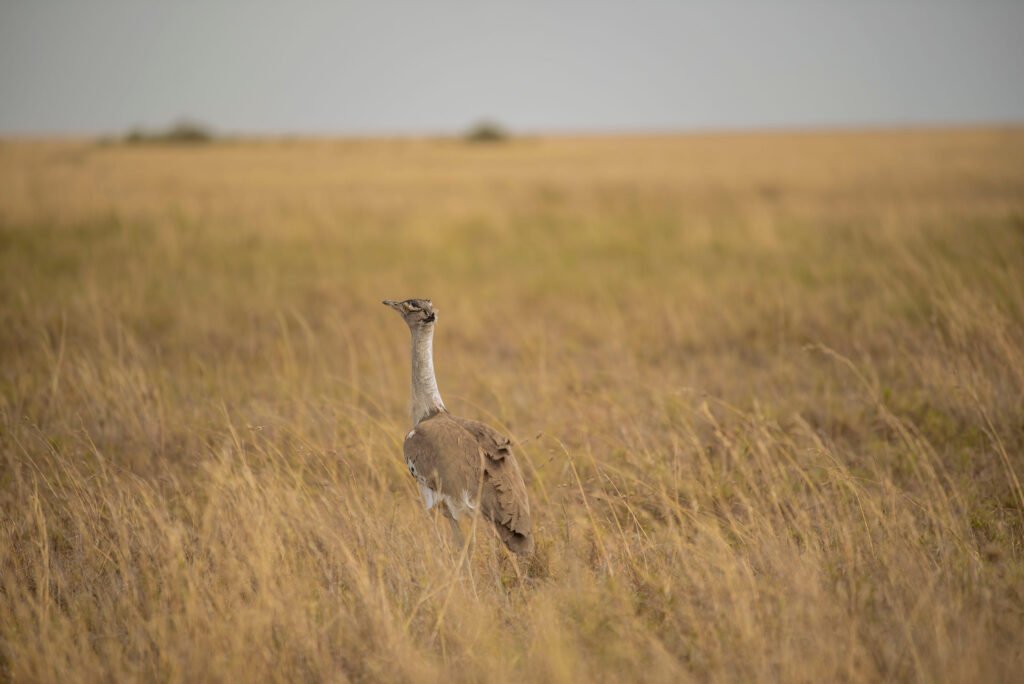
The Conservation Area Authority identifies ostriches, kori bustards and crowned cranes among its grassland birds, alongside wetland birds such as stilts, ibis and ducks. Its birdwatching information explains the role of forests, grasslands, lakes and marshes.
A crater visit can therefore include several different kinds of observation. Look across open country, then change your approach around pools and marshes.
Binoculars are particularly useful when birds remain beyond easy photographic range. A distant bird may still provide a rewarding view even when a detailed photograph is impractical.
Remember that the crater floor is only part of the wider conservation area. A bird recorded somewhere in Ngorongoro is not necessarily one you should expect during a single crater drive.
Planning tip: Ask whether your itinerary includes only the crater or also appropriate highland birdwatching opportunities.
4. Lake Natron Adds an Important Conservation Perspective
Lake Natron is more than a scenic place to look for flamingos.
The Ramsar Convention identifies the basin as a Wetland of International Importance and East Africa’s only regular breeding area for lesser flamingos. The Ramsar Lake Natron overview explains its significance.
That importance should shape the visit. The objective is to observe without disturbing feeding or breeding activity.
Do not expect breeding to be visible from visitor areas whenever you arrive. Nor should the destination’s importance be interpreted as a promise of close views or a particular flock size.
Ask about recent local observations and suitable viewing arrangements. A local guide can help explain the environment and the practical limits of access.
Planning tip: Give Lake Natron its own time in the itinerary. Treating it as a quick detour can leave you with more driving than observation.
5. Lake Manyara Adds Woodland and Waterbird Opportunities
Lake Manyara provides another useful contrast, particularly for travellers who want more than open-plains birdwatching.
TANAPA’s Lake Manyara wildlife information describes seasonal flamingos and pelicans at the alkaline lake, together with birds associated with its forest and wetland habitats.
Visible concentrations depend on conditions. Promotional photographs showing a dense flock should not be treated as a guarantee for your dates.
Be prepared to appreciate smaller observations too. A patient stop in vegetation can be rewarding even when the lake’s birds are distant.
Ask about the areas accessible during your visit. Water levels and local conditions can affect where observation is practical.
Planning tip: Do not build the whole visit around seeing flamingos. Include time for the broader habitat experience and confirm current access with your guide.
6. Lake Eyasi Can Add a More Flexible Lakeside Stop
Lake Eyasi is an option to discuss when you want to extend the route beyond the main national park drives.
Its usefulness for your particular birdwatching trip should be assessed through current conditions and suitable access. Do not assume that a lake visit guarantees extensive shallow water, nearby birds or an easily walkable shore.
Ask the operator what can realistically be observed, who guides the activity and how far you may need to travel or walk.
Lake Eyasi is also associated with cultural visits. Those are separate experiences and should not automatically replace time allocated to birds.
If you want both, request clear arrangements and sufficient time. A cultural activity should be agreed with its hosts, with photography permission and payment handled respectfully.
Planning tip: Include Eyasi because it suits your interests and conditions, rather than because every northern itinerary is expected to contain it.
7. Seasonal Visitors Give You a Reason to Choose Dates Carefully
Birdwatching dates should reflect your interests, not simply the most popular general safari season.
Ngorongoro’s official birdwatching page notes that wet months bring Eurasian migrants, including white storks, yellow wagtails and swallows.
TANAPA’s trip-planning guidance also associates green seasons with migratory birds.
These are useful starting points, but the best dates depend on your target species, destinations and tolerance for changing weather.
Rain can influence travel and observation conditions. Dry periods can also change the distribution of birds around water. Neither “wet season” nor “dry season” describes an identical experience across the whole route.
Planning tip: Share a target list before booking and ask which dates and habitats offer a reasonable opportunity. Avoid requesting a guarantee of every species.
8. The Route Supports Photography and Learning at Different Levels
You do not need a long checklist or professional camera to enjoy northern Tanzania’s birds.
Beginners can practise noticing shape, size, colour and behaviour. Experienced birders may focus on unfamiliar species, calls or habitat associations. Photographers may spend longer waiting for suitable light and an unobstructed view.
These interests overlap, but they are not identical. Discuss them with your travelling companions and guide.
For identification, record the features you actually observed. A quick note about the bill, legs, flight pattern and habitat can help more than assigning a name immediately.
For photography, accept the limits of distance. A wider picture showing birds within a wetland can be valuable even when a close portrait is impossible.
Planning tip: Build a pace that suits the group. A dedicated private itinerary generally allows more flexibility than a shared safari with a fixed programme.
9. A Thoughtful Visit Encourages Responsible Birdwatching
Birdwatching is most rewarding when the birds continue behaving naturally.
Keep noise low, remain on authorised routes and give roosting or feeding birds space. Avoid walking towards a flock simply to make it fly for a photograph.
At sensitive wetlands, follow local guidance about where to stand and move. A spotting scope or binoculars can improve the view without reducing the distance.
TANAPA’s Lake Manyara visitor guide advises visitors to respect instructions and keep noise low around bird roosts and hippo pools.
Local communities also deserve consideration. Ask before photographing people and use agreed access arrangements rather than treating every lakeside location as unrestricted visitor space.
Planning tip: Make minimal disturbance part of your expectations when discussing the itinerary—not a rule considered only after reaching a nesting or roosting area.
How the Destinations Compare
| Destination | Main appeal | Important consideration |
|---|---|---|
| Serengeti | Varied habitats with broader wildlife viewing | Reserve meaningful time for birding |
| Ngorongoro | Grassland, wetlands and possible highland exploration | Distinguish the crater from the wider area |
| Lake Natron | Flamingos and wetland conservation context | Respect sensitive areas and seasonal uncertainty |
| Lake Manyara | Woodland and lake-associated birdlife | Check water levels and accessible viewing areas |
| Lake Eyasi | An additional lakeside experience | Assess current conditions before including it |
This comparison is a planning tool, not a ranking. The strongest route is the one that fits your dates and interests.
How Many Days Should You Allow?
For all five destinations, consider roughly 10–12 days as a planning starting point, including arrival and transfers. That is an itinerary suggestion, not a requirement or a confirmed package.
A keen birder may want longer. With fewer days, select a smaller combination rather than compressing every destination into brief visits.
The route order requires care. Lake Natron is not a short stop between every pair of northern destinations, and transfers should be assessed using the proposed roads and current conditions.
Ask for a day-by-day plan identifying which days are primarily travel and which provide substantial observation time.
A Suggested Structure
| Stage | Suggested focus |
|---|---|
| Arrival | Rest, briefing and discussion of birding priorities |
| Lake Manyara | Woodland and lake habitats |
| Lake Eyasi | Locally guided observation if conditions suit |
| Ngorongoro | Crater birdwatching and other wildlife |
| Serengeti | Several full days exploring suitable habitats |
| Lake Natron | Dedicated wetland viewing with local guidance |
| Return | Transfer and departure arrangements |
The order is illustrative. Your operator should adapt it to travel distances, accommodation and access.
Choosing the Right Guide
A birdwatching itinerary needs suitable identification knowledge and patience.
Ask whether a guide with appropriate birding experience can be arranged. If you have specialist interests, explain them clearly rather than assuming every safari guide offers the same level of knowledge.
Useful questions include:
- Can the guide help with calls as well as visual identification?
- How are target species used in planning?
- Are separate local guides required at the lakes?
- Can the schedule accommodate longer observation stops?
- Is a spotting scope available?
- How are recent observations used to adjust the route?
Do not judge a guide only by the number of species promised. Honest uncertainty and careful identification are valuable.
What to Bring
Binoculars: Choose a pair you can use comfortably and practise focusing before travelling.
Field guide or app: Use material covering East African birds and download offline resources beforehand.
Notebook: Record dates, habitats and uncertain identifications. Keep an honest list rather than counting every distant shape as confirmed.
Camera: Bring familiar equipment. A longer lens helps with distant birds, but manageable weight and quick operation matter.
Clothing: Pack sun protection, comfortable footwear, rain protection and a warmer layer for cooler conditions.
Spotting scope: Useful for distant waterbirds if available. Confirm whether it is supplied or needs to be brought.
Also ask about walking distances, surfaces and vehicle access if anyone has mobility needs.
Frequently Asked Questions
Is this route suitable for beginners?
Yes, if the pace and guiding suit you. You can enjoy behaviour and habitat without trying to identify every bird.
Will we see flamingos at every lake?
That should not be promised. Distribution, numbers and visibility vary with conditions.
Can we watch flamingos breeding at Lake Natron?
Breeding activity is not guaranteed to be visible from visitor areas. Sensitive breeding sites require particular care.
Can birdwatching be combined with a normal safari?
Yes. Agree on the balance beforehand so birding receives time alongside mammal viewing.
Should we include all five destinations?
Only if your time and interests justify the travel. A smaller route explored well can be more rewarding.
Is specialist equipment essential?
No. Good binoculars and a patient approach are enough to begin. A scope and camera can add to the experience.
Plan Your Birdwatching Safari With Eddy Tours & Safaris
Birdwatching in northern Tanzania rewards a well-chosen route, suitable guiding and realistic expectations. Serengeti, Ngorongoro and the lakes offer different experiences, so allow each included destination time to contribute.
To discuss a trip, contact Eddy Tours & Safaris. Share your dates, group size, birding experience, accommodation preferences and any target species or photography interests.
Website: eddytours-safaris.com
Email: eddytoursandsafaris@gmail.com
Sales enquiries: sales@eddytours-safaris.com
Phone and WhatsApp: +255 711 906 664