
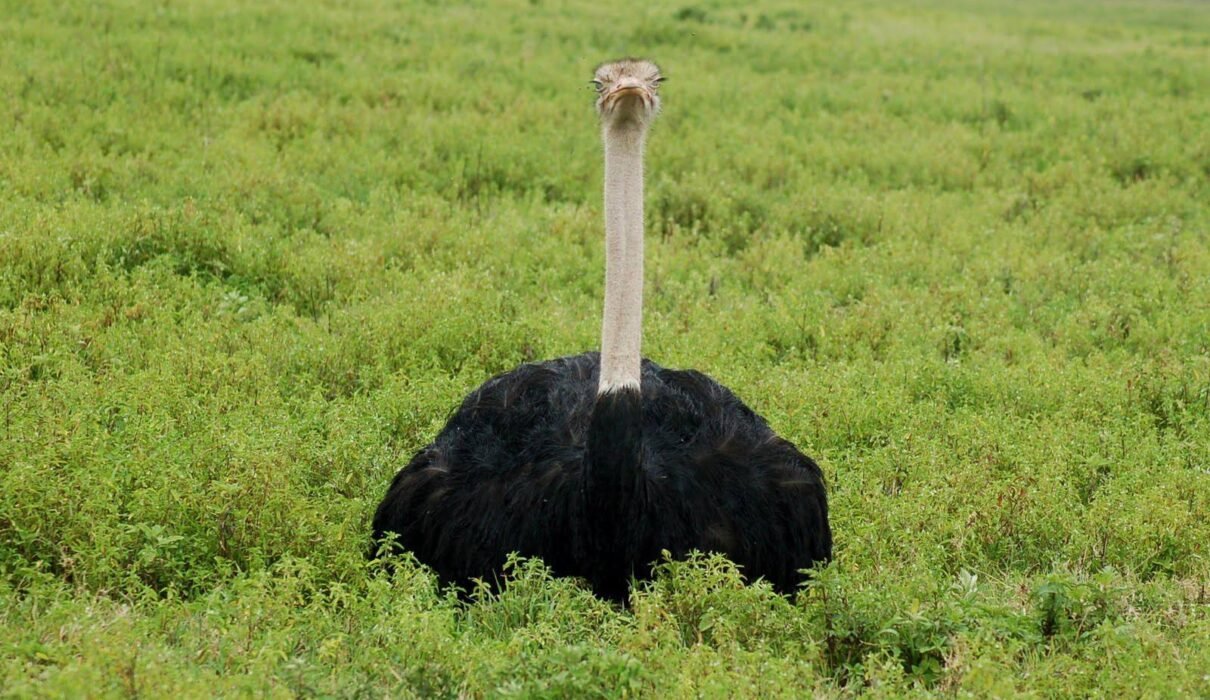
Birdwatching in Western Tanzania: Katavi, Lake Rukwa, and Lake Tanganyika is one of Africa’s most powerful yet underrated wildlife experiences. Far from busy safari routes, this remote corner of Tanzania offers dramatic landscapes, rich wetlands, and one of the highest concentrations of rare and endemic bird species in East Africa. If you are looking for raw wilderness, authentic exploration, and world-class birding without crowds, this is where your journey begins.
Western Tanzania remains largely untouched, which makes it a dream for serious birdwatchers. The region combines vast floodplains, freshwater lakes, miombo woodlands, and escarpment forests that support hundreds of species. According to BirdLife International, Tanzania is home to over 1,100 bird species, and a remarkable portion of them can be found in this quiet western frontier.
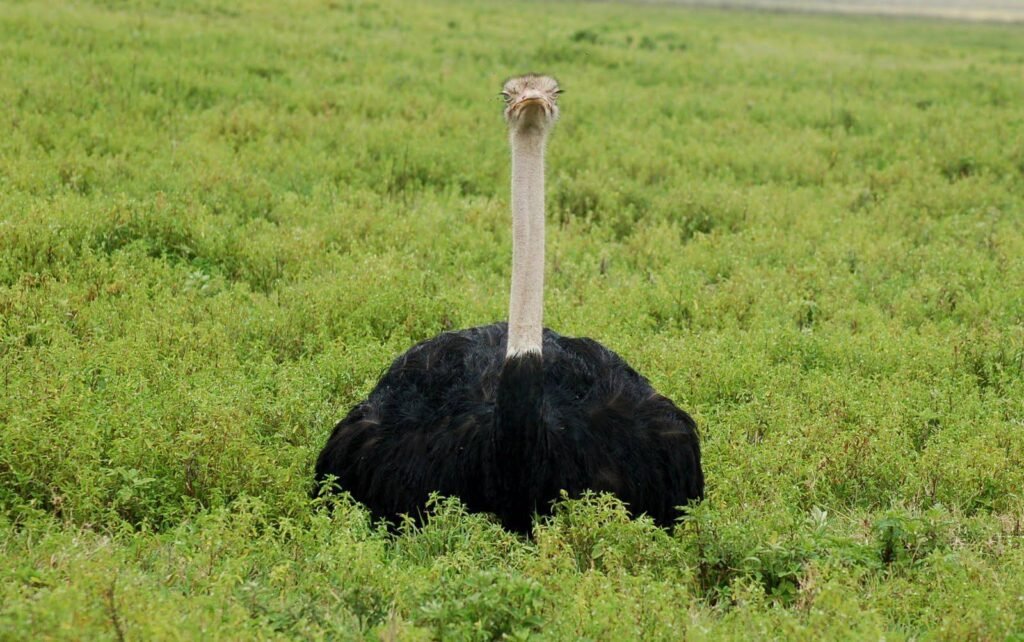
Why Birdwatching in Western Tanzania: Katavi, Lake Rukwa, and Lake Tanganyika Is So Special
The magic of birdwatching here lies in its isolation. While northern Tanzania is famous for the Serengeti, western Tanzania offers a completely different rhythm of nature. You won’t just see birds; you will experience ecosystems that feel ancient and undisturbed. The region is recognized by conservation authorities such as the IUCN and supported by wildlife research from organizations like the Wildlife Conservation Society.
The combination of Katavi National Park, Lake Rukwa wetlands, and the shores of Lake Tanganyika creates extraordinary bird diversity. Wetland species, forest birds, raptors, and migratory species all thrive in this corridor. Scientific mapping by the Global Biodiversity Information Facility highlights the ecological importance of this landscape.
Katavi National Park: A Hidden Birding Powerhouse
Katavi National Park is often described as Tanzania’s best-kept safari secret. While large mammals dominate the headlines, birdlife here is equally spectacular. Floodplains and seasonal rivers attract storks, herons, kingfishers, and bee-eaters in impressive numbers.
The park’s conservation management is overseen by the Tanzania National Parks Authority, ensuring that habitats remain intact. Research collaborations with institutions such as the Natural History Museum have helped document rare species found in this ecosystem.
Signature Birds of Katavi
Birdwatchers can expect to encounter African fish eagles, saddle-billed storks, and the elusive Pel’s fishing owl. Raptors patrol the skies while colorful rollers and sunbirds brighten woodland areas. Studies supported by the National Audubon Society emphasize how undisturbed floodplains significantly improve breeding success for wetland species.
For travelers seeking guided exploration, curated itineraries are available through Eddy Tours & Safaris, where experienced guides understand both bird identification and habitat behavior.
Lake Rukwa: A Wetland Treasure
Lake Rukwa lies southeast of Katavi and forms one of East Africa’s most important inland wetlands. Seasonal water fluctuations create ideal feeding grounds for flamingos, pelicans, and waders. According to wetland conservation studies from Ramsar Convention on Wetlands, such ecosystems are critical for migratory birds traveling across continents.
The lake’s shoreline is remote and rarely visited, making sightings especially rewarding. Environmental data shared by the United Nations Environment Programme highlights how freshwater systems like Rukwa sustain regional biodiversity.
Best Birding Zones Around Lake Rukwa
Shallow edges attract large flocks of waterbirds, while surrounding grasslands host bustards and coursers. Bird population monitoring initiatives often reference datasets from British Trust for Ornithology, reinforcing the scientific value of the region.
If you want to integrate Lake Rukwa into a broader safari circuit, planning support can be found at Eddy Tours & Safaris, which specializes in off-the-beaten-path routes.

Lake Tanganyika: Africa’s Ancient Birding Frontier
Lake Tanganyika is one of the world’s oldest and deepest freshwater lakes, studied extensively by institutions like National Geographic Society. Its forested shores and rocky escarpments provide habitat for unique bird communities that differ from open savannah ecosystems.
The lake basin has drawn ecological research from World Wildlife Fund and freshwater biodiversity experts at IUCN Water Programme. This recognition underlines its global environmental importance.
Forest and Shoreline Species
Along the lakeshore, you may encounter palm-nut vultures, African broadbills, and colorful turacos. Forest fragments shelter shy species rarely seen elsewhere in Tanzania. Academic references from University of Cambridge and Harvard University biodiversity departments frequently cite Lake Tanganyika as a biological hotspot.
Combining lakeside relaxation with bird exploration can be arranged through Eddy Tours & Safaris, ensuring smooth logistics across this vast region.
Conservation and Responsible Birdwatching
Responsible tourism protects fragile ecosystems. Organizations like the Conservation International, African Bird Club, and BirdLife Africa encourage low-impact travel and habitat preservation. Supporting conservation-based operators strengthens protection efforts.
Visitors can also explore climate insights from NASA Climate and environmental mapping tools at Google to better understand regional conditions before travel.
Planning Your Birdwatching Safari
Traveling to western Tanzania requires thoughtful preparation due to its remoteness. Flights and road transfers can be coordinated smoothly by experts at Eddy Tours & Safaris. For those combining mountain adventures with birding, routes from Kilimanjaro Climb Specialist can complement a broader Tanzanian journey.
Health guidance from the World Health Organization and regional data from the Centers for Disease Control and Prevention should be reviewed before departure to ensure a safe experience.
Frequently Asked Questions
Is western Tanzania suitable for beginner birdwatchers?
Yes, but hiring an experienced guide enhances the experience significantly due to the diversity and remote terrain.
How many species can I expect to see?
Depending on timing and routes, sightings can exceed several hundred species across the three ecosystems.
Is the region crowded?
No. Western Tanzania is known for its solitude and exclusivity.
Are conservation efforts active in the region?
Yes, multiple international and local organizations actively support habitat preservation.
Can birdwatching be combined with traditional safari?
Absolutely. Large mammals and birdlife coexist beautifully in Katavi.
How do I book a tailored safari?
You can consult directly with Eddy Tours & Safaris for customized itineraries.
Conclusion: A Rare Birding Paradise Awaits
Birdwatching in Western Tanzania: Katavi, Lake Rukwa, and Lake Tanganyika offers something few destinations can match: authentic wilderness, rich biodiversity, and true solitude. It is not just a trip; it is an immersive conservation journey into one of Africa’s last untouched frontiers. For travelers who value rare species, scientific significance, and breathtaking landscapes, western Tanzania stands ready to exceed every expectation.