
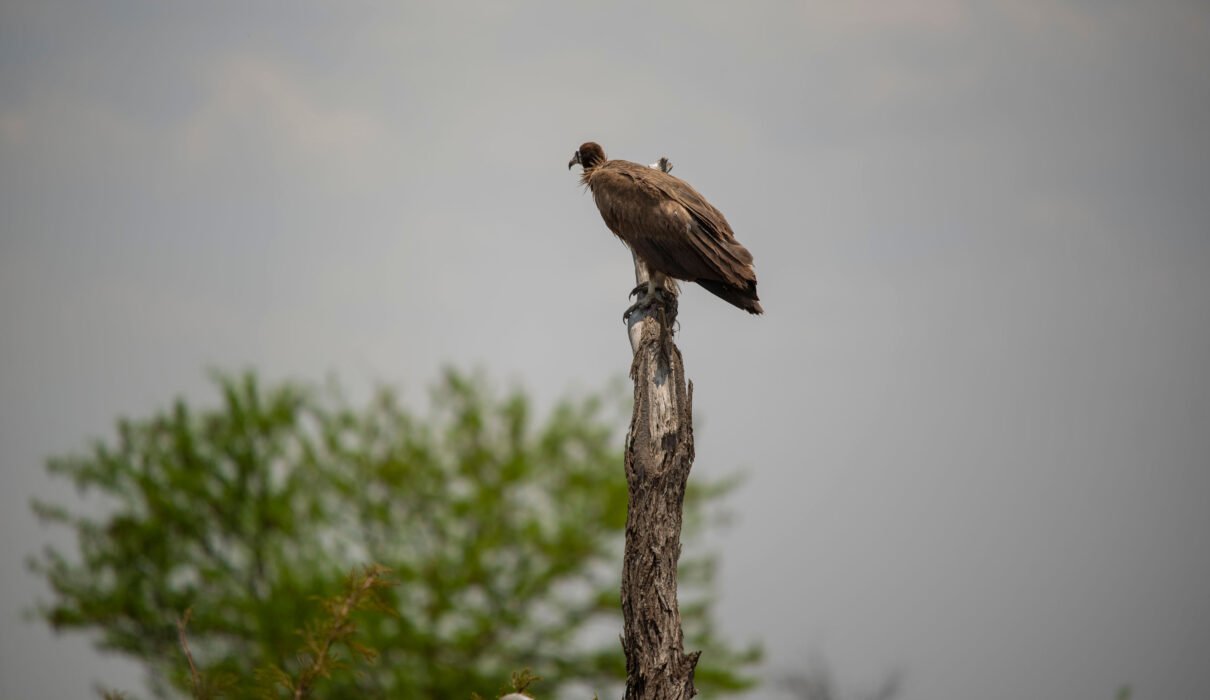
Birdwatching Tips for Tanzania’s Rare Species is designed for travellers who want more than a casual bird list and who truly wish to understand where rare birds live, how to find them respectfully, and how their visit can support conservation work and local communities across Tanzania.
Tanzania is one of the most important bird destinations in Africa because it combines wetlands, forests, mountains, savannahs and Rift Valley lakes in one country. Many rare and restricted-range species depend on these fragile habitats. With the right approach, careful timing and ethical guiding, birdwatching becomes a meaningful experience that helps protect biodiversity instead of disturbing it.
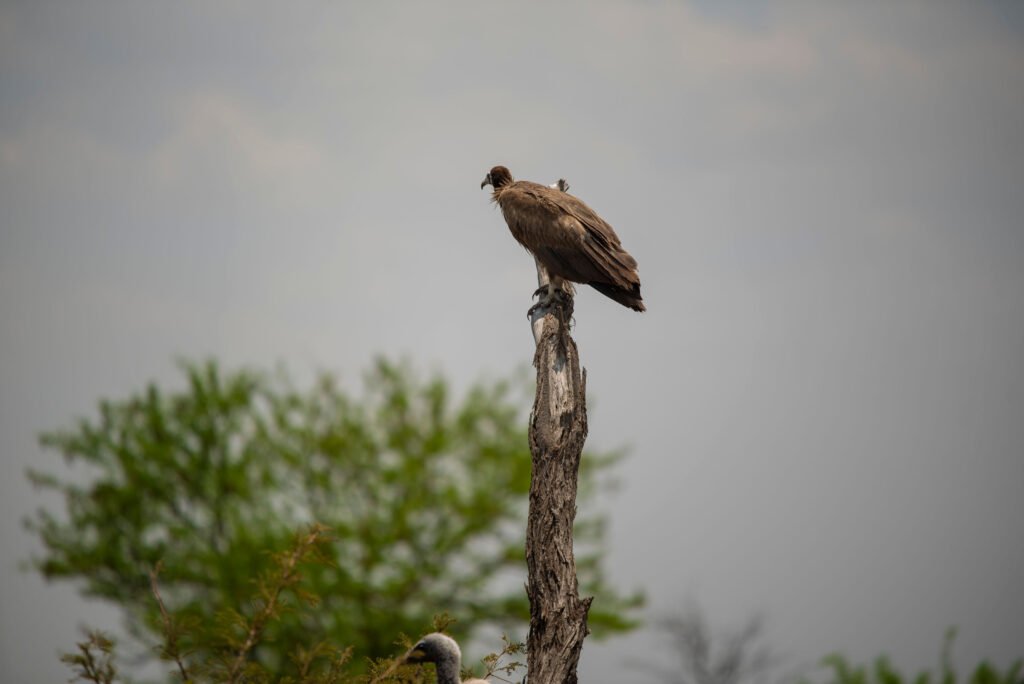
Birdwatching Tips for Tanzania’s Rare Species and choosing the right habitats
One of the most important Birdwatching Tips for Tanzania’s Rare Species is to focus on habitat, not only on famous parks. Rare birds are strongly linked to specific environments such as montane forests, freshwater wetlands and undisturbed woodland corridors. Conservation planning promoted by the International Union for Conservation of Nature clearly shows that habitat loss is the main reason many African bird species are declining, while ecosystem protection programmes coordinated by the United Nations Environment Programme highlight how wetlands, river systems and forest reserves are priority areas for biodiversity protection.
Scientific bird distribution data published by the Global Biodiversity Information Facility and conservation mapping from UN Environment Programme World Conservation Monitoring Centre can help travellers and guides understand where rare species are most likely to be found, long before stepping into the field.
Birdwatching Tips for Tanzania’s Rare Species and understanding conservation status
Another essential part of Birdwatching Tips for Tanzania’s Rare Species is learning which birds are threatened and why. Global bird assessments coordinated by BirdLife International and species survival evaluations conducted under the IUCN Red List explain how habitat destruction, climate pressure and unsustainable land use are affecting many East African birds.
Broader biodiversity risk analysis from the Intergovernmental Science-Policy Platform on Biodiversity and Ecosystem Services and climate science published by the Intergovernmental Panel on Climate Change further confirm that rare species are usually the first to disappear when ecosystems become stressed.
Birdwatching Tips for Tanzania’s Rare Species and ethical field behaviour
Good Birdwatching Tips for Tanzania’s Rare Species always begin with respect for wildlife and local people. Ethical field behaviour is strongly encouraged by conservation organisations such as the Wildlife Conservation Society and community conservation initiatives promoted by the African Wildlife Foundation, both of which stress that repeated disturbance, off-trail driving and misuse of playback calls can damage breeding success and push sensitive birds away from their nesting sites.
Visitors who join small, professionally guided birding trips through Eddy Tours and Safaris are normally briefed on ethical birdwatching standards that protect habitats and support long-term conservation rather than short-term sightings.
Birdwatching Tips for Tanzania’s Rare Species and local scientific knowledge
Local scientific knowledge is one of the most valuable Birdwatching Tips for Tanzania’s Rare Species. Many rare birds are monitored by conservation projects supported by Conservation International and ecosystem restoration programmes from The Nature Conservancy, which help protect forest patches and wetlands where rare species still survive.
Forest and landscape research led by the Center for International Forestry Research also explains how selective logging, farming expansion and road development reduce nesting areas for specialist bird species, even when large mammals remain present.
Birdwatching Tips for Tanzania’s Rare Species and timing your visits
Successful Birdwatching Tips for Tanzania’s Rare Species always include understanding seasonal movements and breeding cycles. Research published through ScienceDirect shows that many forest and wetland birds become easier to locate during breeding periods when territorial calls increase, while migratory species use Tanzanian wetlands as critical stopover sites.
Freshwater and wetland protection programmes supported by Food and Agriculture Organization and river basin management initiatives coordinated by UN-Water further demonstrate how water levels and land use influence bird availability in lake and floodplain habitats.
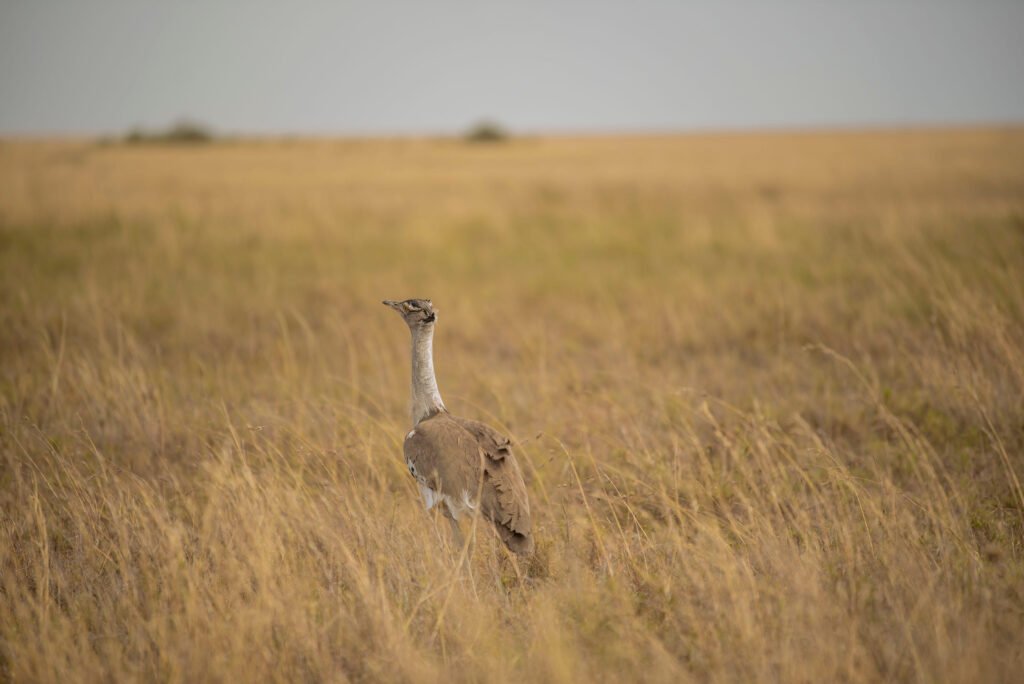
Birdwatching Tips for Tanzania’s Rare Species and community conservation areas
Many of the most rewarding Birdwatching Tips for Tanzania’s Rare Species point beyond national parks and into community-managed landscapes. Development studies by the World Bank show that community conservation projects often protect critical bird habitats while providing income for rural households, especially in forest-edge and wetland regions.
Labour and guiding standards promoted by the International Labour Organization help ensure that local bird guides, scouts and community rangers benefit fairly from responsible tourism, making conservation economically meaningful for the people who live closest to rare species.
Birdwatching Tips for Tanzania’s Rare Species and cultural awareness
Cultural respect is an overlooked but important part of Birdwatching Tips for Tanzania’s Rare Species. Cultural heritage frameworks supported by UNESCO and social development research coordinated by the UN Department of Economic and Social Affairs show that traditional land-use practices often protect sacred forests, wetlands and hills that quietly function as important bird refuges.
Travellers who include cultural visits alongside birdwatching often gain deeper understanding of how people and nature have coexisted in these landscapes for generations.
Birdwatching Tips for Tanzania’s Rare Species and landscape connectivity
Landscape connectivity is one of the strongest scientific Birdwatching Tips for Tanzania’s Rare Species. Studies by the Wildlife Conservation Society and regional corridor planning by the African Wildlife Foundation confirm that forest strips, riverbanks and seasonal wetlands act as vital movement routes for birds between fragmented habitats.
Conservation policy guidance from the Convention on Biological Diversity supports maintaining these corridors so that isolated populations can recover and adapt to environmental change.
Birdwatching Tips for Tanzania’s Rare Species and personal safety in the field
Responsible Birdwatching Tips for Tanzania’s Rare Species also include personal health and safety. Health guidance from the World Health Organization and emergency preparedness frameworks promoted by the American Red Cross support safe travel practices in remote wetlands, forest trails and mountain habitats where medical facilities are limited.
Choosing experienced local operators and planning carefully reduces risk and protects both visitors and sensitive environments.
Birdwatching Tips for Tanzania’s Rare Species and planning responsible trips
For travellers who want reliable logistics and knowledgeable bird guides, one of the most practical Birdwatching Tips for Tanzania’s Rare Species is to work with operators that actively support conservation projects and community partnerships. Many visitors prepare their itineraries using professional birding and safari travel services in Tanzania, where trips are designed around habitat protection, low-impact guiding and ethical wildlife observation.
Those who prefer flexible planning often build personalised programmes through custom safari and birdwatching itineraries, allowing them to combine rare bird habitats with cultural visits and conservation learning activities.
Birdwatching Tips for Tanzania’s Rare Species and long-term conservation impact
Perhaps the most meaningful Birdwatching Tips for Tanzania’s Rare Species is understanding that every visit has an impact. Conservation leadership from organisations such as Conservation International, habitat restoration initiatives by The Nature Conservancy, and sustainable land-use strategies promoted by the Food and Agriculture Organization demonstrate that well-managed nature tourism helps finance research, education and habitat protection.
Travellers who choose ethical experiences through responsible wildlife and birdwatching travel programmes contribute directly to ranger training, community awareness and habitat protection in some of Tanzania’s most sensitive ecosystems.
In simple words, Birdwatching Tips for Tanzania’s Rare Species is not only about finding birds. It is about protecting forests, wetlands and rivers, respecting local culture, supporting scientific research and choosing travel that helps rare species survive in a changing world.