
Can You Climb Kilimanjaro Without a Guide? This is one of the most common and risky questions asked by travelers who want more freedom, lower costs, or a more independent adventure on Africa’s highest mountain. The simple truth is that Kilimanjaro is not a normal hiking destination. It is a protected mountain ecosystem, a regulated national park, and a medically demanding high-altitude environment where independent access is not allowed for safety and conservation reasons.
This article explains the real legal position, environmental responsibilities, health risks and ethical considerations behind the rule. If you are planning your climb with a reliable local company such as Eddy Tours & Safaris, this guide will help you understand why professional support is not a luxury, but a necessary part of climbing Kilimanjaro responsibly.
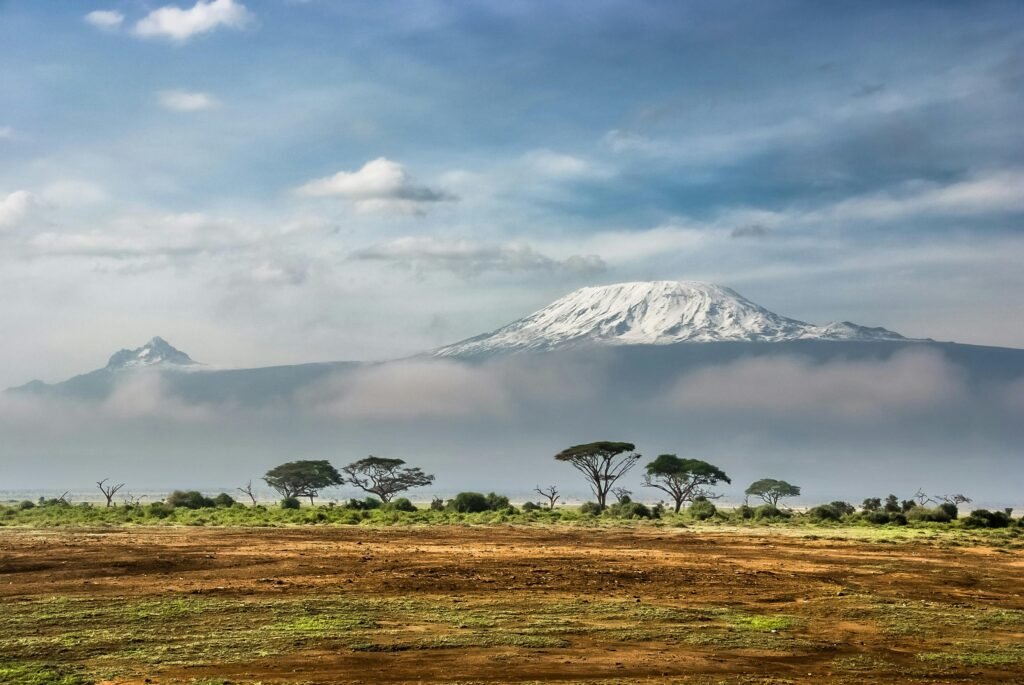
Can You Climb Kilimanjaro Without a Guide and what the law actually says
To clearly answer Can You Climb Kilimanjaro Without a Guide, you must first understand that Mount Kilimanjaro lies inside a strictly protected national park. Protected area governance and access control policies promoted by the International Union for Conservation of Nature and cultural and natural heritage protection frameworks supported by UNESCO confirm that controlled visitation is essential for fragile mountain environments.
Kilimanjaro follows the same global conservation management principles promoted by the United Nations Environment Programme and biodiversity governance guidance provided by the Intergovernmental Science-Policy Platform on Biodiversity and Ecosystem Services. Independent climbing is not permitted because park authorities must manage visitor movement, waste control, safety coordination and ecosystem protection at high altitude.
Can You Climb Kilimanjaro Without a Guide and environmental protection responsibility
Another critical reason behind the question Can You Climb Kilimanjaro Without a Guide is environmental impact. High-altitude ecosystems are extremely sensitive to trampling, waste and off-trail movement. Conservation organisations such as the World Wide Fund for Nature, the African Wildlife Foundation and the Conservation International show that poorly managed tourism accelerates erosion and damages alpine habitats.
Environmental monitoring data produced by the United States Geological Survey and conservation field research shared by the National Geographic Society demonstrate how designated trails, camps and visitor supervision dramatically reduce ecological degradation on volcanic mountains such as Kilimanjaro.
Can You Climb Kilimanjaro Without a Guide and real altitude health risks
When climbers ask Can You Climb Kilimanjaro Without a Guide, they often underestimate the medical challenges created by altitude. High-altitude illness is well documented by the Centers for Disease Control and Prevention and the International Society for Mountain Medicine.
Clinical research published through PubMed and the U.S. National Library of Medicine confirms that symptoms such as headache, nausea, confusion and extreme fatigue often develop quickly and unpredictably above certain elevations. Without trained guides who monitor health and recognize early warning signs, climbers may continue upward while their condition silently worsens.
Can You Climb Kilimanjaro Without a Guide and emergency response reality
A very serious part of the discussion about Can You Climb Kilimanjaro Without a Guide involves emergency response. Remote medical evacuation, communication systems and coordinated rescue procedures are fundamental in protected mountainous terrain. International emergency response standards promoted by the International Federation of Red Cross and Red Crescent Societies and the International Red Cross emphasize trained responders, communication equipment and rapid decision-making.
Risk-reduction frameworks developed by the World Bank Disaster Risk Management programme show that uncoordinated movement in hazardous terrain significantly increases rescue complexity and response time. On Kilimanjaro, rescue operations rely on guide reporting systems and park ranger coordination, which cannot function properly without organized climbing teams.
Can You Climb Kilimanjaro Without a Guide and climate exposure on the mountain
Understanding Can You Climb Kilimanjaro Without a Guide also requires recognizing how rapidly environmental conditions change at high elevation. Climate research from NASA Climate and mountain climate assessments published by the Intergovernmental Panel on Climate Change show that wind, temperature and radiation intensify sharply with altitude.
Environmental studies coordinated by the Food and Agriculture Organization confirm that dehydration risk and cold stress rise significantly in alpine desert zones. Guides continuously adjust pace, clothing strategy and hydration routines based on daily weather behavior that first-time climbers rarely understand in advance.
Can You Climb Kilimanjaro Without a Guide and route safety management
The question Can You Climb Kilimanjaro Without a Guide also involves route control and terrain safety. Leadership and expedition management models promoted by the National Outdoor Leadership School and international safety frameworks from the International Climbing and Mountaineering Federation show that decision-making quality during fatigue directly affects survival outcomes.
Research on human behavior under environmental stress published through ScienceDirect and peer-reviewed findings shared by Nature Research demonstrate that people consistently misjudge risk when cold, tired and oxygen-deprived. Professional guides exist to counter this natural human weakness.
Can You Climb Kilimanjaro Without a Guide and geological hazards
Many climbers do not consider geological risk when asking Can You Climb Kilimanjaro Without a Guide. Kilimanjaro is a large volcanic structure with loose scree, unstable ash layers and erosion-affected trails. Geological risk studies provided by the United States Geological Survey and landform stability research published through Frontiers in Earth Science explain how terrain movement and erosion increase accident potential in high-use mountain corridors.
Guides are trained to recognize unstable slopes, changing trail conditions and weather-related ground hazards that are not obvious to visitors unfamiliar with volcanic terrain.
Can You Climb Kilimanjaro Without a Guide and ethical workforce protection
The discussion of Can You Climb Kilimanjaro Without a Guide also includes social responsibility. Tourism labor standards promoted by the International Labour Organization and community protection initiatives supported by Oxfam International emphasize fair employment and safe working conditions in adventure tourism.
Guided climbs create stable employment for trained mountain professionals and ensure that safety responsibilities are shared across qualified teams rather than pushed onto individual travelers who may lack emergency skills.
Can You Climb Kilimanjaro Without a Guide and scientific monitoring needs
Another overlooked dimension of Can You Climb Kilimanjaro Without a Guide involves scientific research access. Climate and biodiversity monitoring projects supported by the Wildlife Conservation Society, environmental studies published through Frontiers in Environmental Science and data analysis distributed via Nature Climate Change depend on controlled human movement within sensitive zones.
Unregulated climbing would disrupt long-term monitoring sites and undermine conservation data collection that helps guide national and international protection strategies.
Can You Climb Kilimanjaro Without a Guide and real success rates
Many people who ask Can You Climb Kilimanjaro Without a Guide assume independence improves success. Medical and behavioral research from Johns Hopkins Medicine and altitude performance studies available through Frontiers in Physiology show that structured pacing, supervised recovery and controlled ascent profiles significantly improve high-altitude outcomes.
Professional teams build daily routines that protect energy levels and manage fatigue far better than self-directed efforts, especially during summit night when judgment becomes weakest.
Can You Climb Kilimanjaro Without a Guide if you use a local professional team
In practice, the only safe and legal way to climb Kilimanjaro is through organized operators. Travelers who want reliable logistics, trained leadership and ethical operations usually choose professional local providers such as Kilimanjaro climbing specialists who operate within park regulations and international safety standards.
Well-designed itineraries reduce health risk, protect fragile ecosystems and allow climbers to focus on the experience rather than constant logistical pressure.
Why guided climbing offers a better and safer experience
The real answer to Can You Climb Kilimanjaro Without a Guide is not only legal but practical and ethical. Guided climbing ensures environmental protection, medical readiness, emergency coordination and professional leadership in one of Africa’s most sensitive mountain landscapes.
Travelers seeking wildlife and cultural experiences alongside their climb often combine mountain journeys with professionally managed programs through Tanzania safari travel services, benefiting from one coordinated and reliable local operation.
Plan your Kilimanjaro climb responsibly
If your goal is to experience the mountain safely, respectfully and successfully, planning matters more than independence. Speaking directly with experienced local professionals through personal climbing consultation allows you to design a schedule that matches your fitness, travel goals and safety expectations.
So when you consider Can You Climb Kilimanjaro Without a Guide, remember that the mountain is not a personal playground. It is a protected natural system, a demanding medical environment and a shared responsibility. The safest and most meaningful way to reach the summit is by walking with people who know the mountain, protect its future and protect you.