
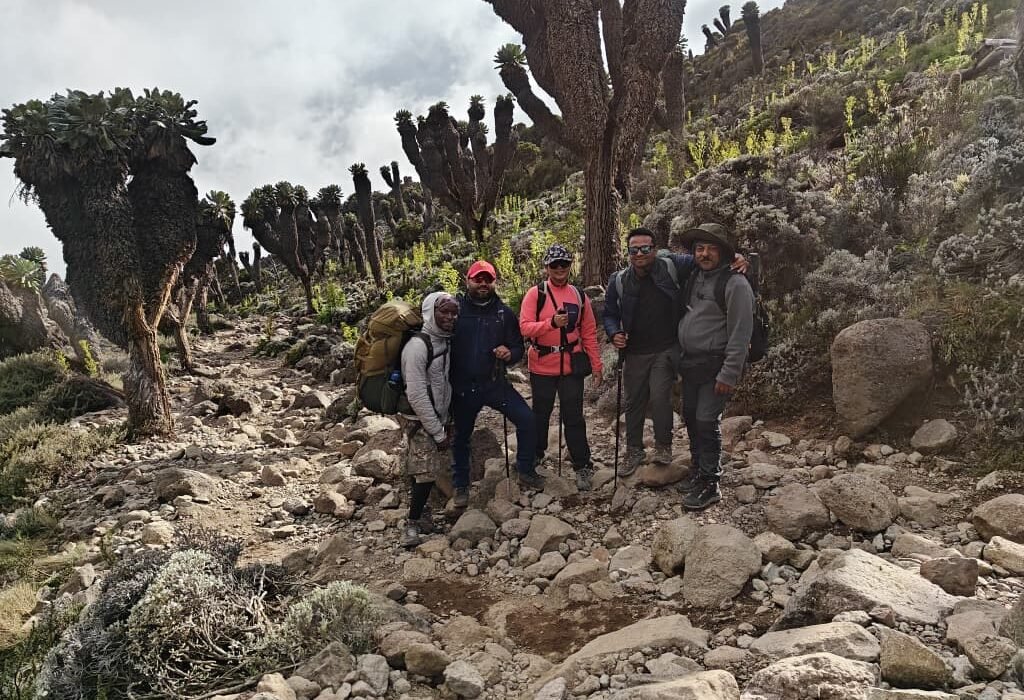
Climbing Kilimanjaro begins long before your first step on the trail. The route you choose, the time you allow and the preparation you complete all shape the experience.
For many travellers, the goal is Uhuru Peak, the highest point on Mount Kilimanjaro at 5,895 metres above sea level. Yet a summit tour involves much more than reaching the sign. It includes consecutive trekking days, changing conditions, nights on the mountain and a descent that still demands energy and attention.
A good plan brings those parts together. It helps you understand what you are booking, prepare for the physical work and communicate clearly with your guiding team.
This guide from Eddy Tours & Safaris covers nine important considerations for climbing Kilimanjaro. It also explains how to compare routes, review a quotation and organise the rest of your Tanzania holiday.
No itinerary can guarantee the summit or remove every mountain risk. The aim is to prepare thoughtfully and make appropriate decisions throughout the journey.
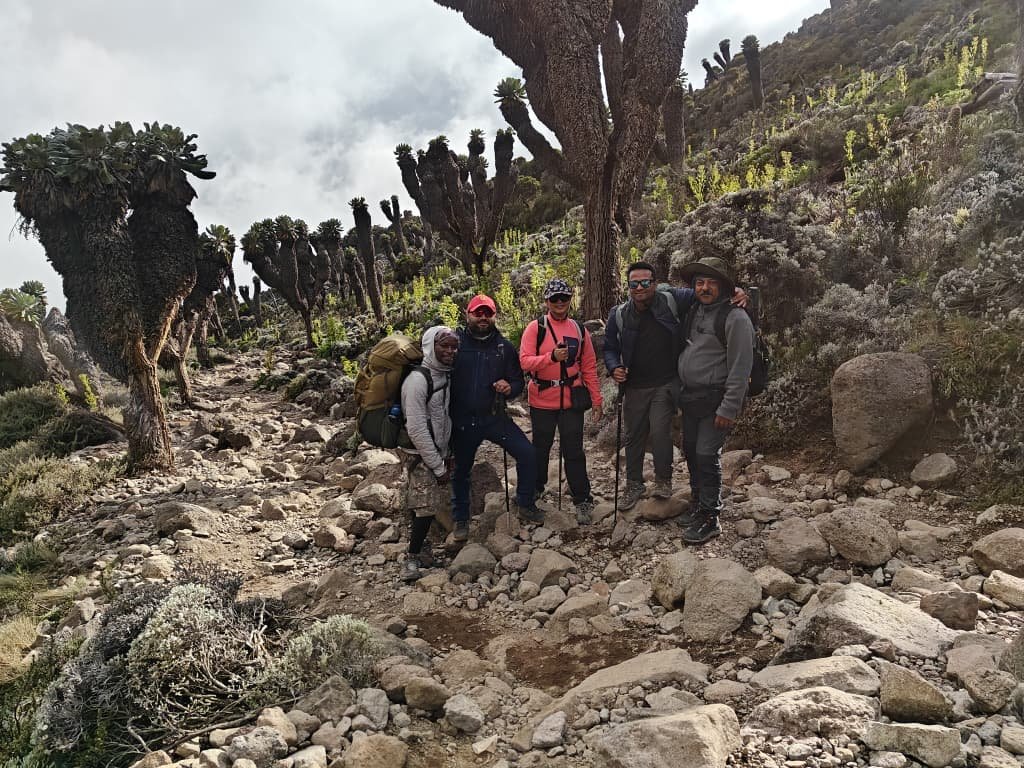
Climbing Kilimanjaro : 1. Choose the Itinerary, Not Just the Route Name
Machame, Lemosho, Marangu and Rongai are familiar names, but a route name alone does not explain the climb you will undertake.
Different versions can have different durations, overnight stops and daily demands. Before deciding, request a complete itinerary rather than relying on a short description.
Distinguish actual trekking days from total package days. A holiday advertised as nine days may include arrival, hotel and departure days.
Accommodation also affects your choice. TANAPA’s Kilimanjaro visitor guide explains that Marangu uses mountain huts, while other trekking routes use designated camping arrangements.
Ask about shared accommodation, daily walking expectations and the proposed descent. If an extra day is included, find out where it is spent and what it contributes.
Practical takeaway: Choose a day-by-day plan that fits your needs, rather than a route selected only for its popularity.
2. Treat Acclimatisation as a Separate Part of Preparation
Physical fitness and acclimatisation are different.
Training helps you cope with walking and carrying a daypack. It does not make you immune to altitude illness.
The CDC explains that gradual ascent supports acclimatisation and that individual susceptibility and ascent rate influence altitude illness risk. Fitness does not protect against it. Its high-altitude travel guidance provides useful background for reviewing your plan.
Request the sleeping elevations for your proposed itinerary. More days can provide additional opportunity to acclimatise, but duration alone does not establish that a schedule suits every person.
An arrival night in a low-altitude hotel should not be counted as equivalent to acclimatisation time on the mountain.
Practical takeaway: Review the ascent profile with the operator and discuss individual health concerns with a qualified clinician.
3. Prepare for Repeated Walking Days
A Kilimanjaro summit tour asks you to keep walking over several days, not simply complete one demanding outing.
Build preparation progressively. Regular walks, hills and longer hikes can help you become comfortable with sustained movement.
Where practical, include consecutive walking days. Notice how your feet, legs and shoulders feel when you start again the following morning.
Use your intended boots and daypack during training. This makes preparation useful for testing equipment as well as fitness.
Do not overlook downhill walking. Descending can feel different from climbing and requires its own control and endurance.
If pain develops, address it before the trip rather than assuming you can ignore it on the mountain.
Practical takeaway: Choose a consistent training routine that fits your starting point. Avoid a last-minute attempt to compensate with excessive exercise.
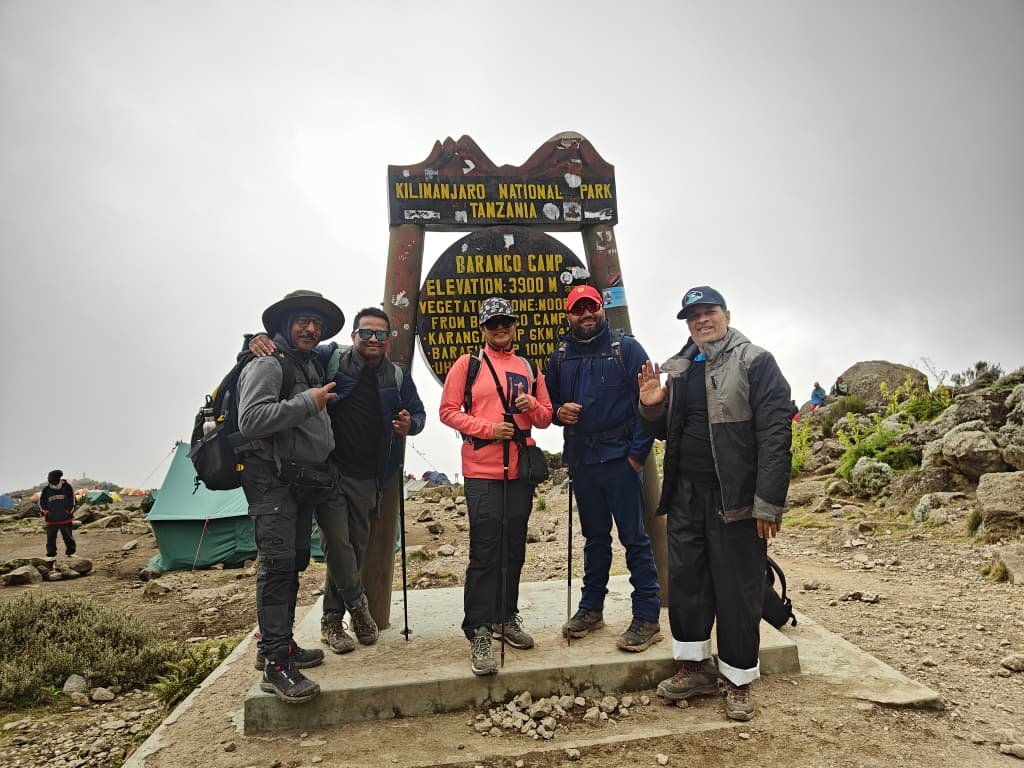
4. Make Sure Your Equipment Fits and Works
A packing list is only helpful when the items are suitable for you.
Boots should be tested with the socks you intend to wear. Warm layers should work together without restricting movement. Your waterproof outer layer needs to fit over the clothing underneath.
Practise adjusting trekking poles, operating your headlamp and accessing items in your daypack. Small tasks become more awkward when you are wearing gloves or feeling tired.
If renting equipment, confirm availability, sizing and condition beforehand. Ask about the sleeping bag’s suitability for the expected conditions.
Keep essential items accessible, including personal medication and layers needed during the day. Do not put everything in luggage carried separately.
Practical takeaway: Complete an equipment check early enough to replace unsuitable items, then confirm the final kit at your briefing.
5. Agree on a Sustainable Pace
A summit climb should not become a race between members of the group.
Walking too quickly because you feel fresh or want to keep up can make the day less comfortable. Explain your experience and concerns to the guiding team before departure.
Ask how the expedition accommodates different speeds. A group may need more than one pace, and the support arrangements should make that clear.
During the trek, report when the pace is uncomfortable. Do not wait until you are struggling badly to raise the issue.
A slower walking speed does not make an unsuitable ascent profile safe. Pace and itinerary planning work together.
Practical takeaway: Focus on steady progress and clear communication, rather than trying to arrive first at camp.
6. Report Symptoms Honestly and Early
Climbers sometimes hesitate to report symptoms because they fear losing their summit opportunity. Honest communication gives the team better information for decisions.
Report headaches, nausea, dizziness and unusual difficulty promptly. Avoid deciding independently that a concern is only tiredness.
The CDC advises against further ascent with altitude illness symptoms. Worsening illness requires descent; confusion, difficulty walking or breathlessness at rest are urgent warning signs. A pulse-oximeter reading alone cannot establish that continuing is safe.
Describe when the problem began and whether it is changing. Someone else’s comfortable progress does not determine how your body should respond.
Before booking, ask how concerns are assessed and who accompanies a climber who needs to descend.
Practical takeaway: Treat reporting as part of the climb, not as an admission that you are letting the group down.
7. Confirm Meals, Drinking Water and Rest Arrangements
Daily routines influence how comfortably you manage the expedition.
Ask how meals are organised and explain dietary requirements early. Confirm that the actual expedition team can accommodate an allergy or restriction.
Bring familiar snacks if appropriate. Training walks are a useful place to test foods rather than trying unfamiliar products for the first time at altitude.
Ask how drinking water is made safe and how your bottles or hydration system should be managed in colder conditions. Do not force excessive water in an attempt to prevent altitude illness.
Organise your equipment before resting so mornings feel less hurried. A simple routine can make it easier to notice missing items and prepare for the next day.
Practical takeaway: Discuss your needs before arrival and report difficulty eating or drinking during the trek.
8. Understand the Guiding Team and Crew Arrangements
A supported climb relies on guides, cooks, porters and other crew.
TANAPA states that Kilimanjaro climbs must be guided through a licensed operator. Follow marked routes, camp rules and guide or ranger instructions throughout the expedition.
Ask your operator about guide coverage, communication and emergency procedures. Equipment lists should be accompanied by an explanation of who uses the equipment and how a response is organised.
Crew welfare also deserves attention. Ask about workloads, food, shelter, gear, wages and tipping arrangements.
The Kilimanjaro Responsible Trekking Organization provides resources you can use when preparing those questions. Verify any partnership claim independently rather than assuming it from a logo.
Practical takeaway: Review arrangements for both climbers and crew before making your booking decision.
9. Plan for the Descent and a Safe Return
The summit is an important goal, but it is not the end of the journey.
You still need to descend, manage equipment and respond to instructions. Avoid treating the summit photograph as permission to stop paying attention.
Before the attempt, ask about the planned schedule and what should be ready. Organise clothing, lighting and essential items before resting.
If the guide decides conditions or health make continuation inappropriate, follow the decision. Determination should support preparation and cooperation, rather than override a necessary turnaround.
Allow sensible time after the trek before onward travel. A tightly timed flight can create pressure if the descent or transfer takes longer than expected.
Practical takeaway: Define success broadly enough to include sound decisions and returning safely.
Comparing Mount Kilimanjaro Summit Tours
The following route descriptions are starting points for enquiry. Your operator should provide the exact duration and overnight schedule.
| Route | General planning consideration |
|---|---|
| Machame | Compare available camping itineraries and their ascent profiles |
| Lemosho | Review the western approach and the proposed number of trekking days |
| Marangu | Consider hut accommodation alongside duration and altitude planning |
| Rongai | Confirm the northern approach and transfer arrangements |
| Northern Circuit | Assess the additional trekking time and complete schedule |
| Umbwe | Discuss the demanding approach and suitability for your experience |
| Shira | Review the relatively high starting elevation carefully |
Eddy Tours & Safaris lists these routes among its climbing options. Availability and the version offered should be confirmed for your dates.
Do not assume a route described as quiet guarantees solitude. Visitor numbers vary, and national park routes are shared.
Private Climb or Group Departure?
A private climb may suit friends or family organising around particular dates. A group departure may appeal to an independent traveller who enjoys meeting others.
Neither arrangement guarantees identical walking speeds or a summit outcome.
For a private booking, clarify tent sharing, guide coverage and whether the proposed schedule can accommodate individual needs.
For a group departure, confirm maximum numbers, availability, any minimum required to operate and what happens if the departure changes.
Ask about single supplements where relevant. Your complete personal cost may differ from the headline price.
What Should Your Quotation Explain?
A Kilimanjaro climbing price should relate to a defined itinerary and service package.
Review the following before paying:
| Item | What to confirm |
|---|---|
| Itinerary | Route, trekking days, camps and sleeping elevations |
| Accommodation | Mountain arrangements and pre/post-climb hotel |
| Staffing | Guiding and crew arrangements |
| Meals | Included meals, water and dietary provision |
| Equipment | Supplied kit, personal requirements and rentals |
| Transfers | Airports, hotels, gates and exclusions |
| Charges | Applicable park fees and other included costs |
| Emergency planning | Monitoring, descent and evacuation arrangements |
| Extra spending | Tips, insurance, flights and supplements |
| Terms | Payment, cancellation and amendment conditions |
A term such as “all-inclusive” should be followed by details. Do not assume it covers every item in your holiday.
Organising Your Arrival
Leave enough time before the trek for the briefing and equipment check.
Confirm your pickup point and provide accurate flight details. Ask what happens if your flight is delayed or checked luggage does not arrive.
Keep essential medication and important documents in your hand luggage, subject to airline requirements. Consider how a luggage delay could affect clothing and equipment, and discuss rental possibilities beforehand.
Do not assume you can land and immediately start trekking comfortably. Review the proposed sequence with the operator.
Combining the Climb With a Safari or Zanzibar
A climb can form part of a longer Tanzania holiday.
You might prefer wildlife viewing after descending or several quieter days beside the ocean. Eddy Tours & Safaris advertises safaris and Zanzibar holidays alongside its mountain services.
Request one complete itinerary rather than booking each segment without checking the connections.
Include recovery time and realistic transfers. A holiday can become less enjoyable when every day is filled with movement.
Tell the team what matters most: a particular park, beach location, budget or departure date. Those priorities help shape the overall plan.
Frequently Asked Questions
Can beginners climb Kilimanjaro?
Previous mountaineering experience is not always required for common trekking itineraries. Suitable preparation, guiding and altitude planning remain important.
How many days do I need?
That depends on the route and ascent schedule. Review actual trekking days and allow additional time for arrival and departure arrangements.
Is the shortest itinerary the best value?
Not necessarily. Compare its demands and included services before deciding on price alone.
Can I climb independently?
TANAPA requires guided climbs through a licensed operator; solo trekking is not permitted.
Is reaching Uhuru Peak guaranteed?
No. Health, altitude response and conditions influence the outcome.
Should I take medication for altitude?
Discuss this with a qualified clinician who can review your itinerary, medical history and usual medication.
What insurance should I arrange?
Confirm cover for trekking to Kilimanjaro’s summit elevation and the relevant medical and evacuation arrangements. Standard holiday cover should not be assumed sufficient.
Plan Your Kilimanjaro Summit Tour With Eddy Tours & Safaris
Climbing Kilimanjaro rewards careful preparation and an itinerary you understand. Start with the route, time available and support arrangements, then build the rest of your holiday around them.
Contact Eddy Tours & Safaris with your preferred dates, number of climbers, trekking experience and available days. Request a detailed itinerary and written quotation, including any safari or Zanzibar extension.
Website: eddytours-safaris.com
Email: eddytoursandsafaris@gmail.com
Sales enquiries: sales@eddytours-safaris.com
Phone and WhatsApp: +255 711 906 664