
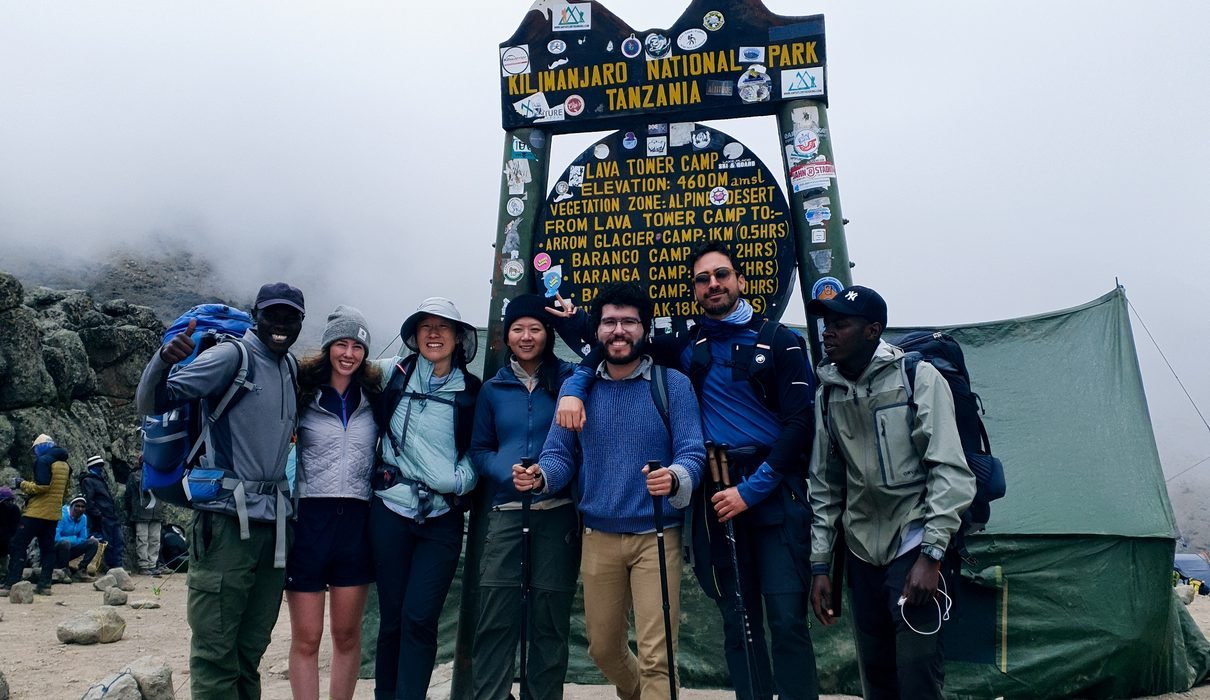
Climbing Kilimanjaro is one of the most exciting adventures in Tanzania, but choosing the right route can make a big difference to your experience. Two of the most popular routes are the Machame Route and the Lemosho Route. Both lead to Uhuru Peak, the highest point in Africa at 5,895 metres above sea level, but they offer different experiences in terms of scenery, trekking duration, difficulty, acclimatization, and overall cost.
For many climbers, the decision between Machame and Lemosho is not easy. The Machame Route is known for its beautiful landscapes, challenging trails, and relatively affordable trekking packages. The Lemosho Route, on the other hand, is famous for its quieter beginning, varied scenery, and longer itineraries that allow more time to adjust to the altitude.
Although both routes are excellent choices, the best option depends on your physical fitness, previous hiking experience, available time, budget, and personal preferences.
Some travelers prefer the Machame Route because it offers a rewarding mountain experience within six or seven days. Others choose Lemosho because they want to spend more time on the mountain and enjoy a gradual approach to higher elevations.
At Eddy Tours and Safaris, we help travelers choose suitable Kilimanjaro climbing routes based on their experience, fitness, and travel plans. Whether you are preparing for your first high-altitude trek or returning to Kilimanjaro for another adventure, understanding the differences between these two routes will help you make a better decision.
In this guide, we compare the Machame and Lemosho routes, including their difficulty, scenery, altitude acclimatization, trekking schedules, costs, and suitability for different climbers.
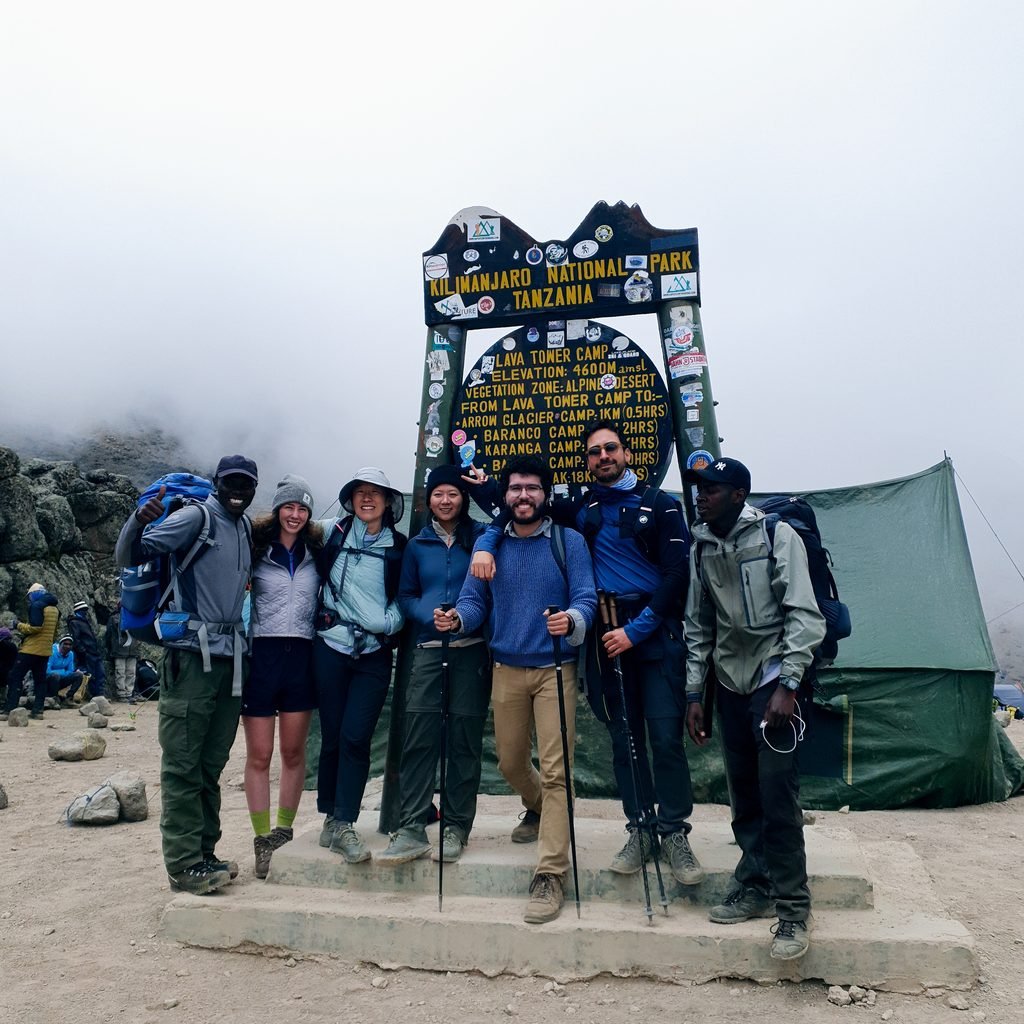
Understanding the Machame and Lemosho Routes
Mount Kilimanjaro has several established climbing routes, each approaching the mountain from a different direction.
Machame and Lemosho are both camping routes. Climbers spend their nights in mountain tents, accompanied by professional mountain guides, porters, and a cook.
Unlike the Marangu Route, which uses mountain huts, both Machame and Lemosho require camping equipment and support from a mountain crew.
Despite their differences, the two routes eventually join near the Shira Plateau and follow much of the same southern circuit toward Barafu Camp, where climbers begin their final summit attempt.
This means that the main differences between Machame and Lemosho are found in their starting points, early trekking days, overall duration, and opportunities for altitude acclimatization.
Machame vs Lemosho: Quick Route Comparison
| Feature | Machame Route | Lemosho Route |
|---|---|---|
| Starting point | Machame Gate | Londorossi Gate / Lemosho trailhead |
| Common duration | 6–7 days | 7–8 days |
| Approximate trekking distance | 62 km | 70 km |
| Difficulty | Challenging | Challenging |
| Accommodation | Camping | Camping |
| Scenery | Rainforest, moorland, alpine desert | Forest, Shira Plateau, moorland, alpine desert |
| Crowds | Generally busier | Quieter beginning |
| Acclimatization | Better on 7-day option | More gradual on 8-day option |
| Typical cost | Generally lower | Generally higher |
| Summit destination | Uhuru Peak | Uhuru Peak |
| Best suited for | Fit climbers with limited time | Climbers wanting more time and scenery |
Distances are approximate and can vary depending on the itinerary and camps selected.
Both routes involve steep trails, cold temperatures, high altitude, and a demanding summit night. Neither should be considered an easy climb.
1. Machame Route: A Popular and Challenging Kilimanjaro Climb
The Machame Route, sometimes called the Whiskey Route, is one of the most frequently used trails on Mount Kilimanjaro.
It approaches the mountain from the southwest and passes through several different vegetation zones before reaching the summit.
Climbers begin their journey at Machame Gate, where they enter the tropical rainforest. The first day involves walking through dense forest, where it is sometimes possible to see monkeys and different bird species.
As the climb continues, the landscape changes from rainforest to moorland, alpine desert, and eventually the rocky and icy environment near the summit.
One reason the Machame Route is popular is its varied scenery. Each day provides different views of Kilimanjaro, including the Shira Plateau, Kibo Peak, and the surrounding mountain valleys.
The route also includes the famous Barranco Wall, a steep rocky section that requires climbers to use their hands for balance in certain places.
Although the Barranco Wall may look intimidating, it is normally completed without technical climbing equipment. However, climbers who are uncomfortable with heights may find some sections challenging.
Advantages of the Machame Route
The Machame Route offers several benefits for travelers planning to climb Kilimanjaro.
Beautiful scenery: The route passes through different ecological zones, providing excellent opportunities for photography.
Shorter trekking duration: Most Machame itineraries take six or seven days, making the route suitable for travelers with limited holiday time.
Lower overall cost: Because the climb generally requires fewer days than Lemosho, the total package price is often lower.
Good acclimatization opportunities: The seven-day Machame itinerary includes a more gradual schedule than the six-day version.
Established trekking route: Machame is widely used, with established camps and familiar trails.
Disadvantages of the Machame Route
Despite its popularity, Machame has some disadvantages.
The route can become busy during peak climbing seasons, particularly around major camps such as Barranco and Barafu.
Some trekking days involve steep ascents and descents, which can be tiring for people who are not accustomed to mountain hiking.
The six-day itinerary also provides less time for acclimatization than longer Kilimanjaro climbing programs.
For this reason, climbers who have enough time should seriously consider the seven-day Machame itinerary.
2. Lemosho Route: A Longer and More Gradual Kilimanjaro Experience
The Lemosho Route approaches Mount Kilimanjaro from the western side.
It is widely appreciated for its beautiful scenery, relatively quiet early stages, and longer trekking itineraries.
The journey normally begins with a drive from Moshi or Arusha toward Londorossi Gate, where climbers complete the necessary registration procedures.
After registration, climbers continue to the designated starting point and begin walking through the forest.
The early stages of Lemosho pass through beautiful woodland before reaching the open landscapes of the Shira Plateau.
Compared with Machame, Lemosho generally offers a quieter beginning because fewer climbers use its western approach.
However, the routes eventually join, meaning that the later sections can become just as busy as Machame.
Advantages of the Lemosho Route
More time for acclimatization: The eight-day itinerary provides additional time for the body to adjust to increasing altitude.
Beautiful landscapes: Lemosho offers excellent views of the Shira Plateau, Kibo Peak, and Kilimanjaro’s western slopes.
Quieter early trekking days: The western approach generally receives fewer climbers than Machame.
Suitable for first-time high-altitude trekkers: The longer itinerary can be beneficial for people who have good hiking fitness but limited experience at high altitude.
More time to enjoy the mountain: Climbers can experience different landscapes without following the shortest available schedule.
Disadvantages of the Lemosho Route
Lemosho is usually more expensive because it involves additional days on the mountain.
The route also requires a longer approach drive to its western starting area.
Although the eight-day itinerary allows more time for acclimatization, the climb still involves demanding trekking days, cold temperatures, and a difficult summit attempt.
Another consideration is that Lemosho eventually joins the same southern circuit used by Machame, so it is not a completely isolated route.
3. Machame vs Lemosho: Which Route Is More Difficult?
Both Machame and Lemosho are challenging Kilimanjaro climbing routes.
Neither requires technical mountaineering skills under normal trekking conditions, but climbers need good physical fitness, mental determination, and preparation for high altitude.
The main challenge is not simply the distance walked each day. It is the combination of steep terrain, reduced oxygen levels, changing weather conditions, and limited recovery time.
Difficulty of the Machame Route
Machame involves several demanding trekking sections.
The climb from Machame Camp to Shira Camp includes steep trails, while the journey toward Barranco Camp involves significant changes in elevation.
The Barranco Wall is another well-known challenge.
Although it is not a technical rock-climbing route, some sections require careful foot placement and the use of hands for balance.
The summit attempt from Barafu Camp is physically demanding, especially because climbers normally begin walking late at night.
Difficulty of the Lemosho Route
Lemosho is also challenging, but its longer itinerary can make the overall ascent feel more manageable.
The first days generally allow climbers to build a steady trekking rhythm before reaching the higher sections.
However, Lemosho includes the Barranco Wall and the same demanding summit approach used by Machame.
Therefore, the eight-day Lemosho Route should not be described as an easy alternative.
Which is easier?
For many climbers, the eight-day Lemosho Route is the more manageable option because it provides additional time for acclimatization.
However, a seven-day Machame itinerary may be preferable for someone who has good hiking experience and wants a slightly shorter climb.
4. Acclimatization: Why the Number of Days Matters
Altitude acclimatization is one of the most important considerations when choosing a Kilimanjaro climbing route.
As climbers move higher, the atmospheric pressure decreases, reducing the amount of oxygen available with each breath.
The body needs time to adjust to these conditions.
Climbing too quickly can increase the risk of altitude sickness, which may cause headaches, nausea, dizziness, tiredness, and difficulty sleeping.
More serious forms of altitude illness can become life-threatening if not recognized and managed promptly.
The CDC recommends gradual ascent and additional acclimatization time when climbing Kilimanjaro.
Acclimatization on the Machame Route
The Machame Route is commonly completed in six or seven days.
The seven-day itinerary normally includes an additional night at Karanga Camp before reaching Barafu Camp.
This extra day provides more time for acclimatization and can reduce the physical pressure of the shorter schedule.
The six-day version is generally more demanding because climbers have less time to adjust to the altitude.
Acclimatization on the Lemosho Route
The Lemosho Route is normally completed in seven or eight days.
The eight-day itinerary allows a more gradual approach through the western side of the mountain before joining the southern circuit.
This additional time is one reason Lemosho is frequently recommended for first-time Kilimanjaro climbers.
However, spending more days on the mountain does not guarantee reaching the summit. Individual responses to altitude vary, and even physically fit climbers can develop altitude sickness.
Our recommendation: If your schedule and budget allow, choose either the seven-day Machame Route or the eight-day Lemosho Route rather than the shorter alternatives.
5. Machame Route: 7-Day Kilimanjaro Climbing Itinerary
The seven-day Machame Route is a popular choice for travelers who want a balance between trekking duration, scenery, and acclimatization.
Day 1: Machame Gate to Machame Camp
The climb begins at Machame Gate, approximately 1,800 metres above sea level.
After registration, climbers enter the rainforest and follow a trail through dense vegetation.
The first day’s walk usually takes around five to seven hours, depending on trail conditions and group pace.
Overnight accommodation is at Machame Camp, approximately 2,835 metres.
Day 2: Machame Camp to Shira Camp
After breakfast, climbers continue uphill through the forest before entering the moorland zone.
The trail becomes steeper in places, but the surrounding views improve as the vegetation becomes more open.
The day’s destination is Shira Camp, approximately 3,750 metres above sea level.
Day 3: Shira Camp to Barranco Camp
This is an important acclimatization day.
Climbers ascend toward Lava Tower, approximately 4,630 metres, before descending to Barranco Camp at around 3,900 metres.
The climb to Lava Tower provides exposure to higher altitude, while the descent allows climbers to sleep lower.
Day 4: Barranco Camp to Karanga Camp
The day begins with the ascent of Barranco Wall.
After completing this section, climbers continue across a series of ridges and valleys toward Karanga Camp.
The walking distance is relatively short, but the terrain includes several steep sections.
Day 5: Karanga Camp to Barafu Camp
Climbers continue toward Barafu Camp, approximately 4,670 metres above sea level.
After arrival, the mountain crew prepares meals and helps climbers organize their summit equipment.
Most groups rest during the afternoon because the final summit attempt normally begins late at night.
Day 6: Barafu Camp to Uhuru Peak and Mweka Camp
Summit day is the most demanding part of the climb.
Climbers normally begin walking around midnight, ascending slowly toward Stella Point on the crater rim.
From Stella Point, the trail continues toward Uhuru Peak at 5,895 metres.
After reaching the summit, climbers descend to Barafu Camp for a short rest before continuing toward Mweka Camp.
This is a long and physically demanding day.
Day 7: Mweka Camp to Mweka Gate
The final day involves descending through the rainforest toward Mweka Gate.
After completing the park exit procedures, climbers return to Moshi or Arusha for a well-earned rest.
6. Lemosho Route: 8-Day Kilimanjaro Climbing Itinerary
The eight-day Lemosho Route is particularly suitable for travelers who want more time on Kilimanjaro.
Day 1: Londorossi Gate to Mti Mkubwa Camp
The journey begins with a drive to Londorossi Gate for registration.
Climbers then continue to the designated trailhead and walk through the forest toward Mti Mkubwa Camp.
The forest environment is peaceful, and wildlife such as monkeys may occasionally be seen.
Day 2: Mti Mkubwa Camp to Shira 1 Camp
The trail gradually leaves the forest and enters the moorland zone.
As climbers gain elevation, the landscape becomes more open, providing beautiful views across the Shira Plateau.
The day ends at Shira 1 Camp, approximately 3,500 metres.
Day 3: Shira 1 Camp to Shira 2 Camp
Climbers continue across the Shira Plateau toward Shira 2 Camp.
The terrain is relatively open, with excellent views of Kilimanjaro’s western slopes.
This is usually a shorter trekking day, allowing additional time for rest.
Day 4: Shira 2 Camp to Barranco Camp
The route climbs toward Lava Tower before descending to Barranco Camp.
This day is important for acclimatization because climbers reach a higher elevation during the day and return to a lower sleeping altitude.
Day 5: Barranco Camp to Karanga Camp
The day begins with the famous Barranco Wall.
After reaching the top, climbers continue across the mountain’s southern slopes toward Karanga Camp.
Day 6: Karanga Camp to Barafu Camp
Climbers continue toward Barafu Camp, the final camp before the summit attempt.
After arrival, the mountain crew prepares dinner, and climbers rest before beginning the final ascent.
Day 7: Barafu Camp to Uhuru Peak and Mweka Camp
The summit attempt normally begins around midnight.
Climbers ascend toward Stella Point before continuing to Uhuru Peak.
After reaching the summit, they descend toward Mweka Camp.
Day 8: Mweka Camp to Mweka Gate
The final day involves walking through the rainforest to Mweka Gate.
After completing the necessary procedures, climbers return to their hotel in Moshi or Arusha.
7. Which Route Has Better Scenery?
Both Machame and Lemosho offer beautiful landscapes, but the experience is slightly different.
Scenery on the Machame Route
Machame provides impressive views from the early stages of the climb.
As climbers leave the rainforest, they begin to see the mountain’s higher slopes, rocky ridges, and wide valleys.
The route is particularly famous for views around Shira Camp, Lava Tower, Barranco Wall, and the southern circuit.
Scenery on the Lemosho Route
Lemosho is often considered one of Kilimanjaro’s most scenic routes because of its western approach and the journey across the Shira Plateau.
The early forest sections provide a different atmosphere from the busier southern routes.
The wide landscapes of the Shira Plateau also offer excellent opportunities for photography.
Which is better for scenery?
Lemosho has a slight advantage for travelers who want to experience more of Kilimanjaro’s western landscapes.
However, Machame also offers outstanding scenery, particularly along the southern circuit.
8. Which Route Is More Crowded?
Crowding is another factor worth considering when choosing between Machame and Lemosho.
Machame is one of Kilimanjaro’s most popular routes, meaning that several climbing groups may use the same camps during busy periods.
Lemosho generally has fewer climbers during its early stages.
However, once Lemosho joins the southern circuit, climbers share many of the same trails and camps used by Machame.
Therefore, Lemosho is not necessarily quieter throughout the entire climb.
Travelers who want to avoid the busiest periods should consider climbing outside the peak trekking months, while still paying attention to seasonal weather conditions.
9. Machame vs Lemosho: Which Route Is More Expensive?
The Lemosho Route generally costs more than Machame because it requires additional days on the mountain.
Longer climbs involve more meals, camping arrangements, mountain crew wages, park-related charges, and logistical support.
The final cost also depends on the number of climbers, quality of equipment, group size, and services included.
When comparing Kilimanjaro climbing packages, travelers should look beyond the advertised price.
A responsible climbing package should include qualified mountain guides, appropriate camping equipment, sufficient food, porter support, and clear emergency procedures.
Choosing the cheapest available package without checking these services can affect both comfort and safety.
At Eddy Tours and Safaris, travelers can request quotations for different Kilimanjaro routes based on their preferred trekking duration and group size.
10. Best Time to Climb Kilimanjaro Using Machame or Lemosho
Both routes can be climbed throughout the year, but some months generally offer more favorable weather conditions.
January to March
January, February, and early March can provide good climbing conditions.
Temperatures may be relatively mild at lower elevations, although summit conditions remain cold.
There is still a possibility of rain, snow, and cloud cover.
June to October
June through October is another popular climbing period.
These months generally fall within Tanzania’s drier season, making trekking conditions more favorable.
However, July, August, and September can be busy, particularly on popular routes such as Machame.
April and May
April and May are generally associated with the long rainy season.
Trails may become muddy and slippery, while cloud cover can reduce visibility.
Climbing remains possible, but travelers should prepare for wetter conditions.
November and December
November often experiences short rains, although conditions vary from year to year.
December can offer suitable climbing opportunities, particularly later in the month, but weather conditions are less predictable than during the main dry seasons.
11. How to Prepare for Machame or Lemosho
Good preparation is essential regardless of which route you choose.
Climbers should begin physical training several months before traveling to Tanzania.
Regular hiking is one of the best ways to prepare because it strengthens the legs and helps the body become accustomed to walking for several hours.
Physical Training
A suitable training program may include walking, hiking, cycling, swimming, and stair climbing.
Whenever possible, practice hiking on uneven terrain while carrying a small daypack.
Long weekend hikes are particularly useful because they help develop endurance.
Packing the Right Equipment
Temperatures on Kilimanjaro vary considerably between the rainforest and summit.
Climbers should pack suitable clothing for warm, wet, windy, and freezing conditions.
Important equipment includes:
- Waterproof hiking boots.
- Thermal base layers.
- Warm fleece or insulated jacket.
- Waterproof jacket and trousers.
- Warm gloves and a winter hat.
- Sleeping bag suitable for freezing temperatures.
- Headlamp with spare batteries.
- Trekking poles.
- Comfortable daypack.
- Reusable water bottles or suitable hydration equipment.
Understanding Altitude Sickness
Altitude sickness is one of the main risks associated with climbing Kilimanjaro.
Symptoms can include headaches, nausea, dizziness, fatigue, and loss of appetite.
Climbers should communicate any symptoms to their mountain guide immediately.
According to the CDC’s guidance on high-altitude travel, climbers should not continue ascending to a higher sleeping altitude while experiencing symptoms of altitude illness. Worsening symptoms require prompt medical assessment and, when indicated, descent.
Travelers should consult a qualified healthcare professional before departure about their fitness for high-altitude trekking and whether preventive medication is appropriate.
12. Machame or Lemosho: Which Route Is Best for Beginners?
For first-time Kilimanjaro climbers, the eight-day Lemosho Route is often the better choice.
The additional trekking day provides more time for acclimatization, while the western approach offers beautiful scenery and a quieter beginning.
However, this does not mean that beginners cannot climb Machame.
Many first-time climbers successfully complete the seven-day Machame Route with appropriate preparation and guidance.
The most important consideration is choosing an itinerary that provides sufficient time for acclimatization.
Climbers should also understand that good physical fitness does not guarantee protection against altitude sickness.
A person who regularly runs marathons can still experience altitude-related problems, while someone with moderate fitness may acclimatize well.
13. Which Route Has the Better Summit Success Rate?
Summit success is an important consideration for travelers planning to climb Kilimanjaro.
However, it is difficult to provide a reliable universal success rate for Machame or Lemosho.
Different operators may report different figures, and the results depend on factors such as trekking duration, weather, altitude acclimatization, individual health, and the experience of the mountain crew.
In general, longer itineraries offer more time for acclimatization, which can improve the likelihood of reaching the summit.
An eight-day Lemosho climb may therefore provide an advantage over a six-day Machame climb.
However, comparing eight-day Lemosho with seven-day Machame is less straightforward.
Both can provide good opportunities for acclimatization when properly organized.
Rather than choosing a route based only on advertised summit success percentages, travelers should consider the overall itinerary, safety arrangements, and quality of guiding services.
14. Why Climb Kilimanjaro with Eddy Tours and Safaris?
Choosing the right Kilimanjaro climbing company is just as important as selecting the route.
At Eddy Tours and Safaris, we help travelers plan Kilimanjaro climbing experiences according to their fitness, available time, trekking preferences, and travel budget.
Whether you prefer the seven-day Machame Route or the eight-day Lemosho Route, our team can help you understand the itinerary and prepare for the challenges ahead.
We recognize that climbing Kilimanjaro requires more than simply walking to the summit.
Proper preparation, experienced mountain guides, suitable equipment, and careful attention to altitude acclimatization all play important roles.
Travelers can also combine their Kilimanjaro climb with a Tanzania wildlife safari or Zanzibar beach holiday.
After completing the mountain, many visitors choose to explore Serengeti National Park, Ngorongoro Crater, or Tarangire National Park before returning home.
To discuss your preferred Kilimanjaro route, visit our contact page.
Frequently Asked Questions About Machame and Lemosho Routes
Is Machame harder than Lemosho?
Machame can feel more demanding, particularly when completed in six days. The eight-day Lemosho Route provides additional time for acclimatization, although both routes include challenging sections and a difficult summit attempt.
Which route is better for first-time Kilimanjaro climbers?
The eight-day Lemosho Route is often recommended for first-time climbers because of its longer duration and gradual approach. However, the seven-day Machame Route is also a suitable option for well-prepared beginners.
Is Lemosho more scenic than Machame?
Lemosho offers beautiful western landscapes and the Shira Plateau, while Machame provides impressive views along the southern circuit. Both routes are scenic, but Lemosho offers a longer approach through different landscapes.
Does Machame have the Barranco Wall?
Yes. Machame includes the Barranco Wall, a steep rocky section that requires careful movement and occasional use of hands for balance.
Does Lemosho also include Barranco Wall?
Yes. The standard Lemosho itinerary joins the southern circuit and passes through Barranco Wall before continuing toward Karanga and Barafu camps.
Which route is cheaper, Machame or Lemosho?
Machame is generally cheaper because it is normally completed in fewer days. Lemosho costs more because of the additional mountain crew services, meals, camping arrangements, and park-related expenses.
Can beginners climb Kilimanjaro using Machame?
Yes. Beginners with suitable physical fitness, proper preparation, and sufficient acclimatization time can climb Kilimanjaro using Machame. The seven-day itinerary is generally preferable to the six-day option.
Is the Lemosho Route less crowded?
Lemosho is usually quieter during its early stages. However, it eventually joins the southern circuit, where climbers share trails and camps with other routes.
How cold is Kilimanjaro summit night?
Temperatures near the summit can fall well below freezing, particularly when wind chill is considered. Climbers need suitable insulated clothing, gloves, and other cold-weather equipment.
Can I combine Kilimanjaro climbing with a Tanzania safari?
Yes. Many travelers combine a Kilimanjaro climb with a safari to Serengeti National Park, Ngorongoro Crater, Tarangire National Park, or other destinations.
Final Thoughts: Machame vs Lemosho — Which Should You Choose?
Both Machame and Lemosho are excellent routes for climbing Mount Kilimanjaro.
Machame is a good choice for travelers who want beautiful scenery, a challenging trekking experience, and a shorter itinerary.
The seven-day Machame Route provides a good balance between climbing duration and acclimatization.
Lemosho is particularly suitable for travelers who prefer a longer mountain experience, quieter early trekking days, and more time to adjust to the altitude.
The eight-day Lemosho Route is often the better option for first-time climbers who have sufficient time and budget.
However, neither route guarantees reaching Uhuru Peak. Weather, individual acclimatization, physical preparation, and health all affect the outcome.
Our recommendation is simple: choose the eight-day Lemosho Route if you want more time on the mountain, or the seven-day Machame Route if you prefer a slightly shorter climb.
Whichever route you choose, proper preparation and a reliable mountain crew are essential.
Plan Your Kilimanjaro Climb with Eddy Tours and Safaris
Are you planning to climb Mount Kilimanjaro in 2027 or 2028?
Eddy Tours and Safaris can help you choose between Machame, Lemosho, and other Kilimanjaro climbing routes according to your travel plans and trekking experience.
Whether you are traveling alone, with friends, as a couple, or in a group, we can help you organize a Kilimanjaro climbing itinerary that suits your needs.
Visit Eddy Tours and Safaris or contact our team to request more information about our Kilimanjaro climbing packages.
Email: sales@eddytours-safaris.com
Phone/WhatsApp: +255 711 906 664
Website: Eddy Tours and Safaris
1 Comment
Comments are closed.