
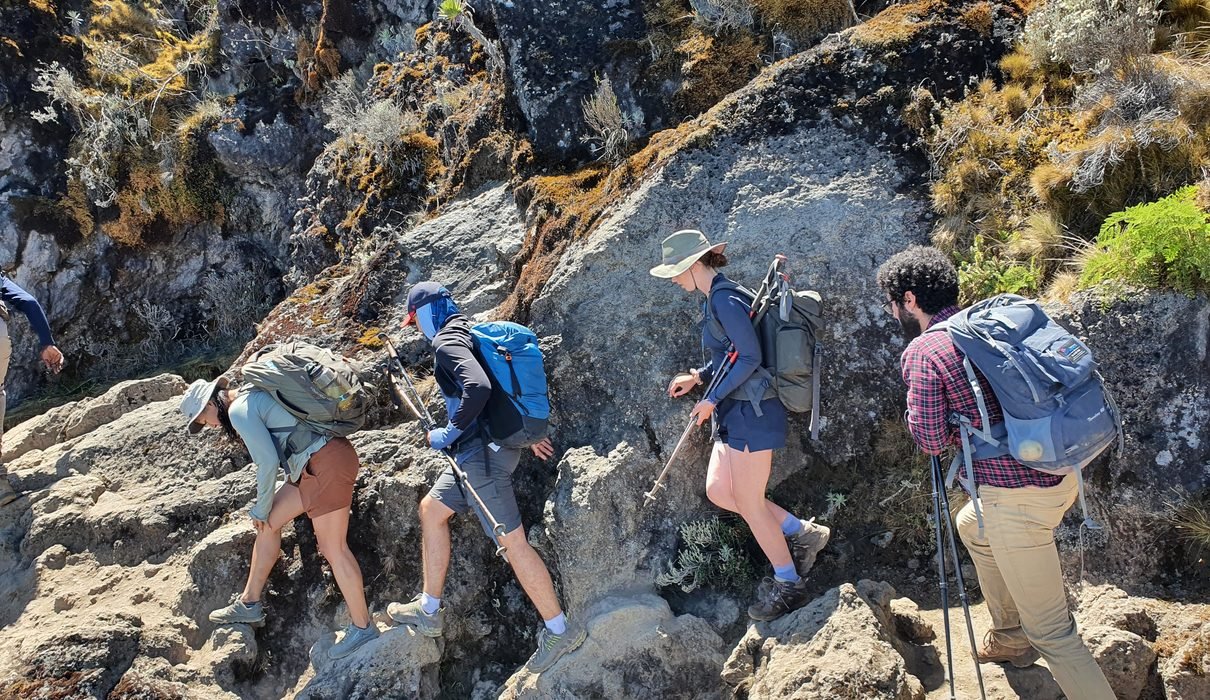
Climbing Kilimanjaro in 2027/2028 is one of the most rewarding adventures you can experience in Tanzania. Rising to 5,895 metres above sea level, Kilimanjaro is the highest mountain in Africa and attracts travelers from around the world who want to stand on Uhuru Peak.
Unlike many other high mountains, Kilimanjaro can be climbed through established trekking routes without technical mountaineering skills. However, reaching the summit is not an easy walk. The journey involves several days of hiking, changing weather conditions, cold temperatures, and the challenges of high altitude.
If you are planning to climb Kilimanjaro in 2027 or 2028, choosing the right route and preparing properly can make a significant difference to your experience.
Some travelers prefer the scenic Lemosho Route, while others choose Machame for its varied landscapes or Marangu because it offers accommodation in permanent mountain huts. Climbers looking for a longer adventure may prefer the Northern Circuit, which travels around the quieter northern slopes of the mountain.
Every route offers a different experience, and the best choice depends on your fitness, hiking experience, budget, and available time.
At Eddy Tours and Safaris, we help travelers plan Kilimanjaro climbing adventures according to their individual interests and travel arrangements.
This complete Climbing Kilimanjaro Guide for 2027/2028 explains everything you should know before booking, including the main climbing routes, best months, estimated prices, equipment, accommodation, altitude sickness, summit preparation, and practical travel advice.
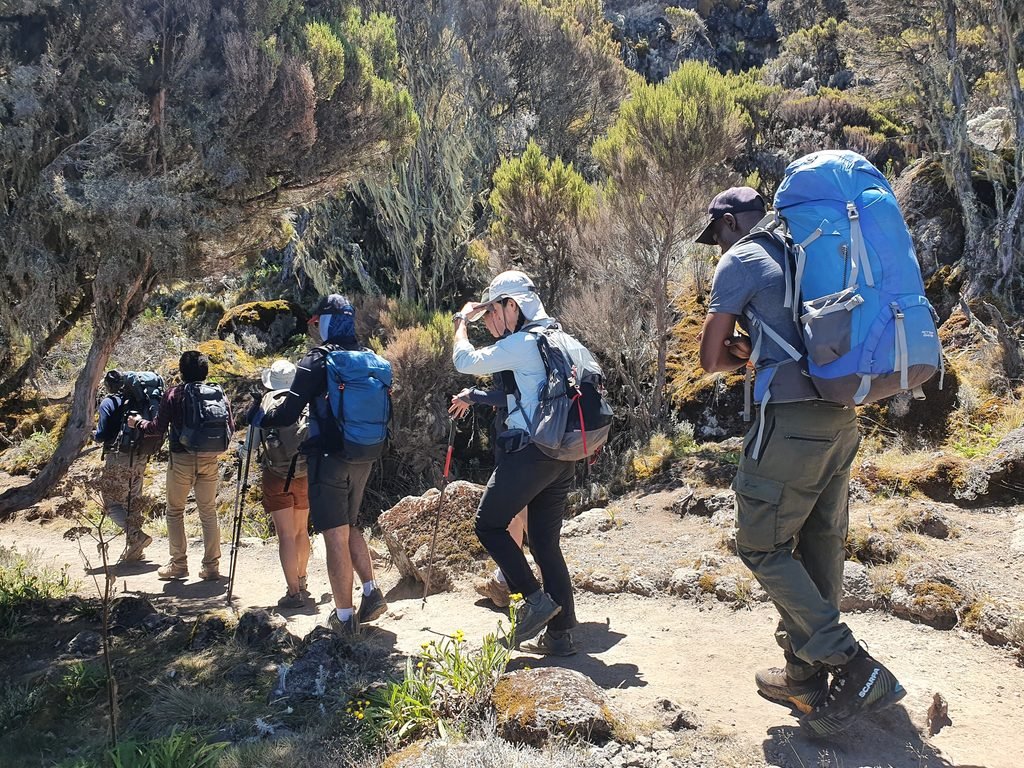
Where Is Mount Kilimanjaro Located?
Mount Kilimanjaro is located in northern Tanzania, near the border with Kenya.
The mountain lies within Kilimanjaro National Park, a protected area famous for its beautiful landscapes and distinctive volcanic peaks.
Kilimanjaro has three main volcanic cones: Kibo, Mawenzi, and Shira.
Kibo is the highest and contains Uhuru Peak, the mountain’s summit at 5,895 metres.
Mawenzi is a rugged volcanic peak that rises to approximately 5,149 metres, while Shira forms part of the mountain’s ancient volcanic landscape.
Most international climbers arrive through Kilimanjaro International Airport, located between Moshi and Arusha.
Moshi is a popular starting point because of its proximity to the mountain.
Many travelers spend at least one night in Moshi before beginning their climb, allowing time to rest, meet their guide, and check their equipment.
Quick Facts About Climbing Kilimanjaro
| Information | Details |
|---|---|
| Country | Tanzania |
| Mountain | Mount Kilimanjaro |
| Highest point | Uhuru Peak |
| Summit elevation | 5,895 metres / 19,341 feet |
| Mountain type | Volcanic mountain |
| Main climbing base | Moshi, Tanzania |
| Common climbing duration | 5–10 days, with some extended itineraries |
| Technical climbing required | Not on standard trekking routes |
| Popular climbing months | January–March and June–October |
| Accommodation | Camping tents or mountain huts, depending on route |
| Main challenge | High altitude and physical endurance |
Can Beginners Climb Mount Kilimanjaro?
Yes. Many people who climb Kilimanjaro are first-time high-altitude trekkers.
You do not need to be a professional mountaineer or have experience using ropes and technical climbing equipment on the standard trekking routes.
However, you should be physically prepared and understand the challenges.
Most Kilimanjaro itineraries involve walking for four to eight hours on several consecutive days. Summit day can involve twelve to sixteen hours of trekking.
The terrain includes forest paths, rocky trails, steep slopes, and loose volcanic scree.
The biggest challenge for many climbers is altitude.
As you climb higher, the amount of oxygen available with each breath decreases, making physical activity more demanding.
Even very fit climbers can experience altitude sickness.
For beginners, longer itineraries such as the eight-day Lemosho Route or nine-day Northern Circuit are often worth considering because they provide more opportunities for acclimatization.
The 7 Main Kilimanjaro Climbing Routes
Kilimanjaro has several established trekking approaches, each offering different scenery, accommodation, and climbing schedules.
The seven routes commonly discussed by tour operators are Machame, Marangu, Lemosho, Rongai, Northern Circuit, Umbwe, and Shira.
Some of these share sections of trail, while the Northern Circuit is an extended itinerary rather than an entirely separate starting approach.
1. Machame Route – A Popular Scenic Route
The Machame Route is one of Kilimanjaro’s best-known climbing routes.
Often called the Whiskey Route, it begins on the southwestern side of the mountain and passes through rainforest before reaching the Shira Plateau.
The trail continues toward Lava Tower, Barranco Wall, Karanga Camp, and Barafu Camp before the summit attempt.
Machame is particularly attractive because of its beautiful landscapes and varied terrain.
The route is normally completed in six or seven days.
The seven-day itinerary includes an overnight stay at Karanga Camp, providing additional time for acclimatization.
Best for: Travelers who enjoy scenic trekking and want a challenging mountain experience.
2. Marangu Route – Kilimanjaro’s Hut Accommodation Route
The Marangu Route is commonly known as the Coca-Cola Route.
It is the only main Kilimanjaro summit trekking route that uses permanent mountain huts for overnight accommodation.
Climbers stay at Mandara Hut, Horombo Hut, and Kibo Hut.
The route approaches Kilimanjaro from the southeastern side and follows an established trail through rainforest, moorland, and alpine desert.
Marangu is normally completed in five or six days.
The six-day itinerary includes an additional acclimatization day at Horombo Hut and is generally preferable to the shorter version.
Although Marangu is sometimes described as an easier route, its relatively rapid ascent means altitude remains a significant challenge.
Best for: Travelers who prefer shared mountain huts instead of sleeping in tents.
3. Lemosho Route – Beautiful Scenery and More Acclimatization Time
The Lemosho Route begins on the western side of Mount Kilimanjaro.
It passes through tropical rainforest before reaching the Shira Plateau, where climbers enjoy beautiful views of Kibo Peak and the surrounding volcanic landscape.
The route later joins the southern circuit, passing Lava Tower, Barranco Wall, Karanga Camp, and Barafu Camp.
Lemosho is commonly completed in seven or eight days.
The eight-day itinerary is particularly popular because it provides more time for acclimatization and allows climbers to enjoy the mountain without following the faster schedules used on some shorter routes.
Best for: First-time climbers and experienced hikers who want beautiful scenery and a longer itinerary.
4. Rongai Route – Kilimanjaro’s Northern Approach
The Rongai Route approaches Kilimanjaro from the northern side, close to the Kenya border.
It passes through quieter landscapes and offers a different perspective of the mountain.
The route generally has a more gradual initial ascent compared with some southern approaches.
Rongai is commonly completed in six or seven days.
Climbers normally approach the summit from Kibo Hut and descend via the Marangu Route.
The northern location can sometimes experience different rainfall conditions from the southern slopes, although wet weather is possible throughout the year.
Best for: Travelers interested in a quieter approach and different mountain scenery.
5. Northern Circuit Route – A Longer Kilimanjaro Adventure
The Northern Circuit is one of the longest Kilimanjaro trekking itineraries.
It begins on the western side of the mountain, usually following the Lemosho approach before continuing around Kibo’s northern slopes.
The route passes through remote alpine landscapes, including areas near Moir Hut, Buffalo Camp, and Third Cave.
Because it travels around the northern side, climbers experience scenery that is different from the popular southern trails.
The Northern Circuit is commonly completed in nine or ten days, although customized longer itineraries are possible.
Its longer schedule provides additional opportunities for altitude acclimatization.
Best for: Travelers who have more time and want quieter trails, varied scenery, and a longer ascent.
6. Umbwe Route – A Steep and Demanding Approach
The Umbwe Route is known for its steep initial ascent.
It approaches Kilimanjaro from the south and climbs quickly through forest and rocky terrain.
The route is physically demanding and provides less time for acclimatization on its shorter itineraries.
For this reason, Umbwe is generally better suited to experienced mountain trekkers who understand the challenges of high altitude.
Climbers should not choose Umbwe simply because it appears to be a shorter route.
Best for: Experienced hikers who are comfortable with steep terrain and have carefully considered the acclimatization risks.
7. Shira Route – A High-Altitude Western Approach
The Shira Route begins at a relatively high elevation on Kilimanjaro’s western side.
Unlike Lemosho, which starts lower in the rainforest, the Shira approach often uses vehicle access to reach the plateau.
This means climbers can begin trekking at an altitude above 3,000 metres.
Although the scenery is beautiful, the rapid arrival at high elevation can increase the risk of altitude illness for travelers who have not acclimatized.
For many climbers, Lemosho is a more suitable western approach because it begins lower and provides a more gradual ascent.
Best for: Travelers who understand the altitude implications and have a carefully planned itinerary.
Kilimanjaro Routes Comparison: Which One Should You Choose?
| Route | Typical duration | Accommodation | Main advantage | Main consideration |
|---|---|---|---|---|
| Machame | 6–7 days | Camping | Beautiful scenery | Steep sections |
| Marangu | 5–6 days | Mountain huts | Indoor sleeping facilities | Shorter acclimatization schedule |
| Lemosho | 7–8 days | Camping | Scenic western approach | Higher cost for longer itinerary |
| Rongai | 6–7 days | Camping | Quieter northern approach | Different scenery from southern circuit |
| Northern Circuit | 9–10 days | Camping | Longer acclimatization schedule | Requires more time and budget |
| Umbwe | Usually 6–7 days | Camping | Direct, steep approach | Demanding and rapid ascent |
| Shira | Usually 7–8 days | Camping | Open western plateau | High starting elevation |
For many first-time climbers, the eight-day Lemosho Route is an excellent option.
Travelers who prefer mountain huts may choose the six-day Marangu Route.
Those who have more time and want a longer trekking experience may prefer the Northern Circuit.
The best route is not necessarily the shortest or most expensive. It is the one that suits your experience, available time, and ability to adjust to altitude.
How Many Days Do You Need to Climb Kilimanjaro?
Most Kilimanjaro summit itineraries last between five and ten days, although longer arrangements are possible.
Shorter itineraries generally cost less because they involve fewer days of park fees, food, accommodation, and crew support.
However, shorter climbs also provide less time for acclimatization.
A five-day itinerary can be physically demanding because of the relatively rapid ascent.
Six-day itineraries provide slightly more time but may still involve substantial increases in sleeping altitude.
Seven- and eight-day routes allow more opportunities for acclimatization and rest.
Nine- and ten-day itineraries are particularly attractive to travelers who want a longer trekking experience.
When choosing your route, consider the number of days you can spend on the mountain rather than selecting the shortest available option.
Best Time to Climb Kilimanjaro in 2027 and 2028
Mount Kilimanjaro can be climbed throughout the year, but weather conditions vary considerably between seasons.
January to March
January, February, and early March are popular months for climbing Kilimanjaro.
These months often provide relatively favorable trekking conditions, with clearer mornings and periods of dry weather.
However, snow, rain, and strong winds remain possible, particularly at higher elevations.
April and May
April and May are normally associated with the long rainy season in northern Tanzania.
Rainfall can make trails muddy and slippery, particularly in the rainforest zone.
Cloud cover may also reduce visibility.
Climbing remains possible, but travelers should prepare for wet conditions.
June to October
June through October is another popular period for Kilimanjaro climbing.
These months are generally associated with drier conditions.
July, August, and September are particularly popular with international travelers.
However, temperatures can be cold, especially during the summit attempt.
November and December
November often brings short rains, while December conditions can vary.
Climbers should prepare for changing weather and possible rainfall.
No month guarantees perfect weather.
For official park information, visit the Tanzania National Parks Authority.
How Much Does It Cost to Climb Kilimanjaro in 2027 and 2028?
The cost of climbing Kilimanjaro depends on several factors, including the route, number of days, group size, operator, and services included.
Longer itineraries generally cost more because of additional national park fees, food, accommodation, transport, and mountain crew expenses.
Private climbs may cost more per person than group joining climbs, particularly for solo travelers.
For initial budgeting, the following broad estimates can help travelers understand possible costs.
| Climbing itinerary | Illustrative planning range per person (USD) |
|---|---|
| 5–6-day budget or group climb | $1,400–$2,000 |
| 6–7-day standard supported climb | $1,800–$2,800 |
| 7–8-day private climb | $2,300–$3,800 |
| 9–10-day Northern Circuit climb | $2,800–$4,800 |
| Premium or highly customized climb | $4,000–$6,000+ |
These figures are broad budgeting illustrations, not confirmed Eddy Tours and Safaris quotations for 2027 or 2028.
Actual prices may differ according to park tariffs, crew arrangements, accommodation, equipment, and other operating costs.
Travelers should request a detailed quotation showing exactly what is included.
For a personalized price, contact Eddy Tours and Safaris.
What Is Usually Included in a Kilimanjaro Climbing Package?
The exact inclusions depend on the operator and the package selected.
A supported Kilimanjaro climbing package commonly includes:
- Professional mountain guides.
- Assistant guides where required.
- Porters to transport equipment and supplies.
- A mountain cook.
- National park entry and applicable camping or hut fees.
- Meals during the climb.
- Drinking water arrangements.
- Camping equipment or mountain hut accommodation.
- Transfers between the hotel and mountain gates.
Some packages also include hotel accommodation before and after the climb, airport transfers, and selected equipment rental.
Always request a written list of inclusions and exclusions before confirming your booking.
What Additional Expenses Should You Budget For?
Depending on the package, additional expenses may include international flights, Tanzania visa fees, travel insurance, personal climbing equipment, crew tips, extra hotel nights, and meals outside the trekking itinerary.
Travelers may also need to budget for airport transfers, laundry, souvenirs, and additional activities after the climb.
A good travel budget should include these costs rather than focusing only on the advertised climbing price.
What Is the Accommodation Like on Kilimanjaro?
Accommodation depends on the route you choose.
Most Kilimanjaro routes use camping tents at designated mountain campsites.
On supported camping climbs, porters normally transport tents, food, and equipment between camps.
The mountain crew prepares meals and sets up sleeping areas.
The Marangu Route is different because it uses permanent mountain huts.
Climbers sleep in shared facilities at Mandara, Horombo, and Kibo.
Neither camping tents nor mountain huts should be compared with hotel accommodation.
Facilities are basic, temperatures can become very cold, and personal comfort depends heavily on suitable equipment.
A warm sleeping bag is essential regardless of the route.
What Food Can You Expect During a Kilimanjaro Climb?
Food is an important part of the climbing experience because your body needs energy for several days of trekking.
Meals vary by operator, but commonly include porridge, eggs, bread, soup, rice, pasta, potatoes, vegetables, fruit, and other available dishes.
Breakfast may include porridge, eggs, bread, tea, or coffee.
Lunch may be served as a packed meal or prepared at a stopping point, depending on the itinerary.
Dinner often includes soup followed by a main meal containing carbohydrates, vegetables, and protein.
At higher elevations, some climbers experience a reduced appetite.
It is important to eat regularly and communicate with your guide if you are struggling to eat or drink.
Travelers with dietary restrictions should discuss their needs before booking.
What Should You Pack for Climbing Kilimanjaro?
Suitable equipment is essential because Kilimanjaro passes through several different climate zones.
During the first day, you may walk through warm and humid rainforest conditions.
By summit night, temperatures can fall well below freezing.
A suitable packing list should include:
- Waterproof hiking boots that have already been broken in.
- Moisture-wicking shirts.
- Comfortable hiking trousers.
- Thermal base layers.
- Warm fleece or insulated mid-layer.
- Heavy insulated jacket for summit night.
- Waterproof jacket and trousers.
- Warm gloves and insulated mittens.
- Warm hat and sun hat.
- Sunglasses and sunscreen.
- Trekking poles.
- Headlamp with spare batteries.
- Sleeping bag suitable for freezing temperatures.
- Comfortable daypack.
- Reusable water bottles or hydration system.
- Personal medication and toiletries.
- Energy snacks.
- Spare socks and underwear.
- Waterproof bags for protecting clothing.
Avoid bringing unnecessary items because porters must transport equipment and supplies between camps.
Before departure, confirm which equipment is included and which items are available for rental.
How to Prepare Physically for Kilimanjaro
Physical preparation should begin several months before your planned climb whenever possible.
Regular hiking is one of the best ways to prepare because it helps develop endurance and strengthens the muscles used during mountain trekking.
If you have access to hills, practice walking uphill and downhill while carrying a small backpack.
Cardiovascular exercise such as cycling, swimming, jogging, and stair climbing can also help improve stamina.
Strength training is useful for preparing your legs and core muscles.
Long walks are particularly important because Kilimanjaro involves several consecutive days of trekking.
Try to increase your training gradually rather than attempting difficult hikes without preparation.
Rest and recovery are also important.
However, physical fitness alone does not prevent altitude sickness.
Understanding Altitude Sickness on Kilimanjaro
Altitude sickness is one of the most important safety concerns when climbing Kilimanjaro.
As you ascend, atmospheric pressure decreases, reducing the amount of oxygen available with each breath.
This makes it harder for your body to function normally, particularly at higher elevations.
Common symptoms of acute mountain sickness include headaches, nausea, dizziness, unusual tiredness, and difficulty sleeping.
Some climbers experience mild symptoms that improve with rest, while others develop more serious problems.
The most important safety rule is to communicate openly with your guide.
Do not continue ascending to a higher sleeping altitude while experiencing symptoms of altitude sickness.
If symptoms worsen despite rest or treatment, descent is necessary.
Severe symptoms such as confusion, difficulty walking normally, or breathlessness at rest require urgent medical attention and descent.
Travelers should discuss their health history and any preventive medication with a qualified healthcare professional before departure.
For more information, read the CDC’s guidance on high-altitude travel.
What Happens on Kilimanjaro Summit Day?
Summit day is usually the most physically demanding part of a Kilimanjaro climb.
Depending on the route, climbers normally begin the final ascent from Barafu Camp, Kibo Hut, or School Hut.
Many groups start walking around midnight.
The reason for this early departure is to allow enough time for the ascent and the long descent to a lower campsite.
Climbers wear warm clothing and use headlamps to follow the trail in darkness.
The final ascent involves steep terrain, cold temperatures, and reduced oxygen availability.
Your guide will encourage you to maintain a slow pace and take appropriate breaks.
On the southern routes, climbers commonly reach Stella Point before continuing to Uhuru Peak.
On the Marangu and some northern approaches, climbers normally reach the crater rim near Gilman’s Point before continuing toward Uhuru Peak.
When you reach Uhuru Peak, you will be standing at 5,895 metres above sea level.
Your time at the summit is normally brief because of the altitude, cold weather, and need to descend safely.
After taking photographs, you begin the long descent toward a lower campsite.
Summit day requires determination, but safety should always come before reaching the highest point.
How Can You Improve Your Chances of Reaching Uhuru Peak?
No climbing route can guarantee reaching the summit.
However, careful planning can help you prepare for the challenge.
Choosing a longer itinerary with additional acclimatization time is one important consideration.
You should also prepare physically, bring suitable equipment, eat regularly, and maintain a comfortable walking pace.
Following your guide’s instructions is essential.
It is important to report headaches, nausea, dizziness, or unusual fatigue rather than hiding symptoms.
Travelers should also allow enough time before the climb to rest after international travel.
The most successful Kilimanjaro experience is not simply about reaching the summit. It is about completing the adventure as safely as possible.
Do You Need a Guide to Climb Kilimanjaro?
Kilimanjaro summit treks are organized through authorized guiding arrangements under national park rules.
Independent, unsupported summit trekking is not the normal permitted way to climb the mountain.
A professional mountain guide helps manage the itinerary, monitor climbers’ health, explain trail conditions, and coordinate the mountain crew.
Porters transport equipment and supplies, while cooks prepare meals during supported expeditions.
Before booking, ask your operator about guide qualifications, emergency procedures, communication equipment, evacuation arrangements, and crew welfare.
Responsible Kilimanjaro Climbing
Mount Kilimanjaro is a protected national park and an important natural environment.
Responsible climbing practices help protect its landscapes, wildlife, and fragile mountain ecosystems.
Climbers should remain on designated trails, avoid leaving rubbish behind, and follow instructions from guides and park authorities.
Reusable water bottles and responsible waste management can help reduce unnecessary plastic waste.
It is also important to choose climbing operators that provide appropriate working conditions for guides, porters, cooks, and other support staff.
Porters play an essential role in Kilimanjaro climbing by transporting equipment, food, and supplies between camps.
Travelers can learn more about responsible porter treatment through the Kilimanjaro Porters Assistance Project.
How to Travel to Tanzania for Your Kilimanjaro Climb
Most international travelers arrive through Kilimanjaro International Airport.
The airport is located between Moshi and Arusha, making it convenient for travelers beginning a Kilimanjaro adventure.
Depending on your travel arrangements, you may stay in Moshi or Arusha before the climb.
Moshi is particularly convenient because of its proximity to the mountain’s southern and western access routes.
Before traveling, check your passport validity, visa requirements, and any applicable entry or health requirements.
Travelers should also arrange suitable travel insurance that covers high-altitude trekking and emergency evacuation up to the maximum altitude of the planned climb.
It is advisable to arrive at least one day before your trek so you have time to rest and attend the pre-climb briefing.
Can You Combine Kilimanjaro Climbing with a Tanzania Safari?
Yes. Many travelers combine a Kilimanjaro climb with a wildlife safari in northern Tanzania.
After completing the climb, you may choose to spend several days exploring Serengeti National Park, Ngorongoro Crater, Tarangire National Park, or Lake Manyara National Park.
A three-day safari can provide an introduction to Tanzania’s wildlife, while a five- or seven-day itinerary allows more time to explore different national parks.
Wildlife sightings depend on season, location, and animal movements.
Some travelers also choose to visit Materuni Waterfalls or Chemka Hot Springs near Moshi.
If you prefer to relax after the climb, Zanzibar offers beautiful beaches, warm Indian Ocean waters, and opportunities to explore Stone Town.
Combining Kilimanjaro climbing, wildlife viewing, and Zanzibar can provide a varied Tanzania holiday.
Why Plan Your Kilimanjaro Climb with Eddy Tours and Safaris?
Planning a Kilimanjaro climb involves more than selecting a route.
You need to consider your available time, physical preparation, accommodation preferences, equipment, transport, and safety arrangements.
At Eddy Tours and Safaris, we help travelers explore different Kilimanjaro climbing itineraries according to their interests and travel plans.
Whether you are considering the scenic Lemosho Route, popular Machame Route, hut-based Marangu Route, or extended Northern Circuit, our team can help you compare the available options.
We can also discuss accommodation before and after the climb, airport transfers, and additional activities during your stay in Tanzania.
Travelers who want to combine Kilimanjaro with a wildlife safari or Zanzibar holiday can request a customized itinerary.
For more information, visit Eddy Tours and Safaris or contact our team.
Frequently Asked Questions About Climbing Kilimanjaro
How difficult is it to climb Mount Kilimanjaro?
Climbing Kilimanjaro is challenging because of its high altitude, long trekking days, cold temperatures, and demanding summit attempt. However, the standard routes do not normally require technical mountaineering skills.
What is the best Kilimanjaro route for beginners?
The eight-day Lemosho Route and longer Northern Circuit itineraries are popular options for first-time climbers because they provide additional acclimatization opportunities. The best route depends on individual circumstances.
How much does it cost to climb Kilimanjaro in 2027 or 2028?
Prices depend on the route, group size, operator, and package inclusions. Broad budgeting estimates range from approximately $1,400 for some shorter group climbs to $4,000 or more for longer private and premium arrangements.
What is the easiest route to climb Kilimanjaro?
No Kilimanjaro summit route is truly easy. Marangu has a well-established trail and hut accommodation, but its shorter itineraries involve significant altitude challenges.
How many days should I spend climbing Kilimanjaro?
Seven to nine days is a reasonable range to consider for many travelers because longer itineraries generally provide more time for acclimatization than five- or six-day climbs.
What is the best month to climb Kilimanjaro?
January, February, July, August, and September are among the popular months because they often provide relatively favorable trekking conditions.
Can I climb Kilimanjaro without previous hiking experience?
Some first-time trekkers complete Kilimanjaro successfully, but physical preparation and realistic expectations are essential.
Do I need oxygen to climb Kilimanjaro?
Supplemental oxygen is not routinely used by healthy climbers on standard trekking itineraries. Emergency oxygen may be carried by operators as part of their safety arrangements, but it does not replace descent when serious altitude illness occurs.
Is Kilimanjaro dangerous?
Kilimanjaro involves risks associated with altitude sickness, cold weather, physical exhaustion, and changing mountain conditions. Choosing an appropriate itinerary and following professional safety guidance are important.
What should I wear on Kilimanjaro summit night?
You should wear suitable thermal layers, insulated clothing, waterproof outer layers, warm gloves, a winter hat, and appropriate hiking boots. Clothing should be selected for freezing temperatures and possible strong winds.
Can I climb Kilimanjaro during the rainy season?
Yes, climbing is possible throughout the year. However, April, May, and November can bring wetter conditions that make some trails muddy and slippery.
Is Lemosho better than Machame?
Lemosho generally offers a longer western approach and more acclimatization opportunities on its eight-day itinerary. Machame is also scenic and popular, particularly in its seven-day version. The best choice depends on your preferences and available time.
Can I climb Kilimanjaro and visit Zanzibar on the same holiday?
Yes. Many travelers combine Kilimanjaro climbing with a Zanzibar beach holiday, allowing time to relax after the mountain adventure.
How early should I book Kilimanjaro for 2027 or 2028?
Booking several months in advance is advisable, particularly for popular travel periods such as July, August, September, and the Christmas and New Year holidays. Early planning also provides time for training, travel arrangements, and equipment preparation.
Final Thoughts: Planning Your Kilimanjaro Climb in 2027/2028
Climbing Mount Kilimanjaro is an extraordinary adventure that combines beautiful landscapes, physical challenges, and the opportunity to reach the highest point in Africa.
From the tropical rainforest at the mountain’s lower slopes to the rocky alpine desert and cold summit environment, every stage of the journey offers something different.
Choosing the right route is one of the most important decisions you will make.
For many first-time climbers, the eight-day Lemosho Route provides an attractive balance of scenery and acclimatization time.
Travelers who prefer hut accommodation may choose the six-day Marangu Route, while those who enjoy longer trekking adventures may prefer the Northern Circuit.
Whatever route you choose, careful preparation is essential.
You should train physically, pack suitable equipment, understand altitude sickness, and follow your mountain guide’s instructions.
Reaching Uhuru Peak is an exciting goal, but safety should always come first.
With realistic expectations and careful planning, climbing Kilimanjaro can become one of the most memorable experiences of your Tanzania holiday.
Book Your Kilimanjaro Climb for 2027/2028 with Eddy Tours and Safaris
Are you planning to climb Mount Kilimanjaro in 2027 or 2028?
Eddy Tours and Safaris can help you explore different climbing routes, compare itineraries, and discuss accommodation and travel arrangements.
Whether you are traveling alone, as a couple, with friends, or in a group, our team can help you plan a Kilimanjaro adventure that suits your available time and interests.
Contact us with your preferred travel dates, number of climbers, and any additional activities you would like to include during your Tanzania holiday.
Website: Eddy Tours and Safaris
Contact page: Plan Your Kilimanjaro Climb
Email: sales@eddytours-safaris.com
WhatsApp: +255 711 906 664