
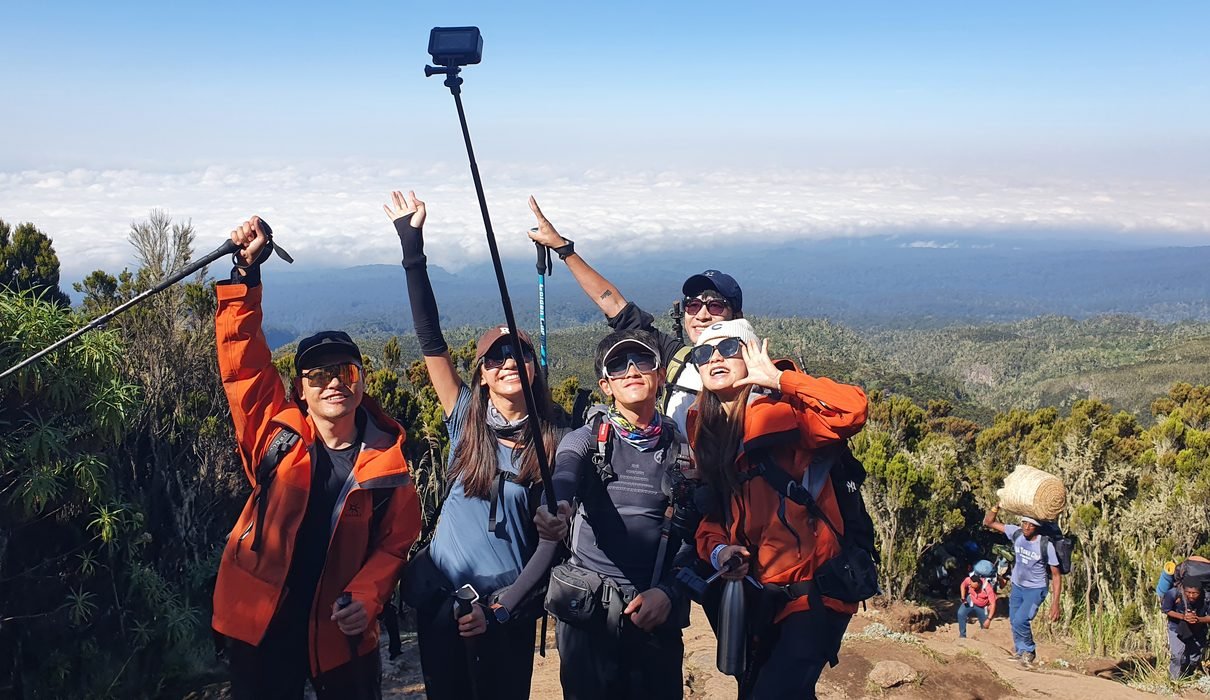
Climbing Kilimanjaro in February 2027 is an excellent option for travelers planning a mountain adventure in Tanzania. February is generally one of the drier months on Mount Kilimanjaro, making it a popular period for hikers who want to experience the mountain’s beautiful landscapes, enjoy mountain views, and attempt to reach Uhuru Peak. However, climbing conditions can change quickly, so choosing the right route, preparing suitable equipment, and allowing enough time for acclimatization are essential.
Mount Kilimanjaro stands at 5,895 metres (19,341 feet) above sea level, making it the highest mountain in Africa. Located in northern Tanzania, the mountain attracts visitors from around the world who want to experience its rainforest trails, open moorlands, volcanic landscapes, and snow-covered summit areas. Unlike many high mountains, Kilimanjaro can be climbed through established trekking routes without technical mountaineering skills under normal conditions, although the high altitude makes the journey physically demanding.
February is particularly attractive because it falls within a period that often experiences relatively clear skies and less rainfall than the main rainy season. Climbers may enjoy views of Kibo, Mawenzi, and the surrounding plains, especially during the morning hours. Nevertheless, the mountain creates its own weather conditions, and rain, mist, strong winds, and freezing summit temperatures remain possible throughout the month.
At Eddy Tours & Safaris, we help travelers plan Kilimanjaro climbing expeditions with suitable routes, experienced mountain teams, and practical preparation advice. This guide explains everything you should know about climbing Kilimanjaro in February 2027, including weather conditions, route selection, climbing difficulty, accommodation, packing requirements, costs, and important safety considerations.
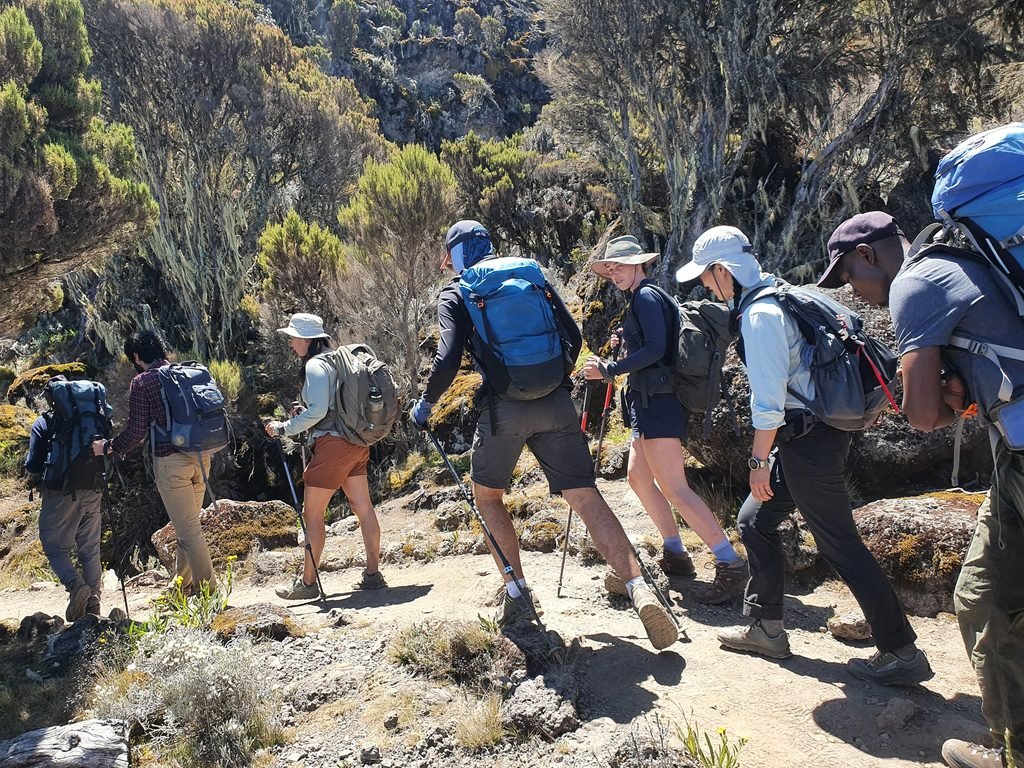
Is February 2027 a Good Time to Climb Kilimanjaro?
Yes. February is generally considered one of the better months for climbing Mount Kilimanjaro because it often falls within the relatively dry period between December and March. During this time, the lower mountain slopes may receive less rainfall than during April and May, while the upper sections can offer good visibility when weather conditions are favorable. These conditions make February popular among travelers who prefer to climb outside the main long-rain season.
Another advantage is that February can provide opportunities for mountain photography. On clear mornings, climbers may enjoy views of Kibo’s summit, Mawenzi’s rugged peaks, and the surrounding landscape. The Shira Plateau, Barranco Valley, and other open areas can be particularly impressive when clouds are limited. However, February is not guaranteed to be sunny every day, and conditions can vary considerably between different elevations.
The main challenge remains the mountain’s altitude. Even when the weather is pleasant, climbers must gradually adjust to reduced oxygen availability as they ascend. For this reason, choosing an itinerary with enough acclimatization time is more important than selecting a route simply because February is generally a favorable month.
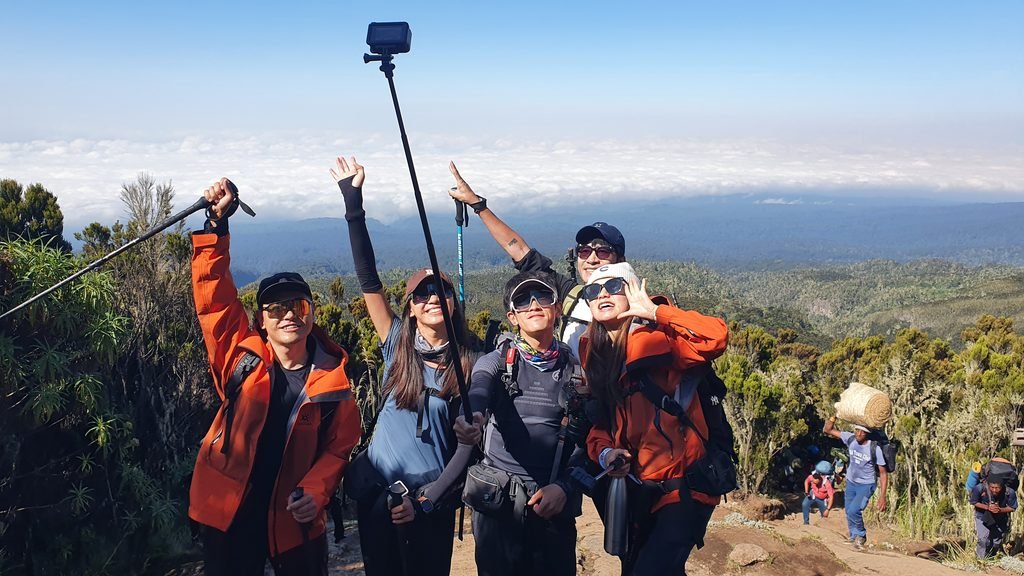
Kilimanjaro Weather in February 2027
Weather conditions on Kilimanjaro depend heavily on elevation. The lower rainforest zone is usually warmer and more humid, while temperatures decrease significantly as climbers approach the alpine desert and summit. This means that travelers can experience warm conditions during the first trekking day and freezing temperatures during the final summit attempt.
February often brings relatively dry conditions, but occasional rain can still affect the rainforest and lower mountain trails. Higher up, climbers may encounter strong winds, clouds, snow, or freezing temperatures. It is therefore important to prepare for several types of weather rather than packing only for the conditions expected during the month.
Expected Weather Conditions by Mountain Zone
| Mountain zone | Approximate elevation | General February conditions |
|---|---|---|
| Rainforest | 1,800–2,800 m | Mild to warm, humid, with possible rain |
| Heath and moorland | 2,800–4,000 m | Cooler days and cold evenings |
| Alpine desert | 4,000–5,000 m | Cold, dry or windy, with strong sunlight possible |
| Summit zone | Above 5,000 m | Freezing temperatures, wind, possible snow and ice |
These are general seasonal descriptions, not a specific weather forecast for February 2027. Travelers should review conditions closer to departure and follow their mountain guide’s advice throughout the expedition.
Best Kilimanjaro Climbing Routes for February 2027
Choosing the right Kilimanjaro route is one of the most important decisions when planning your expedition. Although February is generally favorable for trekking, the different routes vary in length, scenery, difficulty, and opportunities for acclimatization. Some approaches begin in dense rainforest, while others pass through quieter northern landscapes or follow longer circuits around the mountain.
For most first-time climbers, longer itineraries are worth considering because they allow more time for the body to adjust to altitude. The eight-day Lemosho Route, seven-day Machame Route, and nine-day Northern Circuit are particularly attractive options. Rongai and Marangu also provide different climbing experiences, depending on your preferences and available time.
1. Lemosho Route – Best for Scenery and Acclimatization
The Lemosho Route is one of the most attractive options for climbing Kilimanjaro in February 2027. Beginning on the western side of the mountain, the trail passes through rainforest before reaching the Shira Plateau, where climbers can enjoy wide views of Kilimanjaro’s volcanic landscape. The route later joins the southern circuit, passing Lava Tower, Barranco Valley, and Karanga before reaching Barafu Camp for the summit attempt.
An eight-day Lemosho itinerary is particularly appealing because it provides more time for acclimatization than shorter routes. The additional trekking days allow climbers to experience the changing landscape without rushing through every stage. Although the route remains challenging, its longer schedule makes it a strong option for physically prepared beginners and experienced hikers.
February can be a pleasant month for exploring the Shira Plateau, especially when the skies are clear. However, travelers should still prepare for rain in the forest and freezing conditions near the summit.
Recommended duration: Eight days.
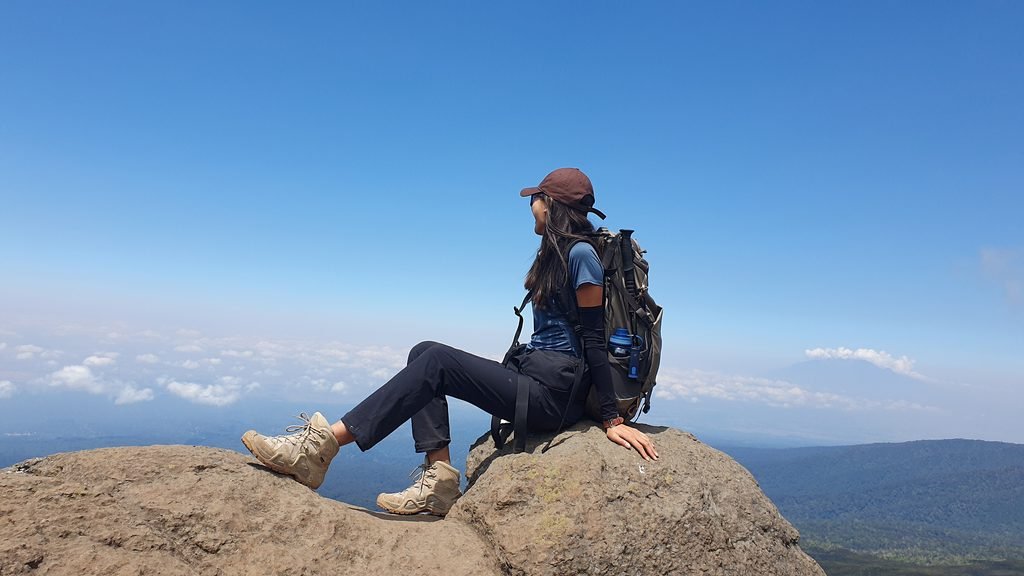
2. Machame Route – Best for an Active Mountain Experience
The Machame Route, commonly known as the Whiskey Route, is one of Kilimanjaro’s most popular climbing approaches. It begins on the southwestern slopes and passes through rainforest, moorland, volcanic valleys, and rocky alpine terrain. Famous landmarks include Lava Tower, Barranco Wall, Karanga Valley, and Barafu Camp.
For February 2027, the seven-day Machame itinerary is generally preferable to the six-day version because it includes an overnight stay at Karanga Camp. This additional day provides more time before summit night and divides the demanding journey from Barranco to Barafu into two stages.
Machame is particularly suitable for travelers who enjoy varied terrain and do not mind mountain camping. The Barranco Wall adds an interesting scrambling section, while the route’s changing landscapes provide excellent opportunities for photography.
Recommended duration: Seven days.
3. Northern Circuit – Best for a Longer Kilimanjaro Expedition
The Northern Circuit is one of Kilimanjaro’s longest commonly offered trekking routes. It generally begins from the western side of the mountain before continuing around the quieter northern slopes of Kibo. The route passes through several mountain environments and offers a different perspective of Kilimanjaro compared with the more frequently used southern approaches.
The main advantage of the nine-day Northern Circuit is the additional time available for acclimatization. Climbers spend more days on the mountain before reaching the summit, which can support gradual adjustment to altitude. The route is particularly attractive to travelers who have sufficient time and want a longer trekking experience.
February can provide favorable conditions for exploring the northern slopes, although weather and visibility are never guaranteed. The route remains physically demanding because of the total walking distance and the extreme summit elevation.
Recommended duration: Nine days.
4. Rongai Route – Best for the Northern Approach
The Rongai Route approaches Kilimanjaro from the north, near the Tanzania–Kenya border. Its early stages pass through forest and open moorland before reaching the dramatic landscapes around Mawenzi Peak. Climbers then cross the Saddle toward Kibo, where they prepare for the final ascent.
Rongai is attractive to travelers who want to experience a different side of Kilimanjaro. The route’s northern location provides distinctive scenery, and longer itineraries can include additional acclimatization time near Mawenzi Tarn.
For February 2027, a seven- or eight-day Rongai itinerary is generally preferable to a compressed six-day schedule. The longer options provide more time to adjust before reaching Kibo and attempting the summit.
Recommended duration: Seven or eight days.
5. Marangu Route – Best for Mountain Hut Accommodation
Marangu is Kilimanjaro’s classic hut-based climbing route. Unlike Machame, Lemosho, and Rongai, which normally use tents, Marangu offers established mountain huts at Mandara, Horombo, and Kibo. This arrangement appeals to travelers who prefer sleeping in permanent mountain facilities.
However, Marangu should not be considered an easy route simply because it provides hut accommodation. Its relatively direct ascent means that acclimatization requires particular attention, especially on shorter itineraries.
For February 2027, the six-day Marangu itinerary is generally preferable to the five-day version because it includes an additional day around Horombo. Even so, travelers concerned about altitude may prefer a longer route with more gradual elevation gains.
Recommended duration: Six days rather than five.
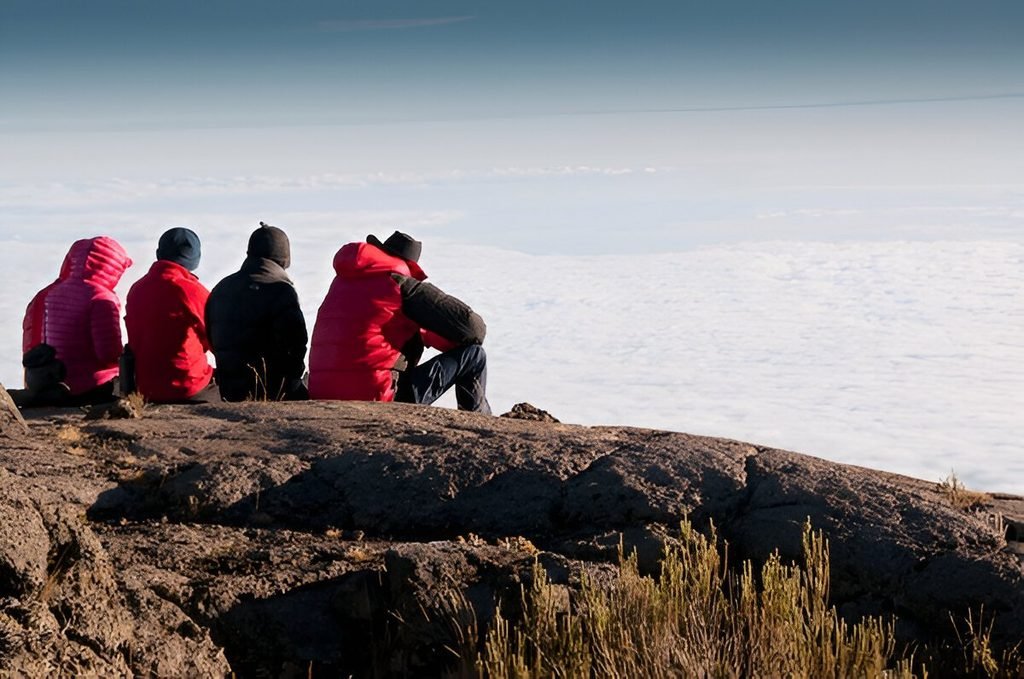
Kilimanjaro Route Comparison for February 2027
| Route | Recommended duration | Accommodation | Main advantage |
|---|---|---|---|
| Lemosho | 8 days | Camping | Scenery and additional acclimatization time |
| Machame | 7 days | Camping | Varied terrain and famous mountain landmarks |
| Northern Circuit | 9 days | Camping | Longer itinerary and quieter northern slopes |
| Rongai | 7–8 days | Camping | Northern approach and Mawenzi scenery |
| Marangu | 6 days | Mountain huts | Permanent sleeping facilities |
| Umbwe | Longer itinerary preferred | Camping | Steep approach for experienced trekkers |
For travelers climbing Kilimanjaro for the first time, the eight-day Lemosho and nine-day Northern Circuit are particularly good options to compare. Both provide longer trekking schedules, although neither guarantees reaching Uhuru Peak.
How Difficult Is Climbing Kilimanjaro in February?
Climbing Kilimanjaro in February is physically demanding despite the generally favorable seasonal weather. The mountain reaches almost 6,000 metres above sea level, where reduced oxygen availability makes walking increasingly difficult. Even climbers who regularly exercise may find the final stages exhausting because physical fitness does not prevent altitude illness.
The difficulty also depends on the selected route. Machame includes steep sections and the Barranco Wall, while Rongai has a demanding summit approach from Kibo. Lemosho and Northern Circuit provide longer itineraries but still involve several consecutive days of trekking.
Summit night is usually the most challenging part of the expedition. Climbers often begin walking around midnight, ascending steep volcanic terrain in darkness and freezing temperatures before reaching the crater rim. Depending on the route and individual pace, the summit ascent and subsequent descent can take 12–16 hours or longer.
For these reasons, February’s generally favorable weather should not encourage travelers to underestimate the climb. Proper preparation, suitable equipment, and enough acclimatization time remain essential.
How to Prepare for Kilimanjaro in February 2027
Preparation should begin several months before arriving in Tanzania. For many first-time climbers, three to six months of consistent physical training provides a useful foundation, depending on their current fitness and hiking experience. Regular walking, hill hiking, stair climbing, and cardiovascular exercise can help develop the endurance needed for several days of trekking.
Training should also include strengthening the legs and practicing longer walks with a daypack. Kilimanjaro involves both uphill and downhill walking, and the descent after summit day can be particularly tiring. Testing hiking boots and clothing during training is important because uncomfortable equipment can create unnecessary problems during the expedition.
In addition to physical training, travelers should understand the risks associated with high altitude. Before departure, consult a qualified healthcare professional about altitude illness and any relevant medical conditions. Your climbing itinerary should provide suitable acclimatization opportunities, and your mountain guide should explain how symptoms are monitored during the ascent.
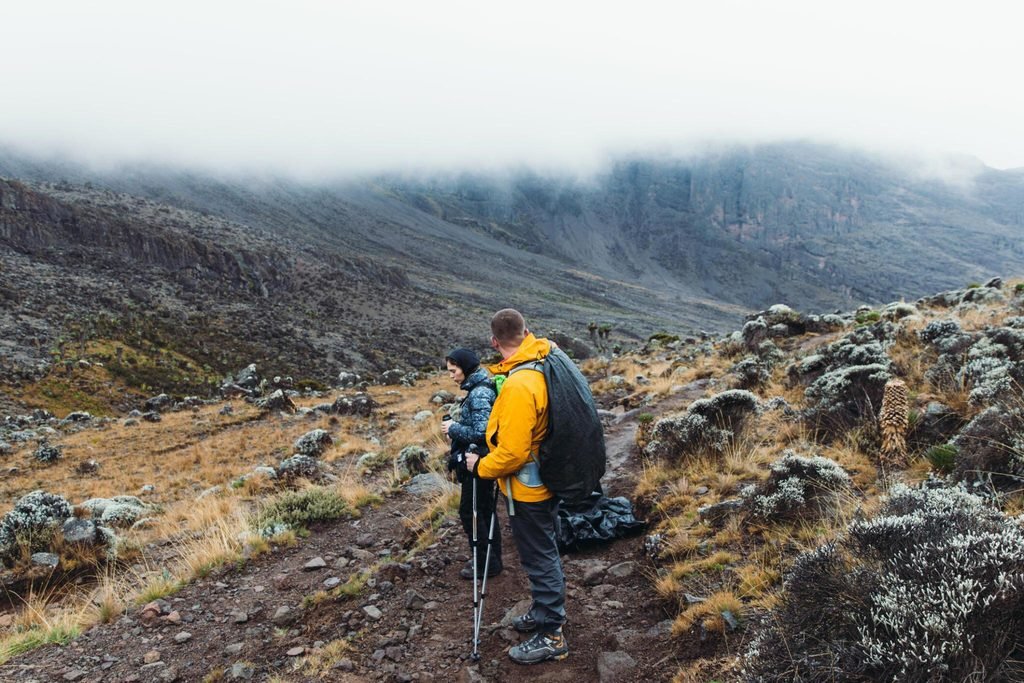
Essential Kilimanjaro Packing List for February
Packing correctly is important because Kilimanjaro’s weather varies considerably between the lower slopes and the summit. February may provide relatively dry conditions, but climbers should still prepare for rain, cold evenings, strong winds, and freezing temperatures.
A layered clothing system is recommended because it allows you to adjust your clothing throughout the expedition. Lightweight hiking clothes are useful on the lower slopes, while thermal layers, insulated jackets, and waterproof outerwear become increasingly important at higher elevations.
| Equipment | Why it is important |
|---|---|
| Waterproof hiking boots | Protection and grip on wet or rocky trails |
| Thermal base layers | Warmth during cold mountain conditions |
| Insulated jacket | Essential for cold evenings and summit night |
| Waterproof jacket and trousers | Protection from rain, snow and wind |
| Warm gloves and hat | Protection against freezing temperatures |
| Trekking poles | Support during steep ascents and descents |
| Headlamp | Essential for nighttime summit trekking |
| Sleeping bag | Warmth during mountain camping |
| Daypack | Carrying water, snacks and personal essentials |
| Sunglasses and sunscreen | Protection from strong sunlight at altitude |
| Water containers | Maintaining appropriate hydration |
| Personal medication | Managing individual health needs |
Travelers should test their equipment before departure and confirm the recommended sleeping bag temperature rating with their tour operator.
Altitude Sickness and Acclimatization on Kilimanjaro
Altitude sickness is one of the most important health risks associated with climbing Kilimanjaro. As climbers ascend, atmospheric pressure decreases, reducing the amount of oxygen available with each breath. This can cause symptoms such as headache, nausea, dizziness, unusual fatigue, and difficulty sleeping.
More serious altitude-related illnesses can affect the brain or lungs and may cause confusion, difficulty walking normally, or breathlessness at rest. These symptoms require urgent attention, and descending to a lower elevation may be necessary.
Choosing a longer climbing itinerary can provide additional time for acclimatization. The eight-day Lemosho, seven-day Machame, and nine-day Northern Circuit are often considered by travelers who want to avoid particularly compressed ascent schedules.
However, no route eliminates the risk of altitude illness. Climbers should report symptoms promptly, follow their guide’s instructions, and never continue ascending with worsening symptoms.
For additional medical information, consult the CDC High-Altitude Travel and Altitude Illness Guide.
How Much Does It Cost to Climb Kilimanjaro in February 2027?
The cost of climbing Kilimanjaro in February 2027 depends on the selected route, number of trekking days, group size, accommodation arrangements, and services included in the package. Longer itineraries generally cost more because they require additional park fees, meals, mountain crew services, and camping arrangements.
Private climbs may also cost more per person than group departures because the expedition expenses are shared among fewer travelers. However, private arrangements can offer greater flexibility when selecting travel dates and planning the itinerary.
A professionally organized Kilimanjaro package commonly includes park fees, mountain guides, porters, meals during the trek, camping or hut accommodation, and transport between Moshi and the park gates. International flights, visa fees, travel insurance, personal equipment, and crew tips may be excluded.
For accurate February 2027 prices, travelers should request a written quotation showing the full itinerary and included services. Future prices and park fees should not be treated as fixed until confirmed.
What Is Included in a Kilimanjaro Climbing Package?
A standard guided Kilimanjaro expedition normally includes professional mountain guides, porters, a cook, meals during the climb, park entry fees, and accommodation at designated campsites or mountain huts. The mountain crew transports the main expedition equipment while climbers carry personal daypacks.
Depending on the package, transfers between Kilimanjaro International Airport and Moshi, accommodation before the climb, equipment rental, and additional hotel nights may be included or arranged separately.
Travelers should carefully review the written inclusions and exclusions before booking. This helps avoid unexpected expenses and makes it easier to compare packages from different operators.
How to Reach Kilimanjaro for Your February 2027 Climb
Most international travelers arrive through Kilimanjaro International Airport, located between Moshi and Arusha in northern Tanzania. Moshi is a common starting point for Kilimanjaro expeditions because it provides convenient access to several mountain gates.
Arriving at least one day before the climb is recommended. This allows time to rest after international travel, attend a pre-climb briefing, meet the mountain team, and check your equipment before departure.
Travelers should also confirm Tanzania’s visa and passport requirements according to their nationality. Entry rules can change, so it is important to check the latest information before traveling.
Can You Combine Kilimanjaro with a Tanzania Safari in February?
Yes. February is an attractive month for travelers who want to combine Kilimanjaro climbing with a wildlife safari in northern Tanzania. After completing the mountain expedition, you can visit Tarangire National Park, Ngorongoro Crater, Serengeti National Park, and other wildlife destinations.
February is also an important period in the southern Serengeti and Ndutu region because it generally overlaps with the wildebeest calving season. Large numbers of wildebeest may gather in the southern plains when grazing conditions are favorable, attracting predators and creating excellent wildlife-viewing opportunities. However, migration movements depend on rainfall and grazing conditions, so the exact location of the herds cannot be guaranteed.
A three- to five-day safari can be a practical extension for travelers with limited time, while longer itineraries allow more opportunities to explore different parks. Visitors who prefer a relaxing holiday after the mountain can also consider Zanzibar’s beaches.
At Eddy Tours & Safaris, we can help travelers combine their Kilimanjaro expedition with a customized Tanzania wildlife safari.
Frequently Asked Questions About Climbing Kilimanjaro in February 2027
1. Is February a good month to climb Kilimanjaro?
Yes. February is generally one of the popular climbing months because it often experiences relatively dry weather and good visibility.
2. Does it rain on Kilimanjaro in February?
Rain is possible, particularly in the lower rainforest zone, although February is generally drier than the main rainy season.
3. Is there snow on Kilimanjaro in February?
Snow and ice may be present near the summit, but conditions vary from year to year.
4. How cold is Kilimanjaro in February?
Temperatures near the summit can fall well below freezing, particularly during windy conditions.
5. Which route is best for February 2027?
Eight-day Lemosho, seven-day Machame, and nine-day Northern Circuit are strong options to consider.
6. Is February suitable for beginners?
Yes, provided climbers are physically prepared and choose a suitable itinerary with adequate acclimatization opportunities.
7. How many days should I spend climbing Kilimanjaro?
Seven to nine trekking days is often a sensible range to consider, depending on the route and individual circumstances.
8. Can I climb Kilimanjaro in five days?
Some routes offer five-day itineraries, but these provide limited acclimatization time and are not recommended for most climbers.
9. Is Kilimanjaro difficult to climb?
Yes. The mountain is physically demanding because of its altitude, long trekking days, and cold summit conditions.
10. Do I need technical climbing experience?
Technical mountaineering skills are not normally required on standard trekking routes under suitable conditions.
11. What is the highest point of Kilimanjaro?
Uhuru Peak, at 5,895 metres above sea level.
12. How long does summit night take?
The summit ascent and descent commonly take 12–16 hours or longer, depending on the route and conditions.
13. What is the best route for acclimatization?
Longer itineraries such as eight-day Lemosho and nine-day Northern Circuit provide additional time for acclimatization.
14. Can physical fitness prevent altitude sickness?
No. Physical fitness improves trekking endurance but does not prevent altitude illness.
15. What are the symptoms of altitude sickness?
Common symptoms include headache, nausea, dizziness, fatigue, and difficulty sleeping.
16. Should I take altitude sickness medication?
Discuss preventive medication with a qualified healthcare professional before traveling.
17. What equipment do I need for February?
Warm layers, waterproof clothing, hiking boots, gloves, a headlamp, trekking poles, and a suitable sleeping bag are important.
18. Can I rent hiking equipment in Moshi?
Some equipment may be available for rental, subject to supplier availability.
19. Do I need a guide to climb Kilimanjaro?
Yes. Kilimanjaro climbs require authorized guiding arrangements.
20. How early should I book for February 2027?
Booking several months in advance is advisable to allow time for training, flights, equipment preparation, and travel arrangements.
21. Can I climb Kilimanjaro alone?
You can arrange a private climb, but authorized mountain guides and the required park arrangements are still necessary.
22. Is February a busy month on Kilimanjaro?
February is a popular climbing period, so some routes and camps may receive considerable visitor traffic.
23. Can I see the sunrise from Uhuru Peak?
Many itineraries aim to reach the summit around sunrise, but the timing depends on weather, walking pace, and the guide’s assessment.
24. Can I combine Kilimanjaro with a Serengeti safari?
Yes. February can be a particularly interesting time to visit the southern Serengeti and Ndutu region during the general wildebeest calving period.
25. How do I book a February 2027 Kilimanjaro climb?
Contact Eddy Tours & Safaris with your preferred route, travel dates, group size, and hiking experience to request a detailed quotation.
Book Your Kilimanjaro Climb for February 2027 with Eddy Tours & Safaris
Climbing Kilimanjaro in February 2027 offers an excellent opportunity to experience Africa’s highest mountain during one of its generally favorable trekking periods. From the rainforest on the lower slopes to the rocky alpine desert and the final ascent toward Uhuru Peak, the mountain provides a varied and challenging experience for travelers who enjoy hiking and outdoor adventures.
Although February often brings relatively dry conditions, a successful expedition still requires careful planning. Choosing a suitable route, allowing enough time for acclimatization, preparing the right equipment, and following professional mountain safety guidance are essential. Travelers should also understand that weather conditions and altitude illness can affect any expedition, regardless of the season.
At Eddy Tours & Safaris, we help travelers organize guided Kilimanjaro climbs with practical preparation advice and suitable itinerary options. Whether you prefer Machame, Lemosho, Marangu, Rongai, or the Northern Circuit, our team can help you explore climbing arrangements for February 2027.
Contact Eddy Tours & Safaris
Website: Eddy Tours & Safaris
Booking enquiries: sales@eddytours-safaris.com
WhatsApp: +255 711 906 664
Contact page: Request a Kilimanjaro Climbing Quotation
Plan your February 2027 Kilimanjaro climb with the right preparation, a suitable route, and enough time to enjoy the journey safely.