
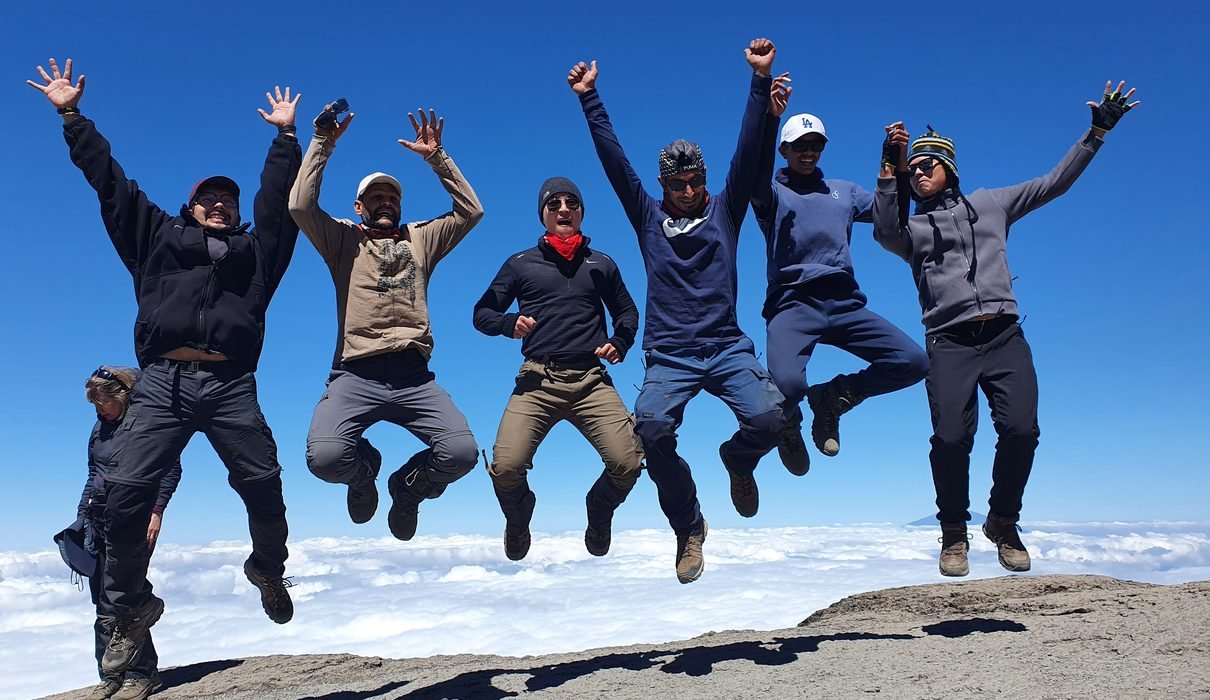
Understanding Mount Kilimanjaro’s weather and temperature is an important part of planning a successful mountain expedition in Tanzania. Although Kilimanjaro lies close to the equator, its enormous elevation of 5,895 metres creates several different climatic conditions, ranging from warm tropical temperatures around the mountain’s lower slopes to freezing conditions near Uhuru Peak. Choosing the right month to climb can make a considerable difference to your trekking experience, particularly when it comes to rainfall, visibility, trail conditions, camping comfort and summit preparation.
Travellers planning to climb Kilimanjaro in 2027, 2028 or 2029 should consider more than just the dry and rainy seasons. Each month has its own advantages and disadvantages, and the climbing route you select can also influence your experience of the mountain’s weather. At Eddy Tours & Safaris, we help travellers choose suitable climbing dates, routes and expedition lengths according to their available holiday time, physical preparation and personal preferences. This month-by-month Kilimanjaro weather guide explains what you can generally expect throughout the year and how to prepare for different mountain conditions.
Understanding Mount Kilimanjaro Weather and Climate
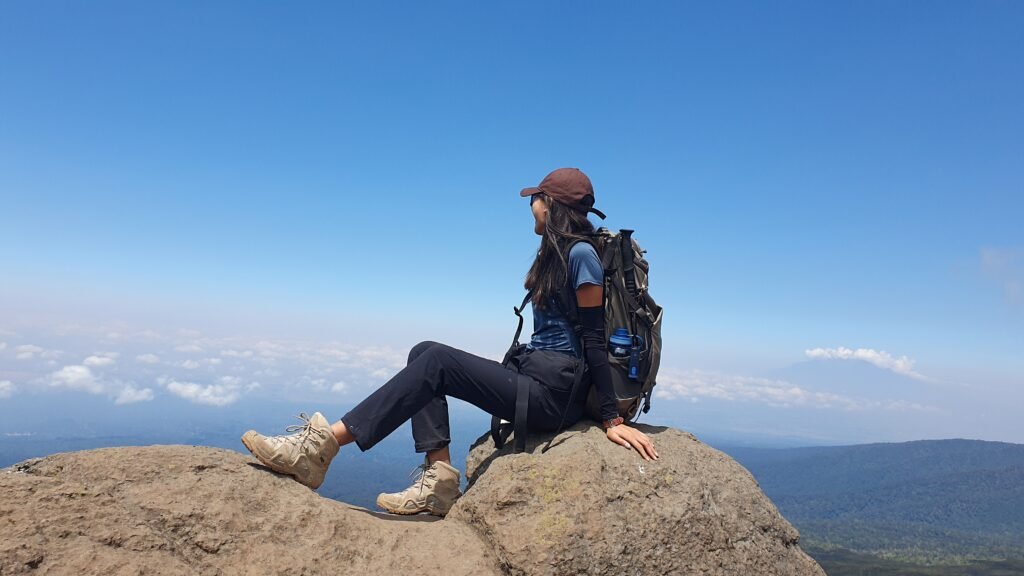
Unlike mountains in Europe and North America, Mount Kilimanjaro does not experience four clearly defined seasons. Its location near the equator means that the mountain mainly experiences wet and dry periods, with relatively small seasonal temperature changes at the same elevation. However, temperatures decrease considerably as climbers gain altitude, meaning that someone starting their expedition in a warm rainforest may experience freezing temperatures within three or four days of trekking.
Kilimanjaro generally experiences two favourable climbing periods between January and early March and between June and October. The long rainy season normally occurs from March to May, while the shorter rainy season usually develops around November and can continue into December. These seasonal patterns are useful when planning your expedition, but mountain weather remains unpredictable, and rain, snowfall or strong winds can occur even during the traditionally dry months.
Before deciding on your departure dates, you can explore the different climbing programmes available through Eddy Tours & Safaris or learn more about mountain routes and preparation through Kilimanjaro Climb Specialist.
Kilimanjaro Weather and Temperature by Month
The following table provides a general comparison of climbing conditions throughout the year. Temperatures near the summit are estimated overnight and early-morning air temperatures rather than temperatures experienced throughout the entire mountain. Strong winds can make conditions feel considerably colder, while temperatures around lower camps and entry gates remain much warmer.
| Month | Lower Slopes Daytime | Summit Night Temperature | Rainfall | Climbing Conditions |
|---|---|---|---|---|
| January | 20°C to 27°C | -12°C to -5°C | Low to moderate | Excellent |
| February | 21°C to 28°C | -12°C to -5°C | Generally low | Excellent |
| March | 20°C to 26°C | -12°C to -5°C | Increasing | Good in early March |
| April | 18°C to 24°C | -12°C to -4°C | High | Challenging |
| May | 18°C to 23°C | -14°C to -5°C | High | Challenging |
| June | 17°C to 23°C | -15°C to -7°C | Decreasing | Very good |
| July | 16°C to 22°C | -18°C to -10°C | Low | Excellent |
| August | 17°C to 23°C | -20°C to -10°C | Low | Excellent |
| September | 18°C to 25°C | -17°C to -8°C | Low | Excellent |
| October | 19°C to 26°C | -14°C to -6°C | Increasing late in the month | Very good |
| November | 19°C to 26°C | -12°C to -5°C | Moderate to high | Fair |
| December | 20°C to 26°C | -14°C to -6°C | Variable | Good, particularly late December |
These figures are approximate planning ranges based on typical seasonal conditions, not confirmed weather forecasts for 2027, 2028 or 2029. Actual temperatures depend on elevation, exposure, route, cloud cover and wind conditions.
Climbing Kilimanjaro in January
January is one of the most attractive months for climbing Mount Kilimanjaro because it normally falls within the shorter dry season. The lower slopes generally experience warm daytime temperatures, while the upper mountain offers cooler conditions and reasonable opportunities for clear views. Rainfall is usually lower than during the long rainy season, making the forest trails more comfortable for walking and camping. However, occasional afternoon showers and snowfall around the summit remain possible, so climbers should carry appropriate waterproof and cold-weather clothing.
January is particularly suitable for travellers who want favourable weather without visiting during the busiest international summer holiday period. The Machame, Lemosho and Marangu routes are popular choices during this month, although travellers seeking additional acclimatisation time may prefer a seven-day or eight-day climbing programme. January also provides opportunities to combine Kilimanjaro climbing with a northern Tanzania wildlife safari, particularly for visitors interested in exploring the southern Serengeti and Ndutu region during the early stages of the wildebeest calving season.
January climbing conditions:
- Weather: Generally warm and relatively dry.
- Rainfall: Low to moderate.
- Summit temperatures: Approximately -12°C to -5°C.
- Trail traffic: Moderate.
- Recommended routes: Machame, Lemosho and Northern Circuit.
Climbing Kilimanjaro in February
February is widely considered one of the best months to climb Kilimanjaro because it generally offers a good combination of dry weather, warmer conditions on the lower mountain and favourable visibility. Early mornings are often clear, providing opportunities to photograph the mountain and enjoy views across the surrounding plains. Although cloud cover may develop during the afternoon, rainfall is normally less persistent than during April and May. Summit temperatures remain below freezing, requiring insulated jackets, thermal clothing and suitable gloves.
Travellers planning to climb Kilimanjaro in February 2027, 2028 or 2029 should consider longer routes if they have limited previous experience at high altitude. The seven-day Machame and eight-day Lemosho itineraries offer additional opportunities for acclimatisation compared with shorter programmes. February is also a popular month for combining mountain climbing with a safari during the wildebeest calving season. Visitors can arrange their mountain expedition and wildlife safari together through Eddy Tours & Safaris, reducing the inconvenience of dealing with several different operators.
February climbing conditions:
- Weather: Warm on the lower slopes and generally dry.
- Rainfall: Relatively low.
- Summit temperatures: Approximately -12°C to -5°C.
- Trail traffic: Moderate.
- Recommended routes: Machame, Lemosho, Rongai and Northern Circuit.
Climbing Kilimanjaro in March
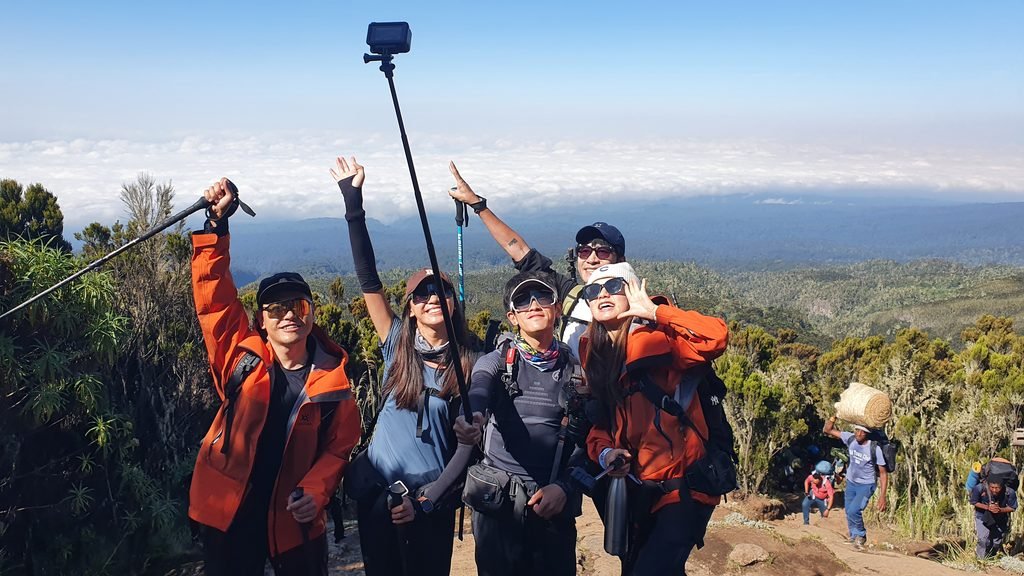
March is a transitional month on Mount Kilimanjaro because it marks the gradual movement from the shorter dry season towards the long rainy season. The first part of March can offer pleasant trekking conditions, particularly when the seasonal rains arrive later than usual. As the month progresses, cloud cover generally increases, afternoon showers become more frequent and the forest trails may become muddy. Higher elevations can experience fresh snowfall, creating attractive mountain scenery but also increasing the difficulty of walking.
Climbing Kilimanjaro during early March can be a good option for travellers who prefer quieter trails and flexible departure arrangements. Those planning expeditions towards the end of the month should prepare for wetter conditions and consider the Rongai Route, which approaches the mountain from its generally drier northern side. Regardless of the route, climbers should ensure that their boots, clothing and luggage are properly protected against rain. Additional information about suitable seasonal climbing routes is available from Kilimanjaro Climb Specialist.
March climbing conditions:
- Weather: Changing from dry to wet conditions.
- Rainfall: Increasing towards the end of the month.
- Summit temperatures: Approximately -12°C to -5°C.
- Trail traffic: Low to moderate.
- Recommended routes: Rongai, Marangu and Lemosho during early March.
Climbing Kilimanjaro in April
April normally falls within the wettest period of the Kilimanjaro climbing calendar. Rainfall can be frequent and heavy, particularly within the rainforest and lower moorland zones, where trails may become slippery and muddy. Cloud cover can reduce visibility, making it more difficult to appreciate the mountain’s surrounding landscapes. Higher up the mountain, precipitation may fall as snow or sleet, particularly around the upper camps and summit region.
Although climbing Kilimanjaro in April is possible when park and weather conditions permit, it is generally not the preferred option for inexperienced mountain hikers. Walking in wet clothing, managing damp equipment and spending several nights in cold camping conditions can make the expedition physically and mentally demanding. Travellers with fixed April holiday dates should discuss suitable route options with their climbing operator, paying particular attention to the northern Rongai approach and the hut accommodation available along the Marangu Route.
April climbing conditions:
- Weather: Wet, cloudy and humid at lower elevations.
- Rainfall: High.
- Summit temperatures: Approximately -12°C to -4°C.
- Trail traffic: Very low.
- Recommended alternatives: Rongai or Marangu, subject to conditions.
Climbing Kilimanjaro in May
May continues to experience the long rainy season, although rainfall may begin decreasing towards the end of the month. The mountain’s rainforest remains green and full of vegetation, but persistent moisture can make hiking and camping conditions uncomfortable. Cloud cover often limits the views of Mawenzi Peak, Kibo and the surrounding landscapes. Climbers may also encounter snow-covered sections around the summit, depending on recent weather.
For travellers who enjoy peaceful mountain trails and have previous experience hiking in wet conditions, late May may offer a possible climbing opportunity. However, those with flexible schedules would generally benefit from postponing their expedition until June or another drier month. The Rongai Route remains worth considering because its northern approach tends to receive less rainfall than the southern and western slopes. Travellers considering a rainy-season expedition should contact Eddy Tours & Safaris to discuss realistic expectations, equipment requirements and alternative departure dates.
May climbing conditions:
- Weather: Wet with possible improvement towards month-end.
- Rainfall: High.
- Summit temperatures: Approximately -14°C to -5°C.
- Trail traffic: Very low.
- Recommended routes: Rongai and Marangu.
Climbing Kilimanjaro in June
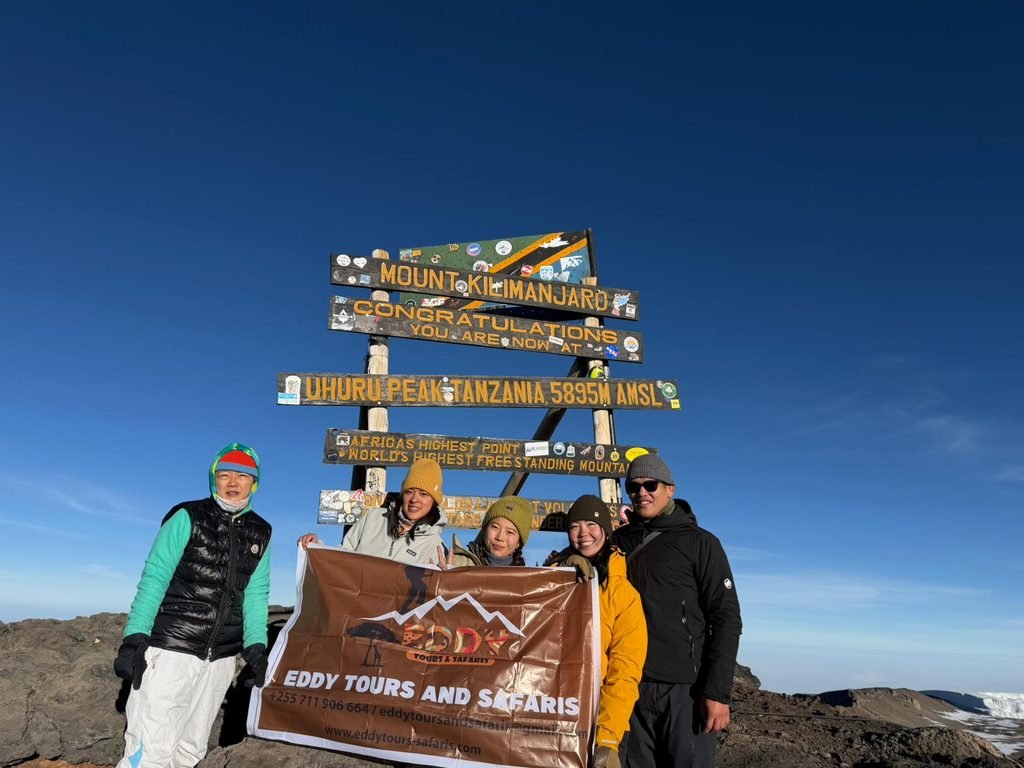
June marks the beginning of the main dry climbing season on Mount Kilimanjaro. Rainfall generally decreases, the forest trails gradually dry and visibility improves as the month progresses. Temperatures become cooler than those experienced during January and February, particularly at the higher camps, where frost and freezing overnight conditions become more common. Early June may still experience some residual cloud cover and moisture from the previous rainy season, but late June usually provides more favourable climbing conditions.
June is an excellent month for travellers who want to experience the main dry season before the busiest July and August holiday periods. The Machame and Lemosho routes offer beautiful scenery, while the Northern Circuit provides a longer expedition with quieter sections around the northern slopes. Travellers planning a combined Kilimanjaro and Serengeti safari can also take advantage of the improving dry-season wildlife viewing conditions across northern Tanzania.
June climbing conditions:
- Weather: Cool with increasingly dry conditions.
- Rainfall: Low to moderate, particularly early in the month.
- Summit temperatures: Approximately -15°C to -7°C.
- Trail traffic: Moderate and increasing.
- Recommended routes: Machame, Lemosho and Northern Circuit.
Climbing Kilimanjaro in July
July is one of the most popular months for climbing Kilimanjaro because it falls within the main dry season and coincides with the international summer holiday period. Rainfall is generally low, trail conditions are more favourable and clear mornings often provide excellent views of the surrounding Tanzanian landscape. However, July is also among the colder months on the mountain, particularly at higher elevations, where overnight temperatures can fall well below freezing.
Popular routes such as Machame and Marangu can become busy during July, especially around shared campsites and summit approaches. Travellers who prefer a quieter climbing experience may consider the Rongai Route or the longer Northern Circuit. Early reservations are recommended for July expeditions in 2027, 2028 and 2029, particularly for groups with specific departure dates. Climbers should also ensure that their sleeping bags, insulated jackets and summit clothing are suitable for colder mountain conditions.
July climbing conditions:
- Weather: Dry, clear and cold at high altitude.
- Rainfall: Low.
- Summit temperatures: Approximately -18°C to -10°C.
- Trail traffic: High.
- Recommended routes: Lemosho, Machame, Rongai and Northern Circuit.
Climbing Kilimanjaro in August
August generally offers excellent trekking weather, making it one of the busiest months on Mount Kilimanjaro. The mountain normally receives relatively little rainfall, and the dry conditions provide good opportunities for landscape photography and clear summit views. Nevertheless, temperatures around the upper camps and summit can be extremely cold, particularly when strong winds are present. Dry conditions can also create dusty trails, making sunglasses and a lightweight face covering useful during certain sections of the climb.
August is suitable for travellers who prioritise favourable weather and have no objection to sharing the mountain with other climbing groups. Those who want more time for acclimatisation should consider the eight-day Lemosho or nine-day Northern Circuit itinerary rather than choosing a shorter expedition simply because the weather is favourable. Good weather alone does not prevent altitude sickness, and the number of days spent on the mountain remains an important consideration when planning your expedition through Eddy Tours & Safaris.
August climbing conditions:
- Weather: Dry and generally clear.
- Rainfall: Very low.
- Summit temperatures: Approximately -20°C to -10°C.
- Trail traffic: Very high.
- Recommended routes: Lemosho, Northern Circuit and Machame.
Climbing Kilimanjaro in September
September is among the most favourable months for climbing Kilimanjaro because it usually retains the dry weather experienced during July and August while offering somewhat warmer conditions and, in some periods, fewer climbing groups. Clear mornings provide attractive views of the mountain, surrounding plains and distant landscapes. Although temperatures remain below freezing near the summit, conditions at the lower camps can be comfortable for daytime hiking.
For travellers planning their Kilimanjaro expedition around weather, visibility and general trekking comfort, September offers an excellent balance. It is particularly suitable for photographers, couples, private groups and travellers who want to combine their climbing adventure with a Tanzania wildlife safari. The northern Serengeti may also offer opportunities to observe the Great Migration during this period, although wildebeest movements depend on local rainfall and cannot be guaranteed.
September climbing conditions:
- Weather: Generally dry with excellent visibility.
- Rainfall: Low.
- Summit temperatures: Approximately -17°C to -8°C.
- Trail traffic: Moderate to high.
- Recommended routes: Machame, Lemosho, Rongai and Northern Circuit.
Climbing Kilimanjaro in October
October is another attractive month for climbing Kilimanjaro, especially during the first half of the month when the main dry season often continues. Temperatures on the lower slopes become warmer, while the upper mountain remains cold enough to require proper winter clothing. Compared with July and August, October may offer quieter trails and more opportunities to enjoy the mountain without large numbers of climbing groups around the campsites.
Towards the end of October, cloud cover and rainfall can increase as the short rainy season approaches. Travellers planning a late October departure should be prepared for changing weather and occasional afternoon showers. October is also a convenient month for combining mountain climbing with a Tanzania safari or Zanzibar beach holiday. For route comparisons and preparation advice, travellers can explore the climbing information available through Kilimanjaro Climb Specialist.
October climbing conditions:
- Weather: Generally dry early in the month, becoming more variable later.
- Rainfall: Low to moderate.
- Summit temperatures: Approximately -14°C to -6°C.
- Trail traffic: Moderate.
- Recommended routes: Machame, Lemosho and Rongai.
Climbing Kilimanjaro in November
November normally falls within the shorter rainy season in northern Tanzania. Compared with the long rains experienced during April and May, November often receives shorter periods of rainfall, although prolonged wet conditions remain possible. Morning trekking can sometimes begin under clear skies before clouds develop later in the day. The forest becomes greener, and fresh snowfall may appear around the summit, creating attractive mountain scenery when visibility improves.
November can be suitable for experienced hikers who prefer quieter climbing routes and are comfortable walking in changing weather conditions. The northern Rongai Route is worth considering because its approach normally receives less rainfall than the southern slopes. Travellers choosing the Marangu Route can also benefit from sleeping in mountain huts rather than tents, although they will still need to walk outdoors during wet conditions.
November climbing conditions:
- Weather: Variable with frequent showers.
- Rainfall: Moderate to high.
- Summit temperatures: Approximately -12°C to -5°C.
- Trail traffic: Low.
- Recommended routes: Rongai and Marangu.
Climbing Kilimanjaro in December
December presents mixed climbing conditions because the short rainy season can continue into the first part of the month. As December progresses, rainfall may decrease and the mountain can experience improving visibility and more favourable trekking conditions. Christmas and New Year expeditions are particularly popular among travellers who want to celebrate the festive season on Africa’s highest mountain.
Climbers planning to reach Uhuru Peak on Christmas Day or New Year’s Day should arrange their itineraries carefully because the departure date depends on the selected route and number of climbing days. For example, a seven-day Machame expedition normally reaches the summit on its sixth climbing day, provided conditions and the climber’s health allow the planned ascent. Early booking is advisable because festive-season accommodation, international flights and climbing arrangements may experience increased demand. Eddy Tours & Safaris can help travellers plan suitable departure dates for their December climbing expeditions.
December climbing conditions:
- Weather: Mixed, often improving towards the end of the month.
- Rainfall: Moderate and variable.
- Summit temperatures: Approximately -14°C to -6°C.
- Trail traffic: High during the festive period.
- Recommended routes: Machame, Lemosho, Rongai and Marangu.
Kilimanjaro Temperature According to Altitude
One of the most important things to understand when climbing Mount Kilimanjaro is that temperature changes more noticeably with elevation than with the month of the year. A climber may begin walking through warm and humid tropical forest in lightweight clothing before reaching areas where temperatures fall below freezing at night. This difference makes packing for Kilimanjaro quite different from preparing for an ordinary hiking holiday.
| Climatic Zone | Approximate Elevation | Daytime Temperature | Night Temperature |
|---|---|---|---|
| Cultivation zone | 800–1,800 m | 18°C to 30°C | 10°C to 18°C |
| Rainforest zone | 1,800–2,800 m | 15°C to 25°C | 5°C to 15°C |
| Heath and moorland | 2,800–4,000 m | 5°C to 18°C | -5°C to 5°C |
| Alpine desert | 4,000–5,000 m | 0°C to 12°C | -10°C to 0°C |
| Arctic summit zone | 5,000–5,895 m | -10°C to 5°C | -20°C to -5°C |
These temperatures are general estimates rather than fixed daily measurements. Weather systems, sunshine, wind exposure and campsite locations can produce conditions outside these ranges.
Cultivation Zone
The cultivation zone occupies the lower foothills of Mount Kilimanjaro, where local communities grow coffee, bananas, vegetables and other agricultural crops. Travellers passing through villages around the mountain will generally experience warm conditions, although higher settlements can become cooler during the evening. This zone receives seasonal rainfall that supports farming and provides the surrounding communities with important water resources.
Rainforest Zone
Most Kilimanjaro routes begin within or close to the mountain’s rainforest belt, which receives considerable rainfall throughout the year. The forest is home to tall indigenous trees, thick vegetation, birds and several monkey species. Temperatures are generally comfortable for hiking, but humidity and afternoon showers can make the trails damp. Waterproof clothing should remain accessible inside your daypack regardless of the climbing season.
Heath and Moorland Zone
After leaving the rainforest, climbers enter an open landscape dominated by smaller shrubs, grasses, giant lobelias and other plants adapted to mountain conditions. Daytime temperatures may remain comfortable when the sun is shining, but evenings become noticeably colder. The open landscape also exposes climbers to stronger winds and increased ultraviolet radiation, making sunscreen, warm layers and suitable head protection important.
Alpine Desert Zone
The alpine desert is characterised by rocky terrain, limited vegetation, strong sunlight and considerable temperature differences between day and night. Although direct sunshine can make daytime walking feel relatively warm, temperatures fall quickly once the sun disappears or clouds develop. Many climbers spend their final night before the summit attempt within this climatic zone, making warm sleeping equipment and proper rest essential.
Arctic Summit Zone
The upper slopes of Kilimanjaro experience extreme mountain conditions despite being located near the equator. Vegetation is almost completely absent, oxygen availability is substantially reduced and temperatures frequently remain below freezing. Climbers may encounter snow, ice and strong winds, particularly during the nighttime ascent towards Uhuru Peak. Appropriate summit clothing and careful monitoring by experienced mountain guides are essential throughout this section of the expedition.
What Is the Coldest Month on Mount Kilimanjaro?
July and August are generally among the coldest months on Mount Kilimanjaro, particularly at high-altitude camps and near Uhuru Peak. Although these months offer some of the driest climbing conditions, overnight temperatures can fall considerably below freezing. Strong winds around the summit ridge can make the perceived temperature even lower than the actual air temperature. Climbers should therefore avoid assuming that dry weather means warm mountain conditions.
January and February are generally warmer at comparable elevations, but freezing summit temperatures remain normal throughout the year. Whether you climb in July or February, you should carry an insulated summit jacket, warm gloves, thermal base layers, suitable trekking boots and a sleeping bag designed for cold mountain conditions.
Which Month Has the Most Rain on Kilimanjaro?
April is typically one of the wettest months on Mount Kilimanjaro, with May also experiencing substantial rainfall. These months form part of the long rainy season in northern Tanzania, during which the southern and southeastern forested slopes receive considerable moisture. The northern side of the mountain is generally drier, making the Rongai Route a possible alternative for travellers who cannot avoid the rainy season.
November also experiences seasonal rainfall, although the pattern is often different from the more persistent long rains. Travellers should remember that rainfall measured in Moshi or Arusha does not necessarily reflect conditions at mountain camps or the summit. Weather forecasts should always be considered in relation to the actual trekking route and altitude.
Best Kilimanjaro Climbing Routes for Each Season
Different routes approach Mount Kilimanjaro from different geographical directions, exposing climbers to varying rainfall patterns, landscapes and trail conditions. Selecting the right route involves considering weather, physical preparation, available time and acclimatisation opportunities rather than simply choosing the shortest or cheapest programme.
| Climbing Route | Recommended Duration | Favourable Months | Main Advantage |
|---|---|---|---|
| Machame Route | 7 days | January–February, June–October | Varied scenery and acclimatisation opportunities |
| Lemosho Route | 7–8 days | January–February, June–October | Scenic western approach |
| Marangu Route | 6 days | January–February, June–October | Mountain hut accommodation |
| Rongai Route | 7 days | January–March, June–October | Generally drier northern approach |
| Northern Circuit | 9 days | January–February, June–October | Longer acclimatisation and quieter sections |
| Umbwe Route | 6–7 days | January–February, June–October | Steep and demanding ascent |
Machame Route During the Dry Season
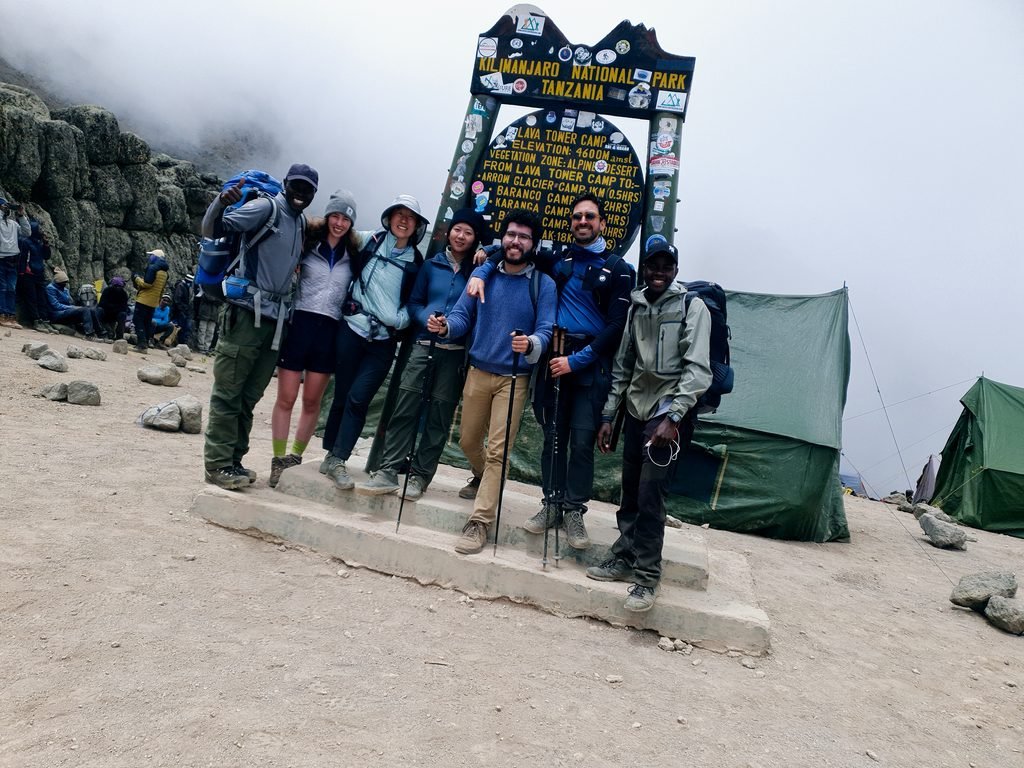
The Machame Route is a popular choice during Kilimanjaro’s dry seasons because its southern approach passes through several impressive landscapes, including the Shira Plateau, Lava Tower and Barranco Valley. The seven-day itinerary is generally preferable to the six-day version for travellers seeking additional acclimatisation time. Although Machame is accessible during wet months, the forest and rocky sections can become slippery, increasing the physical demands of the expedition.
Lemosho Route for Scenic Mountain Climbing
The Lemosho Route approaches Kilimanjaro from the west and provides a varied climbing experience through forest, moorland and the extensive Shira Plateau. Its longer itinerary offers valuable opportunities for gradual altitude adjustment, making it an attractive option for first-time Kilimanjaro climbers. January, February, September and early October are particularly appealing for travellers who appreciate mountain photography and scenic trekking.
Rongai Route During Wetter Months
The Rongai Route approaches Kilimanjaro from the northern side, close to the Kenyan border, where rainfall is generally lower than on the southern slopes. It can therefore be worth considering during transitional and wetter months. The route offers a different landscape from Machame and Lemosho, with quieter trails and excellent views of Mawenzi Peak when the weather is favourable. Rongai is not completely protected from rain or snow, and climbers must still carry suitable waterproof and cold-weather equipment.
Marangu Route for Mountain Hut Accommodation
The Marangu Route is distinctive because climbers sleep in established mountain huts rather than camping tents. This accommodation can provide additional protection from wet weather during the evening, making Marangu worth considering during months with increased rainfall. However, the route’s shorter itineraries can provide limited acclimatisation time, so travellers should carefully consider the six-day programme rather than automatically selecting the five-day ascent.
You can discuss the differences between these mountain routes with the local climbing team at Eddy Tours & Safaris or explore additional trekking information at Kilimanjaro Climb Specialist.
Best Time to Climb Kilimanjaro for Beginners
First-time Kilimanjaro climbers should generally consider January, February, June, September or early October because these periods often provide favourable trekking conditions. Lower rainfall can make walking easier, keep personal equipment drier and improve the overall camping experience. However, choosing a suitable month is only one part of preparing for Kilimanjaro. The duration of the expedition and the amount of time available for acclimatisation are equally important.
An eight-day Lemosho, seven-day Machame or nine-day Northern Circuit itinerary is worth considering for travellers who have never experienced high-altitude trekking. These longer programmes generally provide more time for the body to adjust to the changing elevation. Climbers should maintain a comfortable walking pace, stay appropriately hydrated, communicate openly with their mountain guides and report any symptoms of altitude illness immediately.
Best Time to Climb Kilimanjaro Without Crowds
Travellers who prefer quieter mountain trails should consider early March, early June or October, when climbing conditions can remain favourable without the same level of traffic experienced during July and August. January and February may also offer a reasonable balance between good weather and manageable numbers of climbers, although certain departure dates can be busy.
April, May and November are generally quieter, but the reduced number of visitors comes with an increased likelihood of wet weather. Choosing a less crowded route can sometimes be more beneficial than choosing a rainy month. The Rongai Route and Northern Circuit include sections that are often quieter than the popular southern climbing approaches, allowing travellers to enjoy a more peaceful mountain experience.
Does It Snow on Kilimanjaro Throughout the Year?
Snow can fall on Mount Kilimanjaro during any month of the year, particularly across the upper slopes, crater rim and summit region. Although the mountain is located in tropical East Africa, its elevation creates temperatures suitable for snowfall and ice formation. Snowfall may become more frequent during wet periods when moisture reaches the colder upper mountain, although snow can also occur during traditionally dry months.
The amount of snow visible around Uhuru Peak varies considerably depending on recent weather conditions. Kilimanjaro’s permanent glaciers have also declined substantially over time, meaning that travellers should not expect the same ice coverage shown in historical photographs. Climbers interested in snowy mountain scenery may consider January, February or early March, but fresh snow cannot be guaranteed for any particular departure.
Climbing Kilimanjaro During a Full Moon in 2027, 2028 & 2029
A full-moon Kilimanjaro expedition attracts travellers who want to experience the nighttime summit ascent under natural moonlight. When skies are clear, the moon can illuminate parts of the mountain landscape and create impressive views during the walk towards the crater rim. However, the amount of usable moonlight depends on cloud cover, the moon’s position and its rising and setting times. Every climber must still carry a reliable headlamp with spare batteries.
To organise a full-moon summit attempt, your departure date must be calculated according to the chosen route and scheduled summit day. A seven-day Machame itinerary normally reaches the summit on day six, while an eight-day Lemosho programme usually reaches Uhuru Peak on day seven. Travellers interested in full-moon departures for 2027, 2028 or 2029 should contact Eddy Tours & Safaris to confirm the appropriate starting dates.
What to Pack for Different Kilimanjaro Weather Conditions
Regardless of the month you choose, packing for Kilimanjaro requires clothing suitable for warm, wet, windy and freezing environments. The most practical approach is to dress in layers, allowing you to adjust your clothing as the temperature changes throughout the day. A comfortable base layer, insulating middle layer and waterproof outer layer provide flexibility during the lower and middle stages of the climb, while additional insulation is required for summit night.
Essential Clothing and Mountain Equipment
- Thermal base layers.
- Moisture-wicking hiking shirts.
- Fleece or insulated mid-layer jackets.
- Heavy insulated summit jacket.
- Waterproof and windproof outer jacket.
- Waterproof trekking trousers.
- Warm hiking trousers.
- Waterproof hiking boots.
- Warm hiking socks.
- Insulated summit gloves.
- Lightweight walking gloves.
- Warm winter hat and sun hat.
- Neck warmer or balaclava.
- Four-season sleeping bag.
- Trekking poles.
- Headlamp with spare batteries.
- Sunglasses with ultraviolet protection.
- High-protection sunscreen.
- Waterproof duffel bag and dry bags.
- Reusable water bottles.
- Comfortable trekking daypack.
Travellers climbing during April, May or November should pay particular attention to waterproof equipment and carry spare dry clothing for use at the campsite. Those travelling in July and August should prioritise warm sleeping equipment, insulated clothing and gloves capable of protecting them during cold summit conditions.
Does Weather Affect Kilimanjaro Summit Success Rates?
Weather can influence the physical difficulty of climbing Kilimanjaro, particularly when heavy rain, snowfall or strong winds affect trail conditions. Cold weather increases the importance of suitable clothing, while wet conditions can make walking and resting more uncomfortable. Poor visibility can also affect the climbing experience and may require mountain guides to adjust the day’s programme.
Nevertheless, weather is not the only factor determining whether a climber reaches Uhuru Peak. Altitude acclimatisation, individual health, physical preparation, adequate rest and responsible mountain guiding are equally important. Even during the best climbing months, some participants may experience altitude sickness and need to descend before reaching the summit. Choosing a longer itinerary and following your guide’s safety instructions should remain central to your climbing preparation.
Best Time to Combine Kilimanjaro Climbing with a Tanzania Safari
January, February, June, July, August, September and October are attractive months for travellers who want to combine Mount Kilimanjaro with a northern Tanzania wildlife safari. During January and February, the southern Serengeti and Ndutu region may offer excellent opportunities to observe wildebeest calving and predator activity. Between June and October, dry conditions generally improve wildlife viewing around permanent water sources in parks such as Tarangire, Serengeti and Ngorongoro.
Combining Kilimanjaro climbing with a safari allows travellers to experience Tanzania’s mountain landscapes and wildlife within a single holiday. Many visitors prefer to complete the mountain expedition first and spend several days relaxing in comfortable safari lodges afterwards. Eddy Tours & Safaris can arrange private Tanzania safari programmes around your selected climbing dates, accommodation preferences and available holiday time.
Best Time to Climb Kilimanjaro and Visit Zanzibar
January, February and June through October generally provide a favourable combination of mountain climbing and Zanzibar beach conditions. After spending several days trekking in changing mountain environments, visitors can travel to Zanzibar to enjoy warm coastal temperatures, traditional Swahili architecture, spice farms and beach activities. The island provides a pleasant opportunity to recover after the physical demands of the Kilimanjaro expedition.
Travellers planning a combined Kilimanjaro and Zanzibar holiday should allow sufficient time for rest, domestic flights and transfers between destinations. A typical combined holiday may include seven or eight days for climbing, one or two days for arrival and recovery, followed by four or five days on the coast. Private arrangements can be tailored to include a wildlife safari before travelling to Zanzibar.
Frequently Asked Questions About Kilimanjaro Weather
What is the best month to climb Kilimanjaro?
January, February and September are particularly attractive months because they generally offer favourable weather, relatively low rainfall and good trekking conditions. July and August are also excellent choices for dry weather, although they are colder at high altitude and generally attract more visitors.
Can you climb Kilimanjaro throughout the year?
Kilimanjaro can generally be climbed throughout the year, subject to park access and safe weather conditions. However, April and May are less favourable because of the long rainy season, while November and early December can experience variable weather. Travellers with flexible dates should consider one of the two main dry climbing periods.
How cold is Kilimanjaro at night?
Nighttime temperatures depend on the elevation of your campsite. Lower forest camps may remain above freezing, while camps above 4,000 metres can experience temperatures below 0°C. Near Uhuru Peak, temperatures may fall to approximately -20°C during particularly cold conditions, with strong winds making the perceived temperature considerably colder.
Is January warmer than August on Kilimanjaro?
January is generally warmer than August at comparable elevations. August falls within the cooler main dry season, while January is part of the warmer period near the beginning of the year. Nevertheless, both months require proper cold-weather clothing because summit temperatures remain below freezing during the nighttime and early-morning climbing periods.
Is Kilimanjaro difficult during the rainy season?
Climbing during the rainy season can be more physically demanding because of slippery trails, damp equipment, reduced visibility and uncomfortable camping conditions. Wet weather can also increase the risk of becoming excessively cold. Travellers choosing the rainy season should have appropriate equipment and discuss suitable routes with an experienced mountain operator.
Is the Rongai Route better during the rainy season?
The Rongai Route generally receives less rainfall because it approaches Kilimanjaro from the northern side. This makes it a reasonable route to consider during wetter periods, but it does not eliminate the possibility of rain, snow or poor mountain weather. Climbers must remain properly equipped regardless of their selected route.
Can Kilimanjaro weather be predicted for 2027, 2028 and 2029?
Exact daily mountain weather cannot be predicted several years in advance. Historical seasonal patterns can help travellers select suitable climbing months, but reliable short-term forecasts become available much closer to the departure date. Your climbing team should review current mountain conditions before and during the expedition.
Is December a good month to climb Kilimanjaro?
December can be a good month, particularly towards the end of the month when the short rains may begin to ease. Christmas and New Year expeditions are popular, but rainfall can continue later than expected. Travellers should prepare for both wet conditions and freezing summit temperatures.
Plan Your Kilimanjaro Climbing Expedition for 2027, 2028 or 2029
Choosing the right month to climb Mount Kilimanjaro depends on your preferred weather conditions, available travel dates, climbing experience and willingness to share the mountain with other trekking groups. January and February generally provide warmer dry-season conditions, while July, August and September offer some of the driest periods of the year. Travellers who appreciate quieter trails may prefer early March, June or October, while those with fixed rainy-season dates should prepare carefully and consider alternative mountain approaches.
At Eddy Tours & Safaris, we organise private and group Kilimanjaro climbing expeditions with local mountain guides, experienced support crews and carefully planned trekking itineraries. Whether you are considering the Machame, Lemosho, Marangu, Rongai or Northern Circuit Route, our team can help you select a suitable climbing programme for 2027, 2028 or 2029. Contact us to discuss your preferred departure dates, route options, climbing equipment requirements and personalised expedition quotation.
Tour Operator: Eddy Tours & Safaris
Website: www.eddytours-safaris.com
Email: sales@eddytours-safaris.com
Alternative Email: eddytoursandsafaris@gmail.com
Additional Kilimanjaro climbing information: www.kilimanjaroclimbspecialist.com