
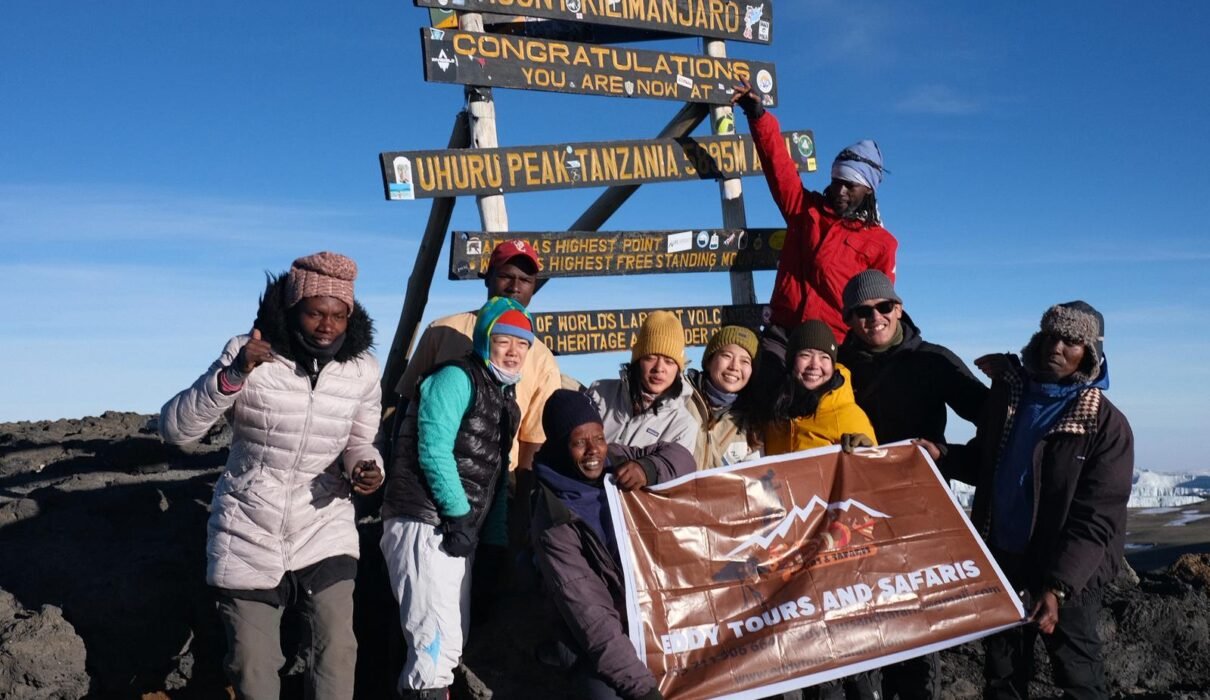
Complete Guide to Planning Your Kilimanjaro Climb begins with understanding that Mount Kilimanjaro is not just a trek; it is a life-changing journey shaped by preparation, patience, and purpose. Rising proudly above the East African plains, Kilimanjaro invites travelers to test themselves while experiencing one of the most unique ecosystems on Earth. Thoughtful planning ensures your experience is not only safe but deeply rewarding.
Climbing Kilimanjaro requires more than enthusiasm. It calls for careful research, practical training, reliable guidance, and emotional readiness. With the right approach, even first-time trekkers can reach the summit while enjoying every stage of the ascent.
Many climbers begin by reviewing routes and services such as professional Kilimanjaro expeditions, which help travelers understand logistics, safety practices, and cultural experiences. A well-organized climb blends comfort with adventure while respecting nature and local communities.
Understanding the Mountain Environment
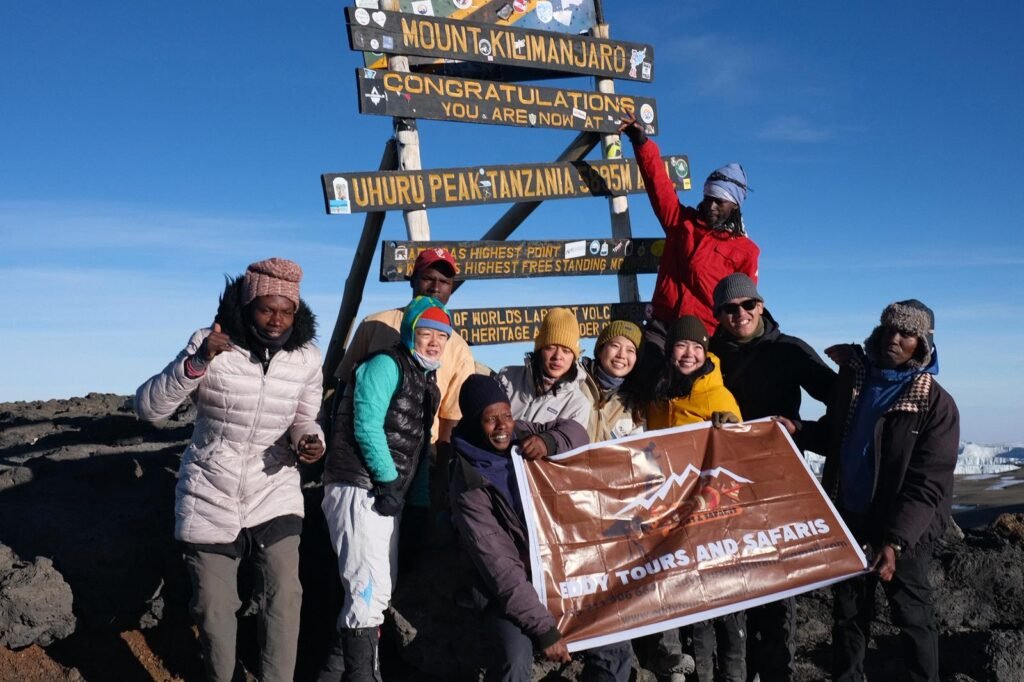
Kilimanjaro stands as Africa’s tallest peak, shaped by volcanic activity and centuries of climatic change. Its five climate zones range from rainforest to alpine desert, each offering a different atmosphere and challenge. Learning about these environments helps climbers prepare physically and mentally.
Scientific organizations like National Geographic Society and NASA continue to study the mountain’s glaciers and climate patterns. Their research highlights how environmental awareness supports responsible climbing.
Wildlife and plant life found here are also remarkable. Conservation groups such as IUCN and World Wildlife Fund emphasize protecting fragile habitats that support biodiversity across Tanzania.
Complete Guide to Planning Your Kilimanjaro Climb: Choosing the Right Route
Selecting the best route depends on experience level, schedule, and comfort preferences. Popular routes include Machame, Marangu, Lemosho, and Rongai, each offering different scenery and acclimatization profiles.
Beginners often prefer longer routes for gradual altitude adjustment, while experienced trekkers may choose shorter, steeper paths. Experts from institutions like American Alpine Club recommend slower ascents for safety and enjoyment.
For travelers seeking tailored planning, reviewing custom Kilimanjaro climbing options helps align expectations with available itineraries and professional support.
Physical Preparation and Training Strategy
Preparing your body for Kilimanjaro is essential. Training should begin months before departure, focusing on endurance, strength, and flexibility. Hiking regularly with a backpack helps simulate mountain conditions.
Experts from Centers for Disease Control and Prevention recommend combining aerobic workouts with gradual elevation exposure. Meanwhile, research from Mayo Clinic supports cross-training to improve stamina.
Consistency matters more than intensity. Walking long distances, climbing stairs, and strengthening core muscles all support performance during summit night.
Altitude Awareness and Health Safety
Altitude sickness remains the main concern for climbers. Learning symptoms such as headaches, dizziness, and fatigue ensures early response and safe decision-making.
Organizations including World Health Organization and Altitude Centre Foundation stress the importance of hydration and gradual acclimatization.
Professional guides also monitor oxygen levels and pacing. Booking reliable operators through trusted climbing services adds reassurance throughout the journey.
Gear Essentials for Kilimanjaro Success
Quality gear ensures comfort and protection across changing climates. Layered clothing helps regulate temperature while waterproof equipment prevents exposure during rain or snow.
Reliable recommendations from REI Expert Advice and research by OutdoorGearLab highlight the importance of insulated boots, thermal wear, and trekking poles.
Lightweight packing reduces fatigue. Most climbers rely on porters for heavy loads while carrying personal essentials in a daypack.
Best Time to Plan Your Climb
Kilimanjaro can be climbed year-round, though weather varies seasonally. Dry months often provide clearer skies and better trail conditions.
Climate studies from UK Met Office and NASA Climate show how rainfall patterns affect trekking conditions.
Discussing timing with experienced operators such as Kilimanjaro specialists ensures you choose a season aligned with your preferences.
Permits, Logistics, and Planning Details
Climbing Kilimanjaro requires permits managed through licensed operators. Regulations help protect the mountain while ensuring climber safety.
Government bodies like Tanzania National Parks Authority regulate access and conservation efforts. Their policies promote sustainable tourism practices.
Arranging transport, accommodation, and insurance well in advance simplifies travel logistics and reduces stress before departure.
Understanding Local Culture and Community
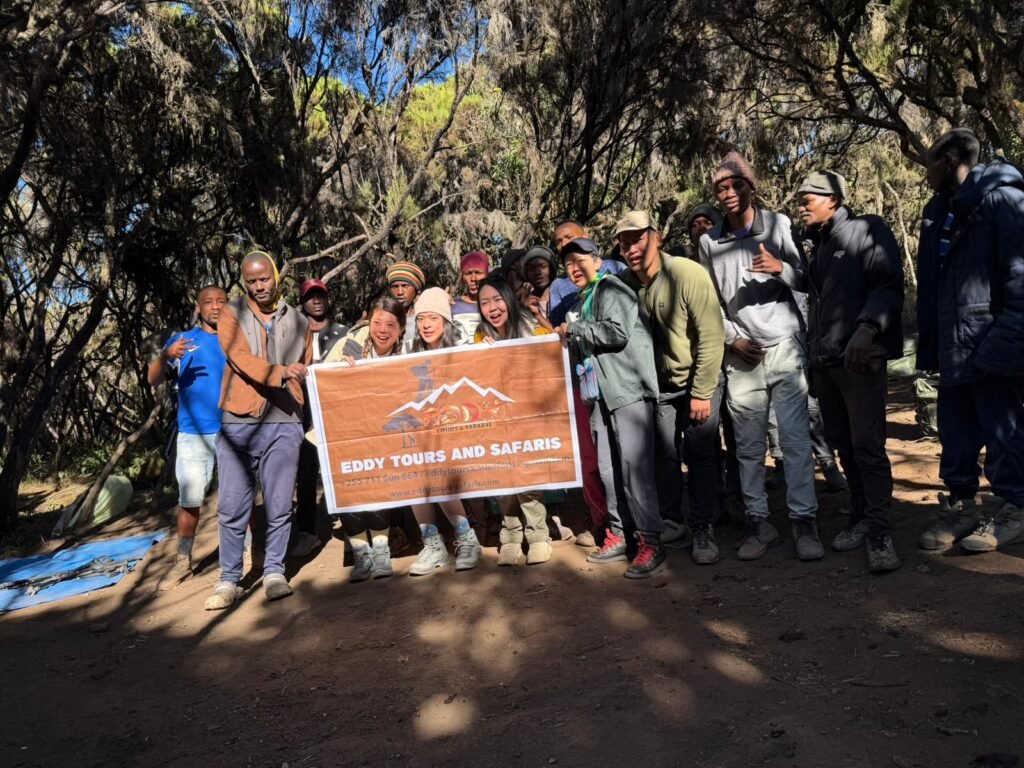
Respecting Tanzanian culture enriches the climbing experience. Interacting with guides and porters offers insights into local traditions and values.
Anthropological resources from Smithsonian Institution and UNESCO highlight how cultural exchange supports mutual respect and understanding.
Travelers often leave with lasting connections formed through shared effort and storytelling.
Nutrition and Hydration During the Climb
Balanced nutrition fuels endurance on the mountain. Meals typically include carbohydrates, proteins, and fresh produce to maintain energy levels.
Guidelines from Academy of Nutrition and Dietetics emphasize frequent hydration and electrolyte balance.
Hot drinks and soups also help maintain warmth during colder evenings.
Mental Preparation and Motivation
Climbing Kilimanjaro challenges the mind as much as the body. Maintaining motivation during difficult moments requires focus and resilience.
Psychological research from American Psychological Association highlights visualization and mindfulness as effective techniques.
Encouragement from guides and fellow climbers strengthens morale and builds confidence.
Environmental Responsibility on Kilimanjaro
Responsible trekking protects fragile ecosystems. Climbers should follow Leave No Trace principles and support sustainable operators.
Environmental organizations like Leave No Trace Center and Conservation International promote eco-friendly practices worldwide.
Choosing ethical services ensures tourism benefits local communities and wildlife conservation.
Safety Tips for Summit Night
Summit night tests endurance and patience. Climbers ascend slowly in darkness, guided by experienced professionals.
Research from The Mountaineers stresses pacing, hydration, and mental focus during high-altitude efforts.
Staying calm and following guidance ensures a safer ascent to Uhuru Peak.
Photography and Capturing Memories
Kilimanjaro offers breathtaking landscapes ideal for photography. From rainforest paths to icy summit views, every zone tells a story.
Tips from Nikon Education and Canon Learning suggest protecting gear from cold and moisture.
Simple techniques often produce the most authentic images.
Post-Climb Recovery and Reflection
Descending Kilimanjaro brings mixed emotions. Recovery involves rest, hydration, and reflection on personal achievement.
Health insights from WebMD and Harvard Health Publishing recommend gentle movement and balanced nutrition after strenuous activity.
Many climbers celebrate with cultural experiences or wildlife safaris nearby.
Budget Planning and Cost Considerations
Climbing costs vary depending on route, duration, and operator services. Budgeting early helps manage expectations and avoid surprises.
Financial planning resources such as Investopedia support informed decision-making.
Transparent operators explain fees clearly, including permits, meals, and staff wages.
Why Professional Guidance Matters
Experienced guides enhance safety, logistics, and enjoyment. Their knowledge of terrain and weather supports confident decision-making.
Many travelers rely on trusted services like experienced Kilimanjaro tour planners for seamless organization and personalized care.
Professional support ensures you focus on the journey rather than logistics.
Final Thoughts on Your Kilimanjaro Adventure
Completing Kilimanjaro is a profound accomplishment shaped by preparation, teamwork, and perseverance. Each step reveals new landscapes and insights into personal strength.
With careful planning and the right mindset, your climb becomes more than an expedition. It transforms into a meaningful experience remembered for a lifetime.