
Crocodile vs Alligator: Key Differences Explained is one of the most searched wildlife topics because many people struggle to tell these two powerful reptiles apart. At first glance, they look almost identical, yet their behavior, habitat, jaw shape, and even temperament are surprisingly different. Understanding these distinctions not only satisfies curiosity but also improves safety awareness for travelers and wildlife lovers. This detailed guide breaks down everything in simple language so you can confidently recognize each species in the wild or at a zoo.
Crocodile vs Alligator: Key Differences Explained in Detail
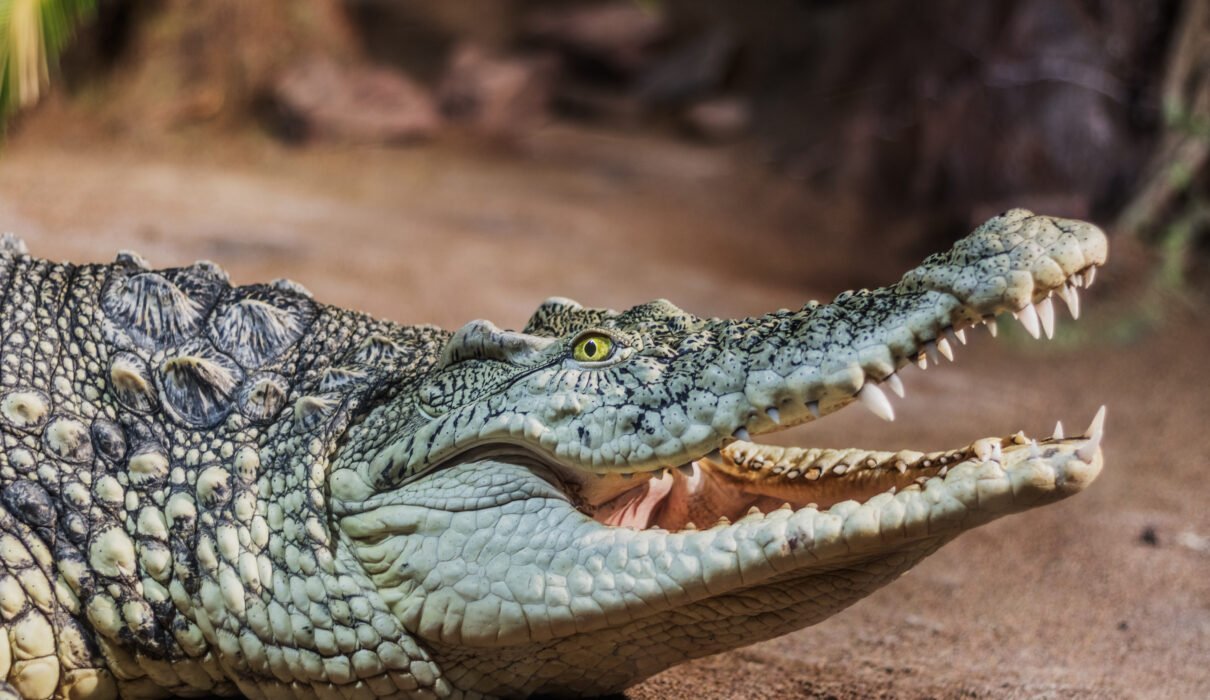
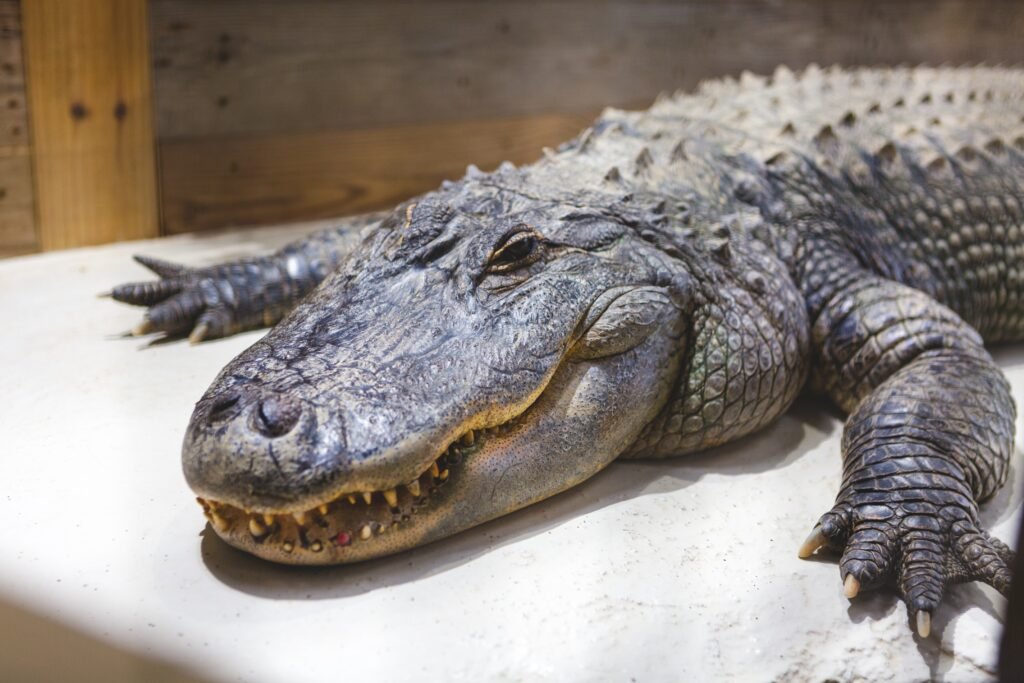
When discussing Crocodile vs Alligator: Key Differences Explained, the most noticeable distinction is the snout shape. Crocodiles have a narrow, V-shaped snout, while alligators display a broader, U-shaped snout. According to research shared by National Geographic and Encyclopaedia Britannica, this physical difference is closely linked to feeding habits. Crocodiles can handle saltwater prey and tougher animals, while alligators often prefer freshwater fish and turtles.
Another major difference is visibility of teeth when the mouth is closed. Crocodiles show both upper and lower teeth, giving them a fierce grin. Alligators, on the other hand, hide their lower teeth because the upper jaw is wider. Studies from the Smithsonian Institution and insights published by Smithsonian Magazine highlight how this structural variation influences bite force and hunting efficiency.
Color also plays a role in identification. Crocodiles tend to be lighter, often olive or tan, while alligators are darker gray or nearly black. Wildlife conservation groups such as the World Wildlife Fund and the International Union for Conservation of Nature explain that camouflage helps each species blend into its natural environment. This simple but critical observation supports the full understanding of Crocodile vs Alligator: Key Differences Explained.
Habitat and Geographic Distribution
Habitat is another essential factor in Crocodile vs Alligator: Key Differences Explained. Alligators mostly live in freshwater rivers, lakes, and swamps in the United States and China. Reliable data from the U.S. Geological Survey and the Florida Fish and Wildlife Conservation Commission confirm that Florida is one of the few places where both animals can coexist.
Crocodiles are more adaptable to saltwater environments because they have specialized salt glands. Research from NOAA and conservation reports by the Wildlife Conservation Society show that crocodiles are found in Africa, Australia, Asia, and the Americas. This global spread makes them more widespread than alligators. Learning about habitat differences brings greater clarity to Crocodile vs Alligator: Key Differences Explained.
Behavior and Temperament Differences
Behavior is where Crocodile vs Alligator: Key Differences Explained becomes truly important for safety. Crocodiles are generally more aggressive and territorial. Reports documented by the National Park Service and public safety data shared on CDC platforms indicate that crocodile encounters can be more dangerous in certain regions.
Alligators are often described as shy unless provoked. Educational material from the San Diego Zoo and scientific findings published on Live Science emphasize that alligators prefer to avoid humans. However, both species are wild predators and must be respected at all times. This comparison reinforces the importance of understanding Crocodile vs Alligator: Key Differences Explained before visiting habitats where they live.
Diet and Hunting Techniques
Dietary habits further highlight Crocodile vs Alligator: Key Differences Explained. Crocodiles consume fish, birds, and even large mammals. Their stronger salt tolerance allows them to hunt in coastal areas. Data from the Food and Agriculture Organization and marine ecosystem studies from NASA provide insights into how coastal changes affect crocodile feeding grounds.
Alligators mostly feed on fish, amphibians, and small mammals in freshwater systems. Ecological research from The Nature Conservancy and scientific publications on ScienceDaily explain how alligators help maintain balanced wetland ecosystems. Recognizing their ecological role strengthens our understanding of Crocodile vs Alligator: Key Differences Explained.
Conservation Status and Environmental Importance
Both species play a critical role in maintaining ecosystem balance. Conservation updates from American Museum of Natural History and awareness campaigns by World Animal Protection show that habitat destruction and illegal hunting threaten crocodilian populations in some areas.
Environmental policy discussions available on EPA and global heritage protection efforts by UNESCO highlight how wetlands must be preserved. Even academic institutions like University of Oxford publish research on reptile evolution and adaptation. This broader environmental context deepens appreciation for Crocodile vs Alligator: Key Differences Explained.
Travel and Wildlife Viewing Insights
If you are planning a safari or wildlife adventure, knowing Crocodile vs Alligator: Key Differences Explained can enhance your experience. For African safaris where crocodiles dominate riverbanks, you can explore curated travel insights at Eddy Tours & Safaris. Their wildlife guides often explain reptile behavior during river crossings.
For travelers interested in broader Tanzania experiences, consider reading about safari planning at Eddy Tours Tanzania, or combine your trip with mountain adventures through trusted climbing experts like Kilimanjaro Climb Specialist. Before researching locations, many visitors start with basic search insights on Google to understand wildlife zones.
To prepare responsibly, review safety recommendations shared by safari professionals at African safari experts. You can also explore conservation-focused trips through wildlife safari packages and read traveler education resources at Tanzania travel blog. Learning about Crocodile vs Alligator: Key Differences Explained ensures you appreciate these animals from a safe distance.
Final Thoughts on Crocodile vs Alligator: Key Differences Explained
In summary, Crocodile vs Alligator: Key Differences Explained comes down to snout shape, habitat preference, tooth visibility, color, and behavior. Crocodiles are typically more aggressive and saltwater tolerant, while alligators are freshwater dwellers with broader snouts and darker skin. Both species are fascinating, ancient reptiles that deserve respect and protection.
Understanding these distinctions is not just trivia. It builds awareness, promotes conservation, and enhances travel experiences. Whether you encounter them in Florida wetlands or African rivers, knowing the science behind Crocodile vs Alligator: Key Differences Explained allows you to observe with confidence and curiosity.