
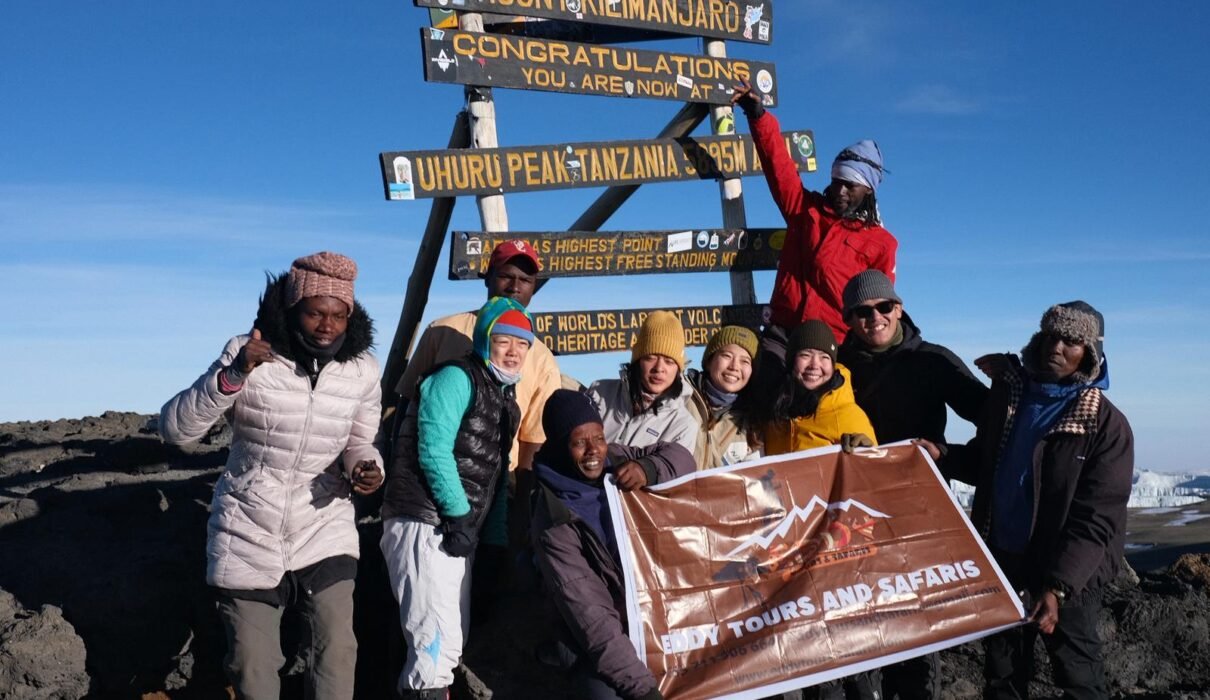
Detailed Comparison of Mount Kilimanjaro Routes is essential for any climber who wants to choose a route based on real conditions, safety, scenery, altitude adaptation and environmental responsibility rather than marketing promises. Every route on Kilimanjaro offers a very different experience in terms of landscape, daily walking difficulty, crowd levels and how your body adjusts to the mountain, and these differences strongly influence your comfort and your chance of enjoying the journey.
This guide presents a clear and honest route-by-route comparison using scientific research, conservation guidance and internationally accepted mountain safety standards. If you are planning your climb with a reliable local operator such as Eddy Tours & Safaris, this structured breakdown will help you match your goals, fitness and expectations with the most suitable route on Africa’s highest mountain.
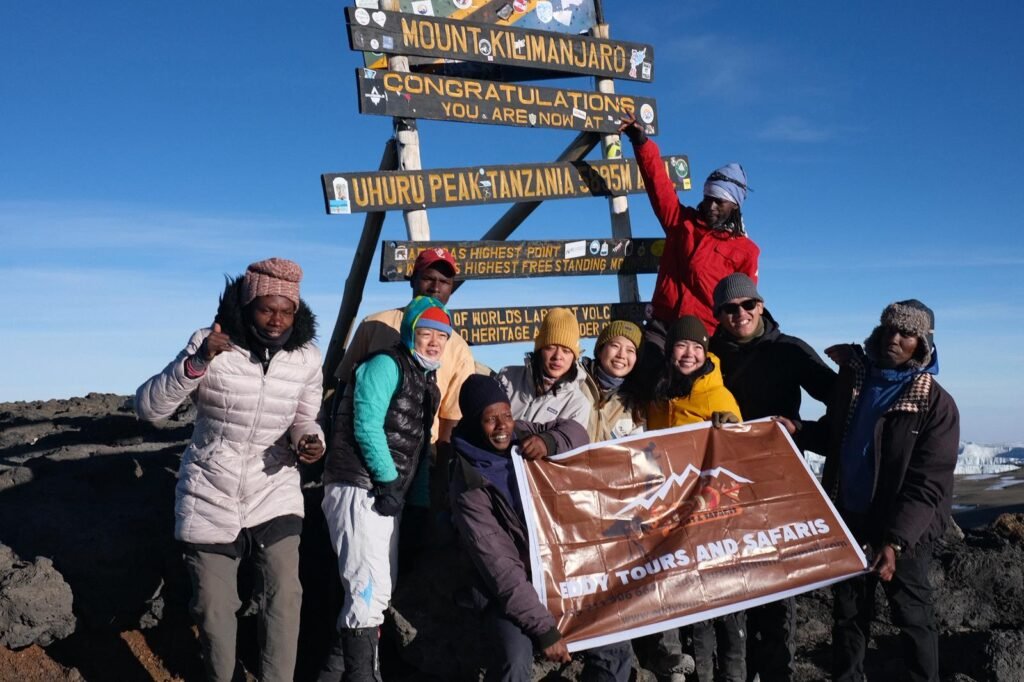
Detailed Comparison of Mount Kilimanjaro Routes and how to read this guide
The purpose of this Detailed Comparison of Mount Kilimanjaro Routes is to help you understand each route through four key lenses: altitude adaptation, landscape and scenery, environmental sensitivity and operational safety. Research from the International Union for Conservation of Nature and environmental planning frameworks from the United Nations Environment Programme show that trekking routes in protected mountains must be evaluated not only by comfort and success rate, but also by their ecological impact.
In addition, altitude and health guidance published by the Centers for Disease Control and Prevention and the International Society for Mountain Medicine clearly explains why route design and daily elevation gain matter more than simple hiking distance.
Detailed Comparison of Mount Kilimanjaro Routes – Marangu Route
In a proper Detailed Comparison of Mount Kilimanjaro Routes, the Marangu Route is often recognised for its permanent hut accommodation and relatively direct trail structure. From a comfort perspective, sleeping in shelters reduces exposure to extreme weather and simplifies logistics, especially for travellers who are not familiar with camping at altitude.
However, environmental and safety studies supported by the United States Geological Survey and ecosystem pressure assessments coordinated by Conservation International show that routes with high visitor concentration can experience faster trail erosion and vegetation disturbance. The Marangu trail is usually busier, and its faster ascent profile provides fewer natural acclimatisation opportunities compared with longer and more gradual routes.
Detailed Comparison of Mount Kilimanjaro Routes – Machame Route
Any balanced Detailed Comparison of Mount Kilimanjaro Routes must include the Machame Route because of its strong scenic diversity and well-designed altitude profile. Climbers move through rainforest, moorland, alpine desert and glacier views in a relatively short period, offering outstanding visual contrast.
Climate and vegetation research published by NASA Climate and global assessments produced by the Intergovernmental Panel on Climate Change explain how rapid climate transitions occur along elevation gradients on mountains like Kilimanjaro. The Machame Route allows your body to gradually adapt to these environmental shifts through its climb-high, sleep-low pattern, which is widely recommended by high-altitude medical specialists.
Detailed Comparison of Mount Kilimanjaro Routes – Lemosho Route
In this Detailed Comparison of Mount Kilimanjaro Routes, the Lemosho Route stands out for its extended approach and lower initial traffic. Entering the mountain from the western side, climbers experience large undisturbed landscapes that reflect conservation priorities highlighted by the World Wide Fund for Nature and the African Wildlife Foundation.
Research supported by the Food and Agriculture Organization and landscape ecology studies published by Frontiers in Environmental Science show that lower visitor pressure in sensitive zones improves vegetation recovery and reduces soil compaction. The longer acclimatisation period of Lemosho also aligns closely with altitude adaptation recommendations used in professional expedition planning.
Detailed Comparison of Mount Kilimanjaro Routes – Rongai Route
The Rongai Route deserves careful attention in any serious Detailed Comparison of Mount Kilimanjaro Routes because it approaches Kilimanjaro from the northern side. This side of the mountain often receives less rainfall, creating drier trail conditions and a different ecological character.
Environmental monitoring projects coordinated by the Wildlife Conservation Society and bird habitat research from BirdLife International show how slope orientation and rainfall distribution influence plant communities and wildlife movement. For climbers, this often translates into quieter camps and a more remote feeling compared with southern routes.
Detailed Comparison of Mount Kilimanjaro Routes – Umbwe Route
Within a realistic Detailed Comparison of Mount Kilimanjaro Routes, the Umbwe Route is widely recognised as the steepest and most physically demanding approach. Its rapid elevation gain places higher stress on the body, which is why it is generally recommended only for very experienced and well-prepared climbers.
Physiological research published through the U.S. National Library of Medicine – PubMed and clinical guidance from Johns Hopkins Medicine confirms that faster ascents significantly increase the likelihood of altitude-related illness. The Umbwe Route offers dramatic scenery, but its risk profile is higher if acclimatisation is not carefully managed.
Detailed Comparison of Mount Kilimanjaro Routes – Northern Circuit
The Northern Circuit is often highlighted in a professional Detailed Comparison of Mount Kilimanjaro Routes as the longest and most comprehensive route. Its extended circuit around the mountain allows climbers to experience a wide range of ecosystems while providing exceptional time for physiological adjustment.
Long-term biodiversity protection strategies promoted by the National Geographic Society and sustainable landscape planning supported by UNESCO emphasize the importance of dispersing visitor pressure across wider areas. The Northern Circuit supports this approach by reducing congestion on traditional summit corridors.
Detailed Comparison of Mount Kilimanjaro Routes – Shira Route
In this Detailed Comparison of Mount Kilimanjaro Routes, the Shira Route shares some sections with the Lemosho approach but begins at a higher elevation. This means climbers are transported quickly into the moorland and alpine zone without the gradual forest ascent.
Geological and landform studies published by the United States Geological Survey and environmental field research from ScienceDirect show that high-elevation plateaus are more sensitive to trampling and trail widening. From a health perspective, starting high reduces initial acclimatisation time, making this route less suitable for some travellers.
Detailed Comparison of Mount Kilimanjaro Routes and altitude adaptation
One of the most important elements in this Detailed Comparison of Mount Kilimanjaro Routes is how well each route supports altitude adaptation. Clinical recommendations published by the World Health Organization and practical guidance from the Centers for Disease Control and Prevention emphasize gradual ascent and rest days as the strongest predictors of a comfortable climb.
Routes such as Lemosho and the Northern Circuit offer more opportunities for controlled ascent compared with Marangu and Umbwe, where daily elevation changes are steeper and recovery time is shorter.
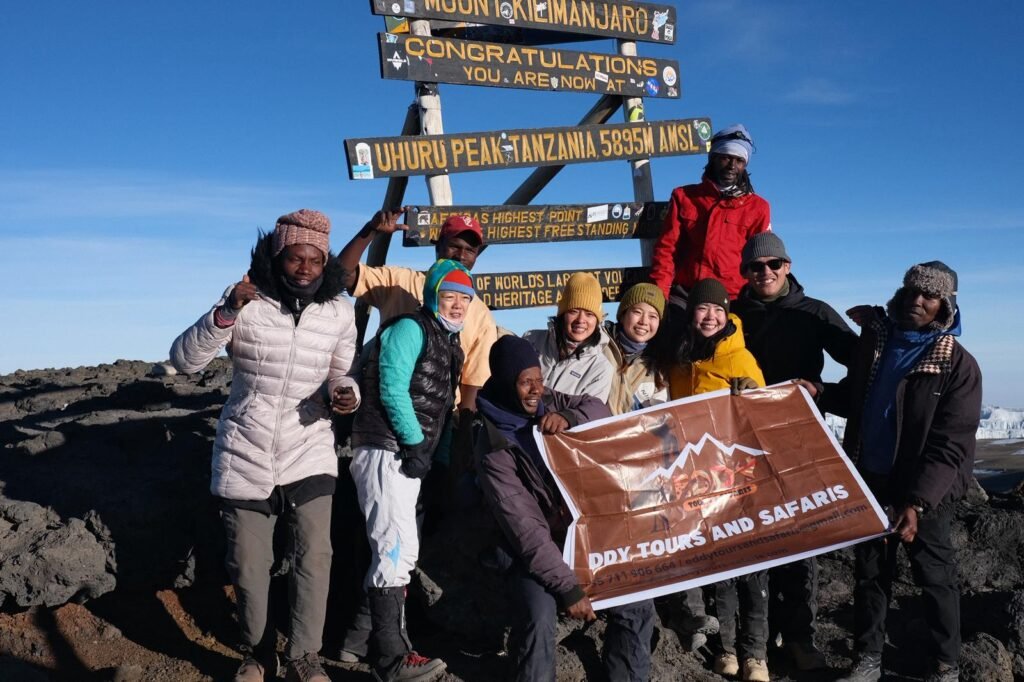
Detailed Comparison of Mount Kilimanjaro Routes and environmental sensitivity
This Detailed Comparison of Mount Kilimanjaro Routes also considers environmental vulnerability. Conservation science published by Conservation International, ecological monitoring coordinated by the African Wildlife Foundation and high-altitude ecosystem research from Frontiers in Ecology demonstrate that alpine and subalpine zones recover very slowly from human disturbance.
Lower traffic routes and longer itineraries reduce pressure on campsites and water sources, helping park authorities maintain fragile environments along summit corridors.
Detailed Comparison of Mount Kilimanjaro Routes and safety systems
Safety management is a major theme in any realistic Detailed Comparison of Mount Kilimanjaro Routes. Emergency preparedness frameworks published by the International Federation of Red Cross and Red Crescent Societies and disaster risk coordination strategies supported by the World Bank Disaster Risk Management programme highlight the importance of predictable evacuation corridors and trained response teams.
Routes that connect easily to ranger stations and evacuation points provide more operational security during medical incidents or sudden weather changes.
Detailed Comparison of Mount Kilimanjaro Routes and cultural and scientific value
Beyond physical difficulty, this Detailed Comparison of Mount Kilimanjaro Routes also recognises the educational role of mountain landscapes. Academic research initiatives supported by Harvard University research programmes and international knowledge-sharing frameworks promoted by the United Nations Academic Impact show how field experiences strengthen environmental understanding and conservation ethics.
Climbers who are guided responsibly gain deeper insight into volcanic history, vegetation patterns and climate change indicators found across different Kilimanjaro routes.
Choosing the right route with professional local support
A meaningful Detailed Comparison of Mount Kilimanjaro Routes becomes truly useful only when matched with your personal goals, health background and expectations. Shorter routes may look attractive on paper, but longer and more gradual itineraries often provide greater comfort and lower medical risk.
You can explore professionally designed itineraries through Kilimanjaro climbing programs that prioritise safety, acclimatisation and environmental responsibility.
Plan responsibly and climb with confidence
Understanding this Detailed Comparison of Mount Kilimanjaro Routes allows you to make decisions based on science, conservation priorities and real mountain conditions rather than online rankings alone. A well-chosen route protects your health, supports fragile ecosystems and improves the overall quality of your experience.
For personalised route advice and transparent local planning, you can consult directly with specialists through local climbing consultation support or review wider travel options via Tanzania travel programs. Choosing wisely today helps preserve Kilimanjaro for future generations while giving you a safer and more meaningful climb.