
Do Animals Attack Safari Cars? Real Incidents Explained (Tanzania) 2026/2027/2028
Do Animals Attack Safari Cars? Real Incidents Explained (Tanzania) 2026/2027/2028 is one of the most common concerns travelers have before booking a safari. It’s natural to imagine wild animals charging vehicles, but the reality is more nuanced. In Tanzania, safaris operate under strict safety rules, and while rare incidents have occurred, they are usually the result of human error or misunderstanding animal behavior rather than random aggression.
In this detailed guide, we explore real cases, explain why animals sometimes react to vehicles, and help you understand how safe a Tanzanian safari truly is. By the end, you’ll feel confident planning your adventure with trusted operators like Eddy Tours & Safaris.
Understanding Wildlife Behavior Around Safari Vehicles
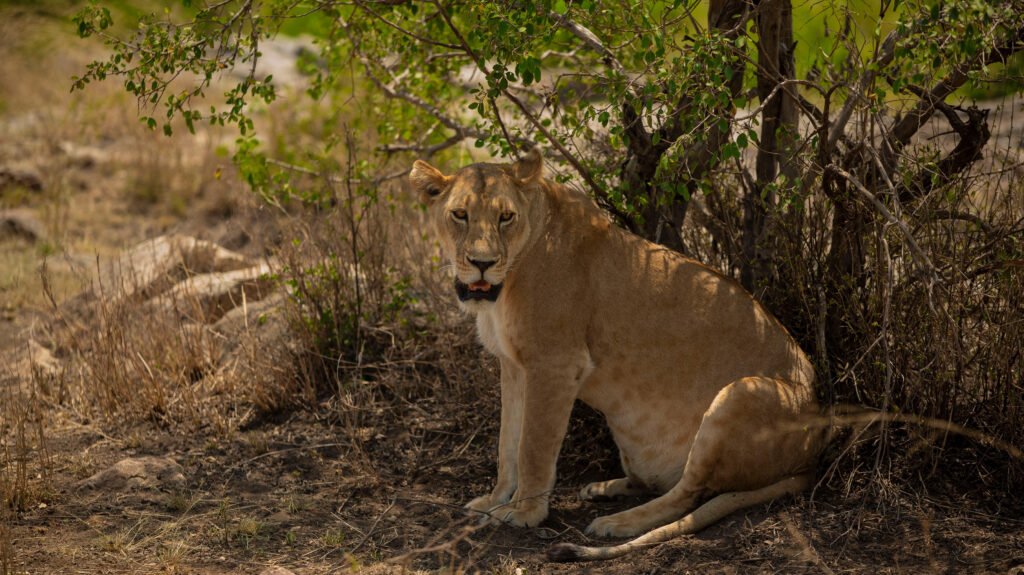
Wild animals in Tanzania’s national parks, such as the Serengeti and Ngorongoro, grow accustomed to safari vehicles over time. These vehicles are seen as neutral objects, not threats or prey. This is why you’ll often see lions resting beside cars or elephants calmly crossing in front of them.
According to research from National Geographic and World Wildlife Fund, animals respond more to sudden movement, noise, or perceived threats than the presence of a stationary vehicle. When safari guidelines are followed, animals rarely show aggression.
That said, wildlife is unpredictable. A startled buffalo or a protective elephant mother may react defensively if they feel threatened. This is why experienced guides are essential for safe safari experiences.
Do Animals Attack Safari Cars? Real Incidents Explained (Tanzania)
Although extremely rare, there have been a few documented incidents where animals interacted aggressively with safari vehicles. These cases help us understand what triggers such behavior.
1. Elephant Mock Charges
Elephants are intelligent and emotional animals. In Tanzania, mock charges are more common than real attacks. These displays are meant to warn rather than harm. Studies from IUCN show that elephants often bluff to protect their space.
In one Serengeti case, a vehicle got too close to a herd. A female elephant charged but stopped short. No damage occurred, and the guide calmly reversed the vehicle.
2. Buffalo Aggression
African buffalo are known for their unpredictable nature. According to Smithsonian Magazine, they are responsible for more injuries in Africa than most other large animals.
There have been rare cases where buffalo rammed vehicles, usually when they were injured or cornered. Guides are trained to keep a safe distance to avoid such situations.
3. Lions and Curiosity
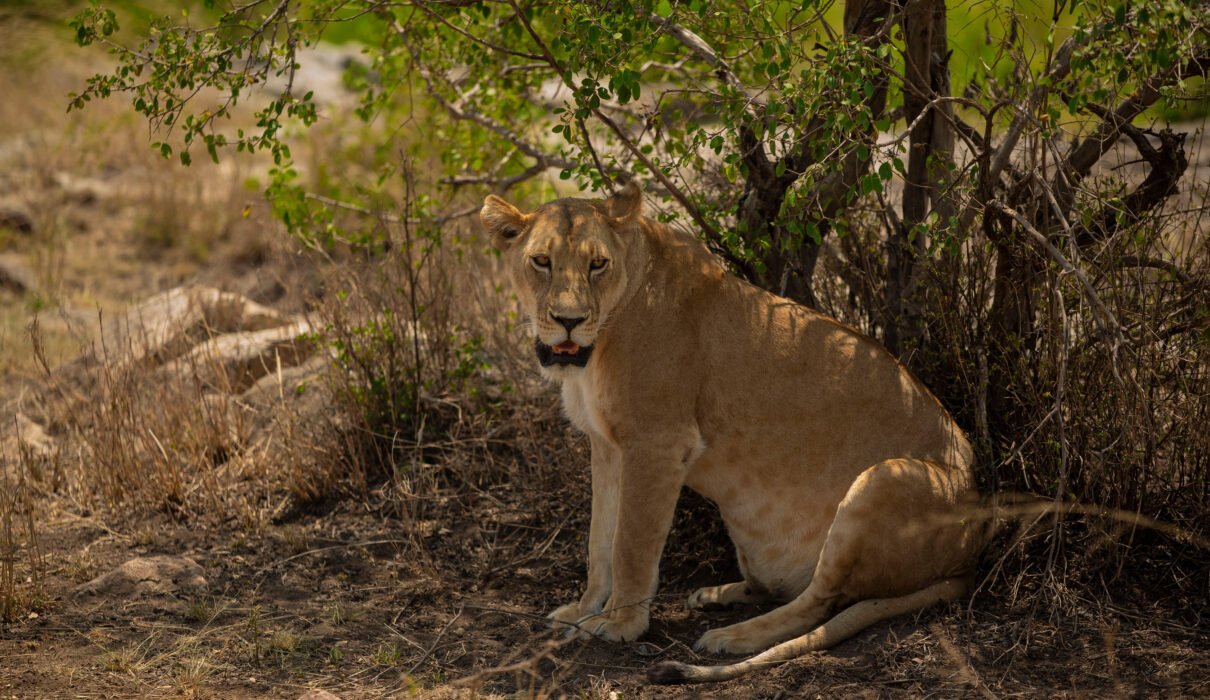
Lions are often seen lounging near safari cars. In most cases, they ignore vehicles completely. However, young lions may show curiosity and approach cars.
Research from Panthera indicates that lions rarely see vehicles as prey. Incidents usually involve tourists standing up or making noise, which breaks the illusion of the vehicle as a single object.
4. Leopard Encounters
Leopards are shy and elusive. They avoid confrontation and rarely approach vehicles. Observations from African Wildlife Foundation confirm that leopard-related incidents are extremely rare.
Why Do Animals Sometimes React to Safari Vehicles?
Understanding triggers is key to preventing incidents. Animals don’t attack without reason. Their reactions are often based on instinct and environmental factors.
- Sudden movements inside the vehicle
- Loud noises or shouting
- Getting too close to animals
- Blocking an animal’s path
- Presence of young animals nearby
Guidelines from National Park Service emphasize maintaining distance and staying calm to reduce risks.
How Safe Are Safaris in Tanzania?
Safaris in Tanzania are considered very safe when conducted with licensed operators. The government enforces strict regulations, and guides undergo professional training.
Organizations like Tanzania National Parks Authority and UNEP support sustainable tourism practices that prioritize safety and conservation.
Booking with experienced companies such as Eddy Tours & Safaris ensures that all safety protocols are followed, from vehicle maintenance to guide expertise.
Safety Rules Every Safari Traveler Must Follow
To minimize risks, tourists should follow these essential rules:
- Stay seated inside the vehicle
- Keep noise levels low
- Do not feed animals
- Follow the guide’s instructions at all times
- Avoid sudden movements
Guidelines from Conservation International highlight that respecting wildlife boundaries is the most effective safety measure.
Role of Safari Guides in Preventing Incidents
Professional guides are the backbone of a safe safari experience. They understand animal behavior, terrain, and emergency protocols.
Training programs supported by Wildlife Conservation Society ensure guides can read animal signals and react appropriately.
When you book through Eddy Tours & Safaris, you benefit from highly trained guides who prioritize your safety while maximizing wildlife encounters.
Vehicle Design and Safety Features
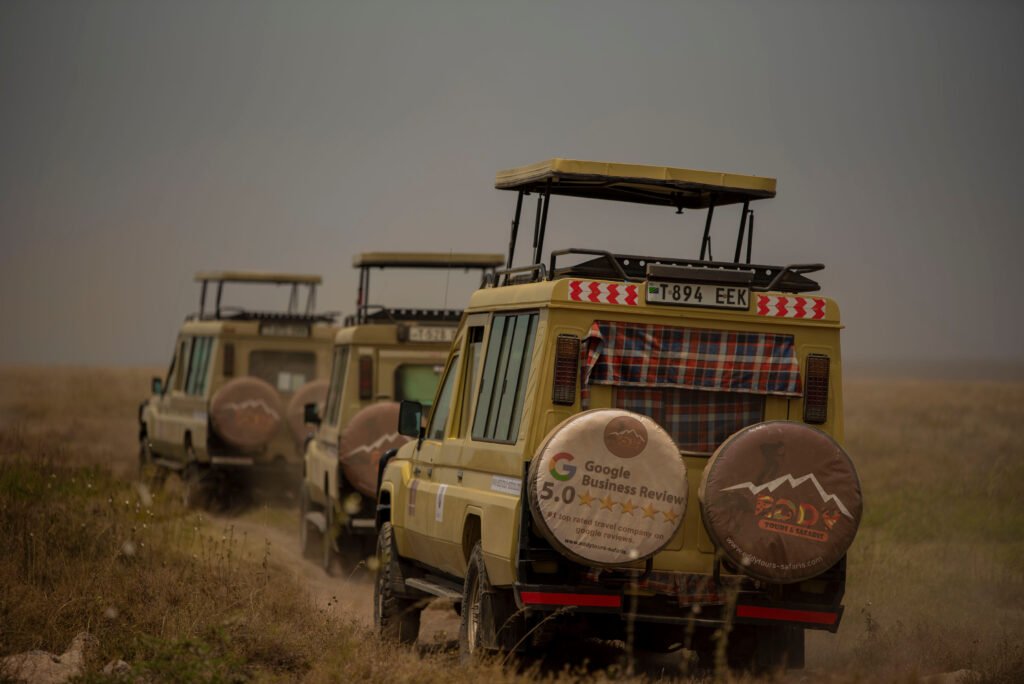
Safari vehicles are specially designed for safety and visibility. They are sturdy, elevated, and often open-roofed for better viewing.
Research from National Geographic Society explains that animals perceive these vehicles as large, unified objects, which reduces the likelihood of attack.
Real vs. Media Perception
Media often exaggerates wildlife incidents, making them seem more common than they are. Viral videos can create fear, but they rarely show the full context.
Studies from BBC and Reuters reveal that most incidents occur due to human mistakes, not animal aggression.
Best Parks in Tanzania for Safe Safari Experiences
Tanzania offers some of the safest and most well-managed safari destinations:
- Serengeti National Park
- Ngorongoro Crater
- Tarangire National Park
- Lake Manyara National Park
Explore these destinations with Eddy Tours & Safaris for a secure and unforgettable journey.
FAQs About Safari Safety
1. Do animals attack safari cars often?
No, such incidents are extremely rare and usually involve unusual circumstances.
2. Are open-roof vehicles safe?
Yes, animals do not recognize humans inside as separate individuals when seated.
3. What is the most dangerous animal on safari?
Buffalo and hippos are often considered more unpredictable than predators.
4. Can lions jump into vehicles?
It is highly unlikely unless provoked or if safety rules are ignored.
5. Is it safe for children?
Yes, with proper supervision and adherence to guidelines.
6. How can I stay safe?
Follow your guide’s instructions and remain calm at all times.
Conclusion
Do Animals Attack Safari Cars? Real Incidents Explained (Tanzania) 2026/2027/2028 reveals that while rare encounters can happen, safaris are overwhelmingly safe when conducted responsibly. Animals do not see vehicles as threats, and incidents are usually preventable with proper behavior and expert guidance.
If you’re planning your Tanzanian adventure, choosing a reputable operator like Eddy Tours & Safaris ensures a safe, educational, and unforgettable experience. With the right preparation, you can enjoy close wildlife encounters without fear, knowing you are in capable hands.
For more insights into wildlife conservation, visit trusted sources like The Nature Conservancy, World Bank, UNESCO, National Geographic Animals, Smithsonian Institution, FAO, CITES, Global Wildlife Conservation, RSPB, Zoological Society of London, Encyclopedia Britannica, Khan Academy, Google, and Kilimanjaro Climb Specialist.