
Drone Filming in Tanzania: Laws and Regulations is a topic every traveler, filmmaker, and content creator must understand before launching a drone over the Serengeti plains or the beaches of Zanzibar. Tanzania offers breathtaking landscapes, rich wildlife, and vibrant cultures, but flying a drone here is not as simple as unpacking your equipment and pressing record. The country has strict aviation, wildlife, and security guidelines that protect its people, environment, and national parks.
Tanzania’s airspace is managed by the Tanzania Civil Aviation Authority, and operators must respect rules designed to ensure safety and conservation. Whether you are visiting for a safari with Eddy Tours & Safaris or planning a Kilimanjaro trek through expert local guides, understanding legal requirements can save you from fines, confiscation, or even legal trouble. This guide explains everything in detail so you can film responsibly and confidently.
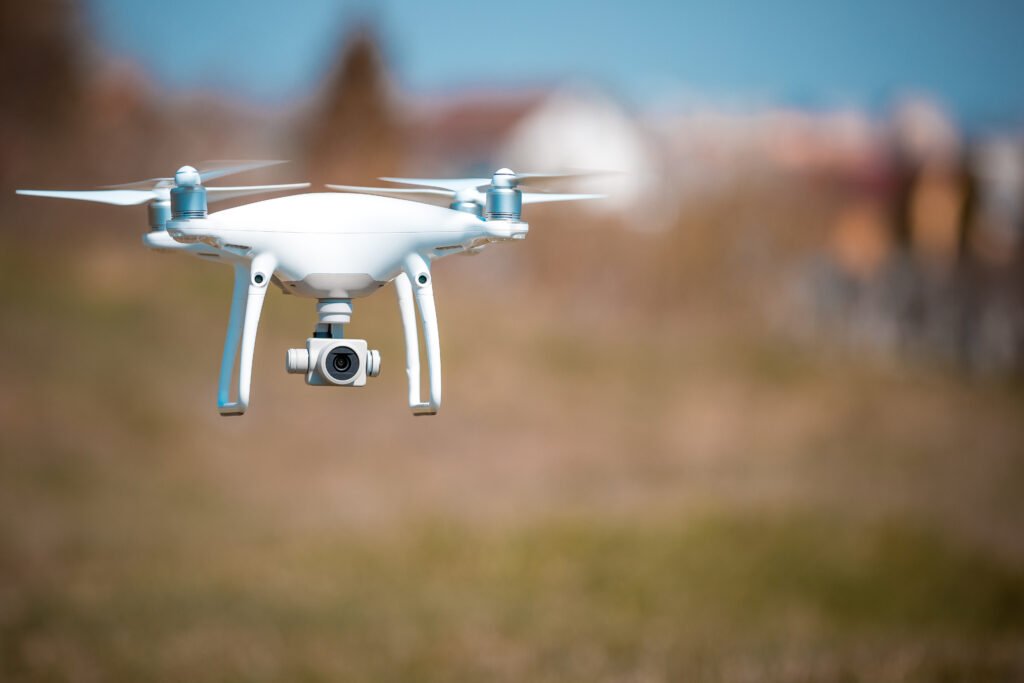
Understanding Drone Filming in Tanzania: Laws and Regulations
Drone Filming in Tanzania: Laws and Regulations is governed primarily by the Tanzania Civil Aviation Authority (TCAA), which operates under international aviation standards aligned with organizations such as icao.int and iata.org. Any drone brought into Tanzania must be declared at entry points, and operators are expected to apply for permits before flying. The rules apply to both recreational and commercial users, though commercial filming requires additional approvals.
The TCAA provides oversight similar to aviation regulators supported by global institutions like worldbank.org and imf.org, ensuring safety standards meet international expectations. Drone users must submit detailed flight plans, including purpose, location, and duration of filming. In protected areas such as Serengeti or Ngorongoro, approval from park authorities is mandatory in addition to aviation clearance.
Environmental protection plays a central role in enforcement. Organizations such as wwf.org, iucn.org, and birdlife.org emphasize minimizing disturbance to wildlife, and Tanzania reflects these values in its drone policies. Flying over herds of elephants or nesting birds without authorization can cause stress to animals and disrupt ecosystems.
Permits Required Under Drone Filming in Tanzania: Laws and Regulations
Anyone planning aerial photography must apply through the Tanzania Civil Aviation Authority via tcaa.go.tz. Applications typically require passport copies, drone specifications, insurance documents, and detailed filming intentions. Under Drone Filming in Tanzania: Laws and Regulations, commercial operators must also register their equipment and sometimes partner with a local licensed company.
In conservation zones managed by Tanzania National Parks through tanapa.go.tz or the Ngorongoro Conservation Area Authority at nca.go.tz, separate filming permits are required. These authorities collaborate with global conservation frameworks like cbd.int and unep.org to protect biodiversity. If you are arranging a safari experience with professional safari planners, they can guide you through local coordination, but official approval must still come from government bodies.
Why Drone Filming in Tanzania: Laws and Regulations Matter for Conservation
Drone Filming in Tanzania: Laws and Regulations is not just about paperwork; it is about protecting one of the world’s most important ecosystems. Tanzania is home to UNESCO World Heritage Sites recognized by unesco.org. These areas host fragile species studied by institutions like nasa.gov and noaa.gov for climate and migration research.
Unregulated drone flights can interfere with anti-poaching patrols supported by interpol.int and wildlife monitoring groups such as traffic.org. Noise pollution may alter animal behavior, something highlighted in research published by nationalgeographic.com and smithsonianmag.com. By following the rules, drone operators contribute to sustainable tourism and ethical storytelling.
Human rights and privacy are also important. International organizations like amnesty.org and hrw.org stress the need to respect community privacy and avoid unauthorized surveillance. Filming villages or private property without consent can create conflict and legal consequences.
Technical Standards and Safety Expectations
Operators must maintain visual line of sight, respect altitude limits, and avoid restricted airspace near airports or military zones. These safety principles align with engineering standards promoted by ieee.org. Insurance coverage is strongly recommended to cover potential damages or accidents. Equipment registration details may also be cross-checked with national identification systems managed through rita.go.tz.
If you are combining aerial filming with mountain trekking, consult reputable climbing experts such as kilimanjaroclimbspecialist.com for guidance on high-altitude logistics, as mountainous terrain presents additional signal and battery challenges.
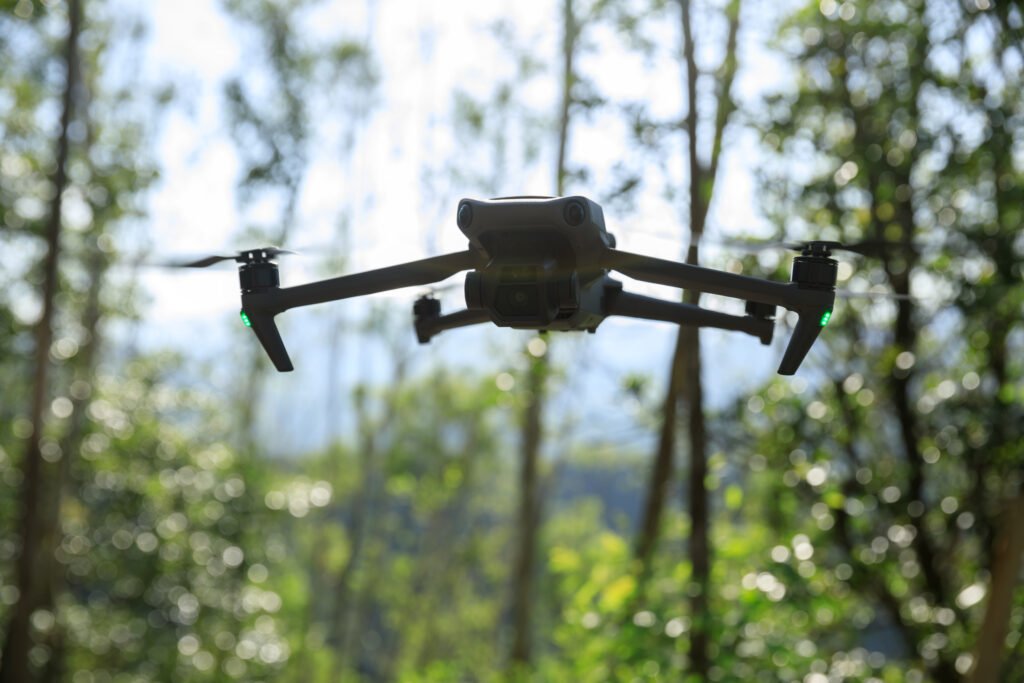
Penalties for Ignoring Drone Filming in Tanzania: Laws and Regulations
Failure to comply with Drone Filming in Tanzania: Laws and Regulations can lead to serious consequences. Authorities may confiscate equipment at airports or checkpoints. Fines can be significant, and in severe cases, legal prosecution is possible. Security agencies monitor online platforms and search engines such as google.com for unauthorized commercial content filmed without permits.
Non-compliance may also result in blacklisting from protected areas or denial of future filming requests. Tour operators, including trusted safari partners, prioritize working with clients who respect national laws to maintain strong relationships with conservation authorities.
Practical Steps Before You Fly
Before traveling, contact the Tanzania Civil Aviation Authority and request updated guidelines. Prepare detailed documentation, including drone model, serial number, insurance, and filming objectives. Coordinate with your tour provider, such as local Tanzania safari experts, to ensure your itinerary aligns with approved filming zones.
Always brief your team on wildlife etiquette, maintain a safe distance from animals, and avoid flying during sensitive times such as migrations or nesting periods. Respect community spaces, seek consent when filming people, and keep copies of your permits accessible during inspections.
Final Thoughts on Drone Filming in Tanzania: Laws and Regulations
Drone Filming in Tanzania: Laws and Regulations exists to balance creativity with responsibility. Tanzania’s landscapes are undeniably cinematic, yet they are also ecologically sensitive and culturally significant. By understanding the approval process, respecting conservation principles, and working closely with licensed operators, filmmakers can capture stunning footage while preserving the integrity of this remarkable country.
Responsible drone use strengthens Tanzania’s reputation as a world-class destination for ethical tourism. When you follow the law, collaborate with experienced guides, and prioritize safety, your aerial storytelling becomes a positive force rather than a risk. Plan carefully, secure the right permits, and let your creativity rise—legally and respectfully—above Tanzania’s extraordinary horizons.