
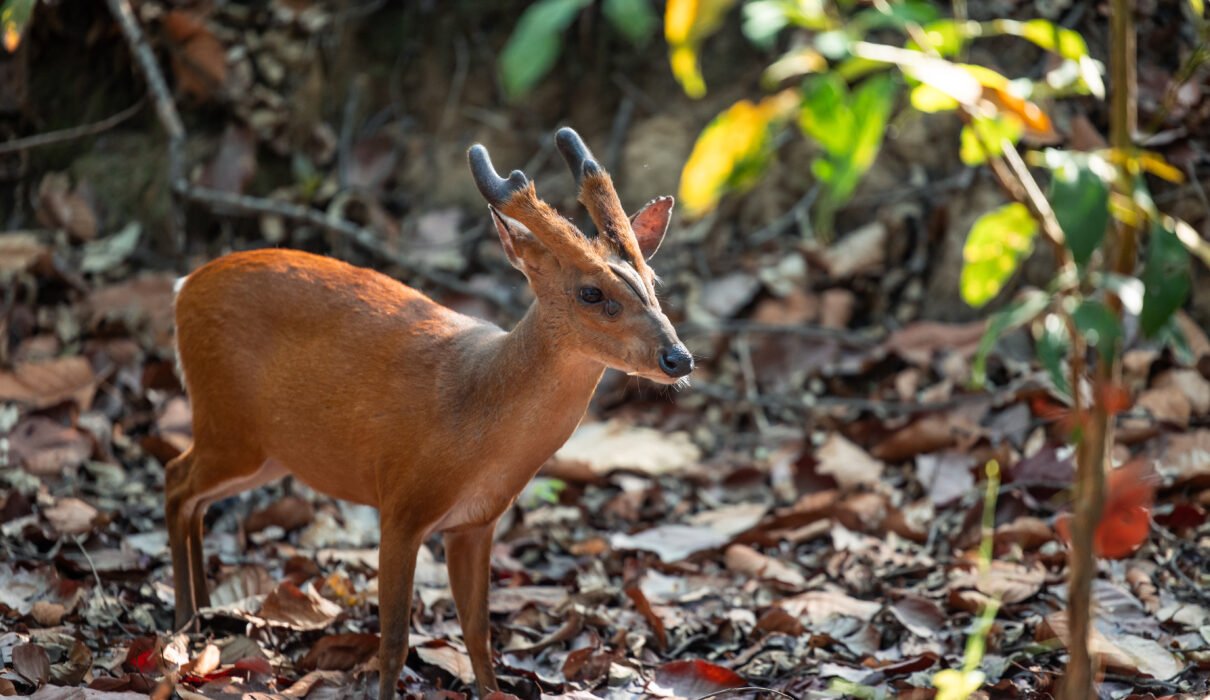
Duiker Antelope: Africa’s Most Diverse Species is one of the most remarkable wildlife stories on the continent. Hidden deep within forests and bushlands, the Duiker Antelope has quietly adapted to some of Africa’s toughest environments. While larger animals often steal the spotlight, this small and secretive antelope represents an extraordinary example of survival, diversity, and ecological balance that deserves global recognition.
Africa is home to more than twenty different duiker species, each uniquely shaped by its habitat. From dense rainforests to open savannas, these antelopes have evolved subtle differences in size, color, and behavior. Conservation organizations such as IUCN Red List and World Wildlife Fund continue to monitor their populations, highlighting both their importance and the conservation challenges they face.
Understanding Duiker Antelope: Africa’s Most Diverse Species
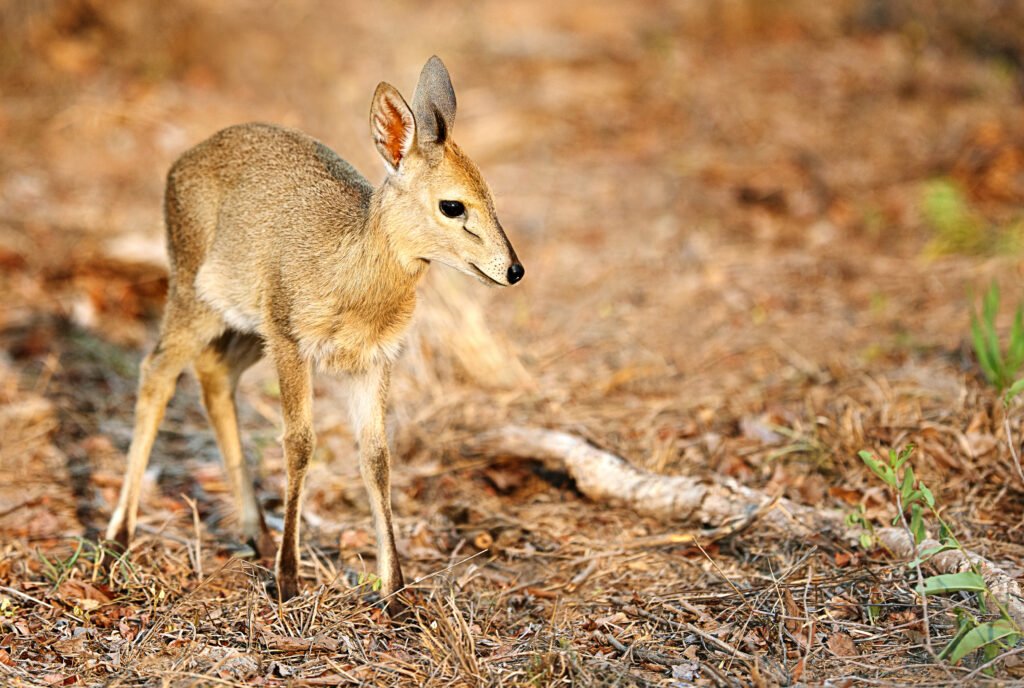
The name “duiker” comes from the Afrikaans word meaning “diver,” a reference to how these animals dive into thick vegetation when threatened. Unlike many antelope species that thrive in open plains, the Duiker Antelope prefers privacy. It moves silently through undergrowth, relying on camouflage and caution instead of speed alone. According to Animal Diversity Web, duikers are generally small to medium-sized, with short horns and compact bodies designed for navigating dense vegetation.
These animals play a vital ecological role. They help disperse seeds by consuming fruits and vegetation, contributing to forest regeneration. Research shared on ScienceDirect and JSTOR explains how forest antelopes like duikers maintain biodiversity by balancing plant growth and serving as prey for predators such as leopards.
Physical Characteristics of Duiker Antelope
The Duiker Antelope varies greatly in size, ranging from the tiny blue duiker to the larger yellow-backed duiker. Their coats can be brown, gray, reddish, or even bluish depending on the species and habitat. This variation helps them blend seamlessly into forest shadows. Detailed species descriptions are available through Encyclopedia of Life and GBIF, which document the impressive diversity within the group.
Most species possess short, straight horns found mainly in males, though some females also have small horns. Their large eyes and sharp hearing compensate for limited visibility in thick vegetation. As noted by Encyclopaedia Britannica, these adaptations make them perfectly suited for life in concealed habitats.
Habitats Across Africa
One reason Duiker Antelope: Africa’s Most Diverse Species stands out is its ability to survive in multiple ecosystems. From West African rainforests to Central African woodlands and parts of Eastern and Southern Africa, duikers have carved out niches where larger grazers cannot easily thrive. Organizations like African Wildlife Foundation and Wildlife Conservation Society emphasize the importance of protecting these habitats to ensure long-term survival.
Forests remain their primary stronghold, especially the Congo Basin, one of the world’s largest tropical rainforests. Environmental reports from UN Environment Programme and Food and Agriculture Organization underline the threats posed by deforestation and habitat fragmentation, which directly affect duiker populations.
Behavior and Feeding Patterns
Unlike herd-forming antelopes, duikers are often solitary or found in pairs. They feed on fruits, leaves, seeds, and occasionally insects. This varied diet allows them to adapt even when food sources shift seasonally. Insights from National Geographic and Smithsonian Magazine highlight how forest antelopes contribute to nutrient cycling and forest health.
The Duiker Antelope is primarily active during the day or at twilight, depending on the species. Their cautious nature means they avoid open spaces, preferring to stay near dense cover. Observations shared on ResearchGate confirm that duikers rely more on stealth than speed, unlike their savanna relatives.
Conservation Status and Global Attention
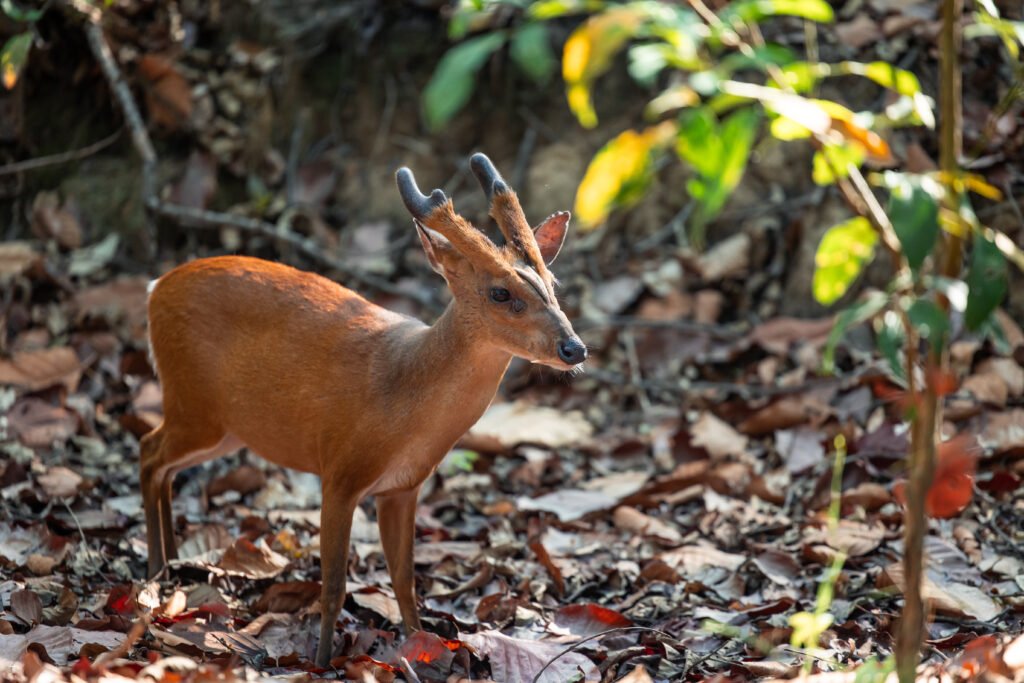
Many species within Duiker Antelope: Africa’s Most Diverse Species are listed as vulnerable or near threatened. Illegal hunting and habitat destruction remain serious concerns. International agreements such as those supported by CITES aim to regulate wildlife trade and reduce pressure on vulnerable species.
Conservation groups including Conservation International and The Nature Conservancy advocate for sustainable land management practices. Media outlets like BBC and CNN frequently report on broader wildlife conservation issues, drawing attention to species that might otherwise remain unnoticed.
Why Protecting Duiker Antelope Matters
Protecting the Duiker Antelope means protecting entire ecosystems. As seed dispersers, they support forest regeneration, which in turn helps combat climate change. According to global environmental initiatives from United Nations, maintaining biodiversity strengthens resilience against environmental shocks and supports sustainable development goals.
Predators such as leopards and forest cats also rely on duikers as a food source. Conservation efforts benefiting duikers therefore help stabilize predator populations as well. Organizations like Panthera highlight how balanced prey populations are essential for big cat survival.
Experience Duiker Antelope in the Wild
For travelers seeking authentic African wildlife experiences, encountering a Duiker Antelope in its natural habitat is unforgettable. Though shy, they can sometimes be spotted in protected reserves across Tanzania and other African nations. Ethical safari operators such as Eddy Tours & Safaris promote responsible tourism that respects wildlife habitats and supports local communities.
Exploring conservation-focused tours like those described on African safari packages helps visitors appreciate smaller species alongside iconic animals. Visitors planning mountain adventures can also explore reputable resources like Kilimanjaro Climb Specialist for broader East African travel experiences.
Wildlife lovers often combine forest excursions with broader safari journeys through partners highlighted on Tanzania safaris and conservation-based itineraries found on wildlife safaris. Planning details and travel research can begin simply with trusted platforms like Google before choosing ethical operators such as Eddy Tours & Safaris.
The Future of Duiker Antelope: Africa’s Most Diverse Species
The survival of Duiker Antelope: Africa’s Most Diverse Species depends on collaborative conservation, responsible tourism, and stronger environmental policies. Continued research, habitat preservation, and community engagement are key strategies recommended by global conservation leaders. By protecting forests and reducing illegal hunting, Africa can safeguard one of its most unique and diverse antelope groups.
Every traveler, researcher, and conservation supporter plays a role. Choosing ethical safaris, supporting reputable wildlife organizations, and spreading awareness ensures that the Duiker Antelope remains part of Africa’s living heritage. Their quiet presence in the forest reminds us that even the smallest species can have a powerful ecological impact.