
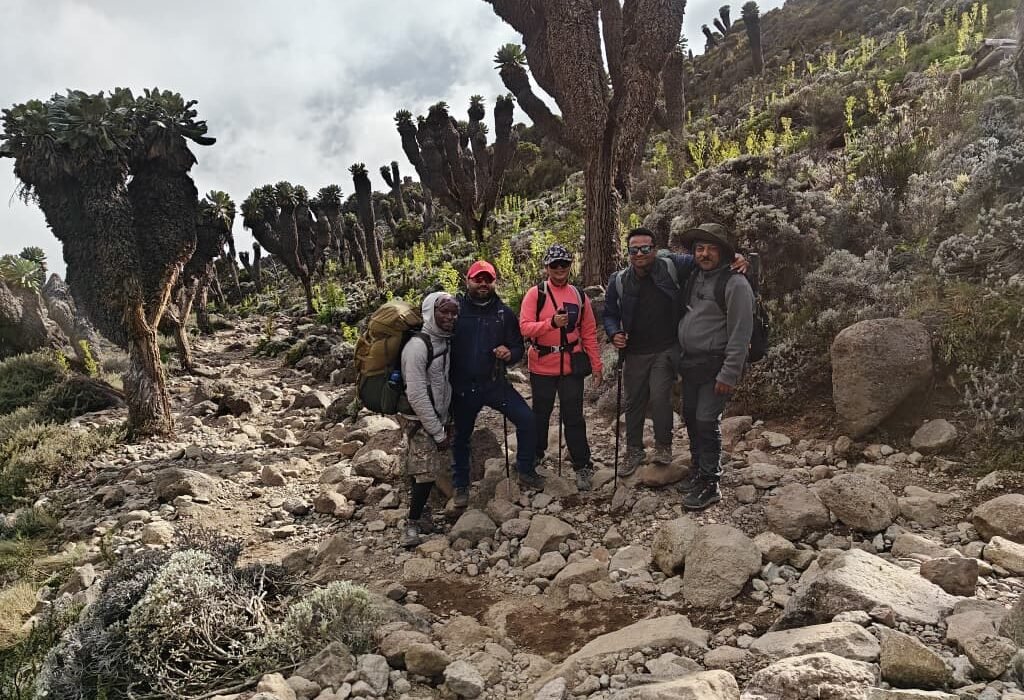
Essential Facts About Mount Kilimanjaro help travellers understand that this famous mountain is not only a trekking destination, but also a fragile ecological system, a living cultural landscape, and one of Africa’s most important natural landmarks, where safety, conservation and community involvement must always come before adventure and personal achievement.
Many people arrive in Tanzania with a simple dream of reaching the summit, yet very few take time to learn what truly makes this mountain special. Knowing how Kilimanjaro was formed, how its climate behaves, how wildlife depends on its forests and how local communities protect it will completely change the way you experience your climb.
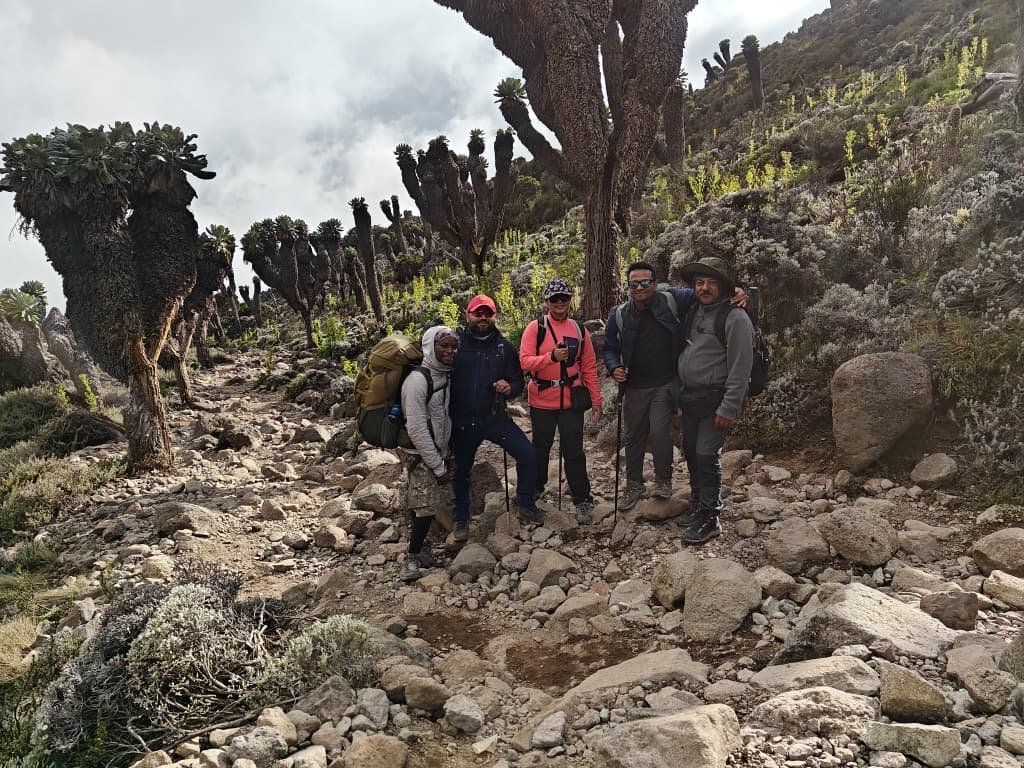
Essential Facts About Mount Kilimanjaro and its unique geological origin
One of the most important Essential Facts About Mount Kilimanjaro is that it is a massive volcanic system made of three main volcanic cones formed over long geological periods. Scientific studies coordinated by the United States Geological Survey and volcanic research maintained by the Smithsonian Global Volcanism Program explain how Kibo, Mawenzi and Shira were created through repeated eruptions and tectonic movement within the East African Rift system.
Geological mapping and regional research by the British Geological Survey show that Kilimanjaro’s structure directly influences soil composition, slope stability and drainage patterns, which later affect forest distribution and the safety of trekking routes.
Essential Facts About Mount Kilimanjaro and its changing climate
Another key point among the Essential Facts About Mount Kilimanjaro is how sensitive its climate and glaciers are to global warming. Scientific assessments published by the Intergovernmental Panel on Climate Change clearly show that high-altitude ecosystems respond faster to temperature change than lowland environments, placing Kilimanjaro’s summit ice and alpine habitats under serious pressure.
Climate and biodiversity risk studies coordinated by the Intergovernmental Science-Policy Platform on Biodiversity and Ecosystem Services further confirm that shrinking glaciers and shifting rainfall patterns are already affecting water availability and vegetation zones on the mountain.
Essential Facts About Mount Kilimanjaro and forest protection
Among the most overlooked Essential Facts About Mount Kilimanjaro is the importance of its montane forest belt. These forests act as water catchments for surrounding communities and protect soils from erosion. Forest conservation science promoted by the Center for International Forestry Research and ecosystem protection guidance from the United Nations Environment Programme show how mountain forests stabilize climate, store carbon and support biodiversity.
Long-term ecosystem monitoring supported by the UN Environment Programme World Conservation Monitoring Centre helps track how forest cover and land use change affect protected mountain landscapes such as Kilimanjaro.
Essential Facts About Mount Kilimanjaro and wildlife dependence
Although Kilimanjaro is famous for trekking, one of the most important Essential Facts About Mount Kilimanjaro is that its lower slopes and surrounding corridors are vital for wildlife movement. Landscape connectivity research coordinated by the Wildlife Conservation Society and regional corridor protection programmes supported by the African Wildlife Foundation highlight how elephants, primates and forest species depend on continuous natural habitat linking the mountain to nearby ecosystems.
Species distribution data shared through the Global Biodiversity Information Facility further confirms the ecological value of Kilimanjaro’s forest and transitional zones for many plants and animals.
Essential Facts About Mount Kilimanjaro and global conservation standards
Protection of Kilimanjaro follows international conservation principles. The International Union for Conservation of Nature provides global guidance on protected-area management, while biodiversity policy frameworks from the Convention on Biological Diversity support long-term planning and ecosystem restoration.
Environmental research and policy coordination from Conservation International and habitat protection programmes developed by The Nature Conservancy also influence how mountain ecosystems are protected worldwide.
Essential Facts About Mount Kilimanjaro and community involvement
One of the most practical Essential Facts About Mount Kilimanjaro is that conservation succeeds only when surrounding communities benefit. Development studies published by the World Bank show that nature-based tourism can improve livelihoods when communities are active partners. Labour and employment standards promoted by the International Labour Organization strengthen fair working conditions for guides, porters and service staff working on the mountain.
Cultural heritage protection supported by UNESCO and community development research coordinated by the UN Department of Economic and Social Affairs highlight how respecting local traditions helps maintain long-term support for conservation.
Essential Facts About Mount Kilimanjaro and climber health and safety
One of the most critical Essential Facts About Mount Kilimanjaro is the health risk caused by altitude. Medical guidance published by the World Health Organization explains how rapid ascent can lead to serious altitude illness if climbers do not acclimatise properly. Emergency and outdoor safety standards promoted by the American Red Cross support field preparedness and evacuation planning in remote environments.
Reliable route planning, proper equipment and experienced mountain teams greatly reduce risk and improve success rates.
Essential Facts About Mount Kilimanjaro and responsible climbing practices
Another important group of Essential Facts About Mount Kilimanjaro concerns environmental responsibility. Waste management, campsite control and visitor behaviour must follow global sustainability principles supported by Responsible Tourism Partnership and environmental planning research published through ScienceDirect.
Visitors who plan their climb through Eddy Tours & Safaris benefit from trained local teams who follow safety, environmental and community standards throughout the trekking experience.
Essential Facts About Mount Kilimanjaro and scientific monitoring
Ongoing research remains one of the strongest Essential Facts About Mount Kilimanjaro. Climate and ecological observations are increasingly supported by UN Environment and mountain ecosystem studies coordinated through global research networks. These monitoring systems help decision-makers adjust visitor management and conservation strategies as conditions change.
Educational and conservation-focused travel programmes organised through responsible Kilimanjaro travel services allow visitors to learn about these scientific efforts while directly supporting local conservation projects.
Essential Facts About Mount Kilimanjaro and planning your experience
Among the most practical Essential Facts About Mount Kilimanjaro is that good preparation greatly improves both safety and enjoyment. Professional trip design helps match routes, fitness level and acclimatisation time with realistic expectations. Many travellers choose to plan their journey through custom Kilimanjaro climbing itineraries, where logistics, equipment support and trained guides are organised in advance.
Visitors often combine their climb with wildlife and cultural experiences through local safari and travel services in Tanzania, creating a complete journey that supports conservation and community development beyond the mountain itself.
In simple words, Essential Facts About Mount Kilimanjaro show that this mountain is far more than a personal challenge. It is a fragile natural system, a source of water and livelihood for surrounding communities, and a global conservation priority. When travellers climb responsibly, choose ethical operators and respect both nature and people, they help protect Kilimanjaro for those who will follow.