
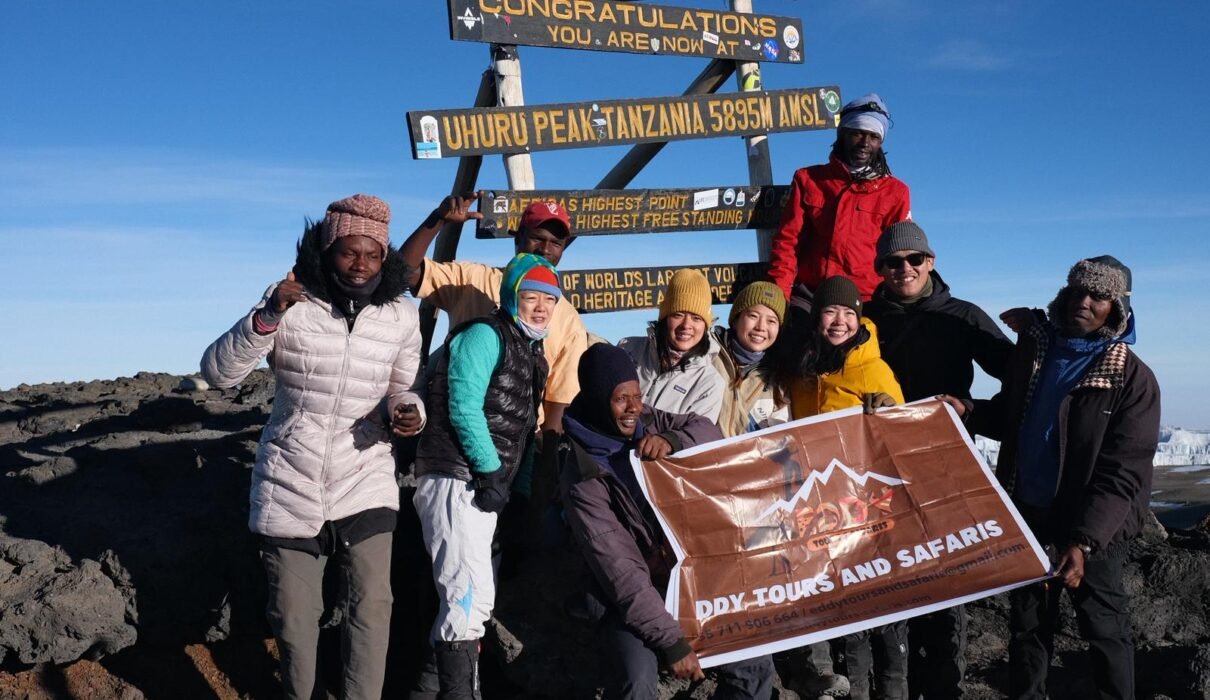
Ethical Trekking on Kilimanjaro : Before booking a Kilimanjaro climb, most travellers compare routes, accommodation, equipment and prices. One equally important question deserves a place in that comparison: how will the people supporting the expedition be treated?
Porters carry equipment and supplies, help establish camps and contribute to the daily work that makes a supported trek possible. Their working conditions should be part of your booking decision, rather than something considered only at the final tipping ceremony.
Ethical trekking means asking practical questions about pay, workloads, food, shelter, equipment and support when someone becomes ill. It also means recognising porters as workers with skills, responsibilities and personal lives—not simply background figures in a summit story.
For travellers planning with Eddy Tours & Safaris, this guide provides nine ways to make more informed decisions before, during and after a climb. The same questions are worth asking any operator you are considering.
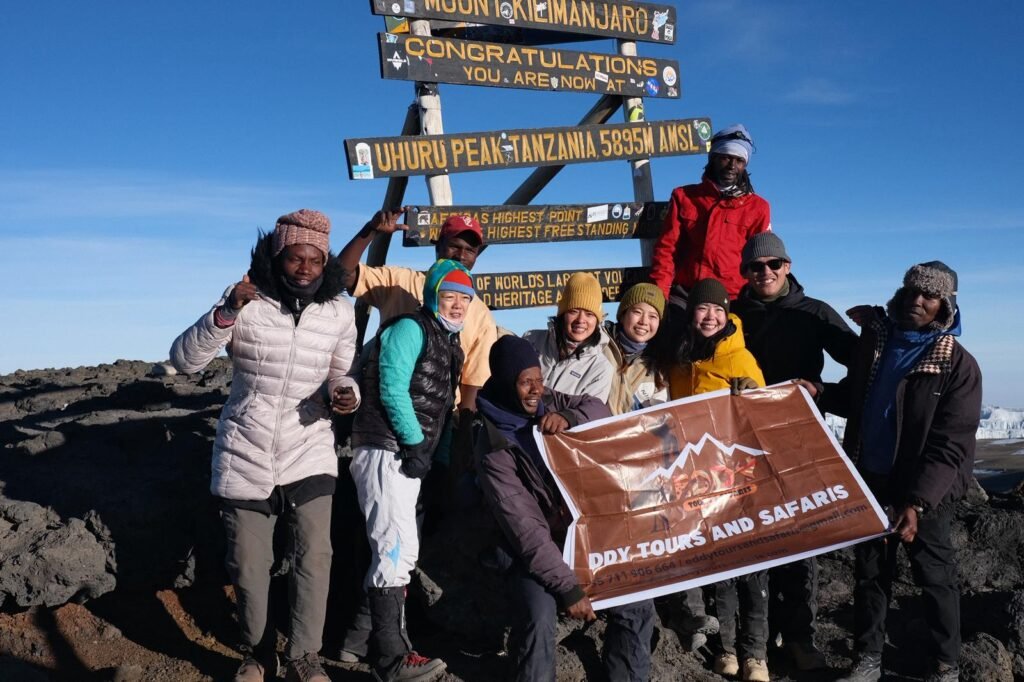
What Does Ethical Trekking Actually Mean?
An ethical trekking package should explain how the expedition operates for both clients and crew.
A comfortable dining tent for climbers tells you little about where porters sleep. A generous tip does not establish whether wages were paid properly. Friendly interactions on the trail do not reveal every aspect of someone’s employment.
That is why specific answers matter more than broad phrases such as “we care about our team.”
The Kilimanjaro Responsible Trekking Organization, whose work includes the Kilimanjaro Porters Assistance Project, provides resources about porter welfare and responsible climbing. Its activities include awareness, equipment lending and education for mountain crew.
You do not need to become an employment inspector before travelling. However, you can use your booking choices, questions and feedback to support better practices.
1. Ask for Specific Porter Welfare Information Before Paying
Start the conversation before paying a deposit, while you are still comparing operators.
Ask for the company’s porter welfare arrangements in writing. A useful response should explain what happens on an actual climb, rather than merely state that the crew is treated well.
Questions might include:
- How are porter wages calculated and paid?
- How are loads checked?
- What food and sleeping arrangements are provided?
- How is suitable clothing and equipment checked?
- What happens if a porter becomes ill?
- How are tips distributed?
- How can crew members raise concerns?
Read the answers alongside the itinerary and quotation. If something is unclear, ask a focused follow-up.
For example, “our porters have accommodation” does not explain whether sleeping space is sufficient or what equipment is available. Asking for clarification is reasonable.
Your practical action: Keep the written answers with your booking documents so expectations remain clear throughout the trip.
2. Check Partnership Claims Independently
A company may display a responsible-tourism logo or refer to a porter welfare programme. Treat that as a claim you can check.
Ask which organisation runs the programme, whether the company currently participates and which business actually operates your climb. This is particularly useful when an overseas seller books through a local operator.
KRTO describes its Partner for Responsible Travel Programme as voluntary, with information gathered about areas including wages, loads, food, accommodation and tipping.
Programme participation can provide useful context, but you should understand what the programme does rather than interpreting every badge as an unlimited guarantee.
If you cannot confirm a claim, ask the organisation directly. Avoid relying only on an image copied onto a company’s website.
Your practical action: Verify the exact company name and current participation before describing an operator as a partner or certified business.
3. Compare Prices Without Treating Crew Welfare as a Negotiable Extra
It is reasonable to have a budget. Ethical trekking does not mean choosing the most expensive quotation automatically.
The important question is how a price is achieved.
Two climbs may differ because of route length, hotel standards, transfers or equipment. They may also differ in staffing and crew provisions, which are less visible in promotional photographs.
Ask for a clear explanation of inclusions and exclusions. Compare packages with similar trekking days and service arrangements before deciding that one is better value.
If you need to reduce the cost, discuss changes such as simpler hotel accommodation, different departure dates or joining an appropriate group. Avoid asking for fewer workers without understanding how that changes individual workloads.
An expensive climb still needs scrutiny. Price alone cannot prove fair treatment.
Your practical action: Tell the operator your budget and ask which adjustments can be made while maintaining adequate staffing and crew provisions.
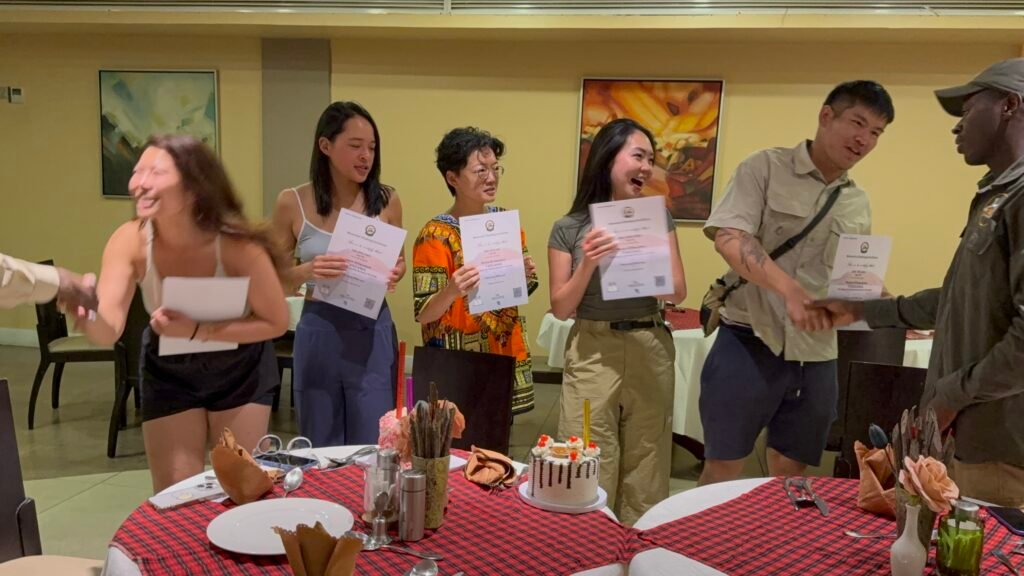
4. Pack Within the Agreed Limit and Support Proper Load Checks
Your luggage becomes part of someone else’s working day.
Request the personal baggage allowance before packing, and weigh your bag at home. Include the items that may be added shortly before departure rather than checking only an almost-empty duffel.
KRTO’s porter treatment guidelines advocate a maximum of 20 kilograms of company load per porter, excluding the porter’s personal kit. That is not the same as a 20-kilogram luggage allowance for each climber: shared camp equipment and supplies also require carrying.
Ask how the full expedition load is weighed and distributed. Do not assume that a lighter personal bag automatically proves everyone’s load is appropriate.
On the trail, avoid handing over additional items casually without asking how the load will be managed.
Your practical action: Stay within your operator’s stated allowance and leave unnecessary belongings at the agreed storage location before the climb.
5. Ask About Crew Meals and Sleeping Conditions
Climbers often receive detailed menus and equipment lists. Ask for similar clarity about the crew’s basic provisions.
KRTO’s programme guidance calls for three adequately portioned meals a day, suitable shelter and appropriate sleeping space for porters.
You do not need to demand identical menus for guests and staff. The meaningful questions concern sufficient food, reliable provision and accommodation suitable for the conditions.
Ask what shelter and sleeping equipment are provided and how arrangements change with group size.
During the trek, keep observations proportionate. One unfamiliar meal does not establish poor treatment, and one cheerful camp scene does not establish that every need is being met.
Raise concerns through a respectful conversation rather than inspecting workers’ belongings or entering their sleeping areas.
Your practical action: Confirm the arrangements beforehand, then report specific concerns privately if what you observe appears inconsistent with them.
6. Include Equipment and Illness Support in Your Questions
Suitable clothing and equipment matter for everyone working on the mountain.
Ask how the company checks crew footwear, warm layers and protection from rain before departure. Also ask what happens when an item is damaged or unsuitable during the climb.
KRTO’s porter welfare guidance includes appropriate gear and care for sick or injured porters.
Follow this with practical questions: who assesses a concern, how is a descent arranged, and what support follows when someone cannot continue working?
A response focused only on client rescue arrangements leaves an important gap. Crew welfare should be addressed directly.
Avoid judging someone’s equipment solely by its appearance. Used gear can remain functional, while new-looking equipment can be poorly suited to the conditions.
Your practical action: Ask about the process for checking equipment and supporting an unwell worker, rather than relying on photographs or vague assurances.
7. Plan Tips Early and Make Distribution Transparent
Tipping should be explained before the expedition, including suggested amounts, crew numbers and how money reaches each person.
Budgeting early helps prevent an uncomfortable final-day scramble for cash. Ask which currency is preferred and whether suitable denominations are available.
KRTO recommends transparent distribution and identifies direct individual tipping as a way to help ensure crew members receive the intended amount. Where a guide distributes a group tip, it recommends making the allocation clear to the crew.
Request the planned procedure at your briefing. Know who worked on the expedition and how different roles are recognised.
Keep wages and tips conceptually separate. Your gratitude should not be presented as a substitute for the operator’s responsibility to pay workers appropriately.
If someone leaves the mountain early, ask how any tip intended for that person can be delivered.
Your practical action: Agree on a clear procedure beforehand and retain a simple record of your intended allocations.
8. Treat Porters as People, Including When Taking Photographs
Respect on the trail does not require a grand gesture.
Learn names where possible, greet crew members and acknowledge the work being done. Allow people space to rest and avoid interrupting tasks unnecessarily.
Ask permission before taking a close portrait or recording a personal conversation. Someone being part of your expedition does not mean they have agreed to appear in your advertising or social media.
If you plan to publish an identifiable image, explain that clearly. Accept a refusal without making the interaction awkward.
The same principle applies to personal stories. Do not turn a brief conversation into a dramatic account of hardship, or publish family information without permission.
When writing about your climb, describe the crew’s contribution accurately. Avoid language that treats workers as props in a story about your own achievement.
Your practical action: Ask before photographing or sharing, and give credit in a way that respects each person’s preferences.
9. Give Useful Feedback Without Putting Workers at Risk
Your review can help future travellers ask better questions, but it should be factual and specific.
Describe what you observed and distinguish it from what you were told. For example, “the company explained the tipping allocation at our briefing” is more useful than “everything was completely ethical.”
If a concern arises, consider the possible consequences for the worker involved. Publishing someone’s name or repeating a private complaint can expose them to unwanted attention.
Raise immediate concerns with the expedition leader or company through an appropriate channel. After the climb, request a response that addresses the specific issue.
For advice about porter welfare concerns, you can contact a relevant organisation such as KRTO. Its Get Involved page also describes post-climb feedback and ways to support its work.
Your practical action: Keep dates and relevant details, avoid unsupported accusations and protect personal information when reporting.
A Simple Ethical Trekking Checklist
Use these questions when comparing Kilimanjaro quotations:
| Area | Question to ask |
|---|---|
| Welfare arrangements | Can you explain your porter welfare practices in writing? |
| Programme claims | Which current partnership claims can I verify? |
| Pay | How are wages calculated, recorded and paid? |
| Workload | How is the full expedition load checked and distributed? |
| Food | What meals are provided for crew each day? |
| Shelter | What sleeping space and equipment are available? |
| Gear | How is crew equipment checked before departure? |
| Illness | What happens when a porter becomes sick or injured? |
| Tips and feedback | How are tips distributed and concerns raised? |
A checklist is a starting point for conversation. The quality of the answers matters more than receiving a quick “yes” beside every item.
Donations Can Help, but They Do Not Replace Working Standards
Travellers sometimes want to donate clothing or equipment after a climb. That can be useful when organised around actual needs.
Before bringing extra items, ask an established programme what it accepts, what condition items should be in and how delivery works. KRTO provides information about supporting its clothing lending and other programmes through its website.
Avoid treating damaged or unsuitable equipment as a meaningful donation simply because you no longer want it.
Also keep the purpose clear. A donated jacket is additional support; it does not replace adequate wages, appropriate staffing or proper expedition provisions.
You can contribute without photographing the exchange. Assistance does not need to become promotional content.
Frequently Asked Questions
Does a budget climb automatically exploit porters?
No. A low price alone is not proof. Ask how staffing, wages, food, equipment and accommodation are funded, and compare the written arrangements.
Does a high price guarantee ethical trekking?
No. Luxury services for clients do not establish the quality of crew working conditions. Ask the same welfare questions at every price level.
Should I tip porters individually?
Direct tipping can improve clarity about who receives what. Discuss the procedure before the climb so the process is organised and respectful.
Can I solve poor working conditions with a larger tip?
A tip can benefit its recipient, but it cannot correct every employment or safety problem. Concerns about the expedition itself should also be raised.
How do I check an operator’s partnership claim?
Use the programme’s current information or contact the organisation directly. Verify the company actually operating the trek, especially if you book through an intermediary.
Plan Your Kilimanjaro Climb With Informed Questions
Ethical trekking begins before departure and continues beyond the summit. Your choices can support clear working arrangements, respectful interactions and better accountability.
When discussing a climb with Eddy Tours & Safaris, ask about both your itinerary and the people supporting it. Share your dates, group size, route interests and porter welfare questions so the proposed arrangements can be reviewed before booking.
Website: eddytours-safaris.com
Email: eddytoursandsafaris@gmail.com
Sales enquiries: sales@eddytours-safaris.com
Phone and WhatsApp: +255 711 906 664