
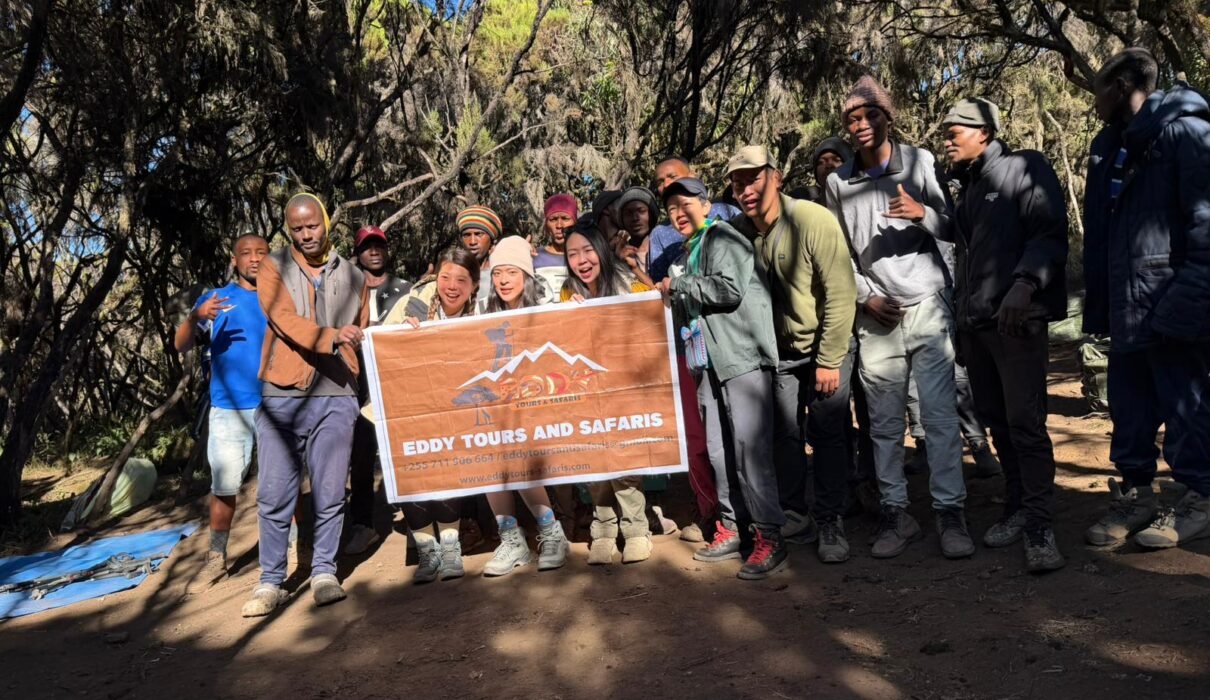
Everything You Need to Know Before Climbing Kilimanjaro 2026, 2027 & 2028 begins with understanding that Mount Kilimanjaro is not just another hiking destination but one of the world’s most iconic trekking experiences. Rising above the plains of Tanzania at 5,895 meters, Kilimanjaro attracts thousands of climbers every year, including complete beginners who have never attempted a major mountain before. The beauty of this adventure lies in the fact that Kilimanjaro is achievable for ordinary travelers with the right preparation, the right mindset, and a realistic understanding of what the climb truly involves. Many people spend years dreaming about standing on Uhuru Peak, but success usually comes down to proper planning rather than athletic perfection.
One reason Everything You Need to Know Before Climbing Kilimanjaro matters so much is because many climbers underestimate the mountain before arriving. While Kilimanjaro is technically non-technical and does not require ropes or climbing equipment, altitude changes everything. Travelers who prepare carefully, choose suitable routes, and climb slowly often enjoy a much safer and more rewarding experience. Research shared by National Geographic continues highlighting Kilimanjaro as one of the most accessible high-altitude mountains in the world, but accessibility should never be confused with ease. Understanding the mountain before booking gives climbers a huge advantage physically and mentally.
The experience itself changes dramatically from one day to another. Climbers pass through rainforest, moorland, alpine desert, and arctic summit zones within a matter of days, creating one of the most diverse trekking environments on earth. Many travelers exploring Kilimanjaro climbing packages discover that choosing the right route and itinerary length is often the most important decision they make before the climb even begins. Longer itineraries generally improve acclimatization and increase summit success rates, especially for first-time climbers.
Beyond the physical challenge, Kilimanjaro also creates emotional experiences that remain unforgettable long after the climb ends. Watching sunrise above the clouds near Uhuru Peak, hearing guides sing traditional mountain songs, and pushing through difficult moments alongside other climbers often creates a deep sense of achievement and perspective. Organizations like WWF and UNESCO recognize the importance of the Kilimanjaro ecosystem not only for tourism but also for environmental conservation and biodiversity protection.
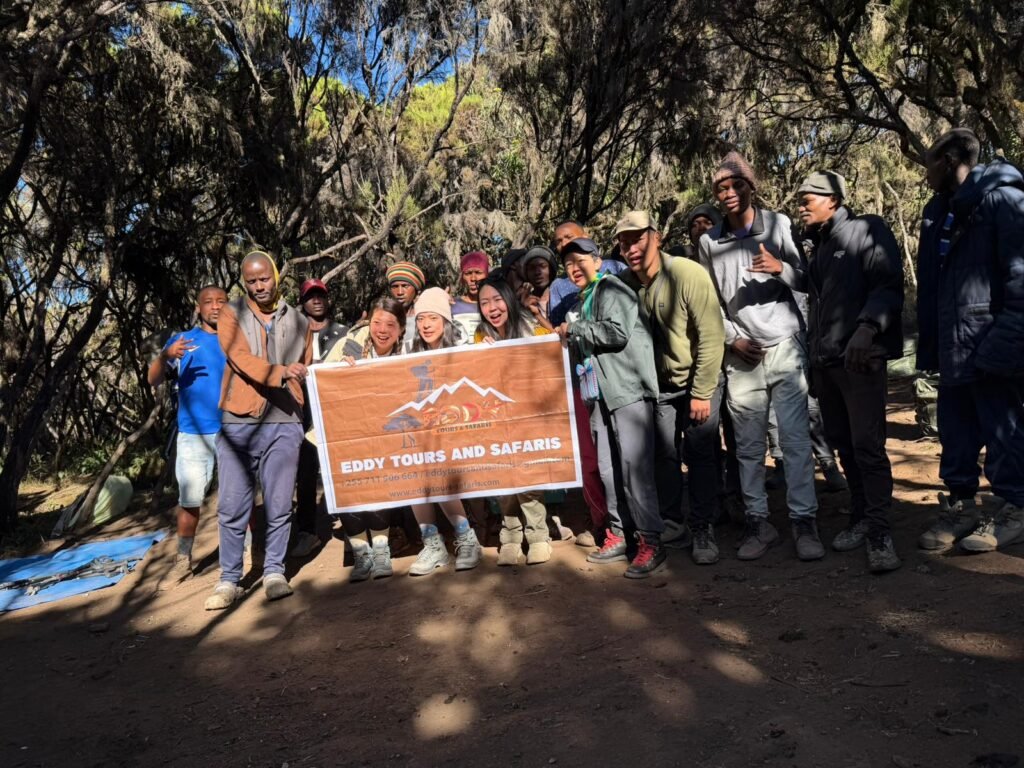
Understanding Mount Kilimanjaro Before Your Climb
One of the most important parts of Everything You Need to Know Before Climbing Kilimanjaro is understanding what kind of mountain Kilimanjaro actually is. Unlike mountains that require technical climbing skills, Kilimanjaro is mainly a trekking mountain where climbers walk to the summit rather than climb vertically. This makes the mountain accessible to travelers from different backgrounds, including beginners who maintain reasonable fitness levels and prepare seriously for altitude conditions.
The biggest challenge is altitude sickness, not physical terrain. Many climbers assume the hardest part will be steep trails or long distances, but in reality the reduced oxygen levels above 4,000 meters create the greatest difficulty. According to World Health Organization guidelines regarding altitude exposure, gradual ascent and proper acclimatization are essential for reducing health risks. This is why experienced guides encourage the famous Kilimanjaro phrase “pole pole,” meaning slowly slowly.
Another important factor is understanding the psychological side of the climb. Summit night begins around midnight in freezing temperatures while most climbers are already tired from previous trekking days. The ability to stay mentally calm and continue walking steadily becomes extremely important. Many travelers researching guided Kilimanjaro experiences choose experienced operators specifically because strong guides provide motivation and monitor climbers carefully during difficult moments.
Best Routes Explained in Everything You Need to Know Before Climbing Kilimanjaro
Choosing the correct route can completely change your Kilimanjaro experience. Some routes are shorter and more demanding while others are longer, more scenic, and better for acclimatization. Understanding route differences is one of the most valuable parts of Everything You Need to Know Before Climbing Kilimanjaro because the wrong route choice often lowers summit success rates unnecessarily.
Machame Route.
The Machame Route is among the most popular routes because it combines scenic beauty with strong acclimatization opportunities. Climbers pass through beautiful rainforest, moorland, and dramatic volcanic landscapes while following a route profile that allows gradual altitude adjustment. According to Lonely Planet, Machame remains one of the most recommended routes for first-time trekkers who want a balance between challenge and success probability.
Lemosho Route
The Lemosho Route is often considered one of the best choices for travelers seeking a quieter and more scenic climb. The route begins on the western side of the mountain and provides additional acclimatization days compared to shorter routes. Many experienced climbers researching through Kilimanjaro Climb Specialist frequently prefer Lemosho because of its higher summit success rates and less crowded trails.
Marangu Route
Known as the “Coca-Cola Route,” Marangu is the only route using hut accommodation instead of camping. While this appeals to travelers looking for additional comfort, the shorter acclimatization period can make summit success more difficult for some climbers.
Rongai Route
The Rongai Route approaches Kilimanjaro from the northern side near the Kenyan border. It is often quieter and drier compared to southern routes, making it attractive during rainy seasons. Wildlife sightings near the lower slopes occasionally add another unique aspect to the journey.
Fitness Preparation in Everything You Need to Know Before Climbing Kilimanjaro
One of the most common questions people ask is whether they are fit enough to climb Kilimanjaro. The truth is that many ordinary people with average fitness successfully reach the summit every year. However, preparation still matters greatly. Cardiovascular fitness, endurance, and mental resilience all improve the climbing experience significantly.
Training should ideally begin several months before departure. Hiking, stair climbing, jogging, cycling, and long-distance walking all help prepare the body for multiple trekking days. Experts from Healthline and Mayo Clinic continue emphasizing the importance of endurance-based preparation rather than intense bodybuilding or short-term training plans.
Another important part of Everything You Need to Know Before Climbing Kilimanjaro is understanding recovery and pacing. Climbers who push too hard early in the trek often struggle later at higher altitudes. Building consistent fitness while learning to walk slowly over long periods usually provides better results than focusing entirely on speed or strength.
Packing Tips for Everything You Need to Know Before Climbing Kilimanjaro
Packing correctly can make the difference between a comfortable climb and a miserable experience. Because Kilimanjaro contains multiple climate zones, climbers experience warm rainforest conditions, cold nights, intense sun exposure, and freezing summit temperatures all within one trek. Proper layering becomes extremely important.
Essential equipment includes waterproof hiking boots, thermal clothing, insulated jackets, gloves, trekking poles, sleeping bags, and headlamps for summit night. Research from REI and Outside Online consistently emphasizes the importance of quality footwear because poorly fitted boots often create serious discomfort during multi-day treks.
Hydration systems are also extremely important. Dehydration increases altitude sickness risk, making regular water intake essential throughout the climb. Many climbers exploring Kilimanjaro equipment guidance discover that smart packing involves balancing comfort with weight efficiency.
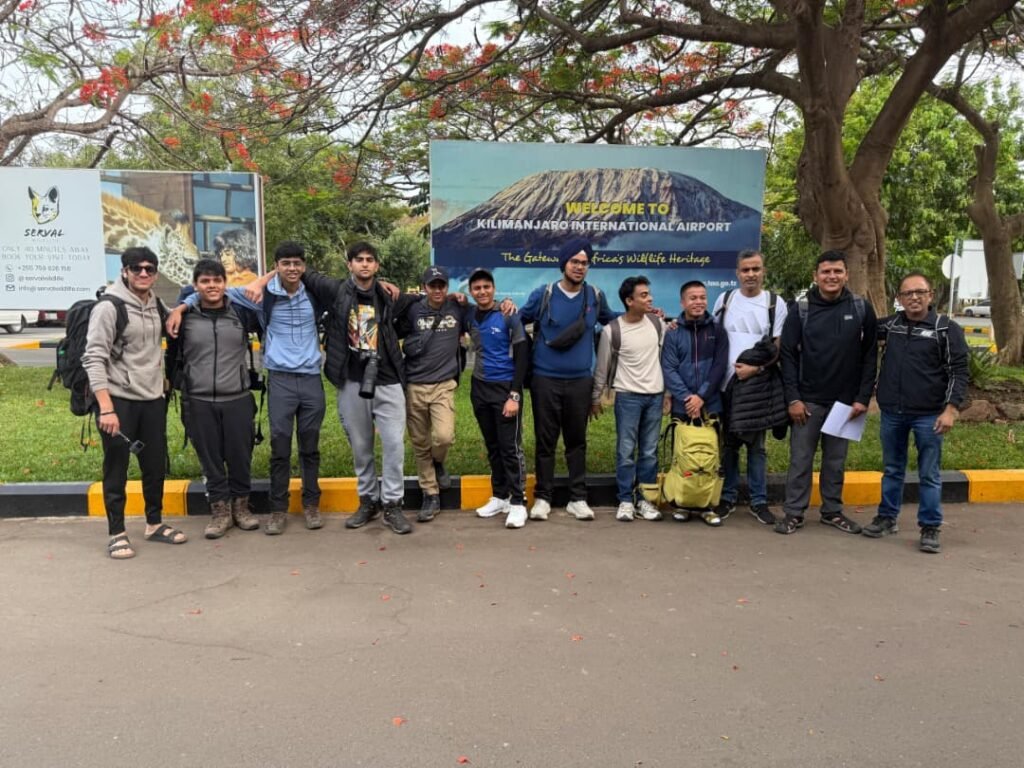
Weather Conditions and Best Time to Climb Kilimanjaro
Weather plays a major role in the climbing experience, which is why understanding seasonal conditions is a key part of Everything You Need to Know Before Climbing Kilimanjaro. Tanzania experiences two primary climbing seasons that attract most international trekkers. January to March often provides colder temperatures with occasional snow at the summit, while June to October offers dry conditions and clearer skies.
Rainy seasons usually occur around April-May and November, though weather patterns continue changing globally. Climbers who prioritize photography often prefer dry months because visibility is generally better. Reports from Climate.gov and UNEP continue discussing climate changes affecting mountain ecosystems worldwide, including Kilimanjaro.
Choosing the best season also depends on personal preferences. Some climbers enjoy quieter trails during shoulder seasons while others prioritize the driest possible conditions even if routes become crowded. Regardless of timing, proper gear remains essential because summit temperatures can drop well below freezing throughout the year.
Costs and Budget Planning for Climbing Kilimanjaro
The cost of climbing Kilimanjaro varies depending on route length, operator quality, group size, accommodation standards, and included services. Budget climbs may begin around USD 1,500 while premium luxury climbs can exceed USD 6,000. Understanding why prices differ is another important aspect of Everything You Need to Know Before Climbing Kilimanjaro.
Cheaper climbs sometimes reduce costs by lowering guide-to-client ratios, reducing food quality, or limiting porter support. Responsible operators invest more in staff treatment, safety procedures, quality equipment, and emergency preparedness. Organizations like Kilimanjaro Porters Assistance Project continue promoting fair porter treatment and ethical climbing standards across Tanzania.
Travelers researching through affordable Kilimanjaro climbs often discover that value matters more than simply choosing the cheapest price available. Investing in experienced guides and proper support systems greatly improves overall safety and summit success.
Safety and Altitude Awareness Before Climbing Kilimanjaro
Safety is one of the most important topics in Everything You Need to Know Before Climbing Kilimanjaro because altitude affects every climber differently regardless of age or fitness. Mild symptoms such as headaches and nausea are relatively common at higher elevations, but serious altitude sickness requires immediate descent.
Professional guides monitor climbers carefully using pulse oximeters and regular health checks throughout the trek. Medical sources from CDC and NCBI continue emphasizing the importance of slow ascent, hydration, and honest communication regarding symptoms.
Another key safety factor involves choosing licensed operators with proper emergency procedures and trained mountain staff. Climbers should never underestimate the value of experienced guides because they understand the mountain’s changing conditions and recognize early warning signs quickly.
FAQ’S – Everything You Need to Know Before Climbing Kilimanjaro
- Do I need climbing experience? No, most successful climbers are trekkers rather than technical climbers.
- How difficult is Kilimanjaro? The altitude makes it challenging, but proper pacing improves success significantly.
- What is the best route for beginners? Lemosho and Machame are commonly recommended for beginners.
- Can older travelers climb Kilimanjaro? Yes, many older climbers successfully summit with proper preparation.
- Do I need travel insurance? Yes, comprehensive travel insurance covering high-altitude trekking is strongly recommended.
Conclusion – Everything You Need to Know Before Climbing Kilimanjaro
Everything You Need to Know Before Climbing Kilimanjaro ultimately comes down to preparation, patience, and choosing the right support system. The mountain challenges people physically and mentally, but it also rewards them with one of the most unforgettable experiences available anywhere in the world. From walking through rainforest trails to watching sunrise above the clouds at Uhuru Peak, every stage of the climb creates memories that stay with climbers for life.
Travelers planning climbs for 2026, 2027, and 2028 can begin preparing today through professional Kilimanjaro climbing experts who provide route guidance, itinerary planning, and detailed preparation support. Additional travel research can also be explored through Google while comparing routes, seasons, and climbing styles that best fit personal goals.
The mountain remains one of Africa’s greatest adventures not because it is easy, but because ordinary people from around the world continue proving to themselves that they are capable of reaching the summit one slow step at a time.