
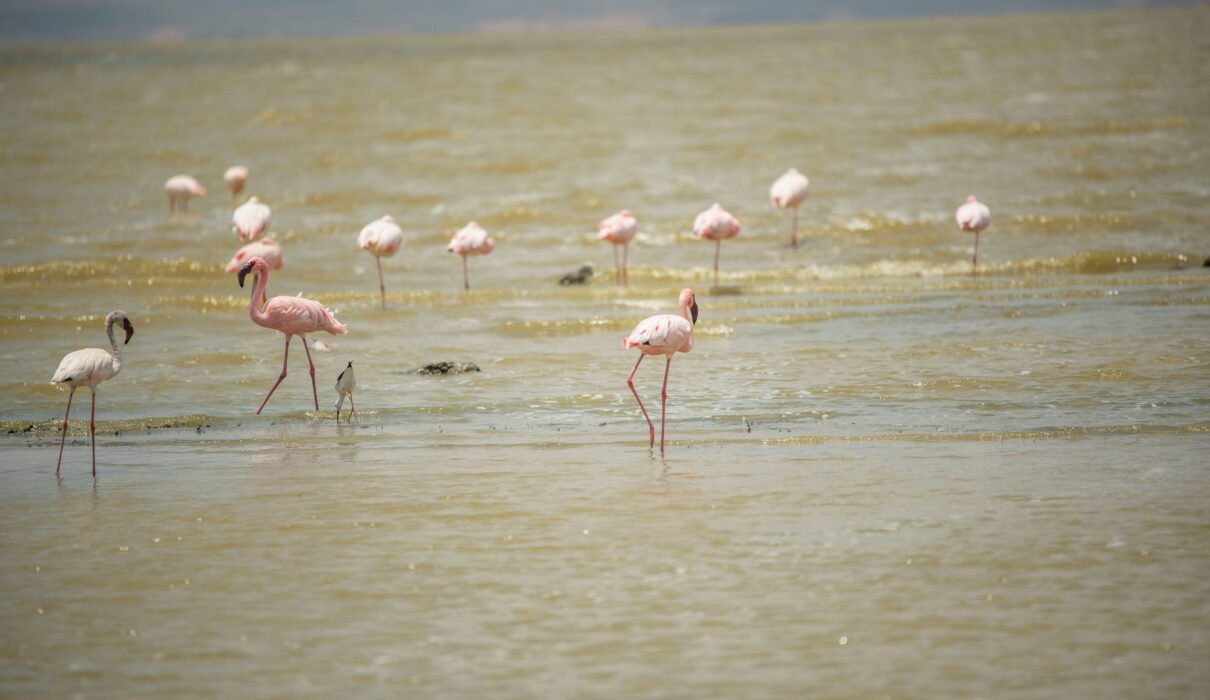
Exploring Lake Manyara’s Flamingo Colonies is one of the most peaceful and emotional wildlife experiences in northern Tanzania, where thousands of delicate pink birds quietly gather along the shallow shores of an alkaline lake, creating a living landscape that feels calm, fragile, and deeply connected to the health of the entire ecosystem.
This special place is not only famous for its birds, but also for its role in protecting wetlands, forests, groundwater and local communities that depend on Lake Manyara for water, farming and sustainable tourism. Every visit here becomes part of a wider story about conservation, science and responsible travel.
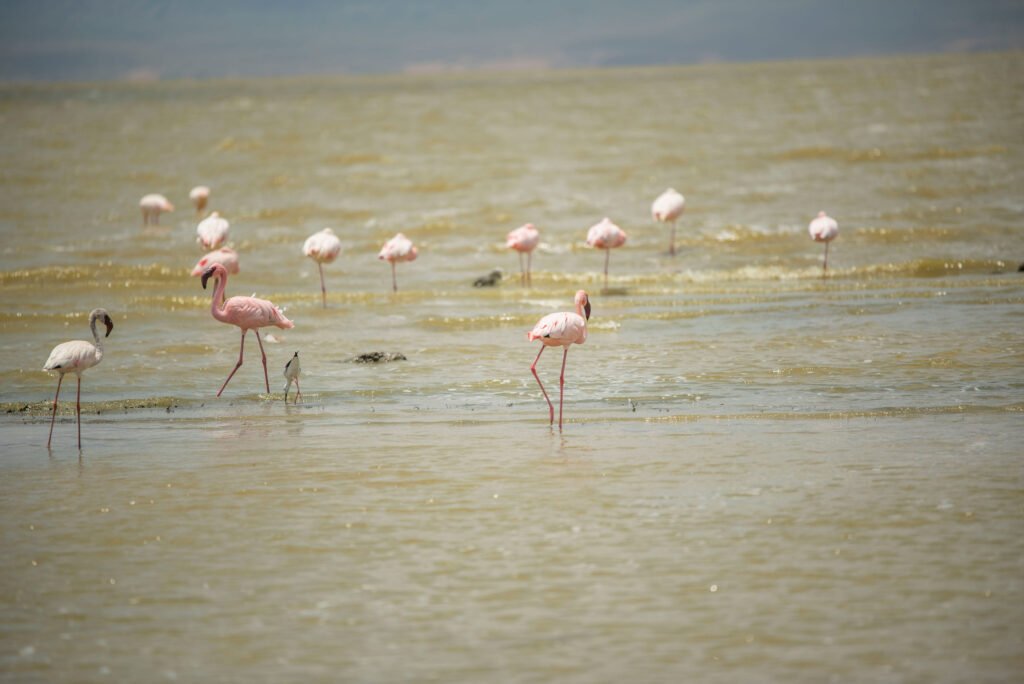
Exploring Lake Manyara’s Flamingo Colonies and the natural beauty of the lake ecosystem
Lake Manyara is part of a wider network of important African wetlands, and the calm surface of the lake hides a very complex ecosystem that supports algae, tiny aquatic organisms and insects that form the main food source for flamingos. Global wetland protection frameworks promoted by the International Union for Conservation of Nature and environmental coordination led by the United Nations Environment Programme show that shallow alkaline lakes such as Manyara are among the most sensitive and valuable bird habitats in the world.
Long-term biodiversity monitoring supported by the Global Biodiversity Information Facility helps scientists understand how bird populations move between East African lakes, while regional habitat protection initiatives supported by the Conservation International and ecosystem restoration programmes coordinated by The Nature Conservancy continue to strengthen the protection of fragile wetland landscapes such as Lake Manyara.
Exploring Lake Manyara’s Flamingo Colonies and scientific research behind bird protection
Flamingo populations are extremely sensitive to changes in water chemistry, pollution and water level fluctuations. Bird monitoring and habitat research coordinated by BirdLife International provide important data on breeding success and feeding grounds across East Africa, while wildlife ecology studies supported by the Wildlife Conservation Society help scientists understand how wetland birds interact with surrounding forest and savannah systems.
Global biodiversity assessments coordinated by the Intergovernmental Science-Policy Platform on Biodiversity and Ecosystem Services clearly show that wetland birds are among the most threatened groups of wildlife, mainly because of habitat loss and water extraction. These findings directly support the protection of lakes such as Manyara as priority conservation areas.
Exploring Lake Manyara’s Flamingo Colonies and climate pressure on wetlands
Wetlands and shallow lakes are especially vulnerable to climate change. Scientific climate assessments published by the Intergovernmental Panel on Climate Change confirm that rising temperatures and unpredictable rainfall patterns are already affecting water availability in many parts of East Africa, including the Rift Valley lakes system.
Forest and water catchment research conducted by the Center for International Forestry Research and wetland ecosystem monitoring coordinated by the UN Environment Programme World Conservation Monitoring Centre show that protecting the surrounding forests and groundwater recharge areas is essential if Lake Manyara is to continue supporting large bird colonies in the future.
Exploring Lake Manyara’s Flamingo Colonies and community-based conservation
Communities living around Lake Manyara play a critical role in protecting the lake and its bird life. Development studies published by the World Bank demonstrate that sustainable tourism can support rural livelihoods when communities are directly involved in guiding, cultural tourism and conservation education. Labour standards promoted by the International Labour Organization also help improve working conditions for local guides, drivers and community tourism groups.
Cultural and natural heritage protection frameworks supported by UNESCO and social development research coordinated by the UN Department of Economic and Social Affairs highlight how traditional land knowledge, sustainable farming and water use practices contribute to long-term wetland protection.
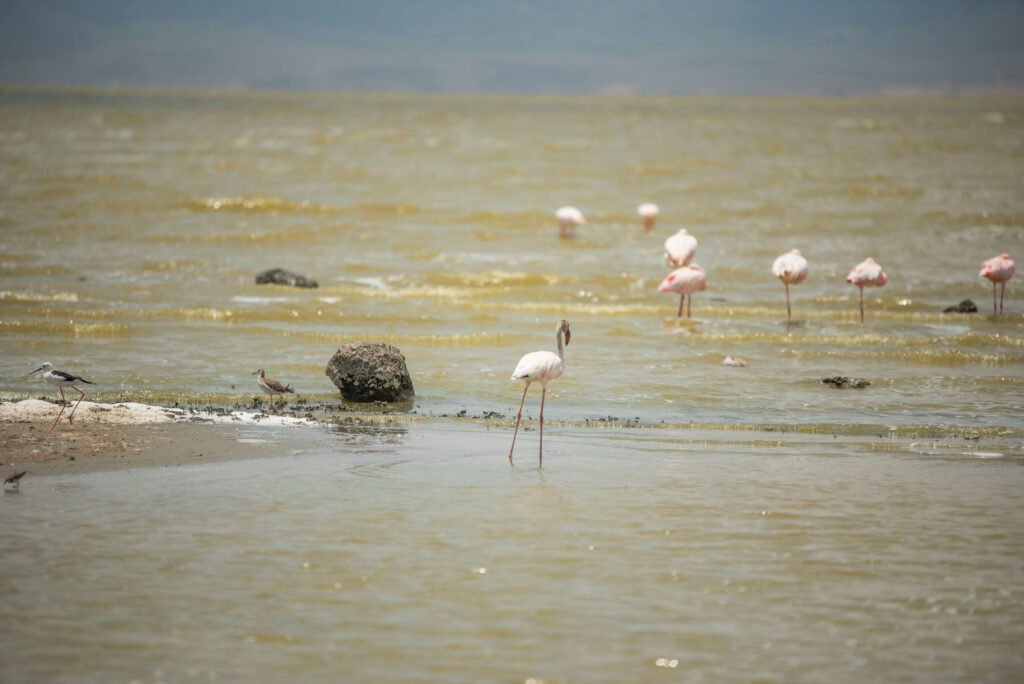
Exploring Lake Manyara’s Flamingo Colonies and wider wildlife connections
Although flamingos are the main attraction, Lake Manyara is part of a wider ecological network that supports mammals, reptiles and forest birds. Landscape connectivity studies supported by the African Wildlife Foundation and wildlife corridor planning conducted by the Wildlife Conservation Society show that maintaining healthy links between wetlands, forests and open plains is essential for long-term ecosystem stability.
Large-scale ecosystem protection strategies promoted by Conservation International and freshwater management guidance from the Food and Agriculture Organization further support integrated land and water planning around Lake Manyara and surrounding districts.
Exploring Lake Manyara’s Flamingo Colonies and responsible visitor access
Visiting wetland habitats requires special care because birds can easily be disturbed during feeding and resting periods. Public health and visitor safety guidance published by the World Health Organization supports safe travel practices in natural environments, while outdoor safety and emergency preparedness frameworks promoted by the American Red Cross help operators strengthen safety standards during nature-based activities.
International biodiversity governance principles developed under the Convention on Biological Diversity also guide how visitor access, zoning and tourism activities can be managed without harming sensitive wetland ecosystems.
Exploring Lake Manyara’s Flamingo Colonies as a peaceful safari experience
Unlike busy wildlife destinations, Lake Manyara offers a slow and reflective style of safari where visitors can simply sit quietly, watch flamingos filter-feed along the shoreline and observe how light, wind and water shape the movement of the entire colony. This gentle experience creates strong emotional connection with nature and often becomes one of the most memorable moments of a northern Tanzania journey.
Many travellers include Lake Manyara birdwatching and nature experiences through Eddy Tours and Safaris, where itineraries are designed to respect bird habitats while supporting local conservation and community partnerships.
Exploring Lake Manyara’s Flamingo Colonies and custom travel planning
Because flamingo presence changes with water conditions, careful planning is important. Visitors often build personalised wildlife and birdwatching journeys using custom safari itineraries in Tanzania, allowing them to combine Lake Manyara with other protected landscapes and cultural experiences in a balanced and responsible way.
For travellers who prefer expert guidance and smooth logistics, professional local safari planning services make it easier to include Lake Manyara in a wider northern circuit while maintaining strong safety and conservation standards.
Exploring Lake Manyara’s Flamingo Colonies and the future of wetland conservation
Wetlands such as Lake Manyara represent some of the most fragile and valuable ecosystems in East Africa. Ongoing environmental data coordination by UN Environment, freshwater and biodiversity research shared through ScienceDirect, and ecosystem restoration programmes led by The Nature Conservancy continue to shape modern conservation strategies for lake and wetland systems.
In simple words, exploring this extraordinary lake is not only about beautiful photographs of pink birds. It is about understanding how water, climate, communities and conservation come together to protect one of Tanzania’s most delicate natural treasures.
For travellers who want meaningful and responsible experiences, responsible Tanzania safari and nature travel programmes offer an opportunity to enjoy Lake Manyara while actively supporting wetland conservation and local livelihoods.