
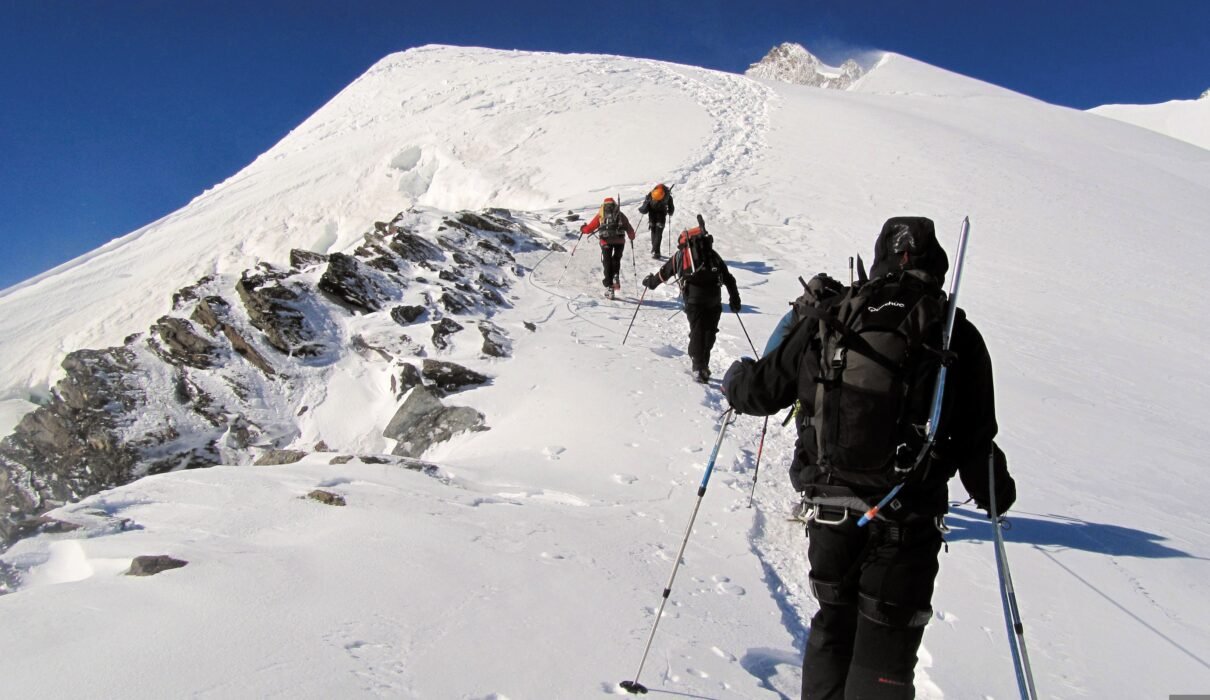
Five Main Types of Mountains Explained is a simple and practical guide for anyone who wants to understand how mountains are formed, why they look so different around the world, and how these powerful landforms protect water, wildlife and local communities while creating some of the most beautiful travel experiences on Earth.
Mountains are not only high land that people climb for adventure. They are living systems that control rainfall, protect forests, store water, influence climate and shape cultures. Learning how mountains are formed helps travellers appreciate nature more deeply and choose responsible experiences that support conservation and local livelihoods.
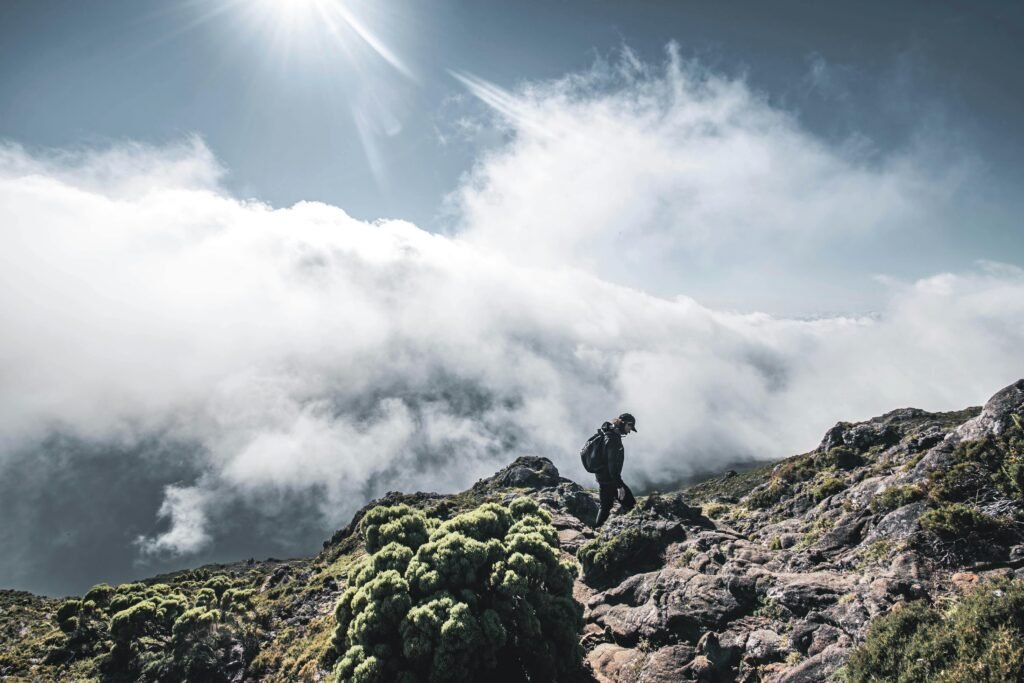
Five Main Types of Mountains Explained and why mountains are vital for life on Earth
Before looking at how each mountain type is created, it is important to understand why mountains matter so much. Scientific and environmental organisations such as the United Nations Environment Programme, the International Union for Conservation of Nature and the Food and Agriculture Organization clearly show that mountain regions provide fresh water for billions of people, protect forests and wildlife, and support farming systems far below their slopes. Mountain ecosystems also store carbon, regulate temperature and reduce the impact of extreme weather events.
Global environmental research supported by the Intergovernmental Panel on Climate Change and biodiversity assessments coordinated by the Intergovernmental Science-Policy Platform on Biodiversity and Ecosystem Services confirm that mountain environments are among the most sensitive and important regions affected by climate change, making their protection essential for both people and wildlife.
Five Main Types of Mountains Explained – Fold Mountains
Fold mountains are created when large sections of the Earth’s crust slowly collide and push against each other, forcing rock layers to bend and fold upward over millions of years. These slow but powerful movements form long, high mountain chains such as the Himalayas and the Alps, which are some of the most famous examples of fold mountains in the world. Geological research published by the United States Geological Survey and global tectonic studies coordinated by the British Geological Survey explain how plate movement creates deep pressure that reshapes the surface of the planet.
Fold mountains are extremely important for biodiversity and water systems. Large river basins begin in these ranges, and mountain forests protect soils and regulate seasonal flows. Ecosystem monitoring coordinated by the UN Environment Programme World Conservation Monitoring Centre shows that many protected areas are located in fold mountain systems because of their rich plant and animal diversity.
Five Main Types of Mountains Explained – Fault-Block Mountains
Fault-block mountains form when the Earth’s crust breaks into large blocks due to tectonic stress and some blocks rise while others sink. This process creates steep, sharp mountain faces and deep valleys. Well-known examples include parts of the East African Rift and mountain systems in North America. Research by the United States Geological Survey and continental fault studies published by the NASA Earth Observatory explain how fractures in the crust allow vertical movement of land blocks.
Fault-block mountain regions often support unique wildlife because isolation and changing elevation create specialised habitats. Landscape connectivity studies supported by the Wildlife Conservation Society and regional ecosystem protection work by the African Wildlife Foundation demonstrate how rift-related mountain systems in East Africa protect rare species and serve as climate refuges.
Five Main Types of Mountains Explained – Volcanic Mountains
Volcanic mountains are built when molten rock rises from beneath the Earth’s surface and erupts, cooling into solid layers that gradually form high peaks. Some volcanic mountains are still active, while others are extinct and slowly erode. Global volcanic research led by the Smithsonian Global Volcanism Program and geological monitoring by the United States Geological Survey explain how magma chambers and eruption cycles build these mountains over long periods.
Volcanic soils are among the most fertile in the world, supporting agriculture and forest growth. However, volcanic regions also require careful land-use planning and risk management. Environmental and disaster preparedness guidance promoted by the United Nations Environment Programme and scientific research shared through ScienceDirect help communities and authorities manage volcanic landscapes safely.
Travellers interested in volcanic mountain experiences, such as climbing Mount Kilimanjaro, often explore professionally guided trips through Eddy Tours and Safaris, where safety, environmental care and community involvement are clearly prioritised.
Five Main Types of Mountains Explained – Dome Mountains
Dome mountains are formed when molten rock pushes upward beneath the Earth’s surface but does not erupt. Instead, it lifts and bends the overlying rock layers into a rounded shape. Over time, erosion removes the upper layers and exposes the hard rock core beneath. Geological processes behind dome formation are described by the British Geological Survey and earth science programmes supported by the Nature Research group.
Dome mountain landscapes are often rich in scenic valleys, forested slopes and freshwater springs. Watershed protection research coordinated by the Center for International Forestry Research and ecosystem conservation initiatives led by Conservation International show how such mountain systems support forest regeneration, water security and rural livelihoods.
Five Main Types of Mountains Explained – Plateau Mountains
Plateau mountains are created when large flat areas of land are lifted upward by tectonic forces and then deeply cut by rivers and erosion. Instead of sharp peaks, these mountains often appear as high flat surfaces with steep edges. Global geomorphology studies published by the United States Geological Survey and surface process research supported by the European Space Agency show how uplift and erosion combine to shape these wide elevated landscapes.
Plateau mountain systems are extremely important for biodiversity and water supply. Large river systems begin in high plateaus, and conservation mapping coordinated by the Global Biodiversity Information Facility confirms that many endemic plant and animal species are found in plateau environments.
Five Main Types of Mountains Explained and biodiversity in mountain ecosystems
All mountain types support specialised wildlife adapted to cold temperatures, steep terrain and limited resources. Conservation organisations such as World Wide Fund for Nature, BirdLife International, Panthera and The Nature Conservancy work across mountain regions to protect snow leopards, mountain birds, forest elephants, rare plants and fragile alpine habitats.
Scientific monitoring coordinated by the UN Environment programme and protected-area governance guidance from the Convention on Biological Diversity support long-term protection of mountain ecosystems and help countries balance tourism, conservation and development.
Five Main Types of Mountains Explained and people who live in the mountains
Hundreds of millions of people depend directly on mountain landscapes for water, farming, grazing and cultural identity. Social and development research coordinated by the UN Department of Economic and Social Affairs and economic studies published by the World Bank show that sustainable mountain tourism can improve education, health services and infrastructure when communities are fully involved.
Labour and safety standards promoted by the International Labour Organization and public health guidance from the World Health Organization further support safer working conditions for guides, porters and mountain service providers.
Five Main Types of Mountains Explained and responsible mountain travel
Responsible travel plays a major role in protecting mountain environments. Research from the Overseas Development Institute shows that well-managed nature tourism can support conservation funding and reduce unsustainable land use when properly regulated.
Visitors planning mountain and nature experiences in East Africa often use professional Tanzania travel services to combine volcanic and rift mountain landscapes with wildlife and cultural experiences while following environmental guidelines.
Many travellers also design their journeys through custom travel programmes that connect mountain walks, village visits and conservation activities into one meaningful itinerary.
Five Main Types of Mountains Explained and why understanding mountains changes how you travel
When travellers understand how different mountains are formed, they begin to see landscapes with new respect. Fold mountains tell a story of slow and powerful collision, fault-block mountains reveal the movement of deep Earth forces, volcanic mountains show the energy beneath the surface, dome mountains expose hidden geological strength, and plateau mountains remind us how erosion shapes the land through time.
For nature lovers and adventure travellers, learning the science behind mountain formation makes every hike, viewpoint and forest trail more meaningful. Travelling with experienced local guides through responsible adventure and nature tours helps ensure that exploration supports conservation, local communities and long-term protection of fragile mountain ecosystems.
In simple words, Five Main Types of Mountains Explained shows that mountains are not just high places to visit. They are life-support systems for our planet, homes for unique wildlife, cultural centres for communities and powerful reminders of how carefully we must treat the natural world we depend on.