
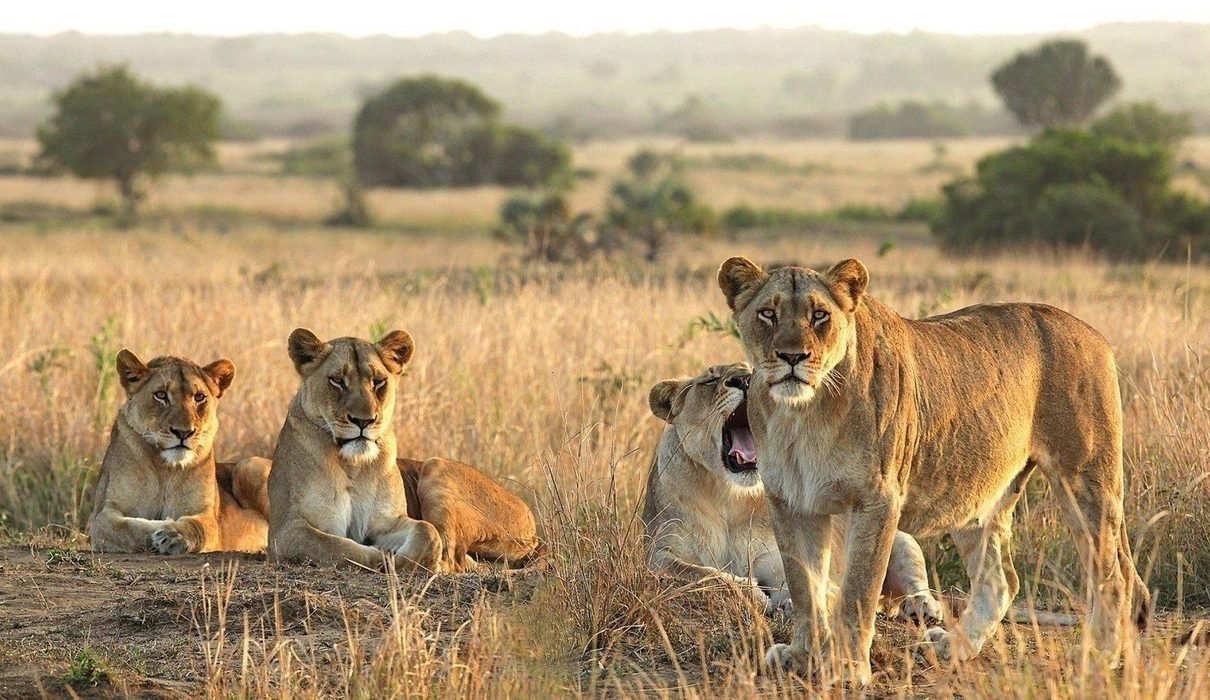
A 4-day Tanzania safari is a great choice for travelers who want to see some of Africa’s most famous wildlife destinations without spending too many days on holiday. This safari takes you from Arusha to Serengeti National Park and Ngorongoro Crater, offering opportunities to see lions, elephants, giraffes, zebras, wildebeest, buffaloes and many other animals in their natural habitats.
Tanzania is home to some of the best wildlife areas in East Africa, and a four-day safari gives you enough time to experience two of its most popular destinations. The Serengeti is known for its wide plains, large populations of wildlife and the annual Great Wildebeest Migration. Ngorongoro Crater offers a different experience, with a high concentration of wildlife living within a large volcanic caldera.
For travelers planning a Tanzania safari in 2027, 2028 or 2029, this itinerary combines wildlife viewing, scenic drives and comfortable accommodation. You will spend two nights in Serengeti National Park and one night near Ngorongoro before returning to Arusha on the final day. The trip involves some long drives, but it provides a good introduction to Tanzania’s northern safari circuit.
At Eddy Tours & Safaris, we organize private Tanzania safaris for couples, families, friends and small groups. Our team can help you choose suitable accommodation, arrange transport and plan your safari according to your preferred travel dates and budget.
4 Days Tanzania Safari Overview
| Safari details | Information |
|---|---|
| Safari name | 4 Days Tanzania Safari |
| Destinations | Serengeti National Park and Ngorongoro Crater |
| Starting point | Arusha, Tanzania |
| Ending point | Arusha, Tanzania |
| Duration | 4 days and 3 nights |
| Travel years | 2027, 2028 and 2029 |
| Safari type | Private wildlife safari |
| Accommodation | Budget, mid-range or luxury |
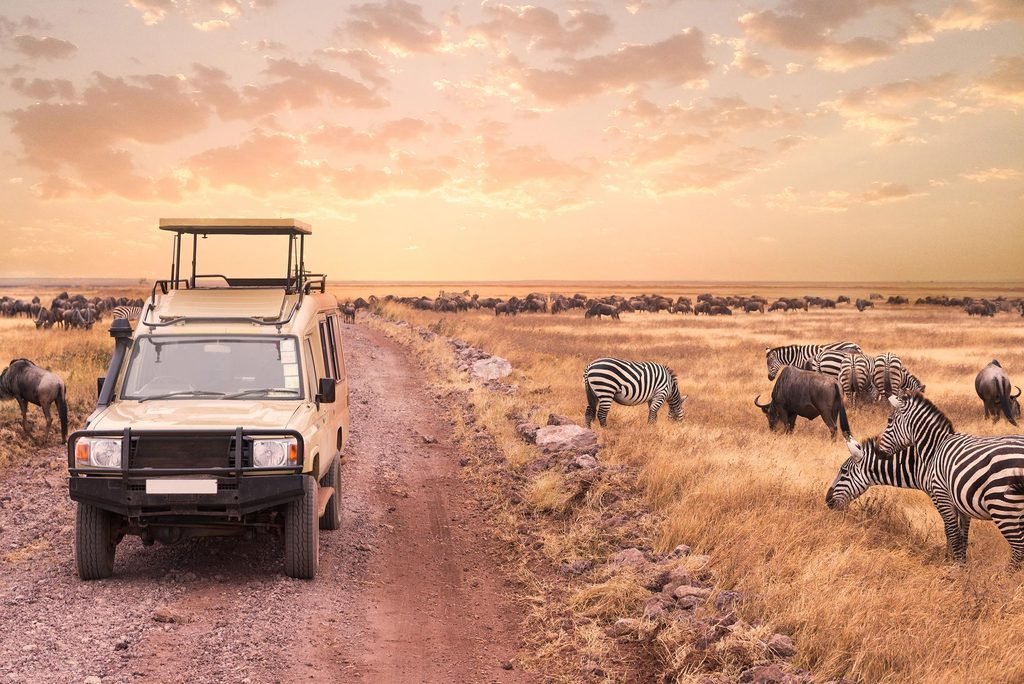
| Transport | 4×4 safari vehicle with a pop-up roof |
| Main activities | Wildlife game drives and photography |
| Suitable for | Couples, families, friends and small groups |
| Price | Available on request |
Why Choose a 4-Day Tanzania Safari?
A four-day safari is suitable for visitors who have limited time but still want to experience Tanzania’s wildlife. Instead of visiting many parks within a short period, this itinerary focuses on two destinations where travelers can enjoy game drives and explore different landscapes. Serengeti National Park provides opportunities to see wildlife across open grasslands, while Ngorongoro Crater offers game viewing within a relatively compact area.
The itinerary also allows travelers to choose accommodation according to their budget. Those looking for an affordable safari can stay at selected public campsites or budget-friendly accommodation, while visitors who prefer additional comfort can choose mid-range tented camps or luxury lodges. The overall experience can be adjusted to suit different travel preferences without changing the main destinations.
Another advantage is the opportunity to travel with a local safari guide who understands the parks, wildlife behavior and road conditions. A knowledgeable guide can explain what you are seeing, help identify animals and birds, and plan game drives around the time available. Wildlife sightings depend on nature and cannot be guaranteed, but visiting these destinations provides excellent opportunities for observing many species.
Complete 4-Day Tanzania Safari Itinerary
Day 1: Arusha to Serengeti National Park
Destination: Serengeti National Park
Activities: Scenic drive and afternoon game drive
Accommodation: Safari lodge or tented camp in Serengeti
Meals: Lunch and dinner
Your four-day Tanzania safari begins in Arusha, where your professional safari guide will meet you at your hotel in the morning. After a short briefing about the itinerary, you will begin the journey toward Serengeti National Park. The drive takes you through the northern Tanzanian countryside, passing small towns, local farms and beautiful highland landscapes. As you approach the Ngorongoro Conservation Area, the scenery changes, with forested hills and open grasslands becoming more prominent.
The journey continues through the Ngorongoro highlands toward the Serengeti plains. Depending on road conditions, park procedures and the time available, your guide may stop at designated viewpoints along the way. The drive is long, so much of the first day is spent traveling, but the route provides an opportunity to see the changing landscapes of northern Tanzania.
After entering Serengeti National Park, you will begin your first game drive as you travel toward your accommodation. The Serengeti is known for its open plains and wildlife populations, including lions, elephants, giraffes, zebras, wildebeest, buffaloes and different species of antelope. Your guide will look for animals along the established game-viewing tracks, stopping whenever suitable wildlife sightings occur.
In the late afternoon, you will continue to your selected safari lodge or tented camp. After checking in, you can relax and enjoy dinner while preparing for the following day’s wildlife activities. Spending the night inside Serengeti allows you to begin your next game drive without first making the long journey from outside the park.
Day 2: Full-Day Game Drive in Serengeti National Park
Destination: Serengeti National Park
Activities: Morning and afternoon wildlife game drives
Accommodation: Safari lodge or tented camp in Serengeti
Meals: Breakfast, lunch and dinner
After breakfast, you will leave your accommodation for a full day of wildlife viewing in Serengeti National Park. The morning is often a productive time for game drives because temperatures are generally cooler and many animals are active. Your guide will explore suitable wildlife areas, looking for lions, elephants, giraffes, buffaloes, zebras and other species that live throughout the Serengeti ecosystem.
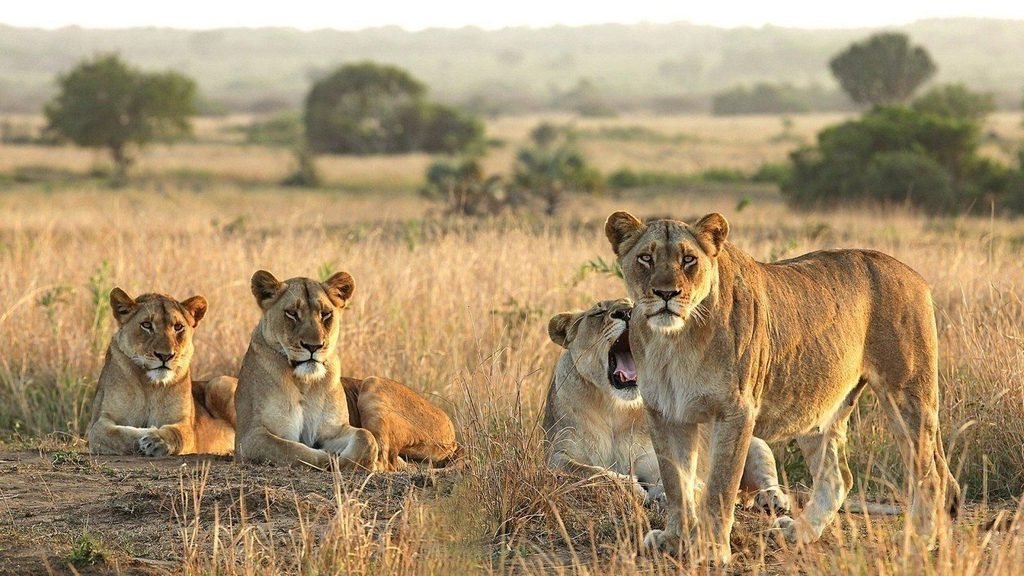
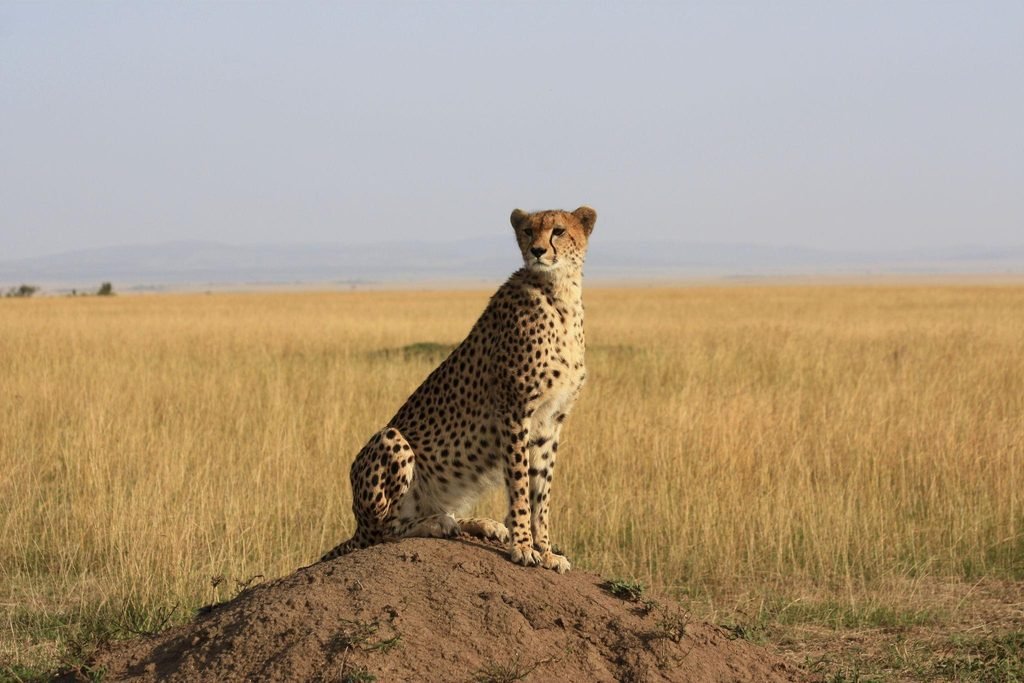
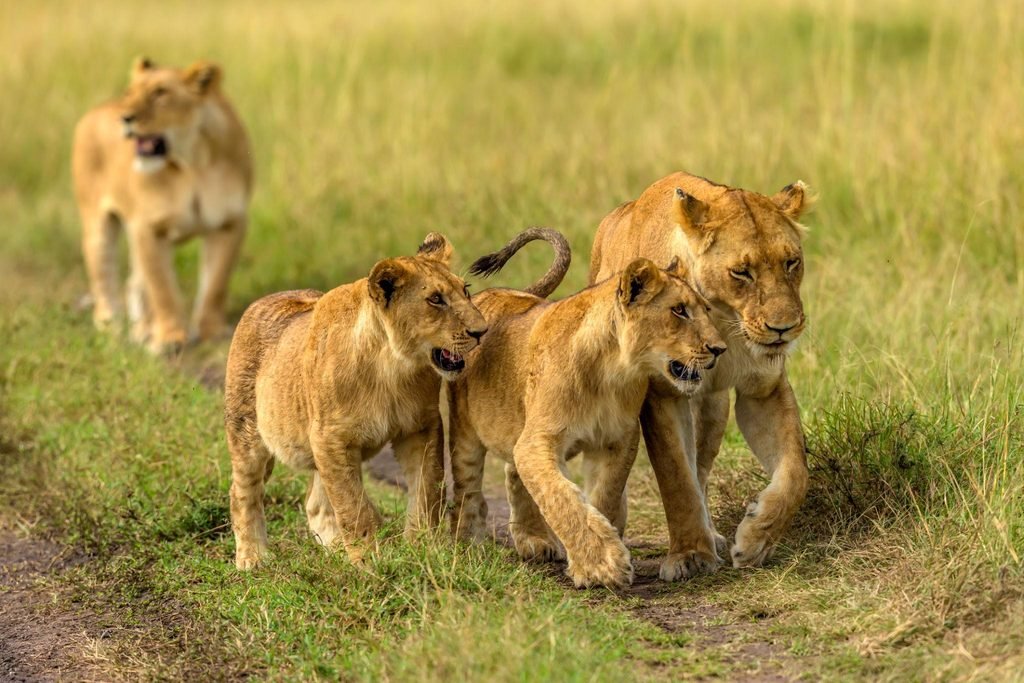
The Serengeti is particularly well known for its large predators. Lions may be seen resting near rocky outcrops or moving through the grasslands, while cheetahs are often associated with open areas where they can hunt. Leopards are more difficult to find because they frequently rest in trees or remain hidden in vegetation. Although these animals live in the park, sightings depend on their movements and cannot be promised.
Depending on the season, you may also encounter herds of wildebeest and zebras moving through different parts of the ecosystem. The Great Migration follows seasonal rainfall and grazing conditions, so the location of the largest herds changes throughout the year. If your main interest is witnessing the migration, your safari itinerary should be planned around your travel month and the expected movement of the animals.
During the day, you will stop for a picnic lunch at an authorized location before continuing with wildlife viewing. Your guide may explore river areas, open plains or rocky outcrops depending on wildlife activity and road conditions. In the late afternoon, you will return to your accommodation for dinner and another night in Serengeti National Park.
Day 3: Serengeti National Park to Ngorongoro Conservation Area
Destination: Serengeti and Ngorongoro highlands
Activities: Morning game drive and scenic transfer
Accommodation: Lodge or campsite near Ngorongoro
Meals: Breakfast, lunch and dinner
Your third day begins with breakfast followed by a morning game drive in Serengeti National Park. This provides another opportunity to look for wildlife before leaving the park. Depending on the location of your accommodation, your guide may explore nearby grasslands or other established game-viewing areas where animals have recently been observed.
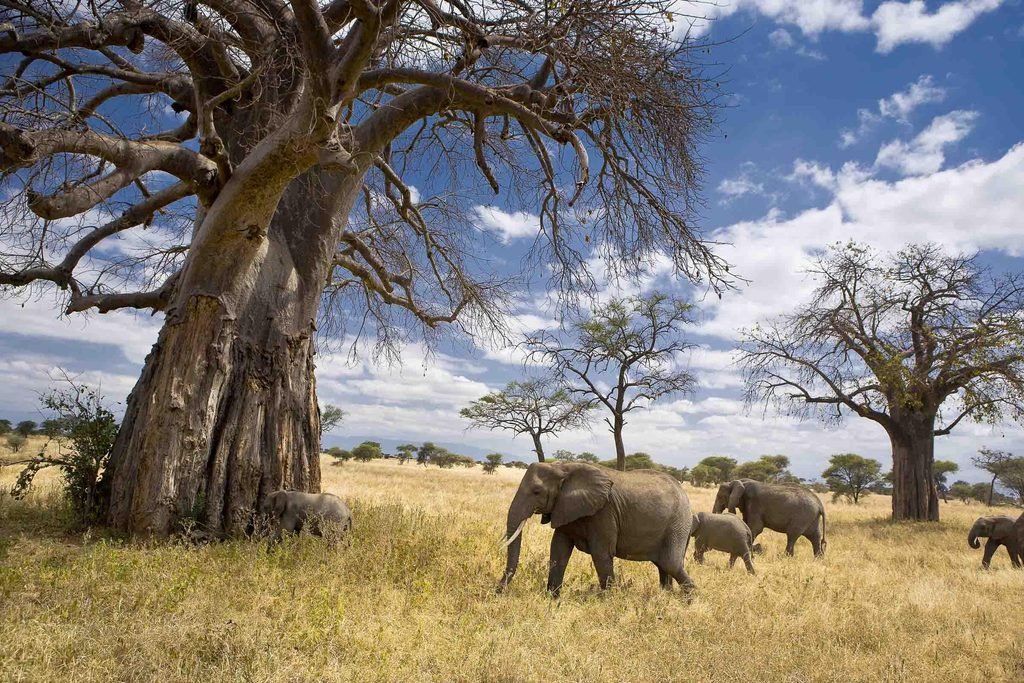
After the morning wildlife activities, you will begin the journey toward Ngorongoro Conservation Area. The drive passes through the Serengeti plains before climbing into the Ngorongoro highlands. Along the way, you will notice the landscape changing from open grasslands to rolling hills and greener highland areas. The journey provides opportunities to appreciate the different environments found along Tanzania’s northern safari circuit.
Ngorongoro Conservation Area is known for its volcanic landscapes, wildlife and the pastoral communities that live in designated areas of the conservation landscape. Depending on your route and available time, your guide may stop at an authorized viewpoint overlooking Ngorongoro Crater. From the crater rim, you can appreciate the size of the caldera and the surrounding highland scenery.
You will then continue to your selected accommodation near Ngorongoro. After checking in, the remainder of the afternoon or evening will be available for relaxation. Dinner will be served at your lodge or campsite, and your guide will explain the arrangements for the following morning’s crater game drive.
Day 4: Ngorongoro Crater Game Drive and Return to Arusha
Destination: Ngorongoro Crater
Activities: Crater game drive and return transfer
Accommodation: Not included after the safari unless requested
Meals: Breakfast and lunch
After an early breakfast, you will travel toward the Ngorongoro Crater descent road for your final wildlife experience. Ngorongoro Crater is one of Tanzania’s best-known safari destinations because of its varied habitats and the concentration of animals living within the caldera. The crater floor includes open grasslands, woodland, wetlands and freshwater areas that support different wildlife species.
Once you descend into the crater, your guide will begin the game drive along the authorized roads. Animals commonly encountered in the wider crater ecosystem include buffaloes, zebras, wildebeest, gazelles, elephants and lions. Hippos may be seen in suitable water areas, while spotted hyenas and several bird species are also present. Ngorongoro is one of the places in Tanzania where visitors may have an opportunity to see a black rhinoceros, although sightings are uncommon and cannot be guaranteed.
During the game drive, you will stop for a picnic lunch at an authorized location. Your guide will continue exploring suitable areas according to the available time and park regulations. The crater’s landscape provides opportunities for wildlife photography, particularly when animals are feeding or moving across the grasslands.
After completing the crater game drive, you will ascend to the crater rim and begin the return journey to Arusha. The drive takes you through the northern Tanzanian countryside, passing local settlements and agricultural areas before reaching the city. Your guide will drop you off at your hotel or another agreed location in Arusha, marking the end of your four-day Tanzania safari.
What Animals Can You See During a 4-Day Tanzania Safari?
A safari through Serengeti National Park and Ngorongoro Crater provides opportunities to observe a wide range of African wildlife. The Serengeti is particularly known for its large populations of grazing animals and predators, while Ngorongoro Crater supports wildlife across its grasslands, forests and wetlands.
Lions, elephants, buffaloes, giraffes, zebras, wildebeest, hippos, hyenas and different antelope species may be encountered during the trip. Leopards, cheetahs and black rhinoceroses are also present in these protected areas, although they can be more difficult to find. Your guide will help identify wildlife and explain its behavior, but the exact animals seen will depend on the season, weather and natural movements.
Birdwatchers can also enjoy the safari because both destinations support many bird species. Depending on the habitat and season, visitors may see ostriches, secretary birds, vultures, eagles, storks and different waterbirds. Bringing binoculars is useful for observing birds and animals that are some distance from the safari vehicle.
Best Time for a 4-Day Tanzania Safari in 2027, 2028 and 2029
Tanzania’s northern safari circuit can be visited throughout the year. However, wildlife viewing conditions and scenery change with the seasons. June to October is generally associated with drier weather, making it easier to observe animals in some areas because vegetation is shorter and wildlife may gather around available water sources. This is also a popular period for visitors, so accommodation can be in high demand.
From November to May, the landscape is often greener, with seasonal rainfall supporting fresh grass and vegetation. January and February can be particularly interesting for travelers visiting the southern Serengeti ecosystem because wildebeest calving commonly takes place around this period, depending on rainfall and herd movements. Birdwatching can also be rewarding during the greener months.
April and May generally receive heavier rainfall, which may affect road conditions and the time required to travel between destinations. However, these months can also offer attractive scenery and fewer visitors in some areas. For 2027, 2028 and 2029, travelers should choose their dates according to the wildlife they hope to see, their preferred weather conditions and their available budget.
Accommodation Options for Your Tanzania Safari
The four-day Tanzania safari can be arranged with budget, mid-range or luxury accommodation. Budget safaris commonly use public campsites or selected affordable lodges, while mid-range packages may include comfortable tented camps or safari lodges with private facilities. Luxury options generally offer more spacious accommodation, additional services and carefully selected locations.
For this itinerary, spending two nights in Serengeti National Park is practical because it reduces unnecessary travel and allows more time for game drives. The third night is normally arranged near Ngorongoro, either on the crater rim or in another suitable location depending on the accommodation category and availability.
Accommodation choices can affect the total safari price, especially during popular travel months. Before booking, travelers should request the names of the proposed properties and confirm the room arrangements, meal plan and any additional charges.
What Is Included in the 4-Day Tanzania Safari Package?
The final inclusions depend on the quotation and accommodation category selected. A typical private safari package may include a 4×4 safari vehicle with a pop-up roof, a professional English-speaking driver-guide, park and conservation fees, three nights of accommodation, meals during the safari, and drinking water in the vehicle.
The safari vehicle is an important part of the experience because much of the wildlife viewing takes place during game drives. A suitable vehicle should provide comfortable seating, adequate space for luggage and clear views of animals from the designated viewing areas.
Services commonly excluded unless stated in the quotation include international flights, Tanzania visa fees, travel insurance, alcoholic beverages, personal purchases, guide tips, optional activities and accommodation before or after the safari. A hot-air balloon safari in Serengeti, for example, is normally an additional activity that must be arranged separately.
How Much Does a 4-Day Tanzania Safari Cost in 2027–2029?
The cost of a four-day Tanzania safari depends on the accommodation category, number of travelers, travel season and services included. A private safari for two people may have a higher cost per person than a safari for four or six travelers because vehicle and guiding expenses are shared among fewer guests.
Accommodation is another major factor. Public camping can help reduce costs, while mid-range and luxury lodges generally increase the total package price. Park fees, Ngorongoro Crater access charges, transport, meals and the length of time spent inside protected areas also affect the final quotation.
Rather than publishing prices that may change before 2027, 2028 or 2029, we recommend requesting an updated quotation based on your preferred travel dates and group size. You can contact Eddy Tours & Safaris to discuss budget, mid-range and luxury options.
What to Pack for a Four-Day Tanzania Safari
Packing for a four-day safari is relatively straightforward, but travelers should prepare for warm afternoons, cooler mornings and occasional changes in weather. Comfortable clothing in neutral colors is practical for game drives, while a light jacket or fleece is useful during early mornings and evenings, especially in the Ngorongoro highlands.
A camera with a suitable zoom lens is helpful for wildlife photography, and binoculars can make it easier to observe distant animals and birds. Sunscreen, sunglasses, a hat and personal medication should also be included in your luggage. Travelers visiting during the rainy season may want to bring a lightweight waterproof jacket.
Soft-sided luggage is often more convenient for safari vehicles than large hard-shell suitcases. If you are combining the safari with domestic flights, confirm the applicable luggage restrictions before departure.
Can You See the Great Wildebeest Migration on a 4-Day Safari?
Yes, it is possible to encounter migrating wildebeest during a four-day safari, but this depends on the time of year and where the herds are located. The Great Migration is a continuous movement of wildebeest, zebras and other grazing animals through the wider Serengeti–Mara ecosystem. Their movements are influenced by rainfall, fresh grazing and access to water.
A standard four-day safari from Arusha generally focuses on the central Serengeti because of the time required to reach the park by road. During certain months, the largest migration herds may be concentrated farther south, west or north. Reaching those areas can require additional driving time, different accommodation arrangements or a longer itinerary.
If witnessing the migration is your main reason for visiting Tanzania, we recommend discussing your travel month before confirming the route. A longer safari may be more suitable when the herds are far from the central Serengeti.
Is Four Days Enough for a Tanzania Safari?
Four days is enough to experience Serengeti National Park and Ngorongoro Crater, but travelers should expect a fairly busy schedule. The journey from Arusha to Serengeti involves several hours of driving, and the return journey after visiting Ngorongoro also takes time. This means that the itinerary is best suited to visitors who are comfortable with long road transfers.
For travelers who want a more relaxed experience, a five- or six-day safari can provide additional game-viewing time and opportunities to include Tarangire National Park or Lake Manyara National Park. Longer itineraries may also be more practical for travelers whose main interest is following the Great Wildebeest Migration.
Nevertheless, a four-day safari remains a good option for visitors who have limited holiday time and want to see two major wildlife destinations in northern Tanzania.
Frequently Asked Questions About a 4-Day Tanzania Safari
1. Is four days enough for a Tanzania safari?
Yes. Four days allows you to visit Serengeti National Park and Ngorongoro Crater, although the itinerary includes long drives.
2. Which parks are included in this safari?
The itinerary includes Serengeti National Park and Ngorongoro Crater.
3. Where does the safari begin?
The safari begins in Arusha, Tanzania.
4. Where does the safari end?
The safari ends in Arusha after the Ngorongoro Crater game drive.
5. How many nights are included?
The itinerary includes three nights of accommodation.
6. Can I see lions during the safari?
Lions live in both Serengeti and Ngorongoro, but sightings cannot be guaranteed.
7. Can I see the Big Five?
Both destinations offer opportunities to see members of the Big Five, although leopards and black rhinoceroses can be difficult to find.
8. Can I see the Great Wildebeest Migration?
It is possible during certain periods, depending on the location of the migrating herds.
9. What is the best time for a Tanzania safari?
June to October is generally popular for drier conditions, while the greener months offer different wildlife experiences.
10. Is January a good month for a Tanzania safari?
Yes. January can offer green landscapes and opportunities to see wildlife in the southern Serengeti ecosystem.
11. Can I visit Tanzania in February?
Yes. February is a popular month for travelers interested in the wildebeest calving season.
12. Is April suitable for a safari?
Safaris operate in April, although heavier rainfall may affect road conditions and travel times.
13. What type of vehicle is used?
Private safaris commonly use a 4×4 vehicle with a pop-up roof for wildlife viewing.
14. Is this safari suitable for families?
Yes. The itinerary can be arranged for families, although parents should consider the long driving distances.
15. Can children join the safari?
Yes, subject to the accommodation arrangements and any applicable age restrictions.
16. Can I choose budget accommodation?
Yes. Budget camping and affordable lodge options may be available.
17. Are luxury lodges available?
Yes. Luxury accommodation can be included according to availability and budget.
18. Are park fees included?
They can be included in the package quotation. Always confirm the exact inclusions before booking.
19. Are meals included?
Meals during the safari are commonly included, subject to the confirmed package.
20. Do I need travel insurance?
Travel insurance covering medical emergencies and travel disruptions is strongly recommended.
21. Can I take photographs during game drives?
Yes. Wildlife photography is one of the main activities during the safari.
22. Can I book a private safari?
Yes. Private safaris can be arranged for couples, families and groups.
23. Can I book this safari for 2027?
Yes. You can request a quotation for your preferred 2027 travel dates.
24. Can I book this safari for 2028 or 2029?
Yes. Future travel arrangements can be discussed, with prices and accommodation subject to confirmation.
25. Can I combine the safari with Zanzibar?
Yes. You can add a Zanzibar beach holiday after completing your Tanzania wildlife safari.
Book Your 4-Day Tanzania Safari for 2027, 2028 or 2029
A four-day Tanzania safari offers a practical way to experience Serengeti National Park and Ngorongoro Crater within a relatively short holiday. From the open plains of Serengeti to the wildlife-rich landscapes of Ngorongoro, the journey provides opportunities to see different animals, enjoy scenic drives and learn about Tanzania’s natural environment.
Whether you prefer a budget camping safari, a comfortable mid-range trip or a luxury lodge experience, the itinerary can be adjusted to suit your travel plans. The most important considerations are choosing suitable accommodation, allowing enough time for transfers and selecting travel dates that match your wildlife interests.
Eddy Tours & Safaris is a local tour company in Arusha, Tanzania, arranging private wildlife safaris for travelers visiting in 2027, 2028 and 2029. Contact our team to discuss your preferred dates, group size, accommodation category and safari budget.
Request Your 4-Day Tanzania Safari Quotation
Email: sales@eddytours-safaris.com