
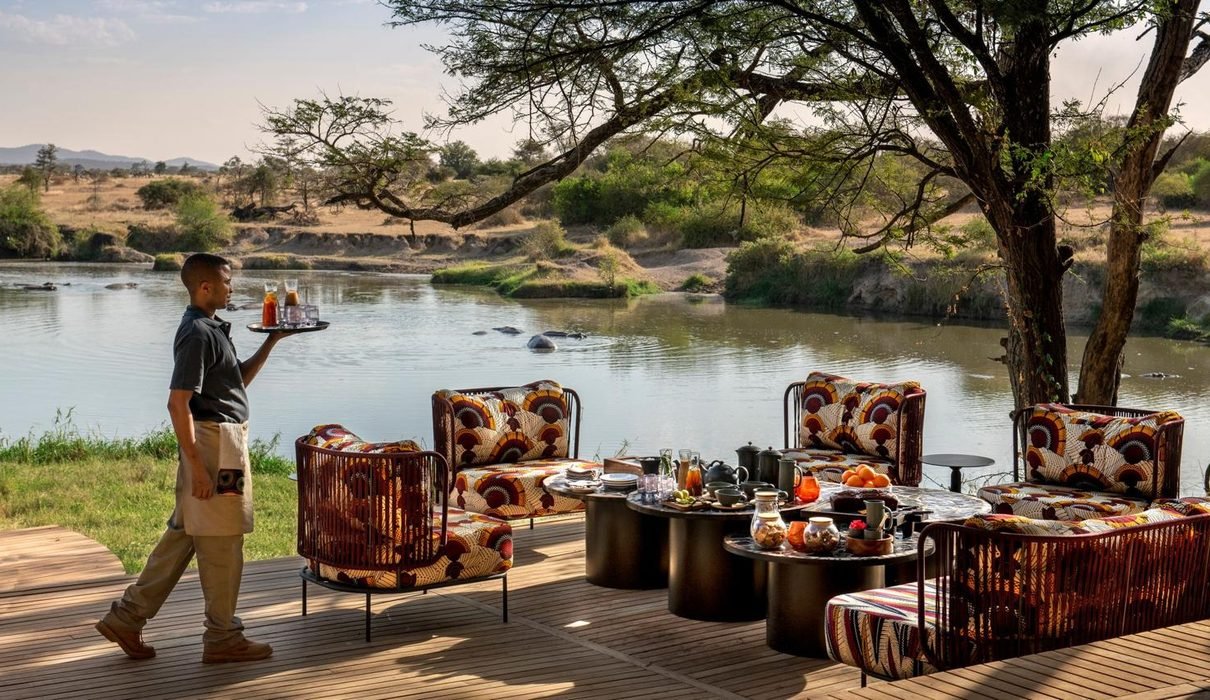
Tanzania offers some of Africa’s finest wildlife experiences, from comfortable luxury lodges overlooking the savannah to adventurous camping safaris surrounded by the sounds of nature. Whether you dream of watching lions in the Serengeti, photographing elephants beneath ancient baobab trees, or enjoying a peaceful evening at a tented camp, there is a Tanzania safari to suit your travel style. For visitors planning their holidays in 2027, 2028, or 2029, choosing the right combination of accommodation, destinations, and activities is the first step towards an enjoyable and well-organised African adventure.
One of the greatest advantages of travelling to Tanzania is the variety of safari experiences available. You can spend your holiday in a luxury lodge with private facilities and carefully prepared meals, choose a comfortable mid-range safari with experienced guides, or enjoy a budget-friendly camping adventure that brings you closer to the natural environment. Each option provides opportunities to explore Tanzania’s national parks, observe wildlife, and experience the landscapes that make the country one of Africa’s leading safari destinations.
At Eddy Tours & Safaris, we arrange private and group wildlife safaris designed around different budgets, travel preferences, and holiday durations. As a local tour company based in Arusha, Tanzania, we help travellers select suitable destinations, accommodation, and activities for their safari experience. Whether you are planning a honeymoon, family holiday, wildlife photography trip, or adventurous camping safari, understanding the available options will help you choose a package that matches your expectations.
Why Tanzania Is One of Africa’s Best Safari Destinations
Tanzania is home to some of Africa’s most important wildlife conservation areas, including Serengeti National Park, Ngorongoro Conservation Area, Tarangire National Park, Lake Manyara National Park, and several other protected landscapes. These destinations support a remarkable variety of animals, including lions, leopards, elephants, buffaloes, giraffes, zebras, wildebeest, cheetahs, and numerous bird species. The country’s extensive protected areas provide opportunities to observe wildlife in different habitats, from open grasslands and woodland to wetlands and volcanic highlands.
The northern Tanzania safari circuit is particularly popular because several famous wildlife destinations can be combined within one itinerary. Travellers can begin in Arusha, explore Tarangire, continue towards Ngorongoro, and spend several days in the Serengeti. This route provides opportunities to experience different landscapes without travelling between multiple countries. However, the parks are spread across a large region, so a well-planned itinerary is important for balancing driving time and wildlife viewing.
Tanzania also offers experiences beyond traditional vehicle-based game drives. Depending on the destination and applicable regulations, visitors may enjoy guided walking safaris, hot-air balloon flights, cultural visits, birdwatching, and photography-focused activities. Travellers with additional holiday time can combine their safari with a Kilimanjaro climbing expedition or Zanzibar beach holiday, creating a varied journey through different parts of the country.
1. Luxury Tanzania Safaris: Comfort in the Heart of the Wilderness
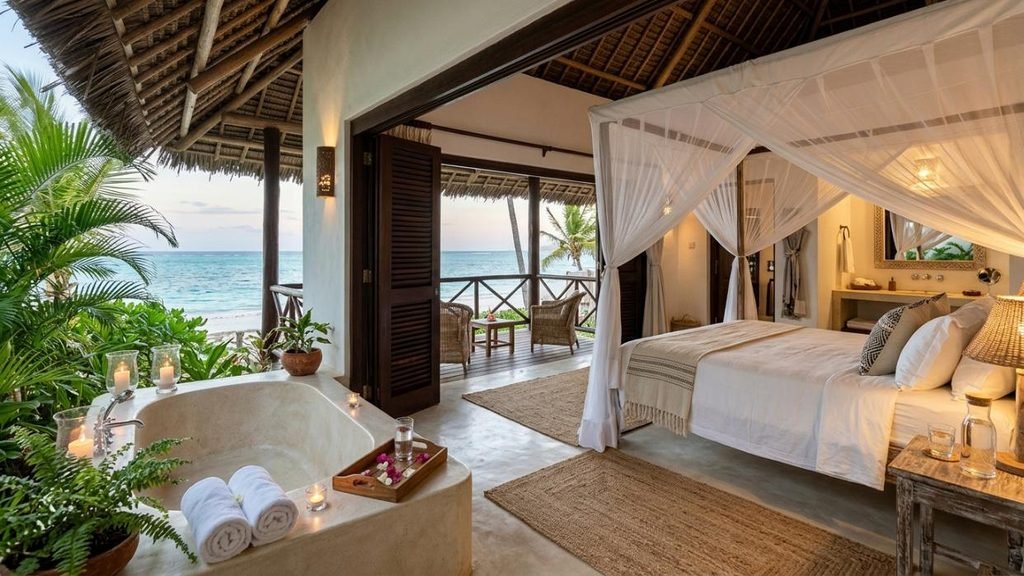
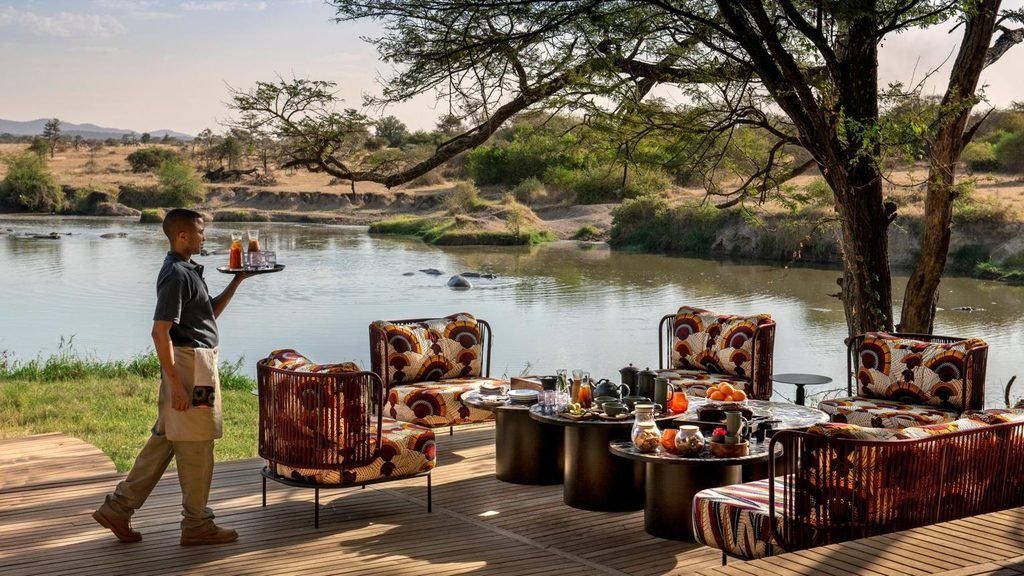
A luxury Tanzania safari combines wildlife viewing with high-quality accommodation, personalised services, and carefully organised travel arrangements. Luxury lodges and tented camps are often located in attractive natural settings, allowing guests to enjoy views of the surrounding landscape while staying in comfortable rooms or suites. Depending on the property, facilities may include private bathrooms, spacious bedrooms, outdoor seating areas, swimming pools, and additional hospitality services.
The main advantage of a luxury safari is the level of comfort and attention to detail. Travellers can enjoy professionally prepared meals, comfortable accommodation, and carefully planned game drives without having to manage daily travel arrangements. Some luxury packages also include domestic flights between destinations, reducing the time spent travelling by road and allowing more time for wildlife activities.
However, luxury accommodation does not guarantee better wildlife sightings. Animals move freely throughout the parks, and sightings depend on natural behaviour, weather, habitat, and the experience of your guide. The value of a luxury safari lies mainly in its comfort, service quality, accommodation location, and overall travel arrangements.
Best Destinations for a Luxury Tanzania Safari
Serengeti National Park is one of the most popular destinations for luxury safaris because of its extensive wildlife populations and variety of accommodation options. Travellers can choose from permanent lodges, luxury tented camps, and seasonal camps located in different regions of the park. The most suitable accommodation depends on the season and the wildlife experiences you want to enjoy.
Ngorongoro Conservation Area also offers luxury accommodation, including properties located near the crater rim and in surrounding highland areas. Staying close to the crater can make early morning game drives more convenient, while the surrounding landscapes provide attractive scenery and cooler temperatures.
Tarangire National Park is another excellent destination for luxury travellers, particularly those interested in elephants, baobab trees, and seasonal wildlife concentrations. Some accommodation properties are located in scenic areas that provide a peaceful atmosphere after a day of game drives.
For more information about Tanzania’s protected wildlife destinations, visit the Tanzania National Parks Authority.
2. Mid-Range Tanzania Safaris: Comfort at a Reasonable Price
Mid-range safaris are a popular choice for travellers who want comfortable accommodation without paying luxury safari prices. These packages commonly include well-maintained lodges or tented camps, private bathrooms, meals, professional safari guides, and transport in suitable 4×4 vehicles. The accommodation may not offer the same level of exclusivity as luxury properties, but it can still provide a comfortable and enjoyable experience.
One of the main advantages of a mid-range safari is the balance between cost and comfort. Travellers can spend their days exploring Tanzania’s national parks and return to accommodation with comfortable beds, meals, and essential facilities. This makes mid-range packages suitable for couples, families, small groups, and first-time safari visitors.
Mid-range safaris can be arranged as private trips or joining-group departures, depending on the itinerary and available arrangements. Private packages provide greater flexibility, while joining groups allow travellers to share transport and guiding costs. Both options can provide rewarding wildlife experiences when organised professionally.
Who Should Choose a Mid-Range Safari?
Mid-range safaris are suitable for travellers who want comfortable accommodation, reliable transport, and professional guiding services while keeping their holiday budget manageable. They are particularly attractive for visitors planning five- to seven-day itineraries covering Tarangire, Serengeti, and Ngorongoro.
Travellers should compare accommodation locations carefully because some lower-priced lodges may be situated farther from the national parks. Choosing accommodation closer to the wildlife areas can reduce transfer times and allow more time for game drives.
3. Budget Tanzania Safaris: Affordable Wildlife Adventures
A budget Tanzania safari provides an opportunity to explore the country’s national parks without paying for expensive accommodation. Budget packages commonly use public campsites, basic lodges, or simpler tented accommodation, depending on the itinerary. These arrangements can make wildlife travel more accessible to students, solo travellers, backpackers, and visitors who prefer spending more of their budget on activities rather than accommodation.
Budget camping safaris can be particularly appealing to adventurous travellers because they provide an opportunity to experience the natural environment more directly. Nights at designated campsites may include the sounds of insects, birds, and distant wildlife, while meals are often prepared by a safari cook or provided through organised catering arrangements.
Although accommodation is simpler, a properly organised budget safari should still include essential services such as a professional guide, suitable transport, national park fees, and the meals specified in the quotation. Travellers should confirm whether camping equipment, sleeping arrangements, and campsite charges are included before booking.
Is a Budget Safari Worth It?
A budget safari can be an excellent choice for travellers who prioritise wildlife viewing over accommodation luxury. The animals you encounter are not determined by the price of your lodge, and budget travellers can enjoy the same national parks as visitors staying in expensive properties.
However, budget safaris may involve shared facilities, simpler meals, and less privacy. Travellers should choose accommodation that matches their comfort expectations rather than selecting the lowest price without reviewing the arrangements.
4. Private Tanzania Safaris: Travel at Your Own Pace
A private Tanzania safari provides a dedicated vehicle and guide for your group, allowing greater flexibility over departure times, wildlife interests, and accommodation arrangements. Private safaris are particularly suitable for families, couples, honeymooners, photographers, and travellers who prefer a personalised experience.
One of the main advantages of a private safari is the ability to spend more time observing wildlife that interests you. For example, photographers may prefer waiting patiently near a pride of lions, while families with children may want shorter game drives and more frequent breaks. A private itinerary can be adjusted to accommodate these preferences while following national park regulations.
Private safaris can be arranged at budget, mid-range, or luxury levels. The final cost depends on the number of travellers, accommodation category, destinations, and travel duration. For groups travelling together, sharing the cost of a private vehicle can sometimes make this option more affordable than expected.
5. Joining-Group Tanzania Safaris: Share the Adventure
Joining-group safaris allow individual travellers to share a safari vehicle and guide with other participants following a similar itinerary. This can reduce the cost per person, particularly for solo travellers who would otherwise pay for a private vehicle.
Group safaris generally follow fixed departure dates and accommodation arrangements. Participants share the game-drive experience, meals, and transport, which can create opportunities to meet travellers from different countries. However, the itinerary is usually less flexible than a private safari because the guide must consider the interests and schedule of the entire group.
When choosing a joining-group safari, confirm the maximum number of participants, vehicle seating arrangements, accommodation category, and included services. A well-organised group safari should provide suitable space for passengers and clear information about the daily schedule.
6. Tanzania Camping Safaris: Experience the Wilderness
Camping safaris provide a different experience from staying in permanent lodges. Depending on the package, travellers may sleep in standard camping tents at designated campsites or stay in more comfortable tented camps with permanent facilities. These options should not be confused, because the accommodation standards and services can differ considerably.
Traditional camping safaris are popular with adventurous travellers who enjoy spending time outdoors. The experience often includes simple meals, shared campsite facilities, and evenings surrounded by natural sounds. Although camping can feel more adventurous, visitors must follow campsite rules and safety instructions, particularly in areas where wildlife may be present.
Luxury tented camps offer a different form of camping experience, combining canvas accommodation with comfortable beds, private bathrooms, and hospitality services. These properties allow travellers to enjoy the atmosphere of the wilderness without giving up many of the comforts associated with permanent lodges.
7. Serengeti National Park: Tanzania’s Most Famous Safari Destination
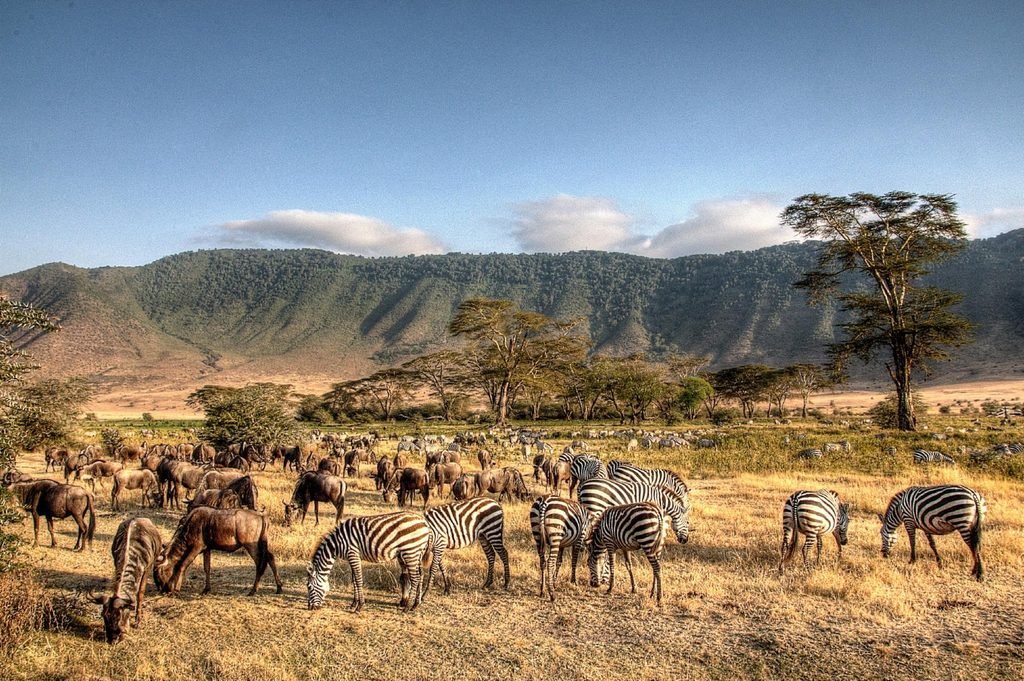
Serengeti National Park is one of Africa’s most famous wildlife destinations, known for its open plains, large predator populations, and the annual Great Wildebeest Migration. The park supports lions, leopards, cheetahs, elephants, giraffes, buffaloes, zebras, wildebeest, and numerous other species.
The Serengeti covers a vast area, and different regions offer different wildlife experiences. The central Serengeti, including the Seronera area, is known for its year-round wildlife populations and predator sightings. The southern plains become particularly important during the calving season, while the western and northern regions are associated with seasonal migration movements and river crossings.
For travellers planning a safari in 2027, 2028, or 2029, spending at least two or three nights in the Serengeti is often advisable. This provides more time to explore different habitats and observe wildlife without rushing between destinations.
The Serengeti is internationally recognised for its conservation importance. Further information is available through the UNESCO Serengeti National Park World Heritage page.
8. Ngorongoro Crater: Wildlife Inside an Ancient Volcano
Ngorongoro Crater is one of Tanzania’s most distinctive wildlife destinations. Formed after the collapse of a large volcano millions of years ago, the crater contains grasslands, woodland, wetlands, and water sources that support numerous animals within a relatively compact area.
Visitors may encounter lions, elephants, buffaloes, zebras, wildebeest, hippos, and various bird species during a crater game drive. Ngorongoro is also one of the places in Tanzania where travellers may have an opportunity to observe the endangered black rhinoceros, although sightings are never guaranteed.
The crater is particularly suitable for shorter safari itineraries because a substantial wildlife experience can be enjoyed during a single game drive. Accommodation is available near the crater rim and in surrounding areas such as Karatu, allowing travellers to select options according to their budget and preferences.
Official information about the conservation area is available through the Ngorongoro Conservation Area Authority.
9. Tarangire National Park: Elephants and Ancient Baobab Trees
Tarangire National Park is particularly famous for its elephants, ancient baobab trees, and seasonal wildlife concentrations. The park contains woodland, grasslands, wetlands, and riverine habitats that support giraffes, zebras, buffaloes, lions, antelopes, and numerous bird species.
During the dry season, generally between June and October, the Tarangire River becomes an important water source for wildlife. Animals from surrounding areas may gather near the river, creating opportunities for rewarding game drives and wildlife photography.
Tarangire is conveniently located within driving distance of Arusha, making it a practical first destination for many northern Tanzania safaris. It also provides a different landscape from the Serengeti, allowing travellers to experience greater wildlife diversity during their holiday.
10. Lake Manyara National Park: Forests, Birdlife and Scenic Landscapes
Lake Manyara National Park is known for its groundwater forest, scenic landscapes, and birdlife. The park supports elephants, buffaloes, giraffes, monkeys, and various bird species. Its combination of forest and lake habitats provides a different environment from the open grasslands of the Serengeti.
Lake Manyara can be included in longer safari itineraries or used as an alternative to Tarangire, depending on your interests and available time. However, travellers with limited days should avoid including too many parks at the expense of time in the Serengeti.
11. Great Wildebeest Migration Safaris in 2027, 2028 and 2029
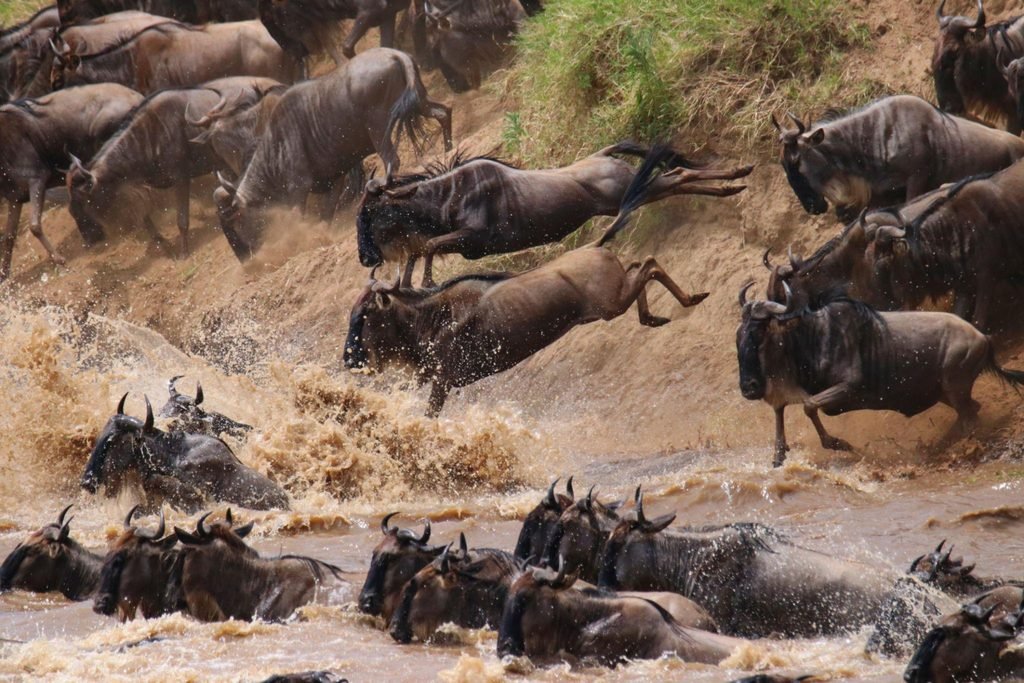
The Great Wildebeest Migration is one of Tanzania’s most famous wildlife events. More than a million wildebeest, accompanied by hundreds of thousands of zebras and other grazing animals, move through the Serengeti-Mara ecosystem following seasonal rainfall and the availability of fresh grass.
The migration does not follow fixed dates because animal movements depend on environmental conditions. However, different regions are generally associated with different periods of the year.
| Months | Expected Migration Region | Main Wildlife Experience |
|---|---|---|
| January–March | Southern Serengeti and Ndutu | Calving season and predator activity |
| April–May | Southern and central Serengeti | Seasonal herd movements |
| May–July | Western corridor | Migration movements and possible river crossings |
| July–October | Northern Serengeti | Large herds and possible Mara River crossings |
| October–December | Northern, eastern and central Serengeti | Seasonal movements towards southern grazing areas |
Travellers interested in river crossings should consider spending several nights in the northern Serengeti during suitable migration periods. However, crossings are unpredictable natural events, and no safari operator can guarantee that they will occur during a particular game drive.
12. Best Time to Visit Tanzania for a Safari in 2027–2029
Tanzania offers wildlife viewing throughout the year, but different seasons provide different experiences. The dry season, generally from June to October in much of northern Tanzania, is popular because animals often gather near available water sources and vegetation may be less dense. Tarangire can be particularly rewarding during this period, while Serengeti and Ngorongoro continue to support wildlife throughout the year.
January and February are also attractive months, particularly for travellers interested in the southern Serengeti and Ndutu calving season. During this period, large wildebeest herds may gather on the short-grass plains, creating opportunities to observe newborn calves and predator activity.
The wetter months can bring greener landscapes, fewer visitors in some destinations, and rewarding birdwatching opportunities. Rainfall may affect road conditions and wildlife visibility, but it also creates beautiful scenery.
For travel in 2027, 2028, or 2029, the best dates depend on your preferred wildlife experiences and the destinations included in your itinerary.
13. Recommended Tanzania Safari Packages for 2027, 2028 and 2029
Different travellers require different safari durations. Some visitors have only three or four days available, while others prefer a full week or longer to explore the national parks. The following options provide a practical starting point when selecting a safari package.
| Safari Package | Main Destinations | Suitable For |
|---|---|---|
| 3-Day Tanzania Safari | Tarangire and Ngorongoro | Short holidays |
| 4-Day Tanzania Safari | Serengeti and Ngorongoro | Travellers with limited time |
| 5-Day Tanzania Safari | Tarangire, Serengeti and Ngorongoro | First-time visitors |
| 6-Day Tanzania Safari | Tarangire, Serengeti and Ngorongoro | More wildlife viewing time |
| 7-Day Tanzania Safari | Tarangire, Serengeti and Ngorongoro | Balanced safari experience |
| 8-Day Tanzania Safari | Northern circuit with additional nights | Wildlife enthusiasts |
| 10-Day Tanzania Safari | Extended northern circuit | Photography and longer holidays |
These are suggested itinerary combinations rather than fixed departure schedules. The final route should be adjusted according to accommodation availability, seasonal wildlife movements, and the traveller’s preferred pace.
14. Sample 7-Day Tanzania Safari: Luxury or Adventure
A seven-day Tanzania safari provides enough time to explore several major northern Tanzania wildlife destinations while allowing more time for game drives than shorter packages. The following itinerary can be arranged with luxury lodges, comfortable mid-range accommodation, or budget camping, depending on your preferences.
Day 1: Arrival in Arusha
Upon arrival at Kilimanjaro International Airport, your driver will meet you and transfer you to your hotel in Arusha. Depending on your arrival time, you may relax after your international journey or explore part of the town. Your safari guide will explain the itinerary and provide information about the upcoming wildlife experience.
Day 2: Arusha to Tarangire National Park
After breakfast, you will travel towards Tarangire National Park for a game drive. The park is famous for elephants, baobab trees, and seasonal wildlife concentrations. After exploring suitable wildlife areas and enjoying a picnic lunch, you will continue to your accommodation near Tarangire or Karatu.
Day 3: Tarangire or Karatu to Serengeti National Park
Your journey continues towards Serengeti National Park, passing through the highlands of the Ngorongoro Conservation Area. After entering the Serengeti, you will enjoy a game drive while travelling towards your lodge or tented camp. Depending on your arrival time, you may encounter lions, elephants, giraffes, zebras, and other wildlife.
Day 4: Full-Day Serengeti Game Drive
Today is dedicated to exploring the Serengeti. Your guide will select suitable wildlife areas according to the season and animal movements, allowing time for photography and observation. You may encounter lions, leopards, cheetahs, elephants, and other animals, although sightings are never guaranteed.
Day 5: Another Full Day in the Serengeti
A second full day provides additional opportunities to observe wildlife and explore different habitats. Depending on your interests, the day may focus on predators, large herbivores, or seasonal migration activity in accessible areas.
Day 6: Serengeti to Ngorongoro Conservation Area
After breakfast, you will enjoy a final game drive while travelling out of the Serengeti towards Ngorongoro. The journey passes through changing landscapes, from open grasslands to cooler highlands. You will spend the night near the crater rim or in Karatu, preparing for the following day’s crater visit.
Day 7: Ngorongoro Crater Game Drive and Return to Arusha
Your final safari day begins with an early game drive inside Ngorongoro Crater. The crater supports lions, elephants, buffaloes, zebras, wildebeest, hippos, and numerous bird species. You may also have an opportunity to observe the endangered black rhinoceros, although sightings are never guaranteed. After lunch, you will ascend from the crater and travel back to Arusha.
15. How Much Does a Tanzania Safari Cost in 2027, 2028 and 2029?
The cost of a Tanzania safari depends on the number of days, accommodation category, group size, travel season, and transport arrangements. Budget safaris generally use simpler accommodation, while mid-range packages provide comfortable lodges or tented camps. Luxury safaris may feature premium accommodation, private transfers, and additional services.
National park fees, accommodation, meals, safari vehicle expenses, fuel, and professional guiding services represent a significant portion of the total cost. Travellers should compare packages carefully because two safaris with the same duration may include different accommodation standards, park nights, or transport arrangements.
For travel in 2027, 2028, or 2029, request an updated quotation based on your preferred dates and number of travellers. Park fees, accommodation rates, and operating costs may change, so older published prices should not be treated as guaranteed.
16. Combine Your Tanzania Safari with Zanzibar or Kilimanjaro
Many travellers combine their Tanzania safari with a Kilimanjaro climbing expedition or Zanzibar beach holiday. This allows visitors to experience different parts of Tanzania within one journey, from wildlife-filled national parks to mountain landscapes and Indian Ocean beaches.
Zanzibar is particularly popular after a safari because it provides an opportunity to relax following several days of game drives. Depending on flight availability, travellers may fly from Arusha or selected Serengeti airstrips to Zanzibar. Those interested in mountain trekking can also arrange a Kilimanjaro climb before or after their safari, although adequate rest time is important.
Combining activities can be convenient when transport and accommodation are organised together. However, travellers should allow enough time for transfers and avoid filling every available day with long journeys.
Frequently Asked Questions About Tanzania Safaris
What Is the Difference Between Luxury and Budget Tanzania Safaris?
Luxury safaris generally include premium accommodation, additional services, and more comfortable travel arrangements. Budget safaris use simpler accommodation and may involve camping or shared facilities. Both options provide opportunities to explore Tanzania’s national parks.
Is a Luxury Tanzania Safari Worth the Cost?
A luxury safari can be worthwhile for travellers who value comfort, personalised services, and high-quality accommodation. However, wildlife sightings depend on natural conditions rather than accommodation prices.
How Many Days Are Enough for a Tanzania Safari?
Five to seven days provides a good balance for many first-time visitors exploring the northern safari circuit. Shorter safaris can still be enjoyable when they focus on nearby destinations such as Tarangire and Ngorongoro.
Can I Book a Private Tanzania Safari?
Yes. Private safaris can be arranged for couples, families, groups of friends, and solo travellers. They provide greater flexibility over accommodation, departure times, and wildlife interests.
What Is the Best Time for a Tanzania Safari?
June to October is popular because of generally dry conditions and rewarding wildlife viewing. January and February are also attractive, particularly for travellers interested in seasonal wildlife activity in the southern Serengeti ecosystem.
Can I Combine a Safari with Zanzibar?
Yes. Many travellers combine a Tanzania safari with a Zanzibar beach holiday. The itinerary can include domestic flights, airport transfers, and beach accommodation depending on your travel preferences.
Find Your Perfect Tanzania Safari for 2027, 2028 or 2029
From luxury lodges overlooking the savannah to adventurous camping experiences surrounded by nature, Tanzania offers safari options for different travel styles and budgets. The best choice depends on the level of comfort you prefer, the wildlife destinations you want to explore, and the amount of time available for your holiday.
Whether you choose a luxury safari, mid-range lodge experience, private wildlife tour, or budget camping adventure, Tanzania’s national parks provide opportunities to observe remarkable animals in their natural habitats. A carefully planned itinerary, suitable accommodation, and experienced local guides can help make your safari comfortable, enjoyable, and rewarding.
Eddy Tours & Safaris is a local tour company in Arusha, Tanzania, arranging professionally guided wildlife safaris, Kilimanjaro climbing trips, and private holidays. Our team can help you plan a Tanzania safari for 2027, 2028, or 2029 according to your preferred destinations, accommodation category, group size, and budget.
Contact Eddy Tours & Safaris
Location: Arusha, Tanzania
Email: sales@eddytours-safaris.com
Phone/WhatsApp: +255 711 906 664
Website: Eddy Tours & Safaris
Booking enquiries: Request your Tanzania safari quotation