
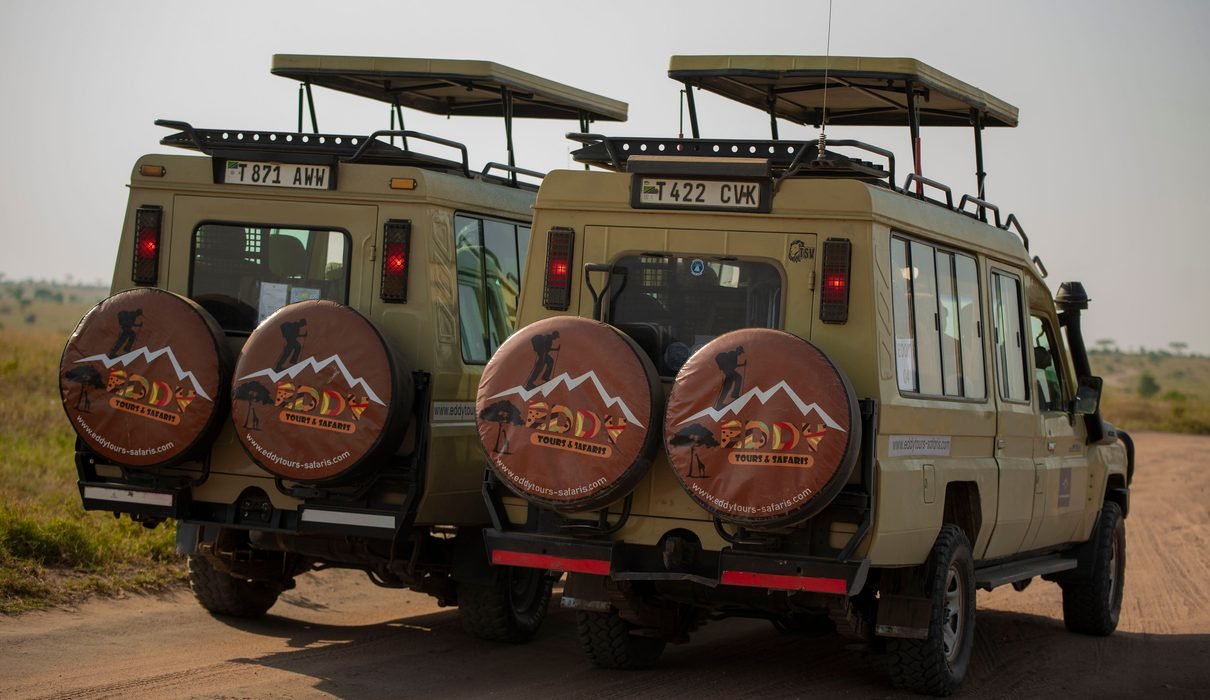
Planning a visit to Serengeti National Park is one of the most important parts of organising a Tanzania safari, especially for travellers visiting East Africa for the first time. The Serengeti is famous for its vast open plains, large populations of wildlife, and the annual Great Wildebeest Migration, but reaching the park requires some preparation because it is located several hours away from Tanzania’s main international airports and major cities. Whether you are travelling from Arusha, Kilimanjaro International Airport, Dar es Salaam, Zanzibar, Mwanza, or Nairobi, understanding the available transport routes will help you choose the most practical and affordable way to begin your safari.
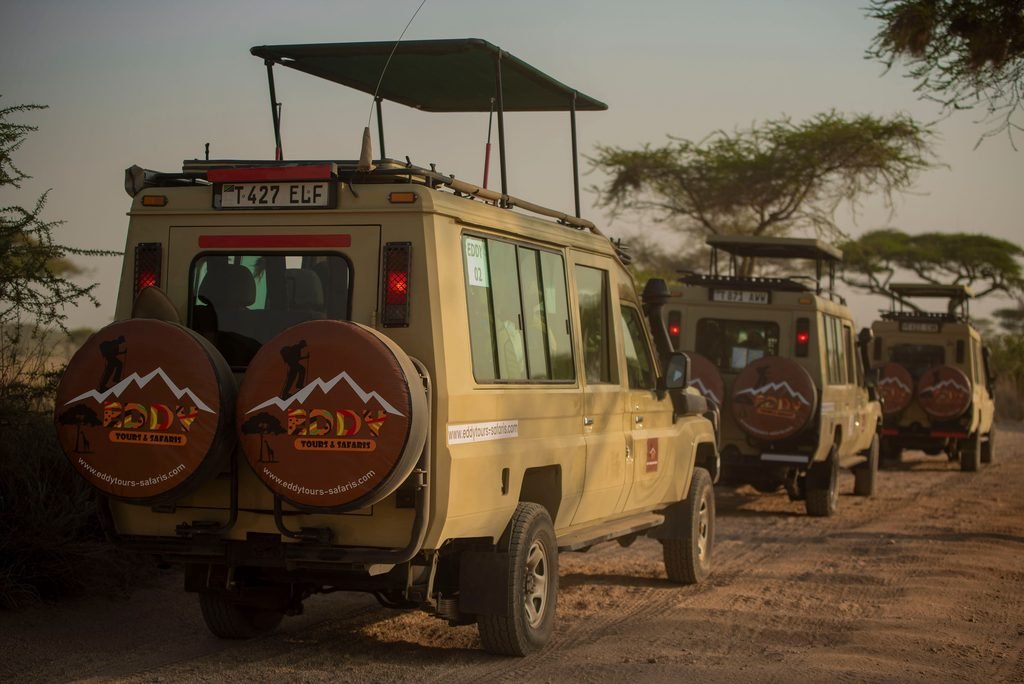
The good news is that getting to Serengeti National Park in 2027 or 2028 is relatively straightforward when the journey is properly arranged. Visitors can travel by road in a four-wheel-drive safari vehicle, take a domestic flight to one of the airstrips inside the park, or combine road transport and air travel. Each option has advantages depending on your travel budget, available time, accommodation location, and the part of the Serengeti you intend to visit. Road safaris are particularly popular because they allow travellers to explore other destinations along the northern Tanzania safari circuit, while flights are convenient for visitors who want to spend less time travelling and more time watching wildlife.
At Eddy Tours & Safaris, a locally based tour company in Arusha, Tanzania, we help travellers organise road safaris, fly-in safari arrangements, airport transfers, and multi-day wildlife holidays across northern Tanzania. This updated guide explains the main ways to reach Serengeti National Park, the approximate driving distances, important entry gates, airport connections, and practical travel considerations for visitors planning a safari in 2027 and 2028.
Where Is Serengeti National Park Located in Tanzania?
Serengeti National Park is located in northern Tanzania and covers approximately 14,763 square kilometres of protected savannah, grassland, woodland, river valleys, and rocky outcrops. It forms part of the wider Serengeti-Mara ecosystem, which extends into Kenya’s Maasai Mara region and supports the seasonal movement of millions of wildebeest, zebras, and other grazing animals. The park is one of Tanzania’s most important wildlife destinations and attracts visitors interested in African wildlife, photography, nature, and the Great Migration.
Arusha is the main starting point for most Serengeti safaris because it is connected to Kilimanjaro International Airport and lies close to the northern safari circuit. From Arusha, travellers normally drive west through Karatu and the Ngorongoro Conservation Area before entering Serengeti National Park through Naabi Hill Gate. The journey to the central Serengeti usually takes approximately seven to nine hours, depending on road conditions, stops, and the exact location of the accommodation.
The Serengeti is a large national park, so it is important to understand that reaching its entrance does not necessarily mean reaching your lodge or campsite. Accommodation in the central Serengeti, northern Serengeti, Western Corridor, and southern plains can be separated by several hours of driving. Travellers should therefore choose their accommodation and safari route together rather than booking a hotel without considering the distance from the nearest entrance gate or airstrip.
Best Ways to Get to Serengeti National Park in 2027 and 2028
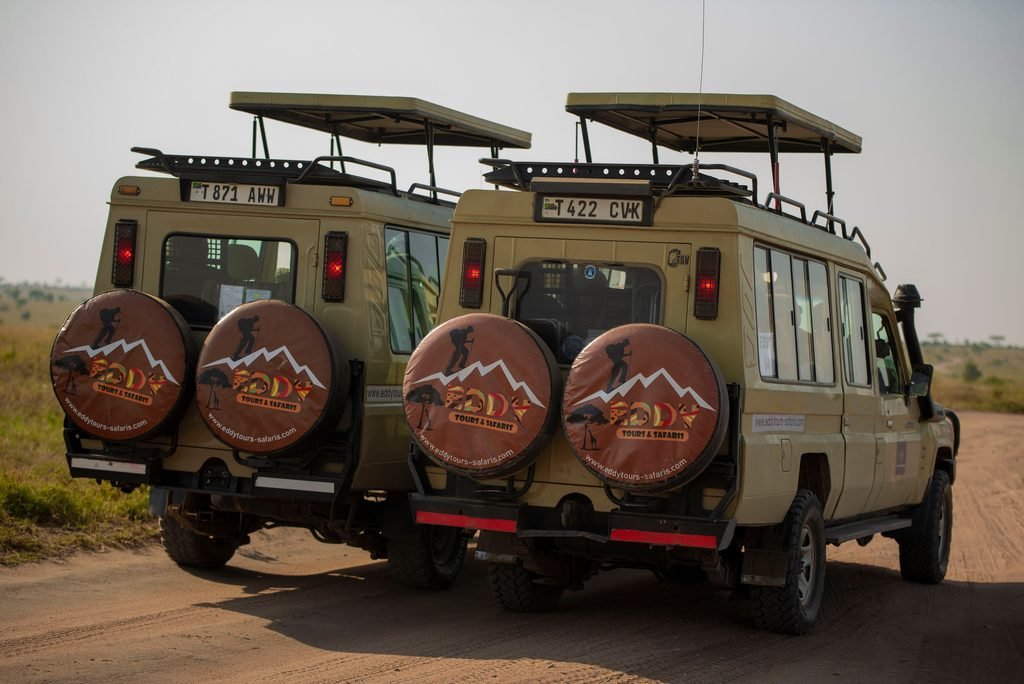
There are two main ways to reach Serengeti National Park: by road or by air. Travelling by road is generally the more affordable option for visitors who want to explore several national parks during one holiday, while flying is often more convenient for travellers with limited time or those staying in remote parts of the Serengeti. A third option is to combine both methods, travelling by road through the northern safari circuit and returning to Arusha or another destination by domestic flight.
1. Getting to Serengeti National Park by Road From Arusha
Travelling from Arusha to Serengeti National Park by road is one of the most popular ways to begin a Tanzania wildlife safari. The journey normally follows the main northern safari circuit through Makuyuni, Mto wa Mbu, Karatu, and the Ngorongoro Conservation Area before continuing to Naabi Hill Gate, the principal entrance used by visitors arriving from the southeast. This route is particularly attractive because it passes through different landscapes, including farming communities, the Great Rift Valley area, the Ngorongoro highlands, and the open plains leading towards the Serengeti.
The distance from Arusha to Naabi Hill Gate is approximately 255 kilometres, while the journey to the central Serengeti around Seronera is roughly 300 to 325 kilometres, depending on the route and destination. Travellers should allow around six to seven hours to reach Naabi Hill Gate and approximately seven to nine hours or longer to reach accommodation in the central Serengeti. The actual journey can take longer when there are photography stops, wildlife sightings, road delays, or additional activities along the way.
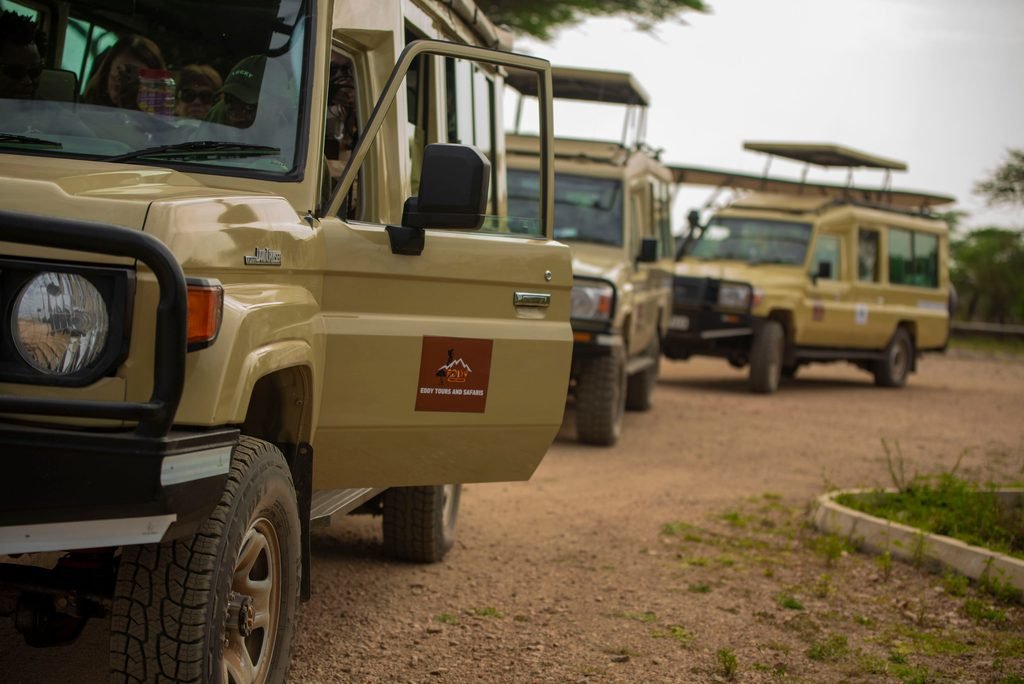
The first section of the journey from Arusha towards Karatu follows a paved road, making travel relatively comfortable. After entering the Ngorongoro Conservation Area, the route includes gravel and unpaved sections, and the road may become dusty during the dry season or muddy following heavy rainfall. For this reason, a suitable four-wheel-drive safari vehicle is strongly recommended, especially when travelling inside the national park.
Travelling with a professional safari driver-guide is generally the easiest arrangement because the guide handles navigation, park procedures, road conditions, and wildlife viewing along the route. Visitors who prefer a complete organised holiday can explore our Tanzania Safari Packages to compare different travel durations and accommodation arrangements.
2. Getting to Serengeti National Park by Domestic Flight
Flying to Serengeti National Park is one of the fastest ways to reach the park, particularly for travellers who want to avoid a long road journey. Small aircraft operate between several Tanzanian airports and airstrips located within or near the Serengeti. These flights are commonly used by visitors staying in tented camps, safari lodges, or remote wildlife areas where driving from Arusha would take most of the day.
Flights from Arusha Airport to Seronera Airstrip in the central Serengeti commonly take around one to two hours, depending on the aircraft, route, and number of stops. Flights to more distant areas, such as Kogatende in the northern Serengeti, may take longer because aircraft sometimes land at other airstrips to collect or drop off passengers. The exact flight duration should always be confirmed when booking, particularly if you are connecting from an international flight.
Domestic safari airlines such as Coastal Aviation and Auric Air operate routes serving Tanzania’s safari destinations, although schedules, departure points, and operating days may change. Travellers should confirm the latest 2027 or 2028 flight timetable before making international connections or paying for accommodation. Most safari aircraft have stricter luggage limits than international airlines, and soft-sided bags are often preferred because storage space is limited.
After landing at a Serengeti airstrip, travellers are usually collected by a safari guide or lodge representative and transferred to their accommodation. This transfer may also include wildlife viewing, depending on the location and arrangements. It is important to understand that the airstrip is not always close to the lodge, and some properties require an additional drive of one hour or more.
3. Combining Road Travel and Flying for a Serengeti Safari
A road-and-air safari is an excellent choice for travellers who want to experience the landscapes of northern Tanzania without spending too much time travelling in both directions. One popular arrangement is to begin the safari in Arusha, visit Tarangire National Park and Ngorongoro Crater by road, continue into Serengeti National Park, and then fly back to Arusha or onward to Zanzibar after completing the wildlife experience.
This arrangement gives travellers the opportunity to enjoy the scenic road journey through the northern highlands while avoiding the return drive from Serengeti to Arusha. It can be particularly useful for families, honeymoon couples, older travellers, and visitors who have limited holiday time. Although domestic flights increase the overall safari cost, they can make the itinerary more comfortable and allow additional time for game drives.
Another option is to fly directly into Serengeti National Park at the beginning of the holiday and travel back to Arusha by road through Ngorongoro and other destinations. The most suitable direction depends on flight schedules, accommodation availability, and the location of wildlife during the travel period.
How to Get to Serengeti National Park From Different Locations
From Kilimanjaro International Airport to Serengeti National Park
Kilimanjaro International Airport, commonly identified by the airport code JRO, is one of the main international arrival points for travellers visiting northern Tanzania. The airport is located between Arusha and Moshi and receives international and regional flights connecting Tanzania with destinations in Africa, the Middle East, and other international travel hubs.
Travellers arriving at Kilimanjaro International Airport can reach Serengeti National Park by arranging a road transfer through Arusha or by connecting to a domestic safari flight. The drive from the airport to Arusha usually takes approximately one to one and a half hours, depending on traffic and the exact destination. From Arusha, the journey continues through the northern safari circuit towards the Serengeti.
For visitors arriving late in the afternoon or evening, spending the first night in Arusha is often the most practical arrangement. This allows time to rest after the international journey and begin the safari early the following morning. Travellers arriving on morning flights may be able to continue towards Tarangire, Lake Manyara, or Karatu, depending on their itinerary and the time required for immigration, baggage collection, and airport procedures.
From Dar es Salaam to Serengeti National Park
Dar es Salaam is Tanzania’s largest city and an important international transport centre, but it is located far from Serengeti National Park. Travelling directly from Dar es Salaam to the Serengeti by road involves a long journey across the country and is generally not the most convenient option for travellers planning a short safari.
The most practical way to reach the Serengeti from Dar es Salaam is usually by domestic flight. Depending on the airline and available schedule, travellers may be able to book a flight serving a Serengeti airstrip or connect through Arusha, Kilimanjaro, or another domestic aviation hub. Flight schedules vary, and some services may operate only on particular days or according to passenger demand.
Travellers who prefer road transport can travel from Dar es Salaam towards Arusha and continue through the northern safari circuit, but this requires considerably more time. For most international visitors planning a three-day, four-day, or six-day Serengeti safari, flying to northern Tanzania is a more practical choice than spending additional days on the road.
From Zanzibar to Serengeti National Park
Zanzibar is one of the most popular destinations to combine with a Tanzania wildlife safari, especially for travellers who want to experience both the national parks and the beaches of the Indian Ocean. Visitors staying in Stone Town, Nungwi, Kendwa, Paje, or other parts of Zanzibar can travel to Serengeti National Park by domestic flight, subject to the available schedule.
Some safari flights connect Zanzibar with Serengeti airstrips, while other journeys require a connection through Arusha or another airport. The total travel time depends on the route, the number of stops, and the destination airstrip. Visitors should not assume that every advertised flight is nonstop, as some safari services make intermediate landings before reaching the Serengeti.
Combining Zanzibar with a Serengeti safari is particularly suitable for couples, families, and honeymoon travellers who want a varied holiday. A typical arrangement might include three to five days of wildlife viewing followed by several nights on Zanzibar’s beaches. Travellers can discuss a combined itinerary with Eddy Tours & Safaris to coordinate airport transfers, domestic flights, safari accommodation, and the beach portion of their holiday.
From Mwanza to Serengeti National Park
Mwanza is located on the southern shores of Lake Victoria and provides an alternative starting point for travellers visiting the western side of Serengeti National Park. The city is particularly convenient for visitors arriving from western Tanzania or those interested in combining a wildlife safari with a visit to Lake Victoria.
The main road route from Mwanza enters the park through Ndabaka Gate, located on the western side of the Serengeti. The drive from Mwanza to Ndabaka Gate normally takes approximately two and a half to three hours, although the actual time depends on the starting point and traffic. From the gate, travellers continue along park roads towards the Western Corridor or central Serengeti, which requires additional driving time.
This route is useful for visitors whose safari concentrates on the western Serengeti, especially during periods when migrating wildebeest may be moving through the Grumeti region. It also provides an alternative for travellers who do not want to approach the park through Ngorongoro. However, visitors staying in the central or northern Serengeti should calculate the additional distance inside the park before choosing Mwanza as their arrival point.
From Nairobi, Kenya, to Serengeti National Park
Travellers visiting Kenya and Tanzania during the same holiday often ask whether they can drive directly from Maasai Mara National Reserve into Serengeti National Park. Although these two wildlife destinations form part of the same wider ecosystem, there is no routine direct tourist road crossing between Maasai Mara and Serengeti National Park.
Visitors travelling from Nairobi can fly to Kilimanjaro International Airport or another suitable Tanzanian airport and continue to the Serengeti by road or domestic flight. Alternatively, travellers can cross the Kenya–Tanzania border through an authorised immigration point, such as the Isebania–Sirari crossing, before continuing by road towards the Serengeti. This overland arrangement requires careful planning because travel distances, immigration procedures, and vehicle arrangements can make the journey lengthy.
Travellers should confirm passport, visa, and immigration requirements for both countries before departure. It is also important to coordinate the Kenyan and Tanzanian safari operators, since vehicles and guides may need to change at the border. A properly arranged Kenya and Tanzania safari can include Maasai Mara, Serengeti, Ngorongoro, and other wildlife destinations without assuming that the two parks have a direct tourist crossing.
Main Entrance Gates to Serengeti National Park
Serengeti National Park has several entry and exit gates serving different regions. Choosing the correct gate can reduce unnecessary driving and make the safari itinerary more efficient.
Naabi Hill Gate – Best for Travellers From Arusha and Ngorongoro
Naabi Hill Gate is the most commonly used entrance for visitors travelling from Arusha through the Ngorongoro Conservation Area. It is located on the southeastern side of Serengeti National Park and serves as the main entry point for many northern Tanzania road safaris. The gate is particularly convenient for travellers continuing towards Seronera and the central Serengeti.
The surrounding area offers open grassland scenery, and wildlife may be seen along the road approaching the entrance. Visitors travelling through Ngorongoro should remember that the conservation area and Serengeti National Park are managed separately, with different entry requirements and applicable fees.
Ndabaka Gate – Best for Travellers From Mwanza
Ndabaka Gate is located on the western side of Serengeti National Park and is commonly used by visitors arriving from Mwanza and the Lake Victoria region. It provides access to the Western Corridor, where the landscape includes woodland, river systems, and open grasslands.
This entrance can be convenient for visitors planning a safari focused on western Serengeti, although the drive to central Serengeti still requires several hours along park roads.
Fort Ikoma Gate – Access to the Northwestern Serengeti
Fort Ikoma Gate serves the northwestern part of Serengeti National Park and is useful for travellers approaching from the Mugumu and Musoma areas or staying at accommodation outside the park boundary near Ikoma. It can also be used when planning certain routes through the western and central Serengeti.
The gate’s suitability depends on the location of the accommodation and the intended game-drive route. Visitors should confirm the correct entrance with their safari operator rather than selecting a gate based only on its apparent distance on a map.
Klein’s Gate – Access to the Northeastern Serengeti
Klein’s Gate is situated in the northeastern part of the Serengeti and provides access from the Loliondo side of northern Tanzania. It can be useful for certain specialised safari itineraries and accommodation arrangements in the northern and northeastern Serengeti.
The roads approaching this part of the park can be remote and rough, so the route is best arranged with a driver-guide familiar with the area. Klein’s Gate is not normally the first choice for travellers arriving from Arusha and heading to the central Serengeti.
Serengeti National Park Airstrips and Where to Land
Choosing the correct Serengeti airstrip is just as important as choosing the correct entrance gate. The park covers a large area, and landing at an airstrip far from your accommodation may result in several additional hours of driving. Travellers should therefore confirm the nearest suitable airstrip with their safari operator or accommodation provider before booking a domestic flight.
Seronera Airstrip – Central Serengeti
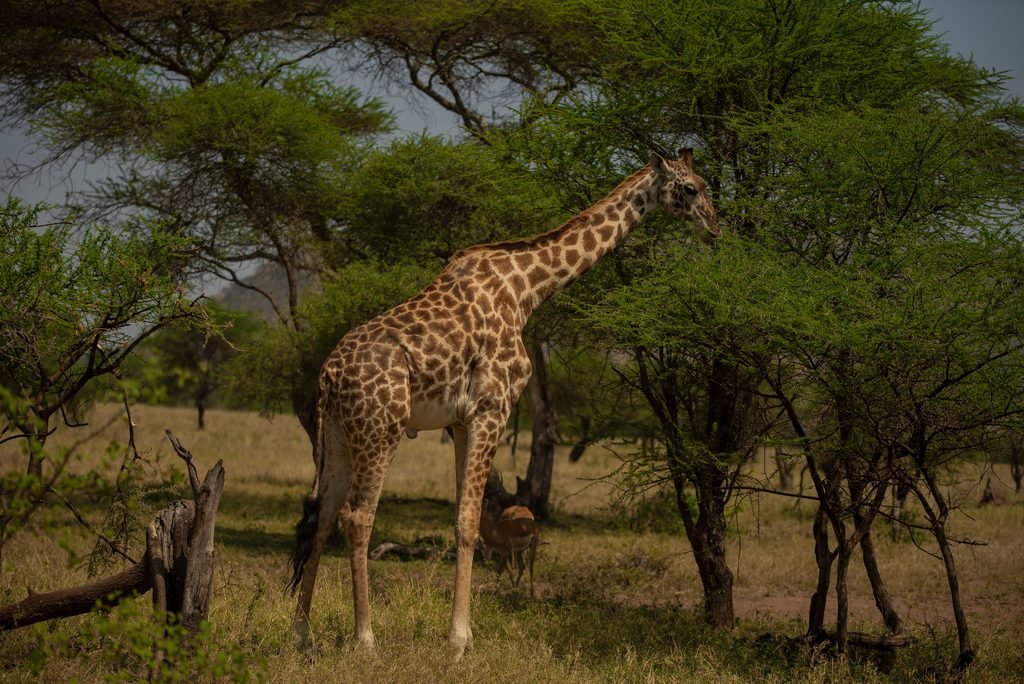
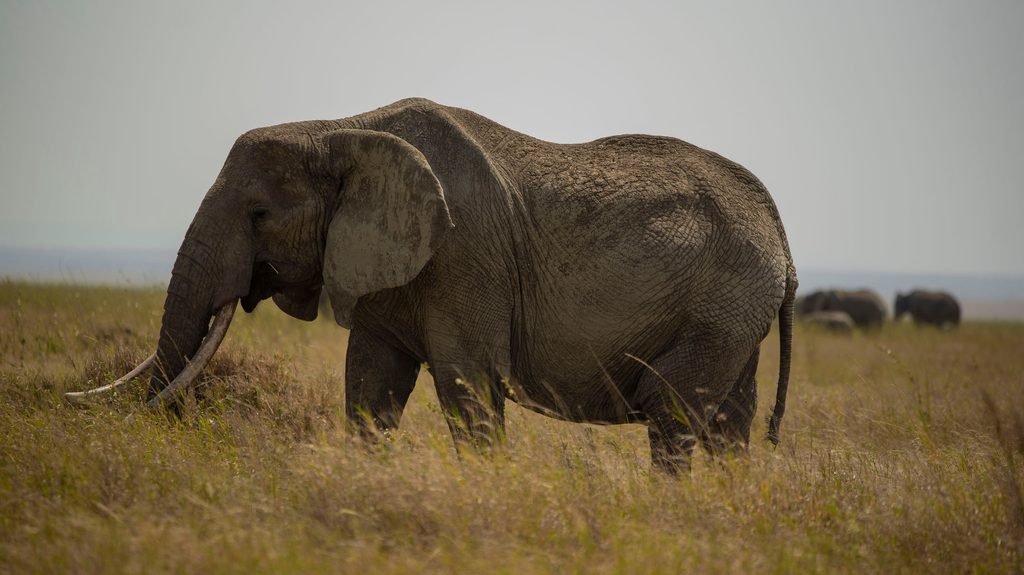
Seronera Airstrip is one of the main arrival points for visitors flying into central Serengeti National Park. It serves numerous lodges, tented camps, and safari arrangements in the central region, where wildlife viewing is available throughout much of the year. This is often a practical choice for first-time visitors who want to explore the Serengeti’s resident wildlife populations, including lions, leopards, elephants, giraffes, and various grazing animals.
Kogatende Airstrip – Northern Serengeti
Kogatende Airstrip serves the northern Serengeti and is particularly useful for travellers visiting the Mara River region during the migration season. The area is popular with visitors hoping to observe wildebeest river crossings, which are generally associated with the months from July to October, although the exact timing changes from year to year.
Because northern Serengeti is far from the central park region, flying into Kogatende can save considerable driving time. However, travellers should remember that river crossings are natural events and cannot be guaranteed on a particular date.
Lobo Airstrip – Northeastern Serengeti
Lobo Airstrip serves the northeastern Serengeti, an area known for rocky outcrops, woodland, open plains, and wildlife movements between the central and northern regions. It may be convenient for travellers staying in the Lobo area or planning a safari that explores the less frequently visited northeastern landscapes.
Kirawira Airstrip – Western Corridor
Kirawira Airstrip serves the western Serengeti and the Grumeti region. This part of the park is associated with seasonal wildebeest movements, river habitats, and wildlife viewing in a landscape that differs from the central plains. It can be a suitable arrival point for travellers staying in western Serengeti accommodation or planning a safari around the Grumeti area.
Kusini and Southern Serengeti Airstrips
The southern Serengeti and neighbouring Ndutu region are particularly important during the wildebeest calving season, which usually occurs around January to March. Airstrips serving the southern plains can reduce travel time for visitors who want to focus on this seasonal wildlife activity.
It is important to distinguish between Serengeti National Park and the adjoining Ngorongoro Conservation Area because some accommodation and airstrips associated with the Ndutu region are located outside the national park boundary. The correct airstrip, park permits, and transfer arrangements should be confirmed before departure.
How Long Does It Take to Get to Serengeti National Park?
The following travel times are approximate and intended to help visitors plan their journey. They are not fixed schedules, and actual travel times can change according to weather, road conditions, aircraft stops, and the location of the lodge or campsite.
| Starting Point | Main Transport Option | Approximate Travel Time |
|---|---|---|
| Arusha to Naabi Hill Gate | 4×4 safari vehicle | 6–7 hours |
| Arusha to Central Serengeti | 4×4 safari vehicle | 7–9 hours or longer |
| Arusha to Seronera | Domestic flight | Around 1–2 hours |
| Kilimanjaro Airport to Arusha | Road transfer | 1–1.5 hours |
| Mwanza to Ndabaka Gate | Road transfer | 2.5–3 hours |
| Zanzibar to Serengeti | Domestic flight | Depends on routing and stops |
| Dar es Salaam to Serengeti | Domestic flight | Depends on routing and connections |
| Nairobi to Serengeti | International and domestic travel | Depends on flights or border route |
Travellers should allow additional time for airport check-in, baggage handling, park registration, and transfers between airstrips and accommodation. For a road safari, it is advisable to avoid planning an international departure immediately after a long drive from Serengeti because unexpected delays may affect the journey.
How Much Does It Cost to Travel to Serengeti National Park?
The cost of reaching Serengeti National Park depends on whether you travel by road or air, the number of people sharing the transport, and the services included in the safari package. Road transport can be economical for groups because the vehicle and driver-guide costs are shared, while domestic flights generally involve separate ticket charges for each passenger.
A private safari vehicle includes several operating expenses, such as fuel, driver-guide services, vehicle maintenance, and applicable park-related charges. Travellers booking an organised safari may find that these expenses are already included in the package price, while independent travellers must calculate them separately.
Domestic flights are usually more expensive than sharing a safari vehicle, particularly for families or larger groups. Flight prices also vary according to the route, airline, season, and availability. Travellers should request current quotations rather than relying on old published fares when planning a 2027 or 2028 safari.
In addition to transport, visitors should budget for Serengeti National Park entrance fees, accommodation, meals, guiding services, and any applicable Ngorongoro Conservation Area charges. Visitors passing through Ngorongoro may need to pay conservation area fees even when they are travelling onward to Serengeti rather than descending into the crater.
For travellers comparing different holiday budgets, Eddy Tours & Safaris can help explain the difference between budget camping safaris, mid-range lodge safaris, and private fly-in arrangements.
Best Time to Travel to Serengeti National Park in 2027 and 2028
Serengeti National Park can be visited throughout the year, but the best time to travel depends on the wildlife experience you want and the part of the park you intend to explore. The dry season, generally from June to October, is popular because vegetation is often less dense and animals may gather around reliable water sources. Road conditions are also generally easier during prolonged dry periods, although dust can be considerable on unpaved roads.
The period from approximately July to October is especially popular for travellers interested in the northern Serengeti and the Mara River migration crossings. Visitors planning to travel during these months should arrange accommodation and transport early because demand can be high. The actual timing of the migration depends on rainfall and grazing conditions, so it is important to avoid treating published migration calendars as guaranteed schedules.
From December to March, the southern Serengeti ecosystem and Ndutu region are important for the wildebeest calving season. Travellers visiting during these months may prefer accommodation and airstrips serving the southern plains rather than northern Serengeti. April and May are generally wetter months, and although the scenery can be beautiful and visitor numbers may be lower, some roads become muddy and journey times may increase.
For visitors who simply want to see wildlife rather than follow a particular stage of the migration, central Serengeti remains a useful destination throughout the year. Lions, leopards, elephants, giraffes, buffaloes, and many other animals live in the wider ecosystem, providing wildlife viewing opportunities outside the main migration periods.
Practical Travel Tips for Visiting Serengeti National Park
Choose Your Arrival Airport Before Booking Accommodation
One of the most common planning mistakes is booking accommodation in the Serengeti without considering the airport or road route needed to reach it. Travellers arriving at Kilimanjaro International Airport will generally find Arusha a convenient starting point, while visitors travelling from Zanzibar or Dar es Salaam may prefer a domestic flight into the park. Choosing the correct arrival airport can reduce unnecessary transfers and make the overall itinerary more comfortable.
Allow Enough Time for Road Transfers
Although distances on a map may appear manageable, driving inside Tanzania’s national parks is slower than travelling on ordinary highways. Gravel roads, wildlife crossings, speed restrictions, and photography stops all affect travel time. Visitors should allow sufficient time for the journey and avoid scheduling too many activities on the same day.
Travel in a Suitable Safari Vehicle
A four-wheel-drive safari vehicle is strongly recommended for road travel to Serengeti National Park, particularly during the rainy season. A properly maintained vehicle with adequate ground clearance is better suited to the park’s unpaved roads than an ordinary passenger car. Visitors travelling with a safari company should confirm the type of vehicle provided and whether it includes a pop-up roof for wildlife viewing.
Confirm Park Fees and Entry Requirements
Serengeti National Park is managed by Tanzania National Parks, while the Ngorongoro Conservation Area has separate administration and fees. Travellers should confirm which park entrance charges, conservation area fees, vehicle charges, and accommodation-related charges are included in their safari quotation. Fee schedules may change before 2027 or 2028, so the final amount should be checked against the applicable official tariff.
Book Flights and Accommodation Together
Travellers planning a fly-in safari should arrange flights and accommodation as part of the same itinerary whenever possible. This helps ensure that the selected airstrip is suitable for the lodge and that a vehicle is available for collection on arrival. It also reduces the risk of booking a flight that lands too late for the planned transfer or safari activity.
Prepare for Changing Weather Conditions
Temperatures in the Serengeti can vary between early morning, midday, and evening. Travellers should pack lightweight clothing for warm afternoons, a jacket for cooler mornings, comfortable shoes, sunscreen, a hat, and insect repellent. During the rainy season, waterproof clothing and suitable footwear are also useful, particularly for visitors staying at camping sites.
Keep Travel Documents Accessible
International visitors should carry a valid passport, appropriate visa or entry authorisation where required, travel insurance details, and copies of important booking documents. Travellers flying on small safari aircraft should also check baggage allowances before departure because these may differ considerably from international airline limits.
Consider Combining Serengeti With Other Northern Tanzania Parks
A Serengeti safari can be combined with Tarangire National Park, Lake Manyara National Park, and Ngorongoro Crater, allowing travellers to experience several different wildlife habitats during one holiday. These combinations are particularly convenient when travelling from Arusha by road because the destinations lie along the northern safari circuit.
Travellers interested in extending their holiday beyond wildlife viewing may also consider Mount Kilimanjaro climbing. The mountain is reached through the Moshi area rather than Serengeti National Park, but both experiences can be arranged during the same visit to northern Tanzania. For climbing information, route options, and trekking preparation, visitors can explore Kilimanjaro Climb Specialist.
Is It Better to Drive or Fly to Serengeti National Park?
Choosing between driving and flying depends largely on your budget, travel time, and preferred safari experience. Road travel is generally the better option for visitors who want to explore several national parks and enjoy the changing landscapes between Arusha and Serengeti. It can also be more economical when travelling as a group because the vehicle expenses are shared among passengers.
Flying is more suitable for travellers who want to reach the park quickly, especially those staying in the northern Serengeti or other remote regions. A domestic flight can save several hours of road travel and may allow visitors to begin wildlife viewing on the same day. However, the cost is usually higher, and luggage restrictions and flight schedules require additional planning.
For many visitors, a combination of road travel and flying provides a good balance. Driving into Serengeti through Ngorongoro allows travellers to experience the northern safari circuit, while flying out after the safari avoids repeating the long return journey. The best arrangement should be based on the complete holiday itinerary rather than transport time alone.
Frequently Asked Questions About Getting to Serengeti National Park
What Is the Easiest Way to Get to Serengeti National Park?
The easiest way for many international visitors is to fly into Kilimanjaro International Airport, travel to Arusha, and join an organised road safari or domestic flight to Serengeti National Park. Travellers with limited time may prefer flying directly to a Serengeti airstrip, while visitors interested in several national parks often find a road safari more practical.
Can You Drive From Arusha to Serengeti in One Day?
Yes, it is possible to drive from Arusha to central Serengeti in one day, although the journey is long and requires an early departure. Travellers should allow approximately seven to nine hours or more, depending on stops and road conditions. For a more relaxed experience, some itineraries include an overnight stay in Karatu or a visit to another national park before continuing to Serengeti.
Which Airport Is Closest to Serengeti National Park?
Seronera Airstrip is one of the main airstrips serving central Serengeti National Park, but the closest suitable airstrip depends on the location of your accommodation. Visitors staying in northern Serengeti may use Kogatende, while those visiting western Serengeti may use Kirawira or another appropriate airstrip. For international arrivals, Kilimanjaro International Airport is one of the most convenient gateways to northern Tanzania.
Can You Fly Directly From Zanzibar to Serengeti?
Flights serving Serengeti from Zanzibar may be available, but schedules and routings vary. Some services may include intermediate stops, and travellers should confirm whether the selected flight operates on their intended travel date. The most suitable flight will also depend on the location of the safari accommodation and the airstrip used.
Is the Road From Arusha to Serengeti Paved?
The road from Arusha towards Karatu is paved, but the route through the Ngorongoro Conservation Area and into Serengeti includes gravel and unpaved sections. Roads inside Serengeti National Park are mainly safari tracks, and their condition varies with rainfall and maintenance. A suitable four-wheel-drive vehicle is recommended for the journey.
Can You Visit Serengeti Without a Tour Guide?
Independent travel and self-driving are possible under applicable park rules, but visitors must organise suitable transport, accommodation, permits, and navigation. The size of the park, unpaved roads, limited services, and wildlife conditions make self-driving more demanding than an organised safari. First-time visitors often find travelling with an experienced local driver-guide more convenient.
Can You Drive Directly From Maasai Mara to Serengeti?
There is no routine direct tourist road crossing between Maasai Mara National Reserve and Serengeti National Park. Travellers combining Kenya and Tanzania normally use an authorised international border crossing or arrange flights and transfers through suitable airports. The journey should be planned carefully because immigration procedures and vehicle arrangements can affect travel time.
How Many Days Should You Spend in Serengeti National Park?
Two or three nights in Serengeti National Park provide a useful introduction to the park, although travellers interested in wildlife photography, the Great Migration, or more remote areas may prefer a longer stay. The ideal duration depends on the region being visited and the distance between accommodation and game-drive areas. A safari lasting five to seven days can also include Ngorongoro and other northern Tanzania destinations.
Plan Your Serengeti Safari With Eddy Tours & Safaris
Getting to Serengeti National Park in 2027 or 2028 does not have to be complicated when you choose the right route and organise transport in advance. Travellers can reach the park by road from Arusha, fly into one of the Serengeti airstrips, or combine both options depending on their available time and travel budget. The most important consideration is to plan the journey around the part of the Serengeti you want to visit, since the park’s size and changing wildlife movements can influence the most suitable route.
At Eddy Tours & Safaris, we help visitors plan wildlife holidays across northern Tanzania, including Serengeti National Park, Ngorongoro Crater, Tarangire National Park, and Lake Manyara. Whether you are looking for a budget camping safari, a private wildlife tour, a family holiday, or a fly-in safari, our team can assist with transport arrangements, accommodation planning, and suitable itineraries.
Contact Eddy Tours & Safaris
Location: Arusha, Tanzania
Website: Eddy Tours and Safaris
Email: sales@eddytours-safaris.com
Contact us to plan your Serengeti National Park safari for 2027 or 2028 and receive advice about the best travel routes, suitable accommodation, and available safari arrangements.