
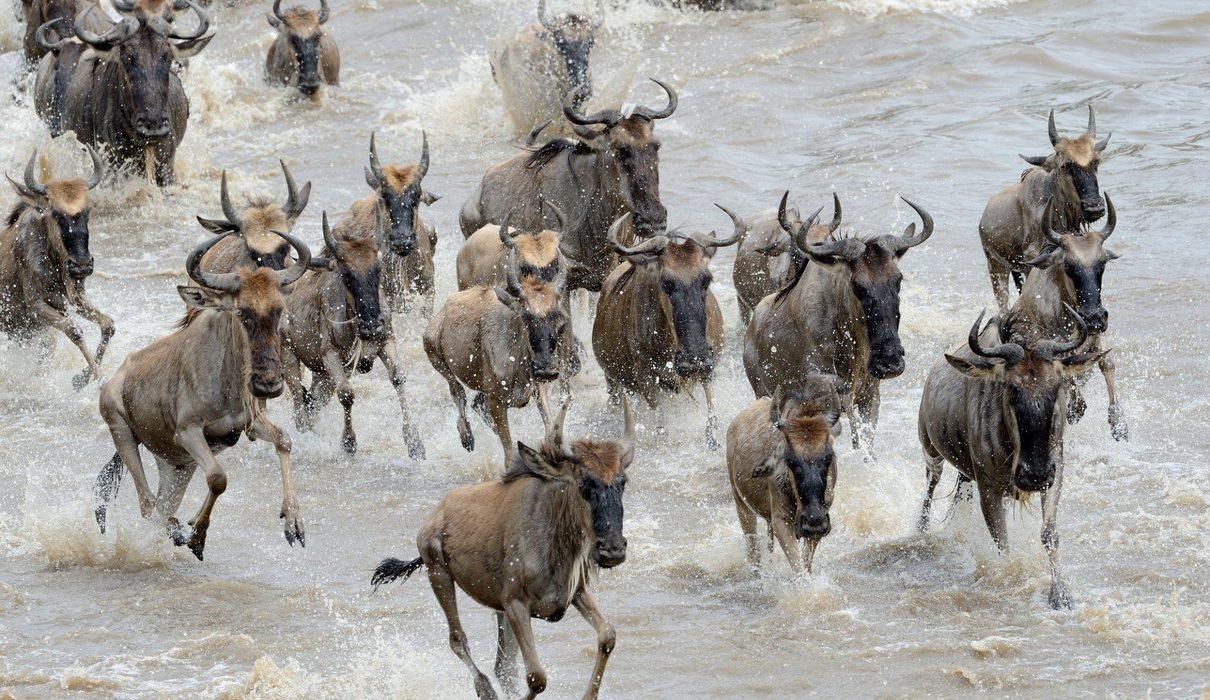
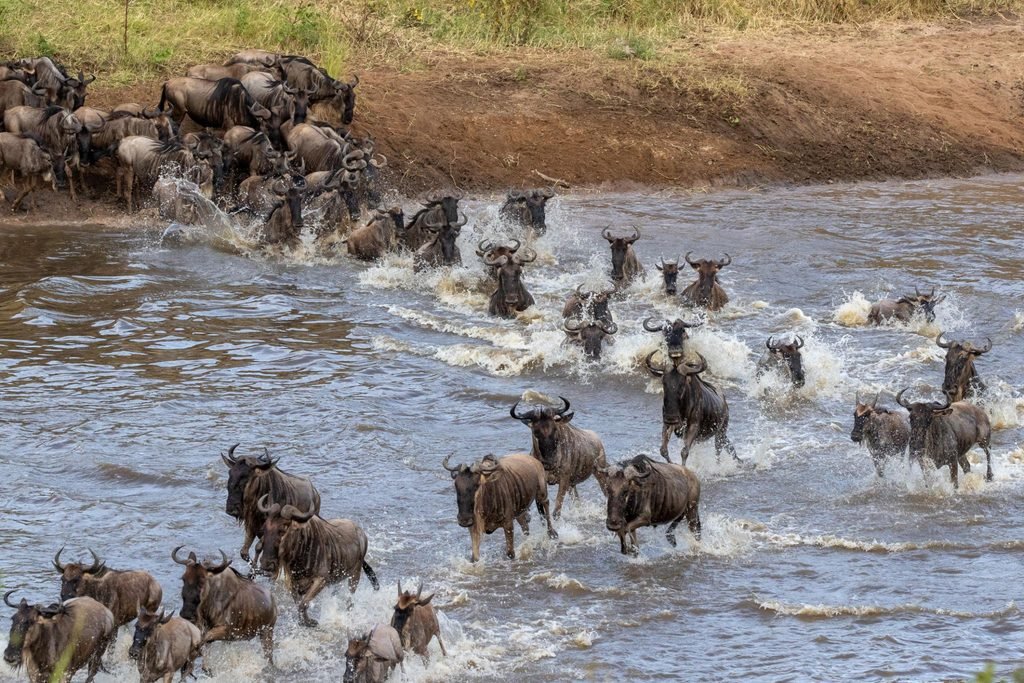
The Great Migration river crossing is one of the most remarkable wildlife events in Tanzania. Every year, enormous herds of wildebeest, accompanied by zebras and other grazing animals, travel across the Serengeti ecosystem in search of fresh grass and water. During their journey, they must cross rivers where strong currents, steep banks and crocodiles present serious challenges. For travellers planning a Tanzania safari, watching the herds gather along the Mara River and eventually make their crossing can be one of the most memorable parts of visiting the Serengeti.
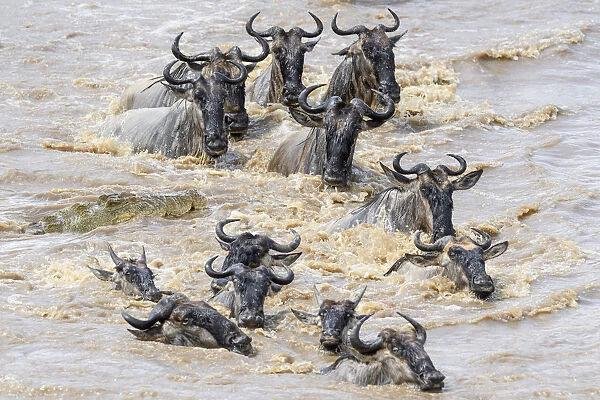
The famous river crossings usually take place between July and October in the northern Serengeti, although the exact timing changes depending on rainfall and the movement of the herds. Some days, thousands of wildebeest may cross within a short period, while on other days, the animals gather at the riverbank and eventually move away without crossing. This unpredictability is part of what makes the experience so interesting. At Eddy Tours & Safaris, we help travellers plan their visits around the seasonal migration patterns, allowing enough time in the right areas to improve their chances of witnessing a crossing.
What Is the Great Migration River Crossing?
The Great Migration is the annual movement of vast numbers of wildebeest, zebras and gazelles through Tanzania’s Serengeti and Kenya’s Maasai Mara ecosystem. The animals follow seasonal rainfall, moving between grazing areas as fresh grass becomes available. Although the migration takes place throughout the year, the river crossings attract particular attention because of the difficulties the animals face when moving from one side of the river to the other.
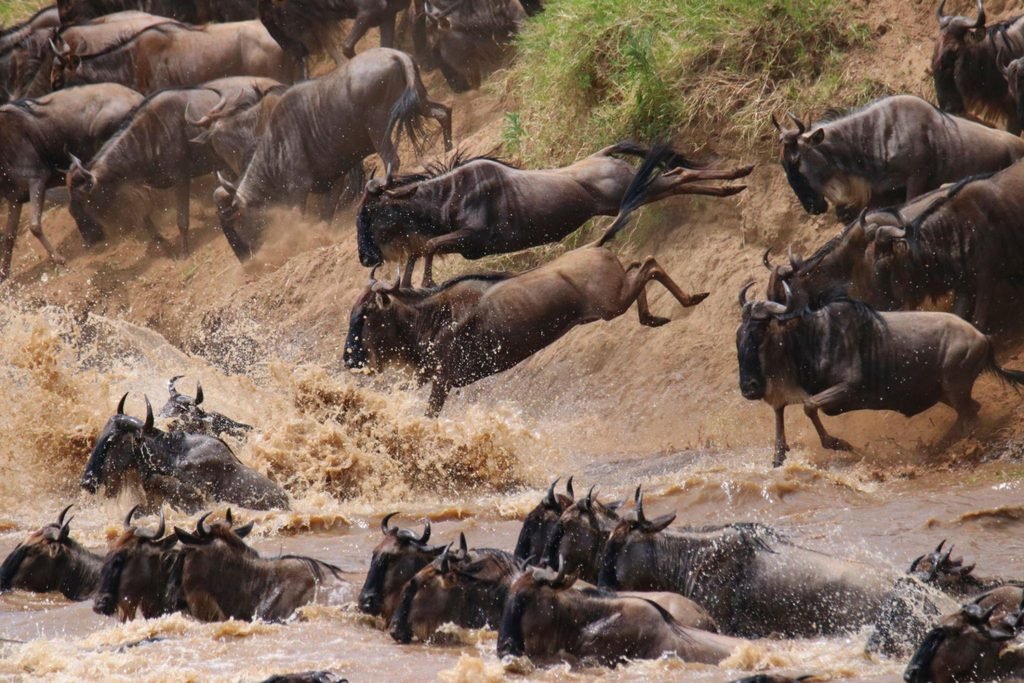
The Mara River crossing is the best-known part of this journey. As the herds approach the river, they often gather in large groups, waiting for an opportunity to cross. The animals may remain on the banks for hours, sometimes moving back and forth before one wildebeest finally enters the water. Others may follow, creating a large movement across the river. Some animals struggle against the current, while crocodiles wait in deeper sections. Once they reach the opposite bank, they must climb out and continue towards suitable grazing grounds.
Not every crossing involves thousands of animals, and not every attempt ends in danger. Some herds cross relatively calm sections of the river, while others encounter difficult conditions. For safari visitors, the experience is about observing natural wildlife behaviour rather than expecting a particular scene. The wider Serengeti National Park ecosystem also offers excellent opportunities to see lions, elephants, giraffes, leopards and other animals throughout the migration season.
Best Time to See the Great Migration River Crossing in Tanzania
The best time to visit the northern Serengeti for Mara River crossings is generally from July to October, with August and September often considered the strongest months for planning a crossing safari. However, migration movements are influenced by rainfall, water availability and grazing conditions, meaning the herds may reach the river earlier or later than expected. Travellers should therefore choose their safari dates based on the broader migration season rather than expecting a crossing on a particular day.
July: The Beginning of the Mara River Crossing Season
July marks the period when many migrating herds begin reaching the northern Serengeti. Depending on the year’s rainfall, some wildebeest may still be moving through the western and central regions, while others have already arrived near the Mara River. Early crossings are possible, especially towards the middle and end of the month, but the distribution of the herds can vary considerably. Travellers visiting in July should allow several days for game drives in the northern Serengeti rather than relying on a single visit to the river.
August: One of the Most Popular Months for River Crossings
August is among the most popular months for a Great Migration river crossing safari because large concentrations of wildebeest are often present around the northern Serengeti and the Mara River. Herds may gather at several crossing points, sometimes moving across the river and later returning in response to grazing conditions. This makes August an attractive period for wildlife photographers and travellers hoping to witness the movement of large herds. However, it is also a busy safari month, so accommodation around Kogatende and other northern Serengeti areas should be arranged well in advance.
September: Excellent Opportunities for Migration Viewing
September is another strong month for observing the Great Migration in the northern Serengeti. Large herds may remain around the Mara River, while others move between Tanzania and Kenya. Crossings can occur in either direction, and the animals may use different sections of the river depending on local conditions. September is particularly suitable for travellers who want to spend several days following the migration while also exploring the wider northern Serengeti landscape. Although visitor numbers can remain high, the experience can be rewarding for those who allow sufficient time for patient wildlife viewing.
October: The Later River Crossing Season
October is generally associated with the later stages of the northern migration season, when some herds begin responding to changing rainfall patterns and moving towards other parts of the Serengeti. River crossings can still take place, particularly during the earlier part of the month, but their frequency becomes less predictable as the animals spread out. October can suit travellers who prefer a slightly quieter safari period and are comfortable with the possibility that the main concentrations of wildebeest may have already moved away from certain crossing points.
Where to See the Great Migration River Crossing in Tanzania
Mara River – Northern Serengeti
The Mara River is the main destination for travellers who want to see the famous wildebeest river crossings. Located in the northern Serengeti and extending into Kenya, the river forms an important part of the migration route. During the dry season, herds may gather at different sections of the river before attempting to cross. The surrounding landscape consists of open grasslands, rolling hills and riverine vegetation, providing excellent opportunities for wildlife viewing even when the animals are not crossing.
The northern Serengeti is particularly attractive because visitors can combine river crossing searches with ordinary game drives. Lions, elephants, giraffes, buffaloes and other wildlife may be seen throughout the area, while the open plains provide opportunities for photography. Travellers booking a Tanzania safari with Eddy Tours & Safaris can request an itinerary that places more emphasis on the northern Serengeti during the main migration months.
Kogatende – A Convenient Base for Migration Safaris
Kogatende is one of the most useful areas for visitors planning to explore the Mara River during the crossing season. It is located in the northern Serengeti and provides access to several wildlife-viewing routes and river crossing areas. Seasonal tented camps and permanent accommodation options are available in the wider region, making it possible to spend several nights close to the areas where the herds may gather.
Staying in Kogatende helps reduce the amount of time spent travelling from the central Serengeti each day. This is important because the river crossings do not follow a fixed schedule, and visitors may need to wait for several hours or return to different locations as the herds move. A well-planned safari should provide enough flexibility for the guide to respond to wildlife movements while respecting park regulations and designated viewing areas.
Lamai and the Northern Serengeti Plains
The Lamai area, situated in the far northern Serengeti, is another important location during the migration season. Its grasslands and riverine landscapes attract large concentrations of grazing animals when conditions are favourable. The area can be particularly rewarding for travellers who want to experience the wider migration rather than focus exclusively on one crossing point.
Game drives around the northern plains may reveal wildebeest moving in long columns, zebras grazing alongside them and predators following the seasonal abundance of prey. The exact location of the herds changes throughout the season, which is why flexibility and good local knowledge are important when planning a Great Migration safari.
Mara River Crossing vs Grumeti River Crossing
Although the Mara River receives most of the attention, it is not the only river associated with the Great Migration. The Grumeti River, located in the western Serengeti, is also part of the migration route. Herds may encounter the Grumeti during their northward movement, generally around May, June and July, depending on seasonal conditions. The river is known for its crocodiles, and some sections can present difficult conditions for crossing animals.
The main difference is the timing and location of the two experiences. The Grumeti River is associated with the western movement of the migration, while the Mara River is associated with the northern Serengeti crossing season. Travellers visiting Tanzania in June may therefore consider the Western Corridor, while those planning their safari for August or September will generally be better placed in the northern Serengeti. Both areas offer excellent wildlife viewing, but neither can provide a guaranteed crossing.
Practical Tips for Watching the Great Migration River Crossing
Spend at Least Three Nights in the Northern Serengeti
One of the most important decisions when planning a river crossing safari is how much time to spend in the northern Serengeti. Travellers who stay for only one night may have limited opportunities to visit different crossing points, particularly if the herds are moving slowly or have gathered away from accessible roads. Spending at least three nights in the region provides more time for game drives and allows greater flexibility if the animals do not cross immediately.
A longer stay also makes the safari more enjoyable because the northern Serengeti offers much more than the river crossings. Visitors can explore the surrounding plains, observe predators and enjoy the quieter moments of wildlife behaviour without feeling that the entire trip depends on witnessing one particular event.
Be Patient and Allow the Wildlife to Move Naturally
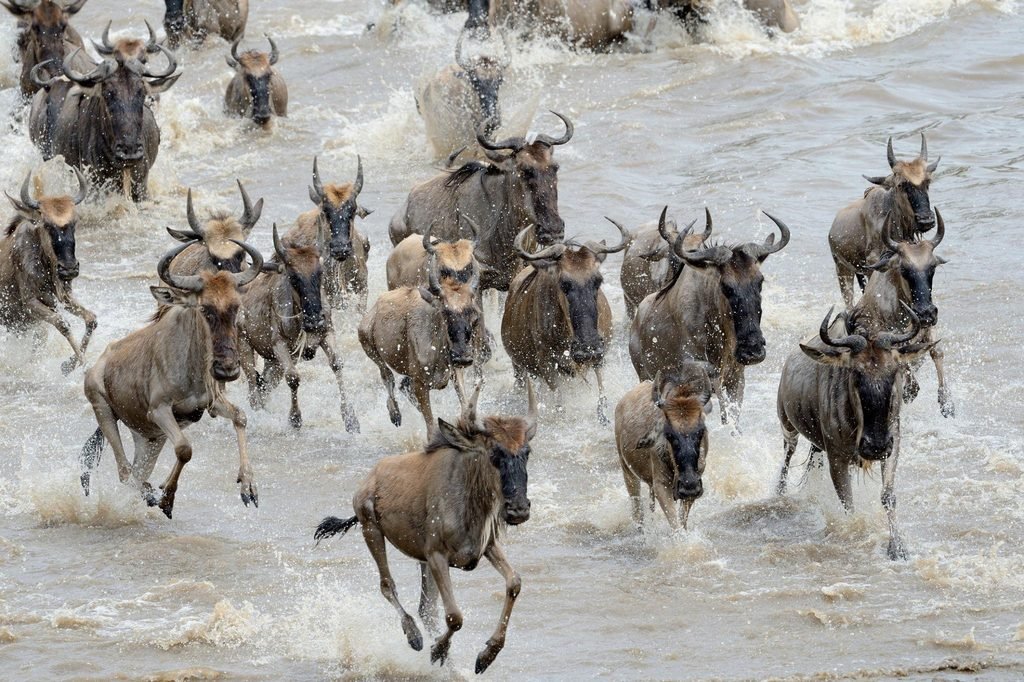
Wildebeest do not cross the Mara River according to a timetable. They may gather at the edge of the water, move away and return several times before making a crossing attempt. Sometimes the animals cross suddenly, while on other occasions they remain on the banks for an extended period. This means patience is essential, especially for travellers who are visiting specifically to photograph the event.
It is equally important to avoid disturbing the animals. Tanzania National Parks has established guidelines for viewing Mara River crossings, including designated vehicle areas and restrictions intended to prevent interference with wildlife movement. Visitors should follow their guide’s instructions, remain inside the safari vehicle where required and avoid encouraging drivers to approach animals too closely. The official Mara River Migration Crossing Guidelines provide further information about responsible viewing.
Choose Accommodation Close to the Migration Area
Accommodation location can make a significant difference during a Great Migration safari. A lodge or tented camp situated in the central Serengeti may be excellent for general wildlife viewing, but travelling to the Mara River from there can take considerable time. For travellers whose main interest is the river crossing, staying in the northern Serengeti during the peak season is usually the more practical option.
The choice between a permanent lodge and a seasonal migration camp depends on comfort preferences, budget and availability. Seasonal camps are often positioned to provide convenient access to migration areas, while permanent properties may offer additional facilities. Travellers should consider the location of the accommodation as carefully as its amenities when arranging their safari.
Bring Suitable Photography Equipment
The Mara River crossing provides opportunities to photograph wildlife in motion, large herds, river landscapes and predator behaviour. A camera with a telephoto lens is useful for capturing animals at a distance without interfering with their movements. Binoculars can also help visitors observe activity on the opposite bank or identify animals gathering farther along the river.
Photographers should prepare for changing light conditions, dust and the possibility of waiting for long periods. Extra batteries, memory cards and protective camera bags are useful during full-day game drives. It is also worth remembering that some of the best photographs may come from quieter moments, such as wildebeest gathering on a hillside or zebras moving through the grasslands before reaching the river.
Travel With an Experienced Safari Guide
A knowledgeable safari guide plays an important role in making a Great Migration safari worthwhile. Guides understand the road network, seasonal wildlife movements and the regulations governing river crossing areas. They can help visitors identify promising locations while adapting the day’s activities to current wildlife conditions. However, even experienced guides cannot predict exactly when a herd will cross.
When planning your trip with Eddy Tours & Safaris, it is helpful to explain whether your main interest is river crossings, photography, general wildlife viewing or a combination of these experiences. This makes it easier to arrange a suitable route and allocate enough time to the most important destinations.
How Many Days Do You Need for a Great Migration Safari?
A Great Migration river crossing safari is generally best planned over six to eight days or longer when travelling by road from Arusha. The northern Serengeti is a considerable distance from the main safari starting points, and the journey often involves travelling through other wildlife areas. A longer itinerary allows visitors to enjoy the journey without spending too much of their holiday moving between destinations.
A seven-day safari, for example, can include time in Tarangire National Park, the central Serengeti, the northern Serengeti and the Ngorongoro Crater. Travellers who want to concentrate mainly on the river crossing may prefer to spend more nights in the north and reduce the number of other destinations. Those with limited time can also consider domestic flights to northern Serengeti airstrips, depending on flight schedules and availability.
For travellers interested in combining wildlife viewing with other activities, Tanzania offers several possibilities. A safari can be followed by a beach holiday in Zanzibar or combined with a mountain trekking experience. Those considering a climb can explore Kilimanjaro Climb Specialist for additional information about Mount Kilimanjaro trekking and route options.
What Wildlife Can You See During the River Crossing Season?
Although wildebeest are the main attraction during the Great Migration, the northern Serengeti supports many other wildlife species. Zebras frequently travel alongside the migrating herds, while Thomson’s gazelles and other antelope species can be found across the grasslands. Lions and spotted hyenas may take advantage of the large concentrations of prey, and crocodiles inhabit sections of the Mara River.
Elephants, giraffes, buffaloes and various bird species also contribute to the wildlife experience. Visitors may encounter animals while travelling between crossing points or exploring the surrounding plains. This variety makes the northern Serengeti a rewarding destination even on days when the wildebeest do not cross the river.
The broader Serengeti ecosystem is recognised internationally for its wildlife and conservation importance. The UNESCO World Heritage Centre provides additional information about the Serengeti’s ecological significance and the importance of protecting its natural processes.
Can You Guarantee Seeing the Great Migration River Crossing?
No safari company can guarantee that visitors will witness a wildebeest river crossing on a particular day. The Great Migration is a natural event controlled by seasonal conditions and animal behaviour. Herds may reach the river and remain there without crossing, move to another location or cross during a period when visitors are elsewhere in the park.
What can be improved is the planning of the safari. Choosing the appropriate season, staying close to the Mara River, allowing several days for game drives and travelling with an experienced guide all provide better opportunities to observe migration activity. It is important to approach the experience with realistic expectations and appreciate the wider wildlife encounters that make the Serengeti special.
Planning a Great Migration Safari for 2027, 2028 or 2029
Travellers planning a Great Migration river crossing safari for 2027, 2028 or 2029 should generally consider July through October, particularly August and September. These months provide a useful starting point when selecting travel dates, but the actual movement of the herds will depend on conditions during each season. Booking accommodation early is advisable because the northern Serengeti is a popular destination during the migration period.
When choosing an itinerary, consider how many days you can spend in Tanzania, your preferred accommodation standard and whether you want a private safari or a shared travel arrangement. Families, couples, photographers and small groups may have different priorities, so the route should reflect the type of experience they are looking for rather than following a fixed schedule without flexibility.
Travellers can explore Eddy Tours & Safaris for Tanzania safari planning and contact the team to discuss suitable dates, accommodation and travel arrangements. A carefully planned itinerary should balance time near the migration areas with opportunities to enjoy the other attractions of northern Tanzania.
Frequently Asked Questions About the Great Migration River Crossing
Which month is best for the Great Migration river crossing?
August and September are generally among the best months to plan a Mara River crossing safari in the northern Serengeti. Large herds are often present in the region during this period, although crossings can also occur in July and October. The exact timing changes each year, so it is advisable to allow several days in the area rather than selecting a single date.
Is the Great Migration river crossing in Tanzania or Kenya?
The Great Migration takes place across both Tanzania and Kenya, and the Mara River passes through the wider Serengeti–Mara ecosystem. Visitors can witness crossings from the northern Serengeti in Tanzania without travelling into Kenya. The location of the herds varies throughout the season, and animals may cross the river in either direction.
How long does a wildebeest river crossing last?
The duration of a crossing varies depending on the number of animals, river conditions and herd behaviour. Some crossings may last only a few minutes, while larger movements can continue for much longer. Herds may also gather for hours before attempting to cross, which is why patience is important during a migration safari.
Is a Great Migration safari suitable for families?
Yes, a Great Migration safari can be suitable for families, particularly when the itinerary includes comfortable accommodation and manageable travelling distances. Parents should be aware that river crossing viewing may involve long periods inside a safari vehicle and that some crossings can involve difficult scenes of wildlife struggling in the water or being attacked by predators. The itinerary can be adjusted according to the ages and interests of the children.
Can I combine a Great Migration safari with Zanzibar or Kilimanjaro?
Yes, many travellers combine a Serengeti migration safari with a Zanzibar beach holiday or a Mount Kilimanjaro climb. The best arrangement depends on the total number of travel days and the activities you want to include. For travellers planning a longer holiday, combining a safari with another destination can provide a broader experience of Tanzania’s wildlife, landscapes and culture.
Book Your Great Migration River Crossing Safari With Eddy Tours & Safaris
Seeing the Great Migration river crossing requires good timing, careful planning and a willingness to follow the natural movements of the animals. The northern Serengeti offers excellent opportunities to observe wildebeest gathering along the Mara River, while its surrounding plains provide rewarding wildlife encounters throughout the season. Whether you are travelling for photography, a family holiday or your first African safari, allowing enough time in the right location can make a considerable difference to your experience.
Eddy Tours & Safaris is a locally based tour company in Arusha, Tanzania, arranging private safaris and personalised travel experiences across the country’s leading wildlife destinations. We can help you plan a Great Migration safari that suits your travel dates, budget and preferred accommodation, with particular attention to spending sufficient time in the northern Serengeti during the river crossing season.
Ready to plan your Great Migration safari? Contact Eddy Tours & Safaris to discuss your travel dates and request a personalised Tanzania safari quotation.