
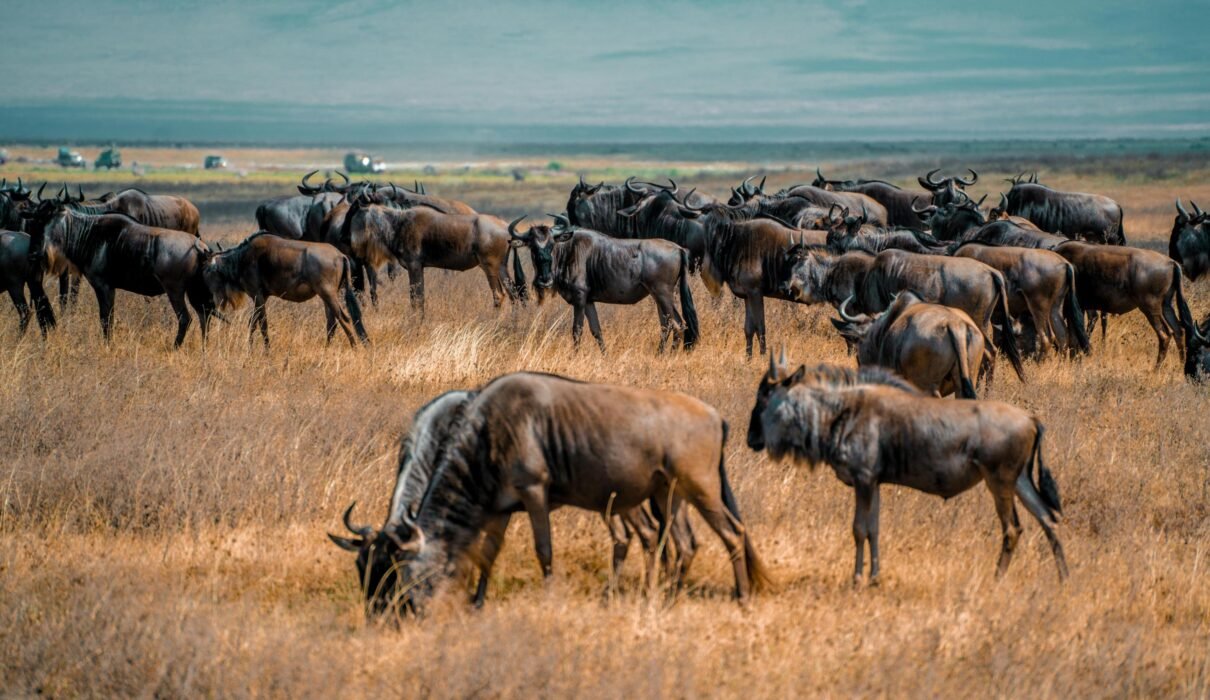
Great Migration Safari 2026/2027/2028: River Crossings vs. Calving Season – What’s the Best Event to See?
Great Migration Safari 2026/2027/2028 is one of the most exciting wildlife experiences on Earth, drawing travelers from across the globe to witness millions of animals moving across the Serengeti and Maasai Mara ecosystems. But here’s the big question many safari planners ask: should you choose the dramatic river crossings or the peaceful yet predator-filled calving season? Both offer unforgettable moments, yet each delivers a completely different safari experience.
Understanding the difference between these two iconic events is essential when planning your African adventure. Timing, location, wildlife behavior, and overall atmosphere all play a role in shaping your journey. In this guide, we’ll break everything down in simple terms so you can confidently decide which experience matches your expectations.
If you’re already dreaming of your trip, you can explore tailored safari options on this trusted safari platform that specializes in personalized migration itineraries.
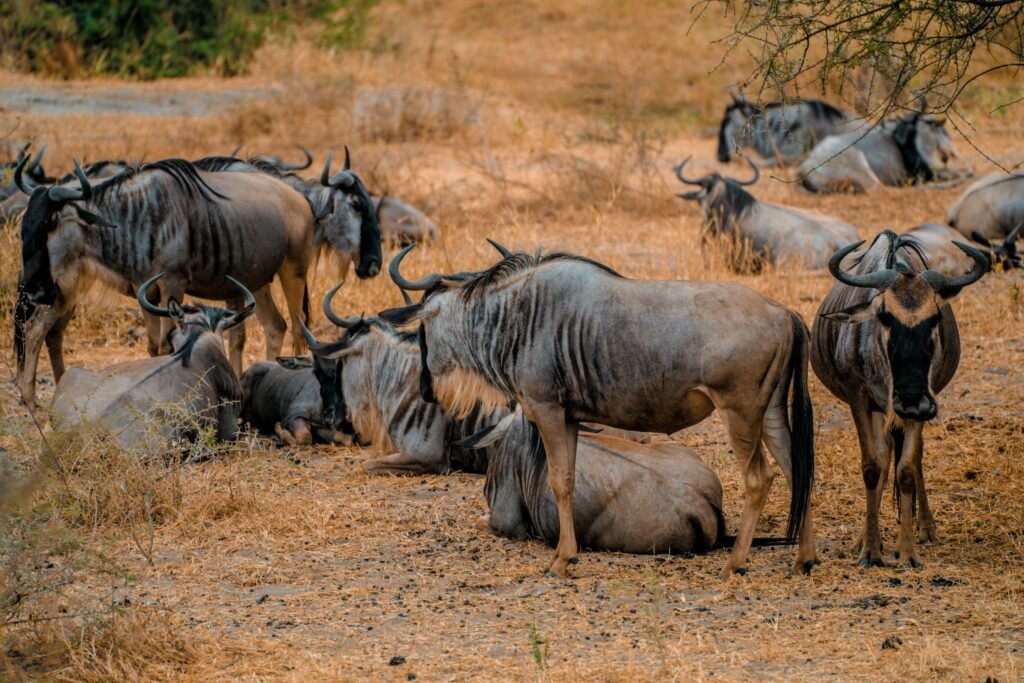
Understanding the Great Migration Safari 2026/2027/2028
The Great Migration is not a single event but a year-round cycle driven by rainfall patterns and the search for fresh grazing land. Over 1.5 million wildebeest, along with zebras and gazelles, move continuously through Tanzania and Kenya. This natural rhythm creates different safari highlights depending on the time of year.
Scientists and conservation organizations such as National Geographic and World Wildlife Fund have studied this migration extensively, confirming it as one of the largest terrestrial animal movements on Earth. The ecosystem supporting this movement is delicate and deeply interconnected.
Choosing between river crossings and calving season means deciding which phase of this cycle you want to witness. Each has its own beauty, intensity, and emotional impact.
What Happens During River Crossings?
River crossings typically occur between July and October in northern Serengeti and the Maasai Mara. During this time, massive herds gather at rivers like the Mara River, hesitating before plunging into waters filled with crocodiles.
This moment is often described as raw, dramatic, and unpredictable. Herds may wait hours or even days before crossing, and when they finally do, chaos erupts. Dust rises, animals scramble, and predators seize opportunities.
Research from institutions like Smithsonian Institution and Nature Research highlights how predator-prey dynamics peak during these crossings. It’s a survival test, and not all animals make it across.
If you’re seeking adrenaline-filled wildlife action, river crossings are unmatched. You can plan your journey through custom safari itineraries here that focus on this dramatic phase.
Why River Crossings Attract Safari Lovers
There is something deeply captivating about witnessing thousands of animals take a life-or-death leap. The unpredictability keeps every moment exciting. No two crossings are ever the same, which means your experience will be completely unique.
Organizations like IUCN and African Wildlife Foundation emphasize how these crossings also reflect resilience and instinct in wildlife behavior.
What Happens During Calving Season?
Calving season occurs between January and March in the southern Serengeti. During this period, hundreds of thousands of wildebeest give birth within a few weeks. It’s a time of renewal, growth, and intense predator activity.
Unlike river crossings, calving season offers a calmer and more intimate safari experience. You’ll witness newborn animals taking their first steps, often within minutes of birth. However, this also attracts predators such as lions, cheetahs, and hyenas.
Studies from University of Cambridge and University of Oxford show that predator success rates increase significantly during this season due to the abundance of vulnerable prey.
For travelers who enjoy observing animal behavior in detail, this period is incredibly rewarding. You can explore calving-focused safaris through this safari planning resource.
Why Calving Season Feels Special
There is a quiet magic in watching new life emerge across endless plains. The atmosphere feels hopeful, yet nature’s harsh realities remain present. It’s a powerful reminder of the balance within ecosystems.
Conservation groups like Conservation International and Wildlife Conservation Society highlight how this season plays a crucial role in maintaining population stability.
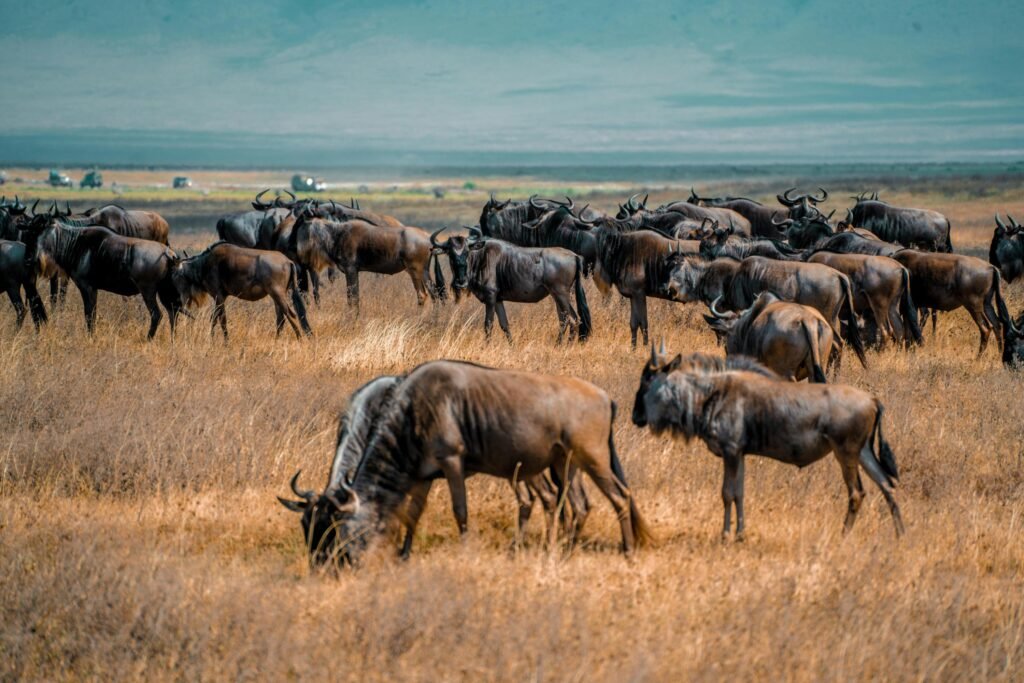
Great Migration Safari 2026/2027/2028: Key Differences
Choosing between these two events depends on what kind of experience you want. River crossings are intense and dramatic, while calving season is emotional and educational.
Environmental data from NOAA and NASA Climate also suggest that climate patterns can slightly shift migration timing, making expert planning even more important.
River Crossings vs Calving Season Comparison
- River Crossings: High drama, unpredictable, intense predator action
- Calving Season: Gentle landscapes, newborn animals, frequent predator sightings
- Best For Action: River Crossings
- Best For Photography: Calving Season
- Best For First-Time Visitors: Calving Season
Best Time to Book Your Safari
Planning ahead is essential for the Great Migration Safari 2026/2027/2028. Lodges and camps fill up quickly, especially during peak migration months.
Experts from UNEP and FAO emphasize sustainable tourism practices, encouraging early booking to minimize environmental pressure.
For a seamless experience, consider booking through this safari provider that specializes in migration tracking.
Which One Should You Choose?
Your choice depends on your travel style. If you want thrilling, heart-racing moments, river crossings will leave you speechless. If you prefer meaningful, emotional encounters with wildlife, calving season is the better option.
According to Encyclopedia Britannica and Natural History Museum, both events are equally significant in understanding the migration cycle.
Some travelers even choose to experience both by planning extended safaris. You can design such a journey through this customized safari planner.
Travel Tips for Great Migration Safari 2026/2027/2028
Before you go, keep these simple tips in mind. Always pack neutral-colored clothing, bring binoculars, and carry a good camera. Respect wildlife and follow your guide’s instructions at all times.
Health organizations like World Health Organization recommend vaccinations and travel insurance for East Africa trips.
If you plan to combine your safari with mountain adventures, check out Kilimanjaro climbing experts for a complete East African experience.
FAQs About Great Migration Safari 2026/2027/2028
1. Is river crossing guaranteed?
No, crossings are unpredictable and depend on herd movement.
2. Is calving season crowded?
It’s less crowded than river crossing season, making it more relaxed.
3. Which is better for photography?
Calving season offers softer light and more controlled scenes.
4. Are safaris safe?
Yes, when guided by professional operators and following rules.
5. Can I see the Big Five during migration?
Yes, both seasons offer excellent chances to see the Big Five.
6. How long should I stay?
At least 5–7 days for a complete experience.
Conclusion
The Great Migration Safari 2026/2027/2028 offers two incredible yet different experiences. River crossings deliver unmatched drama, while calving season provides emotional depth and insight into wildlife life cycles. There is no wrong choice—only the one that aligns with your expectations.
With proper planning and expert guidance, your safari can become one of the most memorable journeys of your life. Whether you choose the thrill of the river or the beauty of new life, Africa will leave a lasting impression on your heart.