
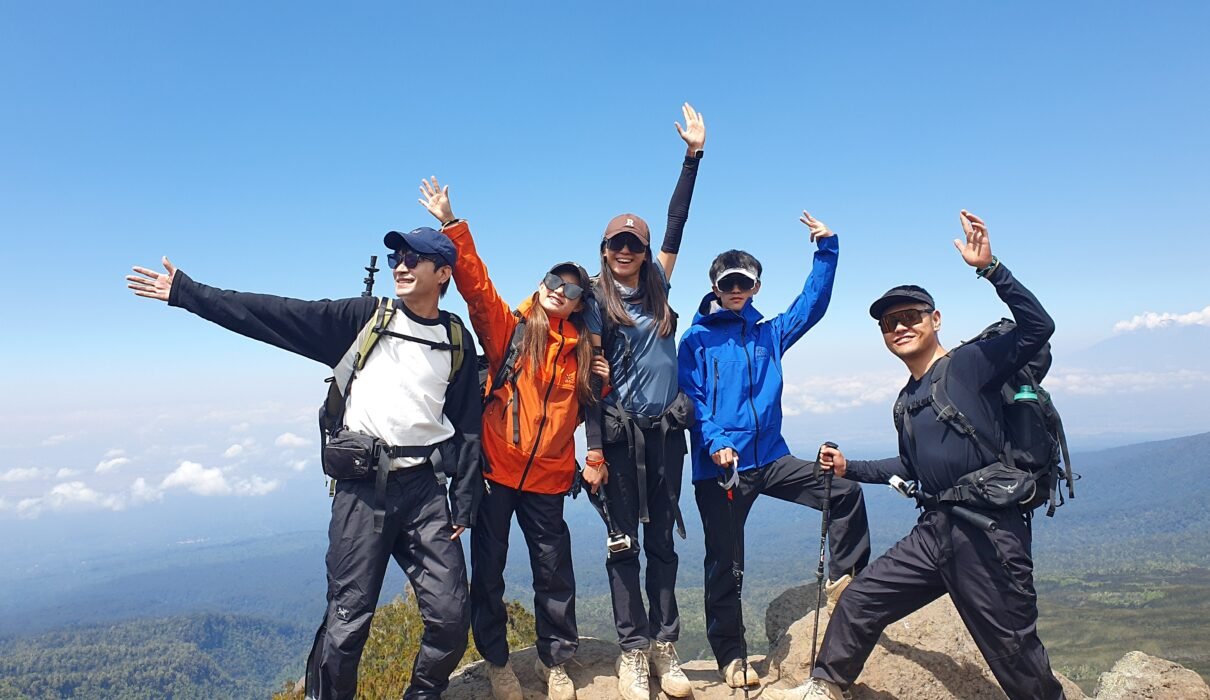
Climbing Mount Kilimanjaro is one of the most exciting experiences you can have in Tanzania, and the 6 Days Machame Route offers a wonderful opportunity to reach Africa’s highest mountain while exploring some of its most beautiful landscapes. Known for its changing scenery, mountain campsites and challenging trails, the Machame Route takes climbers from the green rainforest on Kilimanjaro’s southern slopes to the rocky high-altitude terrain surrounding Uhuru Peak at 5,895 metres above sea level.
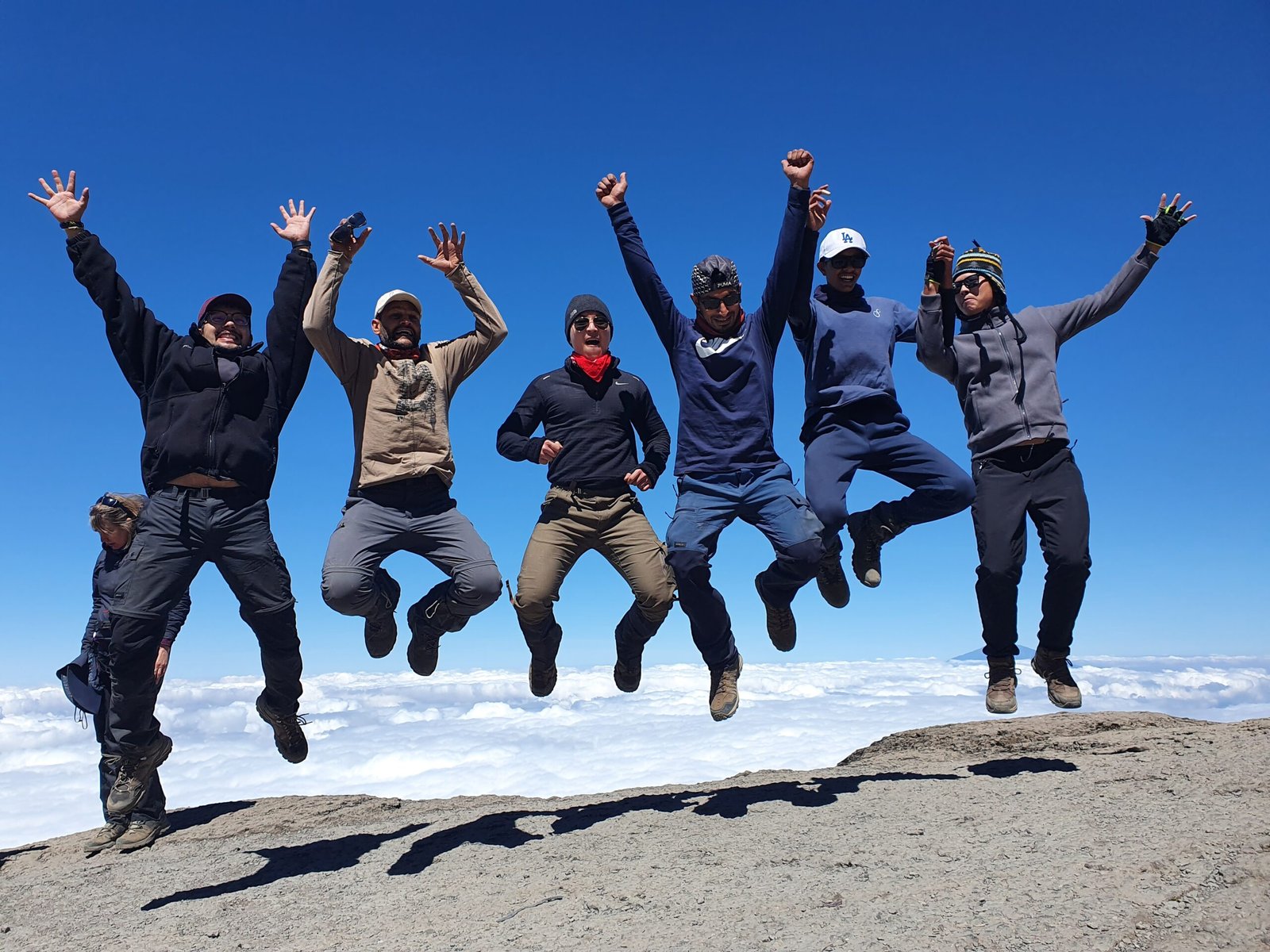
This six-day Kilimanjaro climbing package is designed for travellers who want to experience the mountain within a shorter period while still following a route that provides opportunities for altitude adjustment. The journey passes through Machame Camp, Shira Plateau, Lava Tower, Barranco Valley and Barafu Camp before the final ascent to the summit. Along the way, climbers experience different vegetation zones, changing temperatures and remarkable views of Mount Meru, the surrounding plains and Kilimanjaro’s remaining glaciers.
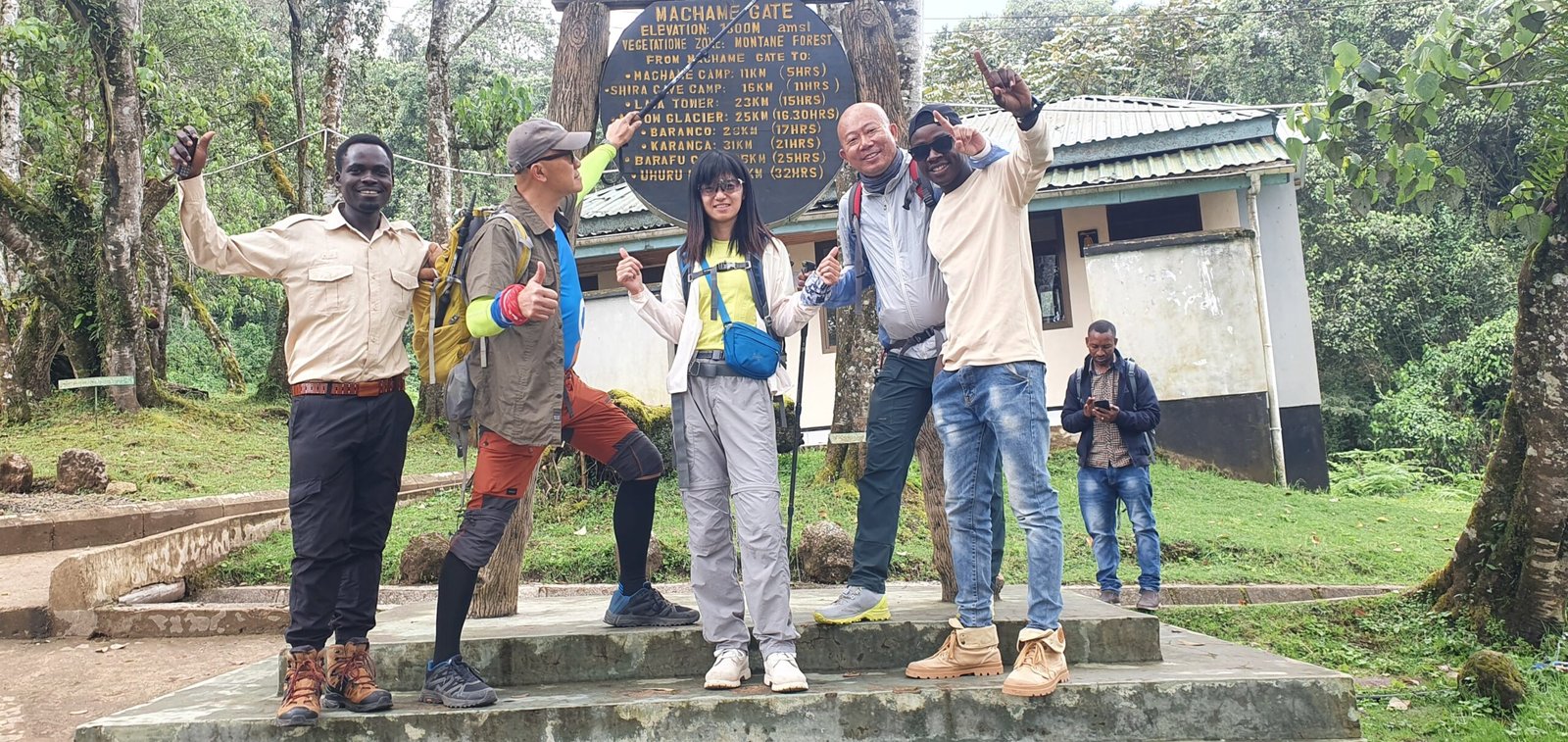
At Eddy Tours & Safaris, we help travellers plan their Kilimanjaro climbing holidays with experienced mountain crews, organized camping arrangements and practical guidance before departure. Whether you are travelling alone, with friends or as part of a private group, our team can help you understand the demands of the Machame Route and prepare for the climb. For travellers considering other mountain itineraries, our Tanzania travel website also provides information about climbing holidays and safari experiences that can be arranged before or after your trek.
Overview of the 6 Days Kilimanjaro Machame Route
The Machame Route, sometimes called the Whiskey Route, approaches Mount Kilimanjaro from the southern side of the mountain. It is particularly popular among climbers who enjoy walking through varied landscapes rather than following the same trail throughout their journey. The route begins at Machame Gate, passes through the rainforest and continues across the Shira Plateau before joining the southern circuit beneath Kibo Peak. The final ascent begins from Barafu Camp, while the descent follows the Mweka Route.
The six-day itinerary is more demanding than the seven-day Machame option because it combines the journey from Barranco Camp to Barafu Camp into one longer trekking day. This means climbers have less time to recover and adjust to altitude before summit night. Although physically fit beginners may consider the route, it is generally more suitable for travellers who already have some hiking experience and are comfortable spending several consecutive days walking at altitude. Travellers who have more time should consider an additional acclimatization day, as reaching the summit depends on much more than physical fitness.
Kilimanjaro Machame Route Package Details
| Package Information | Details |
|---|---|
| Tour destination | Mount Kilimanjaro, Tanzania |
| Climbing route | Machame Route |
| Duration | 6 days, 5 nights on the mountain |
| Highest point | Uhuru Peak, 5,895 metres |
| Starting point | Machame Gate |
| Finishing point | Mweka Gate |
| Accommodation | Mountain camping tents |
| Difficulty | Challenging |
| Tour type | Private climb or arranged group departure |
| Main activities | Hiking, camping and mountain climbing |
| Recommended experience | Previous hiking experience preferred |
| Departure location | Moshi or Arusha |
| Best climbing periods | January–March and June–October |
Detailed 6 Days Machame Route Kilimanjaro Climbing Itinerary
The following itinerary explains the daily trekking programme, approximate distances, walking hours, camping arrangements and changes in altitude. Hiking times can vary depending on weather, trail conditions and the pace of the group. Your mountain guide will monitor your progress throughout the journey and may adjust the schedule when necessary for safety.
Day 1: Machame Gate to Machame Camp – Walking Through the Rainforest
Elevation: Approximately 1,800 m to 3,000 m
Hiking distance: 11 km
Walking time: 5–7 hours
Habitat: Montane rainforest
Accommodation: Machame Camp
Meals: Lunch and dinner
Your Kilimanjaro climbing adventure begins with a morning transfer from your hotel in Moshi or Arusha to Machame Gate, situated on the southern slopes of Mount Kilimanjaro. Upon arrival, your guide will assist with park registration, permit arrangements and the final preparation of climbing equipment. While the mountain crew organizes the luggage and camping supplies, you will have an opportunity to meet the guides and porters who will accompany you throughout the trek.
The first section of the Machame Route passes through a dense tropical rainforest where tall trees, ferns and thick vegetation create a cool environment. Depending on the weather, the trail can be wet and muddy, particularly after rainfall. The walk involves a steady climb along a forest path, with occasional steeper sections requiring a slower pace. Your guide will encourage you to walk comfortably rather than rush, allowing your body to begin adjusting to the increasing altitude.
As the day continues, the forest gradually becomes thinner and the surrounding vegetation begins to change. After several hours of walking, you will arrive at Machame Camp, where your tents will be prepared and the mountain cook will provide a warm evening meal. The first night on Kilimanjaro offers an opportunity to rest, become familiar with camping conditions and prepare for the following day’s climb towards the Shira Plateau.
Day 2: Machame Camp to Shira Camp – Crossing the Moorland
Elevation: Approximately 3,000 m to 3,850 m
Hiking distance: 5 km
Walking time: 4–6 hours
Habitat: Heath and moorland
Accommodation: Shira Camp
Meals: Breakfast, lunch and dinner
After breakfast at Machame Camp, you will continue climbing towards the Shira Plateau. The second day is generally shorter in distance than the first, but the trail becomes steeper and more exposed as you leave the rainforest behind. The route follows rocky ridges and open slopes covered with heather, small shrubs and other plants adapted to the cooler mountain environment. With fewer trees surrounding the trail, the landscape opens up and offers wider views of the mountain and the plains below.
During clear weather, you may see Mount Meru rising above the distant landscape, while the upper slopes of Kibo become increasingly visible ahead. The trail crosses sections of uneven ground, requiring careful footing and a steady walking rhythm. Although the distance is relatively short, the increase in elevation makes it important to maintain a comfortable pace and take regular breaks. Your guide will continue checking how everyone is responding to the altitude.
By the afternoon, you will reach Shira Camp, situated on the broad Shira Plateau at approximately 3,850 metres. The surrounding landscape is very different from the rainforest experienced on the first day, with open terrain, rocky formations and expansive mountain views. After settling into camp, you can rest, enjoy dinner and prepare for the next day’s important acclimatization walk towards Lava Tower.
Day 3: Shira Camp to Lava Tower and Barranco Camp – Important Acclimatization Day
Starting elevation: Approximately 3,850 m
Highest point: Lava Tower, approximately 4,600 m
Sleeping elevation: Barranco Camp, approximately 3,950 m
Hiking distance: 10 km
Walking time: 6–8 hours
Habitat: Alpine desert and high-altitude moorland
Accommodation: Barranco Camp
Meals: Breakfast, lunch and dinner
The third day is an important stage of the Machame Route because it allows climbers to spend time at a higher elevation before descending to sleep at a lower campsite. After breakfast, the trail continues eastward across the Shira Plateau towards the impressive volcanic formation known as Lava Tower. As you gain altitude, the vegetation becomes increasingly sparse and the landscape changes into a dry, rocky environment where temperatures can drop considerably, particularly when clouds or strong winds move across the mountain.
The climb towards Lava Tower is physically demanding because the air becomes thinner as you approach approximately 4,600 metres. Some climbers may begin noticing the effects of altitude, including tiredness, headaches or reduced appetite. Your guide will monitor the group carefully, encourage a slow walking pace and assess whether anyone needs additional attention. Reaching Lava Tower is not a race, and the main purpose of this section is to support acclimatization rather than simply cover distance.
After spending some time around the Lava Tower area, you will descend towards Barranco Valley, where the landscape gradually becomes greener and giant groundsels can be seen growing among the rocks. The descent provides a welcome change after the higher-altitude section, and you will eventually reach Barranco Camp beneath the famous Barranco Wall. Although you finish the day at an elevation only slightly higher than where you started, the time spent above 4,500 metres provides useful altitude exposure. However, this does not remove the risk of altitude sickness, and the following day’s climb remains demanding.
Travellers who would like to compare different Kilimanjaro climbing itineraries can also explore the 6 Days Machame Route guide by Kilimanjaro Climbing Specialist, which provides additional information about the route and its mountain camps.
Day 4: Barranco Camp to Barafu Camp – Climbing the Barranco Wall
Elevation: Approximately 3,950 m to 4,670 m
Hiking distance: 9 km
Walking time: 6–8 hours
Habitat: Alpine desert
Accommodation: Barafu Camp
Meals: Breakfast, lunch and dinner
The fourth day begins with one of the most recognizable sections of the Machame Route, the Barranco Wall. After an early breakfast, you will leave Barranco Camp and approach the steep rocky wall that rises above the valley. Although the climb may appear intimidating when viewed from below, it is generally considered a non-technical scramble rather than a technical rock climb. Certain sections require climbers to use their hands for balance, and your mountain guides will assist where necessary.
Once you have completed the Barranco Wall, the route continues across rocky terrain with views of the southern slopes of Kilimanjaro. The trail descends towards Karanga Valley before climbing again towards Karanga Camp, where groups commonly stop for lunch or a rest. On the six-day itinerary, you will not spend the night at Karanga Camp. Instead, you will continue climbing towards Barafu Camp, making this a considerably longer day than on the seven-day Machame itinerary.
The final approach to Barafu Camp passes through exposed alpine desert terrain, where the vegetation is minimal and the mountain environment becomes increasingly harsh. By the time you arrive at camp, you will be close to 4,700 metres above sea level. Your guide will explain the summit schedule, check your clothing and equipment, and encourage you to eat and rest before the nighttime ascent. Since the summit attempt usually begins around midnight, there is only a short period available for sleeping, making it especially important to conserve energy.
Day 5: Barafu Camp to Uhuru Peak and Descent to Mweka Camp – Kilimanjaro Summit Day
Starting elevation: Approximately 4,670 m
Summit elevation: Uhuru Peak, 5,895 m
Finishing elevation: Mweka Camp, approximately 3,100 m
Hiking distance: Approximately 17–19 km in total
Walking time: Approximately 12–15 hours
Habitat: Arctic summit zone and alpine terrain
Accommodation: Mweka Camp
Meals: Breakfast, lunch and dinner
Summit day is the most physically demanding part of the six-day Kilimanjaro climbing itinerary. Your mountain crew will wake you around midnight, sometimes earlier depending on the group’s pace and weather conditions. After a light meal and warm drinks, you will begin climbing towards the summit under the guidance of your mountain team. The temperature can be extremely cold, and the combination of darkness, wind, steep terrain and reduced oxygen availability makes this section particularly challenging.
The trail climbs steadily through loose volcanic scree and rocky slopes towards Stella Point, located on the crater rim at approximately 5,756 metres. Progress is usually slow, with frequent short breaks to allow climbers to recover and maintain a steady breathing rhythm. Depending on the time of departure and walking speed, you may reach the crater rim around sunrise, when the surrounding mountains and clouds begin to appear in the early morning light.
From Stella Point, the route continues along the crater rim towards Uhuru Peak, the highest point in Africa at 5,895 metres. The final section is less steep than some of the earlier climbing, but walking at this altitude can still be exhausting. If weather and health conditions permit, reaching Uhuru Peak provides an opportunity to take photographs beside the summit sign and appreciate the surrounding landscape, including the remaining ice formations on Kilimanjaro.
After spending a short period at the summit, you will begin descending towards Barafu Camp, where the mountain crew will provide food and an opportunity to rest. The descent then continues towards Mweka Camp, passing through lower alpine terrain as the air becomes warmer and thicker. By the time you reach camp, you will have completed a very long day of climbing and descending. A warm dinner and a good night’s rest will be waiting before the final walk out of Kilimanjaro National Park.
Summit success can never be guaranteed, even for experienced climbers. Your guide may recommend turning back if altitude symptoms, exhaustion or weather conditions make continuing unsafe. Reaching a lower elevation safely always takes priority over reaching the summit.
Day 6: Mweka Camp to Mweka Gate – Completing Your Kilimanjaro Climb
Elevation: Approximately 3,100 m to 1,640 m
Hiking distance: 10 km
Walking time: 3–4 hours
Habitat: Montane rainforest
Accommodation: Return to your hotel
Meals: Breakfast and lunch
The final day begins with breakfast at Mweka Camp before you start descending through the forest towards Mweka Gate. After spending several days walking across rocky slopes and high-altitude landscapes, returning to the green rainforest offers a noticeable change in scenery. The trail follows a steady downhill path through thick vegetation, and you may hear birds calling from the surrounding trees as you make your way towards the lower slopes of Kilimanjaro.
Although the descent is easier on the lungs than climbing at high altitude, the trail can still be slippery, particularly after rainfall. Your legs may also feel tired from the previous day’s summit attempt, so it is important to walk carefully and use trekking poles where helpful. The mountain guides will accompany the group throughout the descent until everyone reaches the park exit.
Upon arrival at Mweka Gate, your guide will assist with the necessary park procedures and the collection of climbing certificates for eligible climbers. You will then meet your transfer vehicle for the return journey to Moshi or Arusha, where you can enjoy a shower, rest and recover from the climb. For travellers who would like to continue exploring Tanzania, Eddy Tours & Safaris can also assist with arrangements for wildlife safaris to Tarangire National Park, Serengeti National Park and the Ngorongoro Crater.
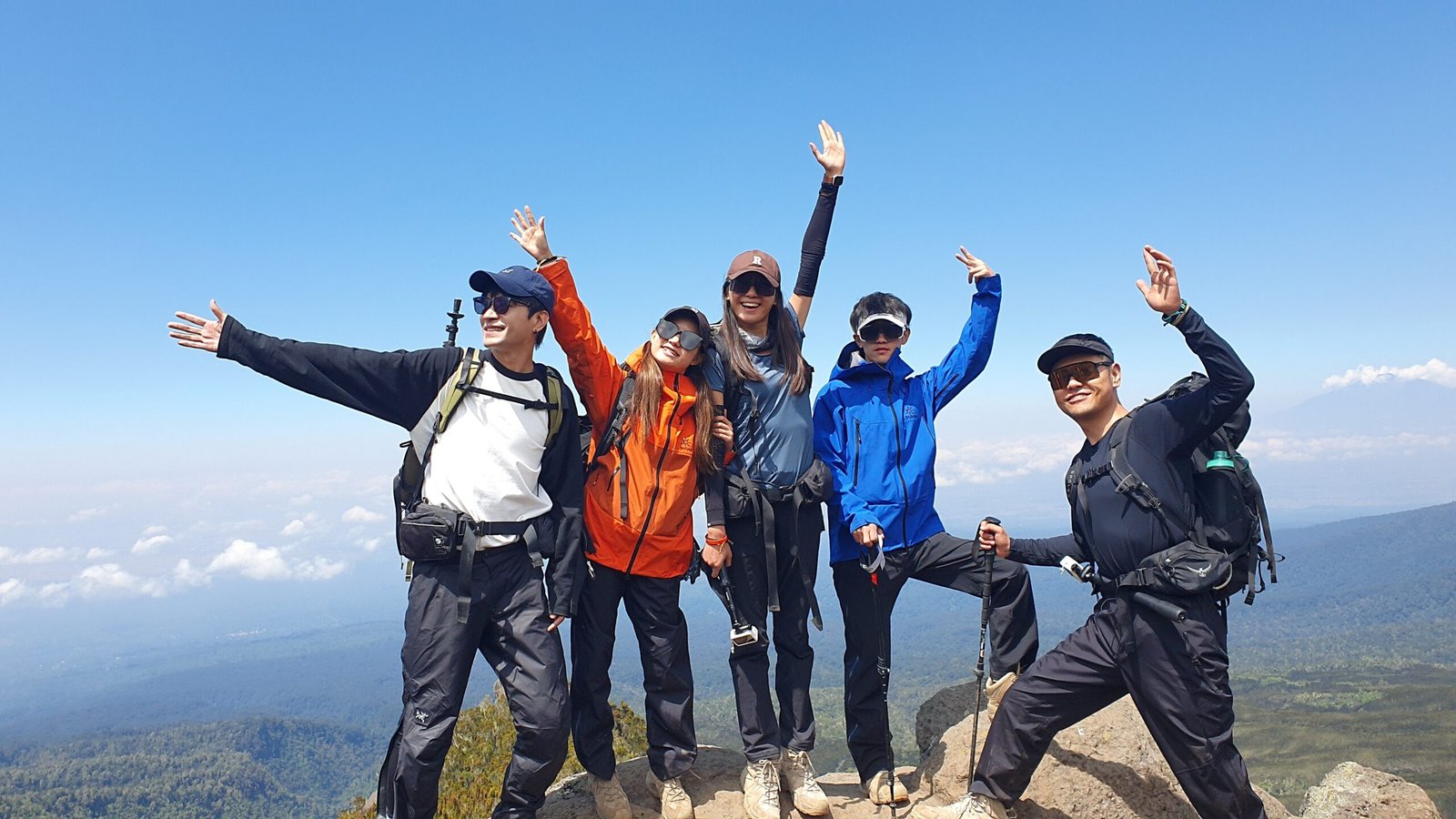
6 Days Machame Route Kilimanjaro Climbing Package Inclusions
The following services are included in the standard mountain climbing package described here. Final arrangements should be confirmed in your individual quotation before booking.
-
Professional, experienced Kilimanjaro mountain guides.
-
Mountain porters responsible for carrying camping equipment and permitted luggage.
-
Mountain cook and food preparation services.
-
Kilimanjaro National Park entrance and conservation fees.
-
Applicable camping fees and park rescue fees.
-
Mountain crew salaries and applicable park charges.
-
Transport from your hotel in Moshi or Arusha to Machame Gate.
-
Return transfer from Mweka Gate to your hotel in Moshi or Arusha.
-
Mountain camping tents on a shared basis.
-
Sleeping mattresses.
-
Dining tent and basic camping furniture.
-
Breakfast, lunch and dinner during the mountain trek, as specified in the itinerary.
-
Drinking water prepared for the climb.
-
Basic first-aid equipment and emergency oxygen carried by the mountain team.
-
Daily guidance and health monitoring by the mountain guides.
-
Assistance with Kilimanjaro National Park registration.
-
Government taxes applicable to the quoted mountain package.
6 Days Machame Route Kilimanjaro Climbing Package Exclusions
-
International and domestic flights.
-
Tanzania tourist visa fees.
-
Travel insurance, including suitable high-altitude trekking and emergency evacuation cover.
-
Accommodation in Moshi or Arusha before and after the climb, unless specifically included in your quotation.
-
Airport transfers, unless included in your confirmed booking.
-
Personal climbing equipment, including hiking boots, sleeping bags, jackets and trekking poles.
-
Personal expenses such as laundry, telephone calls and shopping.
-
Alcoholic drinks, soft drinks and other beverages not specified in the package.
-
Tips and gratuities for mountain guides, porters and cooks.
-
Additional meals or accommodation outside the scheduled climbing itinerary.
-
Optional activities and sightseeing before or after the trek.
-
Expenses resulting from changes to personal travel arrangements.
How Difficult Is the 6 Days Machame Route?
The six-day Machame Route is considered challenging because it involves several consecutive days of trekking, significant elevation gain and a demanding summit attempt. Although the route does not normally require technical mountaineering skills, climbers should be comfortable walking for several hours each day over rocky and uneven ground. The Barranco Wall includes short scrambling sections, while summit night requires walking in darkness at very high altitude.
The biggest challenge for many climbers is not the distance itself but the reduced oxygen availability as elevation increases. Altitude sickness can affect anyone, regardless of age or fitness level. Symptoms may include headaches, nausea, dizziness, unusual fatigue and difficulty sleeping. More serious symptoms require immediate attention and may make descent necessary. Your mountain guide will monitor your condition, but climbers should also report any symptoms promptly rather than attempting to hide discomfort.
For this reason, travellers with limited hiking experience or no previous exposure to high altitude may benefit from choosing a longer itinerary. A seven-day Machame climb allows an overnight stay at Karanga Camp, providing a more gradual schedule before the summit attempt. If you are unsure which route is suitable for you, contact Eddy Tours & Safaris for assistance with selecting an appropriate Kilimanjaro climbing programme.
Best Time to Climb Kilimanjaro via the Machame Route
Mount Kilimanjaro can be climbed throughout the year, but weather conditions vary considerably between seasons. The periods from January to March and June to October are generally considered favourable for trekking because they often experience less rainfall than the main rainy months. However, conditions can change quickly on the mountain, and climbers should prepare for rain, strong winds and freezing temperatures regardless of the month they choose.
January to March can offer clear mornings and quieter climbing conditions during certain periods, although snowfall and cold weather are possible at higher elevations. June to October is another popular climbing season, particularly among international travellers visiting Tanzania during their summer holidays. These months often provide relatively dry conditions, but popular campsites can become busy because many climbers prefer this time of year.
April and May usually receive heavier rainfall, making some sections of the Machame Route muddy and more difficult to walk. November can also experience short rains, although conditions vary from year to year. If your travel dates are flexible, our team at Eddy Tours & Safaris can help you plan your Kilimanjaro climb around your preferred travel period and any additional safari activities you may wish to include.
What to Pack for the 6 Days Machame Route Kilimanjaro Climb
Packing the correct clothing and equipment is essential because Kilimanjaro’s weather changes dramatically between the rainforest and summit. You may begin your climb in relatively warm conditions, experience rain and wind during the middle days, and encounter temperatures well below freezing during the final ascent. Rather than carrying heavy clothing for every situation, it is better to use a layered clothing system that allows you to adjust as temperatures change.
Important equipment includes:
-
Comfortable, waterproof hiking boots that have already been worn during training.
-
Thermal base layers for cold mornings and summit night.
-
Fleece or insulated mid-layers.
-
Warm down or synthetic insulated jacket.
-
Waterproof and windproof outer jacket.
-
Waterproof hiking trousers.
-
Comfortable trekking trousers and shirts.
-
Warm gloves and waterproof outer gloves.
-
Thermal hat, sun hat and neck protection.
-
Hiking socks and spare socks.
-
Sleeping bag suitable for very cold mountain conditions.
-
Headlamp with spare batteries.
-
Trekking poles.
-
Sunglasses with suitable UV protection.
-
Reusable water bottles or hydration containers.
-
Personal toiletries and prescribed medication.
-
Sunscreen and lip balm.
-
Small daypack for water, snacks and personal essentials.
-
Duffel bag for luggage carried by the mountain porters.
Before departure, your mountain guide will explain how to organize your equipment and separate items needed during the day from those carried by the porters. Travellers who do not own certain climbing items may be able to arrange equipment rental in Moshi or Arusha. It is advisable to confirm rental availability and equipment condition before the climbing date rather than waiting until the morning of departure.
For additional route preparation, travellers can read the Machame Route climbing information published by Kilimanjaro Climbing Specialist, alongside the practical advice provided by their mountain guides.
How Much Does a 6 Days Machame Route Kilimanjaro Climb Cost?
The cost of a six-day Machame Route climb depends on the number of participants, travel dates, group arrangements and services included in the booking. Private climbs generally cost more per person when there are only one or two participants because expenses such as transportation, guides, camping equipment and mountain crew arrangements are shared among fewer travellers. Larger groups may benefit from lower per-person costs, although the size of the mountain crew and the amount of equipment required also increase.
A proper Kilimanjaro climbing quotation should clearly explain the park fees, mountain crew services, accommodation arrangements, meals, transfers and any additional expenses. Travellers should be cautious about choosing a climbing package based only on the lowest advertised price. Reliable mountain operations require trained guides, appropriate safety equipment, sufficient food, suitable camping supplies and fair treatment of the porters and other crew members.
At Eddy Tours & Safaris, we recommend requesting a quotation based on your actual travel plans rather than relying on a general price that may not reflect your requirements. You can contact our team for a Kilimanjaro climbing quotation and provide your preferred dates, number of climbers and any additional services you would like included.
Can Beginners Climb Kilimanjaro in Six Days?
It is possible for some beginners to complete the six-day Machame Route, but this does not mean it is the best choice for everyone. Climbers who regularly walk long distances, participate in outdoor activities and have prepared physically may find the route manageable with professional guidance. However, the shorter itinerary provides less time for altitude adjustment, which can make summit day considerably more difficult.
Anyone planning to climb Kilimanjaro should begin preparing several weeks or months before departure, depending on their current fitness level. Training can include long walks, hill climbing, stair climbing and other endurance activities that strengthen the legs and improve cardiovascular fitness. Practising with a daypack and wearing the same hiking boots you intend to use on the mountain can also help you become comfortable with the equipment.
Physical preparation is important, but it does not guarantee protection against altitude sickness. Travellers with medical concerns should seek advice from an appropriate healthcare professional before booking a high-altitude climb. Those who have sufficient time may find the seven-day Machame Route more suitable because it provides a better-paced itinerary and an additional night on the mountain.
Combining Your Kilimanjaro Climb with a Tanzania Wildlife Safari
Many travellers visiting Tanzania choose to combine their Kilimanjaro climbing holiday with a wildlife safari. After spending six days trekking through mountain landscapes, a safari provides an opportunity to explore the country’s national parks, observe wildlife and experience a different side of Tanzania. This combination is particularly suitable for visitors travelling from overseas who want to make the most of their time in East Africa.
Tarangire National Park is a popular option for travellers interested in elephants, baobab trees and wildlife viewing along the Tarangire River. The Ngorongoro Crater offers a different experience, with a large concentration of wildlife living within its volcanic caldera. Travellers with more time may also include Serengeti National Park, which is widely known for its extensive grasslands, predators and the seasonal movements of wildebeest and zebra.
At Eddy Tours & Safaris, we can help arrange a combined Kilimanjaro climbing and Tanzania safari holiday according to your available time and preferred destinations. It is usually sensible to allow some recovery time after the climb, particularly following the long summit day, before beginning another demanding travel programme. You can discuss these arrangements with our team when planning your mountain expedition.
Frequently Asked Questions About the 6 Days Machame Route
Is six days enough to climb Mount Kilimanjaro?
Six days is enough to complete the standard shortened Machame Route itinerary, but it is a demanding schedule and does not provide as much time for acclimatization as longer routes. Some climbers complete the climb successfully within six days, while others may experience altitude-related difficulties. Travellers who have additional time should consider a seven-day or longer itinerary to allow a more gradual ascent.
Where do climbers sleep on the Machame Route?
Climbers sleep in mountain tents at designated campsites throughout the Machame Route. The standard six-day itinerary includes overnight stays at Machame Camp, Shira Camp, Barranco Camp, Barafu Camp and Mweka Camp. The mountain crew transports camping equipment between the campsites and prepares meals during the trek.
Do I need technical climbing experience?
Technical mountaineering experience is not normally required for the standard Machame Route. However, good physical fitness, suitable hiking equipment and the ability to walk on steep and uneven terrain are important. The Barranco Wall includes scrambling sections, and summit night can be extremely demanding because of the altitude and cold weather.
How cold does Kilimanjaro get during the climb?
Temperatures vary considerably depending on elevation, season and weather conditions. Lower sections of the mountain can be relatively warm during the day, while the upper slopes may experience freezing temperatures, strong winds and snow. Summit night can be especially cold, making insulated clothing, warm gloves and appropriate footwear essential.
Can I climb Kilimanjaro without a guide?
No. Climbers must use an authorized mountain guide and follow Kilimanjaro National Park requirements. A properly organized climb also involves arrangements for park permits, camping equipment, food and mountain crew support.
What happens if I cannot reach Uhuru Peak?
Not every climber reaches the summit, and there is no guarantee of success. If altitude sickness, exhaustion or unsafe weather conditions prevent you from continuing, your guide will assess the situation and arrange an appropriate descent. Your health and safety are more important than reaching the summit.
Can I book the Machame Route as a private climb?
Yes. Private Kilimanjaro climbing arrangements can be organized for individuals, couples, families and groups of friends, subject to operational availability. A private climb allows the itinerary and supporting travel arrangements to be planned around your group, although the mountain schedule must still follow park requirements and safe climbing practices.
Book Your 6 Days Machame Route Kilimanjaro Climb with Eddy Tours & Safaris
Planning a Kilimanjaro climb involves more than choosing a route and booking a flight. It requires suitable preparation, experienced mountain guides, reliable camping arrangements and a clear understanding of the physical demands of high-altitude trekking. The six-day Machame Route is a good option for prepared climbers who have limited time and want to experience the mountain’s southern circuit, but choosing the right itinerary for your fitness and experience is equally important.
At Eddy Tours & Safaris, we help travellers organize Kilimanjaro climbing holidays from Arusha and Moshi, including mountain transfers, guided trekking arrangements and additional Tanzania travel experiences. Whether you are interested in a private Machame Route climb or would like to combine Kilimanjaro with a safari to Serengeti, Tarangire or Ngorongoro, our team can help you prepare a travel plan that suits your interests.
Ready to plan your Kilimanjaro climb? Visit Eddy Tours & Safaris or contact us to request your 6 Days Machame Route climbing quotation. Share your preferred travel dates, number of participants and any special arrangements you require, and our team will help you take the next steps towards your Kilimanjaro adventure.