
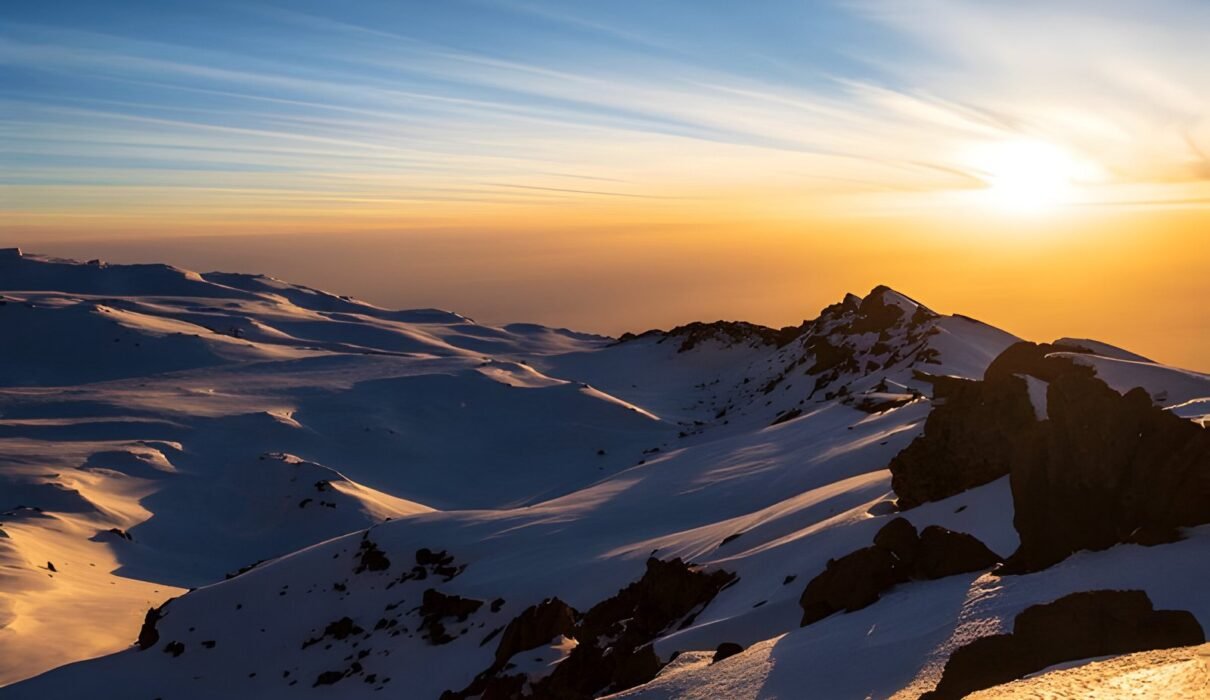
Guided Kilimanjaro climbing is the right choice for travellers who want to reach Africa’s highest mountain with a trained local team, a realistic route plan and practical support from arrival to the final descent. Mount Kilimanjaro rises to 5,895 metres above sea level. It does not require technical climbing skills on its standard trekking routes, but altitude, weather, fatigue and the long summit night make professional guiding essential.
A good Kilimanjaro climb is not only about standing at Uhuru Peak. It is about choosing enough days to acclimatise, preparing your equipment, moving at the right pace, eating and drinking consistently, and listening to the guides when conditions change. The mountain can be physically demanding for very fit people as well as for first-time trekkers. The strongest plan is one that treats it with respect rather than trying to finish as quickly as possible.
This guide explains what professional support on Kilimanjaro should include in 2027, how to choose a suitable route, what guides and porters do, how safety decisions are made and how to prepare before you travel. The goal is useful, honest information. A responsible operator does not guarantee the summit; it gives you the best preparation and support to make safe decisions throughout the climb.
Why guided Kilimanjaro climbing is required
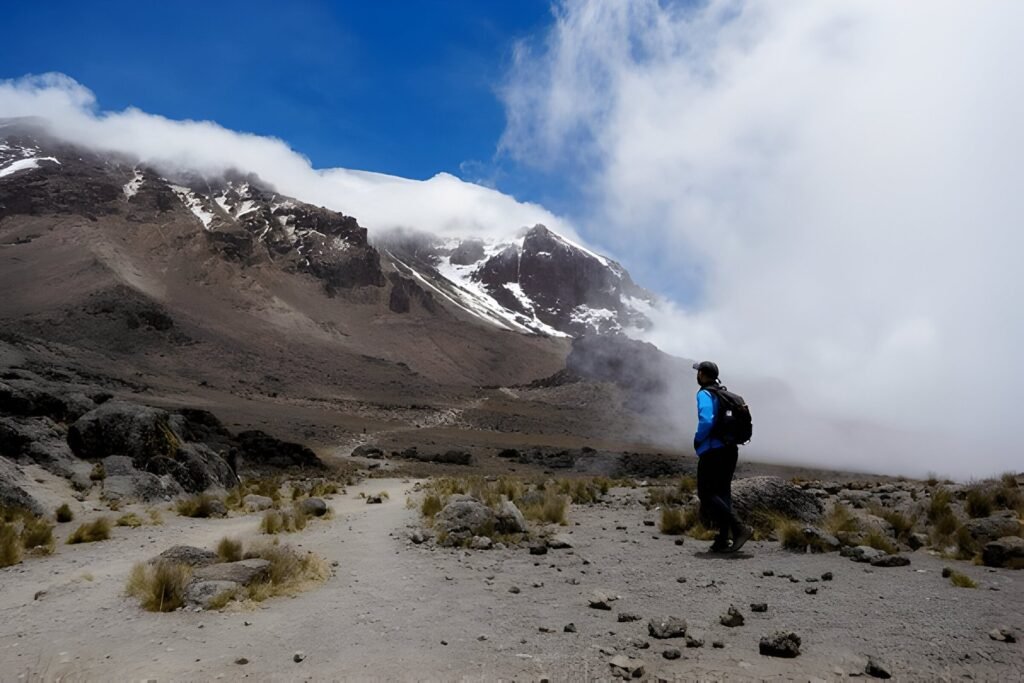
Climbers are required to trek Kilimanjaro with a licensed guide. This rule is there for good reasons. The mountain has complex terrain, rapidly changing weather and a serious altitude profile. A guide manages the route, sets a sustainable pace, checks the condition of climbers and knows when a person should rest, slow down or descend.
Guided Kilimanjaro climbing also means you are supported by a wider crew. Depending on group size and route, this can include a lead guide, assistant guide, cook and porters. The porters carry the main duffel bags and shared camp equipment within agreed weight limits. The cook prepares meals, while the guides manage the human side of the climb: health checks, motivation, safety and practical decisions each day.
Without this support, the logistics would be difficult even at low altitude. At 4,000 metres and above, it becomes much more important. The crew allows climbers to carry only a daypack with water, warm layers, snacks, rain gear, camera and personal essentials. That leaves more energy for walking and makes it easier to respond to changing conditions.
What professional Kilimanjaro support should look like
Professional support begins before the first walking day. You should receive a clear itinerary, route explanation, packing guidance, equipment-rental information and a chance to ask questions about your fitness or travel plans. On arrival in Moshi or Arusha, the team should confirm your gear, explain the schedule and make sure you understand what is included in the climb.
On the mountain, support should be consistent rather than only appearing at the summit. Your guide should set a manageable pace, complete regular health checks, monitor altitude symptoms and explain how the group is progressing. Meals should be nutritious and suited to mountain travel. Camps should be organised, and the crew should have clear communication about weather, route conditions and safety procedures.
Ask simple, direct questions before booking. Who will be the lead guide? How are daily health checks handled? What safety equipment does the team carry? What happens if a climber needs to descend? Are park fees, camping fees, meals and transfers included? A clear answer is a good sign. Vague promises and very low prices without detail should make you look more carefully.
Choosing the right Kilimanjaro route
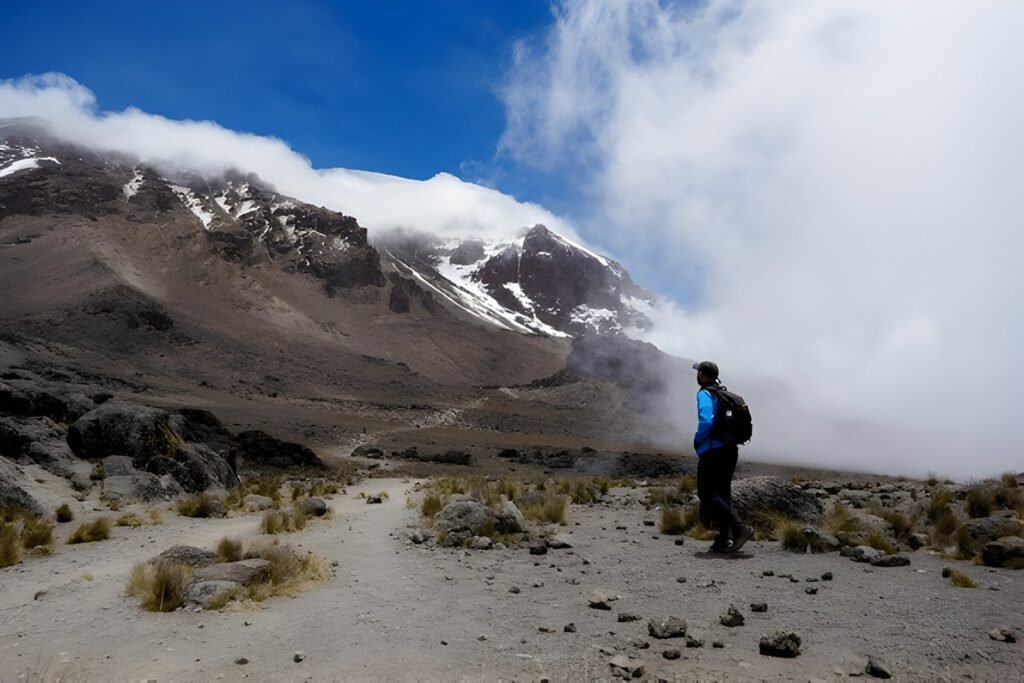
There is no one “best” route for every climber. The right route depends on your available time, fitness, previous altitude experience, preferred scenery and budget. Longer itineraries generally provide more acclimatisation time, which is valuable because altitude affects people differently.
Lemosho Route
Lemosho is one of the best all-round routes for travellers who want scenery and a gradual approach. It starts on the western side of Kilimanjaro, travels through forest and across the Shira Plateau, then follows the southern circuit through Lava Tower, Barranco and Barafu. Seven- or eight-day itineraries are common. The longer eight-day version is especially useful for acclimatisation.
Machame Route
Machame is a scenic and popular route, often completed in six or seven days. It also follows the southern circuit and includes Barranco Wall. The route is physically demanding because of its profile, so seven days is generally more sensible than trying to complete it too quickly. It suits fit walkers who are comfortable with a busy trail in peak season.
Marangu Route
Marangu is known for hut accommodation rather than camping. It uses the same route for ascent and descent, and its standard schedule is shorter than Lemosho. Climbers who prefer huts may like it, but a rushed itinerary can reduce acclimatisation time. An extra acclimatisation day should be considered where appropriate.
Rongai Route
Rongai approaches Kilimanjaro from the northern side and is generally quieter than the busy southern routes. It is a good option for people who want a different landscape and a less crowded trail. The ascent is gradual, though summit night remains demanding on every route.
Northern Circuit
The Northern Circuit is the longest main Kilimanjaro route, usually taking eight or nine days. It begins from the Lemosho side, circles the quieter northern slopes and offers excellent acclimatisation time. It costs more because of additional mountain nights, but it is an excellent choice for travellers who value a slower, more complete mountain journey.
Altitude: the main challenge on Kilimanjaro
At high elevation, the air contains less oxygen. Your body needs time to adapt, and this process cannot be forced by determination alone. Headache, poor sleep, nausea, fatigue and reduced appetite can occur as you climb. Some symptoms can be mild and manageable; others can signal a need to slow down or descend. This is why guides take regular checks seriously.
The golden rule on Kilimanjaro is pole pole—slowly, slowly. A steady pace uses less energy and gives the body time to respond. Drinking water, eating enough, staying warm and sleeping whenever possible all help. Do not be embarrassed to tell your guide how you feel. The earlier a concern is discussed, the easier it is to make a sensible decision.
Severe headache, confusion, poor coordination, serious breathing difficulty at rest or any sudden worsening symptoms require immediate attention. Your guide will make a professional assessment and may recommend descent. Turning back is not a failure. It is responsible judgement, and the priority is always to get every person down safely.
What happens on a typical mountain day?
A guided climb follows a simple routine. The crew wakes you with hot water for washing and tea or coffee. After breakfast, you pack your daypack and begin walking at the guide’s pace. Your main duffel bag is carried ahead by porters, so it will be ready at the next camp. Lunch may be taken at camp or on the trail, depending on the stage.
When you arrive at camp, you have time to rest, drink tea, take a short acclimatisation walk if recommended and prepare for dinner. The guide completes health checks and explains the next day. Evenings are early because good rest matters. At high camps, sleep may be light, but lying down and staying warm is still useful.
The routine can sound basic, but it works. Your job is to walk steadily, look after your body and communicate. The crew handles tents, food, water and route logistics so you can focus on the mountain itself.
Preparing physically for guided Kilimanjaro climbing
Start training well before your travel date. Regular walking is the foundation. Add longer weekend hikes, hill training, stairs or incline treadmill sessions. Strength exercises for legs, core and balance are useful because the descent can be hard on knees and tired muscles. If possible, train with the boots, socks and daypack you will use in Tanzania.
You do not need to be a fast runner to climb Kilimanjaro, but you do need endurance. You will walk for several consecutive days, often on uneven trails and at gradually increasing altitude. The best training is consistent. Build up slowly rather than pushing too hard in one session and then stopping for weeks.
Speak to a qualified medical professional before travel if you have an underlying health condition or are unsure about the physical demands. Individual medical advice is important; a general online article cannot assess your specific fitness or travel-health needs.
Essential Kilimanjaro gear
Kilimanjaro crosses several climate zones. You may begin in humid forest, walk under strong sun on the plateau and stand in freezing wind on summit night. Layering is essential. Bring moisture-wicking base layers, warm fleece or insulated mid-layers, a waterproof jacket and trousers, sturdy broken-in boots, gloves, a warm hat, sun hat and sunglasses.
For summit night, you need your warmest layers, insulated gloves or mitts, a reliable headlamp with spare batteries, warm socks and an insulated jacket. Trekking poles are very helpful for downhill sections and can reduce strain on knees. Keep personal medication, a copy of prescriptions, passport and insurance details in your hand luggage during flights.
Rental equipment may be available for items such as sleeping bags, jackets, poles and gaiters. Ask for the exact condition and size before relying on rental. Your guide can help with a final gear check before the climb, but it is better to arrange essential items early rather than depend on last-minute availability.
Responsible guides, porters and crew welfare
Every Kilimanjaro summit is a team effort. Porters carry equipment, cook meals, pitch tents and make camp life possible. Guides lead the route, watch the weather and make decisions that protect climbers. Choose an operator that values fair treatment, proper clothing, adequate meals and safe working practices for all crew members.
As a climber, you can help by respecting luggage-weight limits, keeping your personal belongings organised, treating people politely and asking about a fair tipping guideline. Do not choose a company only because its price is the lowest. Very cheap offers may leave out park fees, reduce food quality, overload porters or compromise safety support. A detailed quotation is more valuable than a low headline price with missing information.
Best time for a guided Kilimanjaro climb in 2027
January to early March and June to October are often preferred because conditions are generally drier. January and February can be warmer at lower elevations, while June to October brings colder summit temperatures and may be busier. Weather on Kilimanjaro is never fully predictable, so suitable rain protection and warm layers are essential in every season.
April, May and November are generally wetter. Forest trails may be muddy and cloud can reduce views, though crowds may be lower. Climbers who choose these months should be prepared for rain and should select an operator with reliable tents, waterproof storage and a well-organised crew.
What is usually included in a guided Kilimanjaro package?
- Licensed mountain guide, assistant guide(s), cook and porter team.
- Kilimanjaro park, camping or hut fees as listed in your final quotation.
- Mountain tents and sleeping mats on camping routes, or huts where the route uses them.
- Meals and purified drinking water during the climb.
- Transfers between your hotel and the relevant park gate.
- Daily health monitoring and standard mountain safety equipment.
- Summit certificate for climbers who reach the qualifying point.
What is commonly excluded?
- International flights, visas and personal travel insurance.
- Pre- and post-climb hotel nights unless listed in your package.
- Personal gear, sleeping bag, clothing and optional equipment rental.
- Meals and drinks in town that are not listed in the itinerary.
- Tips for guides, porters and cooks.
- Personal expenses, laundry, souvenirs and optional safari extensions.
How to compare guided Kilimanjaro climbing quotes
When two Kilimanjaro prices look very different, compare the details before deciding. Check the number of mountain days, route, hotel transfers, park fees, camping or hut fees, group size, guide ratio, meals, tents, safety systems, luggage allowance and whether rental equipment is included. A quote that simply says “all inclusive” without a list is not enough.
Ask about the accommodation before and after the climb as well. Most climbers need at least one hotel night before departure for the gear check and one after the descent to rest. Confirm whether airport transfers are included and whether the package begins in Moshi or Arusha. These details affect the real cost and comfort of the trip.
Do not select a route only because it has a high advertised summit-success rate. Such figures are not always measured in the same way and cannot predict an individual outcome. A better sign of quality is an itinerary with sufficient acclimatisation, clear safety procedures and guides who are prepared to put health before summit pressure.
After the mountain: recovery and next steps
Most climbers feel tired after the final descent, even when they reach the summit successfully. Give yourself time to rest, eat properly, hydrate and sleep in Moshi or Arusha. A massage, gentle walk, coffee tour or quiet hotel day can be more appealing than another early departure. Your legs and feet may take a day or two to recover from the long downhill section.
A safari is an excellent extension after recovery. You can travel to Tarangire for elephants and baobabs, descend into Ngorongoro Crater, or continue to Serengeti for wildlife viewing. Plan the safari with realistic transfer times, especially if your return flight is soon after the climb. A calm itinerary is safer and more enjoyable than trying to fit everything into a tight schedule.
Useful questions to ask before you confirm
- Which exact route and number of mountain days are included?
- Who pays the park and rescue fees, and are they already included in the quoted price?
- What safety equipment and health-monitoring process will the guides use?
- What is the main-duffel weight allowance, and what equipment can I rent?
- What hotel nights, transfers and meals are included before and after the climb?
- How will dietary requirements or allergies be handled on the mountain?
Frequently asked questions
Do I need climbing experience?
Technical climbing experience is not required on the main trekking routes, but training and mountain preparation are essential. Choose a route with enough days and be honest about your fitness.
Can a guide guarantee I will reach Uhuru Peak?
No. A professional guide can provide safe pacing, monitoring and support, but altitude and weather affect each person differently. Any company that guarantees the summit is not being realistic.
How many days should I choose?
For many people, seven or eight days on routes such as Lemosho or Machame offer a better acclimatisation profile than shorter options. The Northern Circuit takes even longer and provides more gradual altitude adjustment.
Plan your guided Kilimanjaro climb with Eddy Tours & Safaris
For route-focused information and practical mountain planning, visit Kilimanjaro Climb Specialist. Eddy Tours & Safaris can also help you arrange a Kilimanjaro climb with hotel transfers, equipment guidance and a Tanzania safari extension before or after the mountain. Visit Eddy Tours & Safaris to explore safari options.
To request a 2027 Kilimanjaro quote, use the contact page, email eddytoursandsafaris@gmail.com or sales@eddytours-safaris.com, or call and WhatsApp +255 711 906 664. Share your preferred dates, group size, route preference, trekking experience and any safari plans so the itinerary can be prepared clearly.