
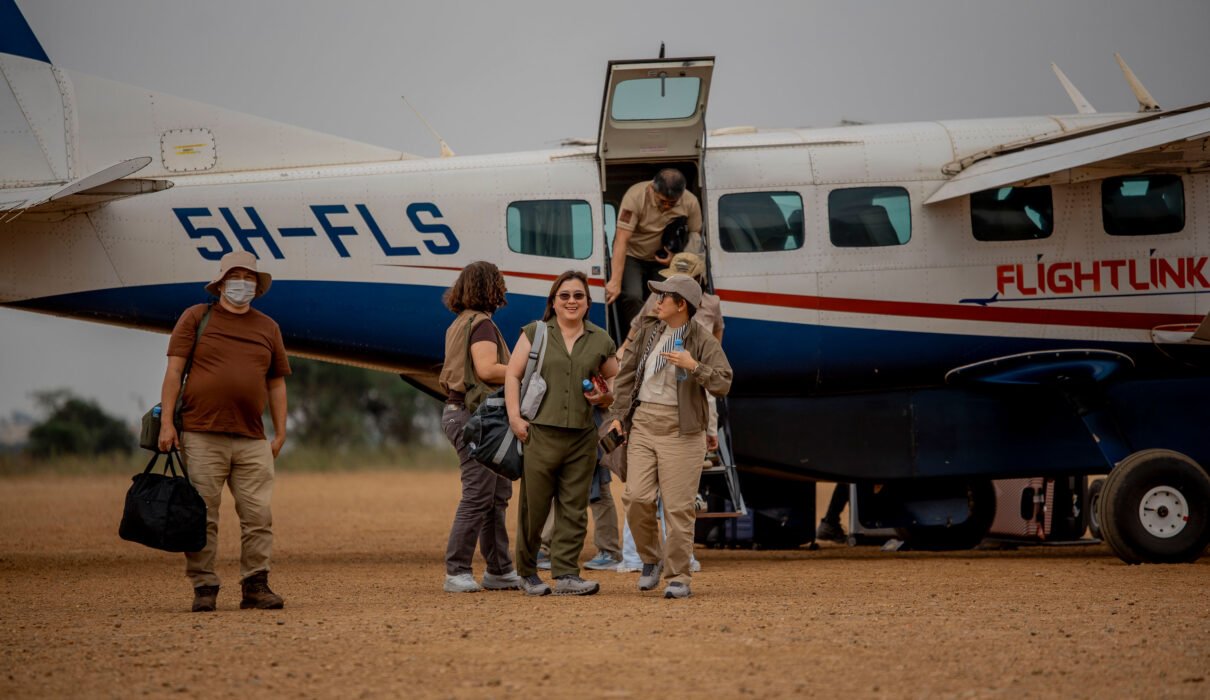
Guidelines for Carrying Government Trophies to Tanzania 2026, 2027 & 2028 : Tanzania is one of Africa’s most respected wildlife destinations, home to Serengeti National Park, Ngorongoro Crater, Tarangire National Park, Lake Manyara, and many protected conservation areas. Because wildlife is a national treasure, the movement of wildlife trophies and animal products is carefully controlled. These Guidelines for Carrying Government Trophies to Tanzania 2026, 2027 & 2028 are designed to help tourists travel responsibly and avoid mistakes at airports, border points, and customs checkpoints.
A government trophy may include wildlife parts or products such as ivory, horns, teeth, claws, bones, skins, feathers, eggs, shells, coral, dried animals, taxidermy items, or any item made from protected wildlife. Even if an item was bought legally in another country, it may still require proper import permits before entering Tanzania. Travelers should never assume that a souvenir is allowed simply because it was sold in a shop. Guidelines for Carrying Government Trophies to Tanzania 2026, 2027 & 2028 are important for travelers who may be entering Tanzania with wildlife products, hunting trophies, animal parts, shells, horns, feathers, bones, skins, ivory, or other natural souvenirs. Tanzania has strict wildlife conservation laws, and visitors should understand that carrying government trophies without the correct permits can lead to confiscation, delays, fines, legal problems, or serious travel disruption.
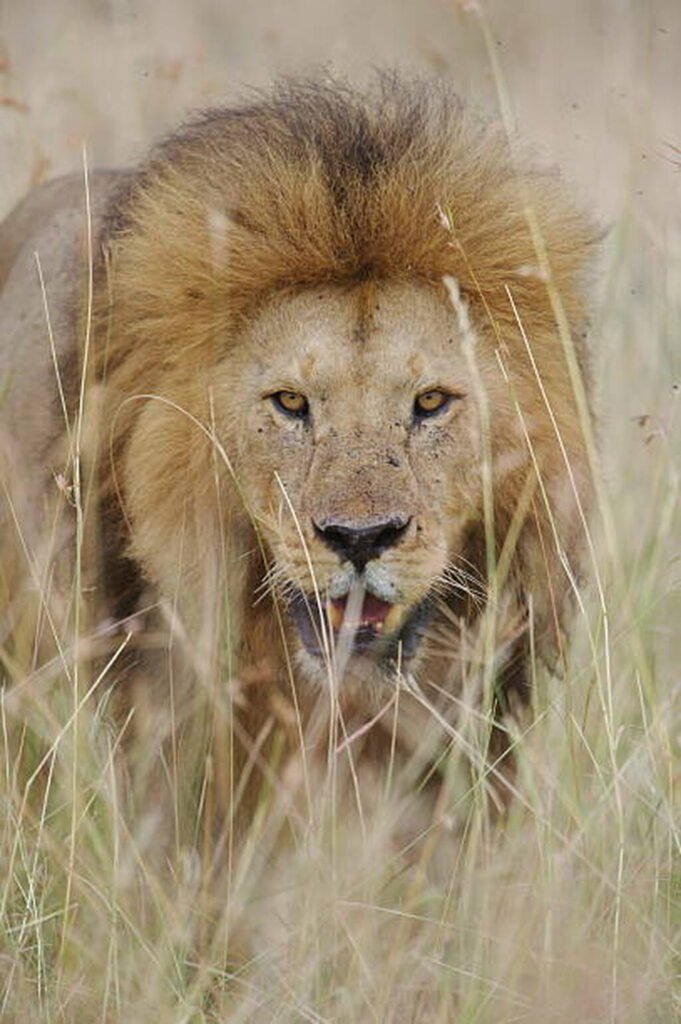
Guidelines for Carrying Government Trophies to Tanzania 2026, 2027 & 2028 : Why These Guidelines Matter
Guidelines for Carrying Government Trophies to Tanzania 2026, 2027 & 2028 matter because wildlife crime is taken seriously in Tanzania. The country protects its wildlife resources through strict laws and official permit systems. Tourists who unknowingly carry restricted items may face questioning, document checks, confiscation, or penalties.
Many travelers do not realize that wildlife products can include small souvenirs. A bracelet made from animal bone, a carved item containing ivory, a shell necklace, a feather decoration, or a skin product may create problems if it falls under protected wildlife regulations. For this reason, it is always safer to travel without wildlife products unless you have confirmed the rules and obtained the correct documents.

What Are Government Trophies?
Government trophies generally refer to wildlife, wildlife parts, or products that are protected under Tanzanian wildlife laws. These items may come from animals, birds, reptiles, marine life, or other protected species. In simple terms, if an item comes from wildlife, travelers should treat it carefully and check whether it requires official approval.
Examples may include ivory, rhino horn, animal skins, bones, teeth, claws, horns, feathers, eggs, shells, coral, skulls, taxidermy, hunting trophies, and carvings made from animal material. These Guidelines for Carrying Government Trophies to Tanzania 2026, 2027 & 2028 advise travelers to avoid carrying such items unless they have valid permits from the relevant wildlife authority.
Guidelines for Carrying Government Trophies to Tanzania 2026, 2027 & 2028 : Do Not Carry Wildlife Trophies Without Permits
The most important rule is simple: do not carry wildlife trophies into Tanzania without the correct permits. Even if you are only transiting through Tanzania, carrying wildlife products without documentation can create serious problems. Airport and customs officers may ask where the item came from, whether it is legal, and whether you have import, export, re-export, or ownership documents.
If you already own a wildlife product or hunting trophy from another country, contact the relevant authorities before traveling. You may need export documents from the country of origin and import approval before entering Tanzania. If you cannot confirm the legal status of the item, do not bring it with you.
Common Items Travelers Should Avoid Carrying
- Ivory or items that may contain ivory
- Animal horns, teeth, claws, bones, or skulls
- Animal skins, hides, fur, or leather from protected species
- Feathers, eggs, or bird products
- Coral, shells, marine products, or turtle items
- Taxidermy animals or mounted trophies
- Traditional medicines made from wildlife parts
- Jewelry, carvings, ornaments, or souvenirs made from animal material
These items may look harmless, but they can still be treated as regulated wildlife products. The safest advice in these Guidelines for Carrying Government Trophies to Tanzania 2026, 2027 & 2028 is to avoid carrying any animal-based souvenir unless you are fully sure it is legal and properly documented.
Guidelines for Carrying Government Trophies to Tanzania : Before You Travel to Tanzania
Before traveling, check your luggage carefully. Remove any questionable wildlife products, especially items bought during previous trips. If you are unsure whether an item is legal, contact your airline, your local customs office, the Tanzanian authorities, or a licensed wildlife permit office before departure.
You can also use Google to search for updated Tanzania customs and wildlife permit information, but final confirmation should always come from official authorities. Online advice can be helpful, but it should not replace legal permit guidance.
Documents That May Be Required
Depending on the item, travelers may need different types of documents. These may include import permits, export permits, re-export certificates, trophy ownership certificates, CITES documents, customs declarations, receipts, and official clearance letters. Requirements can vary depending on the species, country of origin, and destination.
These Guidelines for Carrying Government Trophies to Tanzania 2026, 2027 & 2028 should not be treated as legal approval to carry trophies. They are general travel guidance. If you are carrying any wildlife product, you must confirm the exact permit requirements before your trip.
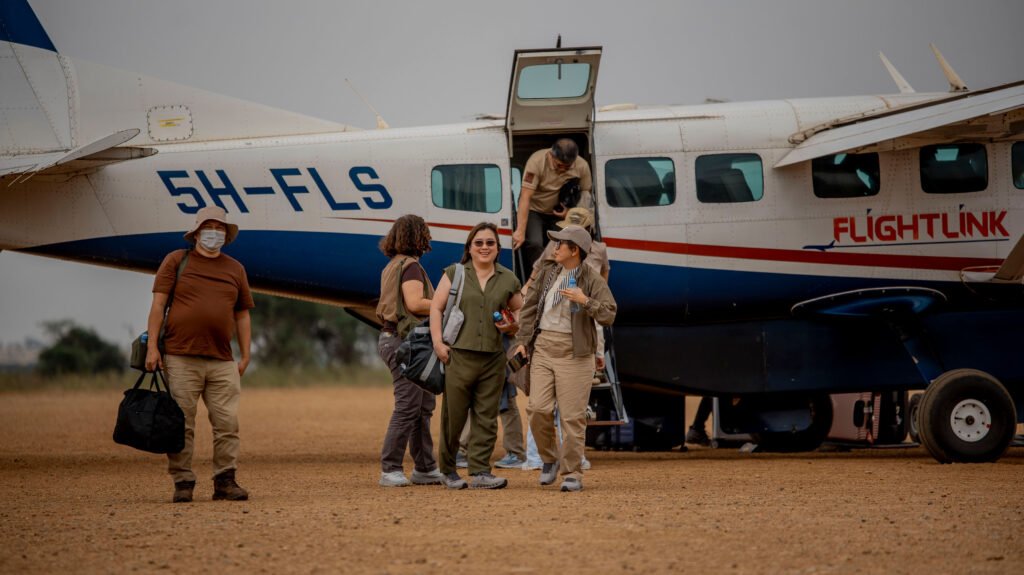
Guidelines for Carrying Government Trophies to Tanzania : What Happens at the Airport?
When arriving in Tanzania, airport or customs officers may inspect your luggage. If they find wildlife products, they may ask for supporting documents. If you cannot provide proper permits, the item may be detained or confiscated. In serious cases, the traveler may face further investigation.
This is why it is better to prevent the issue before travel. Do not pack questionable items. Do not carry wildlife products for another person. Do not accept gifts from someone if you do not know what they are made from. Do not assume that a receipt from a shop is enough to prove legality.
Advice for Safari Travelers
Safari travelers should focus on photography, memories, and ethical souvenirs. Tanzania offers beautiful handmade crafts, beadwork, paintings, fabrics, coffee, spices, and locally made gifts that do not involve protected wildlife products. These are safer choices for tourists and better for responsible travel.
If you are booking a safari with Eddy Tours and Safaris, you can ask for general travel advice before arrival. A good safari company can remind guests about luggage rules, responsible souvenirs, and common mistakes to avoid when entering Tanzania.
Government Trophies and Kilimanjaro Travelers
Travelers combining safari with Mount Kilimanjaro should also be careful. If you are climbing before or after your safari, avoid carrying wildlife souvenirs in your mountain luggage. For climbing information, route planning, and mountain travel support, you may visit Kilimanjaro Climb Specialist.
The same caution applies whether you are visiting Serengeti, Ngorongoro, Tarangire, Zanzibar, or Kilimanjaro. Wildlife products require serious attention, and these Guidelines for Carrying Government Trophies to Tanzania 2026, 2027 & 2028 help travelers understand why careful preparation matters.
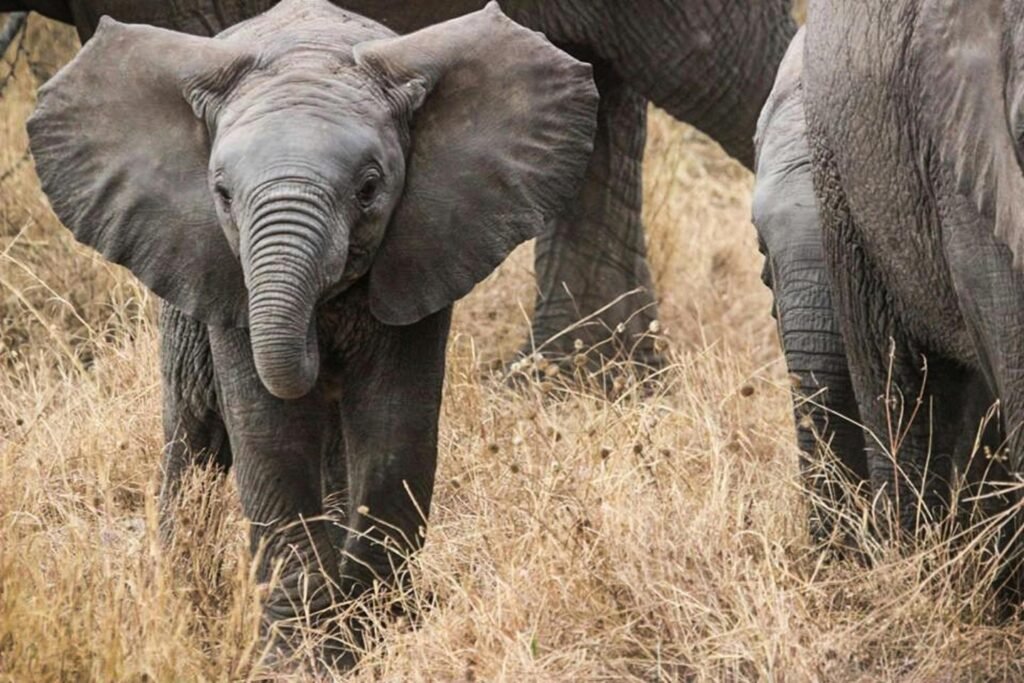
Responsible Tourism and Wildlife Protection
Tanzania’s wildlife is one of the main reasons millions of travelers visit the country. Protecting animals is not only a government responsibility; it is also part of responsible tourism. Tourists should avoid buying products that encourage illegal wildlife trade or damage conservation efforts.
Choose souvenirs that support local communities without harming wildlife. Buy from reputable shops, request receipts, and avoid anything made from ivory, shells, coral, bones, skins, or unknown animal material. Responsible choices help protect Tanzania’s wildlife for future travelers in 2026, 2027, 2028, and beyond.
Important Travel Tips
- Do not carry wildlife parts unless you have valid permits.
- Check your bags before traveling to Tanzania.
- Avoid ivory, shells, coral, horns, skins, feathers, bones, and claws.
- Never carry wildlife products for another person.
- Keep receipts for all legal souvenirs.
- Ask official authorities if you are unsure.
- Choose ethical souvenirs made from safe materials.
- Declare any questionable item honestly at customs.
What to Do If You Already Have a Trophy Item
If you already own a trophy item and plan to travel to Tanzania, do not pack it until you confirm the rules. Contact the relevant wildlife authority in your country and confirm whether Tanzania requires an import permit. If you cannot get clear written approval, leave the item at home or ship it through proper legal channels where allowed.
These Guidelines for Carrying Government Trophies to Tanzania 2026, 2027 & 2028 strongly recommend that holiday travelers avoid bringing wildlife trophies into Tanzania unless the trip specifically involves legally documented trophy movement handled through official procedures.
Guidelines for Carrying Government Trophies to Tanzania : Frequently Asked Questions
Can tourists carry government trophies to Tanzania?
Tourists should not carry government trophies or wildlife products to Tanzania without the correct permits. If the item comes from wildlife, it may be restricted and should be checked before travel.
Are shells and coral allowed into Tanzania?
Shells and coral can be sensitive because they may fall under marine protection or wildlife regulations. It is safer not to carry them unless you have confirmed they are legal and properly documented.
Is a shop receipt enough for wildlife souvenirs?
A receipt may help prove purchase, but it does not always prove that a wildlife item is legal to import, export, or possess. Official permits may still be required.
What happens if I arrive with an illegal trophy item?
The item may be confiscated, and you may face questioning, delays, fines, or legal action depending on the item and circumstances.
Can I bring hunting trophies from another country into Tanzania?
Only if you have the proper documents and permits required by the relevant authorities. If you are unsure, do not travel with the item.
Final Advice Before Traveling
Guidelines for Carrying Government Trophies to Tanzania 2026, 2027 & 2028 are simple in practice: avoid carrying wildlife products unless you have confirmed official permission. Tanzania is a wildlife-rich country with strong conservation laws, and travelers should respect those laws from the moment they pack their bags.
For a smooth safari holiday, travel with normal personal items, ethical souvenirs, and clear documents where needed. Leave questionable wildlife products at home, ask before buying animal-based souvenirs, and enjoy Tanzania through photography, culture, landscapes, and unforgettable wildlife experiences.