
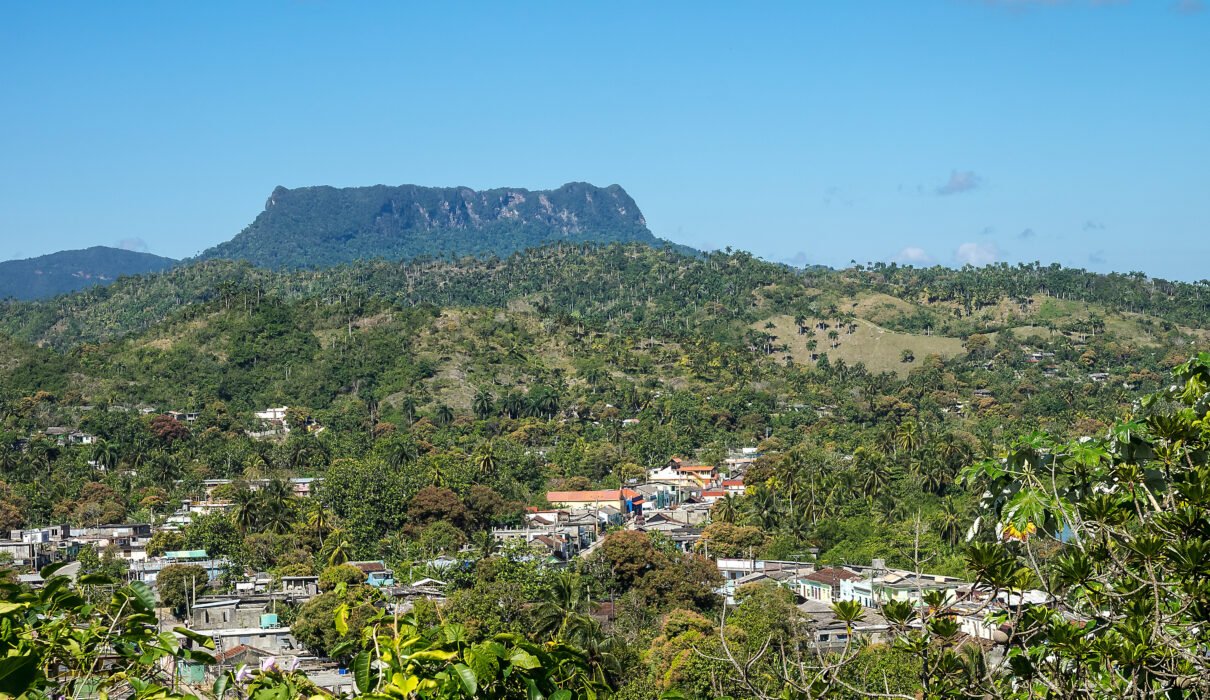
Highest Mountains in Europe are more than just snow-covered peaks rising above the clouds. They are powerful symbols of nature, history, adventure, and human endurance. From the rugged Caucasus to the majestic Alps, these towering summits shape climates, inspire explorers, and attract thousands of climbers every year. Understanding their geography and significance helps travelers and nature lovers appreciate Europe beyond its cities and coastlines.
For adventurers planning safaris and mountain expeditions, exploring Europe’s peaks often goes hand in hand with global mountain dreams such as Kilimanjaro. You can discover more African expeditions through Eddy Tours & Safaris, a trusted company specializing in authentic adventure travel experiences.
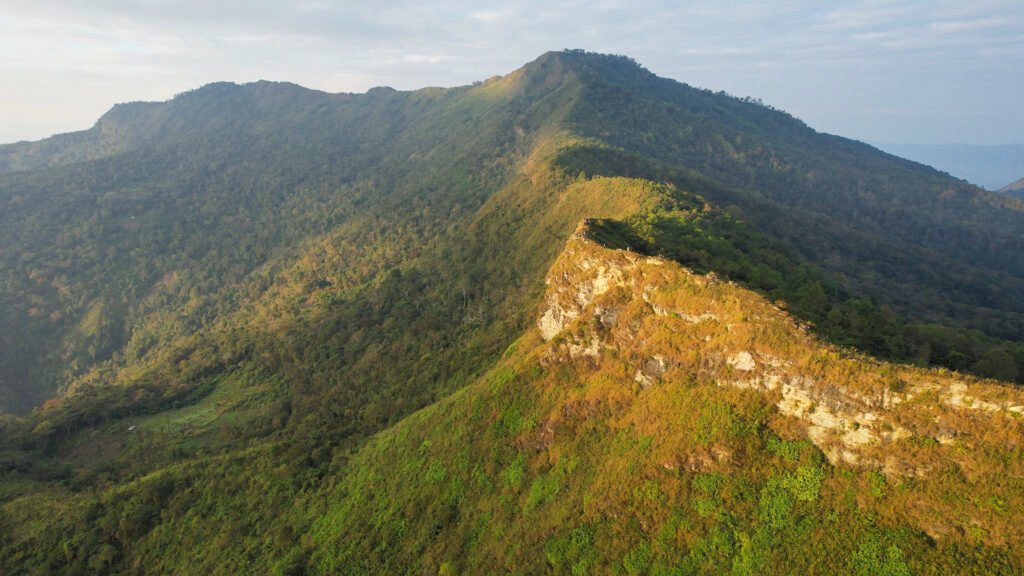
Understanding the Geography Behind the Highest Mountains in Europe
The Highest Mountains in Europe are largely located in two major ranges: the Caucasus Mountains and the Alps. The Caucasus range stretches between the Black Sea and the Caspian Sea, forming a natural boundary between Europe and Asia. According to the National Geographic Society, continental boundaries are partly cultural and historical, which is why Mount Elbrus is widely recognized as Europe’s highest peak.
The Alps dominate Central Europe and influence weather systems across the continent. Research from the European Space Agency shows that alpine glaciers are essential indicators of climate change, affecting freshwater supplies and ecosystems. Scientific data from IPCC further confirms that mountain environments are highly sensitive to global warming.
Mount Elbrus – The Undisputed Leader
Standing at 5,642 meters, Mount Elbrus in Russia’s Caucasus region is the tallest among the Highest Mountains in Europe. It is a dormant volcano with twin summits and snow-covered slopes that challenge climbers from around the world. Geological studies by the United States Geological Survey classify it as a stratovolcano formed millions of years ago.
Elbrus is one of the Seven Summits, a mountaineering challenge recognized globally. Organizations like the International Climbing and Mountaineering Federation promote responsible climbing standards to protect such fragile ecosystems.
Mont Blanc – The Alpine Icon
Mont Blanc, rising to 4,808 meters, is the highest mountain in the Alps. Shared between France and Italy, it attracts thousands of climbers annually. Scientific research from CNRS France highlights its glacial retreat and environmental importance. Mont Blanc is not just a climbing destination but a key part of Europe’s hydrological system.
Adventure lovers who dream of climbing iconic mountains often begin their journey with guided tours. You can explore similar adventure planning through Eddy Tours & Safaris, known for organizing safe and professional expeditions.
Dykh-Tau and Shkhara – Caucasus Giants
Dykh-Tau and Shkhara rank among the highest mountains in Europe after Elbrus. Both are located in the Caucasus and present extreme climbing conditions. According to alpine research from The Alpine Club, these peaks are technically demanding due to steep ridges and unpredictable weather.
These mountains play a crucial ecological role. Conservation efforts supported by International Union for Conservation of Nature emphasize preserving biodiversity in high-altitude regions.
Why the Highest Mountains in Europe Matter for Climate Science
Mountain ecosystems act as climate regulators. Data from the United Nations Environment Programme shows that glaciers in Europe are shrinking at alarming rates. The Alps, in particular, are closely monitored by researchers at World Meteorological Organization.
Glacial melt affects rivers that supply millions of people. Studies published by Nature Research explain how mountain water systems influence agriculture, hydropower, and biodiversity across Europe.
Wildlife in Europe’s High Mountains
The Highest Mountains in Europe are home to rare species such as the Alpine ibex and golden eagle. Wildlife conservation groups like World Wildlife Fund and BirdLife International work to protect fragile alpine habitats.
Protected areas within the Alps are supported by networks such as European Environment Agency, ensuring sustainable tourism practices.
Climbing Culture and Responsible Tourism
Mountaineering is deeply rooted in European history. Organizations like the Royal Geographical Society have documented centuries of exploration. Modern climbers rely on guidelines from Outdoor Alliance to promote environmental responsibility.
If you are considering high-altitude adventures globally, Kilimanjaro is another iconic climb. Learn more from Kilimanjaro Climb Specialist, a respected authority in African mountain expeditions.
For African safari extensions after European climbs, Eddy Tours & Safaris offers tailored packages blending wildlife and adventure seamlessly.
Comparison Table of the Highest Peaks
| Mountain | Height (meters) | Range | Country |
|---|---|---|---|
| Mount Elbrus | 5642 | Caucasus | Russia |
| Mont Blanc | 4808 | Alps | France/Italy |
| Dykh-Tau | 5205 | Caucasus | Russia |
| Shkhara | 5193 | Caucasus | Georgia |
Adventure Beyond Europe
Many climbers who conquer the Highest Mountains in Europe expand their journey to Africa’s savannahs. A combination of mountain trekking and wildlife safaris creates unforgettable experiences. Discover curated safari packages at Eddy Tours & Safaris, where expert guides ensure safety and authenticity.
Frequently Asked Questions About Highest Mountains in Europe
Which is the tallest among the Highest Mountains in Europe?
Mount Elbrus is the tallest peak, rising above all other European summits.
Are the Alps higher than the Caucasus?
No, the Caucasus range contains higher peaks, including Mount Elbrus.
Is Mont Blanc part of the Highest Mountains in Europe?
Yes, Mont Blanc is the highest mountain in the Alps and one of Europe’s tallest.
Why are these mountains important for climate research?
They contain glaciers that provide key data on climate change and freshwater systems.
Can beginners climb the Highest Mountains in Europe?
Some peaks require technical skills, while others can be climbed with proper training and guides.
What wildlife lives in these high mountains?
Species like ibex, chamois, and golden eagles thrive in alpine ecosystems.
Conclusion
The Highest Mountains in Europe stand as natural wonders that inspire adventure, science, and conservation. From Mount Elbrus to Mont Blanc, these peaks shape ecosystems and human ambition alike. Whether you dream of alpine climbing or combining mountain exploration with African safaris, planning with trusted experts ensures a safe and meaningful journey. Nature’s giants are waiting, and your next great adventure could begin today.