
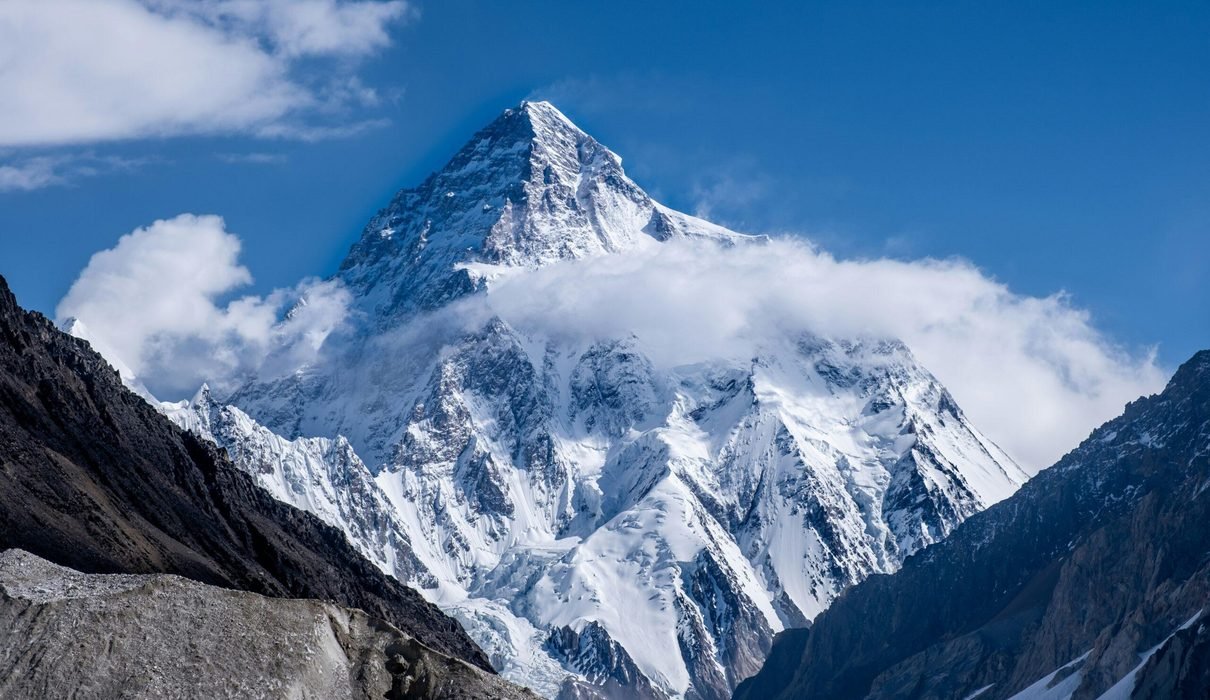
The highest mountains in the world have attracted climbers, explorers and adventure travelers for generations. From Mount Everest in the Himalayas to Mount Kilimanjaro in Tanzania, these mountains offer some of the most impressive landscapes on Earth. Each mountain has its own history, climbing challenges and natural environment, making it important to understand the differences before planning a climbing adventure.
When people think about the world’s tallest mountains, Mount Everest is usually the first name that comes to mind. Standing at 8,848.86 metres above sea level, Everest is the highest mountain on Earth. However, it is only one of several enormous peaks found in Asia. Mountains such as K2, Kangchenjunga, Lhotse and Makalu also rise above 8,000 metres, making them some of the most challenging climbing destinations in the world.
Climbing these mountains requires much more than ordinary hiking experience. Most involve glaciers, steep ice, exposed ridges, difficult weather and extremely high elevations. Climbers often spend several weeks preparing and acclimatizing before attempting the summit. Some expeditions require specialized climbing equipment, technical training and extensive experience in high-altitude mountaineering.
Fortunately, travelers who want to experience mountain climbing do not necessarily need to begin with the world’s highest peaks. Mountains such as Kilimanjaro and Mount Meru in Tanzania provide opportunities for guided trekking without the technical demands of an 8,000-metre expedition on their standard routes. These climbs still require fitness, proper preparation and respect for altitude, but they are often more realistic goals for people starting their mountain adventures.
In this guide, Eddy Tours & Safaris explores the ten highest mountains in the world, their elevations, locations, climbing difficulties and what makes each mountain special. We also look at other famous mountains worth climbing, including Africa’s highest peak, Mount Kilimanjaro.
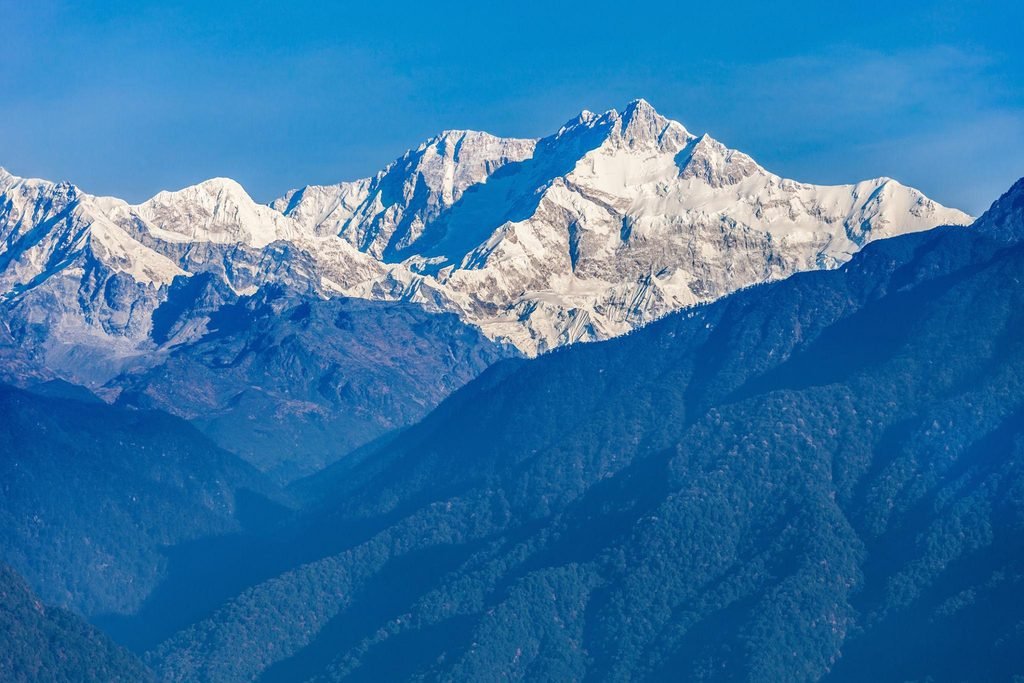
What Are the 10 Highest Mountains in the World?
The ten highest independent mountains in the world are found in Asia, within the Himalayan and Karakoram mountain systems. All ten rise above 8,000 metres above sea level, placing them among the group of peaks commonly known as the eight-thousanders.
| Rank | Mountain | Height | Location | Mountain range |
|---|---|---|---|---|
| 1 | Mount Everest | 8,848.86 m | Nepal / China | Himalayas |
| 2 | K2 | 8,611 m | Pakistan / China | Karakoram |
| 3 | Kangchenjunga | 8,586 m | Nepal / India | Himalayas |
| 4 | Lhotse | 8,516 m | Nepal / China | Himalayas |
| 5 | Makalu | 8,485 m | Nepal / China | Himalayas |
| 6 | Cho Oyu | 8,188 m | Nepal / China | Himalayas |
| 7 | Dhaulagiri I | 8,167 m | Nepal | Himalayas |
| 8 | Manaslu | 8,163 m | Nepal | Himalayas |
| 9 | Nanga Parbat | 8,126 m | Pakistan | Himalayas |
| 10 | Annapurna I | 8,091 m | Nepal | Himalayas |
Heights are commonly accepted modern elevations. Small differences may appear between surveys and geographical references.
1. Mount Everest – 8,848.86 Metres
Location: Nepal and China
Mountain range: Himalayas
First confirmed ascent: 1953
Mount Everest is the highest mountain in the world, standing at 8,848.86 metres above sea level. Located on the border between Nepal and Tibet, China, Everest has become one of the most famous mountains in history. Its summit attracts experienced mountaineers who want to achieve one of the greatest challenges in high-altitude climbing.
The mountain is known for its extreme elevation, freezing temperatures, powerful winds and difficult climbing conditions. Climbers attempting Everest normally spend several weeks on the mountain, allowing time for acclimatization and preparation before the final summit attempt. Depending on the route, expeditions may involve crossing glaciers, climbing steep ice, using fixed ropes and navigating dangerous terrain.
One of the most serious challenges on Everest is the extreme altitude. Above approximately 8,000 metres, the body cannot acclimatize sufficiently for prolonged exposure, making time spent at these elevations particularly dangerous. Even experienced climbers face significant risks from altitude illness, exhaustion, weather changes and other mountain hazards.
Everest is an extraordinary mountain, but it is not an appropriate first climbing destination for someone without substantial mountaineering experience. Travelers who want to begin with high-altitude trekking may find that a guided Kilimanjaro expedition offers a more suitable introduction to mountain environments.
2. K2 – 8,611 Metres
Location: Pakistan and China
Mountain range: Karakoram
First ascent: 1954
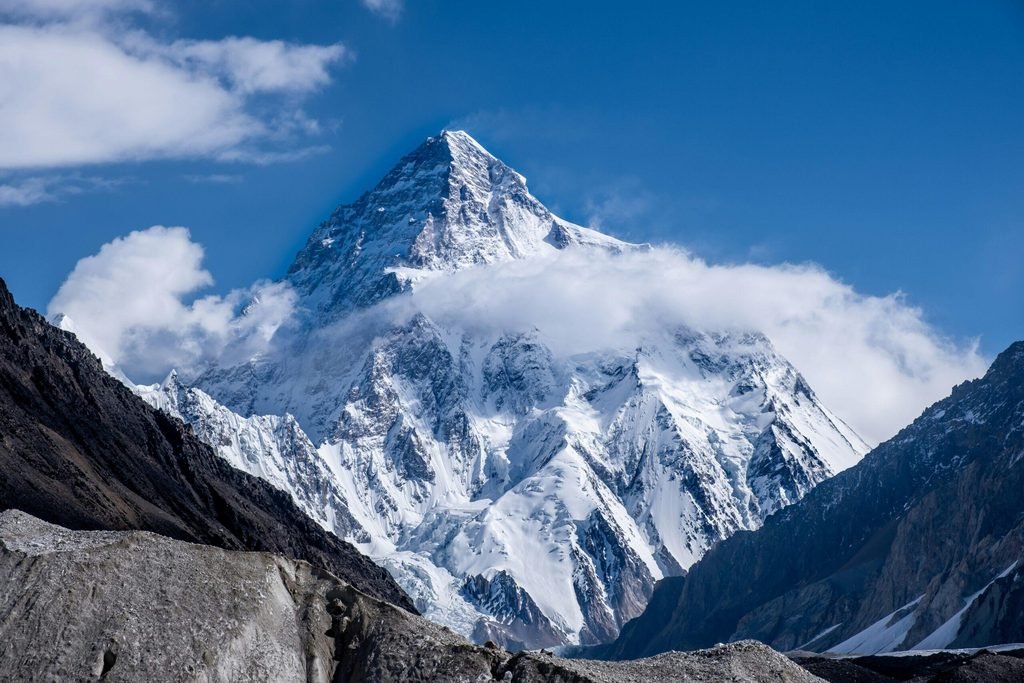
K2 is the second-highest mountain in the world and one of the most technically demanding peaks in mountaineering. Located in the Karakoram range along the Pakistan–China border, the mountain rises to 8,611 metres above sea level. Its steep slopes and striking pyramid-shaped appearance make it one of the most recognizable mountains in Asia.
Unlike some mountains where climbers can follow comparatively less technical routes, K2 presents serious challenges involving exposed rock, ice, steep ridges and unstable weather. The mountain’s difficult terrain requires strong climbing skills, careful expedition planning and considerable experience at high altitude.
Weather conditions can change rapidly, and climbers must be prepared for extreme cold, strong winds and periods when summit attempts are not possible. The combination of technical difficulty and extreme elevation makes K2 a major objective for highly experienced mountaineers rather than recreational hikers.
For travelers interested in the Karakoram without attempting K2’s summit, trekking toward the mountain’s base camp can provide views of the surrounding peaks and glaciers. These journeys are still demanding and require suitable preparation, but they are very different from a technical summit expedition.
3. Kangchenjunga – 8,586 Metres
Location: Nepal and India
Mountain range: Himalayas
First ascent: 1955
Kangchenjunga is the third-highest mountain in the world, rising to 8,586 metres above sea level. Located along the border between Nepal and India, it is known for its enormous mountain walls, glaciers and remote surroundings. The mountain is also culturally important to communities living in the surrounding Himalayan region.
Compared with some better-known Himalayan climbing destinations, Kangchenjunga is located in a relatively remote area. Expeditions involve long approaches, difficult mountain terrain and complex logistical arrangements. The mountain’s size and isolation contribute to the challenges faced by climbers attempting to reach its upper slopes.
Kangchenjunga is not a mountain for beginners. Its summit routes involve technical mountaineering, serious altitude exposure and difficult weather conditions. Climbers need experience in high-altitude expeditions and the ability to make careful decisions when conditions become unsafe.
Travelers who do not intend to climb the summit can explore trekking routes in the surrounding region. These journeys offer opportunities to experience Himalayan landscapes and mountain communities without undertaking the full risks of a summit expedition.
4. Lhotse – 8,516 Metres
Location: Nepal and China
Mountain range: Himalayas
First ascent: 1956
Lhotse is the fourth-highest mountain in the world, standing at 8,516 metres above sea level. It lies close to Mount Everest and forms part of the same high mountain system. The mountain is particularly famous for its enormous south face, which rises steeply above the surrounding valleys.
Some Lhotse expeditions share part of the approach used by climbers heading toward Everest. However, reaching Lhotse’s summit involves its own technical challenges, including steep snow and ice terrain. The mountain’s close relationship with Everest does not make it an easy alternative.
Climbers attempting Lhotse must be prepared for extreme altitude, difficult conditions and the physical demands of technical mountaineering. The final stages of the ascent can be especially challenging because of the steep terrain and reduced oxygen availability.
For experienced climbers, Lhotse offers an opportunity to explore one of the most dramatic parts of the Himalayas. For general adventure travelers, trekking in the Everest region provides a way to appreciate the mountain without attempting the summit.
5. Makalu – 8,485 Metres
Location: Nepal and China
Mountain range: Himalayas
First ascent: 1955
Makalu is the fifth-highest mountain in the world, reaching 8,485 metres above sea level. It is located southeast of Mount Everest and is recognized for its striking pyramid-shaped summit. Its steep faces and exposed ridges make it one of the more demanding mountains among the world’s highest peaks.
The mountain’s upper sections require strong technical climbing skills and careful movement across snow, ice and rocky terrain. Climbers must also deal with extreme altitude and unpredictable Himalayan weather. These challenges make Makalu a serious objective even for experienced mountaineers.
Makalu’s surrounding region is known for its mountain scenery and relatively remote trekking routes. Travelers visiting the area can experience high Himalayan landscapes, traditional communities and views of several major peaks.
Although Makalu is less widely discussed than Everest, it remains one of the great mountains of the world. Its combination of height, technical difficulty and remote setting makes it a significant achievement for climbers who successfully complete an expedition.
6. Cho Oyu – 8,188 Metres
Location: Nepal and China
Mountain range: Himalayas
First ascent: 1954
Cho Oyu is the sixth-highest mountain in the world, standing at 8,188 metres above sea level. Located near the Nepal–China border, it is sometimes described as one of the less technically demanding 8,000-metre mountains when compared with peaks such as K2 or Makalu.
However, this description should not be misunderstood. Cho Oyu is still an extremely high mountain where climbers face serious risks from altitude illness, cold temperatures, changing weather and difficult terrain. Reaching its summit requires proper mountaineering experience, careful acclimatization and specialized equipment.
The mountain has attracted climbers seeking experience at elevations above 8,000 metres, although access, permits and route conditions can change. Expedition arrangements must be confirmed through the appropriate authorities and experienced operators.
Cho Oyu demonstrates an important lesson about mountain climbing: a route that is considered less technical than another can still be dangerous because of its elevation and environmental conditions.
7. Dhaulagiri I – 8,167 Metres
Location: Nepal
Mountain range: Himalayas
First ascent: 1960
Dhaulagiri I is the seventh-highest mountain in the world, rising to 8,167 metres above sea level. Located in Nepal, the mountain is known for its enormous slopes, impressive mountain walls and surrounding valleys.
The Dhaulagiri region offers some of the most dramatic scenery in the Himalayas, with large differences in elevation between the valleys and mountain summits. This landscape creates spectacular views but also presents serious challenges for mountaineers attempting the peak.
Climbing Dhaulagiri requires advanced mountaineering skills and careful expedition planning. The mountain’s steep slopes, snow conditions and avalanche exposure can make the ascent particularly dangerous. Weather conditions also play an important role in determining whether an expedition can proceed safely.
For travelers who prefer trekking rather than technical climbing, the surrounding Dhaulagiri region offers challenging routes through remote mountain landscapes. These treks still require preparation and experience but do not involve the same technical demands as a summit attempt.
8. Manaslu – 8,163 Metres
Location: Nepal
Mountain range: Himalayas
First ascent: 1956
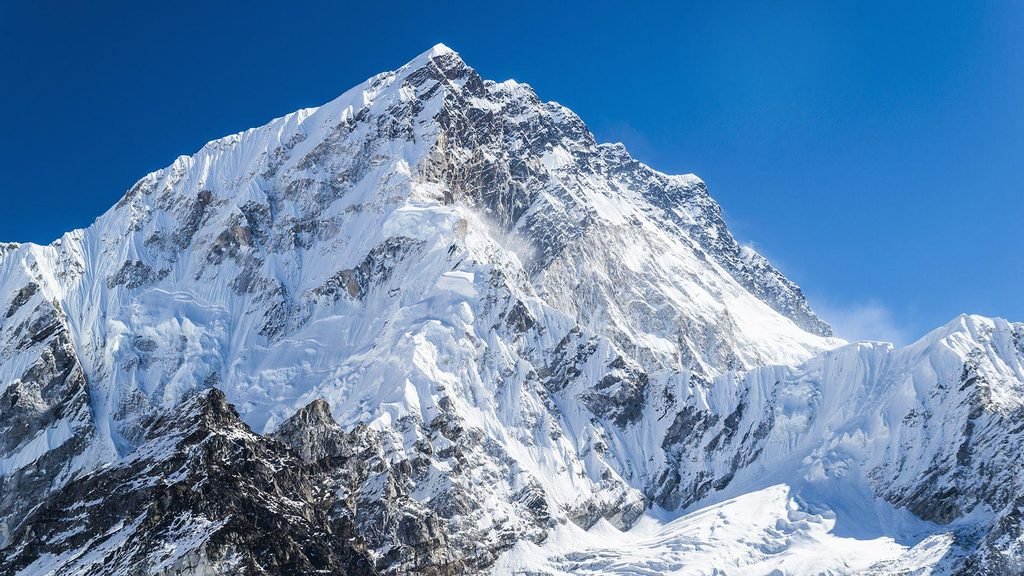
Manaslu is the eighth-highest mountain in the world, reaching 8,163 metres above sea level. Located in Nepal’s Himalayan region, it is known for its large glaciers, steep mountain slopes and beautiful surrounding valleys.
Manaslu attracts experienced mountaineers who want to attempt an 8,000-metre peak. Although it has established expedition routes, the mountain remains dangerous because of avalanche exposure, crevasses, changing snow conditions and extreme altitude.
The Manaslu region is also popular with trekkers, particularly those interested in the Manaslu Circuit. This route passes through mountain villages, valleys and high passes, offering a different experience from technical summit climbing.
For travelers who want to experience the Himalayas without attempting an 8,000-metre summit, trekking in the Manaslu region can be an attractive option. However, high passes and remote terrain still require proper preparation and suitable guiding arrangements.
9. Nanga Parbat – 8,126 Metres
Location: Pakistan
Mountain range: Western Himalayas
First ascent: 1953
Nanga Parbat is the ninth-highest mountain in the world, standing at 8,126 metres above sea level. Located in northern Pakistan, it is famous for its enormous mountain faces and dramatic rise above the surrounding valleys.
The mountain has a long history of difficult climbing expeditions. Its steep terrain, severe weather and avalanche hazards have contributed to its reputation as one of the world’s most demanding mountains.
Nanga Parbat is particularly impressive because of the scale of its mountain walls. The Rupal Face is widely known for its enormous vertical relief, making it one of the mountain’s most recognizable features.
Although summit climbing is suitable only for highly experienced mountaineers, the surrounding region offers trekking opportunities and views of the mountain from lower elevations. These experiences allow travelers to appreciate Nanga Parbat’s size and beauty without attempting its dangerous upper slopes.
10. Annapurna I – 8,091 Metres
Location: Nepal
Mountain range: Himalayas
First ascent: 1950
Annapurna I is the tenth-highest mountain in the world, reaching 8,091 metres above sea level. It is historically important because it was the first mountain above 8,000 metres to be successfully climbed, in 1950.
Despite being the lowest mountain on this top-ten list, Annapurna I is not an easy climb. Its steep slopes, avalanche hazards and difficult snow conditions make it one of the most serious challenges in high-altitude mountaineering.
The surrounding Annapurna region is also one of Nepal’s best-known trekking destinations. Popular trekking routes provide views of major Himalayan peaks, traditional villages and varied mountain landscapes. These journeys attract travelers who want to experience the region without attempting a technical summit.
Annapurna demonstrates that mountain height alone does not determine climbing difficulty. Terrain, weather, snow stability, altitude and route conditions all influence the risks involved in an expedition.
Are the World’s Highest Mountains Suitable for Beginners?
The ten highest mountains in the world are not suitable first summits for ordinary hikers. All ten rise above 8,000 metres and require serious mountaineering preparation. Climbers attempting these peaks need experience with high-altitude environments, technical climbing equipment and emergency procedures.
Beginners who want to start mountain climbing should first consider lower-elevation trekking routes that allow them to build experience gradually. This may involve regular hiking, multi-day mountain treks and guided expeditions before progressing toward more demanding mountains.
For travelers interested in Africa, Mount Kilimanjaro and Mount Meru in Tanzania are two important destinations to consider. Although both mountains require preparation and have altitude-related risks, their standard trekking routes are generally more accessible than technical Himalayan expeditions.
Other Famous Mountains Worth Climbing Around the World
The world’s highest mountains are not necessarily the best starting points for travelers who want to experience mountain climbing. Several other famous peaks offer rewarding adventures without reaching the extreme elevations of the Himalayan eight-thousanders.
| Mountain | Elevation | Location | Main attraction |
|---|---|---|---|
| Mount Kilimanjaro | 5,895 m | Tanzania | Africa’s highest mountain |
| Aconcagua | 6,961 m | Argentina | Highest mountain outside Asia |
| Denali | 6,190 m | United States | Highest mountain in North America |
| Mount Elbrus | 5,642 m | Russia | Commonly recognized as Europe’s highest mountain |
| Mount Vinson | 4,892 m | Antarctica | Antarctica’s highest mountain |
| Mount Kenya | 5,199 m | Kenya | High-altitude trekking and technical climbing |
| Mount Meru | 4,566 m | Tanzania | Scenic guided trekking in Arusha National Park |
These mountains vary greatly in difficulty. Some standard routes are nontechnical treks, while others require glacier travel, mountaineering skills or experience in extreme environments.
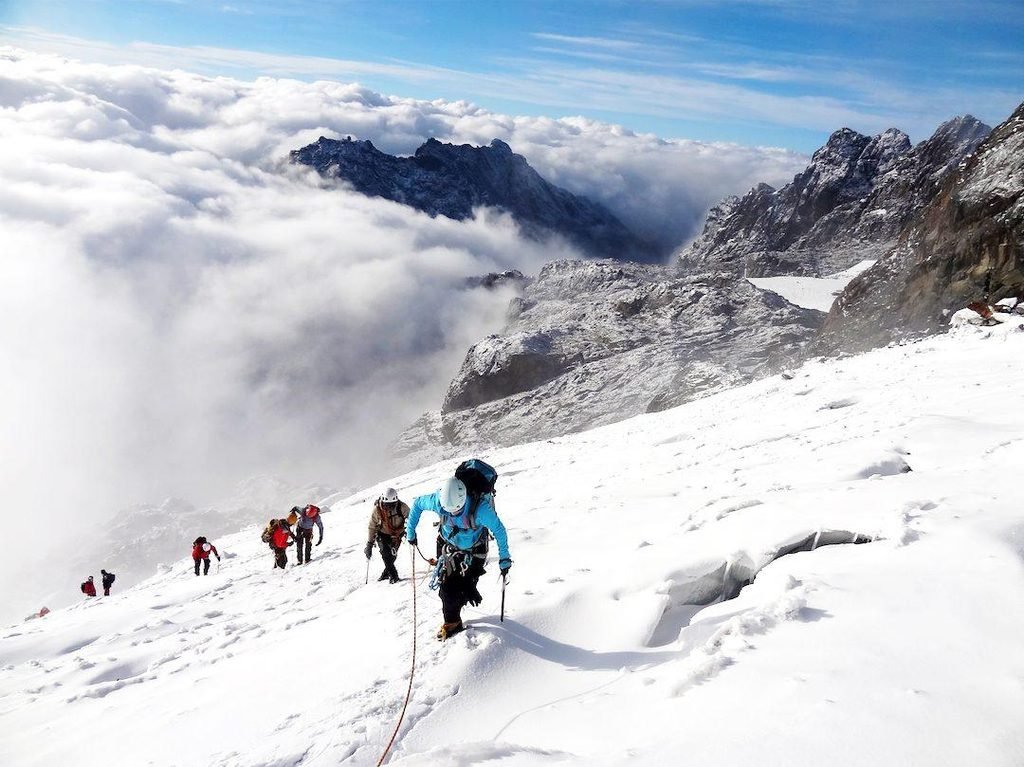
Mount Kilimanjaro: Africa’s Highest Mountain and a Popular Trekking Destination
Mount Kilimanjaro stands at 5,895 metres above sea level in northern Tanzania, making it the highest mountain in Africa and the highest free-standing mountain commonly recognized in the world. Unlike the Himalayan eight-thousanders, Kilimanjaro’s standard trekking routes do not normally require technical rock or ice climbing under suitable conditions.
This makes Kilimanjaro an attractive goal for physically prepared travelers who want to experience high-altitude trekking. However, the climb should not be underestimated. Reaching Uhuru Peak involves several days of walking, cold mountain conditions and significant altitude exposure.
Kilimanjaro has several established climbing routes, including Machame, Lemosho, Marangu, Rongai, Northern Circuit, Umbwe and Shira. Each route offers different landscapes and acclimatization opportunities, so choosing a suitable itinerary is an important part of preparation.
Popular Kilimanjaro Routes to Consider
Machame Route: One of the most popular routes, known for varied scenery, the Shira Plateau and Barranco Wall. Travelers can learn more about the Machame Route Kilimanjaro itinerary before deciding which climbing schedule suits them.
Lemosho Route: A scenic western approach that passes through rainforest and the Shira Plateau. The eight-day itinerary is particularly attractive for travelers who want additional acclimatization time.
Marangu Route: Known for its mountain hut accommodation. Travelers can compare the experience with the Marangu Kilimanjaro climb when considering their options.
Rongai Route: Approaches Kilimanjaro from the northern side near the Tanzania–Kenya border. Longer itineraries can include additional acclimatization opportunities around Mawenzi.
Northern Circuit: One of Kilimanjaro’s longest commonly offered trekking routes, taking climbers around the quieter northern slopes before the summit attempt.
The best route depends on your available time, hiking experience, fitness and acclimatization needs. Longer itineraries are generally worth considering because they provide more time to adjust to altitude.
Mount Meru: Another Great Mountain to Climb in Tanzania
Mount Meru is Tanzania’s second-highest mountain, rising to approximately 4,566 metres above sea level. Located inside Arusha National Park, it offers a rewarding trekking experience with views of volcanic landscapes, forests and surrounding wildlife areas.
A typical Mount Meru expedition takes three or four days, with the four-day itinerary providing a more relaxed schedule. The route passes through forest and open mountain terrain before reaching higher elevations near the summit. Climbers may encounter wildlife in the lower sections, which is one reason authorized ranger accompaniment is an important part of the experience.
Mount Meru is often considered by travelers preparing for Kilimanjaro because it provides experience with multi-day trekking and altitude. However, climbing Meru does not guarantee successful acclimatization for a later Kilimanjaro expedition, particularly if sufficient time is not allowed between the climbs.
For travelers who want to explore both mountains, Eddy Tours & Safaris can help discuss suitable climbing arrangements and the time needed for each expedition.
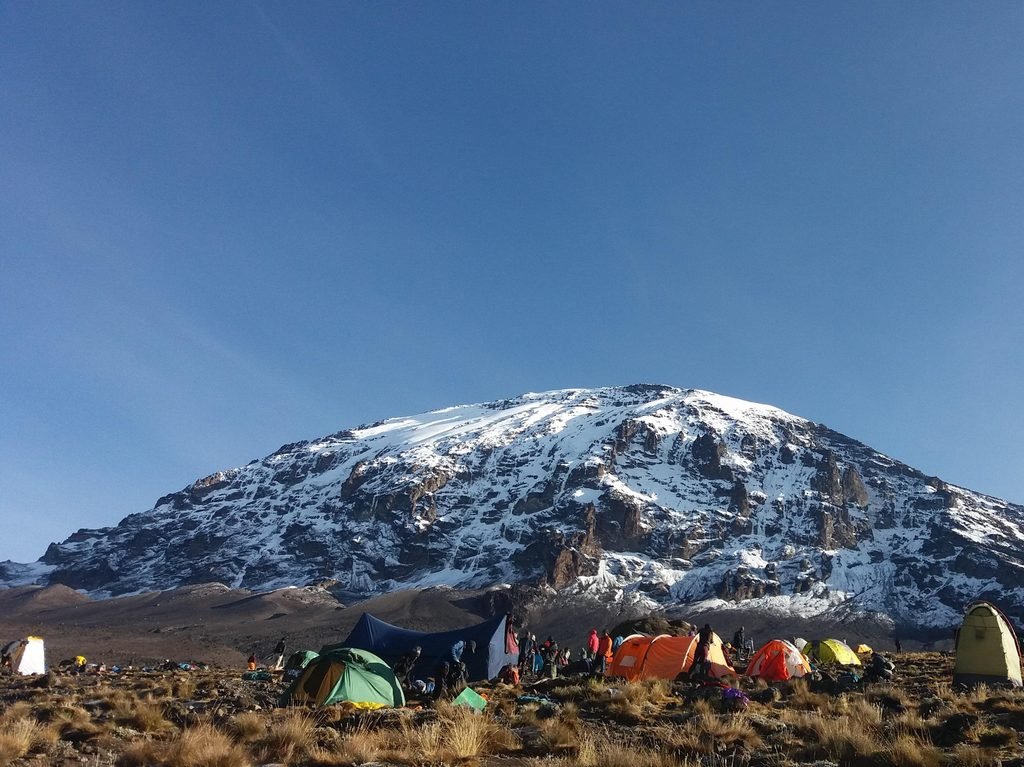
How to Prepare for Climbing a High Mountain
Preparing for a mountain expedition begins with understanding the demands of the route. A high-altitude trek is very different from an ordinary walk because climbers must manage several days of physical activity, changing weather conditions and reduced oxygen availability. Even on nontechnical mountains, preparation can make a major difference to comfort and safety.
Physical training should include regular hiking, cardiovascular exercise and leg-strength work. Practicing on hills and uneven terrain is especially useful because mountain trails often involve long ascents and descents. Climbers should gradually increase their walking distance and become comfortable carrying a daypack.
Equipment preparation is equally important. Suitable hiking boots, layered clothing, waterproof protection, warm gloves, a headlamp and an appropriate sleeping bag may be necessary depending on the route. Technical expeditions require additional specialist equipment and training that should never be replaced by ordinary trekking gear.
Altitude acclimatization is another major consideration. The body needs time to adjust as elevation increases, and physical fitness alone does not prevent altitude sickness. Climbers should choose appropriate itineraries, understand the symptoms of altitude illness and follow professional medical and guiding advice.
When Is the Best Time to Climb Mount Kilimanjaro?
Mount Kilimanjaro can be climbed throughout the year, although some periods generally provide more favorable trekking conditions. January to March and June to October are commonly popular because they often experience relatively drier weather.
April and May are generally associated with heavier rainfall, while November and December may also experience seasonal rain. However, weather conditions vary, and freezing temperatures, strong winds and poor visibility can occur at high altitude during any month.
Travelers planning a Kilimanjaro expedition should select dates according to their availability, preferred weather conditions and the arrangements confirmed by their tour operator. Choosing a popular season does not guarantee reaching the summit.
Can You Combine Kilimanjaro Climbing with a Tanzania Safari?
Yes. One of the advantages of climbing Kilimanjaro is the opportunity to combine the expedition with a wildlife safari in northern Tanzania. After completing the climb, travelers can visit some of the country’s best-known wildlife destinations, including Serengeti National Park, Ngorongoro Crater, Tarangire National Park and Lake Manyara National Park.
A short safari can be arranged for travelers with limited time, while longer itineraries allow visitors to explore several parks at a more relaxed pace. Some travelers also choose to finish their holiday on Zanzibar’s beaches after their mountain and safari experiences.
Combining mountain climbing with a safari allows visitors to experience different sides of Tanzania during one trip. However, it is important to allow suitable recovery time after the climb, particularly if the expedition involved significant exhaustion or altitude-related symptoms.
For assistance planning a climbing and safari holiday, travelers can contact Eddy Tours & Safaris to discuss suitable arrangements.
Frequently Asked Questions About the Highest Mountains in the World
1. What is the highest mountain in the world?
Mount Everest is the highest mountain above sea level, standing at 8,848.86 metres.
2. What is the second-highest mountain?
K2, at approximately 8,611 metres above sea level.
3. What is the third-highest mountain?
Kangchenjunga, located along the Nepal–India border, at approximately 8,586 metres.
4. How many mountains are higher than 8,000 metres?
The traditional list recognizes fourteen independent mountains above 8,000 metres.
5. Where are the world’s highest mountains located?
The fourteen traditionally recognized eight-thousanders are located in Asia, within the Himalayan and Karakoram mountain systems.
6. Is Mount Everest the hardest mountain to climb?
Not necessarily. Technical difficulty, weather, route conditions and objective hazards differ between mountains. K2 and Annapurna are also known for serious climbing challenges.
7. Can beginners climb Mount Everest?
Everest is not suitable as a first mountain climb. Summit expeditions require extensive high-altitude and technical mountaineering experience.
8. What is the highest mountain in Africa?
Mount Kilimanjaro in Tanzania, at 5,895 metres.
9. Is Kilimanjaro among the world’s ten highest mountains?
No. Kilimanjaro is much lower than the world’s ten highest peaks, all of which exceed 8,000 metres.
10. Is Kilimanjaro easier than Everest?
The standard Kilimanjaro trekking routes are generally much less technical than Everest summit expeditions, although altitude illness and difficult weather remain serious risks.
11. What is the highest mountain outside Asia?
Aconcagua in Argentina, at approximately 6,961 metres.
12. What is the highest mountain in North America?
Denali in Alaska, United States, at approximately 6,190 metres.
13. What is the highest mountain in Europe?
Mount Elbrus in Russia is commonly recognized as Europe’s highest mountain, depending on the geographical definition of the Europe–Asia boundary.
14. What is the highest mountain in Antarctica?
Mount Vinson, at approximately 4,892 metres.
15. Is Mount Kenya higher than Kilimanjaro?
No. Mount Kenya reaches approximately 5,199 metres, while Kilimanjaro reaches 5,895 metres.
16. What is Tanzania’s second-highest mountain?
Mount Meru, at approximately 4,566 metres.
17. Can beginners climb Kilimanjaro?
Yes. Physically prepared beginners can attempt suitable guided trekking routes, although careful preparation and acclimatization are essential.
18. Which Kilimanjaro route is best for beginners?
Eight-day Lemosho and nine-day Northern Circuit are strong options to consider because they provide additional time for acclimatization.
19. Do I need technical climbing equipment for Kilimanjaro?
Standard Kilimanjaro trekking routes normally do not require technical mountaineering equipment under suitable conditions.
20. How long does it take to climb Kilimanjaro?
Common itineraries range from approximately five to nine trekking days, depending on the route.
21. Can I climb Kilimanjaro without a guide?
No. Kilimanjaro climbing requires appropriate authorized guiding arrangements.
22. Is altitude sickness dangerous?
Yes. Altitude illness can become serious and requires prompt recognition and appropriate action.
23. How should I prepare for my first mountain climb?
Begin with regular hiking, improve your endurance, test your equipment and select a route suitable for your experience.
24. Can I climb Mount Meru before Kilimanjaro?
Yes. Mount Meru can provide useful trekking experience, but it does not guarantee acclimatization or summit success on Kilimanjaro.
25. Can I book a Kilimanjaro climb with Eddy Tours & Safaris?
Yes. You can contact Eddy Tours & Safaris to request a quotation and discuss available Kilimanjaro climbing itineraries.
Plan Your Kilimanjaro Climbing Adventure with Eddy Tours & Safaris
The highest mountains in the world are impressive examples of the natural landscapes found across Asia and other continents. From Everest and K2 to Kangchenjunga and Annapurna, each mountain presents its own climbing challenges, history and scenery. However, the world’s highest peaks require serious mountaineering experience, and they should not be treated as ordinary trekking destinations.
For travelers who want to begin exploring high-altitude mountains, Tanzania offers two outstanding opportunities: Mount Kilimanjaro and Mount Meru. Both provide guided trekking experiences through varied mountain landscapes, with Kilimanjaro offering the opportunity to reach the highest point in Africa.
At Eddy Tours & Safaris, we help travelers plan Kilimanjaro and Mount Meru expeditions, compare suitable climbing routes and arrange Tanzania safari extensions. Our team can discuss the time required, mountain accommodation, preparation needs and travel arrangements before providing a detailed quotation.
Request Your Kilimanjaro Climbing Quotation
Chat with Eddy Tours & Safaris on WhatsApp
Email: sales@eddytours-safaris.com
Whether you are planning your first Kilimanjaro trek or exploring Tanzania’s mountain destinations, contact our team to discuss a climbing experience suited to your interests, fitness and available time.