
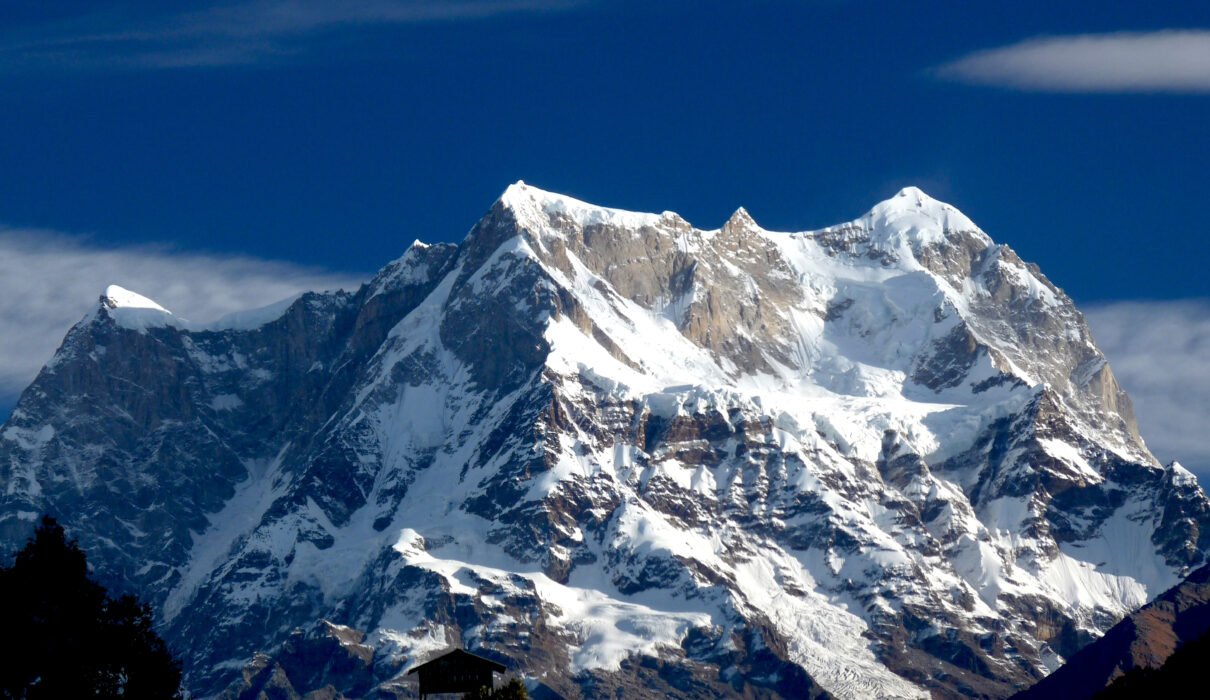
Highest Unclimbed Mountains in the World continue to inspire explorers, scientists, and dreamers who wonder what secrets remain hidden in the most remote corners of our planet. These towering peaks are not just tall summits; they represent mystery, culture, extreme weather, and environmental protection. While many famous mountains have been conquered, a few giants still stand beyond human footsteps. Their untouched ridges tell stories of danger, sacred traditions, and fragile ecosystems that deserve respect.
For adventurers planning African expeditions, you can explore exciting safari and trekking experiences through Eddy Tours & Safaris, a trusted local expert in wildlife and mountain adventures. But today, let us travel beyond the familiar and discover the extraordinary peaks that remain unclimbed.
Why Some of the Highest Unclimbed Mountains in the World Remain Untouched
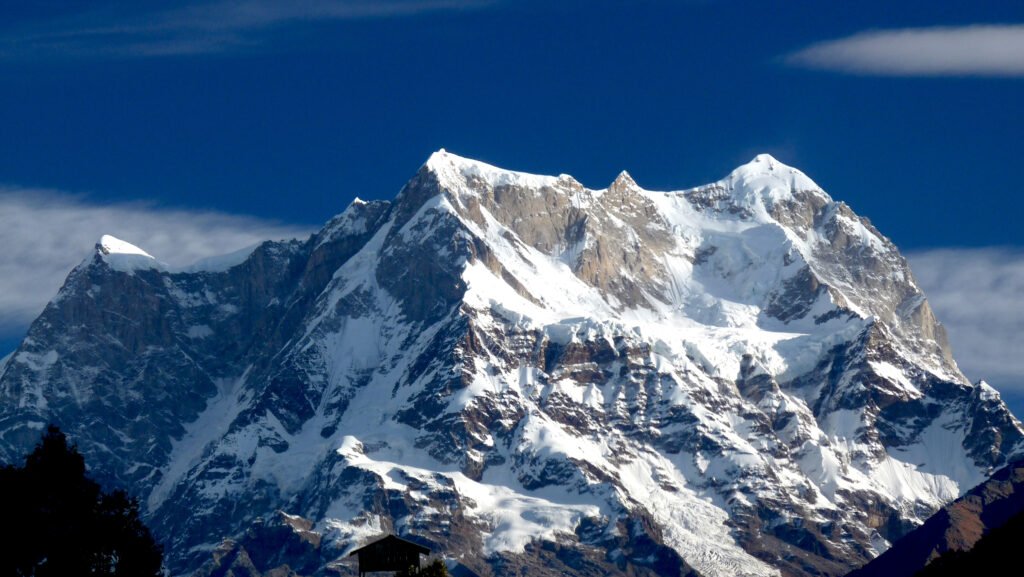
The reasons behind untouched summits are complex and fascinating. Some mountains are considered sacred by local communities and are protected from climbing out of cultural respect. Others are located in politically restricted zones or lie within fragile ecosystems protected by global conservation laws. In some cases, the technical difficulty of the terrain, extreme weather patterns, and constant avalanche risk make attempts nearly impossible.
Organizations such as National Geographic Society, International Union for Conservation of Nature, and United Nations Environment Programme often highlight how environmental protection plays a critical role in restricting access to certain mountains. These regions may host endangered species or rare alpine ecosystems studied by institutions like World Wildlife Fund and Conservation International.
7 Highest Unclimbed Mountains in the World That Defy Conquest
1. Gangkhar Puensum
Standing along the Bhutan–China border, Gangkhar Puensum is widely recognized as the tallest peak never climbed. Bhutan respects the spiritual significance of its mountains, and climbing is prohibited under national law. The cultural protection policies supported by global organizations such as UNESCO help preserve sacred landscapes like this. Its dramatic ridges and deep valleys remain untouched, creating one of the most mysterious summits on Earth.
2. Muchu Chhish
Located in a remote region near the Pakistan–China border, Muchu Chhish is another technical giant that has resisted climbers. Harsh terrain and unstable ice conditions create extreme risk. Research on glacial instability conducted by institutions like National Snow and Ice Data Center explains why such peaks are becoming even more unpredictable due to climate shifts.
3. Karjiang I
Karjiang I in Tibet is a breathtaking yet restricted summit. Access limitations and logistical challenges have prevented successful expeditions. Environmental studies from NASA Earth Observatory show how Himalayan climate systems affect snow accumulation and avalanche patterns in this region.
4. Tongshanjiabu
Tongshanjiabu lies on the Bhutan–China frontier and remains largely unexplored. Strict regional policies and technical barriers have kept climbers away. Conservation frameworks promoted by International Centre for Integrated Mountain Development highlight the importance of protecting fragile mountain biodiversity.
5. Labuche Kang III
This remote Tibetan peak is rarely discussed but ranks among the highest untouched mountains. The political sensitivity of the region and unpredictable weather systems discourage organized expeditions. Scientific reports from National Oceanic and Atmospheric Administration provide insight into extreme high-altitude storm formations common in such areas.
6. Apsarasas Kangri II
Situated near the Siachen Glacier, this mountain lies in a militarized zone, making civilian climbing nearly impossible. Glaciology research supported by British Geological Survey explains the instability of ice formations in this region, which further increases risk.
7. Namcha Barwa (Secondary Peaks)
While the main summit has been climbed, certain subsidiary peaks remain untouched. The area is ecologically sensitive, with research conducted by Global Forest Watch showing the importance of protecting surrounding forests and biodiversity.
Environmental Importance of the Highest Unclimbed Mountains in the World
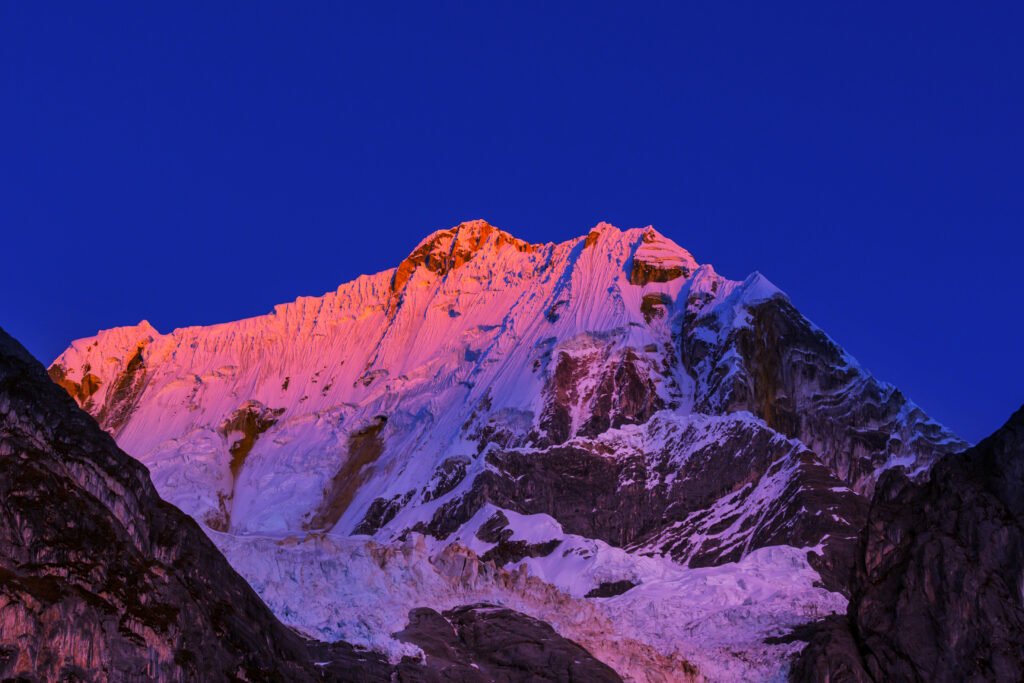
These mountains are more than climbing challenges; they are ecological treasures. Alpine ecosystems host rare species studied by BirdLife International and Fauna & Flora International. Melting glaciers in these regions directly affect global water systems monitored by World Bank Climate Programs and Intergovernmental Panel on Climate Change.
As mountaineering grows in popularity, sustainable tourism principles become essential. Ethical safari and trekking experiences promoted by Eddy Tours & Safaris emphasize conservation awareness, similar to mountain stewardship programs supported by Alpine Club and American Alpine Club.
Climbing Ethics and Cultural Respect
Respect for local traditions is central when discussing the Highest Unclimbed Mountains in the World. In Bhutan and Tibet, mountains are viewed as spiritual homes of deities. Global ethical tourism standards referenced by UN World Tourism Organization encourage travelers to honor local customs and environmental laws.
Mountain conservation is also linked to wildlife preservation. Research shared by Panthera and Snow Leopard Trust demonstrates how high-altitude ecosystems protect endangered species that rely on undisturbed habitats.
Adventure Inspiration Closer to Home
If the mystery of remote peaks excites you, there are accessible mountains that offer thrilling yet responsible adventures. Tanzania’s iconic climbs and wildlife safaris provide safe alternatives. Learn more about African expeditions through Eddy Tours & Safaris and expert trekking insights from Kilimanjaro Climb Specialist. These experiences combine professional guidance with environmental care.
Educational resources from National Park Foundation, Smithsonian Institution, and Encyclopaedia Britannica further explain the science and geography behind these extraordinary peaks.
Frequently Asked Questions
Why are the Highest Unclimbed Mountains in the World still unclimbed?
Most remain untouched due to religious protection, political restrictions, extreme danger, or environmental conservation laws.
Can anyone attempt to climb these mountains?
In many cases, permits are not issued, especially where cultural or environmental protections are enforced.
Are unclimbed mountains dangerous?
Yes, unpredictable avalanches, unstable glaciers, and extreme weather create serious risk.
Do these mountains affect climate systems?
High-altitude glaciers influence global water cycles and are closely monitored by climate research institutions.
Is it ethical to climb sacred mountains?
Ethical tourism encourages respecting local traditions and avoiding climbs that conflict with cultural values.
Where can I experience safe mountain adventures?
You can explore guided African expeditions with Eddy Tours & Safaris for professionally managed trekking and safari experiences.
Final Thoughts on the Highest Unclimbed Mountains in the World
The Highest Unclimbed Mountains in the World represent more than height and challenge; they symbolize respect for nature, culture, and scientific discovery. In a world where nearly every corner has been explored, these untouched giants remind us that mystery still exists. Preserving them protects biodiversity, honors tradition, and safeguards fragile ecosystems for generations to come.
While some peaks may never see human footprints, their stories continue to inspire responsible adventure. Whether you choose a safari, a trekking expedition, or a conservation journey, always travel with awareness and respect for the landscapes that shape our planet.